
February 07, 2020 ✒ Andrew Kantor
With a handful of exceptions, the virus does not seem to affect children. Possible reason: They get a milder form. Georgia’s Department of Public Health will be getting some coronavirus test kits. The virus’s shares 80% of its genome with SARS. (While that may sound like a lot, consider that humans share 80% of their genes with mice.) The nightmare coming true: Prada reports it’s closing some stores in China. Regeneron Pharmaceuticals says it’s working on a treatment, and may not even charge too much for it. South Korean docs report successful treatment using Kaletra (lopinavir and ritonavir) and antibiotics. Just letting Medicare negotiate the price it pays for insulin — the way the VA does — could save taxpayers $4 billion a year. Even if Medicare simply paid the same prices as the VA, it would cut a huge chunk of spending: Total spending on insulin for Medicare Part D [in 2017] was $7.8 billion after manufacturer rebates. If Medicare had been able to use the same prices negotiated by the VA, it would have saved $2.9 billion. French researchers are creating yarn out of human skin to use as surgical stitches or skin grafts. Those shifty Danes have discovered an interesting correlation: Women who conceived in mid-summer have a higher risk of having a hypertensive disorder. In fact, the risk tracks nicely with the amount of sunlight during pregnancy. Conclusion: “This may support the existence of an association between vitamin D and the hypertensive disorders of pregnancy.” Rutgers researchers have found that “Women with preeclampsia are four times more likely to suffer a heart attack or cardiovascular death.” A paper presented at a meeting of the Society for Maternal-Fetal Medicine found that hospital readmissions for postpartum hypertension can be reduced with a very simple tack: Tell them about it, i.e., “All Women Should be Educated After Childbirth About the Signs and Symptoms of High Blood Pressure.” Bioengineers have created a once-a-day skin patch the size of a coin* that can both monitor and adjust a wearer’s insulin levels. The adhesive patch [has] doses of insulin pre-loaded in very tiny microneedles, less than one-millimeter in length that deliver medicine quickly when the blood sugar levels reach a certain threshold. When blood sugar returns to normal, the patch’s insulin delivery also slows down. Shout-out to Cigna, which reported its profits almost doubled in 2019 to $5.1 billion, thanks in large part to its acquisition of Express Scripts. Even better, the company says it expects profits to reach at least $6.8 billion in 2020. CRISPR is cool and all for editing genes, but what if you want to make an edit that’s less permanent, and less apt to have unintended side effects? Enter RNA editing — today’s Long Read. In a nutshell, rather than changing cells’ DNA, RNA editing intercepts the messenger RNA and makes its changes there. The RNA delivers a different message, making a therapeutic change … a temporary one. One researcher has a good example of the use of RNA editing: [Editing] the mRNA for a gene encoding the sodium channel Nav1.7, which controls how pain signals are transmitted to the brain. Permanently changing the Nav1.7 gene through DNA editing could eliminate the ability to feel pain and disrupt other necessary functions of the protein in the nervous system, but tuning it down through RNA editing in select tissues for a limited amount of time could help to alleviate pain without the risk of dependency or addiction associated with conventional painkillers.Sewing with human skin, automatic insulin patch, babies and blood pressure, and more
Ragnarök Watch
4 billion here, 4 billion there….
There is nothing creepy about this at all

Blood pressure and pregnancy
Hypertension: ‘Tis the season
There’s a real long-term danger
Tell them about it
Continuous glucose monitoring in a patch
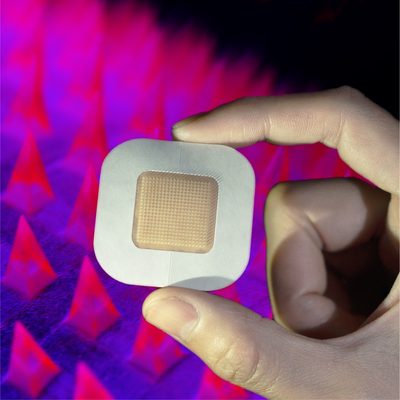
* A really big coin, like the old Eisenhower silver dollars
Congrats to Cigna!
The Long Read: RNA editing
February 06, 2020 ✒ Andrew Kantor
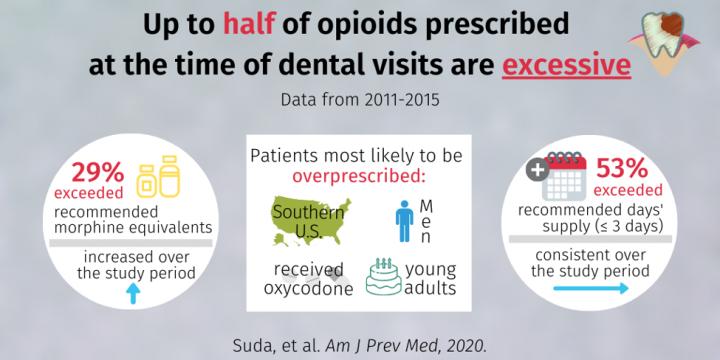
Could people be carrying the Wuhan virus be asymptomatic? Chinese doctors say yes. A letter in the New England Journal of Medicine agrees. But German officials say “Nein,” claiming that the one patient without symptoms did in fact have symptoms — just mild ones, and she was taking medication. To make matters worse, the initial symptoms are pretty vague: headache and back pain. Communication directors in America are known to suffer from those fairly regularly. If the first symptom is common and vague […], “then the public health challenge of figuring out who’s infectious is about as great as if it was truly asymptomatic.” The latest list of hospitals hit with Medicare penalties is out, and it includes 26 in Georgia. That means those facilities are among the one-quarter of general acute-care hospitals with the highest rates of patient safety issues. Want to see the list? Click here and enter “Georgia” in the search box. (High-five to Crisp Regional Hospital in Cordele and Southern Regional Medical Center in Riverdale. Both had been penalized every year since 2015, but are not on the list for 2020. Nice job!) How can you reduce opioid prescriptions? Apparently changing the default setting on prescription software can do it. On average, “The researchers found that for each tablet increase in default quantity, there was an increase of 0.19 tablets prescribed.” For all it’s stock-market troubles over the past year, Johnson & Johnson still pushed its way to the top of the ‘most valuable pharma companies’ list, beating out last year’s winner, Roche. “By having a strong brand, J&J is more resilient. You do see scandals with big brands, but it takes quite a few before things really start to go off the boil. I think J&J is still a very well-loved and respected and trusted brand despite some of these issues.” Antibiotics. Researchers looking at 10 years’ worth of Medicaid claims found that … Dentists. A new, large study found that dentists are overprescribing painkillers, especially to men, young people … and in the South. They’re talking doses that are too high and durations that are too long. And it’s getting worse: “Unlike national trends, opioid overprescribing by dentists is increasing,” wrote the lead investigator (who happens to be a pharmacist). And fruits. A new study of older people (average age: 81) found that eating flavonols, which are found in most fruits and veg, seems to have a strong correlation with not getting Alzheimer’s. After controlling for everything you can imagine… [T]he scientists found that, compared with those in the lowest one-fifth for flavonol intake, those in the highest one-fifth had a 48 percent reduced risk for Alzheimer’s disease. Apparently male scientists are more likely to boost their papers’ impact by using “Sensationalistic terms in titles or abstracts.” [P]apers with first and last authors who were both women were about 12% less likely than male-authored papers to include sensationalistic terms such as ‘unprecedented’, ‘novel’, ‘excellent’ or ‘remarkable’. If you were wondering why tramadol doesn’t cause overdoses like other opioids, Syntrix Pharmaceuticals has the answer: While tramadol allows G proteins to couple with the same receptor as other opioids (relieving pain), it doesn’t cause interfere with βarrestin2, so the body is able to avoid the typical respiratory issues associated with opioid overdose. Or, to put it more science-y: [I]ts active metabolite, desmetramadol, is as effective as morphine, oxycodone and fentanyl in eliciting G protein coupling at the human µ opioid receptor (MOR), but surprisingly, supratherapeutic concentrations spare human MOR-mediated βarrestin2 recruitment thought to mediate lethal opioid-induced respiratory depression.Georgia hospitals penalized, a remarkable way to cut opioids, hidden coronavirus, and more
Ragnarök Watch: “Now You See It…” edition
Georgia hospitals on the penalty list
It kinda makes you want to facepalm
J&J hits #1
Overprescribing in the news
Eat your veggies
A staggering and remarkable find in scientific papers
Let’s get technical: What’s with tramadol?
February 05, 2020 ✒ Andrew Kantor
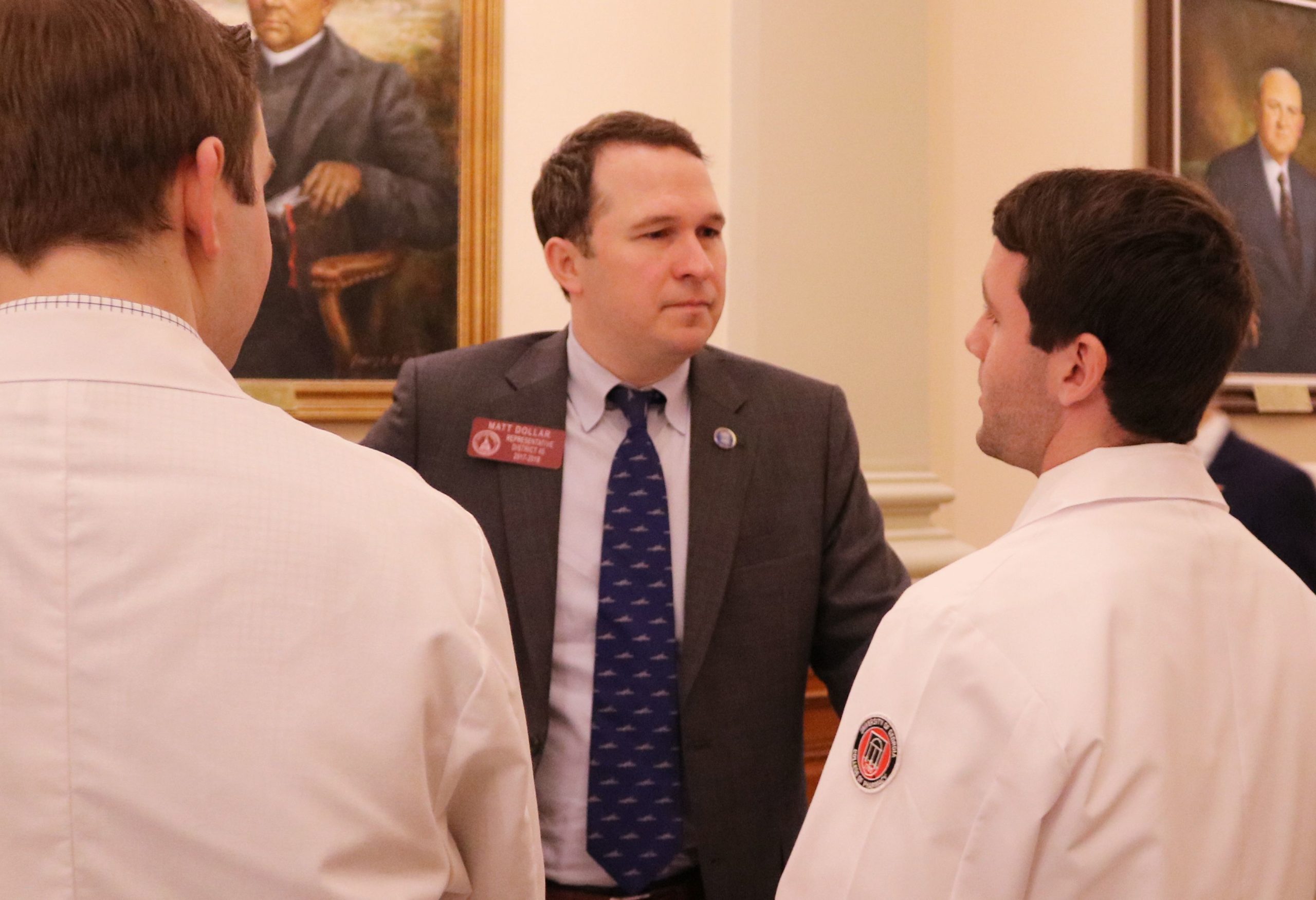
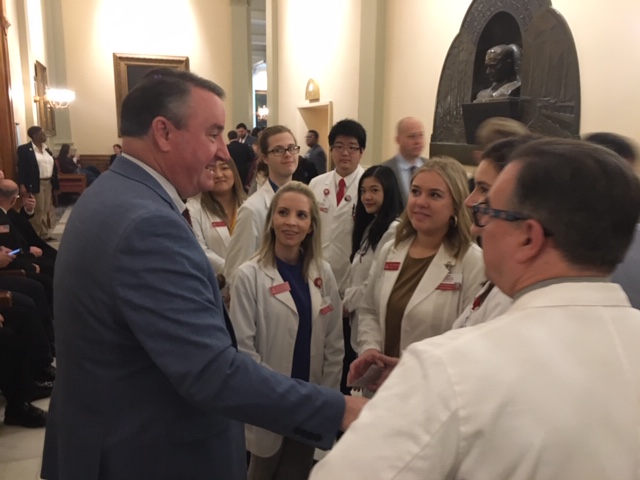
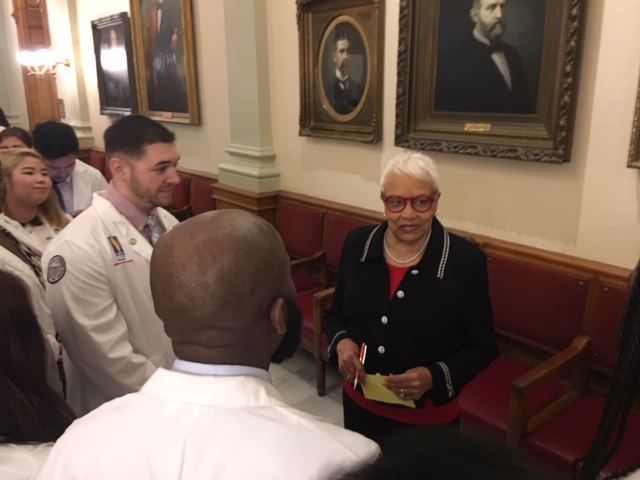
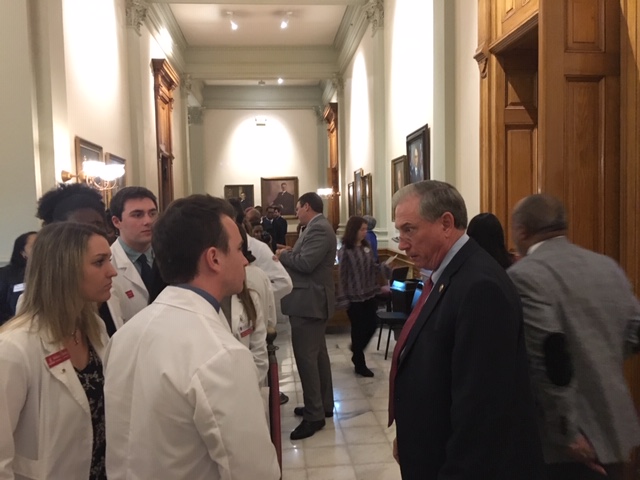
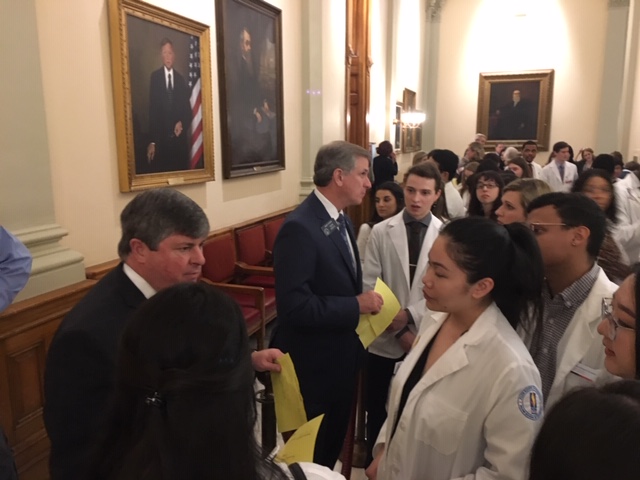
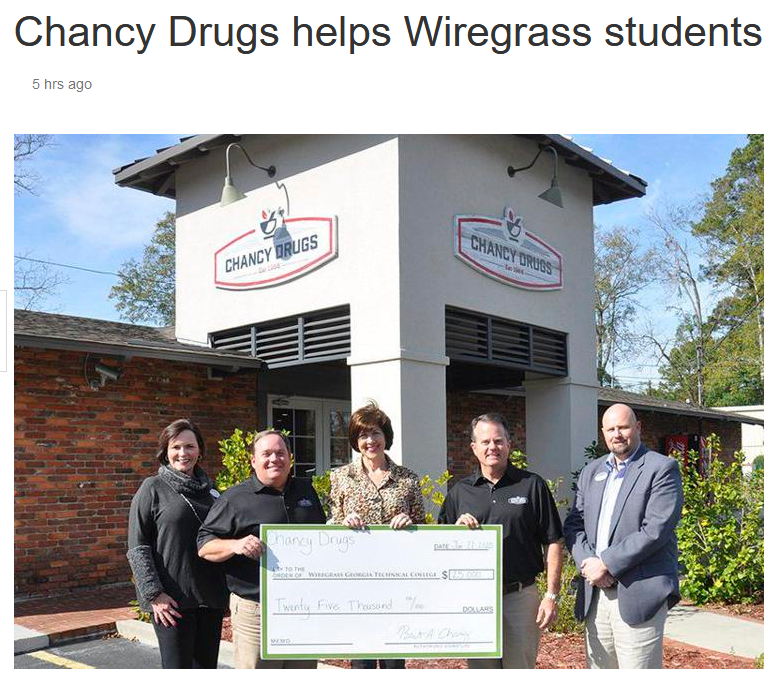
Check out these pics of student pharmacists from UGA and PCOM on their lobbying visit to the state capitol. More than 250 students from the two schools got a behind-the-scenes look from GPhA’s advocacy team before setting out to meet with legislators about the critical bills coming up in this year’s session. Mercer and South University students: Your Day at the Dome is coming up on February 27. Sign up today at GPhA.org/dayatthedome! Physicians in Thailand say a combination of antiviral drugs — lopinavir, ritonavir, and oseltamivir — has successfully treated the Wuhan coronavirus. “This is not the cure, but the patient’s condition has vastly improved. From testing positive for 10 days under our care, after applying this combination of medicine the test result became negative within 48 hours.” It’s been known for a few years that lights flickering at 40Hz seem to help mice with Alzheimer’s. Now Georgia Tech and Emory researchers are a bit closer to knowing why. Apparently, that frequency causes the release of the certain cytokine proteins, which then trigger the brain’s microglia immune cells. The microglia are what can purge the amyloid beta plaques that cause Alzheimer’s. So now they have the pieces: Light at 40Hz, cytokine, microglia. What’s next is to figure out how and why it all works the way it does. Bert and Hugh Chancy, owners of Chancy Drugs in Hahira, were recognized in the Valdosta Daily Times for their $25,000 donation to the Wiregrass Georgia Technical College’s pharmacy technology programs. Way to go! The Georgia Pharmacy Association is offering its one-day Practical Skills Refresher Course this Saturday, February 29 in Atlanta. It’s a four-hour class that brings you up to speed on the terminology, measurements, and procedures you’ll use on the Georgia Pharmacist Practical Exam. NEW for 2020: Hands-on lab review. Get lab time with an instructor to watch you and provide feedback in a simulated testing environment. (Additional fee, and includes lunch.) The course is from 9:00 a.m. to 1:00 p.m. on the campus of Mercer University. (No, you don’t have to be a Mercer student to go.) The optional lab portion is from 2:00 to 4:00 p.m. and includes lunch. Current GPhA members pay just $159. If you want to add the hands-on lab and lunch, that’s an additional $89. Go to GPhA.org/practicalskills to sign up. Reminder: The Pharmacist Practical Examination itself is on Thursday, March 5, also on the Mercer campus. Click here for info from the Board of Pharmacy. If you want to avoid being groggy in the morning, set your alarm to something melodic (e.g., Brahms) rather than something “non-melodic” (e.g., Norwegian death metal). At least according to researchers at Australia’s RMIT University. “You would assume that a startling ‘beep beep beep’ alarm would improve alertness, but our data revealed that melodic alarms may be the key element. This was unexpected.” A screwed-up biological clock — sorry, “circadian rhythm” — can be a step on the road to diabetes. (The pancreas gets annoyed when its clock is disrupted, apparently, and doesn’t want to secrete insulin and glucagon.) So why not reset that clock? You might think that involves getting patients to sleep more regularly, or put them in rooms with timed lighting. That’s nowhere near cool enough. Instead, Swiss scientists used Nobiletin, “a natural ingredient of lemon peel whose impact on circadian clocks has been recently discovered,” to resynchronize the clocks of pancreatic cells. Apparently it worked: “[A]s soon as we got the clocks back in sync, we also observed an improvement in insulin secretion.” Walgreens will pay a $7.5 million settlement to California because one of its “pharmacists” was not actually a pharmacist. “Prosecutors said that from late 2006 through 2017, [Kim Thien] Le used the license numbers of registered pharmacists in order to impersonate them and dispense prescriptions.” University of Wisconsin–Madison researchers have developed nanoparticles that, they say, can boost the production of cancer-fighting immune cells — and do it cheaply. If they are shown to work as well in the body as they do in the lab, the nanoparticles might provide an effective and more affordable way to fight cancer. Possible coronavirus treatment, wake up gently, fake pharmacist caught, and more
UGA and PCOM at the Gold Dome




Ragnarök* Watch: “Light at the End of the Tunnel” edition
* I thought I’d switch it up a little this week.
Speaking of light: Interesting Alzheimer’s finding
Shout-out to the Chancy team!
Preparing to take the Georgia Pharmacists Practical Exam?
Deets
Wake to the sound of music
Swiss, clocks, and diabetes
Elsewhere: “But I Play One On TV” edition
“If”
February 04, 2020 ✒ Andrew Kantor
The FDA has approved the first sort-of treatment for peanut allergies. Unfortunately it’s only a small step, but it could still offer some relief to people whose lives are literally in danger. The treatment is a specially prepared peanut powder swallowed daily in tiny amounts that are gradually increased over months. It trains children’s and teens’ bodies to better tolerate peanut so that an accidental bite is less likely to cause a serious reaction, or even kill in severe cases. Users still have to avoid peanuts; the treatment, Palforzia, can only reduce the severity of a reaction. There are some serious potential side effects as well, and it has to be taken every day — an users still need to carry their Epi-Pens just in case. Worry: “At least 19M Americans sickened by flu so far this season“. Don’t worry: “Trump says U.S. has ‘shut down’ coronavirus threat“; maybe that’s why “US officials release few details” on who has the virus and where they’ve travelled…. The French Institut Pasteur has finished sequencing the virus’s genome and shared that information with the rest of the world. According to the movies I’ve seen, that means a cure and vaccine are only a montage or two away. (But seriously, if you’re curious why knowing the genome is useful, Science magazine has you covered with “Mining coronavirus genomes for clues to the outbreak’s origins“.) A prospective cross-sectional study of 464 patients finds that ‘Depression and anxiety are common in patients with rheumatoid arthritis.’ That is all. Dogs with bladder cancer have been treated (successfully, it’s important to add) with a modified version of anthrax. By tweaking the toxin to bind to a protein that’s common on bladder cancer cells, those cells engulf the toxin, “which then induces the cancer cell to commit suicide (a process called apoptosis), while leaving healthy cells alone.” Parkinson’s disease is tough to treat because the protein that needs to be targeted — α-synuclein — changes its shape too much for a drug to latch on. So Rutgers scientists tried a different tack: They used a small molecule to target not the protein, but the messenger RNA that builds it. It worked. [Their study] showed that by targeting messenger RNA, the team found a compound that prevents the harmful Parkinson’s protein from being made. This new compound, named Synucleozid, reduces specifically α-synuclein levels and protects cells against the toxicity of the misfolded form of the protein, suggesting that it has the potential to prevent disease progression. “Experimental HIV vaccine regimen ineffective in preventing HIV” Soy sauce. Fermented soy sauce. Results, published in The BMJ, suggest the women who ate the most fermented soy were 11% less likely to die over the next 14 years than those who consumed the least. Among men, the odds went down by 10%.Anthrax vs cancer, o boy it’s soy, a new Parkinson’s target, and more
Peanut allergies: One small step
Outbreak watches
Speaking of the coronavirus….
Arthritis is depressing
Whatever doesn’t kill you…
Parkinson’s target
HIV study ends unsuccessfully
Want to live longer?
February 01, 2020 ✒ Andrew Kantor
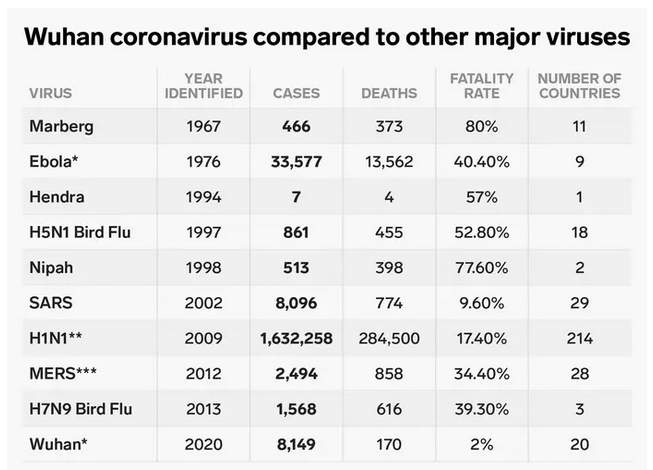
“How Chaos at Chain Pharmacies Is Putting Patients at Risk” In letters to state regulatory boards and in interviews with The New York Times, many pharmacists […] described understaffed and chaotic workplaces where they said it had become difficult to perform their jobs safely. They struggle to fill prescriptions, give flu shots, tend the drive-through, answer phones, work the register, counsel patients and call doctors and insurance companies, they said — all the while racing to meet corporate performance metrics. In short, looking at 669,000 providers, 8.9 million opioid prescriptions, and 3.9 million patients, researchers concluded that: Thus, they conclude, it’s a waste of time to target the 99% with prevention programs — “Interventions focusing on this group of providers are unlikely to effect beneficial change and could induce unnecessary burden.” Instead, they argue, “[O]ur results suggest that interventions targeted at high prescribing opioid providers should be prioritized” because, in part, that’s more likely to produce sustained results and to reach high-risk patients. Go on the adventure of a lifetime … and also come to TechU: The biggest event for Georgia pharmacy techs on May 2 this year! It’s a full-day continuing education and networking event designed by Georgia pharmacy techs exclusively for Georgia pharmacy techs. It starts at GPhA headquarters in Sandy Springs, then — after lunch (included, of course) — moves to Topgolf in Alpharetta. (And no, you don’t need to have ever picked up a club to have fun there.) The whole shebang: Education, food, drinks, golf, and even a tote bag is only $25 for GPhA members — $30 if you register after February 14. (Non-members pay just $45, or $50 after Valentine’s Day.) Register today at GPhA.org/techu or miss out on what all the cool kids will be talking about! Another potential peanut-allergy vaccine, another set of ‘positive preclinical results.’ Place your bets — which will come first, a universal flu vaccine or one against peanut allergies? Juul is out. Puff Bar is in, thanks to a gigantic loophole in that supposed ban on flavored e-cigarettes: Disposable vaping products are excluded. So guess what? “Disposable Flavor Pods Are the New Thing in Vaping.” [A] footnote on page 9 of the new policy permits all flavors to continue to be sold in devices that cannot be refilled and are designed to be disposed of after the flavored nicotine has run dry. Teenagers have caught on fast. As one administrator put it, “Teens are very savvy and if they are addicted, they are going to do what it takes to continue a habit.” The University of Texas Health Science Center developed a program called “CATCH My Breath” that it calls “the only evidence-based e-cigarette prevention program that has demonstrated effectiveness for middle school-aged youth.” The curriculum emphasizes active, student-centered learning through group discussions, goal setting, refusal skills training, capacity building with analyzing tobacco company advertising, and creating counter-advertising and non-smoking policies. It’s spreading, it still has a low mortality rate, it’s still nowhere near as bad as the flu. Airlines are cutting travel, airports are screening people, researchers are working on a vaccine but it could take years, etc. The Times keeps an updated page of info. And Business Insider has a good chart for perspective: Lung damage from respiratory disorders like COPD seem to lead to an increase in … pancreatic cancer? Apparently so, according to research from Thomas Jefferson University. And the reason is fairly straightforward: Low oxygen, called hypoxia, is a known feature of the pancreatic cancer microenvironment and a contributor to tumor aggressiveness and resistance to therapy. In anticipation of the soon-to-be-in-your-mailbox “Numbers Issue” of Georgia Pharmacy, we have this new tidbit from the University of Colorado Boulder: U.S. birth weights are down thanks to the increasing prevalence of inductions and C-sections. They analyzed more than 23 million single births to healthy mothers from 1990 to 2013 […] Then they ran a simulation to see what would have happened if cesarean and induction rates hadn’t increased. “We found that the decline in birth weight would not have happened if it were not for the rapid increase in these obstetric interventions,” said [lead author Andrea] Tilstra. “In fact, birth weights would have gone up.” It’s been a while since we had a game of “Medication or Sci-Fi Alien?”, but this time we’ll make it a little more complex. Ladies and gents, test your brain with “Medication, Sci-Fi Alien, or K-Pop Star?” — do you know which is which? (Hint: There are at least two of each.) A bill introduced in the Oklahoma legislature would “replace the state’s third-party PBMs with a direct-to-pharmacy payment system.” “States started using pharmacy benefit managers because of their promised cost savings but now many are realizing that instead of cutting prescription costs and saving states money, PBMs are putting the rebates and savings in their own pockets,” [OK stateSen. Paul] Scott said.E-cig loophole, pharmacy “chaos,” smaller American babies, and more
ICYMI: Under pressure edition
We might be fighting opioid prescribing the wrong way
Hey techs! This conference is for U
Nuts* for you
* Technically legumes, but you knew that
E-cig loophole means kids aren’t stopping
But if you want them to stop…
Apocalypse Watch
It’s almost as if the parts of our bodies were connected
Smaller kids
Drug, alien, or pop star?
Elsewhere: “Where the Wind Comes Sweepin’ Down the Plain” edition
January 31, 2020 ✒ Andrew Kantor
It’s actually not a joke, nor does it come from Gwyneth Paltrow: A study in Nature shows that, even after years of smoking, there are still some healthy lung cells that can repair the damage. What’s particularly surprising is that any cells escaped damage at all. Exactly how they avoid the genetic devastation caused by smoking is unclear, but the researchers said they appeared to “exist in a nuclear bunker”. […] “We were totally unprepared for the finding,” Dr Peter Campbell, from the Sanger Institute, told BBC News. “One of the remarkable things was patients who had quit, even after 40 years of smoking, had regeneration of cells that were totally unscathed by the exposure to tobacco.” Psilocybin, the important ingredient in magic mushrooms, “may bring long-lasting relief to cancer patients who suffer anxiety and depression, a new, small study suggests.” And, the truth is, no one is sure exactly how psilocybin works to lift entrenched anxiety and depression — including the kind of “existential distress” that can plague people with a life-threatening disease. Thanks to a drop in both cancer and overdose deaths, life expectancy in the U.S. rose slightly for the first time since 2014 — from 78.6 years to 78.7. We’re still below the rest of the developed world (and lower than our 2014 peak), but it’s a bit of good news that we’re not getting worse. Note: The upcoming issue of Georgia Pharmacy magazine doesn’t include these latest figures. Great news: Three out of four kids in hospital only receive the antibiotics they need. The other 25 percent get unnecessary ones, and for adults it’s worse: “Data on adults have suggested that 30% to 50% of antibiotics used in hospitalized adults is inappropriate.” “Prior authorizations are a pain point for both doctors and patients, survey finds” You may have noticed this yourself: People who weren’t worried about the flu are suddenly worried about the Wuhan coronavirus (can we please name it already?). They’re buying masks, even the non-N95 ones that won’t really help. And that’s creating a shortage that might affect the people who really do need them. Pro tips: Cheap painter’s masks only keep the wearer from spreading germs. And the better, N95 masks, will only make a difference if you’re surrounded by sick people. (Maybe you can consider selling these instead.) A new HHS rule is supposed to take effect in January 2021 — it will require hospitals to disclose their prices for a variety of procedures in a consumer-friendly format. Insurance companies say it will lower prices. Hospitals say it will raise them, cause confusion, and the requirement violates their 1st Amendment rights. Both sides have proof and both sides are willing to fight it out in court. Grab the popcorn. Well, cyclodextrins — which are derived from glucose. European researchers have found they can use them to destroy the outer shell of viruses, which is better than just inhibiting growth the way traditional antivirals do. It’s yet another potential game-changer. “The antiviral mechanism is virucidal meaning that viruses struggle to develop resistance. As this is a new type of antiviral and one of the first to ever show broad-spectrum efficacy.” If you know a vegan who wants a different hair color, Revlon’s got you covered with its new “Total Color collection,” which the company says is “infused with nourishing* oils, botanicals, and does not contain traditional hair color ingredients.” Even better, if someone is suffering from Celiac disease, the new colors are also gluten-free. Really. Mask panic, mushroom magic, Americans living longer, and more
Lungs can “magically” heal
Speaking of magic…
1.2 months of good news
Antibiotics: Too much too soon
They really had to ask?
Panic fuels a mask shortage
Who should you believe?
Sugar kills viruses
Vegan colors
* Hair is dead. It can’t absorb nutrients.
January 31, 2020 ✒ Andrew Kantor
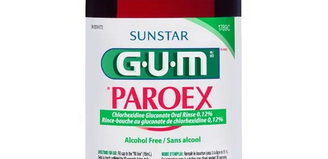
I get them too — every company I have ever done business with — and some I haven’t — has a generic “Happy New Year” message for me. So rather than add to that list, I’ll just say, “What they said.” (Have a great New Year: Stay safe, stay healthy.) The U.S. vaccine rollout started with a lot of noise and hope, but it’s been stumbling. The federal government has left most of the distribution up to the states, and the 50+ separate infrastructures are doing their best. The Trump administration has shipped more than 11 million doses of the two available Covid-19 vaccines, but just over 2.1 million people nationwide have received a shot since vaccinations began December 14. Operation Warp Speed officials walked back the initial promise of 20 million people vaccinated this year to say they meant 20 million doses would be shipped. The good news: The just-passed coronavirus stimulus package finally includes the money states have been asking for to pay for the effort. Wondering where you are in line to get a vaccine? The New York Times has a handy-dandy tool for figuring it out, taking into account each state’s demographics and who the state has prioritized. Just you wait, just you wait You might think that, when a pathogen enters the body, it’s an immune cell that first sounds the alarm. That turns out not to be the case … at least with mice and cryptosporidium. UPenn researchers were a bit surprised to find that it’s the gut — specifically, epithelial cells lining the intestines — that sent the initial danger signals. [T]his new finding underscores that cells not normally thought of as part of the immune system—in this case intestinal epithelial cells—are playing key roles in how how an immune response gets launched. If you haven’t seen it, Sunstar has recalled its GUM brand Paroex chlorhexidine gluconate oral rinse due to possible bacterial contamination. The last one came out five years ago, and this new one, from USDA and HHS, not only updates that, but adds information for babies and toddlers. The downside: More politics, less science, much to the frustration of nutritionists. For example, the guidelines still say that two alcoholic drinks a day are safe for men (a decision that “should be applauded,” according to the American Beverage Association), that sugars can make up 10 percent of daily calorie intake, and they don’t suggest limiting red meat. Contrast Harvard’s “Healthy Eating Plate,” which is updated regularly to reflect the latest science. LSU neurologists say that a drug developed there — in combination with existing meds — can help stroke patients recover faster. “How so?” you ask, intrigued. It takes a two-pronged approach, tackling both inflammation and “cell-survival pathways.” Together, the researchers say, the drugs “reduced the size of the damaged area in the brain, initiated repair mechanisms, and remarkably improved behavioral recovery.” The first U.S. case of the U.K. ultra-contagious Covid-19 variant has been reported in Colorado, which you know means it’s probably in a lot of other places, too.Vaccine timing, mouthwash recall, and good-bye and good riddance to 2020!
Not a New Year’s item
Covid-19 vaccine news
What’s taking so long?
Where will you be?
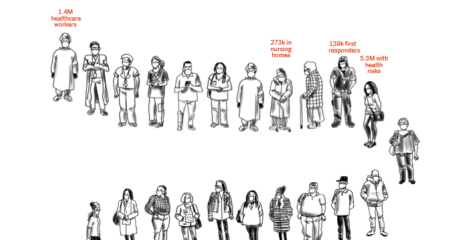
Gut bacteria sound the alarm
Prescription mouthwash recall
The new dietary guidelines are here!
Potential stroke treatment
ICYMI
January 30, 2020 ✒ Andrew Kantor
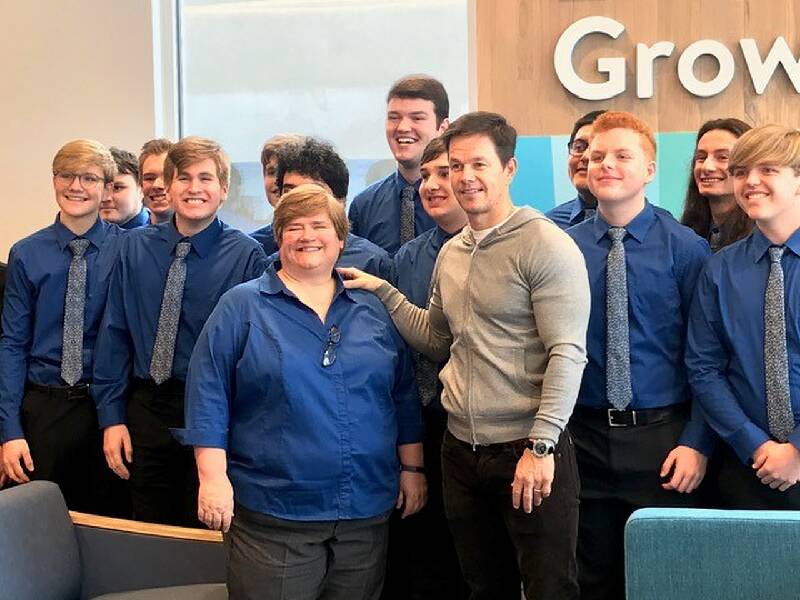
Recent tax cuts are forcing Georgia to cut its budget, including money for health programs. Legislators on both sides of the aisle are not happy about that. One of the most-discussed cuts is to grants awarded to county public health departments, which work to prevent epidemics, reduce health risks and perform other tasks that may vary from county to county. Public Health Commissioner Kathleen Toomey has said there will be no reductions in services in her department, or minimal reductions. If freezing open positions doesn’t do the job, she said, to keep things stable, county departments can spend more of their own money or fundraise. Former hip-hop star “Marky Mark” Wahlberg was on hand for the opening of the new Walmart Health Center in Calhoun. Show your patients (and your boss) that you’re all about giving the best possible advice and treatment. GPhA is offering “APhA’s Pharmacy-Based Immunization Delivery: A Certificate Program for Pharmacists” on Sunday, March 29, from 8:00 a.m. – 5:00 p.m. in the GPhA classroom (6065 Barfield Road, Sandy Springs [map]). This is always one of our hottest courses, so get to GPhA.org/2020immunization fast before the class fills! A survey from the American Society of Human Genetics finds that Americans “strongly support human genetics research.” You’ve seen the story that the FDA says Purell can’t claim it prevents Ebola or the flu. Actually, it’s a bit more nuanced. What FDA says Gojo (Purell’s parent company) did wrong: What Gojo can do: A) Prove those marketing claims and ask to reclassify Purell as a drug — applying for approval, with all that entails, or B) stop making those claims. Depression and alcohol abuse are linked — not just anecdotally, and not (necessarily) by cause and effect. Instead (say Michigan State researchers), there are two personality traits common to both: impulsivity (“I want the immediate reward”) and low tolerance for distress. [T]hey found that high rates of delay discounting and low ability to tolerate stress not only increases the likelihood that a person would have one of the diseases but also increases the likelihood that a person would have both diseases. Let’s say you’re Purdue Pharma, and your opioid sales are taking a hit. Great idea: Pay a $1 million kickback* to Practice Fusion — a company that makes electronic health records software that also suggests treatments. You have Practice Fusion rig its software to convince those docs to prescribe your product. The docs think the software is giving legit advice. What they don’t know is that that Purdue (“Pharma Company X,” although it’s since come out that it’s Purdue) is paying Practice Fusion to make sure the program really, really likes to recommend opioids. The software also encouraged doctors to repeatedly ask patients about their pain, which Pharma Co. X anticipated would lead to an increase in opioid prescriptions, prosecutors said. The drugs were even suggested for patients who didn’t experience severe pain, or who experienced isolated episodes of acute pain over several months but didn’t suffer from round-the-clock discomfort. Practice Fusion will pay fines totally about $145 million, the largest such fine in Vermont history. Purdue is currently considered an “unindicted co-conspirator” until charges are filed. 3M says it’s ramping up production of its respiratory protection products to meet demand because of the Wuhan coronavirus that really needs a name can we get on that already? (The story contains this useful bullet point: “3M makes masks that are used to cover people’s noses and mouths.”) If you thought Purdue University had PR trouble because of Purdue Pharma, think how the folks at Corona Beer are feeling right now. Side note: While everyone panics over a virus that has about 4,700 cases and about 100 deaths worldwide, the flu has already infected 15,000,000 Americans this season alone and killed more than 8,000. A cobbler in England has had his amputated thumb replaced by one of his big toes. Bonus: Cool photo! Toes serve as a near perfect substitute for fingers because both digits share a similar structure and range of motion, as well as sensitive skin and nails for pinching.Marky Mark in Calhoun, more trouble for Purdue, eyebrow-raising surgery, and more
Georgia grapples with medical cuts
Celebrity news
Now is when you need your APhA immunization certificate
Survey shocker
What the FDA really told Purell
Depression and substance abuse: a common thread
Purdue’s kickback scheme uncovered
* That’s the prosecutors’ word, not ours. And the company has admitted to it.
Apocalypse Watch
Medical news* to make you go “Whoa”
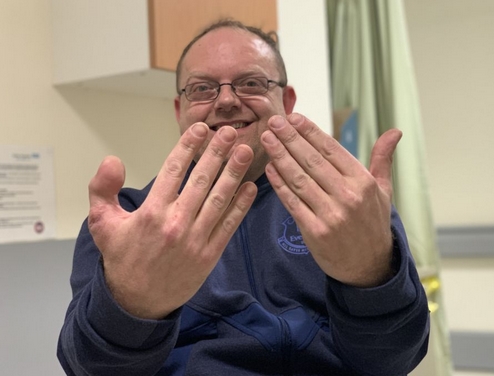
* No, it’s not pharmacy, but it’s too good a story not to share.
January 29, 2020 ✒ Andrew Kantor
Very — and we stress this: very — preliminary research seems to show that tiny doses of lithium might prevent and even reverse Alzheimer’s, at least in rats. [L]ithium in doses up to 400 times lower than what is currently being prescribed for mood disorders is capable of both halting signs of advanced Alzheimer’s pathology such as amyloid plaques and of recovering lost cognitive abilities. The deadline for submitting someone for a 2020 GPhA award is coming up fast — you only have until February 1. Did you forget what the awards are? They’ll be presented at the 2020 Georgia Pharmacy Convention in Asheville, N.C., so get your nominations in! Learn more about them and nominate a pharmacist on our awards page at GPhA.org/awards. Tick tock…. Tearing your ACL — rather, having it repaired — can cause changes to your brain that make it likely you’ll tear it again. After reconstruction (University of Michigan researchers found), the brain narrows the corticospinal tract, allowing less information to get to the muscles. That means reduced function even if it’s not consciously obvious. “We think that this is a protective mechanism, in which our body is trying to limit unwanted movement around a joint injury … and can be applied to not just ACL injuries, but other musculoskeletal injuries as well.” Dr. Harri Hemilä at the University of Helsinki really likes to research zinc and the common cold. It’s just that the conclusions keep changing. 2011: “Zinc Lozenges May Shorten the Duration of Colds” 2017: “Common cold duration is shortened similarly by zinc acetate and zinc gluconate lozenges” 2020: “Zinc lozenges did not shorten the duration of colds” Country Mouse — living away from major roads — has a lower risk of dementia, Parkinson’s disease, Alzheimer’s disease, and multiple sclerosis. Air pollution: Bad. Green spaces: Good. For non-Alzheimer’s dementia and Parkinson’s disease specifically, living near major roads or a highway was associated with 14 per cent and seven per cent increased risk of both conditions, respectively. Researchers at France’s Montpellier Cancer Research Institute have identified a completely new component of blood: mitochondria. Specifically, “highly stable structures containing whole mitochondrial genomes.” [T]he researchers hypothesize that these circulating mitochondria could be implicated in many physiological and/or pathological processes requiring communication between the cells (such as the mechanisms of inflammation). Indeed, recent studies have demonstrated the ability of certain cells to transfer mitochondria between themselves, such as the stem cells with damaged cells. Currently, we lack virus isolates – or samples of the virus – to test the vaccines against. We also lack antibodies to make sure the vaccine is in good shape. We need the virus in order to test if the immune response induced by the vaccine works. Also, we need to establish what animals to test the vaccine on. That potentially could include mice and nonhuman primates. Vaccine development will likely take months. But at least some folks are taking it with good humor….Knee injury to brain injury, a new kind of blood cell, finding humor in coronavirus, and more
Could lithium prevent dementia?
Who’s the best pharmacist you’ve ever seen?
Hurt your knee, hurt your brain
He’s beside himself
Bad news for City Mouse
You would think we knew what was in there by now
Apocalypse Watch



A health headline that really needs no clarification
January 28, 2020 ✒ Andrew Kantor
Despite GPhA’s efforts (working with the Medical Association of Georgia and the Georgia Society of Clinical Oncology), the Centene-WellCare merger was approved, and the deal closed last week. Georgia Health News has an overview of what that means. Patients who use point-of-care “at home” tests need you. Don’t send them home without a helping hand. Learn how you can help them take control of their health with these tests … and how to best advise them when they show you the results. Check out the 20-hours NACDS “Community Pharmacy-based Point-of-Care Testing Certificate Program” at GPhA.org/pointofcare. Sunday, March 15 $349 for GPhA member pharmacists, $149 for member technicians (techs can’t get the CE, though — sorry!) Bacteriophages could be a powerful new weapon in the fight against antibiotic-resistant bacteria, but Notre Dame researchers have gone a step further: They’ve developed nanoparticles that mimic phages and then give the bacteria what-for. Initial tests showed that the nanoparticle system was 50 percent to 90 percent effective in killing the bacteria strains for all but Pseudomonas aeruginosa, which was only 21 percent effective. However, when the researchers combined the nanoparticle system with peptides that also have antibacterial activity, the system was 100 percent effective at killing the bacteria. Are you still washing your hands with soap and water like some kind of … of ranch hand? You should be thinking about aerosolized engineered nanomaterials with an antimicrobial payload. Obviously. Harvard researchers certainly are. Add sleep apnea — the serious, obstructive kind — to the list of conditions that can raise your risk of diabetes. Why? The lack of oxygen and the inability to get a proper night’s sleep “are likely in the pathway leading to type 2 diabetes.” And we’re not talking a mild risk, either: “For every additional five events of apnea/hypopnea per hour, there was an 8% rise in type 2 diabetes risk for those with [obstructive sleep apnea].” WellStar has completed the second phase of its Avalon Health Park — the fifth such location in the Atlanta area. The new additions include “lab services, primary care physicians and specialist appointments, some outpatient procedures, and physical therapy.” With the opening of its second phase, the health park now provides an array of services that include primary care, cardiac diagnostics, cardiology, general surgery, rheumatology, hand surgery, urology and orthosport physical therapy. What we learned in school: DNA’s info goes to RNA, which then builds proteins*. But new research shows that RNA has a lot more to say about the process. For example, messenger RNA does more than carry the messages — it can tweak it as well. Rather than directions going one-way from DNA to RNA to proteins, the latest study shows that RNA itself modulates how DNA is transcribed—using a chemical process [methylation] that is increasingly apparent to be vital to biology. A new poll looks a little deeper into the American issue of people not being able to afford drugs. It found that, even when people have prescription-drug insurance coverage, they don’t always get what they’re prescribed. First, insurers often refuse to cover a drug — that happened to 49% of people earning less than $35,000 a year, but also 32% of middle-income adults and 41% of high-income adults. So then…RNA gets a say, artificial phages, 21st century disinfection, and more
The meaning of the Centene-WellCare merger
Apocalypse Watch
Learn point-of-care testing with GPhA and NACDS
8:30 a.m. – 12:30 p.m.
GPhA Headquarters in Sandy SpringsArtificial phages to kill bacteria
No soap, nanobots
Apnea and diabetes
WellStar completes new health park
DNA isn’t in charge after all
* Of course this is over-simplified.
The Long Read: drug-affordability
Do you want to send your members the daily Buzz email newsletter (customized for your state and organization, perhaps)? Let’s talk — just drop me a note at andrew@gphabuzz.com!


- Doctors Warn of a Deadly Complication From Measles Outbreaks
- Medicare Advantage ‘Dark Money’ Group Attempts To Win Higher Payments for Insurance Companies
- Families Scramble To Pay Five-Figure Bills as Clock Ticks on Promised Preauthorization Reforms
- As Lung Disease Threatens Workers, Lawmakers Seek Protections for Countertop Manufacturers
- Republicans Fret Over RFK Jr.’s Anti-Vaccine Policies While MAHA Moms Stew
- Primary Care Is in Trouble. So Doctors Band Together To Boost Their Market Power.
- January 2025
- December 2024
- November 2024
- October 2024
- September 2024
- August 2024
- July 2024
- June 2024
- May 2024
- April 2024
- March 2024
- February 2024
- January 2024
- December 2023
- November 2023
- October 2023
- September 2023
- August 2023
- July 2023
- June 2023
- May 2023
- April 2023
- March 2023
- February 2023
- January 2023
- December 2022
- November 2022
- October 2022
- September 2022
- August 2022
- July 2022
- June 2022
- May 2022
- April 2022
- March 2022
- February 2022
- January 2022
- December 2021
- November 2021
- October 2021
- September 2021
- August 2021
- July 2021
- June 2021
- May 2021
- April 2021
- March 2021
- February 2021
- January 2021
- December 2020
- November 2020
- October 2020
- August 2020
- July 2020
- March 2020
- February 2020
- January 2020
- December 2019
- November 2019
- October 2019
- September 2019
- August 2019
- July 2019
- June 2019
- May 2019
- April 2019
- March 2019
- February 2019
- January 2019
- December 2018
- November 2018
- October 2018
- April 2017
