January 25, 2020 ✒ Andrew Kantor
On Thursday, we asked you to help the Arkansas Pharmacists Association and its partner, NCPA, with the fight — in the U.S. Supreme Court — against PBMs and their claim that ERISA preempts states from regulating them. You came through, big time. In only two days, GPhA members* have donated $4,641. Together with the GPhA match of $2,500, that means we’ve already raised $7,141 — blowing past the $5,000 target we set! If you donated, thank you! If you haven’t, it’s not too late! Read more from GPhA President Chris Thurmond, APA CEO John Vincent, and NCPA CEO Doug Hoey here. Drug companies “together spent more than $120 million lobbying Congress in 2019,” including hiring 450 lobbyists, while their trade group, PhRMA, itself spent an additional $28.9 million — a record for the association. The goal, of course, was to fight any legislation that tries to lower drug prices. No bill was too small to get PhRMA’s attention: The group lobbied on more than 90 drug pricing bills in the last quarter of 2019 alone, according to recently filed disclosures. Even bills like the Flat Prices Act, which has just eight largely unknown co-sponsors, didn’t escape [its] gaze. And that money is only what was disclosed for lobbying; it doesn’t cover advertising or the cost of advocacy staff that doesn’t actually meet with lawmakers. GPhA and the Arkansas Pharmacists Association are hosting a live Pharmacy Town Hall this coming Wednesday, January 29 at 9:00 a.m. EST. It’s free, but it’s only available for the first 100 participants to watch live. (Everyone else who registers will be able to see the recording, though.) Click here to register — you may be in that first 100! Tired of paying the world’s highest prices for medication, a group of health insurers is putting $55 million toward a partnership with Civica RX, a non-profit maker of generic meds created in 2018. The insurers and Civica declined to name specific drugs that would be targeted, saying they did not want to tip off potential business rivals. They said that they would start with seven to 10 products that have little competition and that some initial products could become available by early 2022. The surgeon general reports that 40 percent of smokers aren’t given the advice to quit by their physicians — although two-thirds say they want to quit. (He also said that “there is presently inadequate evidence to conclude that e-cigarettes, in general, increase smoking cessation.”) The headline kinda says it all: “Daily low-dose aspirin, from as early as the sixth week of pregnancy through the 36th week, may lower the risk for preterm birth among first-time mothers.” This is particularly important in Georgia, which has one of the highest rates of pre-term births in the world. A second person in the U.S. — a woman in Chicago — has been confirmed to be infected with the Wuhan coronavirus. Three people in Michigan might have it as well, and maybe four in New York. (Oh, yeah, and at least 8,200 Americans have died of the flu already this season, including at least 31 in Georgia, with 140,000 hospitalized.) The former CEO of Insys Therapeutics, maker of the opioid Subsys, was sentenced to five and a half years in prison. John Kapoor and four other executives were found guilty last year of orchestrating a criminal conspiracy to bribe doctors to prescribe the company’s medication, including to patients who didn’t need it. They then lied to insurance companies to make sure the costly oral fentanyl spray was covered. Apparently, because of the well-known feuding between HHS Secretary Alex Azar and Medicare chief Seema Verma, White House officials had quietly created a list of potential replacements for both.PhRMA spends, coronavirus spreads, the White House prepares, and more
WE DID IT!
* And one non-member in West Virginia who read about the fight right here — thank you!
Good news for K Street bars and restaurants
Live town hall with reps Buddy Carter (Ga.) and French Hill (Ark.)
Fine. We’ll do it ourselves.
Maybe you could put in a word
Aspirin might reduce pre-term birth
Apocalypse Watch
Quick prison note
It’s like finding your significant other has a list of replacements in case you break up
January 24, 2020 ✒ Andrew Kantor
I love when a headline is both clickbait and accurate. Here’s the Institute for Safe Medication Practices’ 2020 list of most common medication errors. Some are general, some are quite specific…. What better way to not only help your patients, but stand out from the crowd, too? Earn your diabetes certificate with this day-long course taught by the ever-popular Jake Galdo. APhA’s “The Pharmacist & Patient-Centered Diabetes Care” is being held in Sandy Springs, February 2 from 8:00 am to 5:00 pm. Get the knowledge, get the skills, get the confidence so you can give your patients the most effective diabetes care. The full course includes the classroom work as well as home study. When you’re done and pass the test, you not only get the certificate, but 23 hours (!) of CPE, too. Check out the details — and sign up now — at GPhA.org/diabetes. It seems your biological clock is important when it comes to taking anti-inflammatories after surgery. They do their best when they’re taken during the ‘active’ cycle. And the differences are noticeable. The study also suggests that if patients take anti-inflammatories either in the afternoon or at night, during the resting phases of the circadian rhythm, they can severely deter healing and bone repair following surgery. That’s because these are the periods when cells known as osteoblasts are rebuilding bone. The FDA is recalling everything made by ABH Nature’s Products, ABH Pharma, and StockNutra.com for “violations of current good manufacturing practice regulations.” You might think “I’ve never heard of that brand.” That’s because ABH sells to other firms, not to consumers. The list of recalled brands is 859 long, so … I dunno, maybe read the entire list and see if you sell any of those brands? (My fave: “Allied Bait, Beverage, and Yarn.”) (Edited 2010-02-10 to remove link to list.) Kids up to about eight years old need two flu shots to be fully vaccinated. An Israeli study found that being fully vaccinated (that’s two shots) prevented hospitalization, but a single — aka partial vaccination — didn’t. Britain’s National Institute for Health and Care Excellence just came out and said it: Patients should make more and better use of community pharmacists for medical care. In a draft of a possible official ‘quality standard,’ the government agency said that “Community pharmacy teams have the potential to play a greater role in health promotion and prevention.” Integrating community pharmacies into local care and referral pathways, will offer people effective, convenient and easily accessible services, reduce duplication of work and relieve pressure on the wider health and social care system.” And we particularly like this: The quality standard acknowledges that many community pharmacists have good relationships with the local population and an understanding of the physical, economic and social challenges some individuals face. Scientists looking at a Tibetan glacier found at least 28 new viruses in the ice cores they sampled. And if you’ve seen “The Thing” you know nothing good ever happens when something ancient emerges from its frozen tomb. Good thing it isn’t melting. It’s almost that time of year — time to create your science-themed Peeps diorama and enter it in the 2020 PeepYourScience contest!Biggest medication errors, kids need two flu shots, frozen viruses uncovered, and more
Top 10 medication errors
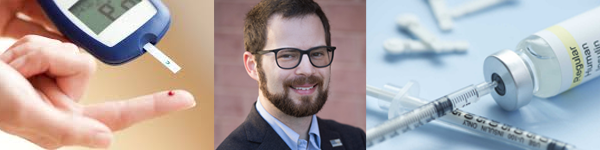
Jake Galdo teaches everyone’s favorite diabetes care course
Timing matters
Total recall: all ABH dietary supplements
Flu shots: Go all the way
Brits need to see their pharmacists
They left this out of Frozen 2
Peep!

January 23, 2020 ✒ Andrew Kantor
The State of Arkansas is preparing to fight PBMs in the Supreme Court. The issue: Whether ERISA (the federal retirement/insurance law) preempts state laws from regulating PBMs. The Arkansas Pharmacists Association is planning to file an amicus brief supporting the state (which GPhA will sign onto.) A win in the Supreme Court will set precedent every state can use, so a win for Arkansas is a win for Georgia pharmacy as well. But our Arkansas colleagues need our help. They’re asking every state pharmacy association across the country to offset some of the massive legal costs the appeal is going to generate. Click here to read CEO Bob Coleman’s letter to members explaining why this is critical. GPhA will match, dollar for dollar, up to the first $2,500 donated by GPhA members. All contributions are appreciated. Click here to make a donation to help the Arkansas Pharmacists Association today! (Click through the login box — no login is necessary!) Death toll in China hits at least 17, more than tripling in a single day, with at least 470 more infected. Health officials say they’ll be screening people flying into Atlanta. Mexico reports a possible case. UGA is offering its 2020 Mental Health Symposium — up to 14 hours of CPE for pharmacists. It’s four sessions over two days: February 4 and 5 at the Holiday Inn in Athens. Register today (January 23) and it’s $50 a session. Wait till tomorrow and it’s $60 each. Register on-site and it’s $70, plus a disapproving look. (There’s a $20 discount if you take all four sessions, too.) Session topics include: neurobiology of trauma, CBD, pediatric neurologic comorbidities, new drug update, technology update, USP 800, mindfulness and neuroscience, and managing comorbid diseases in adult psychiatry. Click here for more info and to register! A study of Chinese residents found that people with diabetes were more likely to contract tuberculosis — especially if they didn’t realize they had diabetes. People who need naloxone aren’t getting naloxone. In fact, not even one in 50 are getting it, according to research from the University of Michigan and the VA. Only 1.6 percent of those taking high doses of prescription opioid painkillers had filled a naloxone prescription by the last six months of the study period. Try taking a cue from Barnes Healthcare — the Valdosta pharmacy that created a new policy for chronic opioid users, including a conversation, education, and a naloxone prescription. Remember: In Georgia, people do not need a prescription for you to give them naloxone! Amazon has filed trademark applications for “Amazon Pharmacy” in Australia, Canada, and the U.K. That is all. When they finish their chemo or radiation therapy, some cancer patients celebrate with a bell-ringing ceremony. Sounds great, right? Turns out it might be a bad idea. It seems that patients who ring the bell after treatment “remembered treatment as more distressful than those who finished without ringing a bell.” As one (surprised) researcher said, “Ringing the bell actually made the memory of treatment worse, and those memories grew even more pronounced as time passed.” The headline: “California considers declaring common pain killer carcinogen” The reality: Because of acetaminophen’s similarity to phenacetin (which does cause cancer and was banned in 1983), the state has made it a high priority to look at the data — it wants to see if acetaminophen has the same risk. But first there’s a public comment period, then a public hearing this spring … you get the idea. It’ll be a while. The beacons are lit — Arkansas calls for aid! Plus diabetes and TB, when bell-ringing is a bad idea, and more
URGENT: The Arkansas Pharmacists Association needs your help in its precedent-setting fight against the PBMs in the Supreme Court
Apocalypse Watch
Get schooled in mental health
Diabetes – TB link
More people need Narcan
Amazon continues pharmacy push
After cancer treatment, silence is golden
Elsewhere: California edition
January 22, 2020 ✒ Andrew Kantor
The Chinese Mystery Virus has made its way to American shores. (A man had travelled to Wuhan and is now listed in good condition in Washington state.) Meanwhile… Old advice: Take blood thinners at night. New study: Nah, time of day probably doesn’t matter. Despite almost 36,000 Americans dying from antibiotic-resistant infection every year*, not enough is being done to develop new treatments — that’s according to the latest Antimicrobial Resistance Benchmark report. Compared to 2018, the pipeline of new drugs in development to combat bacterial and fungal infections remains small, with only 51 potential treatments in late-stage clinical trials, the 2020 report found. The problem: “the low profitability of antibiotics means that only a dwindling number of pharmaceutical companies still invest in developing and manufacture them.” (Link above is to the news story; click here for the report itself.) There have been 13 million total cases in the U.S. this year, including three million just in the past week. But that’s actually good news — it seems the rate of flu infection has peaked. And, because only six percent of deaths during the flu season were caused by the flu, it didn’t hit the “pandemic” mark of 6.9 percent, so we don’t have to hear about the “flu pandemic” every time we check the news. The folks at the Broad Institute of MIT and Harvard decided to ‘systematically analyze thousands of already developed drug compounds’ to see which also might be able to fight cancer. Turns out they found not one or two (which is what they hoped for), but 49. Or, as they put it in the paper in Nature, “the PRISM screen recovered 49 non-oncology compounds with selective and predictive biomarker-associated anticancer activity.” This could open up a whole lot of new avenues for research into treatments, that’s for sure. “The unexpected diversity of pain” It comes in many types that each require specialized treatment. Scientists are starting to learn how to diagnose the different varieties.China’s virus comes to America, different kinds of pain, Warfarin timing, and more
Apocalypse Watch
Warfarin: Any time is good
Antibiotic development is slow
* For comparison, 79 Americans were killed by terrorism worldwide in 2016, and 58,318 were killed in the entire Vietnam War.
Flu: Lots of cases, but starting to ease
Old drugs, new cancer-killing tricks
The Long Read: Pain
January 21, 2020 ✒ Andrew Kantor
How can you make life tough for drug counterfeiters? Embed security codes in the pills themselves. Or as Purdue University calls them, “edible security tags.” Shining various LED light sources on the tag excites the fluorescent silk microparticles, causing them to generate a different random pattern each time. Digital bits can then be extracted from an image of those patterns to produce a security key, which a pharmacy or patient would use to confirm that a drug is authentic. In the cancer, to be specific. UGA researchers have found that sodium chloride nanoparticles can break through a cancer cell’s wall, even though that cell is trying to keep its sodium level balanced. Once inside, boom: too much sodium and a dead cancer cell. The key: “This mechanism is actually more toxic to cancer cells than normal cells, because cancer cells have relatively high sodium concentrations to start with.” We told you about the Georgia HEART Hospital Program, which lets you donate money to go to Georgia’s rural hospitals, then get 100% back as a tax credit — this costing you zilch. In the past, the program hit its goal quickly, but this year — because of the Trump administration’s tax changes — “The donations dried up immediately because the return on investment for a donation dried up instantly*.” This means you can still donate money to the HEART program and help rural hospitals at no cost to you. Check out GeorgiaHeart.org for the details, and think about donating. It costs you nothing, but it can make a huge difference to rural healthcare. It’s still preliminary, but those shifty Danes have found that fish oil supplements might help with fertility (on the man’s side, that is). [M]en who used the nutritional supplement — known for its key ingredient, omega-3 fatty acid — had higher semen volumes and total sperm counts, as well as increased levels of free testosterone, compared to men who didn’t use as frequently or at all. When health officials say something like “63,000 people died from drug-related causes,” they may be severely underestimating the number. Why? Because that only counts direct deaths from drug — i.e., overdoses. When you factor in deaths where drugs are a significant factor — from impaired driving to suicide to infectious disease — the real number of drug-related deaths may be twice as high according to research from the University of Pennsylvania and Georgetown. If you have patients recovering from breast cancer, maybe proton pump inhibitors (e.g., Nexium, Prilosec, and friends) aren’t a good choice. A study out of OSU found that PPIs seem to affect the patients’ concentration and memory. On average cognitive problems reported by PPI users were between 20 and 29 percent more severe than issues reported by non-PPI users.Edible security meds, scurvy in Canada, salt kills cancer, and more
Tag all the pills!
Salt in the wound
HEART program needs you
* Yes, that’s correct. People stopped donating because they couldn’t make money on their donations.
F for fertility (and fish oil)
“The drug epidemic is probably killing a lot more Americans than we think”
Nexium, breast cancer, and memory
Elsewhere: How to Insult a Canadian™ edition
January 18, 2020 ✒ Andrew Kantor
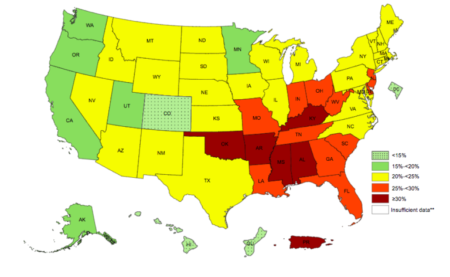
Get off your butts, Georgia. New CDC data shows that 1 in 7 Americans is physically inactive — but it’s worse in Georgia, where more than 1 in 4 doesn’t get enough exercise. (And this is based on self-reported data, so the reality is probably worse.) Got any sterile products from Axia Pharmaceutical? Yeah, why don’t you just go ahead and get rid of those, mmkay? When it comes to the flu, millennials are the least informed, most likely to be anti-vax, and least likely to get vaccinated this year. Soybean oil — “America’s most widely consumed oil” apparently not only causes obesity and diabetes, but — per a new study out of UC Riverside — is also linked to both neurological and genetic damage. The research team discovered roughly 100 other genes also affected by the soybean oil diet. They believe this discovery could have ramifications not just for energy metabolism, but also for proper brain function and diseases such as autism or Parkinson’s disease. Important note 1: There’s a link between soybean oil and this damage, “However, it is important to note there is no proof the oil causes these diseases.” Important note 2: This is regarding soybean oil, not soybeans themselves, which are usually perfectly healthy. Oh, great: Whooping cough is evolving, with new strains better able to withstand the current vaccines. “Put simply, the bacteria that cause whooping cough are becoming better at hiding and better at feeding – they’re morphing into a superbug.” An interesting new study found that hypertension and heart disease progress noticeably different in women and men. Women develop heart disease later (about 10 years later), but — here’s the important part — hypertension in women begins sooner and progresses faster. This early-onset sexual dimorphism may set the stage for later-life cardiovascular diseases that tend to present differently, not simply later, in women compared with men. [from the study] Researchers at Canada’s McGill University have created what they call an “intelligent molecule” that can get through the blood-brain barrier, attack glioblastoma cells, and then prevent the tumor from regrowing. “The challenge is not only to fight the resistance of glioblastoma stem cells, but also to deliver chemotherapy to the brain, which is protected by the blood-brain barrier. Our team has succeeded in meeting these two major challenges.” Americans are stressed. Suicide is up, drug use is up, and the latest stats show that we’re drinking more alcohol now than we were just before Prohibition was enacted. In the late 1910s, just before Congress banned the sale and manufacture of alcoholic beverages, each American teen and adult was downing just under 2 gallons of alcohol a year on average. These days it’s about 2.3 gallons, according to federal calculations. That works out to nearly 500 drinks, or about nine per week. And to add fuel to that fire, binge drinking is also up in a big way, according to the latest CDC stats — rising 12 percent from just 2011 to 2017. Uninformed Millennials, Americans are drinking, Georgians aren’t moving, and more
If we may be so bold
Big ol’ Axia recall
Hey Millennial
Soybean oil danger?
Pertussis gets worse
Blood pressure and sex*
* I could have used “gender” but this got you to read the story
Potential brain cancer breakthrough
A toast to the 21st Amendment
January 17, 2020 ✒ Andrew Kantor
CRISPR works (in broad strokes) by finding particular chunks of DNA and then cutting them out via a protein called Cas9. It makes gene editing easy. The trouble, though, is making sure that Cas9 doesn’t stay around longer than it’s needed because it can potentially start cutting where it shouldn’t. Now, led by research from grad students at UC San Francisco, biologists have found “kill switches” or “anti-CRISPRs” that can shut down the process. This is a Very Big Deal, because one of the roadblocks to widespread CRISPR adoption (and investment) were the fear of unintended consequences. Interesting? Read the long story from Nature. A study out of Brigham Young University found that “people who drink low-fat (1% and skim) milk experience several years less biological aging than those who drink high-fat (2% and whole) milk.” Why? Apparently consumption of higher-fat milk seems to lead to shorter telomeres — the chromosome endcaps that act like a biological clock, shortening with age. A Tennessee study found that fewer than 2% of prescribers there accounted for about 25% of the broad-spectrum antibiotic prescriptions for kids. But here’s a twist: Female pediatricians and pediatricians who graduated medical school prior to 2000 were more likely to be high antibiotic prescribers. What to make of that? No idea. But with the southeast part of the country having the highest number of antibiotic scripts, it’s worth noting. A new glucose sensor uses artificial intelligence to detect hypoglycemia via a wearable ECG sensor — no pricks necessary. It’s only 82 percent accurate at the moment, but heck, it’s brand new. Two immediate benefits: Less trouble getting little kids to wear it, and it’s useful even when a person is sleeping. You wouldn’t think it needs to be said, but apparently it does: Don’t take* pot when you’re pregnant. [T]he researchers found that 9.1% of babies from marijuana users were at risk, compared to 3.6% of babies whose mothers didn’t consume the drug while pregnant. All right, there is a caveat: There’s no cause and effect proven, so “It’s possible that women who consume marijuana during pregnancy have other traits that cause their children to perform poorly on developmental screenings.” Here’s an interesting perspective on Generation Z — the people in their late teens and early 20s. They have “radically different views from the older population on what privacy, trust and relationships mean in the digital world.” What that means for pharmacy and healthcare overall is that Gen Z is all about convenience — convenience over privacy and convenience over relationships. “Baby boomers—and even older millennials—grew up with the idea that trust should be established between two people when transacting a service. Whether it was at the bank with a teller and customer, or with a doctor and patient, there was a face-to-face relationship. That is no longer the case.” Add this to the alphabet soup you need to keep track of: IncRNAs. Biologists aren’t quite sure what they do in general, but a particular one (“DIRC3”) seems to have a useful quality: It suppresses melanoma tumor growth. Granted it’s only in the lab, but finding a potential tool like this opens up a bunch of doors. “WHO says new China coronavirus could spread, warns hospitals worldwide” “Japan confirms case of new Chinese virus, spread is ‘concerning’“Which milk to drink, what Gen Z wants, AI and diabetes, and more
CRISPR brakes could accelerate its use
Two-percenters don’t live as long
Lopsided antibiotic prescriptions
Needles, schmeedles
Pot-free pregnancy
* The report refers to “consuming,” so we assume the takeaway is “Don’t take the stuff into your body, period.”
An inconvenient truth?
Melanoma-fighting molecule
Outbreak Watch
January 16, 2020 ✒ Andrew Kantor
That’s right — Miss America, Camille Schrier, will be the featured keynote speaker at this year’s Georgia Pharmacy Convention in Asheville! In case you missed it, Miss America is also student pharmacist at Virginia Commonwealth University and an outspoken champion of women in science, technology, and engineering as well as an advocate for opioid safety. Check out the details in the press release, and mark your calendars for the 2020 Georgia Pharmacy Convention: June 18-21 at the Omni Grove Park Inn! When you take into account the cost of cigarettes, the average cost of extra medical care, and the lost days of work, smoking costs the average Georgia smoker a total of $1.2 million over a lifetime. That’s $87,304 out of pocket just for cigarettes and cigars — the second highest amount in the country. Then add the extra medical care it costs: $124,236 — the third most in the country. When it’s all totalled, only North Carolinians spend more to light up, according to the latest survey from WalletHub. (New Yorkers spend the least.) Have patients on Belviq (lorcaserin)? The FDA warns it may carry an increased risk of cancer. Health care professionals should consider if the benefits of taking lorcaserin are likely to exceed the potential risks. Some independent pharmacists are reporting patients receiving calls from PillPack trying to get them to switch pharmacies — and maybe not being clear about it. “We’ve had approximately 3 to 5 customers who experienced this about 8 to 12 months ago. Each customer said that they received a call from some company asking them about their medications. […] “They each seemed to think it was a call from the insurance company going over their medications. None of the customers realized that they were transferring their medications to another pharmacy.” Over the past 40 years or so, the FDA has gotten less strict with its standards for drug approvals. That means more meds on the market, but there’s also concern it may lead to “an erosion of the ‘FDA approved’ brand.” Eli Lilly said it will begin selling two more versions of its insulin products at half price: Humalog Junior KwikPen and Humalog Mix75/25. The new, lower-cost versions are expected to debut in April. The company already started selling its Humalog injection (under its Insulin Lispro brand) at half price. Diabetics are not impressed. “The two pen types that were added to Lilly’s half-price offerings today will undoubtedly lead to positive headlines for Lilly, but these pens are not widely used in the type 1 diabetes community and will do little good for patients if they are unable to obtain them.” If you were worried that drug makers weren’t spending enough money on advertising, fear not. Thanks to a big push by AbbVie for Humira, 2019 ad spending by pharmaceutical companies was on par with — and in fact slightly higher than — the previous year: $3.79 billion with a B. (Abbvie spent almost half a billion bucks on Humira TV marketing alone.) Anyone who’s read any science-fiction knows where this is headed: After a 10-year study involving almost 3,000 women, researchers at the University College London found a simple way for women to hold off menopause. The study was published in Royal Society Open Science.Miss America at convention, PillPack concerns, a few billion in TV ads, and more
Miss America to keynote Georgia Pharmacy Convention!
It’s expensive to smoke in Georgia
Belviq cancer risk
Pharmacists wary of Amazon’s PillPack
Speed vs safety
Lilly offers more insulin at half price
Research and development
Nothing to see here, citizen
Keep on doin’ what you’re doin’
January 15, 2020 ✒ Andrew Kantor
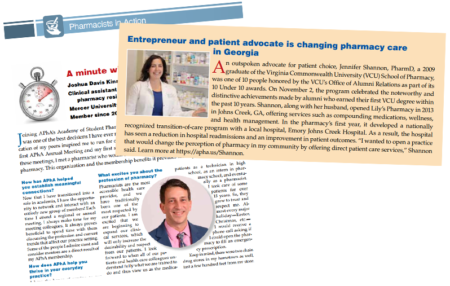
Two GPhA volunteer members were featured in the the December issue of Pharmacy Today. Josh Kinsey (clinical assistant professor at Mercer’s College of Pharmacy) was the focus of the “Pharmacists in Action” column, while Jennifer Shannon (owner of Lily’s Pharmacy in Johns Creek) was noted for her being named one of 10 people honored by Virginia Commonwealth University’s as a “10 Under 10” — for “distinctive achievements made by alumni who earned their first VCU degree within the past 10 years.” Congrats to both of you! Are you frustrated hearing about the opioid crisis? Then help end it! GPhA is offering a new course in 2020: Opioid Stewardship 101: Optimizing Non-Opioid Analgesic Therapy. It teaches the ins and outs of using non-opioids to treat both acute and chronic pain — which medications are best for which kinds of pain and how best to deliver them, and it’s taught by Danny Basri of WellStar Kennestone. The course is one hour long, ACPE-approved, and it’s part of our growing catalog of CPE webinars — it also meets an education requirement for the Georgia Pharmacy Foundation Champions of Opioid Safety program. Check it out, yo! Thursday, January 30, 2020 7:00 – 8:00 p.m. (from your favorite Internet connection). Just $20 for GPhA members ($50 for non-members). If you want to become a PTCB-certified pharmacy tech, the organization has some new rules. New requirements: Aspiring CPhTs must complete a PTCB-recognized education/training program or have equivalent work experience before they take the exam (i.e., “at least 500 work hours and fulfill certain knowledge requirements”). The certification exam (and training) is different now: Instead of the previous exam’s nine knowledge domains, “the new PTCE categorizes knowledge into four domains: medications, federal requirements, patient safety and quality assurance, and order entry and processing.” The renewal process has not changed. Existing techs will have five more-advanced certificate programs to choose from this year: Technician Product Verification, Medication History, Hazardous Drug Management, Controlled Substance Diversion Prevention, and Billing and Reimbursement*. And active CPhTs “will be eligible to earn an Advanced CPhT Certification in the future.” Ah yes, norovirus — every parent’s favorite gift from the Petri dish that is a school building. Here’s a fun tidbit to share: It turns out that your blood type may determine how likely you are to catch it. The explain-like-I’m-five version: Norovirus enters from the small intestine, using molecules called oligosaccharides to hitch a ride. It can only use certain oligosaccharides, though, and the ones in your intestine are the same ones on your red blood cells — and those are determined by your blood type. The bad news: It’s only people with blood type B who are likely to fend off the virus. Still, good watercooler talk, right? A new Gallup poll finds only 84% of Americans think vaccinating children is important — that’s down from 94% in 2001. A good bit of news is that the number hasn’t gone down since 2015, but that’s still 16% of people who need more education. There are some surprising breakdowns in the report of who believes in vaccinations and who doesn’t — by gender, education, political party, and whether or not they have children. Check it out. The importance of the gut microbiome is pretty clear these days, but knowing that and doing something are two different things. San Diego State University researchers looked at how different foods affect the gut. What they found is that the foods we eat don’t necessarily kill bacteria — rather, they trigger the spread of particular bacteriophages that then prey on certain pathogens. Change the food, change the phages, change what’s in the gut. “We could actually tackle certain conditions by adjusting the foods we consume, that will affect microbial diversity which in turn will influence health and diseases. “We also found some foods acted as phage inhibitors and could be used to control pathogenic viruses.”Your blood and norovirus, new certifications for techs, Americans doubting vaccines, and more
APhA recognizes two of our own
Learn the alternatives to opioids
PTCB has new requirements for techs
* Coming soon!
Blood type and norovirus
Vaccine misinformation continues to cling
Choose the food, choose the phages
January 14, 2020 ✒ Andrew Kantor
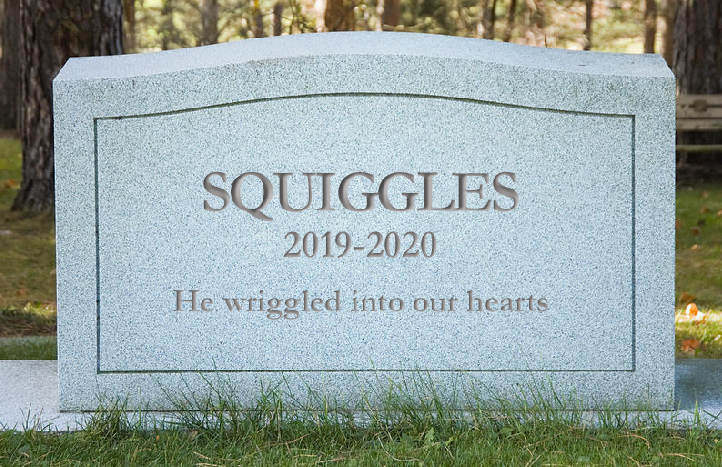
This is a Very Big Deal — the Supreme Court has agreed to hear a case that will decide whether states have the right to regulate PBMs. Read the details on GPhA.org. The SCOTUS review is not only huge news, it dovetails with what’s happening in Georgia, where two bills limiting PBM steering took effect at the beginning of the year. GPhA is already hearing that PBMs are ignoring it, so a positive ruling by SCOTUS in the Arkansas case will buoy Georgia’s laws. Almost 10 million cases in the U.S. so far, with 4,800 deaths (22 in Georgia) including at least 32 children. Not only did the influenza B strain hit early this year, the strain in the vaccine is the wrong version — the vaccine is for the Victoria V1A subgroup, but what’s circulating is the Victoria V1A.3 subgroup. The good news is that “They are close enough so the vaccine offers some protection.” Australian scientists have developed a new form of insulin that lowers glucose without forming clumps or fibrils the way current insulin analogs do. Those fibrils can clog insulin pumps, meaning the meds aren’t always delivered properly and the equipment has to be replaced every 24 hours to 72 hours. In the USA alone, more than US$1 billion could be saved per year if the usage period for insulin increased from two to six days. The HHS rule requiring drug prices in TV ads is in court again. Drug makers said the requirement violates their First Amendment rights, and they won when a lower court said HHS doesn’t have the authority to make the rule. But now it’s in front of the U.S. Court of Appeals, so we’ll see what happens next While not studying demogorgons, scientists at the Department of Energy’s Pacific Northwest National Laboratory have identified a single protein — “GDF15” — that appears to be a key in the development of type 1 diabetes. When the pancreas isn’t functioning properly, it’s not producing enough GDF15. So what? This could open up a new method of preventing the disease: Rather than treating the immune system, it might work to target proteins like GDF15. “While GDF15 may be one new therapy, we identified other proteins that may work in conjunction with GDF15, so this work really represents a treasure-trove of information that can be mined for new therapies.” States that expanded Medicaid have seen a significant drop in drug overdose deaths, according to a new study published in JAMA Network Open that looked at 383,000 opioid overdose deaths from 2001 through 2017. (Link is to news story; here’s the study itself.) The study found that Medicaid expansion was associated with… Could aminoglycosides stop dementia? We wouldn’t be asking unless someone thinks they might. Those someones are University of Kentucky researchers, who found that — in the kind of dementia where neurons don’t produce progranulin — giving aminoglycosides seems to get those neurons working properly again. The researchers found two specific aminoglycoside antibiotics — Gentamicin and G418 — were both effective in fixing the mutation and making the functional progranulin protein. After adding Gentamicin or G418 molecules to the affected cells, the progranulin protein level was recovered up to about 50 to 60%. Conventional wisdom says that the acid in the digestive tract helps get rid of pathogens. Not so fast, say University of Kansas researchers. It turns out that it’s the opposite, at least in C. elegans worms. It seems that the worms make their digestive tract less acidic when they detect pathogens. Why? The theory is that switching to a higher pH allows a stronger immune response — and that means the worms react to pathogens by deploying defenses as needed, rather than trying to keep inhospitable. Let’s say you have a pet nematode worm that your kids just love. Problem: It’s only going to live about a month before it goes to stay with a nice family in the country. Scientists in California and China may have a solution. They’ve found a way to genetically tweak the cellular pathways of nematode worms that extends their lifespan by 500 percent. That means little Squiggles could live half a year (or 400-500 years if he was human) — long enough for your kids to get bored with him. If you have mice (or fruit flies) that simply refuse to get enough exercise, some potential good news: University of Michigan researchers think a protein in the sestrin family “can mimic many of exercise’s effects.”Major PBM law to SCOTUS, antibiotics that fight dementia, Methuselah worms, and more
Should PBMs be allowed to claim ERISA to preempt state laws?
Flu update
Insulin, hold the clumps
Prices in drug ads: back in court
Diabetes research: Target the proteins
More Medicaid, fewer opioid deaths
* Methadone-related deaths are a small fraction of overdose deaths, but the authors do say it “deserves further investigation.”
Antibiotics vs dementia
Stomach acid doesn’t fight pathogens
Longer-living worms
Workout in a pill
Do you want to send your members the daily Buzz email newsletter (customized for your state and organization, perhaps)? Let’s talk — just drop me a note at andrew@gphabuzz.com!

- Doctors Warn of a Deadly Complication From Measles Outbreaks
- Medicare Advantage ‘Dark Money’ Group Attempts To Win Higher Payments for Insurance Companies
- Families Scramble To Pay Five-Figure Bills as Clock Ticks on Promised Preauthorization Reforms
- As Lung Disease Threatens Workers, Lawmakers Seek Protections for Countertop Manufacturers
- Republicans Fret Over RFK Jr.’s Anti-Vaccine Policies While MAHA Moms Stew
- Primary Care Is in Trouble. So Doctors Band Together To Boost Their Market Power.
- January 2025
- December 2024
- November 2024
- October 2024
- September 2024
- August 2024
- July 2024
- June 2024
- May 2024
- April 2024
- March 2024
- February 2024
- January 2024
- December 2023
- November 2023
- October 2023
- September 2023
- August 2023
- July 2023
- June 2023
- May 2023
- April 2023
- March 2023
- February 2023
- January 2023
- December 2022
- November 2022
- October 2022
- September 2022
- August 2022
- July 2022
- June 2022
- May 2022
- April 2022
- March 2022
- February 2022
- January 2022
- December 2021
- November 2021
- October 2021
- September 2021
- August 2021
- July 2021
- June 2021
- May 2021
- April 2021
- March 2021
- February 2021
- January 2021
- December 2020
- November 2020
- October 2020
- August 2020
- July 2020
- March 2020
- February 2020
- January 2020
- December 2019
- November 2019
- October 2019
- September 2019
- August 2019
- July 2019
- June 2019
- May 2019
- April 2019
- March 2019
- February 2019
- January 2019
- December 2018
- November 2018
- October 2018
- April 2017
