
December 24, 2019 ✒ Andrew Kantor
Georgia State Senator Greg Kirk passed away on Sunday, about six months after announcing he had cancer and retiring from the senate. While the senate remembers him as “A man of outstanding character, and one who was a champion for doing what is right, made him one of our most fervent leaders and also one of our most gracious,” we at GPhA will think of him as a good man and one of pharmacists’ biggest supporters. Our thoughts are with his family, including his wife Rosalyn, his seven children, and his 10 grandchildren. “Learn new stuff.” Specifically, take advantage of two of GPhA’s new webinars coming in January! And check out all GPhA’s education offerings at GPhA.org/education! A French study seems to find that obesity itself is what raises the risk of dementia — it doesn’t matter whether it comes from poor diet or lack of exercise. “[O]besity in midlife was linked with dementia 15 or more years later. Obesity is a well-established risk factor for cerebrovascular disease. Cerebrovascular disease contributes to dementia later in life.” Filtered coffee — the way most coffee drinkers drink it* — might help reduce people’s risk of developing type-2 diabetes. So finds a new study out of Sweden, anyway. “We have identified specific molecules – ‘biomarkers’ – in the blood of those taking part in the study, which indicate the intake of different sorts of coffee. […] Our results now clearly show that filtered coffee has a positive effect in terms of reducing the risk of developing type 2 diabetes.” After a six-year study, French researchers found that foods such as “crisps, sausage rolls and pasties*,” because they are often high in calories and low in nutrition, not only contribute to heart disease but to type 2 diabetes as well. In fact, “The risk of developing type 2 diabetes rose by 5% for each additional 100g of processed food consumed per day,” so … if you eat two kilos of processed food a day, it’s pretty much a given. So it’s almost for sure probably definitely vitamin E acetate that’s causing the Mysterious Vaping Illness, otherwise known as EVALI*. It’s a thickening agent that’s used in a lot of products. It’s safe on your skin. It’s safe to eat. Apparently it’s not safe to inhale. Farewell to Greg Kirk, coffee for diabetes, obesity and dementia, and more
Greg Kirk passes

Add this to your resolutions
It’s about the destination, not the journey
Type 2 diabetes: Coffee is good
* The alternative is boiled coffee, where you put the ground beans in a cup and add water. Yuck.
Type 2 diabetes: “Ultra-processed” food is bad
* Translation: potato chips, sausage rolls, Hot Pockets
E for EVALI
* “E-cigarette or vaping product use-associated lung injury”
December 21, 2019 ✒ Andrew Kantor
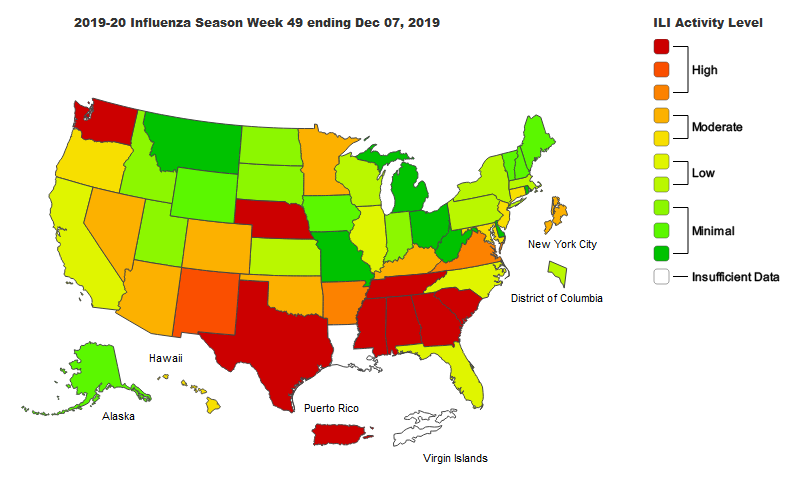
Look at the person on your left. Look at yourself. According to researchers from Harvard and GWU, one of you has a lot to look forward to. And you’ll be making climate change worse, too. People with obesity have greater carbon dioxide production from oxidative metabolism than individuals with normal weight. Also, maintenance of greater body weights requires more food and drinks to be produced and transported to the consumers. Similarly, transportation of heavier people is associated with increased consumption of fossil fuels. The FDA has approved the first Ebola vaccine: Merck’s Ervebo. It was tested in the Democratic Republic of the Congo* for two years, and obviously it works. Mysterious vaping illness: 2,506 hospitalizations, 54 dead. (Reuters) Flu: 2.6 million flu illnesses so far this year, 23,000 hospitalizations, and 1,300 dead. Georgia is one of 11 states (plus Puerto Rico) with the highest level of activity. (CDC) Let’s say you have some fat rats — you know, the ones on an “obesogenic diet.” How can you keep them healthy? The answer, as it often is, is more caffeine. Rats that consumed the caffeine extracted from mate tea gained 16% less weight and accumulated 22% less body fat than rats that consumed decaffeinated mate tea, scientists at the University of Illinois found in a new study. The effects were similar with synthetic caffeine and that extracted from coffee. The co-chairs of the Congressional Diabetes Caucus have announced a bill to reduce insulin prices. And we love the name: “the Insulin Price Reduction Act.” Simply put, “in exchange for lowering the price of their insulin products back to their 2006 list prices,” insulin makers would be guaranteed their products would be covered by insurance companies — no rebates necessary. The idea: People with insurance would see lower co-pays, and people without it could be able to afford the drug. No, really, that’s what they call it: Pig3.0. It’s a pig with genes that have been CRISPR-tweaked to prevent its organs from being rejected by humans. If successful, pigs like this could significantly reduce the need for donated organs. The resulting pigs appeared healthy and fertile with functioning organs, the team reports today. And initial tests of their cells in lab dishes suggest that their organs will be much less prone to immune rejection than those of unmodified pigs. Next up: tests on non-human primates. Pregnant? Living around traffic and the pollution it causes can increase your risk of hypertension — and the problems it brings to a pregnancy. [N]itrogen oxides, carbon monoxide, black carbon, and elemental carbon, along with parameters like traffic density and mothers’ proximity to main roads […] the literature suggests that women who live within a quarter of a mile of a major roadway or in high traffic density regions may be at an increased risk for developing hypertensive disorders of pregnancy. The health benefits of getting away from pollution is just about instantaneous, too. We’re not quite sure how we feel about this, but still — congrats to Camille Schrier. Schrier […] is a graduate student at Virginia Commonwealth University who is pursuing a doctor of pharmacy degree. In 2018, she graduated cum laude from Virginia Tech with degrees in biochemistry and systems biology. Pig 3.0, the air out there, Miss America, and more
Big news for Americans

Ebola vaccine
* As opposed to its neighbor, the Republic of the Congo
Quick illness updates
When in doubt, caffeinate
* That sounds so much better than the alternatives.
Bill to lower insulin prices
Pig 3.0
Sonny, move out to the country
Student pharmacist named Miss America
December 20, 2019 ✒ Andrew Kantor
Georgia’s new Access to Medical Cannabis Commission met for the first time — the next step toward getting cannabis oil to the thousands of people who have been given licenses to use it. In the first meeting, the seven-member commission agreed to make plans to hire a director, create a website, and hold monthly public meetings across the state. Despite the board’s pledge to act quickly, patients advocating for medical marijuana said they believe it could take 18 months or more to create regulations, issue licenses and get medicine to patients. Let’s say you have some fat mice. You can’t change their diets (you know how they get), but you don’t want them to have all sorts of health issues. What to do? Powdered watermelon supplements, obviously. 10-week-old male laboratory mice were fed either a low-fat or high-fat diet over a 10-week period. Groups of high-fat-fed mice were given watermelon supplements in the form of a powder made from a freeze-dried process. […] Mice that were fed a high-fat diet supplemented with watermelon products had significantly better blood glucose levels than the mice on the high-fat-only diet. Exposing kids to dogs early in life might — at least according to a Johns Hopkins study — reduce their risk of getting schizophrenia. Interestingly, it doesn’t affect the odds of bipolar disorder, nor do cats have the same effect. Go figure. Note: Don’t get the dog from a pet store. Go to a shelter, if for no other reason than the CDC is tracking outbreaks of antibiotic-resistant Campylobacter jejuni linked to store-bought puppies. A new poll of Europeans found that 39 percent of them want to “live in a world where chemical substances don’t exist.” (Before you start feeling too high and mighty, consider that 25 percent of Americans think the sun revolves around the Earth.) The gut microbiome is so last year. Washington University researchers have found that the biome in the upper airways of asthma patients is different than in those without asthma. The question: Which way does the cause and effect go? Can changing the upper-airway bacteria treat someone’s asthma? Brazilian researchers were able to create “mini-livers” — clumps of cells printed with a special 3-D printer that “perform all of the liver’s typical functions, such as producing vital proteins, storing vitamins, and secreting bile, among many others.” It’s a step closer to being able to print an entire human organ than can serve as an alternative to a traditional transpant. “How not to overeat this Christmas – according to science” Fat and happy mice, terrified Europeans, printing a liver, and more
Cannabis commission takes next step
Mice: fat and happy (and healthier)
I didn’t know dogs could do that
That dihydrogen monoxide is dangerous stuff
Yet another microbiome
Building a liver
“Pay someone to slap that cookie out of your hand” would have been our suggestion
December 19, 2019 ✒ Andrew Kantor
The Department of Justice says CVS’s Omnicare subsidiary fraudulently billed Medicare, state Medicaid programs, and Tricare for drugs for people in assisted living facilities and group homes — without prescriptions. According to a civil complaint filed in Manhattan federal court, Omnicare would often assign new numbers to prescriptions after the original prescriptions expired or ran out of refills. The company, say the feds, called them “rollover prescriptions” and they’re taking it to court. And no, this is a different False Claims Act suit than the one Omnicare settled in 2017 for $8 million, in which it admitted using a system that dispensed one medication but billed for another. Vape, especially marijuana, if you’re a teen. Teenagers are drinking less alcohol, smoking fewer cigarettes and trying fewer hard drugs, new federal survey data shows. But these public health gains have been offset by a sharp increase in vaping of marijuana and nicotine. Will you be taking your Georgia licensing exam later this year? Do you know someone who will? (Maybe a graduate? Maybe a pharmacist moving to Georgia?) Then brush up on the practical skills you need to have. GPhA’s crazy-popular program — the “Practical Skills Refresher Course” — is coming in 2020 on four days in four locations. It’s a concentrated, four-hour refresher on terminology, measurements, and the procedures you’ll put into practice. You can just imagine how useful this will be. NEW: Labs! For 2020 we’ve added “Practical Skills for the Lab” — lab time with an instructor to watch you and provide feedback, in a simulated testing environment. If you’re a student pharmacist or a transfer to Georgia, you want this course. You NEED this course. Click here for more info and to register NOW! While states and the federal government are earmarking money to fight the opioid epidemic, an old friend is making a big comeback: meth. But now it’s stronger, it’s killing more people than opioids do, and most anti-drug money can’t be used to deal with it. Today’s meth is far more potent than earlier versions, but because it isn’t an opioid, many federal addiction treatment funds can’t be used to fight it. Getting the flu reduces your chance of getting the common cold! [W]hen flu activity increased in the winter, infections with the cold rhinoviruses decreased. When researchers looked at individual patients, they found people infected with influenza A were 70 percent less likely to also be infected with rhinovirus, compared with patients infected with other types of viruses. A study of two studies found that eating hot chili peppers might help you live longer. When considering heart disease, the authors found that regular consumers of chili peppers had a 34% lower risk of cardiovascular mortality than those who rarely consumed chili peppers. And this is independent of the rest of your diet. Even if you’re not a healthy eater, “chili pepper has a protective effect.” Bonus: This was done by legit scientists and published in the Journal of the American College of Cardiology. Her portion of her employer’s health plan was so expensive, she quit her job to be eligible for Medicaid. Rising healthcare costs are hitting employers — especially of smaller businesses. The average premium paid by the employer and the employee for a family plan now tops $20,000 a year, with the worker contributing about $6,000 […] More than a quarter of all covered workers and nearly half of those working for small businesses face an annual deductible of $2,000 or more. CMS is proposing an overhaul of the rules governing organ transplants that it says will make more than 6,000 more organs available every year. The proposal includes independently evaluating organ procurement organizations (OPOs) — apparently some of them underreport the number of potential donors to make their procurement numbers look better. [CMS Administrator Seema] Verma said she expects much of the growth in available organs will come from OPOs increasing their recovery rates for less-than-perfect organs. In many cases these are from older deceased donors, she said. It would also increase reimbursement to living donors by including money for child care, elder care, and other costs. One proposal from HHS for lowering drug prices would be to allow drug makers to get permission to import cheaper versions of their own medication from Canada, get a new NDC, and re-sell them in the U.S. [HHS Secretary Alex] Azar insisted that drugmakers are interested in selling cheaper versions of their medications — something they’re often blocked from doing after getting locked into pricing agreements with pharmacy benefit managers. “What drug companies have told us — and we’ll have to see if they live up to this — if they could get a new national drug code, they could issue that drug at a lower list price,” Azar said. The obvious danger of this plan is an irreparable tear in the fabric of space-time if delivery trucks get caught in an infinite loop at the border while the value of their cargo fluctuates wildly. Artist’s conceptionCVS gets sued, meth makes a comeback, one good thing about the flu, and more
Feds sue CVS
Don’t drink, don’t smoke, what do ya do?
Practical Skills Refresher Course — now with labs!
Millions for opioids, but…
Two diabetes notes
Great flu news!
Some sweat when the heat is on (but the live longer)
It’s been way too long since we had a ranitidine recall
Meanwhile, in Opposite Land
More organs, more transplants
Maybe you can figure this out

December 18, 2019 ✒ Andrew Kantor
Two Georgia hospitals made Leapfrog’s list of the best in the country — specifically the “Top Rural Hospitals” category: AdventHealth Gordon in Calhoun, and Floyd Polk Medical Center in Cedartown. Congrats! “Top Hospitals have better systems in place to prevent medication errors, higher quality on maternity care and lower infection rates, among other laudable qualities.” Let your patients know: Obamacare enrollment has been extended until December 18 because of outages and other issues with the Healthcare.gov website. It’s that time of year — time to start choosing the best of the best in Georgia pharmacy, and that means we need your nominations for the 2020 awards. They’ll be presented at the 2020 Georgia Pharmacy Convention in Asheville, N.C. What are these awards? you ask. Learn more about them and nominate a pharmacist today. Visit our awards page at GPhA.org/awards for more information on award criteria, and to make your nominations. Deadline for submissions is February 1, 2020. “Can drinking coffee actually reduce dementia risk?” The answer is yes — why, up to five cups (i.e., 2.5 American mugs) a day sure can! It can even reduce your risk of Parkinson’s disease, liver cancer, type 2 diabetes, gallbladder disease, and can improve your physical performance. So say researchers at The Institute for Scientific Information on Coffee: “ISIC members are six of the major European coffee companies: illycaffè, Jacobs Douwe Egberts, Lavazza, Nestlé, Paulig, and Tchibo.” And it’s not good. The latest: Vaping, while maybe not as bad as tobacco, raises e-cig users’ risk of lung diseases — asthma, bronchitis, COPD, emphysema — by 30%. Smoking tobacco increases that risk by 260%. And smoking and vaping? That more than triples the risk of lung disease. It depends on the patient and the pain, of course. Learn the best options with GPhA’s new live webinar, “Opioid Stewardship 101: Optimizing Non-Opioid Analgesic Therapy.” The course is one hour long, ACPE-approved, and it also meets an education requirement for the Georgia Pharmacy Foundation Champions of Opioid Safety program. Deets: Thursday, January 30, 2020; 7:00 – 8:00 p.m. (from your favorite Internet connection). Just $20 for GPhA members ($50 for non-members). When it comes to health, Google released the top 10 searches in 2019: (What, you need a link? Sheesh. Here you go.) No drug-pricing law this time around from any side. But (in terms of healthcare), Congress did raise the tobacco/vaping age to 21, repealed some ACA taxes (yes, that means raising the deficit), and allowed federal research on gun violence. It will pick up the drug debate in May. Feeling stressed at work? The good folks at Washington State University have a solution. “This Is the Age Where Life Has the Most Meaning“: 60. “That’s the age when people report feeling that there’s the most meaning in their lives, and they have the least need to search for meaning.” Still want to click? Here’s the study in the Journal of Clinical Psychiatry. So what happens if Obamacare is overturned? In short: A mess. Forgetting the obvious — that 500,000+ Georgians (and 19.5 million other Americans) could lose health insurance — the law has broad implications for people with private insurance: children being able to stay on their parents’ plans, no-copays for preventative care, lifetime out-of-pocket caps … you get the idea. Check out “What Else Disappears If The ACA Is Overturned?“Hiccup worries, coffee’s superpowers, the age of meaning, and more
Georgia’s got a couple of great rural hospitals
FYI: ACA enrollment extended
Who’s the best pharmacist you know?
Coffee vs dementia?
More vaping research is coming out
What’s a good alternative to opioids?
Hiccups top the list
Congress punts on 4th and short
Well, hello there

Saved you a click
The long read: The long reach of the ACA
December 17, 2019 ✒ Andrew Kantor
Earlier this year DeKalb County was one of four sites in the country to get a pilot grant from HHS — $1.5 million — to develop programs to help end HIV. Unfortunately neither the state nor the county was actually able to spend a lot of the money; about $720,000 is still on the table, and so they’ll have to return it to the feds. (An option is to request an extension, which the Georgia DPH says it’s going to do.) Several HIV support organizations in the state had expressed concern about how the money would be spent; none had received any of it. In fact… Both the DeKalb and the Georgia health departments relied on “several well-established relationships” when allocating the funds, according to a document outlining how the state would spend the grant. “Last month my company both invented and cured restless eye syndrome. Ka-ching, ya blinky chumps!” —Bernadette Wolowitz, “The Big Bang Theory” Meanwhile: “Sackler-owned opioid maker pushes overdose treatment abroad“. “You’re in the business of selling medicine that causes addiction and overdoses, and now you’re in the business of selling medicine that treats addiction and overdoses?” asked Dr. Andrew Kolodny, an outspoken critic of Purdue who has testified against the company in court. “That’s pretty clever, isn’t it?” The latest flu figures: At least 1,300 dead in the U.S. this season so far. (And 2.6 million infections, and 23,000 hospitalizations.) Thanks to the constant swings in their blood-glucose levels, kids with type-1 diabetes have brains that are, effectively, less efficient than they could be — in some cases on the level of much older people, or those who have suffered from concussions or even multiple sclerosis. Despite a lot of attention to the problem, say the study’s authors, “[C]hildren with diabetes are still at risk of having learning and behavioral issues that are likely associated with their disease.” That will be the new nationwide suicide-prevention phone number, replacing 1-800-273-TALK. But it’s still months away, including time for a comment period. Should postmenopausal women get hormone therapy, or will it increase their risk of breast cancer? The latest study says…. it depends. Specifically, it depends on the hormones. Estrogen and progestin? Danger, Will Robinson. They not only increase the risk of breast cancer the effects last for years. Estrogen alone? Good news: It’s exactly the opposite, with a lower risk of breast cancer. But wait! Estrogen therapy still leads to an increase in blood clots and stroke (but not heart attacks) … and it can lead to uterine cancer. Bottom line: There is no clear answer, and the debate continues. Shocker: Kids get more cavities — an average of about one extra cavity per year. (That’s about $300 per year per child compared to literally pennies per kid to put the fluoride in.) “‘Dump it down the drain’: How contaminants from prescription-drug factories pollute waterways” Did you know there are no federal or state laws prohibiting dumping pharmaceuticals into wastewater? “[P]harmaceuticals are not a regulated pollutant in the U.S.” So manufacturers and hospitals — and to a lesser extent consumers — are essentially drugging wildlife. It’s enough that the U.S. Geological Survey (!) reported finding “substantially elevated amounts of 33 different drugs” in wastewater downstream from factories. It was standard practice, the former workers said, to then hose down some of the rooms and machines for up to eight hours and then spray them with alcohol to clear the remaining drug residues, and the wastewater would flow down a drain in the center of each room. “You just go dump it down the drain,” said the employee who was laid off in 2018.DeKalb to forfeit big bucks, Sacklers get clever, keeping the dentist busy, and more
Use it or lose it
Life imitates art
Flu numbers
This is your brain on diabetes
988
Hormone replacement — muddy waters indeed
What happens when a city takes fluoride out of its drinking water?
The Long Read: Drugs in the water
December 14, 2019 ✒ Andrew Kantor
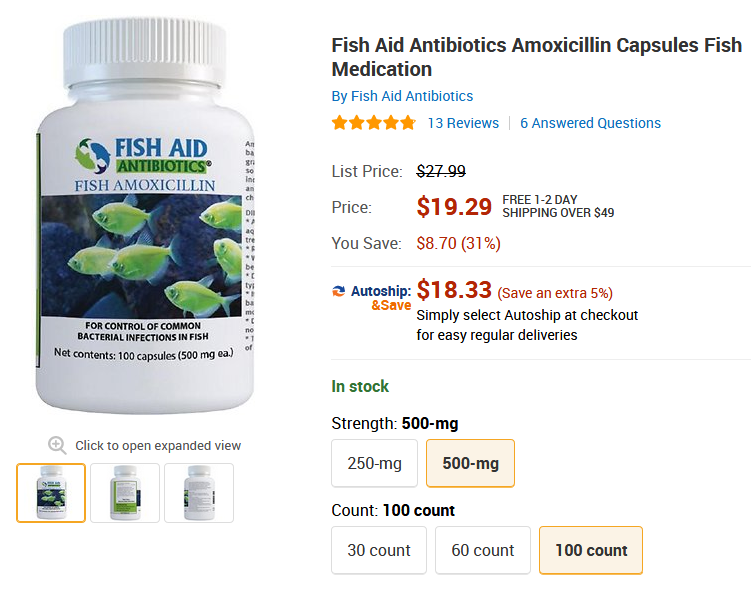
Did you know you can buy fish antibiotics online without a prescription? Apparently plenty of Americans do, and they’re buying them instead of visiting a physician — because they’re a lot cheaper. [A]t least five of the antibiotics marketed for fish that researchers looked at had the exact imprints, colors and shapes of antibiotics for humans, which could encourage people to use them. “This simply seems to be a symptom of the much larger issue of a broken healthcare system, where people who are excluded from the system are looking for solutions outside of it, sometimes to dangerous effect.” Do you have some extra wall space (not counting the section you set aside for GPhA’s certificate programs)? Why not get yourself a sweet, sweet pharmacogenomics certificate to frame? You’ll even get 20 hours of CPE credit if you finish it and beat the final boss. PGx101 is offering the next session of “Test2Learn Pharmacogenomic Certificate Training” on the campus of South University in Savannah on Saturday, January 25, 2020 from 8:30 a.m. – 4:30 p.m. It’s $497, but tell you what — use the code South50off and you’ll save $50! Of course you’ll earn 20 hours of ACPE-accredited CE hours, that certificate, and a fresh line on your CV. In the past week, at least 118 more hospitalizations (2,409 total), and 4 more deaths (52 total), per the CDC. Good news, though: It may have peaked. Vaping bans — good or bad? Why not both? Both are arguably true, but each side tends to argue but which one you promote depends on which side you’re on. So now some researchers, including Emory’s James Curran, have tried to find a middle ground — “Policy action has consequences for those who have never smoked, especially youth. It also has implications for current and future smokers,” they write. Their solution: Target menthol. Eliminating that could allow existing smokers to switch to vaping, while preventing a lot of kids from starting the habit. “52% of all youth and more than 90% of African American youth initiate smoking with menthol. If we are going to take policy action on flavors, menthol in combustible products must be the first target.” If we said “No,” you’d be really annoyed with us, wouldn’t you? But yes, yes it will, although Sanofi (which will make the generic version) hasn’t set a date yet. Stephen Hahn was confirmed as the new commissioner of the Food and Drug Administration. He will be the sixth person to hold the post under the Trump administration, following Robert Califf, Stephen Ostroff, Scott Gottlieb, Norman Sharpless (acting), and Brett Giroir (acting). Fun fact: His official title is “Commissioner of Food and Drugs.” The House passed a drug-pricing bill. The biggest part: It would allow Medicare to negotiate drug prices, rather than pay whatever drug makers charge. Republicans, including Georgia’s Buddy Carter, voted against it, saying it would reduce drug companies’ revenue; the GOP-led Senate is unlikely to pass it as well. And while candidate Donald Trump supported Medicare negotiations, president Trump is against them, favoring instead a plan that would cap increases. So file it under “posturing.”Fishing for antibiotics, OTC Tamiflu, targeting menthol, and more
Fishy drugs
How about a pharmacogenomics certificate?
Vaping disease update
An e-cig middle ground?
Could Tamiflu go OTC?
ICYMI (1)
ICYMI (2)
December 13, 2019 ✒ Andrew Kantor
There’s a particular gut bacteria that’s responsible for some inflammatory bowel diseases — think ulcerative colitis and Crohn’s disease. It works by creating a cylinder-shaped flagellin protein, which allows it to penetrate the intestinal wall. “A-ha!” said Georgia State researchers. “What if we could create a vaccine against the flagellin?” And so they did (at least in mice). By eliciting a response against flagellin, they were able to make sure the mice’s gut bacteria stayed where it belonged. “The administration of flagellin, and perhaps other bacterial antigens, has the potential to vaccinate against an array of diseases associated with, and driven by gut inflammation,” said Dr. Benoit Chassaing, senior author of the study. “Lose weight,” “make more friends,” “feed the dog” — those New Year’s resolutions are borrrrrrring. How about “Enhance my education by taking some great CE webinars from the comfort of home so I can provide better services and healthcare outcomes for my patients*”? Smart! “Healthy Patients = Healthy Business” is a three-part course that will teach you how to help your patients with diabetes … and how that can be great for your practice. The first session is Tuesday, January 14 — click here for the details. Or how about “Opioid Stewardship 101: Optimizing Non-Opioid Analgesic Therapy“? That’s a one-hour standalone webinar, Thursday, January 30, 2020 from 7:00 – 8:00 p.m. that will teach you the various alternatives to opioids for treating acute or chronic pain. And of course we have a growing catalog of on-demand CPE courses — check them out at GPhA.org/cpeasy! There are rarely simple explanations in history, and the opioid crisis is no different. It’s easy to blame [insert cause here], but the reality is that there are a lot of factors. For example, researchers at Boston University found that a contributing factor to the opioid situation was fear of existing painkillers in the early 2000s — think Vioxx, or even the gastrointestinal and liver risks of NSAIDS or acetaminophen. Patients needed something for pain, and … well, you know the rest. “[I]t appeared to us that an increase in opioid prescribing during that time was, at least in part, an unintended consequence of COX-2 inhibitors coming off the market and concerns about NSAID risk.” SheaMoisture is now selling shampoo and conditioner with cannabis sativa (hemp) seed oil — it “aims to prevent breakage, improve hair and scalp health, and enhance the appearance of fullness.” Dentists may tell you that brushing twice a day is enough, but Korean researchers looked at health records and found that people who brushed three or more times a day “were 10% less likely to develop atrial fibrillation and 12% less likely to develop heart failure.” Whether it was the brushing that did the trick (getting rid of harmful bacteria), or just that people who brushed that often were also likely to take care of themselves … well, file that as “to be determined.” Sleeping too long might increase your risk of stroke. And don’t even think about napping more than half an hour during the day; that “was associated with a 25 percent increased risk for stroke compared with napping 30 minutes or [fewer].” [C]ompared with sleeping (or being in bed trying to sleep) seven to eight hours a night, sleeping nine or more hours increased the relative risk for stroke by 23 percent. If your patients get their health advice from Facebook ads, you have our permission to slap them upside the head*. “Breast is best” — because it’s full of bacteria. Physicians are prescribing waaaaaaaaaay too many unnecessary antibiotics. Phages are viruses that kill bacteria. Bacteria use CRISPR (the natural kind, not the human-made process) to fight phages. But one phage developed a defense — it put its DNA inside a shell, making it invulnerable. “As epilepsy drugs fail nearly one-third of patients, scientists seek root causes of seizures” — from Science magazine. After years of frustration, epilepsy researchers are shifting from targeting the seizures to seeking their cause, sometimes one patient at a time. Much about the condition remains a mystery, including why antiseizure medications fail so many people, among them more than 1 million in the United States.Invincible phages, brushing to live longer, why not to stay in bed, and more
A Crohn’s disease vaccine from Georgia State
Better resolution
Not so simple
Oh, cannabis oil, is there nothing you can’t do?

Clean mouth, healthy heart
Wake up, little Susie
Same old songs
Today’s way-cool science/med read
The long read: Alternatives to seizure drugs
December 12, 2019 ✒ Andrew Kantor
Saxes, taxes, vaping, flu, and measles… and more The state is now ranked #40 in the latest “America’s Health Rankings Annual Report” from United Health Foundation. It’s the lowest Georgia has been in the 30 years the rankings have been published. The biggest causes: Too many people without health coverage, low immunization coverage among children, many low-birth-weight children, increasing obesity and diabetes, and several other factors. In the state’s favor: “low prevalence of binge drinking and low death drug rate.” Mississippi and South Carolina were ranked worst in the country; Vermont and Massachusetts the best. Cobb County’s outbreak was started with one unvaccinated family whose physician didn’t report it. They then exposed at least 2,500 others to the disease — including 50 infants too young to be vaccinated yet. Good job. The good news: Health officials say the outbreak has now been contained. It’s time to sign up to head down to the Gold Dome for GPhA’s 2020 Days at the Dome! What’s that? It’s when hundreds of student pharmacists join GPhA’s legislative staff to meet with lawmakers’ about the biggest issues in pharmacy facing the state. This is an incredible opportunity to see (and be part of) this other side of the pharmacy profession: where the laws are made, and how you can affect them. Help GPhA flex its political muscle by filling the halls of the state capitol — find your date and register now at GPhA.org/dayatthedome! The company is trying to shield its stockholders from the hit of more than 2,600 state and federal lawsuits over its role in the opioid crisis. Although this is meant to be part of an overall settlement, not all states are on board; notably both New York and Massachusetts want the billionaire Sackler family, which controlled the company, to be on the hook as well. The FDA can regulate electronic cigarettes, according to the U.S. Court of Appeals. It can treat them as tobacco products, it can ban distribution of free samples, and it can require manufacturers to disclose ingredients and show that they are safe. And… To discourage teens from taking up vaping, states are using taxes as a disincentive. (Efforts to create a federal tax have failed, so it’s up to individual states.) The World Health Organization estimates that a 10% rise in prices causes overall smoking rates to drop about 4% in high-income countries. Some states are relying on this strategy to work again ― this time to discourage consumers, especially teenagers and young adults, from using e-cigarettes and vaping products. It seems that playing in a brass band could be good for your health. (Breath control and more social interaction, that’s why.) HHS is setting aside about $36 million a year for the next six years to prepare the country for the next flu pandemic. The money will go to the French company Sanofi Pasteur, which will work with HHS to “modernize influenza vaccines and technologies.” APhA’s Delivering Medication Therapy Management Services: A Certificate Training Program for Pharmacists offers a full-day of training on medication therapy management, from soup to nuts: developing a program, implementing it, marketing it, delivering it, and sustaining it. Whether you’re an owner or an employee, this course will give you critical information (and 21 hours of CPE) to help you serve your patients. MTM Certificate Training GPhA members: $349 The latest figures from Gallup show that a record number of Americans — 33 percent (!) — have put off treatment for a medical condition because of costs. That includes one in four who have delayed treating a serious condition. And in households earning less than $40,000 per year, that jumps to a whopping 36 percent who couldn’t afford to treat something serious — up 13 percent from the year before. The Affordable Care Act promised insurers $12 billion to offset their losses in the early days of Obamacare; it was one of the reasons the industry didn’t fight the law and signed on to provide policies through the exchanges. But then a new Congress decided not to appropriate the money for that — effectively refusing to pay what was agreed. So insurers sued, and now that case is at the Supreme Court. The U.S. might soon join the rest of the developed world by offering workers — well, federal workers —a guaranteed 12 weeks of paid leave for the birth, adoption, or foster care of a child. (The U.S. currently ranks worst among rich nations — the only one not requiring any paid leave for new parents.)Saxes, taxes, vaping, flu, and measles… and more
Georgia continues to drop in health rankings

Georgia’s measles outbreak
Student pharmacists: Your Day at the Dome is here!

Purdue Pharma files for bankruptcy
Vaping news
How’s your sax life?
Flu: Being prepared
Earn your MTM certificate
Sunday, January 12, 2020; 8:00 a.m. to 5:00 p.m.
GPhA Headquarters in Sandy Springs (map).
Non-members: $499Medical costs: same old song
“Risk corridor” suit at SCOTUS
Leave it
December 10, 2019 ✒ Andrew Kantor
Flu cases continue to rise. (Latest Georgia numbers: 38 hospitalizations, one death.) And yes, it’s starting early — the earliest start in 15 years. The last flu season to rev up this early was in 2003-2004 — a bad one. Some experts think the early start may mean a lot of suffering is in store, but others say it’s too early to tell. […] There are different types of flu viruses, and the one causing illnesses in most parts of the country is a surprise. It’s a version that normally doesn’t abound until March or April. Patients who use point-of-care “at home” tests need you. Don’t send them home without a helping hand. Learn how you can help them take control of their health with these tests … and how to best advise them when they show you the results. The 20-hour certificate program (ACPE-accredited, of course) includes comprehensive material regarding key disease states, physical assessment, point-of-care tests, collaborative practice models, and even business models. It’s 16 hours of home study, four hours live. (Note: Techs can earn the certificate, but not the CE.) Check out the NACDS “Community Pharmacy-based Point-of-Care Testing Certificate Program” at GPhA.org/pointofcare. The details: Sunday, March 15, 2020 GPhA Headquarters While we’re worried about opioids and meth and marijuana, in the Netherlands the drug problem is … laughing gas. The country is working to ban it. For the last 25 years, the FDA has been getting faster and faster with new drug approvals. That’s good … but it’s also raising safety concerns. Drugs that get an expedited approval are 48% more likely to subsequently get an update to their boxed warning — the FDA’s most severe — or contraindications that restrict their use than those that go the traditional route. […] Other research has tied faster drug approvals to increased boxed warnings, as well as market withdrawals. The New Republic discovers PBMs. Check out “The New Behemoths of Health Care Bureaucracy.” We usually avoid long quotes, but here’s an exception — our favorite paragraph: A last-ditch argument against any Medicare for All or single-payer approach to healthcare reform is often, “But what about all the jobs that will be lost in the healthcare industry?” It’s true that the industry, broadly defined, employs huge numbers of Americans and continues to grow. And some of this growth is in providers of services (especially low-paid home health care and nursing home jobs). But the explosion of expensive layers of cost-plus bureaucracy is the real driving force here. Medical billing and the processing of endless insurance and pharmacy paperwork account for a significant share of the healthcare industry workforce, and the overall value added by it is zero. It exists only to perpetuate itself as a handsome source of revenue for middlemen. (Emphasis ours.) Chinese scientists have created the first pig-monkey chimera. (It actually has implications for organ transplants, but for now it works better as clickbait.) A West Virginia “caravan” of diabetics is heading to Canada to buy affordable insulin. New York reports an almost 16% decline in opioid-overdose deaths from 2017 to 2018 — the first decline in a decade. CVS has been fined $3.6 million by California for refusing to redeem recyclables — it’s a fine of $100 per day per location.Serious Dutch people, PBM behemoths, West Virginia on the move, and more
Today’s flu story
Learn point-of-care testing with GPhA and NACDS
8:30 a.m. – 12:30 p.m.
6065 Barfield Rd., Sandy SpringsThe laughing Dutchmen
Speed vs safety
“A handsome source of revenue for middlemen”
Science news: One step closer to ManBearPig
Elsewhere: Here and there

Do you want to send your members the daily Buzz email newsletter (customized for your state and organization, perhaps)? Let’s talk — just drop me a note at andrew@gphabuzz.com!


- Doctors Warn of a Deadly Complication From Measles Outbreaks
- Medicare Advantage ‘Dark Money’ Group Attempts To Win Higher Payments for Insurance Companies
- Families Scramble To Pay Five-Figure Bills as Clock Ticks on Promised Preauthorization Reforms
- As Lung Disease Threatens Workers, Lawmakers Seek Protections for Countertop Manufacturers
- Republicans Fret Over RFK Jr.’s Anti-Vaccine Policies While MAHA Moms Stew
- Primary Care Is in Trouble. So Doctors Band Together To Boost Their Market Power.
- January 2025
- December 2024
- November 2024
- October 2024
- September 2024
- August 2024
- July 2024
- June 2024
- May 2024
- April 2024
- March 2024
- February 2024
- January 2024
- December 2023
- November 2023
- October 2023
- September 2023
- August 2023
- July 2023
- June 2023
- May 2023
- April 2023
- March 2023
- February 2023
- January 2023
- December 2022
- November 2022
- October 2022
- September 2022
- August 2022
- July 2022
- June 2022
- May 2022
- April 2022
- March 2022
- February 2022
- January 2022
- December 2021
- November 2021
- October 2021
- September 2021
- August 2021
- July 2021
- June 2021
- May 2021
- April 2021
- March 2021
- February 2021
- January 2021
- December 2020
- November 2020
- October 2020
- August 2020
- July 2020
- March 2020
- February 2020
- January 2020
- December 2019
- November 2019
- October 2019
- September 2019
- August 2019
- July 2019
- June 2019
- May 2019
- April 2019
- March 2019
- February 2019
- January 2019
- December 2018
- November 2018
- October 2018
- April 2017
