
February 13, 2019 ✒ Andrew Kantor
Don’t miss Greg Reybold’s latest update on what’s happening at the capitol. Our major anti-steering bill, which will prohibit PBMs from sending patients to PBM-owned pharmacies, is about to be introduced! Greg also reports on the students at the Gold Dome, plus a new bill prohibiting dextromethorphan from being sold to minors. See it and previous updates at GPhA.org/legislativeupdates. Bank of America Merrill Lynch analysts think so, looking at a letter from OptumRx that “demanded almost two years of advance notice from pharma companies before they lower the prices of their drugs.” Said the analysts: “This would feed into the narrative that the middlemen in the supply chain are part of the problem for high drug costs.” Add Pfizer’s Japanese products — which actually come from India via Mylan Pharmaceuticals — to the list of recalled blood pressure meds. The FDA is soliciting ideas for using modern tech to better track and trace drugs in the U.S. supply chain. By 2023 it wants a totally interoperable system connecting manufacturers, wholesalers, and distributors. The idea was that larger hospitals could use economies of scale to do better for patients. The reality … not so much. “[E]vidence from three decades of hospital mergers does not support the claim that consolidation improves quality.” Patients with type 2 diabetes who took 1000 mg of vitamin C each day had a significant drop in blood glucose levels after meals — 36 percent. Caveat: It was a small study: 31 people.More valsartan problems, bigger ain’t better, PBM pressure, and more
Legislative update: Week 4
Did a PBM pressure drug makers?
Tainted valsartan: not just China
Can you do a better track and trace?
When hospitals collide, er, merge
Vitamin C and diabetes
February 12, 2019 ✒ Andrew Kantor
On the one side, Atlanta — ranked by WalletHub as the 19th healthiest city in the country — that’s based on 25 measures of the quality and availability of healthcare, 25 on food consumption, 25 on fitness, and 25 on green space and recreation. On the other end of the spectrum, though, are Columbus (ranked #162 out of 174 metro areas) and Augusta (#168). Read the details and see the rankings here. Spoiler: #1 is San Francisco, and #174 is Brownsville, Tex. In the Washington county experiencing all those measles cases, “Former anti-vaxxers now seek out measles vaccine after outbreak.” GPhA is offering APhA’s Delivering Medication Therapy Management Services this coming Sunday, February 17, in Sandy Springs. Having an official APhA MTM certificate is great for your patients, your practice, and your career. What will you learn? Glad you asked. The class offers “a systematic approach for developing, implementing, delivering, and sustaining MTM services, from a marketplace overview to help implementing MTM services in your practice, and a review of the skills and knowledge you need.” Check out the details at GPhA.org/mtm — heck, you can get a total of 21 CPE hours! The FDA is very very not happy with 17 companies in and out of the U.S. for selling snake oil — er, we mean dietary supplements they claim will treat Alzheimer’s. (Pro tip: They don’t.) This one from Oxford University and New York-based startup Blue Water Vaccines. The vaccine, which covers all influenza A and B strains is, is approaching clinical studies and could feasibly enter Phase I trials by the end of 2019. GPhA is now accepting applications for the 2019–2020 board. We encourage applications from all pharmacy practice settings. Applications are being accepted for the following seats: The deadline for applications is 11:59 p.m. EST on March 11, 2019. As the bylaws require, an online election will begin May 23, 2019 and will close midnight June 13, 2019 following the first general session of the 2019 Georgia Pharmacy Convention. GPhA will announce election results on June 14, 2019, at the convention’s second general session. New directors will be installed at the 2019 General Membership Meeting on June 15, 2019. For complete information on the roles and responsibilities of GPhA board members, as well as details on the application process that the GPhA bylaws require, go to GPhA.org/2019board. There you will also find a link to the actual application form. If you have questions before you apply, feel free to contact Governance Manager Merrily Bennett at mbennett@gpha.org. From Georgia Health News: “In new offensive against HIV, metro Atlanta is a battleground.”Georgia’s healthy and unhealthy cities, fake Alzheimer’s meds, Atlanta vs HIV, and more
Healthy and unhealthy cities
Washington (state) hears the wake-up call
Get yourself an APhA MTM certificate
FDA sends out warnings
Another universal flu vaccine in the works
Apply now for the GPhA Board of Directors
The long read: Atlanta and the fight against HIV
February 09, 2019 ✒ Andrew Kantor
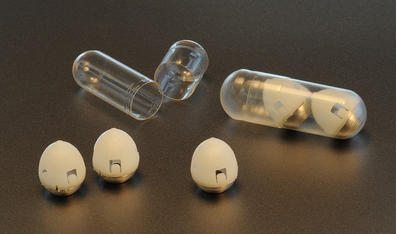
The FDA is “taking action” against Walgreens for selling tobacco to minors just a bit too often. Which technically means “ever” but in this case means “22 percent of its inspected stores having illegally sold tobacco products to minors.” Yes, the FDA has approved a heck of a lot of new drugs in the past couple of years — more than 1,600, in fact. But what you don’t hear is that 43 percent of them have never been sold to patients, and that means prices aren’t coming down. “It’s a real problem because we’re not getting all the expected competition,” FDA Commissioner Scott Gottlieb said. From a study in Clinical Infectious Diseases, which found that, although the 2017-2018 vaccine was only 38 percent effective, it still saved a lot of people: We estimated that influenza vaccination prevented 7.1 million illnesses, 3.7 million medical visits, 109,000 hospitalizations, and 8,000 deaths. A group of researchers from M.I.T., Harvard, and Novo Nordisk have developed a set of tiny robots that can be swallowed, and which then inject medication: The device works by attaching itself to the inside of the stomach then injecting a payload through the gastric wall. […] a tiny, spring-loaded needle is released once the sugar glass that surrounds it is dissolved by acid in the stomach. Our friends at NCPA have a workshop coming up. (It’s in Charlotte, N.C., which isn’t too far.) It’s an intensive three-day event for pharmacists considering pharmacy ownership or current owners looking to polish their management skills. It’s a soup-to-nuts crash course on pharmacy ownership, whether you’re starting from the ground up, purchasing an existing store, or expanding to become a multi-store owner. Johnson & Johnson will be the first major pharmaceutical company to start adding drug prices — list and out-of-pocket — to its television ads. “We’re starting with our most widely prescribed medicine so we can assess how the price and cost information is received by a broad range of people. We will take into account patient and consumer feedback in guiding roll-out to additional medicines we advertise on TV. You can buy human insulin at Walmart for about $25 a vial without a prescription. (Note: this is human insulin, which is a little different than the insulin analog that most diabetics take.) “Consistent payments from drug companies influence physician prescribing practices”8000 saved, J&J shares prices, $25 insulin, and more
Oooooh, you’re in troublllllllle
Just because we can doesn’t mean we will
Last year’s flu vaccine did a lot more good than you realize
Swallow that robot
Thinking about owning your own pharmacy?
J&J goes transparent
TIL*: Insulin edition
* “Today I learned” Honestly, it’s embarrassing to have to explain this to you kids
Just keep paying, just keep paying….
February 08, 2019 ✒ Andrew Kantor
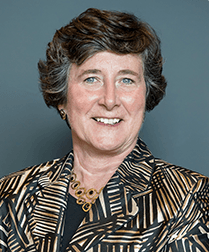
That’s right —Lucinda Maine, PhD, RPh, and EVP & CEO of the American Association of Colleges of Pharmacy is the second big keynote signed for the 2019 Georgia Pharmacy Convention! She’ll be talking about the nationwide push — the Pharmacist for Healthier Lives Campaign — to have the public recognize pharmacists as the critical (and accessible) healthcare providers we know they are. Yet another great reason to be ready to register on March 1! Georgia receives $150 million a year as part of its share of the $206 billion 1998 Tobacco Master Settlement Agreement (when tobacco companies agreed to pay toward the health costs of smokers). So, wondered Georgia Health News, with the state having just received an “F” for smoking prevention, where is all that money going? The answer: Less than 10 percent went to cancer treatment. Most of the rest goes to the general Medicaid fund. Read on, MacDuff. A new study finds that “Combo of diabetes, leukemia drugs may fight breast cancer” — at least in mice. Metformin plus venetoclax destroyed their cancerous tumors. Human trials could be in the future. And other researchers have developed an immunotherapy-style bone cancer vaccine for dogs that seems to increase remission time for Man’s Best Friend™. Headline: “Smoking Marijuana Linked to Better Sperm Counts.” Reality: Yes, men who smoked pot did seem to have a higher sperm count, but the researchers don’t know which way the cause-effect works. Co-author Dr. Jorge Chavarro of Harvard explains: A far more likely explanation, he says, is that men with higher testosterone levels — who tend to have higher sperm counts and concentrations than men with lower levels of testosterone — are also more likely to use marijuana. It could be that a diet high in vitamin C can help pregnant women from developing gestational diabetes. File this under “Keep an eye on it ’cause it’s just one study.” Another article on why the U.S. pays more for drugs than any other country. [T]he overall complexity of the U.S. health care system and the lack of transparency in the drug supply chain system create conditions favorable to limited competition and price maximization. It happens with more than a quarter of older people according to a study published in Pharmacology Research and Perspectives. The main culprits: living in a nursing home, multiple medical conditions, multiple prescribers, and “receiving the prescription via telephone, e‐mail, or patient portal.” (Scroll down to “Discussion” if you want to avoid all the boring detail.) The country looks more likely than ever to leave the EU in a month without a deal. And that’s going to play havoc with its healthcare system. Stockpiling of medicines in the event of a no-deal is already underway. Two-thirds of medicines imported to the UK come from the EU, but there has been a shortage of some medical supplies for some time. […] Even products made in the UK could be affected if they rely on ingredients imported from the EU.Marijuana and sperm count, grandma wants her pills, cancer-fighting in animals, and more
Holy moly! We snagged Lucinda Maine!
The fate of Georgia’s tobacco money
Good news for our furry friends
Cutting through the headlines
Vitamin C fights gestational diabetes?
If you haven’t read it before, it’s new to you

Antidepressant overprescribing in the elderly
Elsewhere: Could be worse; could be Britain
The long read: Income and drug purchasing
February 07, 2019 ✒ Andrew Kantor
Don’t miss Greg Reybold’s more-exciting-than-the-Super-Bowl update on what happened at the capitol this past week — see it and previous updates at GPhA.org/legislativeupdates. And look for a special message from CEO Bob Coleman in your inbox, too. Student pharmacists from UGA and PCOM headed to the Gold Dome on Tuesday to meet with legislators and let them know they’re invested in their future careers. Check out the pic — and imagine those hundreds of fresh-faced white-coat wearing students as they made their way through the halls of the capitol. That’s how you make a statement! Smart devices and new technology are making it easier for patients to stay at home. For example, one study just showed how patients with hypertension don’t need to go to the doctor or pharmacist for a blood pressure check when they’ve got a whole Internet at their disposal. After Purdue’s switched to ‘abuse-deterrent’ OxyContin, users switched to heroin — and that spiked hepatitis C infections. A survey found that older patients with diabetes are visiting the ER … a lot. More measles cases are popping up around the country, and Georgia is one of the states reporting them. And then there’s Newton County, which is seeing cases of whooping cough among kids. Canada is looking to change how much it’s willing to pay for drugs (it will no longer use the U.S. for comparisons, for example). Drugmakers panicked and “offered to give up C$8.6 billion ($6.6 billion) in revenue over 10 years, freeze prices or reduce the cost of treating rare diseases.”OxyContin and hep C, measles and pertussis in Georgia, students hit the Gold Dome, and more
Legislative update: Week 3
Students at the Gold Dome

Remote hypertension control
Unintended consequences
Coming back for more
What is this, 1953?
Elsewhere: Great White North edition
February 06, 2019 ✒ Andrew Kantor
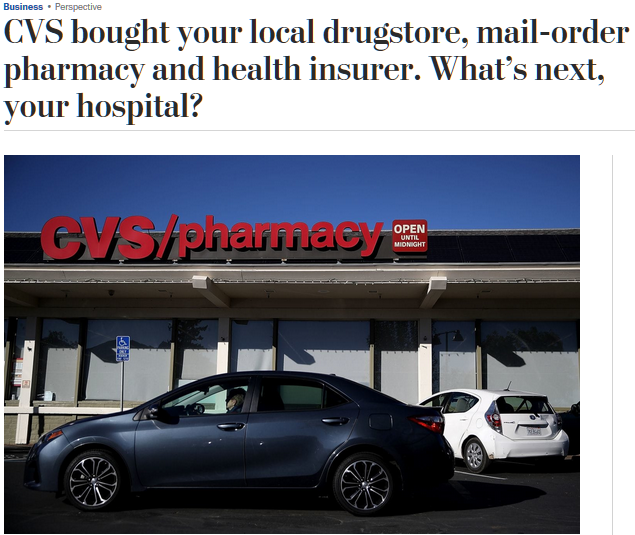
The long read from the Washington Post: “CVS bought your local drugstore, mail-order pharmacy and health insurer. What’s next, your hospital?” (https://www.washingtonpost.com/business/cvs-bought-your-local-drugstore-mail-order-pharmacy-and-health-insurer-whats-next-your-hospital/2019/01/31/4946dcda-1f2c-11e9-9145-3f74070bbdb9_story.html)The long read: CVS
February 06, 2019 ✒ Andrew Kantor
is coming to Netflix in video form. Now you can watch how to “detox” your body after a health crisis. Bonus: Delta Airlines is sponsoring the podcast version. (https://www.usatoday.com/story/life/people/2019/02/05/gwyneth-paltrows-goop-gets-netflix-docu-series/2775500002/)All natural facepalm

February 06, 2019 ✒ Andrew Kantor
Why do most people who take medical cannabis take it? Chronic pain. (https://www.upi.com/Health_News/2019/02/05/Chronic-pain-drives-most-medical-cannabis-use-study-says/4291549385294/?sl=5)Self medication

February 06, 2019 ✒ Andrew Kantor
If you’re the kind of person to treat your laugh or frown lines* with botulism toxin, good news: The FDA has approved a cheaper alternative to Botox. Sanders to Catalyst Pharmaceuticals: “How many patients will suffer or die due to Catalyst’s decision” to raise the price of Firdapse from zero to $375,000? (Click here for the full text of the letter as a PDF.) If you think you’re seeing more adult patients with food allergies, you’re not alone. [A]necdotally, doctors say they are seeing more adult patients with food allergies and it is important to know the scope of the problem to better understand and manage it. Because you have to be awake for brain surgery, neuroscientists at Emory University say electrically-stimulated laughter might be the best way to keep you calm. Emory neurosurgeons see the technique as a “potentially transformative” way to calm some patients during awake brain surgery, even for people who are not especially anxious. Hawai’i is considering raising the legal age to buy cigarettes … to 100 years old. Gweneth Paltrow’s fake-science “health” site, Goop, is coming to Netflix in video form. Now you can watch how to “detox” your body after a health crisis. Bonus: Delta Airlines is sponsoring the podcast version. The city of Denver is considering decriminalizing magic mushrooms. (Small amounts only, and it means you’d get a ticket for possession, not jail time.) “CVS bought your local drugstore, mail-order pharmacy and health insurer. What’s next, your hospital?”Cheap botox, laughing at brain surgery, shrooms in Denver, and more
Botox on the cheap
* Or depression, or sweating, or incontinence, or migraines…
No punches pulled with that letter
Aw, nuts
Laugh while you can
ICYMI: Aloha edition
All natural facepalm
Elsewhere: Mile high* edition

*We used the headline “Rocky Mountain high” once before, in case you’re wondering
The long read: One CVS to rule them all?
February 05, 2019 ✒ Andrew Kantor
The state — one of only about a dozen that hasn’t expanded coverage to more low-income people — is spending $1 million to investigate the possibility of a Medicaid “waiver” that would allow it to limit who would be covered. A wide majority of Georgians — 71 percent — support Medicaid expansion. That’s what the administration says it’s considering, at least for Medicare and Medicaid. HHS’ proposal would eliminate a legal provision that allows drug companies and pharmacy benefit managers to negotiate rebates in exchange for making it easier for patients to get access to certain drugs. Rebates would still be OK as long as they’re passed on to consumers. PBMs say that doing so would bring about the End of the World As We Know It, and is also beyond the power of HHS. Drug manufacturers support the proposal. The CDC says kids are using too much toothpaste when they brush. A pea size is enough; too much can mean ingesting extra fluoride. DEA agents (based on a hunch!) seized more than 250 pounds of fentanyl from a hidden compartment in a tractor-trailer. (Oh, and almost 400 pounds of meth.) Almost all illegal drugs come into the U.S. via legal border crossings, with 85 percent coming through San Diego — but now Arizona’s crossings are becoming more of a hotspot. What do you do when a competitor’s generic drug is recalled? If you’re Alembic, maker of a non-recalled version of valsartan, you raise the price — up to 469 percent. Speaking of generic-drug price hikes, remember that lawsuit against the “cartel” of 20 generics manufacturers? It’s expanded to 45 states (Georgia isn’t one), D.C., and the Department of Justice — and now may include wholesalers. Colorado is looking at a wholesale approach to allowing drug imports from Canada. Rather than allowing patients to buy inexpensive Canadian drugs, the state is considering a bill that would allow it to “import prescription drugs from licensed Canadian suppliers and distribute them to Colorado pharmacies and hospitals.”Georgia considering Medicaid expansion, DEA busts some fentanyl, generic prices get hiked, and more
Georgia finally considering Medicaid expansion
The end of PBM rebates?
Don’t do this:

Some fentanyl off the street
Well why not?
Elsewhere: Rocky Mountain edition
Do you want to send your members the daily Buzz email newsletter (customized for your state and organization, perhaps)? Let’s talk — just drop me a note at andrew@gphabuzz.com!

- Doctors Warn of a Deadly Complication From Measles Outbreaks
- Medicare Advantage ‘Dark Money’ Group Attempts To Win Higher Payments for Insurance Companies
- Families Scramble To Pay Five-Figure Bills as Clock Ticks on Promised Preauthorization Reforms
- As Lung Disease Threatens Workers, Lawmakers Seek Protections for Countertop Manufacturers
- Republicans Fret Over RFK Jr.’s Anti-Vaccine Policies While MAHA Moms Stew
- Primary Care Is in Trouble. So Doctors Band Together To Boost Their Market Power.
- January 2025
- December 2024
- November 2024
- October 2024
- September 2024
- August 2024
- July 2024
- June 2024
- May 2024
- April 2024
- March 2024
- February 2024
- January 2024
- December 2023
- November 2023
- October 2023
- September 2023
- August 2023
- July 2023
- June 2023
- May 2023
- April 2023
- March 2023
- February 2023
- January 2023
- December 2022
- November 2022
- October 2022
- September 2022
- August 2022
- July 2022
- June 2022
- May 2022
- April 2022
- March 2022
- February 2022
- January 2022
- December 2021
- November 2021
- October 2021
- September 2021
- August 2021
- July 2021
- June 2021
- May 2021
- April 2021
- March 2021
- February 2021
- January 2021
- December 2020
- November 2020
- October 2020
- August 2020
- July 2020
- March 2020
- February 2020
- January 2020
- December 2019
- November 2019
- October 2019
- September 2019
- August 2019
- July 2019
- June 2019
- May 2019
- April 2019
- March 2019
- February 2019
- January 2019
- December 2018
- November 2018
- October 2018
- April 2017
