
January 17, 2023 ✒ Andrew Kantor
Everyone* knows that antibiotics don’t work for viruses, but sometimes you can’t be sure what a patient has, so might as well throw some whatevercillin at it. The obvious problem being the rise of antibiotic resistance. But now Stanford scientists say they have a simple test that “can separate bacterial and viral infections with 90% accuracy.” It’s a gene-expression test, and it looks at how a patient’s immune system responds to an infection — and that’s different depending on the pathogen. Not only is it accurate enough to meet WHO’s standards, it works around the world no matter the person or the bug infecting them. Kids’ vaccination rates are dropping (Georgia is one of nine states with fewer than 90% having all their shots, based on the latest CDC data) and cases of once-thought-eradicated diseases are reappearing. Seriously, polio? Of course most of it is due to misinformation — aka, lies — making people think vaccines aren’t safe. Pro tip: They are. And if we can’t get that through to parents, their kids are certainly going to learn the hard way. Strange days, indeed: Pharmaceutical companies have taken the top spot as the most-trusted industry, knocking tech companies to second place in the annual Ipsos global report on trust. That’s not to say most people trust pharma companies — about 34% rated them trustworthy, and 22% said they were untrustworthy. (For tech it was 33% thumbs-up, 22% thumbs-down.) Meanwhile, more people trust government (22%, up from last year) and social media (22%, also up from last year). Ipsos does point out that the poll was taken before Elon Musk’s takeover of Twitter, though. The US has seen a whopping 33 percent decline in cancer deaths since 1991 — that’s something like 3.8 million people, many of whom are probably really nice folks. What’s caused the drop? Better screening (ergo, earlier detection), better lifestyles (e.g., much less smoking), vaccinations (leading to a 65 percent (!) decline in cervical cancer), and of course better treatments. The one outlier: prostate cancer, where screening guidelines are confusing and lifestyle changes don’t have as much effect. Not that your job would ever give you stress, but if you know someone else dealing with it, there’s a breathing exercise you can do — and it’s actually backed by science. A study out of Stanford found that what they call “cyclic sighing” works even better than the gold standard of mindfulness meditation to improve mood and reduce stress. It’s complicated, so take notes: That’s it. The idea — they think; ‘further studies are needed’ — is that focusing on that long exhale is what does the trick — inhaling increases heart rate while exhaling reduces it. (You might have heard of “box breathing,” where you spend five seconds inhaling, five holding, five exhaling, and five waiting; it’s supposed to help relax. Well this is better.) Above link is to the news story; here’s the study itself if you like charts and stuff.Breathing away stress, trust in pharma companies, virus-germ detector, and more
Knowing the bug
* Not everyone
Cause and effect — it’s a real thing
People trust pharma companies
Cancer deaths drops big-time
Exhalation
January 14, 2023 ✒ Andrew Kantor
Stanford researchers looked deep, deep into how the SARS-CoV-2 virus infiltrates the tissues of the nasal passages. And what they found was that it takes time; there’s a ‘mucin mesh’ the virus needs to poke through. And that means there’s an opportunity to intercept the process. The science is waaaay too detailed to get into here, but the basic idea is that SARS-CoV-2 switches on certain enzymes that cause microvilli under the mucus barrier to grow hugely (“microvilli gigantism”)(really). Takeaway: Block the enzymes and you slow or stop the spread. And that can be done after exposure. So next time you’re in line an someone is coughing near you while talking about lizard people and government pedophile rings, you might be able to go home and spritz your nose to keep the virus from gaining a foothold. Getting trained is smart for your career and your bank account. (And your decorations — you get a nifty certificate, too.) Live training is Sunday, January 22 in Sandy Springs, from 9:00 am till noon. Space is limited. Don’t wait. Click the button for the details and to register: Who needs mice when you have caterpillars? Sure, they’re a lot slower on their exercise wheels, but the good thing is that, when it comes to colorectal cancer research, these critters (specifically the larvae of the tobacco hornworm) can work just as well as rodents. They grow faster, require less care, don’t need paperwork (sorry, invertebrates), they share plenty of genes with humans, and they’re large enough to scan with an MRI. And when it comes to colorectal cancer, “Caterpillars are basically just one long bowel, so they made a great model for studying inflammatory bowel disease.” When he was a tot, Brother of Buzz took penicillin and turned from “Don Kantor” into “Oh My God What Is That Thing‽” He hasn’t touched the stuff since. But as University of Michigan smart people explain, “[W]e know that in just ten years, most people lose their penicillin allergy label.” Their advice: See about getting tested. If you are no longer allergic, it not only gives you more flexibility, it can reduce your risk of complications: “for instance, patients who get alternatives rather than beta-lactam antibiotics are more likely to get surgical site infections and are in the hospital longer because of more treatment failures.” There’s lots of joy and potential in a pharmacy career, but students don’t always know it. That’s why all four of Georgia’s pharmacy colleges — Mercer, PCOM, South, and UGA — are working together on The Pre-Pharmacy Advising & Mentoring Summit. It’s for high school or college advisors and instructors — the folks who can help students decide on a career. This year it’s being held on Mercer’s campus in Atlanta on Friday, February 3, from 10:00 am till 3:00 pm. The goal: “to raise greater awareness about how dynamic a PharmD degree can be through sessions discussing novel pharmacy careers, contemporary admissions criteria, professional curriculum standards, and more.” And yes, it’s 100% free. Heck, they’ll even throw in lunch and — for a limited number of folks — a hotel room. Important: The event is only for advisors/counselors/instructors from high school or college settings; NO prospective or potential PharmD students should register. That said, click here for info/reg page that you can share with the right people. California has had enough of insulin price-gouging. The stuff was invented 100 years ago, and the guys who patented it specifically said they wanted it to be cheap for everyone. Apparently some companies didn’t get that message, and California’s attorney general … …alleges three pharmaceutical companies that control the insulin market — Eli Lilly and Co., Sanofi, and Novo Nordisk — are violating California law by unfairly and illegally driving up the cost of the drug. It also targets three distribution middlemen known as pharmacy benefit managers: CVS Caremark, Express Scripts, and OptumRx. British researchers, tired of viruses, cancer, and gut microbes, found a better way to spend their time: answering the question “Why does chocolate feel so good to eat?” Shockingly, it’s all about the fat and the lubrication it provides. When chocolate is in contact with the tongue, it releases a fatty film that coats the tongue and other surfaces in the mouth. It is this fatty film that makes the chocolate feel smooth throughout the entire time it is in the mouth. One interesting discovery is that some fats don’t make a difference, meaning there’s potential to make a chocolate that tastes as good but is healthier. In case anyone cares.Chocolate mystery solved, morning-after Covid treatment, caterpillars replace mice, and more
Morning-after nasal spray … for Covid?
Techs: You need immunization training
We’ll spell it out for you:
Get training. Improve your résumé, power up your career.

What the caterpillar calls the end of the world, the master calls a
butterfly cancer-research advance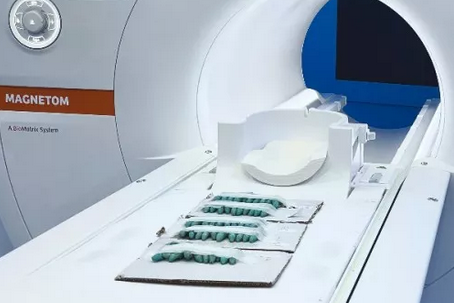
You might not be allergic to penicillin anymore
Helping kids start a pharmacy career
Elsewhere: You Get a Lawsuit! edition
Today’s non-pharma, cool-science story
January 13, 2023 ✒ Andrew Kantor
Heparin is great as a blood thinner — if you can get the dosing right. Instead of an IV that delivers the drug to the entire bloodstream (where it’s quickly cleared out), why not deliver it right to a blood clot? How can you do that? Penn State researchers found a way. If you’re thinking, “They used a nanogranular paste, didn’t they?” you’re spot on. Injected under the skin, their material consists of heparin and a bit of peptide. When it gets to the turbulent site of a blood clot, that turbulence breaks it apart and releases the heparin right where it’s needed. (You are permitted to say, “Whoa” at this point*. Biomed engineers are amazing folks.) “The peptide also has some anticoagulating properties on its own: It binds to platelets in the blood, enabling action at the clotting site [… it] increases heparin’s effects by more than ten times longer than what is currently being used.” USA: We’re extending the Covid-19 emergency another 90 days. WHO: We’re thinking of lifting the global public emergency; we’ll decide later this month. China: We’re opening our borders! Also, no one here is dying from Covid! And happy New Year — go visit friends and family! Rest of the world: [sighs deeply] You know which healthcare providers can help people with opioid use disorder? You guessed it: pharmacists. A study out of Rhode Island found that… [P]atients who started taking buprenorphine after visiting a specially trained pharmacist for their care […] showed dramatically higher rates of retention: 25 patients (89%) continued to receive treatment in the pharmacy compared to five (17%) in the usual care group. It’s about reaching people — some of whom can’t see a physician — and increasing the capacity of the healthcare system to treat people and get them back to being more productive members of the community. Pharmacists are in the perfect position to do that … if they’re allowed. Only 10 states (Georgia isn’t one) allow them to prescribe buprenorphine. If you promise to stay calm, you can read this story involving mifepristone. Georgia’s own Buddy Carter (leading 24 other members) has sent a letter to the FDA arguing that pharmacists should not be allowed to dispense mifepristone and asking the agency to revoke that permission. (Click here to read the letter.) Saying it will “fundamentally harm the pharmacist-patient relationship,” they want the agency to reinstate the original regulation requiring the drug to be either dispensed by physicians directly or through approved mail-order pharmacies. That rule was changed at the beginning of January. “As a pharmacist, I would never prescribe a drug that endangers the life of a mother or her unborn child. This is dangerous, irresponsible, and must be addressed.” HHS has announced that it now has a timeline for the process of negotiating drug prices for a whopping 10 high-priced drugs, (as it is now allowed to do). What drugs? What prices? Don’t hold your breath — that list of drugs won’t be announced until September, and pricing discussions won’t begin until February 2024. The amount the government is willing to pay will be announced nine months later, in September 2024. An Israeli study (of ~2 million people) found that if you have a mild infection, chances are your symptoms will be gone within a year. Here’s the most “glass half full” paragraph you’ll read today: [P]atients with mild Covid-19 had an increased risk of problems including loss of smell and taste, concentration and memory impairment, breathing difficulties, weakness, palpitations, strep throat, and dizziness. Later in the year, health records showed more hair loss (particularly among women), chest pain, cough, muscle aches and pains, and respiratory disorders among Covid patients. But for most people, these problems also cleared up by the end of one year. Yay? Yay! Vaccine acceptance in the US has increased to the point that we’re now up there with the rest of the Western world. Globally, the average vaccine hesitancy has dropped in each survey edition and is now just over 20 percent. That’s right about where the US now finds itself, with just under 20 percent indicating they have not received a first shot. “Colour-coded syringe trays may help cut medication errors” finds a British study. It’s a real problem, too: “Data suggests that drug-related errors — such as accidental syringe swaps — occur in 1 in 133 anaesthetic administrations.” Looking at search time and the number of errors (using eye-tracking technology — cool!) they found that “the trays helped make it quicker for users to make the correct choice first time.” Eating right means living longer. I.e., “Adherence to Healthy Eating Patterns Linked to Lower Mortality Risk”.Long-Covid limits, turbulence and heparin, Carter pushes FDA, and more
A better way to deliver heparin
* “Woah” is also acceptable.
Emergency?

How you can help with opioid abuse
Carter asks FDA to reinstate dispensing reg
Drug-price negotiations: See you next year
Good news about long Covid
USA! USA!
Captain Obvious was about to say something…

…but then this caught her eye
January 12, 2023 ✒ Andrew Kantor
After 80 years, animal testing will no longer be required for a drug to get FDA approval. That’s not to say that animal testing will stop, just that it won’t be required — the technology has improved enough that… …the agency should rely more heavily on computer modeling, “organ chips,” and other nonanimal methods that have been developed over the past 10 to 15 years. One of the arguments against the requirement is that animals aren’t humans (sorry, Fido, but you are a very good boy). As one bioengineer put it, “Animal models are wrong more often than they are right.” Are you ready to help shape the future of pharmacy in Georgia? GPhA is now accepting applications for the 2023-2024 GPhA Board of Directors. Serving on the board is the opportunity to make a lasting contribution to the industry. We have three open positions: two at-large board members at large, and one member from the Academy of Clinical and Health-System Pharmacists (ACHP). Be the one to step forward — be the one to make a difference! The deadline for applications is 11:59 p.m. EST on Tuesday, March 7, 2023. The position: For more info on the roles and responsibilities of GPhA board members, check out Article IV of the GPhA Bylaws. The election: An online election will begin May 24, 2023 and will close at midnight on June 15, 2023 (the first day of the Georgia Pharmacy Convention). The results: GPhA will announce election results on June 16, 2023, at the Georgia Pharmacy Conventions second general session; new directors will be installed the next day. Questions? Contact Lia Andros, governance manager, at landros@gpha.org. Today, Thursday, January 12, Congressman Buddy Carter will hold a special order — a session of Congress where he and other representatives will speak on the record about the Tricare/Express Scripts issue. Not sure what that issue is? Back in November, Carter and 48 other members of Congress invited Defense Health Agency Director Ronald Place to a listening session regarding how the Tricare/Express Scripts contract would hurt military patients and the independent pharmacies that serve them. The DHA declined to attend. So tune in to watch what Carter et al. have to say at 4:00 pm on C-SPAN! (And if you have a connection to other U.S. representatives, make a quick call and ask ’em to join in!) The FDA has approved Tdap vaccines for pregnant women to prevent pertussis in infants. The single injection is approved for women in their third trimester. That is all. The paper’s title: “Early response evaluation by single cell signaling profiling in acute myeloid leukemia.” What it means: Norwegian researchers found a way to “predict cancer patients’ survival within hours after chemotherapy.” How? It’s all about a single protein: “Our results show that the protein ERK1/2 increases within the first 24 hours of chemotherapy in patients who have a poor response to therapy.” If confirmed, it’s both scary and — knowing immediately that another kind of treatment is necessary — potentially very helpful. For 2023, a record 15.8 million Americans — including almost 850,000 Georgians — have signed up for health insurance through the Affordable Care Act’s marketplace — that’s up 13 percent from this time last year, per HHS figures. (There are still a few more days of open enrollment.) And of those 16 million, more than 3 million are new enrollees. A phase 2 trial has found that ambroxol — yep, the over-the-counter mucus breaker-upper — might actually be a treatment for Parkinson’s. British researchers found that … [A]mbroxol was able effectively reach the brain and increase levels of a protein known as GCase (glucocerebrosidase). Gcase allows cells to remove waste proteins, including alpha-synuclein (a protein that builds up in Parkinson’s and is thought to be important in its cause), more effectively. It’s not a full treatment, of course, but it could slow the disease’s progression. Up next, and soon: The all-important phase 3 trial that’s designed to last two years. Wastewater surveillance is cheap, easy, and a lot quicker than waiting on hospital data or even Google search analysis. And it’s totally anonymous — the ultimate aggregated data. So why aren’t we doing more of it? For starters: “People want to see the results of the data before they’re comfortable using or investing in them, but in order to get the data, you need to invest in [getting the data].”Surprise Parkinson’s treatment, no-surprise chemo, Buddy Carter’s special session, and more
Your mouse says “Thank you”
Step up and be a leader
Nitty gritty
Buddy Carter to hold special order on Tricare/Express Scripts contract
TDAP vaccine before birth
Predicting chemo success
Another Obamacare record
Cough syrup for Parkinson’s
The Long Read: Know Your Sewage edition
January 11, 2023 ✒ Andrew Kantor
Seriously. Well, maybe not end it, but potentially put a dent in it. Ready? Tell prescribers when their patients die from overdoses. Yep, that simple. A study out of USC… …shows that notifying clinicians through an informational letter from their county’s medical examiner that a patient had suffered a fatal overdose reduced the number of opioid prescriptions they wrote for up to a year. The lead author’s name is Jason Doctor, so you know it’s legit. Reminding them to check the state prescription monitoring program apparently gets more of them to — wait for it — check the state prescription monitoring program. The Columbia-led study focused on Minnesota patients who were prescribed both opioids and benzos, and they found a reminder letter (on paper!) was a simple and “cost-effective evidence-based strategy to promote safer prescribing.” The researchers found that letters mentioning the mandate to check the PMP successfully increased engagement with the program. PMP search rates rose by 9 percent, and the effect persisted at least 8 months. Slight caveat: The letters didn’t affect prescribing, just the use of the PMP. There are only a few days left for your nominations — the deadline for telling us about extraordinary people is in just a few weeks — Wednesday, February 1! If you haven’t, you’ve still got time to help choose the best of the best in Georgia pharmacy — with the 2023 awards being presented with both pomp and circumstance at the 2023 Georgia Pharmacy Convention on Amelia Island, Fla. What awards, you ask? The details are at GPhA.org/awards, but here’s the list: Yes, these are GPhA awards, but nominations come from you, the members. That’s what gives them meaning. And it starts now. Visit our awards page at GPhA.org/awards for more information on award criteria, and to make your nominations. Remember: The deadline for submissions is February 1, 2023. These days antipsychotics treat more than psychosis — they’re all over the place, off-label. Which is fine. The problem is that once someone is taking the drugs, no one talks about getting them off. The guidance for antipsychotic prescribing […] gives detailed steps on how to start someone on the medication. No guidance is given on how to stop it. The expectation is, when prescribed for a licensed condition, that people would keep taking the medication indefinitely. In fact, explains a British pharmacist, antipsychotic withdrawal is often explained as a relapse of the condition the drugs are supposed to be treating. This leaves many people with the only option of attempting to stop their antipsychotics on their own without the support of a healthcare professional who could advise them on tapering the medication slowly. This might be considered irony: People who take vitamin D supplements have a lower risk of melanoma — heck, of skin cancer in general. That’s what Finnish dermatologists discovered, and it even applies to people with a higher risk of skin cancer. How big an effect did the big D have? “Logistic regression analysis showed that the risk for melanoma among regular users was considerably reduced, more than halved, compared to non-users.” And even occasional users reduce their risk. There are limits, though. Vitamin D, they found, won’t reduce “photoaging, facial photoaging, actinic keratoses, nevus count, basal cell carcinoma and squamous cell carcinoma.” And what’s the optimal dose? That’s still up in the air. If someone has hypertension, “Reduce your salt intake” is one of the top suggestions. But that may not help at all. Dutch researchers found that a high- or low-salt diet didn’t affect blood pressure … in white people, anyway. They looked at salt intake, salt outgo (i.e., urinary sodium levels), and blood pressure variability — and found no correlation. “Therefore, our results do not indicate that salt restriction would be an effective strategy to lower BPV, at least not in a white population-based setting with relatively healthy individuals.” On the heels of fentanyl comes xylazine — the animal tranquilizer with the street name “tranq.” Fentanyl was already being added to heroin and other street opioids (because it’s cheap and easy to make), and now xylazine is being added to fentanyl. This is a Very Bad Thing. Xylazine causes wounds that erupt with a scaly dead tissue called eschar; untreated, they can lead to amputation. It induces a blackout stupor for hours, rendering users vulnerable to rape and robbery. But making it even worse is that xylazine isn’t an opioid, so naloxone doesn’t affect it. There’s no available reversal treatment, and it’s not always clear that someone has OD’d on it. Adding to the mess: Xylazine hasn’t yet been classified as a controlled substance, although the DEA is looking into that. Choices, choices. If you want to protect your mouse from genital herpes, get her fat. And I say “her” because it only applies to female mice. Korean researchers found that… … thanks to differences in their vaginal microbiomes compared with lean mice, obese mice fed a high-fat diet had stronger immune responses against HSV-2, which causes genital herpes in humans. Meanwhile, if you want to spare your mice from age-related macular degeneration (or other inflammatory diseases), don’t let them get fat in the first place. A team of researchers affiliated with multiple institutions in Canada has found that obesity in young mice can lead to inflammatory disease later in life even if the mouse is no longer overweight. Fat mice vs skinny ones, the letters prescribers need, maybe salt doesn’t matter, and more
This one simple solution could end the opioid epidemic!
While you’re writing letters to prescribers…
The awards deadline is almost here!
Stopping antipsychotics
Vitamin D does it again
Grain of salt for grains of salt
The latest drug problem
Fat mouse, skinny mouse (today’s non-pharma medical stories)
January 10, 2023 ✒ Andrew Kantor
We might be done with Covid, but Covid’s not done with us. The Omicron variant XBB.1.5 — nicknamed “Kraken” — is quickly spreading in the US; it’s “the most transmissible subvariant that has been detected yet.” It’s already responsible for three-quarters of infections in the Northeast, and it’s spreading through the rest of the country. The good news: Symptoms are akin to a bad cold … for a lot of people. The bad news: For the unvaccinated or those with just bad luck, it can get a lot worse — hospitalizations are up almost 17 percent week-to-week in the US. (That’s probably because of holiday get-togethers.) The good news: Even with that jump, hospitalizations are waaaaaay down from the pandemic peak. Right now about 400 Americans a day are dying from it, although that will likely rise for a bit as those post-holiday hospitalizations catch up. If the whole business of naming Covid variants seems like a mess to you, you’re not alone. Where once we had Alpha and Delta and Omicron, we now have Basilisk, Minotaur, and Hippogryph. Some people have been referring to XBB.1.5 simply as “the Kraken.” A list compiled on Twitter reads less like an inventory of variants than like the directory of a mythological zoo. That’s because — like the Weather Channel names every storm — most of these names aren’t official. Then again, if everyone calls it a duck, isn’t that what it is? Another study challenges the idea that buildups of amyloid beta proteins is what causes Alzheimer’s. This one, out of USC, is a bit more nuanced. It found that it’s not the amyloid protein in general that’s the problem, but the type of protein. Healthy brains also had plenty of amyloid proteins, but whether it was the dissolvable, non-fibrillar kind. The insoluble proteins are the ones that can start to clump together, like long hair in the shower drain — and those clumps are the the “plaques” seen in the disease. So what makes some proteins clump and some remain soluble? It might be the amount of enzymes in the particular areas of the brain that are affected, meaning the focus should be on the process that creates the plaque, rather than the plaque itself. Could Covid-19 raise your risk of diabetes? Sure, why not, considering all the other ways the disease messes with your body. A preprint study by an international team of researchers (including some Americans, so you know it’s legit) found that “Mounting evidence shows association between Covid-19 and new diagnoses of diabetes.” But wait! Remembering that correlation ain’t causation, the team pointed out that it’s possible that being treated for Covid simply means people are more likely to have diabetes detected. We’ve written before about the problem with a tablet form of insulin — it dissolves before the drug can be released. The latest attempt to get around the issue comes out of China, where researchers created rocket-powered molecules that are pressed into pills designed to get through the stomach and into the colon. The pills’ tiny particles contain insulin, magnesium, and starch: The starch protected the tablets from stomach acid, allowing them to reach the colon intact. As they broke down, the magnesium microparticles reacted with water to generate a stream of hydrogen gas bubbles, which acted as micromotors* that propelled insulin toward the colon’s lining to be absorbed. Last week, the FDA approved Eisai’s $26,500-per-year Alzheimer’s treatment, lecanemab. (That’s a discount according to the company, which said “the value of the medication to society is around $37,000 a year.”) Ah, but so many questions. Will insurance cover it? CMS is considering, and private insurers must be as well. Why isn’t it a gimme? Because of the last big Alzheimer’s drug, Aduhelm. Just the idea that Medicare might approve Aduhelm pushed Part B premiums up $10 a month. (CMS ended up approving it only for certain clinical trials.) The big question … is it really worth it? Like Adulhelm, lecanemab only has limited effect on the disease, and it doesn’t help patients in the later stages. Oh, and 14 percent of trial patients had “serious adverse events” including brain swelling and bleeding. So, is the potential for slight improvement worth it? Depends who you ask … and who’s paying. For more details on the economic pros and cons of lecanemab , check out a recent blog post from Howard Gleckman. Eating 57g of almonds daily can boost the levels of “good” fat in your blood after exercise. [I]mmediately after exercise, the concentration of the beneficial 12,13-DiHOME was 69% higher in blood plasma of participants in the almond group than in participants in the control group. But: The study was funded by the Almond Board of California. So here’s your grain of salt: Your grain of salt Solid tumors can protect themselves with a layer of regulatory T cells — white blood cells that trick the body into ignoring the tumor. So how can you turn off this ‘regulation’ without affecting the entire body (which would be bad)? If you’re UCLA biomed engineers, you create a tiny implanted device (they call it SymphNode) that shuts off those regulatory T cells in one area — the area around the tumor. Oh, and you have that device summon the body’s tumor-killing cells, too. The researchers tested the SymphNode in mouse models of both breast cancer and melanoma. With breast cancer, the device shrank tumors in 80% of mice and prevented the spread of cancer in 100% of them. The researchers have already formed a company with plans to sell it, of course, and they’re working on injectable versions that could augment existing chemotherapy regimes.Behold the kraken, Covid-diabetes connection, jet-powered insulin, and more
Released: the kraken
Wait … “Kraken”?
Alzheimer and plaque: It’s complicated
Covid and diabetes?
Rocket-powered insulin tablets
* That’s not a motor. That’s a rocket.
How big a deal is lecanemab?
More salted nuts

Opening a door in tumor defense
January 07, 2023 ✒ Andrew Kantor
No bees, no food — and bees are dying. Now, though, there’s a USDA-approved vaccine to protect honeybees from one disease that’s forcing beekeepers to destroy their hives. The vaccine, which will initially be available to commercial beekeepers, aims to curb foulbrood, a serious disease caused by the bacterium Paenibacillus larvae that can weaken and kill hives. How bad is it? One in four hives in parts of the US has to be destroyed because of it, so this is good news if you like fruit, vegetables, nuts, berries, grain, or flowers. Note: Honeybee vaccinations are not covered in GPhA’s upcoming vaccine training. In case you forgot, Medicare part D patients now have their insulin co-pays capped at $35 per month — that’s for people who take it by pen or syringe. On July 1, the same cap will apply to those who take insulin via pump (i.e., Medicare part B). Side note: Washington, DC, and 20 states, although not including Georgia, also impose co-pay caps on state-regulated private health insurance plans, but that only affects a portion of employer-sponsored plans. Fun fact: Insulin was patented in 1922 with the express goal of keeping it affordable for anyone who needed it. An experimental pill — called VV116 and developed in China (where, to be frank, it’s needed most) — works as well as Paxlovid without some of the side effects (e.g., altering their sense of taste) or interactions with other meds. And before you roll your eyes because you don’t quite trust research out of China, I’ll point out that the phase 3 results were published in the New England Journal of Medicine. VV116 is similar to the antiviral remdesivir, which the Food and Drug Administration has approved as an IV infusion. But the team behind the new drug — pharma companies Junshi Biosciences and Vigonvita Life Science — tweaked the formula so that the body can absorb it in pill form. Trials of the first mRNA-based cancer vaccines will start soon in Britain, as BioNTech tries to turn its Covid-vaccine technology to other diseases. (Technically it’s not a cancer vaccine — it’s a treatment that trains the body’s immune system to attack tumors.) Thanks in part to the pandemic, mRNA vaccine development was sped up — why, you might even say to warp speed — making the technology advanced enough that BioNTech hopes to have a viable, personalize-able product in the next seven or eight years. Did you know that metformin can do more than help treat diabetes? As a matter of fact, it can slow aging, reduce menstrual irregularities, cut down long Covid, grow your hair back, make you taller, and insure no one ever discovers your cringe-worthy middle-school poetry. Well, as long as you’re willing to believe questionable, un-reproduceable studies or social media influencers. Its reputation has grown with a recent barrage of social media attention, including a viral posting by Silicon Valley-based internet entrepreneur and “biohacker” Serge Fague, who described taking two grams of the medication every day. “Have you heard about metformin?” asked one Twitter influencer. Pro tip: Never believe anyone whose only credential is “influencer.” “Travelling farther away from home linked to better health”: People who travel more outside of their local area feel that they are healthier than those who stay closer to home.Paxlovid-beating antiviral, new vaccine for bees, metformin “miracle,” and more
Bee vaccine approved
Insulin price caps in effect
A better Paxlovid
A cancer vax in the next decade?
It’s a miracle drug!
Go away
January 06, 2023 ✒ Andrew Kantor
There aren’t a lot of options for treating mpox — the few antivirals being tested (formally or informally) all have problems. But German virologists think they’ve found a better contender: nitroxoline. Yep, that’s the old antibiotic that’s already proven safe for us humans. In the lab, at least, it worked against the various strains in circulation without the mpox becoming resistant. “Moreover, nitroxoline inhibited bacterial and viral pathogens that are often co-transmitted with mpox.” Takeaway: Scribble “mpox — nitroxoline” on a Post-It in case you have a patient whose doc doesn’t read Buzz or BioRxiv. Hey, pharmacy technicians! You’re allowed to administer certain vaccines — so be sure you’re trained to do it! And guess what? GPhA’s Immunization Delivery Training for Pharmacy Technicians is coming up — live in person at GPhA’s classroom Sandy Springs on Sunday, January 22 from 9:00 am to noon. It not only gives you the training you need, it’s also good for six hours of CE (3 hours live, 3 hours self-study). What’s not to love? Check out the details and register today (space is limited) at GPhA.org/techimmunization! Sure, why not: The composition of your gut bacteria might raise your risk of type 2 diabetes. In short: [P]eople with higher levels of a bacterium called Coprococcus tended to have higher insulin sensitivity, while those whose microbiomes had higher levels of the bacterium Flavonifractor tended to have lower insulin sensitivity. So found researchers at Cedars-Sinai, who probably figured, “Gut bacteria affects everything else, might as well see about diabetes.” It comes down to the fatty acid butyrate — you need it to process insulin, and Coprococcus produces it a-plenty, so more Coprococcus, better insulin processing. (Flavonifractor also produces butyrate, but apparently not enough.) Next up: Can diet change the bacterial balance? Just in case you’ve been seeing a shortage of kids’ meds, you’re not alone. It’s a nationwide problem, and it has nothing to do with supply — it’s all about high demand. “Everybody is sick, and everybody needs medicine at once,” and companies can’t keep up with the high demand. Do you want a treatment for brain cancer that kills the tumors or one that prevents them? Scientists at Brigham and Women’s Hospital have a way, they say, to do both — “a new cell therapy approach to eliminate established tumors and induce long-term immunity, training the immune system so that it can prevent cancer from recurring.” Even cooler, it prevents cancer by transforming cancer cells into cancer killers and vaccines, like strapping bombs onto carrier pigeons. [The team] engineered living tumor cells […] and repurposed them to release tumor cell killing agent. In addition, the engineered tumor cells were designed to express factors that would make them easy for the immune system to spot, tag and remember, priming the immune system for a long-term anti-tumor response. The other day we shared how drug makers were jacking up the prices of existing drugs for the new year. Today we’ll point out (thank you, Reuters) that pharma companies are setting new records with their prices of new drugs, too. For 2022, the median price for new drugs was $222,003 for an annual or one-time supply — “The latest numbers imply double digit year-over-year price growth.” Because why not? Artist’s conception Special shout out to CSL, whose Hemgenix, a $3.5 million gene therapy for hemophilia B, is now the most expensive drug in history. This is either a great idea or the plot of an upcoming movie: Instead of pills or injections, why not genetically engineer bacteria to produce pharmaceuticals inside the body? Specifically, create Lactobacillus reuteri bacteria that secretes a peptide called ShK-235* to treat rheumatoid arthritis? Baylor College of Medicine researchers tried the idea in rats, giving them pills containing the modified L. reuteri … and waiting. Lo and behold, “They found that after feeding rats live LrS235 [bacteria] that release ShK-235, they could detect ShK-235 into the blood circulation.” And because rats (and humans) already have L. reuteri in their guts, it’s probably completely safe. Genetically engineered, drug-making bacteria. What could go wrong? (As always, further research is needed.) Virus hunters are using a raft of new technologies — nanotech, AI, drones, and more — to find, identify, and catalog viral threats more quickly … before they’re on the news. Record drug prices, bacterial med delivery, diabetes from the gut, and more
Potential monkeypox treatment
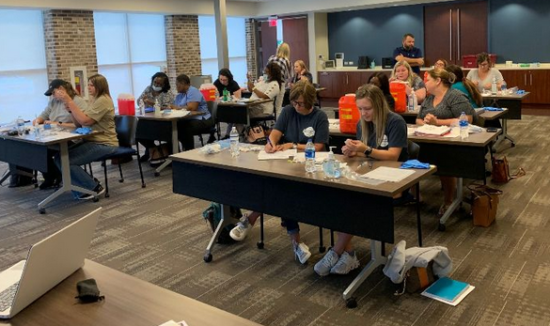
Vaccination training for techs coming up fast
Guts, bacteria, and diabetes
No, you can’t find kids’ meds
Brain cancer: destroy and prevent

New drugs, new records

Let the germs deliver the drugs
* You just know one of the researchers has this as a vanity plate.
The Long Read: Virus Hunting edition
January 05, 2023 ✒ Andrew Kantor
If your reaction time is changing a lot, you’ll be more susceptible to a respiratory virus. It’s not exactly that your brain’s performance overall can predict it, but rather how much your cognitive ability “see-saws.” That’s what University of Michigan (with Duke and UVa) researchers found in what they call “the first exposure study in humans to show that one’s cognitive performance before exposure to a respiratory virus can predict the severity of the infection.” It’s actually logical. If you’re stressed or tired, you’re often more likely to get sick … and your cognitive performance will change — and change is the key. An idiot might always do poorly, but an idiot whose performance goes from bad to worse could be at higher risk. “[W]hen we looked at change over time, we found that variation in cognitive function is closely related to immunity and susceptibility.” The Georgia Board of Public Health will hold a virtual meeting this coming Tuesday, January 10, from 1:00 – 3:00 pm. On the docket are updates on the flu, Covid-19, and RSV situation; a legislative update; discussion of screening newborns’ hearing; and the main event: “Special Awards for supporting the state during the Covid pandemic.” What do you do if you want surgery patients to have post-op opioids, but your state’s laws require them to pick them up in person? You write the prescriptions for their spouses. After analyzing prescription data, Harvard researchers found a big bump in opioid scripts for the spouses of patients who had surgery … when the patients themselves didn’t get those meds. So, unless those husbands or wives are a real pain to be around (ha ha), the rationale is clear. “We seem to have found a situation where doctors are intentionally subverting the safety mechanisms that we have in place to ensure safe opioid prescribing. There’s no other plausible explanation for this dramatic increase in opioid prescriptions on the day that the recipient’s partner is having surgery.” The FDA now allows mifepristone to be dispensed by retail pharmacies, provided they meet certain requirements. The steps for pharmacies to become certified to dispense mifepristone are not difficult, but they involve some administrative requirements that go beyond the process pharmacies use with most other medications, such as designating an employee to ensure compliance. Let’s say you have a boy pig and a girl pig, and you want them to have piglets, but the boy is … let’s just say he has some issues in the bed-sty. Forget Viagra — Chinese researchers “have developed a synthetic tissue that repairs injuries and restores normal erectile function in a pig model.” To be fair, this treatment works for pigs that have injuries down yonder, rather than other medical issues — although their artificial tissue might work in other circumstances. “The technology is promising and warrants further work so it can be safely transitioned to human patients who can benefit from this advance.” Instead of the entire country seeing absurdly high flu levels, many areas are seeing cases drop, moving from dark red to medium orange on the CDC’s flu map. Georgia has gone from ‘dark dark red’ down to ‘dark orange’ on the scale — i.e., from very high to high. (Minnesota and Vermont are both reporting minimal flu cases; how nice for them.) The flu by itself hasn’t been that bad this year, thanks to the vaccine being the right one for the circulating strains. But the flu-Covid-RSV trifecta is still causing hospitals to be … well, let’s just say quite busy. When it comes to a third mRNA Covid shot — i.e., a first booster — Moderna’s beats Pfizer’s according to a study by Harvard and VA researchers. Both were very effective, mind you, but one was just a bit more effective. I’ve replaced the official virus names with the familiar names so you can actually understand this: ‘Recipients of a third dose of the Pfizer vaccine had an excess of 45 documented infections and 11 hospitalizations per 10,000 persons compared with recipients of a third dose of Moderna’s vaccine. We also found a higher risk of documented infection among recipients of a third dose of the Pfizer vaccine compared with Moderna’s.’ Why the difference? Speculation is that it’s due to the higher dose of the Moderna vaccine.Keeping pigs frisky, skirting opioid regs, when brainpower affects viruses, and more
Think fast
Hear ye, hear ye
Spouse-swapping, 2023 style
ICYMI
Think of it as pig iron

Flu and RSV declining

Which booster is better?
January 04, 2023 ✒ Andrew Kantor
Good news, I guess, if your diabetes-management training is up to snuff* — CDC scientists say that 200,000 people who are under 20 today could have type 2 diabetes by 2060. And, not to be left out, cases of type 1 diabetes are also expected to jump — by 65 percent. That’s how fast diabetes rates are increasing today. Bad news: “Even if the rate of new diabetes diagnoses among young people stayed unchanged, type 2 cases could increase nearly 70% and type 1 cases by 3% by 2060.” The FDA has approved Novo Nordisk’s Wegovy (semaglutide) for treating obesity in everyone 12 and over — it had previously been limited to adults. The big caveat: It can be hard to find in part because it works really, really well. Like Adam Sandler movies, every time you think we’re done with them, a new Covid wave appears. This one is thanks to Omicron sub-variant XBB.1.5, which is quickly becoming the dominant strain; it accounted for 41 percent of new infections in December. (Before you jump to blame China, this strain evolved in the US of A.) (Any new waves out of China won’t come for a few months, as travel restrictions were only just lifted.) XBB.1.5 is better at evading immunity (even, to a lesser extent, for vaccinated people), and it’s a heck of a lot more virulent than earlier strains. We could be looking at a winter surge bigger than the last one. But, with the dialing back of testing and reporting, it’s hard to get an accurate picture of how bad that wave really is … until hospitalizations and deaths start to rise. Of course, it may just be a small bump and not a wave. Check back in a couple of months. A new treatment to waterproof face-mask material could make masks safer and more comfortable. Non-waterproof masks get damp, uncomfortable, and clogged with normal use, so germs can escape from the sides. But current waterproof coating has health risks, especially when up against a face for a long time. Korean researchers found a better way: etching nanoscale-sized grooves into the outside of a typical N95 mask (to protect the wearer from virus particles in the air) and then the inside of the masks (to protect the air from viral particles in the people). Those grooves work better than any coating, keeping the masks comfy and protective. When a water droplet encounters a large groove, it flows into it, filling the space. But when it encounters a fine enough groove (one on the nanoscale, in this instance), the droplet sticks to itself instead of the walls of the indent. A tiny air cushion forms beneath the droplet, effectively repelling it. And to show off and prove how easy it is, the team created more than 100,000 masks using the technique. They’ve been five years in the making, but the new guidelines for treating primary osteoporosis (or low bone mass) are here. The big takeaway: Based on new evidence, “the American College of Physicians recommends bisphosphonates as initial pharmacologic treatment to reduce the risk of fractures in males and postmenopausal females diagnosed with primary osteoporosis.” Rapid antigen tests actually work just fine … eventually. The problem is that the omicron variant tends to take longer to build up enough viral antigen to be detected — sometimes it’s even after symptoms appear. The result is what seems to be false negatives, but in reality “[W]e have to accept that ‘in the first one or two days of infection with Omicron, on average, antigen tests are very poor’.” As one infectious-disease physician put it, you can wait a few days after you’ve been exposed to make the test more accurate, or, if you already have symptoms, “You don’t even need to bother. You probably have Covid.” A new gene treatment for hemophilia B is almost here. Roche’s borderline-unpronounceable fidanacogene elaparvovec (licensed by Pfizer) just passed its phase 3 study. The Big Deal: It’s a one-time treatment for the condition, as opposed to the regular infusions needed with today’s drugs. The results mean that Pfizer is already talking to the FDA and European Medicines Agency about approval. Expect pricing of the treatment to be €49.99 in Europe and $350,000,000 in the US. A holy grail of CAR-T therapy is being able to A) deploy it against solid tumors, and B) using mass-produced cells that didn’t have to come from the patient. Unfortunately, that pesky immune system gets in the way — “a severe obstacle in any type of allogeneic cell transplantation.” But UC San Francisco scientists have now developed a way to allow transplanted cells to get where they’re needed, and to do their jobs without triggering the immune system. The trick: Rather than rely on immunosuppressants (and all the side effects), they give those transplanted cells a special weapon. They equip those cells with special proteins on their surfaces — proteins that capture the body’s antibodies, preventing those antibodies from alerting the immune system. Sneaky, huh? Groovy masks, wait before your Covid test, diabetes wave in the making, and more
The coming diabetes wave
* [Insert shameless plug for GPhA’s diabetes training programs here]
Teens can now get Wegovy
Send in the Covid wave (it’s already here)
Groovy masks are better masks
New osteoporosis guidelines
Why some Covid tests don’t work
Once-and-done hemophilia treatment
Immune-evading tumor treatment
Do you want to send your members the daily Buzz email newsletter (customized for your state and organization, perhaps)? Let’s talk — just drop me a note at andrew@gphabuzz.com!

- Newsom Picks a Dogfight With Trump and RFK Jr. on Public Health
- Florida Hasn’t Expanded Medicaid. Lawmakers Want To Add Work Requirements Anyway.
- Journalists Explain a Spat Over Sugary Coffee and How Measles Fools Doctors
- This Doctor-Senator Who Backed RFK Jr. Now Faces a Fight for His Job — And His Legacy
- The People — And Research — Lost in the NIH Exodus
- Six Federal Scientists Run Out by Trump Talk About the Work Left Undone
- January 2025
- December 2024
- November 2024
- October 2024
- September 2024
- August 2024
- July 2024
- June 2024
- May 2024
- April 2024
- March 2024
- February 2024
- January 2024
- December 2023
- November 2023
- October 2023
- September 2023
- August 2023
- July 2023
- June 2023
- May 2023
- April 2023
- March 2023
- February 2023
- January 2023
- December 2022
- November 2022
- October 2022
- September 2022
- August 2022
- July 2022
- June 2022
- May 2022
- April 2022
- March 2022
- February 2022
- January 2022
- December 2021
- November 2021
- October 2021
- September 2021
- August 2021
- July 2021
- June 2021
- May 2021
- April 2021
- March 2021
- February 2021
- January 2021
- December 2020
- November 2020
- October 2020
- August 2020
- July 2020
- March 2020
- February 2020
- January 2020
- December 2019
- November 2019
- October 2019
- September 2019
- August 2019
- July 2019
- June 2019
- May 2019
- April 2019
- March 2019
- February 2019
- January 2019
- December 2018
- November 2018
- October 2018
- April 2017
