
December 16, 2022 ✒ Andrew Kantor
Not ready for a podcast app? You can check out episodes on Stitcher. Podcasts are essentially radio shows delivered via the Internet. You listen to them on your phone (usually) via any one of a zillion podcast apps. (GPhA Buzz recommends Pocket Casts for Android or iPhone; there’s even a Web version. Not because we’re paid, but because it’s what we use.) Some ’casts are daily, some weekly, some whenever their creators have the time. There’s news, fiction, history, true crime, economics, horror, comedy, you name it — you can have your own personalized Fireside Chat™ without the whole Great Depression and WWII thing going on. A big Buzz shout-out to GPhA member Randy Logue, owner of Grimsley Pharmacy in Bainbridge — a pharmacy that just celebrated its 100th anniversary! The pharmacy was known in town for its soda fountain and triple-decker sandwiches made by Mrs. Grimsley Sr., and back then, prescriptions were delivered by delivery boys on bicycles. Women who were pregnant and had gestational diabetes would do well to start or continue drinking coffee after giving birth. Why? To prevent the onset of type 2 diabetes. Singaporean researchers found that having gestational diabetes increased their risk of type 2 diabetes 10 fold. Yikes. But drinking two to five cups of either caffeinated or decaffeinated coffee reduced that risk big time. Compared to non-coffee-drinkers, the risk of diabetes was reduced by 53% by drinking four or more cups of coffee a day. (Keep in mind that one cup is about half a typical American mug.) Drinking less coffee still helped, but it was a case of ‘the more the healthier.’ Small caveats: Adding too much sugar or creamer reduces the effect, and the research didn’t consider brewing method. Sometimes paclitaxel works for cancer, sometimes it doesn’t, and genetic analysis of tumors has never found any kind of marker to indicate which way it will go. But now Spanish researchers have the answer. It’s not in the genes, it’s in the proteins. They discovered that mutations don’t matter — what matters is whether the tumor expresses the CDK4 and filamin proteins. If it does, paclitaxel works. If not, it won’t. And that’s true in 90 percent of cases. “The study identifies the first specific predictive factors for a conventional chemotherapy treatment, for which only indirect or imperfect predictive markers were known until now. Instead, CDK4 and filmanin A are associated with paclitaxel activity in a very precise manner.” After a few months of hiatus, the White House is making free Covid-19 tests available by mail: Order yours at COVIDtests.gov. They’ll start to ship the week of December 19, possibly in time to be sure Uncle Wheezy is safe to have over for Christmas dinner. (The administration had to juggle funds, as Congress has refused to allocate any more money for dealing with the pandemic.) Good news for mice with acute kidney injury (AKI). While it can often cause long-lasting damage and lead to chronic kidney disease (CKD), there’s hope — and it comes from an existing type of drug. Scottish researchers found that mice with acute kidney injury had increased blood levels of the protein endothelin, which happens to cause constriction of blood vessels and strain on both the heart and kidneys. So they treated them with an endothelin-A antagonist*. And what d’ya know: The treatment “normalized blood pressure, improved macrovascular and microvascular function, and prevented the transition of AKI to CKD.” “These findings suggest that inhibition of the endothelin system early after AKI might be beneficial in preventing development of CKD in patients.” Let’s say you have lazy mice — the kind that just won’t get off their fuzzy butts to exercise. It might be because of (wait for it) … their gut microbes. University of Pennsylvania medical researchers found that certain bacteria produce certain metabolites, and those metabolites were responsible for the “sizeable inter-individual differences in running performance.” What, you want more detail and more science? You got it. The bacteria are Eubacterium rectale and Coprococcus eutactus, and the metabolites are fatty acid amides. The FAAs stimulate CB1 endocannabinoid receptors on sensory nerves in the gut, which connect to the brain via the spine. When those nerves are stimulated, they increase dopamine levels during exercise in the brain’s ventral striatum. Ergo, the mice get a really intense “runner’s high” and just love to exercise. If this translates to humans, “This line of research could develop into a whole new branch of exercise physiology.” It’s chlorthalidone vs hydrochlorothiazide! The arena: A big Veterans Affairs trial! The winner: It’s a tie! Sure, the guidelines say chlorthalidone is better, but there wasn’t any actual evidence. And hydrochlorothiazide is a lot more fun to say. So the VA docs did a study on 13,500 vets taking low doses of each of the meds. The team found no difference between the two drugs, at these lower doses, for the prevention of cardiovascular disease or non-cancer death, which included heart attack, stroke, heart failure, or lack of blood flow requiring medical intervention. The newest and most exciting Omicron variant to worry about has a name so long they gave it a nickname. It’s BF.7, which is short for BA.5.2.1.7, and it’s the variant that’s spreading around China while accounting for between five and six percent of US infections. What’s the exciting part? BF.7 has a basic reproduction number — called its R0 — of between 10 and 18.6, which means one infected person is likely to give it to a dozen or more people. Plain ol’ Omicron? That’s got a R0 of about 5., meaning BF.7 is three times as virulent. Oh, and it can evade the antibodies that come from vaccination or previous infection. The symptoms are the same as with Omicron, but also include vomiting and diarrhea for some people. Yay!Motivating lazy mice, hypertension drug showdown, preventing diabetes with coffee, and more
Introducing the GPhA Buzz podcast!
 Would you prefer to hear Buzz every day rather than read it? Good news! We’ve finally dipped our metaphorical toe into the expanding world of podcasting with the first episodes of GPhA Buzz.
https://gphabuzz/com/feed/podcast. (Note: That’s not a link for humans — just for podcast apps!)* Apple just makes everything more difficult.
What’s podcasting, anyway?
100 years of Grimsley Pharmacy
Coffee vs diabetes
Paclitaxel: Will it or won’t it?
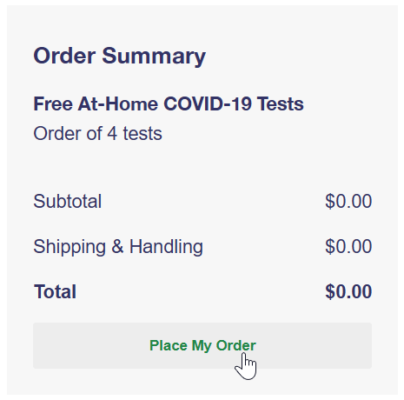
Free tests are back!
Kidney disease: Preventing acute from becoming chronic
* Ambrisentan? Atrasentan? Sitaxentan? They didn’t say.
Speaking of mice
BP drug cage match
The latest variant
December 15, 2022 ✒ Andrew Kantor
In a stunning move, the US Preventive Services Task Force has said that that people at risk of HIV infection should take a treatment designed to reduce the risk of HIV infection. The U.S. Preventive Services Task Force (USPSTF) recommends preexposure prophylaxis (PrEP) for reducing the risk for HIV infection among individuals at increased risk for HIV acquisition. This follows on the heels of the agency’s recommendations that if it’s cold outside you should wear a jacket, and that people with bad breath consider mouthwash. In yesterday’s edition, we* wrote about pharmacists being harassed possibly due to “the amount of melatonin in [their] skin”. Well that was a foolish mistake! As reader Jasmine pointed out, we meant melanin, but none of our team of copy editors or proofreaders caught it (likely because we have no such team). How can you help manage type 2 diabetes? By not eating at random times during the day. The trick, says a study out of the Endocrine Society, is to only eat during a consistent window of 8-10 hours each day — say, from 8:00 am to 5:00 or 6:00 pm. “Eating at random times breaks the synchrony of our internal program and make us prone to diseases,” said one of the study’s authors, the wonderfully named Satchidananda Panda, PhD. Bonus: You can tell people you’re on an “intermittent fasting diet” and sound hip. The number of states asking for permission to import drugs from Canada jumped 33 percent this month, as Colorado became the fourth to officially ask for federal permission. (Florida, New Hampshire, and New Mexico are the others.) President Biden, like Donald Trump before him, supports the idea. The Biden administration, though, like Trump’s before it, hasn’t approved the idea. And states are getting cranky that the FDA keeps finding reasons not to approve their plans — e.g., by not identifying a Canadian wholesaler to supply the drugs. One reason for that is that Canada is against the plan, and — even though we kindly allow them to play in the “National” Hockey League — we still need their permission for wholesale importation of meds. HHS is proposing a permanent change to the rules that allow more people with opioid-abuse issues to get drugs like methadone and buprenorphine. Those rules were relaxed during the pandemic to allow patients to get prescriptions via telehealth visits rather than in person, and also allowed more prescribers like NPs and PAs to prescribe them. Considering that the world hasn’t ended, the agency figures keeping the relaxed rules in place will allow more people to get more treatment more easily. It’s a popular idea; Georgia’s Christopher Carr was one of 44 attorneys general who asked HHS to make the change permanent: “Enabling creative, effective strategies, such as telemedicine, is critical to reducing the number of overdose deaths in our country, particularly in underserved areas, and ending the overdose crisis.” If you’re looking to offer your patients other services — or just add a new revenue stream — you might want to look into weight-loss counseling. Why that in particular? Because physicians, it seems, aren’t talking to patients about it, and when they do, they’re not doing a very good job. [T]heir advice is generic, lacking in scientific evidence, and not tailored to each patient’s behaviors or habits. Granted, the study that uncovered this comes out of the UK, but aside from problems with spelling, British doctors aren’t much different than doctors here. Anyone who’s watched Saturday-morning cartoons knows this is true. Turns out it’s not. A big study out of LA’s Cedars-Sinai Medical Center found that… Rather than everyday stressors, the real culprits are genetics and poor habits that are often linked to stress, like overeating, smoking and hitting the bottle. That’s not to say that big stress doesn’t momentarily affect blood pressure, but when it comes to long-term hypertension, [look for long-term issues][bp]. (In fact, during the pandemic, many people had lower blood pressure, according to one expert, “probably because they weren’t consuming as many salty restaurant meals.” This one’s obvious … but it’s also (at least according to the American Heart Association) untrue. High lipoprotein cholesterol does increase CVD risk — but only in people who also have high blood pressure. “CVD risk,” new research showed, “was not higher among those without hypertension.” “The fact that lipoprotein appears to modify the relationship between hypertension and cardiovascular disease is interesting, and suggests important interactions or relationships for hypertension, lipoprotein and cardiovascular disease, and more research is needed.” If you know someone with inflammatory bowel disease, you might suggest they keep their next dental appointments — and that’s especially true if they have Crohn’s disease. A new European research project studied more than 4,500 of those shifty Danes, and it found “that patients with IBD have more periodontitis and fewer teeth compared to people without IBD.” It also goes the other way: If they have oral health issues, patients with IBD are likely to have a worse intestinal condition. When diabetics should eat, busting hypertension myths, shrinking your patients, and more
Shocking task-force recommendation
Our dopey mistake
* The royal we, of course. This is all on me.
Diabetics love this one simple trick
States complain of being drug-blocked
Easier methadone, permanently
Help your patients with shrinkage
Blood pressure myth-busting
Myth: Stress causes high blood pressure
Myth: High lipoproteins increases cardiovascular disease risk
Bad guts, bad teeth
December 14, 2022 ✒ Andrew Kantor
In a shocking article in The Conversation, two Australian biologists explain that — if you can believe it — women are not just smaller versions of men. So when drugs work differently (and women are much more likely to have adverse drug reactions) it’s not because of the dosage. It’s because of physiology, and clinical trials need to recruit more women to save a lot of trouble down the road. That’s also the topic of tomorrow morning’s live (FREE!) webinar: “Hormonal Contraception — A Clinical Practice Update for Pharmacists.” It’s from 7:30 to 8:30 am, presented by UGA professor Rebecca Stone, PharmD, and it gives one hour of CPE, too! Merck’s Keytruda plus Moderna’s experimental mRNA vaccine can protect melanoma patients from recurrence or death after they’ve had surgery. That’s the result of a phase 2b trial the companies did with more than 150 patients over a year. The good news is that patients getting the vaccine and Keytruda were 44 percent less likely to die or have the cancer recur. The less-good news is that it’s not a one- or two-shot procedure. Trial patients received nine shots of the vaccine and Keytruda injections every three weeks for the year. But still, it seems to be a significant breakthrough, and they’re already talking about trying the mRNA therapy with other types of tumor. If you or your co-workers have ever been harassed by patients just for doing your job (or the amount of melatonin in your skin), you’re not alone. An American Society of Health System Pharmacists panel discussed that very issue, and found the problem is widespread. According to one 2019 survey of over 5,000 pharmacists, nearly a third had experienced discrimination or harassment at work. […] The most common type of harassment reported were demeaning comments about race or ethnicity, which came mostly from male patients/customers. They offered some advice for dealing with it, including a reminder to intervene on a colleague’s behalf, especially if you’re in a more senior position. Let ’em know you’ve got their backs. When thinking about older women’s cholesterol levels, estrogen is pretty important — if levels drop, cholesterol can go up. (Hormone replacement therapy can help, of course). But now University of Pittsburgh researchers say that a different hormone — AMH or anti-Müllerian hormone — is a complementary predictor. Estrogen is important for lowering LDL cholesterol levels, but, they found, AMH can lower HDL-cholesterol. This means that as women traverse the menopause transition, they lose estrogen and AMH, increasing both their bad and good cholesterol levels. How important is HDL for post-menopausal women? That’s next on the researchers’ radar. The latest CDC data shows that two doses of the Jynneos smallpox vaccine does a darned good job preventing monkeypox infections. [T]he incidence of mpox infections among unvaccinated people was nearly 10 times higher than among fully vaccinated individuals, and 7.4 times higher when compared to those who had received only one dose. The vaccine has been given out based on lab tests and the similarities of the viruses, but this is the first human data showing it actually does work. Anyone who’s put on the television around 6:00pm knows that watching can be painful. But that’s not Buzz-worthy news. What is news is that watching TV can be literally painful. Aussie researchers studied more than 4,000 people and found that “The more TV you watch, the more bodily pain you have over time.” “We found that increments in TV-viewing time over time predicted bodily pain severity. Even a one-hour increase in daily TV time was significantly associated with an increase in pain severity. And those findings were even more pronounced in those living with type 2 diabetes.” It’s probably due to sitting for too long, but it doesn’t rule out the direct effect of, say, the Lifetime Movie Network. Hey, parents! — you can do your own pharmacy compounding! That’s what a Utah pharmacist is telling people. He has taken to his social media accounts to educate followers on how you can convert amoxicillin capsules into a liquid form for your children using their prescribed dosage. (Granted, this probably is something many folks can do … but what kind of pharmacist would suggest it publicly?) 🤦♂ The Indian government has approved a nasal Covid-19 vaccine that was developed in the US of A “as a booster for people who have already received two doses of other COVID-19 vaccines.” People who have never been vaccinated for Covid-19 are eligible, as well as those who already have received other Covid-19 vaccines. The latest numbers from the state show 74 cases of measles in the current outbreak, including 26 kids who have been hospitalized. None of them was fully vaccinated (four were partially vaxxed).Pharmacists being harassed, the pain of television, women are different, and more
Little women?
A magazine and a CE webinar
 Be on the lookout for the latest issue of Georgia Pharmacy magazine, where the timely topic is contraception and the pharmacist’s role. Check your mailbox for your copy!
Melanoma vaccine passes trial
Jerks are everywhere
Post-menopausal cholesterol: more than estrogen
Smallpox vaccine works against mpox
The agony of the set

Elsewhere
Utah: Bad Advice
India: Nasal booster
Ohio: Bad parenting
December 13, 2022 ✒ Andrew Kantor
Insulin is great stuff, but it has one big problem: It dissolves in the gut — that’s why it has to be injected. But what if, wondered Australian researchers, there was another molecule that can do what insulin does and be made into a pill? First step: proof of concept, which is where they are — as in, they proved the concept by using a super-powerful microscope (cryo-electron microscopy, if you must know) to visualize insulin receptors. It’s sort of like X-raying a lock — now they’re identifying other molecules that can act as a key, doing what insulin does. So far they’ve found one promising peptide, but “therapeutic outcomes are distant.” Still, knowing that there might be a better insulin than insulin is a might big step. It’s not too late! Please make a year-end gift to the Georgia Pharmacy Foundation — help it continue the work it does all year: Your gift will help the foundation to continue its legacy of support for every generation of pharmacists for years to come! Veterinarians are reporting outbreaks of H3N2 dog flu, aka canine influenza virus. A dog sick with canine influenza can end up transmitting the virus to others via direct contact, contaminating surfaces with the virus, or dispersing virus-laden respiratory droplets into the air via coughing, barking, or singing. “CDC estimates that, so far this season, there have been at least 13 million illnesses; 120,000 hospitalizations; and 7,300 deaths from flu.” There’s high or crazy-high flu activity in 43 states (including Georgia). While the number of cases continues to rise, there was a slight dip in positive test results from last week, so … maybe good news? Considering that flu usually peaks in February and we’re waaaaaaay above normal for this time of year, predictions may be a waste of time. Just be careful. “In the past two weeks, reported cases have increased by 53 percent, and hospitalizations have risen by 31 percent,” reports The World’s Most Depressing Magazine. This isn’t surprising (thanks, Thanksgiving), but with at least two other family-gathering holidays fast approaching, it’s likely gonna get worse. Shout-out to both GPhA’s Ira Katz and AIP VP Jonathan Marquess, both of whom were featured in a Capitol Beat news story on the increase in demand for naloxone as overdoses — and fentanyl use — increase. About 42 percent, according to CDC data — based on samples of the blood of more than 1,500 people. And yep, they can tell whether someone was vaccinated or actually had Covid. Fun fact: Almost 44 percent of the folks who had had Covid claimed never to have been infected — it was that mild. Long article, short answer: About 1% who take molnupiravir, 1% who take Paxlovid (nirmatrelvir-ritonavir) … and 1% who don’t take an antiviral. Considering that the antiviral can keep you out of the hospital and reduce the symptoms, the numbers say it’s absolutely worth it. Because someone else apparently isn’t. Check out these numbers from a survey of about 1,200 COPD patients: There’s a 1/3 chance that COPD patient doesn’t understand their condition! If only there was a healthcare provider they spoke to regularly who might be able to help. Look for this face A new drug for bone marrow cancer, a bispecific antibody called talquetamab, cured* 73 percent of patients in a phase 2 clinical trial. This is a Very Big Deal. Talquetamab is like the matchmaker from Hell (at least from the myeloma’s perspective). It binds to T cells on one side and myeloma cells on the other (using a receptor called GPRC5D, if you want the details). “Bringing your army right to the enemy,” as the Mount Sinai researchers put it. Bonus: It worked even in patients whose cancer was resistant to all approved multiple myeloma therapies. Where “mice” are the municipalities getting money from the Big Opioid Settlement, and where the big bucks are going to the cities, while the big problems are in the country. “In Rural America, Deadly Costs of Opioids Outweigh the Dollars Tagged to Address Them” from Kaiser Health News.Cancer matchmaker of doom, dogs getting flu, rebound-infection reality, and more!
Hunting for insulin mimics
The foundation needs your gift

All the bad news
Dogs get their own flu
Human flu continues to spread
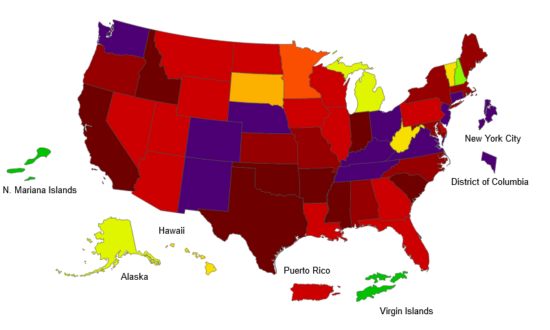
And Covid cases are picking up again
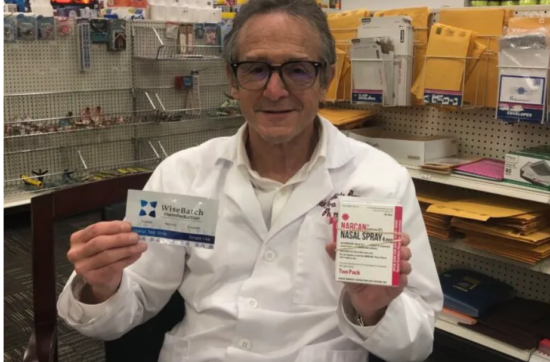
Ira and Jonathan, spreading the word
Stat Watch
How many Americans have had Covid-19 at this point?
How many people get a rebound Covid infection after taking antivirals?
Talk to your COPD patients

Matchmaker, matchmaker, make me a killer
* Technically it “successfully treated” them; they avoid the “c” word.
The Long Read: Country Mouse, City Mouse edition
December 10, 2022 ✒ Andrew Kantor
If you’re feeling anxious, maybe you’ll reach for a nice, refreshing Diet Dr Pepper. For the sake of you and your children, don’t. (At least if you’re a mouse.) Aspartame, say Florida State University medical researchers, not only increases anxiety in mice, but thanks to epigenetics also makes their children and grandchildren more anxious. The mice didn’t even had a lot — the equivalent of three or four 12-oz. cans of diet soda a day over 12 weeks. But that was enough to generate “Pronounced anxiety-like behavior […] across multiple generations.” Good news: a dose of diazepam fixed ’em good. Just three weeks to go to have all your CE requirements met for 2022! <br Don’t panic! GPhA has two live webinars coming next week (and plenty more on demand). Boring title, important topic. Learn why — and more importantly how — pharmacists and technicians can help prevent the spread of drug-resistant microbes. (Did you think you couldn’t? Think again!) Just $20 for 1 hour of CPE! Tuesday, December 13, 2022 • 7:30 – 8:30pm As you might expect, contraception is more important than ever in Georgia. So what’s the pharmacist’s role? We’ve got a thorough dive into this challenging, modern topic — be ready to help your patients! Free free free (as in beer)! Thursday, December 15, 2022 • 7:30 – 8:30am A few years from now, thanks to Aussie researchers, there might be a nasal spray to treat sleep apnea. The drug they developed triggers receptors on the on the surface of the upper airways so they “activate the surrounding muscles to keep the airway open during sleep.” A small, preliminary human study looked good, but you know the mantra: More research is needed. The initial results were strong, with the novel drug generating sustained opening of airways across a whole night’s sleep. Most importantly, the results were consistent regardless of application method, meaning a simple nasal spray could be the easiest way to deliver the treatment. Older women with urinary tract infections often experience delirium, and Cedars-Sinai docs think they’ve found an easy treatment: hormone replacement therapy. UTIs happen to increase levels of the interleukin 6 protein, and higher levels of IL-6 can cause disorientation and confusion. But estrogen suppresses IL-6. So they tried HRT as a treatment, and bingo. When they treated the mice with estrogen, levels of IL-6 in the blood and delirium-like behavior were greatly reduced. And it wasn’t just that estrogen suppressed the IL-6 — it also protected the neurons directly. (They’re trying to figure out how.) Next up: Sussing out the details and seeing how men might be treated as well. Monoclonal antibodies don’t work against the current strains of Covid-19; earlier this month, the FDA crossed the last one off the list of Covid treatments. The good news is that antiviral drugs — molnupiravir, nirmatrelvir, and remdesivir — do work against the latest Omicron sub-varients, BQ.1.1 and XBB. And, in case people somehow get exposed to the OG strain, they also work against that. Antivirals need to be taken quickly, so if you know someone who tests positive, they need to hie it to a prescriber for their Paxlovid (a combo of nirmatrelvir and remdesivir). What happens when you ask a bunch of philosophers — say, Kant, Rawls, Dworkin, Bentham, Mill, Confucius, Socrates/Plato/Aristotle, Bradley, Epictetus, and Sartre — what they think of PBM practices? First, you get in trouble for raising the dead. But then you get a paper, “An Ethical Analysis of Pharmacy Benefit Manager (PBM) Practices.” Which is just what two pharmacists at Drake University did. They considered various measures of ethical value, then they applied them to common PBM practices: market consolidation, pharmacy reimbursement rate, gag clauses, exclusion lists, and point of sale rebates. Result: Overall, most PBM practices were considered unethical by most philosophers. The exception was point-of-sale rebates, which got thumbs ups. They all agreed that the pitiful pharmacy reimbursement rates were unethical. The other practices … well, they didn’t all agree, but the consensus was to make those PBMs drink the hemlock. (Above link goes to the study, but click here to jump right to the table that shows the results.) Yeast cells are like Kardashians: All they seem to do is “eat and propagate.” But now those shifty Danes have not only given yeast a taste for cannabinoids, they’ve made it glow when it eats them. “We have made a living sensor out of the yeast cell, which can now sense cannabinoids or molecules that have the same function as cannabinoids.” Not only can it detect the cannabinoids we know about, it can also find new ones with similar properties. Oh, and it doesn’t have to be cannabinoids, either — “in principle, they could have done so for opioids or any other group of medicinal substances.” This means, they explain, that yeast can be programmed to look for other, undiscovered pharmaceutical compounds, cheaply enough for smaller labs to use. In fact, they created a portable device that can be connected to a powerful pocket computer — aka a smartphone — to use these yeast-based tests anywhere.Training yeast to rat you out, fighting delirium with HRT, What Would Plato Say?, and more
Aspartame anxiety
Next week: two webinars (one free!)
Antimicrobial stewardship in the outpatient setting
Hormonal contraception
A spray for sleep apnea
Hormones fight delirium
Antibodies out; antivirals in
Boomers: OG is original gangsta — the original and “best.”
Millennials: Hie means to hurry or go quickly.
The more you know.Philosophers tackle PBMs

Turning yeast into a narc
December 09, 2022 ✒ Andrew Kantor
What happens when you let patients choose their own diabetes medication? It turns out they pick the right one. British researchers gave people with type 2 diabetes three medications: canagliflozin, pioglitazone, and sitagliptin — and told to try each in succession. They then chose which one made them feel best. Lo and behold, that also turned out the be the one that lowered glucose most effectively and resulted in fewer side effects. “[W]e found that the treatment people chose was usually the one which gave them best blood sugar control — even before they knew those results.” GPhA presents “Antimicrobial stewardship in the outpatient setting” with UGA clinical professor Chris Bland, PharmD It’s this coming Tuesday, December 13, from 7:30 – 8:30pm at your favorite Internet hot spot. It’s part of our December, last-chance-for-CE “Unwanted Gifts” series! Click here for info and to register! Congrats to the four pharmacies (and one pharma company) that made the 2023 Bulldog 100 list — the top fastest growing organizations in Georgia! Express Scripts will add a biosimilar for Abbvie’s $50,000 a year Humira to its preferred drug list for 2023, following OptumRx’s similar decision. How Abbvie will cope with the undercutting of its 20-year-old blockbuster (did we mention it’s $50,000 a year?) has yet to be seen. The FDA will be giving Pfizer’s RSV vaccine for adults (RSVpreF) a priority review — and by “priority” we mean that it should reach a decision by May 2023. RSV (along with flu and good ol’ Covid-19) is causing hospitals to fill, mostly with sick children. But RSVpreF would be for people 60 and over (at least for now) because they’re the most vulnerable. The vaccine was 85.7% effective among participants with three or more symptoms, and 66.7% for two or more symptoms, according to an interim analysis carried out by an external data monitoring panel. Why has it taken so long to get an RSV vax? Because the previous one, tested in 1966 (and presumably made with tree bark and rose quartz), ended up making 80% of kids sick and killing two. “That,” said one researcher, “stymied vaccine development for 50, 60 years in this field.” Merck got some good news when a a federal judge threw out nearly 1,200 court cases against against the company, where plaintiffs claimed shingles vax Zostavax actually caused their shingles. But they couldn’t prove it was the vaccine that caused the disease without doing testing at the time they were sick. “Plaintiffs concede that it cannot be determined which strain of the virus caused shingles simply by how the rash appears.” And Boehringer Ingelheim, GSK, Pfizer, and Sanofi had 50,000 federal lawsuits alleging that Zantac caused cancer thrown out “as a judge found the claims were not backed by sound science.” The companies still face a bunch of state-level suits. [E]xpert witnesses the plaintiffs planned to use to establish that Zantac can cause cancer could not be admitted in court because they “systemically utilized unreliable methodologies” and showed “a lack of internally consistent, objective, science-based standards for the evenhanded evaluation of data.” As temperatures rise, southern species are moving north. That means more than just armadillos in North Dakota — it includes plants … and allergens. In short, people are going to be exposed to more and different pollens as the weather warms and wettens. Pollen season (suggest Rutgers researchers*) “will start earlier and last longer throughout the U.S., with increasing average pollen concentrations in most parts of the nation.” The FDA is slowing down its expedited drug approval program as Congress and people inside the agency are giving it the side-eye. Academics have long complained that the practice has resulted in a glut of expensive, unproven medications, particularly for cancer. But last year’s accelerated approval of a much-debated Alzheimer’s drug touched off a new round of criticism, including investigations of FDA’s decision making by federal inspectors and Congress. One issue is that when a medication is granted accelerated approval, the drugmaker is supposed to follow up with additional data — which at least 40 percent don’t, but the agency has a tough time revoking its approval. (It’s now telling pharma companies that follow-up studies must at least be underway.) Your brain has vitamin D in it. This may not sound like a big deal, but until Tufts researchers actually cut into a few heads, we didn’t know that. But wait, there’s more: In studying patients with cognitive decline, they found that those with “higher levels of vitamin D in their brains had better cognitive function.” But why? They don’t know. In fact, vitamin D levels didn’t correlate with any other factors (e.g., amyloid plaque buildup) — just cognitive function overall. “[W]e need to do more research to identify the neuropathology that vitamin D is linked to in the brain before we start designing future interventions.” One of the cool things about rapamycin is that it seems to help reverse aging. It’s technically for organ-transplant recipients, but its anti-aging properties have been known for a while and are still being investigated. But now there’s been a major setback. Rapamycin, it seems, may only reverse aging in women. German researchers found that, at least in fruit flies, “rapamycin only slowed the development of age-related pathological changes in the gut in female [fruit] flies.” [R]apamycin increased autophagy — the cell’s waste disposal process — in the female intestinal cells. Male intestinal cells, however, already seem to have a high basal autophagy activity, which cannot be further increased by rapamycin. Why allergies will worsen, fast-growing Georgia pharmacies, making women younger, and more
Patients know what works
Yes, it’s your job too
 Learn why — and more importantly how — pharmacies and pharmacists can do their part to help prevent the spread of drug-resistant microbes (and get an hour of CE, too).
They’re growing up so fast
Another blow to Humira
RSV vax awaits approval
Pharma companies score big wins
The pollen is coming
* I always hear “Rutgers researchers” in Scooby-Doo’s voice.
FDA taps the brakes
Vitamin D in your mind
For women only
December 08, 2022 ✒ Andrew Kantor
After an orthopedist cuts open your knee, removes parts, replaces them, and sews you back up, you might think you the only solution is heavy-duty painkillers (of the opioid variety). Not so fast, say ’Enry Ford Health researchers. Patients might be able to cut down on the opioids by taking oral dexamethasone after surgery. (They already knew that IV dexamethasone worked.) And they reported “ no increase in reported difficulty sleeping, surgical healing, or infection,” either. Old news: People with a vitamin D deficiency are at higher risk of contracting Covid-19. New news: Even with sufficient vitamin D, taking a supplement (from 20 IU to 50,000 IU) appears to protect against Covid. That’s based on a study of more than 650,000 patients in the VA system. Slight twist: Vitamin D2 supplementation reduced the risk of Covid infection by 28 percent, compared to only a 20 percent reduction from vitamin D3. (And the effect was even greater for Black patients. At some point we’ll have to accept that our gut bacteria is in control. The latest finding: People with depression are likely to have different gut bacteria than those without. Different = They have more of some bacteria and less of others. The Dutch study does not mean that these microbial changes cause depression — the cause/effect direction isn’t clear (“Depression can, for instance, cause people to eat poorly”), but the fact that the finding carries across racial and ethnic lines is extra important. Caveat: The results involve groups of bacteria, so it’s not clear (yet) which specific strains are involved. Pro tip: If you’re gonna catch Covid-19, do it soon. Sometime next year, the federal government will stop paying for it, meaning the best treatment — Pfizer’s Paxlovid — won’t be free anymore. How much it’ll cost will, of course, depend on a patient’s insurance. How much more? Pfizer hasn’t set its price yet, but you can bet it won’t be cheap. [Pfizer CEO Albert] Bourla told investors in November that he expects the move will make Paxlovid and its Covid vaccine “a multibillion-dollars franchise.” Ah, GLP-1 receptor agonists. Good for diabetics and good for losing weight, especially for TikTok users. But three of the four — Ozempic, Trulicity, and Wegovy — are in shortage, leaving one: Lilly’s tirzepatide, aka Mounjaro. Problem: It’s only approved to treat type-2 diabetes. Physicians, of course, are prescribing it off-label, but now Lilly is cracking down to avoid a tirzepatide shortage by limiting co-pay coupons for the $1,000/month drug to diabetics, and “Some pharmacies are also now checking if people have a diabetes diagnosis before filling prescriptions.” Whether tirzepatide can officially be used to treat obesity won’t be decided until late next year. The Adderall shortage is expected to last into 2023. That is all. (Well, almost all. Did you know demand for Adderall increased by 20% from 2020 to 2021?) Grandma was right, and not just about the scratching noises in the attic. Cold weather really does increase your chances of getting sick. And it’s not just because we stay inside (and around disease-ridden other people). Harvard and Northwestern researchers found that “a previously unidentified immune response” inside the nose helps fight off viruses, and “this protective response becomes inhibited in colder temperatures, making an infection more likely to occur.” When granny was right, depression from the gut, Paxlovid price hike looms, and more
New knee, fewer opioids
Vitamin D vs Covid
Depressing guts
Prepare for the Paxlovid price hike
Fast facts
Lilly limits diabetes drug
Speaking of shortages…
Colds and the cold
December 07, 2022 ✒ Andrew Kantor
With most Covid-19 deaths these days in the over-65 crowd, you would think they’d rush to get the latest booster. But nope — not even a third of them have … even though 94% got the first two shots. What’s up with that? There seem to be several reasons. Tuesday, December 13 • 7:30 – 8:30pm Why is it so important to use antimicrobials properly, and what’s the pharmacist’s role? Join in to find out! Tuesday, December 20, 2022 • 7:30 – 8:30pm Anytime and anywhere you want it! What we thought: Vaccine side effects cause vaccine hesitancy. The reality: Vaccine hesitancy causes side effects. It’s a variation of the “nocebo” effect, found Israeli researchers: People who are hesitant about vaccines tend to self-fulfill their prophecies. What’s particularly bad about this is the vicious cycle it creates, as anti-vaxxers spread fear, making people hesitant, and that increases their likelihood of having side effects. It’s one thing for CMS to reject a drug, but it’s quite another when the agency rejects an entire class of them. Specifically, some lawmakers are unhappy that CMS said it won’t cover any monoclonal-antibody treatments for Alzheimer’s. (It’s willing to cover Biogen’s Aduhelm, but only for patients in clinical trials.) They’ve introduced a bill that would require CMS to evaluate each new drug individually, not as part of a class. The hope is that potentially effective drugs won’t be denied coverage because they’re in the same class as drugs that failed clinical trials. A bipartisan group of senators don’t think HHS and the FDA have pushed the secret red button* hard enough to fix the drug shortages problem. Thus they’ve sent a Strongly Worded Letter™ … … expressing “strong concern” about the amoxicillin shortage for patients and general public health. [They] are pushing for FDA and HHS to start working more forcefully to address the amoxicillin shortage along with the other drug shortages. As to what the agencies can actually do — well, not very much. As one expert pointed out, “FDA can’t make any drug company make any drug no matter how critical or life-saving. This is really up to the generic drug makers to make these products.” In between vaccines and treatment are ‘ways to prevent Covid’ by preventing the SARS-CoV-2 virus from taking hold — useful for people who can’t get vaccinated for whatever reason. The latest of these preventatives could be ursodeoxycholic acid (UDCA) — the off-patent liver drug. Apparently (British researchers found) it happens to regulate a molecule that controls whether or not the ACE2 receptor is receptive. In other words, UDCA can close the doorway that SARS-CoV-2 uses to enter cells. Caveats: So far it’s only been tested in the lab, in hamsters, and in human organs (but not humans). Also, because UDCA is off-patent, there’s not a lot of money to be made; don’t expect to hear much if it works in humans. And yet the myth continues to spread. In fact, suicides tend to decrease in the winter — December and January rank 12th and 10th among the months. The good news is that news stories are now beginning to debunk the myth rather than spread it, although spreading is still more common. Got patients with COPD? A simple air cleaner — sorry, “home air purifier” — can improve their cardiovascular health. Johns Hopkins researchers found that indoor air pollution is often bad enough that it can affect respiratory function, which can lead to heart problems. At the end of the experiment, all 46 participants with active HEPA and carbon filters had improved markers of heart health, specifically a 25% increase in heart rate variability. Participants without the active filters saw no increase. Those filters (a quick Buzz analysis found) run from about $200 and up, depending on size and how many fancy blinking lights they have. The “mixture of protective proteins and salts, with water” that comes out of your nose. Business Insider puts aside the “Business” to share “Here’s what the color of your snot really means”. The mucus in your nose serves many functions. Its color can tell you and your doctor a lot about what’s going on in your body — especially when it’s been an abnormal shade for a long time.Suicide myths busted, old folks get lazy, what the boogey man knows, and more
Why older people aren’t getting boosted
* This actually makes at least a little sense.
Three weeks, three hot CE webinars!
LIVE WEBINAR
Antimicrobial stewardship in the outpatient settingLIVE WEBINAR:
Preventing STDs with expedited partner therapyON-DEMAND WEBINAR:
Getting PrEPared for the holidays — updates in HIV pre-exposure prophylaxis treatmentWhich came first?
Congress on the case
Stopping CMS’s class-actions
Demanding action from the powerless
* It’s right next to the president’s secret dial for lowering gas prices.
Yet another cheap Covid preventer
No, suicide doesn’t increase over the holidays
Clearing the indoor air

The health indicator no one talks about
December 06, 2022 ✒ Andrew Kantor
The Department of Defense, it seems, isn’t interested in meeting with Tricare stakeholders and members of Congress. DoD officials did not respond to the invitation sent by Buddy Carter and 48 other members of Congress to sit down with health care professionals and Tricare beneficiaries who have been impacted by Express Scripts dropping it from their coverage. Carter’s office said the planned December 7 listening session has been cancelled; another might be attempted after the new year. The associate director of the FDA’s Drug Shortage Staff, one Valerie Jensen, has what seems like an obvious idea: She wants to intercept drug shortages before they become shortages. How? By having drug makers report increases in demand. And it’s not just demand for a particular product — it’s as much as about demand for a particular facility. As vaccine and respiratory medicine demand increased, it meant manufacturing lines were being used for those, and not for other drugs … like, say, amoxicillin. “I think that really the key is early notification. The earlier companies let us know about an issue the earlier we can deal with it.” In the latest case of “great news but still early” is a potential HIV vaccine. A small trial out of the NIAID and the Fred Hutchinson Cancer Center the (48 participants) found… 35 out of 36 of those dosed with the vaccine candidate showed activation of broadly neutralizing antibody precursor B cells that could produce the first step on the way to immunity. It uses an entirely different system: Recipients will get multiple shots… … each using a different HIV particle to train the immune system. As the shots progress, the molecules get closer and closer to that of the actual HIV viruses, until antibodies produced can bind to many different kinds of HIV. U.S. Health Secretary Xavier Becerra said that monkeypox will no longer be considered a public health emergency after January 31. It’s possible to treat Parkinson’s by replacing patients’ dying dopamine-producing cells with new ones — well, it at least it showed “encouraging results.” Biiiiiiig problem: Those cells had to come from aborted fetuses. Obviously a non-starter. But now British and Swedish biologists have a better method: stem cells, created in the lab, without boots being stuck in an ethical morass. They know the concept is sound; it’s just a matter of making sure it works outside the lab. “[I]t will take several years before we will know that these work and can be used as standard treatments for Parkinson’s disease.” Pfizer and BioNTech have asked the FDA for an emergency use authorization for their Omicron booster for people from 6 months to 5 years old. Right now it’s only authorized for kids over 5. If the FDA goes along, the little tykes would get three shots: Two of the original vaccine and one of the new booster. Forget mood rings. If you want to see if you’re stressed, researchers in Texas have developed an electronic tattoo that would be … printed? inserted? in the palm of your hand, measuring your stress level and reporting to a smartwatch. (Their breakthrough was a circuit that was unobtrusive and could stand up to the abuse of whatever patients do with their hands.) “It’s so unobstructive that people sometimes forget they had them on, and it also reduces the social stigma of wearing these devices in such prominent places on the body.” Stressed Italian scientists are testing an “electronic nose” that would — if it works — sniff urine to detect prostate cancer. Dogs can do it, so an artificial version isn’t out of the question. The e-nose system demonstrated 85% accuracy in detecting the prostate cancer samples. But… it also had a lot of false positives, with more than 20% of healthy patients receiving a result positive for prostate cancer. Stanford engineers are working on a “smart toilet” that would “detect a range of disease markers in stool and urine, including […] irritable bowel syndrome, prostate cancer or kidney failure.” [The system uses] motion sensing to deploy a mixture of tests that assess the health of any deposits. Urine samples undergo physical and molecular analysis; stool assessment is based on physical characteristics. …where acoustical engineers have developed a bathroom sensor that can identify gastrointestinal diseases, including cholera, by — we kid you not — listening to you go to the bathroom. Each audio sample of an excretion event was transformed into a spectrogram, which essentially captures the sound in an image. […] Spectrogram images were fed to a machine learning algorithm that learned to classify each event based on its features. Bonus: The lead researcher describes himself as “an engineer with a passion for fluid mechanics.”Toilets that know you, Tricare shuns Congress, mood-ring tattoo, and more
DoD to Congress: ‘We’re not listening’
Preparing for the next shortage
A different kind of (potential) HIV vaccine
The mpox emergency will end
An ethically solid Parkinson’s treatment
Omicron booster from the little ones
Raise your hand if you’re stressed

Medical science marches on
Sniffing for cancer
Not exactly the Iron Throne
And then there’s Georgia Tech
December 03, 2022 ✒ Andrew Kantor
Pharmacists, it seems, might learn a lot from the rules of improv comedy. Arizona pharmacist Cory Jenks writes in Pharmacy Times how those rules — starting with the big one, “Always say yes” — helped him fight against burnout (and do better for his patients and co-workers). [P]ushback was only making my job harder by delaying the action I needed to address the challenge before me. Once I simply was able to say “yes” to whatever happened, it allowed me to get to work fixing the problem, which is much more satisfying and useful than living in those moments of denial. It must have worked; these days Cory identifies as “Pharmacist, Author, Comedian, Speaker.” The FDA has approved Rebyota — “a poop-based drug implant that can prevent the recurrence of Clostridioides difficile infection.” It’s the first fecal transplant product approved by the agency. (The technique is being used already, in hospital settings.) GPhA’s past president was featured on CBS channel 13 in Macon, talking about the nationwide Tamiflu shortage. More than 1,000 Georgians have been hospitalized with the flu so far this year, and at least 14 have died. What if, thought Columbia researchers, we attacked fat cells with … tiny robots? “Even better,” someone muse have suggested, “rather than destroying them, what if we converted them from the bad, lipid-hoarding type to the good, metabolism-healthy type?” “A great idea,” chipped in the PR people, “but it needs a science-y spin.” In fact, when mice were injected, the nanomaterial actually prevented enlarged fat cells from storing yet more lipids — “the mice had more metabolically healthy, young, small fat cells like those found in newborns and athletes.” They provided a helpful graphic: Lest we forget: The CDC reports that 9,000 Americans died from Covid-19 last month. In Georgia alone, more than 100 people are dying every week, and more than 41,000 (!) have been killed by the virus to date. Bit by bit, the amyloid-plaque-causes-Alzheimer’s theory is being supplanted. The plaques are clearly involved, but they don’t seem to be the actual cause. At least not directly. The latest idea comes out of Yale, where neuroscientists think the cognitive issues of Alzheimer’s might be caused by “spheroid-shaped swellings” along the brain’s axons. Those swellings appear near plaque buildups, and are caused by a buildup of a protein (PLD3) in lysomes. Clearing out that PLD3, they found, improved mices’ cognitive functions. (Obviously more research is very much needed.) Before and after; artist’s conception Covid-19’s omicron variant appeared quickly and spread around the globe in a matter of months, but where did it originate? It’s not just about knowing who to blame (although that’s always fun). It’s about being able to predict and watch for future mutations to get a leg up. There were two theories: A) Omicron evolved when an older variant jumped from human to animal and back, or 2) “the virus survived in a person with a compromised immune system for a longer period of time and that’s where the mutations occurred.” It turns out — say German researchers who sequenced the genes of the virus in 670 samples — that there was a third option: Omicron evolved gradually from different ancestors, and it circulated for months before exploding onto the scene. And that’s not great news. “The fact that Omicron caught us by surprise is instead due to the diagnostic blind spot that exists in large parts of Africa, where presumably only a small fraction of SARS-CoV-2 infections are even recorded. Omicron’s gradual evolution was therefore simply overlooked. “Peanuts and Herbs and Spices May Positively Impact Gut Microbiome” says a Penn State study — a study funded by the Peanut Institute and McCormick (you know, the seasoning people) Science Institute. Poop-based drug approved, why we missed Omicron, why pharmacists need improv, and more
A pharmacist walks into a bar…
Our number 2 story
Shout out to Bobby Moody
Nano-missionaries tackle fat hoarders
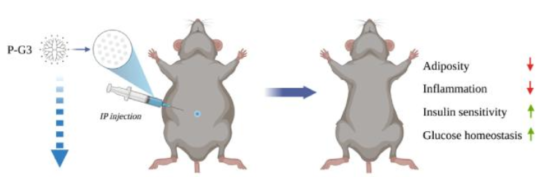
* They used a positively charged nanomaterial to ‘attack’ the negatively charged parts of fat cells — the parts that store too much fat.
Perspective: It ain’t over
Latest Alzheimer’s theory

Omicron’s origins
Salted peanuts and herbs
Do you want to send your members the daily Buzz email newsletter (customized for your state and organization, perhaps)? Let’s talk — just drop me a note at andrew@gphabuzz.com!

- Newsom Picks a Dogfight With Trump and RFK Jr. on Public Health
- Florida Hasn’t Expanded Medicaid. Lawmakers Want To Add Work Requirements Anyway.
- Journalists Explain a Spat Over Sugary Coffee and How Measles Fools Doctors
- This Doctor-Senator Who Backed RFK Jr. Now Faces a Fight for His Job — And His Legacy
- The People — And Research — Lost in the NIH Exodus
- Six Federal Scientists Run Out by Trump Talk About the Work Left Undone
- January 2025
- December 2024
- November 2024
- October 2024
- September 2024
- August 2024
- July 2024
- June 2024
- May 2024
- April 2024
- March 2024
- February 2024
- January 2024
- December 2023
- November 2023
- October 2023
- September 2023
- August 2023
- July 2023
- June 2023
- May 2023
- April 2023
- March 2023
- February 2023
- January 2023
- December 2022
- November 2022
- October 2022
- September 2022
- August 2022
- July 2022
- June 2022
- May 2022
- April 2022
- March 2022
- February 2022
- January 2022
- December 2021
- November 2021
- October 2021
- September 2021
- August 2021
- July 2021
- June 2021
- May 2021
- April 2021
- March 2021
- February 2021
- January 2021
- December 2020
- November 2020
- October 2020
- August 2020
- July 2020
- March 2020
- February 2020
- January 2020
- December 2019
- November 2019
- October 2019
- September 2019
- August 2019
- July 2019
- June 2019
- May 2019
- April 2019
- March 2019
- February 2019
- January 2019
- December 2018
- November 2018
- October 2018
- April 2017
