
December 02, 2022 ✒ Andrew Kantor
The FDA has ended the emergency use authorization for bebtelovimab — the last remaining antibody therapy for Covid-19. It doesn’t work against the variants now circulating. This means if Paxlovid doesn’t work for someone, and they end up in hospital … there’s not a lot to be done. The best remaining treatments are molnupiravir (not very effective) and intravenous remdesivir. Meet a couple of the amazing folks who are serving as volunteer board members for the Georgia Pharmacy Foundation. Why do they give their limited time to serving the foundation? Please click here to give a gift to the Georgia Pharmacy Foundation this year, and support a legacy of service in the pharmacy profession, and the people volunteering their time to ensure it lasts. Let’s say you have a garbage patch. A Great Pacific Garbage Patch. It’s filled with microplastics and other debris. And let’s say you want to do something with that plastic. Unfortunately, a lot of it is polyethylene, which is only about 30 percent recyclable. The obvious solution is to create a two-stage process: First you use pressure and chemicals to break down the the plastic into diacids, then you genetically engineer a fungus (Aspergillus nidulans) to turn those diacids into “significant quantities of antibiotics, cholesterol-lowering statins, immunosuppressants and [ironically] antifungals.” And that’s exactly what USC pharmacy/chemical researchers did. “We developed conditions where it is possible to get 83% of the mass of the polymer recovered as discrete, useful products. We can even take a low-density product like a plastic grocery bag and recover about 36% of those discrete monomers — that’s unheard of in polyethylene recycling.” The good news: Gastroenterology researchers at Cedars-Sinai have a theory about the cause of irritable bowel syndrome. The bad news: It’s gravity. Yep, that pesky fourth force of nature could be one of the causes of IBS simply by tugging our guts down. At least in theory. “Our body systems are constantly pulled downward. If these systems cannot manage the drag of gravity, then it can cause issues like pain, cramping, lightheadedness, sweating, rapid heartbeat and back issues — all symptoms seen with IBS. It can even contribute to bacterial overgrowth in the gut, a problem also linked to IBS.” For patients taking cisplatin — the OG cancer drug — side effects can be a huge problem. Huge as in “stop taking the meds” huge. But an existing drug may reduce those side effects without affecting the important stuff. It’s istradefylline, according to Michigan State researchers. The Parkinson’s treatment. They aren’t 100% sure why it works, but the prevailing theory is that cisplatin stresses cells so they release adenosines; istradefylline stops that release. So far it’s only been tested in preclinical trials, but the fact that istradefylline is already FDA-approved will mean human testing can happen a lot faster. One of two drugs for treating age-related macular degeneration is better than the other. A study out of Johns Hopkins found that aflibercept was better than bevacizumab. [N]early half of patients treated with aflibercept could safely stop eye injection therapy after one year without further vision loss. Only 17% of patients taking […] bevacizumab, were able to safely wean from the drug at a year. In fact, they say, “[P]otentially a third of patients with wet AMD could safely pause therapy after one year of monitoring by a physician.” Questions I never thought to ask: Do color-blind people experience seasonal affective disorder as much as regular folks? (Yes, probably. The mechanism for SAD isn’t known, but it seems to be via a different pathway than color perception. It might even be related to vitamin D production. (Reddit thread.) Turning garbage into drugs, the better AMD med, gravity’s a downer, and more
And then there were none
Why they serve
Sharon Deason, GPhF Board Member
 “Pharmacy has provided so much for me in my life. It was not just a job, but a profession. After retiring, I still felt I could give something to help and serve others — so now I volunteer my time on the Georgia Pharmacy Foundation board. Meeting the students and newly graduated pharmacists has given me hope for the future of pharmacy.”
Tracie Lundie, GPhF Board Member
 “I want to ensure I find ways to give back and help shape the profession I love so much. Serving on the Georgia Pharmacy Foundation board allows me to contribute to my profession in a meaningful way and to help shape the profession with scholarship opportunities for students and development opportunities through Leadership GPhA.”
Garbage in, pharma out
Gravity sucks
Making chemo tolerable
AMD meds: One is better
Non-pharma science
Looks like the folks at Medical Xpress have an opinion
December 01, 2022 ✒ Andrew Kantor
The CDC is tracking a new Covid omicron subvariant: XBB, “which has grown to make up an estimated 3.1% of new infections nationwide.” It’s “believed to be a recombinant of two different Omicron subvariants — BA.2.10.1 and BA.2.75,” so naturally they named it XBB. (Seriously, folks, Wikipedia lists dozens of alphabets. If Greek isn’t cutting it, what’s wrong with, I dunno, Ge’ez — Hoy, Läwe, Ḥäwt…?) (They refer to the variant-detection effort as “part of an ‘Avengers-Like’ program” — because after “Operation Warp Speed” they ran out of Star Trek metaphors. Good grief.) It’s part 2 of GPhA’s Unwanted Gifts CPE series — helping pharmacists and technicians prevent the spread of infectious diseases, that is. (Although we’re available to help stop the spread of Tuesday, December 6 debuts a new holiday classic: MmmPox (ba duba dop, ba du pox)* Pox in box? Or socks? Or rocks? From 7:30 – 8:30pm, Tracy Dabbs from the Georgia DPH will teach you everything you need to know about monkeypox — where it came from, how it’s treated, and when and how to vaccinate. Help stop the spread of this very annoying disease and get an hour of CPE from the comfort of your living room or Panera booth. Click here for info and to register! Chinese researchers have identified what could be a simple, early marker for Alzheimer’s — formic acid. The study found that urinary formic acid levels were significantly increased in all the Alzheimer’s groups compared with the healthy controls, including the early-stage subjective cognitive decline group, and correlated with a cognitive decline. This suggests that formic acid could act as a sensitive biomarker for early-stage Alzheimer’s disease. Only about 80 percent of people who get Lyme disease have it eradicated — that other 20 percent end up with long-term complications. Worse, Lyme isn’t always identified as the cause until the disease progresses. But researchers at Mount Sinai ’s Icahn School of Medicine have found a set of genes that express more when the immune system responds to Lyme infection. By narrowing down the genes that patients expressed, they eventually “identified 35 genes that could be used as biomarkers to potentially diagnose patients with long-term Lyme disease.” The goal is a simple test that could allow for the disease to be identified and treatment to begin more quickly. Having a dull day? Let Drug Store News put some zing back into your life with “12 exciting generic introductions that recently hit the market.” Heck, according to the article, they aren’t being introduced so much as unleashed. It’s actually 12 companies and 17 new products — generics for: Avastin*(x2), Clindagel, Combigan, Compazine, Dotarem, Epiduo Forte, Faslodex, Lucentis, Neupogen*, Oxacillin, Pathocil, Revlimid, Samsca, Solaraze, Vesicare, and Zovirax. We know that bacteria can become resistant to antibiotics, but exactly how that happens isn’t always clear. It’s important to know, though, because that can inform the next line of treatment. Aussie researchers just discovered one way bacteria resist — a new way, in fact. Instead of making their own folates (which they need to grow), they learn to take them from the human host instead. That’s a Big Deal because some antibiotics work by preventing bacteria from producing folates. Once the germs learn to steal them instead, that kind of drug won’t work anymore. There’s bad news: This kind of resistance is undetectable with routine checks, so prescribers might simply offer more of the same ineffective drugs. And… “Unfortunately, we suspect this is just the tip of the iceberg — we have identified this mechanism in Group A Strep but it’s likely it will be a broader issue across other bacterial pathogens.” MPR News and Getty Images! Technically it’s not amoxicillin that’s in shortage so much as ‘pre-packaged amoxicillin delivery’ — the pills, capsules, and liquids that are easily dispensed. Thus the FDA has released guidance for pharmacists to compound amoxicillin to help alleviate that shortage. (Monstrous caveat: As the good folks at the Alliance for Pharmacy Compounding told us, this isn’t something you can do without training. “The amoxicillin thing is challenging even for a compounder to do right.” If you want to get training in compounding, you’ll need to reach out to a company that provides it, like Letco (now part of Fagron), Medisca, or PCCA.) A (mostly) compliant population, an authoritarian government, nationwide lockdowns, mass testing, vaccine availability, and its trademark Zero-Covid™ policy … and yet China is reporting tens of thousands of new Covid-19 cases for the first time since the start of the pandemic. So what went wrong? It (mostly) boils down to three issues: The underprepared health system doesn’t help, either. At least 19 children in Ohio have the measles (many of them under 5 years old) — and half have been hospitalized. Because their parents didn’t vaccinate them. Measles had been virtually eradicated in the U.S. in the early 2000s. Two doses of the vaccine are 97% effective and the immunity lasts for life; the microchips and chemtrail emitters were removed in the late ’70s.Resistance mechanism found, concerning Covid variant, China’s lockdown mistakes, and more
Oh no no no no no*
* This is literally what I said when I saw the headline.
You can help stop monkeypox (and get CPE, too)

* I don’t get it, but Teresa and the education folks do. It has something to do with Hanson or the Children of the Corn or something. Whatever. It’s a timely subject, so you don’t have to understand the name.
Biomarker news
For Alzheimer’s
For long-term Lyme disease
Stop the presses!
* Technically a biosimilar, not a generic
How bacteria resist
And the winner of the Best Illustration of the Amoxicillin Shortage goes to …
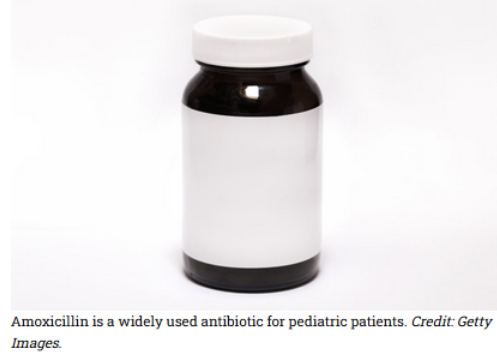
FDA releases guidance on compounding amoxicillin
What did China do wrong?
Elsewhere (ICYMI): How Could This Be Happening? edition
November 30, 2022 ✒ Andrew Kantor
Squirrel! Also, there doesn’t seem to be any cardiovascular risk to taking ADHD meds like Adderall or Ritalin— at least according to “a meta-analysis of 19 observational studies with more than 3.9 million participants” out of Sweden. An earlier study older people had found an increased risk, but the thought is that older folks’ risk might be higher because of the other drugs they’re taking (and whatever interactions those might cause). Is this the final word on stimulants and CV risk? Hahahahahahahaha … no. Having an iron deficiency is bad for kids’ brains; it essentially makes them not as smart as they could be. But here’s an even more important reason for parents to check their kids’ levels: University of Toronto researchers found that kids with chronic iron deficiency showed lower cognitive scores than their peers even a year after dietary and supplement intervention. Both the American Academy of Pediatrics and the Children’s Hospital Association want the White House to declare a national emergency over the widespread and growing waves of respiratory viruses — flu, RSV, and Covid-19 — that are filling hospitals. But the Biden administration said, “Not yet.” The organizations are hoping to get access to federal emergency funds to help alleviate capacity and staffing issues, but HHS said that at this point it’s helping on a case-by-case basis. (CDC figures show that the pediatric hospitalization level in mid-November was peaked at “twice as high as any other season on record.”) Like most people, you’ve probably been at a party where someone asked, “How does quinoa affect the gut microbiome of men?” If you were at a loss for an answer, good news: Now we know, thanks to a British study published in the journal Nutrients. The conventional wisdom held that, as a whole grain that’s popular with hipsters, quinoa would benefit the gut biome and thus the body. But that turns out not to be the case. The current study revealed that four weeks of consuming quinoa-enriched bread did not alter specific bacteria phyla and genera composition or the [diversity] of the gut microbiome. So there’s nothing wrong with eating quinoa (provided you can pronounce it properly), but don’t expect huge health benefits. “Bloating Common Issue Among Americans, Study Reports” Did you know that legalization of marijuana is “linked with increased alcohol drinking”? Or how about that cannabis oil, unfortunately, doesn’t help improve pain or quality of life for cancer patients in palliative care? In fact (despite claims from Skeeter at the mall) a new meta-analysis of randomized trials found that nope, there was “no significant difference between cannabis and a placebo for reducing pain.” And young adults are quitting smoking (it’s down to 11% in the U.S.), while switching to pot — and so are their parents. The bottom line: Cannabis studies get a lot of media coverage (according to Swedish neuroscience researchers). See if you can figure out where Pfizer CEO Albert Bourla crossed the line: “Covid in schools is thriving,” he told the BBC in an interview a year ago. And that, he said, made him believe that Covid vaccines should be available to five- to 11-year-olds, as they already were in the U.S. “[T]here is no doubt in my mind that the benefits, completely, are in favour of doing it.” Did you catch his big mistake? A complaint filed with the UK’s Prescription Medicines Code of Practice Authority called those statements “disgracefully misleading” (kids don’t really need the vaccines, they said) — and the PMCPA seems to agree. Bourla apparently broke the UK’s rules… …including by misleading the public, making unsubstantiated claims, and by failing to present information in a factual and balanced way. Imagine how quickly social media would collapse if people here were punished for “misleading the public, making unsubstantiated claims, and […] failing to present information in a factual and balanced way.” If you’re tired of getting accurate information about Covid-19, you can always turn to Twitter. Elon Musk quietly ended the platform’s policy of removing medical misinformation, saying that freedom of speech also protects lying. Most major companies have already pulled their advertising from the platform; the Twitter death watch continues.Quinoa disappoints, cannabis gets coverage, Twitter welcomes back stupid, and more
Good news for people taking ADHD meds
Kids and iron: Supplement early
Urgent, urgent (but no emergency)
Quinoa and the gut
Your post-Thanksgiving news story
Cannabis in the news
Pfizer CEO’s oopsie
The conspiracy theories will see you now
November 29, 2022 ✒ Andrew Kantor
The WHO has officially renamed monkeypox to mpox because the name apparently has “some negative connotations and stigma associated with it.” Left unchanged are buffalopox, camelpox, canarypox, chickenpox, cowpox, dogpox, fowlpox, goatpox, horsepox, mousepox, pigeonpox, quokkapox (!), rabbitpox, sealpox, sheeppox, squirrelpox, swinepox, and turkeypox. You’ll still be able to search the ICD for monkeypox, and there are no legal implications. Last week we told you about the letter — led by Georgia Representative Buddy Carter — being sent to the Defense Health Agency, asking for it to come to a December 7 listening session and, well, listen. Sure, Tricare has invited independent pharmacies back into the fold, but it’s still offering low reimbursements — sometimes lower than the wholesale price of the meds. Carter et al. ain’t having it, calling that an “impossible choice” for both community pharmacies and Tricare beneficiaries. The letter (see it here) has officially been sent to Lt. Gen. Ronald Place, who will hopefully respond…. Fruitcake, ugly ties, Veiny Cheese of the Month Club — there are plenty of unwanted gifts being given. HIV doesn’t have to be one of them. You can help, o pharmacy professional! GPhA is offering “Getting PrEPared for the holidays,” a new CE course on HIV pre-exposure prophylaxis — a live webinar tonight from 7:30 – 8:30pm. It’s part of our holiday season “Unwanted Gifts” series of courses. Grab an hour of CE on a hot topic before the year is out. Check out the details at GPhA.org/unwanted, sign up, and join us tonight! This one comes out of the universities of Pennsylvania and of Pittsburgh, and is based on the same mRNA technology as today’s Covid vaccines. In tests in mice, the team found that the animals generated antibodies specific to all 20 strains of the flu virus, and these antibodies remained at a stable level for up to four months. The team also created mRNA vaccines for specific flu strains, and those protected the mice (and, later, ferrets) even better. All this is good news for mice and ferrets, but previous tests of “universal flu vaccines” have failed when it came to humans, so as always, wait and see. If you have a mouse or rabbit and worry about it contracting a UTI, good news! Duke researchers have developed a vaccine to prevent UTIs by training the immune system to attack UTI-causing bacteria. [T]he vaccine delivery method was found to elicit an immune response in the urinary tract due to similarities between the mucous membranes lining the urinary tract and the mouth. The pills the team created were administered under the tongue and are dissolved in saliva. Even better, no pesky injections needed (and we know how vicious rabbits can be). The vaccine comes in a shelf-stable pill that dissolves under the tongue. Next up: human trials. If you give a rat ifosfamide, it’s going to ask you to keep an eye on its children and grandchildren*. It seems that young (rodent) patients that received chemotherapy have children and grandchildren that are more susceptible to disease. “[T]his is one of the first-known studies showing that susceptibility can be passed down to a third generation of unexposed offspring.” What’s to be done for patients? Not much. Given this study’s implications, the researchers recommend that cancer patients who plan to have children later take precautions, such as using cryopreservation to freeze sperm or ova before having chemotherapy. How do you attack brain tumors without killing the (rather important) tissue around them? If you’re a University of Saskatchewan biomed engineer, you stick long needles into patients’ skulls and electrocute the tumors. (But you don’t put it that way, of course.) The important piece of info: Glioblastoma cells “can be killed with a smaller electrical field than would kill surrounding healthy tissues.” The bonus prize: The technique also disrupts the blood-brain-barrier, allowing anti-cancer drugs to be delivered in lower, targeted doses. The next step: Combine the treatments into a viable one-two electricity/immunotherapy punch. We try not to fetish-shame here at Buzz, but there are apparently people who willingly eat raw oysters. If you know someone like that, during the next visiting hours make sure they avoid eating any, lest they discover the joys of sapovirus*. Georgia is one of 13 states where the FDA says restaurants have been sent shipments of contaminated oysters. The good news is that it only applies to oysters harvested from South Korea’s Designated Area Number II. The bad news is that you have no idea what that means. Once again we learn that today’s scientists simply do not read enough science-fiction or watch enough horror movies. The latest gaffe: French scientists have “reawoken” a 48,500-year-old pandoravirus from melting permafrost in Russia’s Yakutsk region (see map). They’ve isolated several other ancient viruses, but have not yet revived those. The team introduced the viruses into a culture of live amoebae, showing that they were still capable of invading a cell and replicating. Their goal, they say, is to reawaken these microbial threats so they can be studied before they awaken on their own. “Genetically modified tobacco plant produces cocaine in its leaves” (“…which could help people manufacture the drug for scientific study.”) Mm hmm. Next up: “THC-producing gene grafted into kudzu.”Ancient virus revived, electric brain needles, chemo hurts offspring, and more
None dare call it monkeypox
Time for DHA to check its mailbox
HIV be upon you
Future vaccines
The latest potential universal flu vaccine
UTI vaccine (for rodents)
Lamarck continues to laugh in his grave
* And a cookie
Needles in the brain
ICYMI: Oyster health warning
* There are no joys of sapovirus.
Named for Pandora (as in “Pandora’s Box”)

Science marches on
November 26, 2022 ✒ Andrew Kantor
The amoxicillin shortage is expected to last for months, so the American Academy of Pediatrics has released its guidelines for alternatives. First, because physicians don’t seem to be getting the message, don’t prescribe antibiotics for viral illnesses. Second, there are amoxicillin formulations that aren’t in shortage, where doses can be adjusted. Compounding is another option — even something basic: “they can open capsules and split chewable formulations and mix them with liquid or a semisolid such as applesauce.” And, of course, there are other antibiotics. The AAP has a helpful page with the details, including a handy chart. European and British researchers have discovered a “pocket” on the SARS-CoV-2 virus that they say offers a new and better target than the spike protein for delivering medication. The Nsp1 protein was ignored as a target because it didn’t seem to have any holes/cavities/doors to send a drug into. But that’s because no one used experimental screening and X-ray crystallography techniques. Until the Swiss. [They] revealed the existence of a ‘‘hidden’’ cavity on the surface of Nsp1, which could be the target of future drugs against SARS-CoV-2. Why is this better? Because the spike protein can change between variants, and this gives drug developers another target for a potential universal Covid vaccine. People with type 2 diabetes tend to be hospitalized more than other folks, and there’s a surprise reason: anemia. That’s what Aussie researchers found when they decided to look into why type-2 diabetics were hospitalized more. “While it’s known that diabetes can contribute to anaemia through reduced iron absorption, gastrointestinal bleeding and through complications that cause anaemia, it was unexpected to see the association between diabetes and iron deficiency anaemia feature so significantly as a complication.” Another reason: Other hospitalizations are declining. “Because we now have better diabetes management, the proportion of those presenting to hospital with cardiovascular disease and kidney disease is reducing.” …so your baby doesn’t get eczema. Researchers in China analyzed data from 3,500 infants in 11 trials and found that “early application of skin emollients can effectively prevent atopic dermatitis development in infants.” But which is best? In general, creams, emulsions, and combos all worked well, but if pressed they would say “emollient emulsion may be the best option.” Treating severe acne with systemic antibiotics is a bad idea. Or at least an idea that needs to be weighed against the effects on a teen’s skeleton. It’s the good ol’ gut biome at work again. Long-term use of, say, minocycline, obviously affects gut bacteria. What Medical University of South Carolina researchers found is that those sustained changes to the gut biome will “lead to reduced bone maturation.” Oh, yeah, and once the treatment has been going on a while, there’s no turning back. “[T]he microbiome and the skeleton aren’t able to recover fully after antibiotic therapy.” The paper (in the journal Nutrients): “No Association between Low-Calorie Sweetener (LCS) Use and Overall Cancer Risk in the Nationally Representative Database in the US: Analyses of NHANES 1988–2018 Data and 2019 Public-Use Linked Mortality Files” The gist: Low-calorie sweeteners — including saccharin and aspartame — don’t increase cancer risk, but they do increase the risk of obesity and diabetes. Healthy people pay more taxes. They work more, produce more, and are generally nicer to be around. So investing in healthy neighbors makes sense. They (a non-profit group called “Friends of Trees”) planted 50,000 trees in Portland, Ore., just to make neighborhoods look nicer. But they also kept careful records. A decade later, U.S. and Spanish researchers looked into this “natural experiment.” They found that the more trees were planted in an area, the lower the mortality rate, especially for cardiovascular and respiratory causes and “particularly for males and people over the age of 65.” And even though it can cost thousands of dollars a year to maintain 140 trees (one in each of Portland’s areas). No matter. Those 140 trees give back “around $14.2 million annually in lives saved.” Even better: The older the tree, the more it does; a10-year-old tree has double the effect of a new one. What was the return on investment for the almost $30 billion New York City spent on its Covid-19 vaccination program? When you take into account how much was saved just on healthcare spending and productivity loss, a big big study published in JAMA Network Open found that the ROI was — wait for it — 1019 percent. [E]very $1 invested in the New York City vaccination campaign yielded an estimated $10.19 in cost savings from lower infection and mortality rates, fewer productivity losses, and averted health care use. And that’s direct effects. As the ripples spread — more police on the job, more airport workers, more sales people, more production — that savings is even more.Acne treatment dangers, diabetic hospitalizations, public health ROI, and more
Dealing with the amoxicillin shortage
You have another target? An anti-Covid target?
Then name the protein!Why diabetics go to hospital
Skin in the game
It puts the lotion on its skin…
Antibiotics and acne

Which one had acne?
Artificial sweeteners — saving you a long read
It’s called “investing”
Tree planting in Portland
Covid vaccinations in New York
November 24, 2022 ✒ Andrew Kantor
Led by Georgia’s own Buddy Carter, 49 members of Congress have signed a letter inviting Defense Health Agency Director Ronald Place to a listening session regarding the the Tricare/Express Scripts contract. They expressed their “grave concerns about the impact our service members, military retirees, children, and many others are facing” with the current contract that, as written, will force many independent pharmacies to leave the network. DHA’s decision has come at the expense of small businesses, independent community pharmacies, specialty pharmacies, long-term care pharmacies, and most importantly the beneficiaries they serve. So they invited Gen. Place to a December 7 listening session ‘with impacted stakeholders, members of Congress, and staff’. Will DHA attend? What will come out of it? Stay tuned. In the meantime, click here to read the letter (PDF). The FDA has approved Australian drugmaker CSL’s gene therapy for hemophilia B. And CSL has set the price at three (point 5) … million … dollars. CSL CEO Paul Perreault in an undated photo This makes it the world’s most expensive treatment (thankfully it’s a one-time thing), edging out a previous gene therapy*. Hemophilia B affects about 1 in 40,000 people, so [does math] that’s about 9,200 Americans, or 32.4 billion-with-a-B dollars. The pharmaceutical industry’s reputation is diving like the Russian military’s. It’s not quite yet at it’s pre-pandemic low (when 32% of Americans viewed it positively), but it’s way off its high in February 2020 (62%) — and it’s dropped 10% since this time last year. All of us, of course — that’s how insurance works. But imagine if there was only one body shop in town, and car insurers had to pay whatever it felt like charging, no negotiating. How high would your premiums be? High healthcare costs don’t just affect Medicare. Private insurers have a little more negotiating power, but they’re still on the hook — and that means employers’ premiums go up, and, like other things, that’s gonna roll downhill. What’s the endgame? With a divided Congress, who knows? Mild to moderate stress — like Cousin Rodney’s plus-1 becoming a plus-6 (as opposed to, say, expecting the Spanish Inquisition*) — might actually be good for your brain. That’s what UGA researchers found based on interviews, cognitive tests, and MRI imaging of more than 1,000 people. “Our findings show that low to moderate levels of perceived stress were associated with elevated working memory neural activation, resulting in better mental performance.” What can help even more? Support from family and friends. Other than Rodney, anyway. Researchers at University College London and Texas A&M University found counties where NFL stadiums held games with at least 20,000 fans had rates of Covid spikes 2.23 times greater than stadiums with fewer fans or no fans. This either jibes or dovetails with an earlier MIT study that found that stadiums that required masking and distancing (i.e., limiting attendance) “had no impact on local Covid-19 infections.” Important note: This doesn’t (necessarily) apply to games this season, when most people are vaccinated, recovered, or dead. Harvard Medical School study: “Organ Donations, Transplants Increase on Days of Largest Motorcycle Rallies” (to be published in the November 28 JAMA Internal Medicine). If someone is complaining about being tired all the time, why not suggest a B12 test? A nutritionist explains how B12 deficiency is often overlooked, but it has serious consequences — starting with tiredness. One primary symptom of B12 deficiency is fatigue — a level of tiredness or exhaustion so deep that it affects daily life activities. Other symptoms are neurological and may include tingling in the extremities, confusion, memory loss, depression and difficulty maintaining balance. Some of these can be permanent if the vitamin deficiency is not addressed.When stress is good, record-high new med, unsurprising organ rallies, and more
Congress to Tricare: Listen up

How high can we go?

* As well as a bottle of Mother Teresa’s tears and a cartridge of magenta printer ink.
In unrelated news…
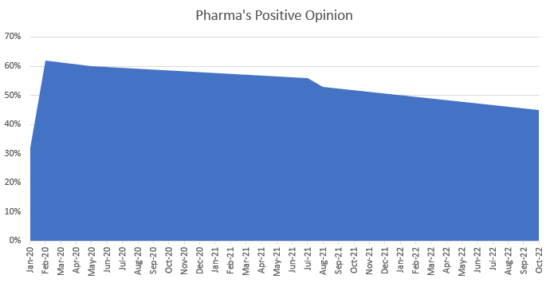
Who’s gonna pay for all this?
Whatever doesn’t kill you
* Nobody ever does.
Do you want a Covid spike? Because this is how you get a Covid spike
Captain Obvious takes a back seat to Lieutenant Logical
The Long Read: B12 Exhaustion edition
November 23, 2022 ✒ Andrew Kantor
The CDC has updated its MMR vaccine recommendations. No longer is M-M-R II the only game in town. Say hello to Priorx. “[T]he CDC considers Priorix and M-M-R II to be fully interchangeable.” Here’s an interesting tidbit: Kids born via C-section may not respond to immunizations as well as kids born the traditional way. Apparently the vaginal microbiome affects the baby’s intestinal microbiome, and those bacteria [insert science here] allow the body to produce higher antibody levels. In addition to higher antibody levels against pneumonia and meningitis in saliva, infants born via vaginal delivery showed changes in their populations of good and bad gut bacteria that reflected the higher antibody responses to the two vaccines. Will that make a big difference, or only one that shows up in the lab? “More information is needed to draw any firm conclusions.” A study out of Shanghai “published in the journal General Psychiatry, has found that high diastolic blood pressure is likely to cause neurotic personality traits.” (The study itself is here.) Forget everything you know about HDL being “good” cholesterol! Well, not everything. But the general idea that your HDL level is related to your heart-disease risk — well, that turns out not to be the case. Not for everyone. Based on 10 years of data from nearly 24,000 U.S. adults, the NIH-funded study found an interesting disparity: For White people: Low HDL levels — below — 40 ml/dl — were bad (“ linked with higher odds for developing cardiac problems”) but higher-than-normal levels didn’t add any protection from heart disease. For Black people: Neither high nor low levels of HDL made a notable difference in heart disease. Lower levels weren’t bad, but — as with white folks — higher levels weren’t good. (And if you’re wondering, what we know about LDL cholesterol still holds true: It’s bad.) Bayer has launched Children’s Afrin! It comes in “Extra Moisturizing” and “No Drip Extra Moisturizing” varieties. It’s perfect for divorced and separated couples — squirt it into Junior’s nose before sending him to visit your ex and let someone else deal with “Afrin rebound.” The latest drug scourge sweeping Europe: Nitrous oxide. Instead of just those little cartridges for whipped cream, it’s becoming available in larger cylinders — the beer keg of laughing gas, if you will. In the United Kingdom, nitrous oxide is the second most prevalent drug among young adults aged 16 to 24 years, after cannabis*. How bad is it? Those shifty Danes reported a staggering 134 cases of nitrous oxide poisoning in 2020. And the Dutch say there was a “sharp rise in car accidents caused by driving while intoxicated or trying to fill balloons.” Smoking during pregnancy is double-plus-ungood — we all know that. But addiction is hard to beat (that’s why it’s addiction and not something you do). That said, it seems that smokers can help their impending offspring by taking vitamin C supplements while pregnant. By “help” the mostly Oregonian researchers mean it may “decrease the effects of smoking in pregnancy on childhood airway function and respiratory health.” There are people out there who, even if they test positive for Covid-19, won’t take Paxlovid — the best medicine out there. But get this: It’s not about politics*. Sure, there are wonky reasons (e.g., not believing the data), but mostly the “anti-pax” logic is … logical. Surprise neurosis trigger, anti-Paxxers arise, rethinking HDL, and more
There’s a new MMR vaccine
How they come out and how they turn out
Neurotic People May Suffer From One Deadly Physical Symptom!
The white and black of HDL
Stop the presses!
Whippit, whippet bad
* Not counting alcohol and caffeine
Smokers’ babies can C their way* to breathing a little easier
* That headline is too cheesy even for us, but we’ll let it stand.
The Long Read: Anti-Pax edition
* Which has to be the dumbest reason to risk your health evah.
November 22, 2022 ✒ Andrew Kantor
They might be battling each other. Well, interfering — enough so that no one of them can gain dominance for long because “One virus tends to bully the others.” Although waves of each virus may stress emergency rooms and intensive care units, the small clique of researchers who study these viral collisions say there is little chance the trio will peak together and collectively crash hospital systems the way Covid-19 did at the pandemic’s start. The FDA has approved Provention Bio’s Tzield — the first drug (an injection) designed to delay (and in some cases prevent) the onset of stage 3 type-1 diabetes in patients with stage 2. It’s being called a “pathbreaker” and of course a “game-changer.” After more than four years… (If you want to try making your own, the formula is C6462H9938N1738O2022S46.) Here’s a surprise: NSAIDs don’t help reduce osteoarthritis, according to a study out of the Radiological Society of North America. In fact… The results showed no long-term benefit of NSAID use. Joint inflammation and cartilage quality were worse at baseline in the participants taking NSAIDs, compared to the control group, and worsened at four-year follow-up. That’s not to say they don’t help with pain, but as far as the anti-inflammatory effects? That, says the paper’s author (from UC San Francisco, if you’re interested) “should be revisited.” Probably not legal, but they may be made available for some terminally ill patients, if a bi-partisan bill passes. The Breakthrough Therapies Act […] would allow the Drug Enforcement Administration to make the necessary findings to reclassify breakthrough therapies such as MDMA or psilocybin as Schedule II drugs. Right now they’re C-I, even though there now is some accepted medical use. (The DEA considers them as dangerous as heroin, LSD, and — gasp! — marijuana*. It’s been known for a while that the Covid vaccine affected some women’s periods, but it was mostly anecdotal. Now there’s actual data thanks to British researchers. The gist: Yes, it does … a little. It’s meant a small increase in the number of women who have a very late period, and it’s doubled (from 7% to 14%) the number who had a heavier period. The most important part, though: “[I]n all cases these effects were only temporary.” (Link goes to a news story. If you’d like the study itself, it’s here.) This is a case where I’ll just let the news summary do the talking: “Neuroimaging study reveals significant brain changes in areas associated with language comprehension, cognition, and circadian rhythm control six months after Covid-19 infection.” The BQ.1.1 Omicron subvariant is one of the two dominant strains circulating in the U.S. right now — it makes up almost a quarter of infections. And it’s “resistant to all of the available monoclonal antibody treatments. Yes, all of them.” So if you get it, hopefully you’re vaccinated (or previously infected) and that makes your body strong enough to fight it. Do you do any compounding? Are you ready for the freshly updated USP Chapters <797>, <795>, and <800>? Pharmacy Times wants you to be, and it’s got an interview (video and text) with one Annie Lambert, the clinical program manager of clinical surveillance and compliance* at Wolters Kluwer Health. “Every section of the chapters have been changed with both chapters <795> and <797>, even from the published drafts that we have been working on over the last year. But I think they can really be summarized by saying what were once best practices are now being held as standards.” What if you could create a live, weakened virus for a vaccine, but tweak its DNA so it couldn’t replicate? Could that give you the best of both worlds — a powerful and safe vaccine against viruses like chickenpox and herpes … and any other virus that hijacks our DNA? Rutgers microbiologists thought so. And they went and did it. Once injected into lab mice, the weakened virus infects cells but didn’t spread. Over time, the mouse immune system produced sufficient antibodies to shut down the virus and eliminate the infection. Only problem: It’s called a “live-attenuated, replication-defective DNA virus vaccine,” and you just know that anti-science types will be all over those scary, scary words. Almonds can help you lose weight … according to an Aussie study published in the European Journal of Nutrition — and funded by the Almond Board of California.When NSAIDs backfire, salted almond study, your brain after Covid, and more
Some good news about this winter’s viruses
Diabetes: Kneel before Tzield!
NSAIDs can backfire
Could psilocybin and MDMA go legal?
* Also mescaline and peyote. Seems like the list hasn’t been updated in a bit.
Covid notes
Covid vaccines and periods
You really don’t want this thing
Big variant, no treatment
Compounding rules are changing
* She must have a very large business card.
Another vaccine idea
Have your grain of salt ready
November 19, 2022 ✒ Andrew Kantor
For women, it can take longer to get a diagnosis of monkeypox, because they account for a much smaller number of infections (so far). As a side note — and a possible peek at the future — in contrast to men, a quarter of women’s* monkeypox infections do not come from sexual contact. Because it’s unexpected, monkeypox in women is often diagnosed as a different STI/STD, leading to delays in treatment. The Biden administration has tacitly allowed* Georgia to move forward with a plan to have work requirements for Medicaid coverage — making it the only state in the country to do so. Well, not exactly work requirements; they’re actually “qualifying activities” according to the Department of Community Health, including self-employment, job training or “readiness assistance,” community service, or attending higher or vocational education. The good news is that it means more Georgians might be eligible for coverage (although the only other state to ever run such a program, Arkansas, saw coverage drop). The bad news is that it will cost the state more to insure people, as the federal government will only cover 67% of the cost, as opposed to 90% under ‘standard’ Medicaid expansion. At least, that’s all on paper. There are many questions remain that won’t be answered until the program rolls out and data comes in. Disclaimer: GPhA does not have a position for or against Medicaid expansion. What do you want for the holidays (besides world peace)? How about … an infectious disease? How about four new CE courses all about infectious diseases? Good news! GPhA just launched the Unwanted Gifts Series — our holiday webinar series focused on how pharmacists and technicians can help prevent the spread of those unwanted gifts. Get this: Each course is a mere $20 for GPhA members*! Disgusted girl holding a gift in her hand What topics, you ask? The webinars run Tuesdays from November 29 through December 20. Check out the details and sign up today at GPhA.org/unwanted! What if there was a medication for lowering cholesterol that was as easy to take as a statin, but as fancy as a PCSK9 inhibitor? Well guess what‽ Researchers out of Case Western have created a pill “that reduces PCSK9 levels and lowers cholesterol in animal models by 70%.” “Statins only lower cholesterol so far. This is a drug class that we think would represent a new way to lower cholesterol, a new way to hit PCSK9.” How so? By using nitric oxide. Sure, they already knew it could inhibit PCSK9, but their drug makes it work even better. In mice, at least. As always, more research is needed. The FDA has approved Eli Lilly’s insulin biosimilar Rezvoglar for at-the-counter interchangeability with Sanofi’s Lantus. Lantus runs about $300 for 10 ml (in the US); Rezvoglar’s price hasn’t been set. “Aside from public and political pressure, diabetes drugmakers themselves are now calling for the need to control the medicine’s cost.” That’s right — the drugmakers who set the prices are saying that prices should be lower. Gosh, any idea who could do that? Except for HIV, there are no FDA-approved at-home tests for STDs, while the nation is dealing with an all-time high in infections. Those two facts lead to two related stories (conveniently in a single KHN article): First, health pros are pushing for that to change — with health departments overwhelmed, it’s critical to get more people tested and treated quickly, they say. Second, despite the lack of FDA approval, three states (Alabama, Alaska, and Maryland) will mail tests to residents, and CVS even sells one (of questionable legality) over the counter; you can also buy them online. In all these cases, patients need to collect samples and send them to an outside lab, and not every lab will process them because of the lack of the FDA’s blessing. Still, you don’t need Aunt Zorya’s tarot cards to see where this is headed — it’s just not clear how long it will take the FDA to give the go-ahead. The FDA has made it clear that it doesn’t want vapes marketed at kids. Companies that make devices shaped like a Game Boy* (the Wizman Puffboy, if you’re curious) or that have a “Family Guy” theme are gonna have a hard time arguing that’s not what they’re doing. Now the the agency has sent formal warnings to the companies, although it may need to do more — at least one company “briefly stopped selling its product, but then quietly began selling it again.” When the next Congress congresses, one thing both sides sorta-kinda agree on is healthcare privacy — expanding it, that is. They might have different reasons, but the common goal will be to expand HIPAA and HIPAA-like privacy protections. The gaping hole: HIPAA applies only to health care providers, insurers, and data clearinghouses, not to any of the gadzillion apps that collect, track, and share health data … with or without the user’s consent. As one trade group spokesman put it, “There’s gonna be an explosion [of legislation] in the new Congress.”Georgia moves on Medicaid, monkeypox’s female problem, home STD tests, and more
STI … or monkeypox?
* Interestingly, this only applies to people born female, not those who transitioned. Trans women, like men, acquire monkeypox almost exclusively through sexual contact.
Georgia’s sort-of Medicaid expansion approved
* It decided not to appeal the latest court ruling, which had approved the plan.
Be prepared for the fruitcake
(and other unwanted gifts)
* $45 for non-members
Cholesterol med: best of both worlds
Another Lantus switcheroo
We have to call this out
The future of home STD kits
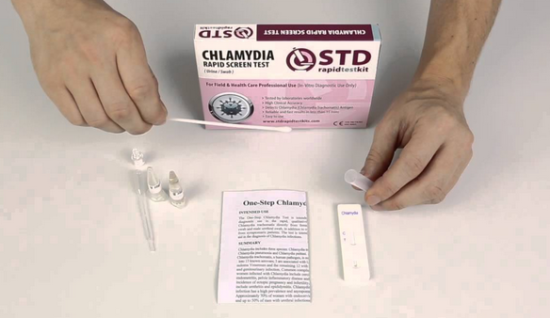
When it comes to vapes, the FDA says “No kidding”

* Do kids today even know what a Game Boy is? Wouldn’t a Switch have made more sense?
Privacy on the docket
November 18, 2022 ✒ Andrew Kantor
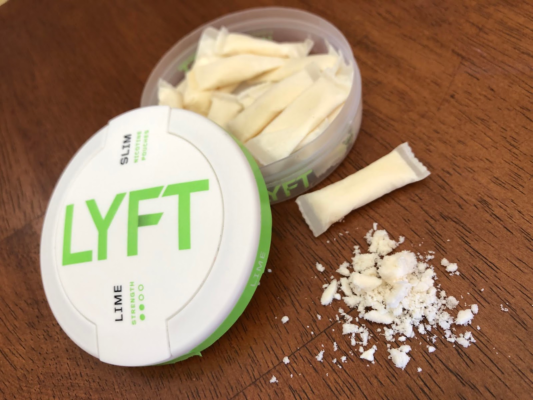
It seems to be a bit lax, according to an investigation in the British Medical Journal. During Operation Warp Speed, despite whistleblower complaints, the agency cut back on inspections and let slip what would otherwise have been cause for at least a strongly worded letter. [O]nly nine out of 153 Pfizer trial sites were subject to FDA inspection prior to licensing its COVID-19 mRNA vaccine. Similarly, 10 out of 99 Moderna trial sites and five of 73 remdesivir trial sites were inspected. Problems reported (but not investigated by the FDA), the BMJ says, included “falsified data, unblinded patients, and inadequately trained vaccinators who were slow to follow up on adverse events.” This is nothing new. Way back in 2020 “A Science investigation shows that FDA oversight of clinical trials is lax, slow moving, and secretive—and that enforcement is declining.” Continuing our coverage of the world’s health slipping into the 1640s, two more Olde Time diseases are reappearing: We don’t want to go back to tomorrow, we want to go forward. —J. Danforth Quayle As cigarettes get more expensive and the cool vaping flavors are taken off the market, nicotine addicts are turning to another source: nicotine pouches. Sales of the pouches, according to data from the American Cancer Society, have been rising since 2019, especially of the highest potency versions. The ACS, for its part, would like to see more messages about the dangers of nicotine, rather than the delivery method. Of note: No manufacturer has received FDA authorization to market the pouches as either a tobacco product or a smoking-cessation drug. So it’s all word of mouth. So to speak. With this in mind, who can give me a recommendation for patients on antibiotics? Anyone? You, in the back, from the Journal of Medical Microbiology. You have an answer? “Take probiotics alongside your prescribed antibiotics to reduce damage to your gut microbiome.” “Mums with many children and young children struggle to get their exercise in”. What’s the best medication to treat amphetamine dependency? According to Swedish neuroscientists, one stands out: Vyvanse. The ADHD medication lisdexamfetamine was associated with the lowest risk of hospitalisation and death in people with amphetamine addiction. What’s notable is that there aren’t any official-ish treatments for treating addiction to amphetamines, including meth. The Swedes hope to change that with their big study (N=14,000). This means that we might consider Vyvanse as kind of the methadone for amphetamine addiction. Oregon will soon become the first state to make affordable health care a constitutional right. “It is the obligation of the state to ensure that every resident of Oregon has access to cost-effective, clinically appropriate and affordable health care as a fundamental right.” Sweet: “[H]oney improves key measures of cardiometabolic health, including blood sugar and cholesterol levels — especially if the honey is raw and from a single floral source.” That’s according to a study out of the University of Toronto and — wait for it — sponsored in part by the US National Honey Board. Salty: “A diet containing lots of salt can contribute to increased levels of stress, a new study shows.” The RDA for salt is about 6 grams, but most people eat at least 9g. Salt, it seems, increases the activity of genes that produce stress proteins in the brain. (Caveat: According to the paper, they’re only talking about sodium chloride. As we’ve written before, swapping some NaCl for KCl has some significant benefits.) The full story of fentanyl from the excellent Simon Whistler — how it started, how it works, why it’s addictive, why it kills, how it fits into the epidemic … you get the idea.More old diseases return, nicotine on the rise, FDA takes a break, and more
What’s with FDA oversight?
Side note
Back to the past!
Addicts gonna addict
Keeping your gut in shape
Captain Obvious already got her workout
Limiting uppers
Elsewhere: Oregon Trail edition

Sweet and salty
Video of the week (month?)

Do you want to send your members the daily Buzz email newsletter (customized for your state and organization, perhaps)? Let’s talk — just drop me a note at andrew@gphabuzz.com!

- Newsom Picks a Dogfight With Trump and RFK Jr. on Public Health
- Florida Hasn’t Expanded Medicaid. Lawmakers Want To Add Work Requirements Anyway.
- Journalists Explain a Spat Over Sugary Coffee and How Measles Fools Doctors
- This Doctor-Senator Who Backed RFK Jr. Now Faces a Fight for His Job — And His Legacy
- The People — And Research — Lost in the NIH Exodus
- Six Federal Scientists Run Out by Trump Talk About the Work Left Undone
- January 2025
- December 2024
- November 2024
- October 2024
- September 2024
- August 2024
- July 2024
- June 2024
- May 2024
- April 2024
- March 2024
- February 2024
- January 2024
- December 2023
- November 2023
- October 2023
- September 2023
- August 2023
- July 2023
- June 2023
- May 2023
- April 2023
- March 2023
- February 2023
- January 2023
- December 2022
- November 2022
- October 2022
- September 2022
- August 2022
- July 2022
- June 2022
- May 2022
- April 2022
- March 2022
- February 2022
- January 2022
- December 2021
- November 2021
- October 2021
- September 2021
- August 2021
- July 2021
- June 2021
- May 2021
- April 2021
- March 2021
- February 2021
- January 2021
- December 2020
- November 2020
- October 2020
- August 2020
- July 2020
- March 2020
- February 2020
- January 2020
- December 2019
- November 2019
- October 2019
- September 2019
- August 2019
- July 2019
- June 2019
- May 2019
- April 2019
- March 2019
- February 2019
- January 2019
- December 2018
- November 2018
- October 2018
- April 2017
