November 17, 2022 ✒ Andrew Kantor
Naloxone could soon be officially over the counter, as the FDA has started the process by saying, “Yeah, it makes sense. Let us think about it.” The FDA is starting the process by requesting public comment on the idea (open till January 17, 2023). Right now a lot of states, including Georgia, have standing orders allowing pharmacists to dispense naloxone without an individual prescription. (More info on Georgia’s is here.) If the FDA decides to move forward, it would only cover lower-dose nasal sprays and auto injectors, and it would require manufacturers to submit their individual products for review as potential OTC drugs. Sperm counts around the world have been dropping for the past 50 years, and the rate of the droppage is accelerating. And no one knows why. From 1973 to 2000, sperm counts dropped by 1.2% per year […] From 2000 to 2018, the decline was 2.6% per year, “which is an amazing pace.” If you want to deliver chemo drugs to treat brain cancer, that pesky blood-brain barrier is in the way. We’ve written about various ways to get through, including ultrasound and nanotechnology. Or you can simply flood the body with chemo and hope some gets through before the side effects are too much. But Columbia University neuroscientists decided to try something a bit more direct: implanting a pump and sticking a tube directly into the brain. (Implanting the pump cuts the risk of infection.) “If you pump in the drug very slowly, literally at several drops an hour, it penetrates into the brain tissue. The drug concentration that ends up in the brain is 1,000-fold greater than anything you are likely to get with intravenous or oral delivery.” They tested the system on animals (it worked) and then on humans (it worked) — “MRI scans showed that chemotherapy had saturated the area in and around the tumor.” Next up: More human trials. Bisphosphonates like zoledronic acid and risedronate are important for treating osteoporosis, but long-term use can lead to side effects — and that can lead to patients quitting them. Is that the right call? The good folks at Georgia’s Augusta University are working on an answer. They’re creating a tool called CLUB — calculator for length of use of bisphosphonates — that uses… …big, diverse datasets of males and females who have been using these drugs to objectively assess the risk and benefit of continuing to take bisphosphonates versus taking so-called drug holidays In this case, big means half a million people. Once the data are in, CLUB will spit out a recommendation for whether to take bisphosphonates, continue taking them, or take a break (figuratively, that is). “We want to provide more individual evidence of your risk, not a population’s risk.” “The scientist behind Pfizer’s Covid vaccine says a flu pandemic is only a matter of time,” but don’t worry — the company will be ready to create and supply vaccines and treatments … once the federal government provides its credit card number. The headlines: The reality — and to be clear, we’re not endorsing smoking anything — is that a small Canadian study found that 67% of tobacco smokers had emphysema, while 75% of tobacco-plus-marijuana smokers did. But why? It’s not the marijuana, it’s the process: 1) marijuana cigarettes are unfiltered, and B) smoking a joint means holding the smoke in longer. So be nice to your lungs and stick to Grandma’s special brownies. Austrian and Floridian scientists think they have a better way to treat depression and anxiety than traditional SSRIs. Rather than block the reuptake of serotonin, they found a way to release more of it. “But wait,” I hear you say, “We already have serotonin-releasing compounds. We have ecstasy.” True, but — in case you haven’t heard — MDMA and its kin have some unwanted side effects. (You can see them occasionally on the evening news.) What the Austrians have found are “the first representatives of a new serotonin-releasing class of drugs that do not produce various adverse effects.” They’re from the cathinone family, and their superpower is releasing serotonin without significantly increasing dopamine levels — more power, less abuse. Research is ongoing. The bad news: Your liver is riddled with disease and you might need a transplant. The good news: We might be able to treat you … with leprosy parasites. Scientists have discovered that parasites associated with leprosy can reprogramme cells to increase the size of a liver in adult animals without causing damage, scarring or tumors. The bad news: So far this is only true if you’re an armadillo. How well will an individual respond to a vaccine? It turns out that many vaccines elicit a common signature when they’re working. That’s a Pretty Big Deal, because it could lead to test to determine how well a person will respond to a vaccine, rather than guessing based on the entire population. Check out “Can We Predict How Well Someone Will Respond to a Vaccine?” from The Scientist. Disappearing sperm, armadillos and leprosy, embedded chemo pump, and more
OTC naloxone: first step
Fewer children of men
A better way to deliver chemo to the brain
What’s the best plan for taking bisphosphonates?
Pfizer is ready for the flu pandemic
Always read past the headlines
A possible future for mental-health drugs
An interesting way to treat liver disease
The Long Read: Vaccine Predictor edition
November 16, 2022 ✒ Andrew Kantor
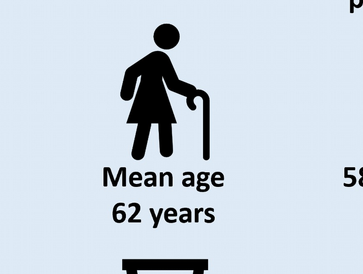
Amazon is planning to open virtual clinics in 32 states, including Georgia, for patients to get treatment for about 20 health conditions. It’s for non-urgent issues from dandruff and acne to birth control and UTIs, but doesn’t (yet) take insurance. And if someone needs a prescription? They can have it (Amazon Pharmacy) filled at (Amazon Pharmacy) the pharmacy (Amazon Pharmacy) of their (Amazon Pharmacy) choice, of course. There’s a silverish lining to the amoxicillin shortage — it’s a chance to remind people (healthcare pros and civilians) that antibiotics don’t treat viruses. “Seems like a good time to remind people that the vast majority of respiratory infections are caused by viruses and that antibiotics like amoxicillin do absolutely nothing for them except give people diarrhea.” Fun facts from the American Academy of Pediatrics: Apparently not having gotten the memo about sending mixed messages — or looked at data from the CDC and other health experts — White House Covid-19 coordinator Ashish Jha said he doesn’t expect a holiday Covid surge. (Unless he means “not as big a surge as other years.”) “ One drug can help stop Covid-19 as well as making some cancers easier to treat. USC researchers have found a new weakness of the SARS-CoV-2 virus. A chaperone protein called GRP78 is used by normal cells, but it’s hijacked by the Covid virus to help it spread. Take away GRP78 in the lungs, and the virus has trouble replicating — no matter what the variant. And there’s a bonus. The drug they use against GRP78 (called HA15) can help with cancer treatment. Besides suppressing GRP78*, it can also suppress a protein that helps mutated cancers resist drug treatment. And it can even make those mutated cancer cells less viable. It seems that the deeper into the cellular level you get, the more you find that a lot of biological processes are related — and treatable. A vaccine for fentanyl addiction. Yep. Pharmaceutical researchers at the University of Houston developed a vaccine that creates “anti-fentanyl antibodies.” [They] bind to the consumed fentanyl and prevent it from entering the brain, allowing it to be eliminated out of the body via the kidneys. Thus, the individual will not feel the euphoric effects and can ‘get back on the wagon’ to sobriety. And get this: It only works for fentanyl, so patients could still be treated with, say, morphine if necessary. So far it’s been shown to have no side effects … on rats, at least. In order to get themselves certified for use by health practitioners, at least six electronic health records vendors misrepresented the functionality and security of their products … and got caught when complaints were filed. They paid more than $379.8 million dollars in fines, but kept it quiet; it took health researchers to check out the CMS data to discover it. They estimate that “more than 76,831 unique clinicians used these six vendors during the period of the complaints.” So what? For practitioners, problems could range from money down the drain on an ineffective system, to the chance of a data breach because of substandard security. Maybe your patients will be understanding, maybe they won’t…. Are you still hankering to return to the 1950s? The good news continues! Not only are measles and tuberculosis making comebacks, scarlet fever is appearing in Asia, and polio is popping up in the US … guess who’s back? Diphtheria. It’s being detected in overcrowded detention centers in the UK — and, with the high concentration of people in similar camps in the US, we might get lucky and continue down the road that ends with bloodletting and plague doctors. Whee! If you hesitate to give a patient mental health advice, you’re not alone. A recent Australian study found that “pharmacists report not intervening about 25% of the time when they believe a patient is experiencing a problem or crisis*.” One problem, the study authors say, is that while pharmacists know how to help people with mental health issues, they aren’t always trained in recognizing when someone needs help. And with people these days more likely to need that help, it’s important to catch that important off-hand comment (“You gotta pill that can get me motivated?”). Exercise in the morning (say Dutch researchers) is “associated with lower risks of incident cardiovascular diseases.” We particularly love what the Dutchies think of people over 60. Here’s the graphic they used: Fentanyl vaccine, Covid/cancer combo drug, Amazon opening clinics, and more
ICYMI: Amazon will see you now
Take advantage of the amoxicillin shortage
Covid for the holidays: 🤷♂️
God himself couldn’t sink this ship. I believe we are in a way better place no matter what Mother Nature throws at us.”It’s also a dessert topping
* I really wish they’d give everything a name.
Today’s “game-changer”
EHR vendors behaving badly
Getting the band back together
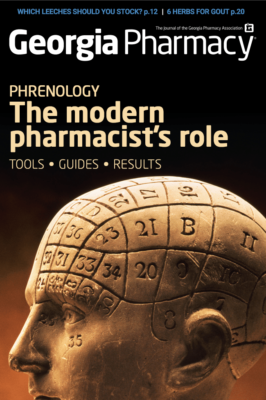
The incredible shrinking pharmacist
* This is in Australia, but it’s not a stretch to think that it holds true here.
Get yours in the morning
November 15, 2022 ✒ Andrew Kantor
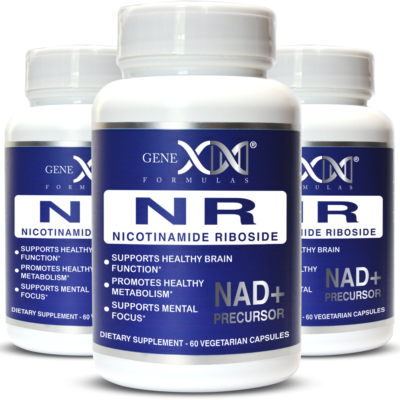
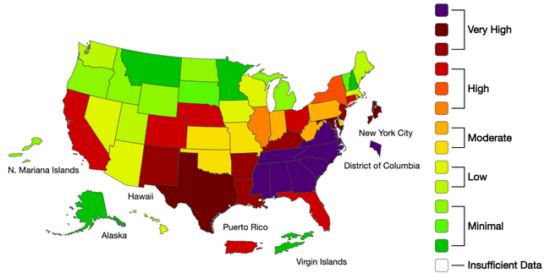
Why are older people more susceptible to the flu? Because their alveolar macrophages are weak. With age, more cells become senescent (i.e., unable to reproduce) as a defense against runaway division. But senescence produces an immune modulator called PGE2. It turns out (found University of Michigan researchers) that PGE2 is bad for the lung’s immune cells — those alveolar macrophages. It damages them and keeps new ones from being generated. And fewer working immune cells in the lungs leads, obviously, to more susceptibility to viruses. Next up: finding out why PGE2 has that effect, possibly leading to treatments. If you’re using (or selling) “natural” skincare products, heed the advice “Test on a small area first.” Because there’s no legal definition of “clean” or “natural,” Stanford University dermatologists did some testing, and they found that… Nearly 90 percent of the 1,651 personal skin care products studied — including lotions, soaps, and moisturizers — contained at least one of the top 100 most common allergens known to cause contact dermatitis. Advice: You can either “navigate and interpret the long list of ingredients found in skincare products and know which ones might aggravate the skin” or simply try a new product on a small area (preferably out of sight, just in case) for a few days. Healthcare pros — including pharmacists and techs — are burning out thanks to … well, you read the news, don’t you? How bad is it? And what can you so you’re not a statistic? Not only will we tell you, we’ll give you an hour of CPE credit for learning! Check out a free webinar from the Georgia Pharmacy Foundation: “Pharmacy Well Being: Strategies to Mitigate Burnout” with Alex Varkey, chair of APhA’s Well-Being Steering Committee. It’s this Thursday, November 17, from 7:30 – 8:30 pm. The webinar is free for pharmacists and pharmacy techs, but we need you to register. Click here to do just that. If you or someone you know uses e-cigarettes, here’s a timely bit of advice: If you think you might get the flu*, stop vaping. The vapor from e-cigs (found researchers at National Jewish Health*) increases the inflammation in the lungs’ small airways when they’re hit with influenza A. In other words, if you vape and get the flu, it’s gonna be worse. And it might apply to other respiratory diseases, too. Eli Lilly has pulled all its advertising from Twitter for obvious reasons. (If you know know about the obvious reasons, click the link for the story.) Eli Lilly’s official Twitter handle is @LillyPad. That’s cute … unless you don’t prevent someone else from registering @EliLillyandCo, making it easier to impersonate you. Pro tip: Register variations of your company’s name on social media platforms, even if you don’t use them. Just in case. A form of vitamin B3 called nicotinamide riboside (NR) “may actually increase the risk of developing breast cancer that metastasizes to the brain.” Not even once University of Missouri chemists were using a new imaging technique to study how NR levels change throughout the body; it’s supposed to improve cardiovascular, metabolic, and neurological health, and is even given to chemotherapy patients. Instead… The international team of researchers […] discovered high levels of NR could not only increase someone’s risk of developing triple-negative breast cancer, but also could cause the cancer to metastasize or spread to the brain. Once the cancer reaches the brain, the results are deadly because no viable treatment options exist. How effective is this year’s flu vaccine? About 50% against major illness, based on current data. That’s a lot better than previous years. Side note: Georgia is one of the states that has gone beyond red alert for flu activity: It’s one thing to tell yourself the pandemic is over (sorry, Joe, it’s not). It’s another thing to forego a mask even in a crowded store. But it’s an entirely another another thing to take a cruise on a floating nutrient bath. And yet, that’s what 4,600 people did … and at least 800 of them on the Majestic Princess have now tested positive for Covid. Please note, this is a new story; it’s not a rerun of the February 2020 Diamond Princess outbreak, or of the March 2020 Ruby Princess outbreak, or of any of the shenanigans on the Pacific Princess.Lilly quits Twitter, serious supplement danger, itchy natural products, and more
Tell me why
Natural isn’t always safe
Switched to ‘overload’

Vaping makes flu worse
* You might get the flu.
The telex machine is kept so clean
Side note
A supplement danger to know about
Saving you a click: Flu vax effectiveness
Elsewhere: It ain’t so neat to admit defeat
November 14, 2022 ✒ Andrew Kantor
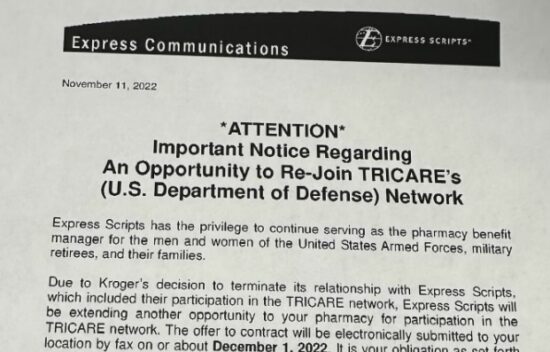
Express Scripts will accept community pharmacies back into the Tricare network after Kroger terminated its relationship with the PBM. “Express Scripts will be extending another opportunity to your pharmacy for participation in the Tricare network,” it wrote in a fax sent Friday afternoon. It seems that, sans Kroger, Express Scripts and Tricare suddenly find themselves needing to fill their pharmacy network to avoid even more angry servicemembers, veterans, and their families. Pharmacies will receive more information on December 1, and will have about two weeks to accept the offer to come back to the network. Getting Covid-19 a second time — whether you’re vaccinated, partially vaccinated, or unvaccinated — is likely to be worse than the first time. Reinfected patients had a more than doubled risk of death and a more than tripled risk of hospitalization compared with those who were infected with Covid just once. They also had elevated risks for problems with lungs, heart, blood, kidneys, diabetes, mental health, bones and muscles, and neurological disorders. So while being vaccinated (or having been infected) will reduce your chance of getting Covid again, if you do get it … that’s bad news. Drug addiction is caused (at least in part) by the peptide orexin. Turn up orexin production and you get drug-seeking behavior; addiction happens when orexin-producing cells don’t turn off. “They stay on constantly, producing high levels of orexin that motivates one behavior: getting another hit.” So if you want to stop addiction … well, block the orexin, right? Right. You know what are orexin antagonists? Belsomra, Davigo, and Quviviq — the sleep aids. And Rutgers researchers have found that low doses of any one of those can not only reduce cravings in rats, it works in people, too. An addiction treatment? Probably. As always, though, more research is needed. Attaching a tiny little* peptide to medication that would normally be dissolved in the intestines allows it to instead be absorbed into the bloodstream. “Because they are relatively small molecules, you can chemically attach them to drugs, or other molecules of interest, and use them to deliver those drugs orally,” Potential: creating pills to deliver meds that currently need a needle. The other day we told you how Georgia Tech cured type 1 diabetes (potentially). Now Stanford biologists have done it as well, with a completely different approach. Their procedure is a ‘double transplant’: The result is a patient with “a fully functioning, chimeric immune system” that recognizes the donated islet cells as self and allows them to take hold and start producing insulin. Next step: Can they produce those pancreatic islet cells in the lab to avoid the difficult task of harvesting them? Green tea and red wine. Well, catechins in the tea and resveratrol in the wine. Maybe. Tufts biomedical researchers found those two compounds had “really robust prevention of beta amyloid plaques” and were also safe. Well, in the lab, at least. In the real world, it’s tougher. Some compounds do not cross the blood-brain barrier, which would be essential in the case of Alzheimer’s, and some have low bioavailability, meaning they are not readily absorbed into the body or bloodstream. Still, it’s fodder for other researchers and, of course, pharmaceutical makers. Okay, I’ll admit this one was a surprise. How much does treating immigrants cost US taxpayers? It turns out immigrants actually pay more into the system — in the form of taxes and insurance premiums — than they use in care. A group of public health researchers from several universities decided to see what was what. They analyzed the data from more than 200,000 people and found that … …immigrants contributed $58.3 billion more in premiums and taxes in 2017 than insurers and government paid for their health care. Even more surprising (1): “Undocumented immigrants accounted for most (89.0%) of the surplus.” Even more surprising (2): “US-born citizens incurred a net deficit of $67.2 billion” — meaning our healthcare is being funded by … the national debt. Zoiks. Nine people who were paralyzed are now able to walk again. Neuroscientists knew that stimulating spinal nerves with electrical signals could restore some function, but the how wasn’t clear, so that information couldn’t become actual therapy. But now Swiss researchers identified exactly which nerve groups were involved — “a single population of previously unknown neurons” — and focused the stimulation there. The spinal cord was stimulated by a surgically implanted neurotransmitter. Meanwhile, patients also underwent a process of intensive neurorehabilitation that involved a robotic support system assisting them while they moved in multiple directions. The patients went through five months of stimulation and rehabilitation, four to five times per week. Amazingly, all of the volunteers were then able to take steps with the aid of a walker. Why are people without diabetes using glucose-monitoring systems? And is it worth it? “Has the Time Come for Glucose Monitors For People Without Diabetes?” considers the answers.Tricare wants indy pharmacies back, the paralyzed can walk, existing addiction cure, and more
Breaking news
Tricare ‘rethinks’ its decision on excluding independent community pharmacies
Once more with (bad) feeling
A cure for addiction?
Coming soon: injection-free insulin (and cancer meds)?
* Not just little — tiny little
Another cure for type 1 diabetes
The latest potential Alzheimer’s treatment
Huddled masses, subsidizing our healthcare
Just … wow
The Long Read: Glucose-Monitoring edition
November 11, 2022 ✒ Andrew Kantor
If you have patients with asthma, you might want to warn them about getting triggered during those cold winter nights. “Many people don’t realize that the energy expenditure of sexual activity is about equivalent to walking up two flights of stairs*. Reported cases are infrequent, possibly because those suffering an asthma flare may not realize the trigger†.” “Smartphones are Reservoirs of Allergens According to New Research” Think you’ve got what it takes to hold a national office — a position with APhA? The time is nigh to apply to be a candidate! Positions you can run for range from 2024 president — aka, 2023 president-elect — to trustee and officer positions in (on?) APhA academies. (There are more than a dozen positions available.) IMPORTANT: The application deadline is November 28, 2022. For all the details and a link to the candidate applications, just click here. Adenosine and dopamine have a kind of ‘pushmi-pullyu’ relationship, discovered researchers at Oregon Health & Science University. Dopamine promotes action, adenosine puts the brakes on. OHSU researchers at work (artist’s conception) So what? you ask. So it means a potential new avenue for treating Parkinson’s, where dopamine loss is thought to be a cause. If it turns out to be an adenosine-dopamine balance issue, that could be a darned big breakthrough. We are not prepared for the coming Covid winter (says Stat News) as pandemic fatigue means cutting testing and the impending end of free vaccines and treatment. But at the same time, new variants are nasty, and we won’t be tracking the spread. The good news is that Israel and South Africa are still tracking and reporting, so we can keep an eye on them. According to the Mayo Clinic’s crystal ball, “Covid-19 cases are projected to increase by nearly 40 percent over the next two weeks.” (The clinic is ending its predictions on November 30 because there isn’t enough reliable reporting anymore….) Coming soon: the helium crisis. The world is running out, and we need it not just to lure children into the sewers, but to run MRI machines. The good news is that the good ol’ US of A has a lot of the world’s supply, but the bad news is that getting at what’s left could be expensive … at least until we come up with the equivalent of fracking. (But hopefully without the whole ‘poisoning the water’ thing.) Attention procrastinators! Still need CE credits so you aren’t tossed out on the street when your license isn’t renewed next year? Check it out: GPhA is offering a boatload of year-end CE — more than 27 hours* of on-demand CE webinars available for just $199 ($269 for non-members). Yep, we’ve made almost all our CE webinars available in one awesome package, with courses for pharmacists, technicians, and both, on too many topics to list here. But it’s only through December 31! Don’t end up living under an overpass and showering at the Y. See all the courses and sign up today at GPhA.org/27hours! “Need to check yourself for prostate cancer? You should probably avoid Tiktok and YouTube” Yesterday we told you how the right gut microbes can make cancer meds work better, and eating fiber is one way to grow ’em. So may be eating tomatoes. If you’re a pig, at least. Researchers at an Ohio State University found that… Two weeks of eating a diet heavy in tomatoes increased the diversity of gut microbes and altered gut bacteria toward a more favorable profile in young pigs. Now whether that “more favorable profile” is the kind of profile we wrote about yesterday — heavy in Bifidobacterium — isn’t clear. There are lots of good gut bacteria, but they all don’t have the same effects. In the OSU study, for example, they only refer to bacteria “found to be linked with positive health outcomes.” You know the drill: More studies are needed. Fun fact: Tomatoes are biologically fruits, but — thanks to a Supreme Court decision in 1983, they are legally vegetables. If you feel the need to drug yourself into a psychedelic high, the National Park Service urges that you not do it by licking psychedelic toads. “As we say with most things you come across in a national park, whether it be a banana slug, unfamiliar mushroom, or a large toad with glowing eyes in the dead of night, please refrain from licking.”Why sex and asthma don’t mix, when to avoid TikTok and YouTube, noble gas crisis, and more
Asthma can strike at the worst time
…and picking up your phone to call for help might be a bad idea
* If done correctly
† They might be otherwise engagedToday GPhA, tomorrow … the world?
Parkinson’s and a chemical balancing act

Doom and Gloom™
Where are the Boy Scouts when we need them?
And that winter is coming
But who will think of the clowns?

27+ hours of CE!
* Not to be confused with “127 Hours,” which is very very different.
Captain Obvious is keeping his hands to himself
Eating your veggies (for your guts)
Kissing frogs is probably okay
November 10, 2022 ✒ Andrew Kantor
Older people who take aspirin daily for, say, cardiovascular health, are more likely to be severely injured by a fall. A 4½-year study of almost 17,000 Australians found that those taking 100mg of aspirin a day were almost 10 percent more likely to have a fall that required hospitalization. Read that carefully: They aren’t necessarily more likely to fall, they’re more likely to be hospitalized if they do. Speculation is that “People who fall while taking aspirin may have considerable bleeding or bruising, prompting emergency care.” Aspirin, of course, can sometimes cause stomach bleeding. British researchers found that the bleeding is often the result of peptic ulcers — and those, as we know*, are caused by H. pylori bacteria. It turns out (after University of Nottingham researchers followed more than 30,000 patients for up to 7 years) that treating the ulcers with a short course of antibiotics also reduces the risk of bleeding from taking aspirin. Protection occurred rapidly: with those who received placebos, the first hospitalisation for ulcer bleeding occurred after 6 days, compared to 525 days following antibiotic treatment. The Georgia Pharmacy Foundation does a ton of good during the year — and it needs your support. Yes, we’re asking you to give to the foundation. Keep this in mind: Every penny of your gift goes to support the future of the pharmacy profession in the state. Take the Leadership GPhA program, supported by a generous grant from the foundation. Every year it trains the next generation of leaders in Georgia pharmacy. So what? That means you have more time to devote to your patients, your practice, and your career, because these volunteers will be stepping up to support you and work for the entire profession. Give to the Georgia Pharmacy Foundation today to keep Georgia’s reputation as a pharmacy leader going and going. We only bug you once a year. So please, make that tax-deductible contribution and give back … while paying it forward. Don’t tell the people who make escitalopram, but apparently using mindfulness can treat anxiety as well as taking a pill. A Georgetown University study found that whether taking escitalopram or practicing mindfulness, anxiety in their test subjects declined by about 30 percent — and kept going down. The big caveat, of course, is that popping a Lexapro takes two seconds, while the mindfulness program requires a weekly 2½-hour class and 45 minutes at home each day. Doing mindfulness exercises for just a couple of months can lower blood pressure significantly. A study out of Brown University worked with more than 200 adults over two years and found that not only did the group using mindfulness drop their systolic blood pressure by almost four times as much as the ‘usual care’ group, the mindfulnessians “were more likely to eat heart-healthy foods, report improved perceived stress” and even get off their butts for longer. A simple way to make cancer drugs work better might be to have patients eat more fiber. The good ol’ gut biome seems to influence the effect of immunotherapy. The idea — which is being tested now at the University of Texas — is that eating a diet with a lot of fiber encourages the growth of the right bacteria (e.g., Bifidobacterium) and make those meds work better. It’s already worked with mice to the point that “combining the bacteria with an immunotherapy drug known as a checkpoint inhibitor nearly abolished the tumors.” The question now is, can simply changing the diet have as much of an impact? Courtesy of the CDC via Becker’s Hospital Review. Drugs for hypertension and diabetes seem to have a nice little side effect: They also reduce the risk of age-related macular degeneration (AMD). That’s what a big ol’ pooled data analysis led by German and Norwegian researchers confirmed. There had been some anecdotal evidence of the effect, but nothing definitive (and the studies were small). So these folks went big, pooling the results of 14 studies involving 38,694 people. The pooled data analysis showed that drugs to lower cholesterol or control diabetes were associated with, respectively, 15% and 22% lower prevalence of any type of AMD, after accounting for potentially influential factors. What if you could kill all the airborne viruses in your pharmacy (or home) with a simple mist — a chemical that’s already been proven safe? Rutgers scientists argue that triethylene glycol should be approved not just for air fresheners and artificial fog, but also for keeping indoor spaces safe. Why? It kills all airborne viruses that it’s been tested against, including nonpathogenic surrogates of SARS-CoV-2. It also kills a variety of molds and at least some bacteria, including the one that causes tuberculosis, which also spreads through the air. But … it hasn’t been approved for use as an antiviral (probably because it’s cheap and can’t be patented and monetized), although the EPA did give it an emergency approval in January 2021 “to be used in certain indoor spaces where social distancing can be challenging.” South Dakotans (Dakotians? Dakoters?) voted overwhelmingly to expand Medicaid there, leaving just 11 states, including Georgia, as holdouts. Whether they voted to help more people get healthcare, or just for those 328 million tasty federal dollars, isn’t clear. Maryland and Missouri voted to legalize recreational pot; Arkansas, North Dakota, and South Dakota voted No. (This is when we would normally say “recreational marijuana is legal in 19 states plus DC,” but counting is hard because in some places it’s decriminalized but not legal — i.e., on the level of a parking ticket.)Virus-killing mist, aspirin hurting seniors, fiber helping cancer meds, and more
Aspirin takers are falling down, falling down
Speaking of aspirin…
* If you don’t know the story of Barry Marshall (now Nobel Laureate Barry Marshall), it’s worth reading.
“Made possible by the Georgia Pharmacy Foundation”

Mindfulness at work
For anxiety
For hypertension
The micro-influencers in your gut
A bit of Covid data
Double duty: fighting macular degeneration
Virus killer, qu’est-ce que c’est?
Elsewhere
And then there were 11
Marijuana legalization
November 09, 2022 ✒ Andrew Kantor
Sure, why not? It makes for a good headline — “Could beer help protect against Alzheimer’s disease?” — although the reality is much less interesting. That reality: “chemicals extracted from hop flowers can, in lab dishes, inhibit the clumping of amyloid beta proteins.” So maybe, suggest the European researchers who did the study, a very hoppy beer could have some benefits. The emphasis is very much on maybe. How about a new antibiotic to replace polymyxin B and colistin? With gram-negative superbug infections becoming a bigger issue — and current treatments having “significant toxicity issues” — Aussie researchers are happy to see good results from their initial human trials of a drug they call QPX9003. What defines “good”? So far QPX9003 seems to be safe, tolerable, and able to be “administered at significantly higher doses than polymyxin B and colistin without adverse effects.” It’s called baxdrostat, and it just passed its phase 2 trials for treating hypertension when other drugs fail. What’s different? Baxdrostat is the first of a new drug class — one that that inhibits the enzyme that makes aldosterone, as opposed to, say, spironolactone, which blocks the mineralocorticoid receptor. Not only did it drop patients’ blood pressure, by doing so it confirmed “that this type of hypertension is partly due to excess production of the aldosterone hormone.” You might think that lowering triglycerides would be good for the heart. Seems obvious. So when Harvard researchers found a new triglyceride-lowering drug — pemafibrate — they figured it would also reduce cardiovascular risk for folks with type-2 diabetes. Nope. “Many of us in the scientific community thought lowering triglycerides with this medication class in this population should have worked because high triglycerides are a pretty good marker of who’s at risk. Unfortunately, our results showed no lowering of cardiovascular event rates.” So what does this mean for treating patients with both type 2 diabetes and hypertriglyceridemia? “We need to find another solution to this problem.” Lilly is making a Very Big Deal about its “fully connected and personalised diabetes management platform*” called Tempo. But what is it? It’s an attachment (a “reusable Smart Button”) that goes onto a special insulin pen. A connected app records when the pen is used and the size of the dose. And that’s it. It’s designed to help overcome “challenges with the complexities of insulin dosing,” and not at all to get people to use the company’s brand-name insulin products. Lots of news has said that processed and ultra-processed foods are making us fat, but the question is why? It’s not just added sugar (because not all processed foods have a lot). Australian researchers have the answer. Cutting to the chase: The body craves protein. Processed foods don’t have a lot, so we need to eat a lot more of them to satisfy that demand — “our bodies eat to satisfy a protein target.” (Also, Oreos taste good.) As people consume more junk foods or highly processed and refined foods, they dilute their dietary protein and increase their risk of being overweight and obese. Solution: Eat more protein first thing in the morning to reduce your craving for processed food. The bad news (which came out last week): “One in 10 Older Americans Has Dementia” according to a study out of Columbia University, “while another 22% have mild cognitive impairment.” Yeah — almost a third of Americans are cognitively impaired*. The good news: A new study by the Rand Corporation found that dementia rates among US seniors dropped big-time from 2000 to 2016. And there are sex differences: But why? It could be a combination of better education, less smoking, and “better treatment of key cardiovascular risk factors such as high blood pressure” as well as people listening to advice about lowering their risk. Above link is to the news story, click here for the Rand study. “New Research Suggests Political Events Impact Sleep” — “Study Finds Association Between Elections and Sleep, Alcohol Consumption and Overall Public Mood”. Note: This was written Tuesday morning, before any results of the elections, so don’t read into it. If you let little kids watch violent television (or, I suppose, YouTube videos) you risk making them psychologically impaired, emotionally distressed, and academically deficient. So report Canadian researchers after studying nearly 2,000 kids over eight years, including interviews with parents and teachers. “Just like witnessing violence in real life, being repeatedly exposed to a hostile and violent world populated by sometimes grotesque-looking creatures could trigger fear and stress and lead these children to perceive society as dangerous and frightening. And this can lead to habitually overreacting in ambiguous social situations.”Conflicting dementia news, politics vs sleep, beer takes on Alzheimer’s, and more
Beer vs Alzheimer’s?
I want a new drug….
A new antibiotic
A new class of hypertension treatment
Cutting triglycerides … but not heart attacks
Much ado about button
* It uses “digital technology” … as opposed to early versions which apparently relied on gears, pulleys, and vacuum tubes.
Why processed foods are bad

Dementia: Good news and bad
* And we’re supposed to govern ourselves? George III is laughing in his grave†.
† Not that he should be throwing that first stone.Captain Obvious listens to Lofi Girl
Cartoon war — what is it good for?

November 08, 2022 ✒ Andrew Kantor
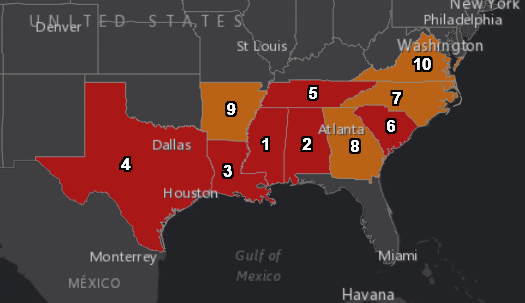
Sure, looking at a TikTok video, a “study” from a politician, or a random post on Facebook is a great way to get accurate medical information*, but sometimes people can still be be confused. Can rubbing horse manure under your nose prevent Covid? Is the flu really caused by an excess of yellow bile? What can you treat using a hammer and a book on reverse phrenology? As Drug Topics explains, “[P]atients often don’t know how to analyze the news they are watching or the stories their friends and family are sharing on Facebook, Twitter, and Instagram.” And that, it says, is where pharmacists come in. Besides ‘explain why a flu shot is important,’ it’s got a few other tips for communicating with patients in an era where people believe in vast conspiracies to keep them healthy. A big Buzz shout out to P4 UGA student pharmacist Tierra Jackson — the newest president of the Student National Pharmaceutical Association, just featured in the latest issue of UGA Today. Specifically, it reduces the symptoms of the condition, not the risk of getting it. That’s what Veterans Affairs researchers found by studying more than 56,000 vets who tested positive for Covid-19. [T]hose given the oral antiviral medication in the first 5 days of a Covid-19 infection had a 25% decreased risk of developing 10 of 12 different long Covid conditions studied — including heart disease, blood disorders, fatigue, liver disease, kidney disease, muscle pain, neurocognitive impairment, and shortness of breath. And this held true whether or not the person was vaccinated or not, or had previously been infected. Technicians (and those who love them!) — don’t forget that TechU 3.0 is this coming Saturday, November 12! If have haven’t registered yet, there’s still time! Head over to GPhA.org/techu for the details, the schedule, and the registration link! That’s what British researchers are going to find out, after they made the world’s first transfusions of lab-grown blood into two patients. If it works, it could mean the end of shortages for rare blood types. A couple of notes: They didn’t, like, replace these patients’ entire blood supply — it was just “a couple of spoonfuls”. The other note is that this isn’t artificial blood. It was made using the stem cells from real, human blood that were then “cultivated to grow in massive numbers before being ‘guided’ to become red blood cells.” If the patients’ bodies don’t reject the “artificial” donation, it could be an absolute game changer for increasing supplies of previously ultra-rare blood types, and may even one day enable smaller and less frequent transfusions. If this works, more trials will follow — and then, maybe, the game will actually change. The flu is shaping up to be bad this season. Like, really bad, with hospitalizations the highest the CDC has recorded in a decade. And at the moment it’s worst in the southeast/south central states — Georgia has the 8th highest level of activity according to the Walgreens Flu Index: Let’s say you’re pregnant and don’t want your kid to be too tall — banging into doorways and getting neckaches from sitting in the back seat. Good news: You may be able to shave a full inch off your kid’s height by having caffeine while you’re carrying. Researchers [from the National Institutes of Health] measured concentrations of caffeine and paraxanthine — a metabolite of caffeine — in the pregnant person’s blood during the first trimester of pregnancy. They then looked at children’s heights up to age 8. The analysis indicated that caffeine consumption during pregnancy was associated with children being shorter later in life. And it doesn’t take much, either — “[M]aternal consumption of caffeine of even less than 200 mg per day is associated with smaller child growth.” It’s been 10 years since Colorado made recreational marijuana legal, which seemed, to University of Colorado neuroscience researchers, a good time to look at the big picture. “Before, research focused almost exclusively on the harms because it was only thought of as an illegal substance. Now we can focus on the full continuum.” Sure, legalization has been good for state budgets, raising tax revenue and cutting (or redirecting) enforcement spending. But what about the health and behavior effects? Check out “A decade after legalizing cannabis in Colorado, here’s what we’ve learned.”Making shorter babies, lab-grown blood, flu season’s big start, and more
Cutting through the clutter
* This is sarcasm.
Congrats to Tierra Jackson!
Paxlovid reduces long Covid
Techs, your time is almost here!

We switched their real blood with blood made in a lab.
Will they notice?The Nervous Nellies™ were right
Keeping ’em short
The Long Read: Marijuana Legalization Results edition
November 05, 2022 ✒ Andrew Kantor
People with type 2 diabetes might benefit more by exercising in the evening (or at least the afternoon). That’s what Dutch epidemiologists found by studying liver fat content and insulin resistance. The findings suggest that moderate-to-vigorous physical activity in the afternoon led to an 18% reduction in insulin resistance, and the same types of activity in the evening were linked to a 25% reduction — in comparison to physical activity spread throughout the day. They don’t think this study should change people’s habits if they’re exercising during the day, because all exercise is good exercise. But it’s worth doing more research. In 2016, the CDC issued new opioid-prescribing guidelines to help stem the abuse epidemic. But a lot of folks said it went too far, and people who actually needed regular painkillers weren’t able to get them. So now it’s updated its opioid guidelines to “[include] recommendations for managing acute (duration of <1 month), subacute (duration of 1–3 months), and chronic (duration of >3 months) pain.” The new guidelines include 11 recommendations in four categories: It’s a government report, so it’s huge — the recommendations section alone is more than 33,000 words. But wait! You can skip all that and just click here to scroll down to the summary that’s contained in boxes 3 and 4. You’re welcome. GPhA is offering the nation’s hottest immunization course just once more in 2022! APhA’s Pharmacy-Based Immunization Delivery: A Certificate Program for Pharmacists is coming to Georgia, bringing a whopping 20 hours of CE (!) and giving you the latest immunization skills that you can add to your CV (or wave the certificate) to impress your patients (and your boss). It’s popular for a reason! Pharmacists finish with comprehensive knowledge, skills, and resources to provide their patients with the best immunization services, period — today and across their lifespan. The 20 hours of CE includes the live seminar, hands-on training, and online self-study. The seminar and training: Sunday, December 11, 2022 from 8:00 am – 5:00 pm at GPhA’s Sandy Springs Classroom, Sandy Springs (map). Click here for the details and sign up before the class fills again! Well, potentially. In theory. But in case it really does work, the researchers there have created a company (iTolerance) to sell it. What they’ve done is create a biomaterial they call iTOL-100 that they say can carry a transplant of insulin-producing cells into a patient whose body can’t produce them. The Despite the excited headline, iTOL-100 is still in the early stages, but the potential, the researchers say, is huge. Sure, at the moment they’re working with insulin-producing stem cells, but there’s no reason the same rejection-proof platform can’t deliver other therapies to other organs. “The material is really agnostic to what the cell source is. It’s just a matter of combining the cells with the body materials and transplanting.” Two stories, same idea: Monkeypox is evolving, and the new strains are more dangerous. Obviously the virus will have evolved over the decades since it first started spreading (in 1965), but what University of Missouri researchers found is that the mutations are in places we really don’t want them to be. “By doing a temporal analysis, we were able to see how the virus has evolved over time, and a key finding was the virus is now accumulating mutations specifically where drugs and antibodies from vaccines are supposed to bind. So, the virus is getting smarter, it is able to avoid being targeted by drugs or antibodies from our body’s immune response and continue to spread to more people.” Meanwhile, CDC researchers were looking at the newest outbreak in the “Democratic” Republic of the Congo. They found that the strain that’s spreading there (called Clade I) is more than three times as deadly than the one spreading around the world (Clade II). Worse, it’s also much more transmissible. More to come, for sure. An otolaryngologist and an audiologist explain everything you need to know about over-the-counter hearing aids — the types, why “self-fitting” devices are better (if used correctly), and how to choose one.Monkeypox gets scarier, when diabetics should exercise, new opioid guidelines, and more
Later exercise means less insulin resistance
CDC swings the opioid pendulum back
Last chance for the world’s best update on immunization skills*
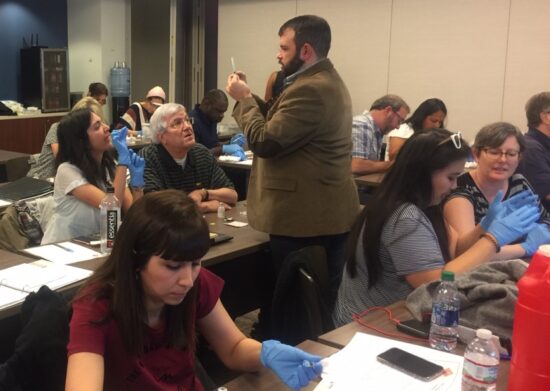
* Prove us wrong.
Georgia Tech cures type 1 diabetes
trick breakthrough is that those cells are “decorated with a potent immunomodulatory protein.” The idea is that patients won’t need to take immunosuppressants to accept the cells because that decoration “trains the immune system to accept the graft as self.”Okay, now you can start to worry about monkeypox
The Long Read: OTC Hearing Aids edition
November 04, 2022 ✒ Andrew Kantor
Here’s an odd one: They say blue light before bed is bad for your sleep, but apparently there’s an twist. People with PTSD who are exposed to blue light in the morning have better sleep, “a reduction in the severity of PTSD symptoms, and more effective treatments” according to a study out of the University of Arizona. It’s an upward spiral, too. Fewer symptoms means better sleep, and better sleep means therapies are more likely to ‘stick.’ The participants exposed to blue light… … not only demonstrated significant improvements in the severity of their PTSD symptoms, but also reported improvements in sleep and showed an increased retention of fear extinction memories [memories that, with therapy, replace the fearful ones]. We know it’s a license-renewal year and you might need to catch up on your CE requirements. So GPhA’s got your back with more CE than you can shake a stick at*! We’ve made more than 27 hours of on-demand CE webinars available for one price: Just $199 ($269 for non-members). But it’s only through December 31! There are courses for pharmacists, technicians, and both, on too many topics to list here. Check out what’s available and sign up at GPhA.org/yearendspecial today! Your finger length could determine the severity of your Covid infection. At least, according to “[D]igit ratio expert” John Manning of Swansea University in Wales. Why yes, there’s a “digit ratio expert”. (Does he have the best conversation starter ever or what?) Anyway… “Large right-left hand differences in 2D:4D and 5D:3D are associated with Covid-19 severity. It is hoped that an understanding of such associations may lead to an increase in our ability to accurately identify at-risk individuals.” That means if the ratio of your pointer length to your ring-finger length (2D:4D) or your pinkie to your middle finger (5D:3D) on your left hand is a lot different than the same ratio on your right hand, Covid will be more severe for you. You oughta know your 2D:4D ratio anyway, according to teh Internets. Why? So get out your rulers and know your future! Are you a member of a historically underrepresented racial or ethnic group*? Listen up! NCPA has an online training and mentorship program called “Pathways to Pharmacy Ownership” that’ll help prepare you for pharmacy ownership and, presumably, subsequent NCPA membership. This initiative, in collaboration with the Minority Pharmacist Entrepreneur Collaborative (MPECrx), provides selected pharmacists with expert-led discussions on business principles, scholarships to attend NCPA’s Pharmacy Ownership Workshop, and business plan reviews by industry experts. But … there’s only space for 20 students, and it’s a nationwide program. So if you’re interested, check it out and apply today for the 2023 program at NCPA.org/pathways. Preterm infants often have some developmental delays, like cupcakes taken out of the oven a few minutes early. Unlike with cupcakes, though, there may be something parents can do: give them omega-3 fatty acid supplements. Calling it “a significant finding,” Australian researchers found that preemies given a direct supplementation of docosahexaenoic acid (DHA) “scored 3.5 points higher on the IQ scale at age five years than those in the control group.” That “direct supplementation” is important — by giving it via a tube rather than putting it in breast milk or formula, the effect is improved (because some kids wouldn’t eat enough to get the full dose). More of the Omicron subvariants circulating now are resistant to antibody treatments. For people with compromised immune systems especially, the subvariants BQ.1 and BQ.1.1 are particularly dangerous, as they’re both resistant to Evusheld and bebtelovimab. The latest bivalent boosters should protect against them, but for people who didn’t get vaccinated … well, they take their chances. When the whole monkeypox thing began, avoiding it seemed to be simple: Don’t cuddle with someone who’s got a lot of bumps. But now British researchers have belied that idea — apparently “Monkeypox can spread before symptoms appear.” Not just can, but does, and often. In their study, “53% of transmission may have taken place before symptoms began.” Other experts caution, though, that this study was preliminary and more clinical data is needed before it’s considered definitive. If you’re gonna report on a study, you need to read more than the press release. Reuters and others wrote about the good stuff: “Magic mushroom compound shows promise as depression treatment in key study” But the reporters at Stat News read deeper into the study, and they caution, “Enthusiasm over psilocybin’s effect on depression tempered by questions about durability”. The issue: “Three months after treatment, 20% of participants given the highest dose were still in remission.” As one Johns Hopkins psychiatry researcher put it, “That number 20 is not quite as miraculously positive as I and others might have ideally hoped, based on earlier studies that seemed apparently stronger.” Because if only 20 percent had longer-term success, it implies that treatments might need to be given a lot more often. Is Alzheimer’s actually caused by beta-amyloid plaques? If so, why do treatments that reduce plaque not reduce symptoms? Could the plaque be the result of the disease rather than the cause? A new study, launching later this year, aims to find out. If beta-amyloids aren’t, in fact, the cause of Alzheimer’s, it’ll mean millions of dollars of research has been in vain … but also that there’s a better chance of finding the real cause.Measure your fingers, preemie booster supplement, monkeypox before you know it, and more
Blue light: special
27 hours of CE!
* Depending on the size of the stick
What your hands say about Covid
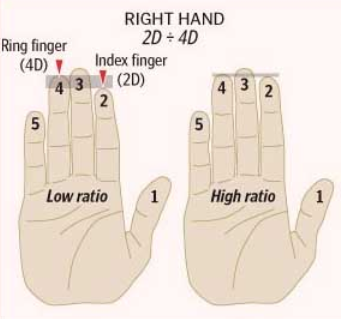
About that ratio
NCPA’s looking for tomorrow’s owners
* E.g., Black, Hispanic/Latinx, American Indian, or native Alaskan or Hawai’ian.
Making preemies smarter
New variants, more dangerous
Monkeypox is sneaky
Always read the whole study
The Long Read: Settling the Alzheimer’s Debate edition
Do you want to send your members the daily Buzz email newsletter (customized for your state and organization, perhaps)? Let’s talk — just drop me a note at andrew@gphabuzz.com!

- Newsom Picks a Dogfight With Trump and RFK Jr. on Public Health
- Florida Hasn’t Expanded Medicaid. Lawmakers Want To Add Work Requirements Anyway.
- Journalists Explain a Spat Over Sugary Coffee and How Measles Fools Doctors
- This Doctor-Senator Who Backed RFK Jr. Now Faces a Fight for His Job — And His Legacy
- The People — And Research — Lost in the NIH Exodus
- Six Federal Scientists Run Out by Trump Talk About the Work Left Undone
- January 2025
- December 2024
- November 2024
- October 2024
- September 2024
- August 2024
- July 2024
- June 2024
- May 2024
- April 2024
- March 2024
- February 2024
- January 2024
- December 2023
- November 2023
- October 2023
- September 2023
- August 2023
- July 2023
- June 2023
- May 2023
- April 2023
- March 2023
- February 2023
- January 2023
- December 2022
- November 2022
- October 2022
- September 2022
- August 2022
- July 2022
- June 2022
- May 2022
- April 2022
- March 2022
- February 2022
- January 2022
- December 2021
- November 2021
- October 2021
- September 2021
- August 2021
- July 2021
- June 2021
- May 2021
- April 2021
- March 2021
- February 2021
- January 2021
- December 2020
- November 2020
- October 2020
- August 2020
- July 2020
- March 2020
- February 2020
- January 2020
- December 2019
- November 2019
- October 2019
- September 2019
- August 2019
- July 2019
- June 2019
- May 2019
- April 2019
- March 2019
- February 2019
- January 2019
- December 2018
- November 2018
- October 2018
- April 2017
