
November 03, 2022 ✒ Andrew Kantor
Really, the headline says it all: “CVS, Walmart, Walgreens agree to pay $13.8 billion to settle U.S. opioid claims.” The chains are opening their wallets to settle the Giant Opioid Lawsuit (the one that involves thousands of governments across the country — states, tribes, cities, towns, villages, hamlets, etc.), although none of them would admit to actually mishandling opioids and contributing to the epidemic. Fun fact: That same money could pay for nine F-35A fighter jets — three per company — thus helping them “defend [themselves] vigorously against any future lawsuits not covered by the settlement.” Also: CVS reported an almost $4 billion loss for the quarter because of the settlement. Ouch. With hearing aids now sellable over the counter, you might be wondering “What do I need to know?” Our friends at NCPA are just itching to tell you. They’ve got a free (non-CE) webinar: “Hearing Aids — What’s the Opportunity?” at 8:00 pm on Monday, November 14 to tell you all about “this emerging market and business opportunity.” Registration is required, of course. Way back in 2005 (two years before the first iPhone), it was discovered that pulse oximeters don’t work well with darker skin. This week, an FDA panel finally decided to examine the issue. It’s simple physics: More melanin in the skin means less light passes through to the meter — it’s enough of a difference that devices can be as much as eight percent off; someone with a blood ox of 90 might get a reading of 95. Not good. (A study published in JAMA Internal Medicine this summer found that “Asian, Black, and Hispanic patients got less supplemental oxygen than White patients, and that was associated with differences in their pulse oximeter readings.”) The question is, should today’s cheap devices come with a warning? Should the agency mandate the better kind, which use 8 wavelengths of light rather than just 2? Could manufacturers add a adjustment for skin color? And what about forehead thermometers that use the same technology? The panel of the committee of the FDA is on the case! Tell your patients who use turmeric supplements to go easy. Health officials are reporting cases of people turning yellow — thanks to liver injury — from taking a bit too much of the stuff. Although everyone eventually recovered, some became seriously ill, requiring steroids and N-acetylcysteine treatment. One woman even spent three weeks in hospital: Her symptoms resolved when she temporarily stopped taking the supplement but returned when she resumed the regimen. She also developed yellowing to her skin and the whites of her eyes. Blood tests and a liver biopsy later revealed she had a severe liver injury. Only Apu and Dr. Hibbert were spared. It’s time to shake the Magic 8-Ball of alcohol consumption again! The latest study says … moderate to heavy beer drinking can increase the risk of stroke. Light drinking is okay, stroke-wise, and the risk goes down once you stop — that’s according to research out of Ireland’s University of Galway examining data for 26,000 people across 27 countries. Big caveat: Wine is fine — “predominant wine consumption” didn’t cause a problem, but they think that might be due to the social circumstances; outside of bachelorette parties, there isn’t a lot of binge drinking of Chardonnay. FDA to Amazon: Stop selling* dietary supplements that contain undeclared drugs. In this case, the agency found some arthritis treatments that also contained diclofenac, and in some cases dexamethasone, and methocarbamol, too. Saying they can treat arthritis and gout, stop joint deterioration, and improve mobility — well, that makes them new drugs under the the FD&C Act, and they ain’t approved. Fix the problem or there will be … trouble. What do you get when you mix cocaine with gut bacteria? A cocaine craving. Like the headline says, it’s essentially an addiction feedback loop. The short version: Cocaine increases epinephrine in the gut. Certain gut bacteria love this, so they proliferate. Those same microbes also happen to eat the the amino acid glycine, and lower glycine levels make cocaine stronger and addiction easier. A bonus in the international team of researchers’ graphical abstract — an image of a mouse snorting lines: Looking at data from 17 previous studies, Canadian researchers found that exposure to “fine particulate matter” increases the risk of dementia. Specifically, they found that the risk of dementia increased by 3% for every 1µg/m3 increase of fine particulate matter exposure. (In Georgia, particulate levels average about 6–12 µg/m3, but can get as high as 50 or more.) A study out of the University of Michigan found that… Women in their late 40s and early 50s exposed long-term to air pollution — specifically, higher levels of fine particles, nitrogen dioxide, and ozone — saw increases in their body size and composition measures. That’s based on data from more than 1,600 women from 2000 to 2008. Healthcare costs are going up, up, up, and next year is gonna be a doozy. So who’s gonna pay for it? Eventually, all of us, but who’s first on the list? Insurance companies … that pass costs down to employers and individuals? The government … that will pass costs down to taxpayers? Pharma and healthcare companies … that will have to cut shareholder dividends and executive pay? Americans are unique in the developed world in having trouble paying for healthcare, and eventually it’s going to come to a head. “The question isn’t whether, but when.” Health insurer Humana reported $1.2 billion in third quarter profits; its revenue was up 10 percent compared to the third quarter last year, to $22.8 billion, thanks in large part to its Medicare Advantage health plans.The supplement that turns you yellow, chain pharmacies pay big, dirty air and obesity, and more
Opioids: Big three agree to pay big
What you need to know about hearing aids
After 17 years, FDA to consider pulse oximeters and dark skin
Are ya yellow? (aka, turmeric and jaundice)

Latest drinking study: stroke risk
FDA scolds Amazon again
* “introducing, delivering, or causing the introduction or delivery into interstate commerce”
Cocaine feedback loop

Air pollution news
It raises dementia risk
It can make women obese
Who’s gonna pay for all this?
In unrelated news
November 02, 2022 ✒ Andrew Kantor
70 of Georgia’s 147 hospitals are among the 2,600 nationwide that will be punished by Medicare in 2023 for high readmission rates. Four of them will have payments cut by more than a full percent: Wayne Memorial (Jesup), Coliseum Medical Centers (Macon), Southeast Georgia Health System (Brunswick), and Piedmont Columbus Regional Northside (Columbus). 21 hospitals in the state will also be penalized 1% per patient for high rates of hospital-acquired conditions. Only Southeast Georgia Health System — Brunswick was on both lists. Worth noting: For 2023, CMS changed its calculations so it doesn’t penalize safety-net hospitals when poorer patients can’t afford medical care after leaving and end up readmitted. First off, if you haven’t registered for your fall region meeting, c’mon and do it! All the info is at GPhA.org/regionmeetings. What about bringing a plus-one or -two? We’re cool with that, with two notes. The latest figures, courtesy of the Walgreens Flu index, show that “to date overall flu activity is more than 10 times higher nationwide when compared to the 2021-2022 flu season, and has more than doubled over the past two weeks.” Let’s be careful out there. Supply chain problems are spreading, and an FDA warning suggests there are more to come. The agency flagged shortages of more than a dozen drug ingredients, two of which are included in Adderall. Others include bacteriostatic saline, which is necessary for diluting drugs for IV injections, and compounds used in common drugs for anesthesia, water retention and calcium deficiencies. What’s the problem? China. That’s where most active ingredients come from, whether they’re used here or in India (where a lot of our generics come from). As one supply chain expert put it, “We don’t have independence in our drug supply at all.” But shortages aren’t bad for everyone. Areva Pharmaceuticals jacked up the price of an older chemotherapy drug, fludarabine, from $110 to $2,736 because it’s hard to find — and cancer patients need it. If you have mice with sleep apnea, you know how those little snores can keep the whole house up at night*. Even XXS-size CPAP masks don’t fit them. Good news, though: There might be (another) pharmaceutical option coming down the pike. (We already wrote about one.) It’s like this, see: A protein called TRPM7 is found in the sensors in the neck that detect oxygen and carbon dioxide changes. TRPM7 has already been connected to high blood pressure, and now Johns Hopkins researchers say that “TRPM7 plays a role in suppressing breathing in obese mice with symptoms of sleep-disordered breathing conditions.” In other words, TRPM7 might be a target for treating sleep apnea. They took some fat mice, blocked TRPM7 from being produced, and found that these obese mice had a 14% increase in the amount of air they breathed compared to normal obese mice. Well well well. They also found that the hormone leptin may cause more TRPM7 to be produced, meaning there are now a couple of pathways to explore for treating apnea with drugs. Fun fact: The same team that discovered the structure of SARS-CoV-2 (allowing Covid vaccines to be made), had previously published the structure of RSV. And now that’s about to bear fruit as “four [vaccine] candidates and one monoclonal antibody treatment are in late-stage clinical trials.” RSV hits little kids and seniors particularly hard, and almost 60 years ago a completely different kind of prototype vaccine failed in trials — but as that has nothing to do with these current vaccines, no one would ever think of bringing that up as a way to scare parents. If you’ve been lying awake at night wondering “What’s the best direct oral anticoagulant?” you can wonder no more. Researchers at University College London have the answer: It’s apixaban. Using data from more than half a million patients on DOACs, they compared the effectiveness of apixaban, dabigatran, edoxaban, and rivaroxaban users. Result: While all four worked fine for preventing stroke and brain bleeds, “apixaban stood out as having lower risk of gastrointestinal bleeding, with 19–28% lower risks when compared directly to each of the other three DOACs.” Sleep well. What’s the number one reason men go to the doctor? Let’s just say it’s not “I have the sniffles*.”New shortages loom, why men see the doc, Medicare hits Georgia hospitals, and more
Georgia hospitals hit with Medicare penalties
Who can you bring to your region meeting?
Flu continues

More shortages coming
Another (potential) apnea drug
* Assuming you have a lot of mice and a small house
An RSV vaccine is almost here
The best blood thinner
Aim high
* Unless that’s a euphemism I’m not familiar with

November 01, 2022 ✒ Andrew Kantor
“Walgreens will stop judging its pharmacy staffers by how fast they work”. [T]hey will now be evaluated “solely on the behaviors that best support patient care and enhance the patient experience.” ICYMI, Aurobindo has recalled two lots of its quinapril/hydrochlorothiazide tablets — the latest blood pressure med to have a nitrosamine impurity. The FDA has all the info, including the lot and NDC numbers to watch out for. Remind your patients that signup for Obamacare insurance plans is open today through December 15 for 2023 plans at Healthcare.gov. They can “window shop” and sign up for a plan, or find a navigator who can help them choose. There are more than 170 plans available in Georgia (bronze, silver, and gold). The average premium for a silver plan is $477 per month for an individual, but that’s before subsidies kick in. Individuals earning up to $27,465 a year can get a plan with $0 premium; those earning up to $54,360 can get those subsidies. People who need family coverage also have more options now — if employer coverage for the family is too expensive, they can now turn to an ACA plan instead. Ketamine works quickly to treat depression, but it also wears off within a couple of weeks. But there’s a solution: play happy video games! University of Pittsburgh psychiatry researchers took advantage of the brain’s plasticity after a ketamine treatment, using video games that taught patients’ brains to associate happiness — via a smiling face or positive words — with themselves. In other games, participants were asked to click on a photo — of themselves or of a stranger — as soon as it flashed on one area of the screen. “Every time they click on their own photo, what appears right afterwards in that same location is a smiling face.” Result: The effects of ketamine lasted longer — as long as three months, in fact. And with ketamine rarely covered by insurance, fewer treatments are a big deal. He looks cheerful. The Georgia Board of Public Health, that is. And of course you’re invited — being part of the public and all. It’s a week from today — Tuesday, November 8, from 1:00–3:00 pm via Zoom. Click here for the deets. Topics include flu updates (of course), plus “Overview of the Early Hearing Detection and Intervention Program,” and “Overview of the Perinatal Hep B program and updated prenatal testing requirements for Hep C.” Fun for the entire family! If you’re going to release a “report” about a scientific issue — like the origins of the SARS-CoV-2 virus — it’s a good idea to have real scientists put it together, and to use actual data, lest you find your work eviscerated on Twitter by people who know what they’re taking about for “Not understanding basic biosafety,” “Leaving out key details,” and “Falsifying translations.” [I]t’s unclear who actually did the research and writing for this report. The report didn’t really clearly delineate what process was used to assemble and review the available evidence, who determined what should and shouldn’t considered, or how the report was vetted either. Acute flaccid myelitis (AFM): a nasty, polio-like syndrome that was hitting kids across the country every other year since 2012, triggered by an enterovirus. Except in 2020, when Covid precautions kept it at bay. With many of those cautions abandoned, flu is roaring back and Covid-19 is on the rise — so infectious disease experts figured AFM would be coming back, too. “The sense of relief is palpable […]. But so is the confusion.” Where is it? Is the enterovirus theory wrong? Was a decade enough for kids to build up immunity? Are different strains in play? No one knows. As one CDC expert put it, “It’s possible it’s something very subtle.” Not news: The Chinese government abruptly closed Disney Shanghai over fears of Covid-19. Terrifying news: People are not allowed to leave the park without a negative Covid test. Videos circulating on China’s Weibo platform on Monday showed people rushing to the park’s gates, which were already locked. China’s Disney nightmare, Walgreens treats pharmacists like humans, the pandemic that wasn’t, and more
Patients will probably be happy about this, too
Blood pressure med recall
ACA signup is open
Take your ketamine … and smile!

The board is meeting….
[citation needed]
You know nothing, Jon Sn— I mean, enterovirus experts
Nightmare in China
October 29, 2022 ✒ Andrew Kantor
If you’ve noticed a shortage of amoxicillin lately, you’re not alone — and there’s a chance this isn’t even news to you. Three of the largest manufacturers (Hikma in the UK, Sandoz in Switzerland, and Teva in Israel) all report shortages of the world’s most popular antibiotic — and no one can say why. That said, the FDA claims it’s just “some intermittent supply interruptions,” and CVS call it a case of “isolated supplier shortages.” And yet pharmacies as far apart as Georgia, Kansas, and New York are reporting issues. (A shout out to GPhA Past President Hugh Chancy, who’s featured in the story.) Bacteria — specifically Chlamydia pneumoniae — can use the olfactory nerve to enter the central nervous system. The body responds by depositing amyloid beta protein in and around the brain. Thus we have the headline, courtesy of Aussie researchers, “New research suggests nose picking could increase risk for Alzheimer’s and dementia.” The continuing story: how to get anti-cancer drugs directly into the tumors they need to treat, rather than using whole-body drugs. The latest is using magnetic bacteria, but with a literal twist. Czech scientists found that a bacteria (Magnetospirillum^*^) can better penetrate the tumors’ cell walls when they’re spun with a rotating magnetic field. Like a toy top skittering on a table, spinning means they easily encounter gaps in those walls and slip inside. The next trick is to get those bacteria to act as drug mules, spinning into the cancer and spewing their anti-tumor doom. It’s being used in Shanghai along with shots of old-style (i.e., non-mRNA) vaccines as part of China’s zero-Covid policy. “Our body’s first line of defense is the mucus membrane of our respiratory system, we want that to be directly stimulated to improve immunity and using the inhaled vaccine does that.” The decision on over-the-counter birth control may have been postponed, but it’s still a good bet that it’s going to happen sooner or later. What’ll that mean for patients? Pharmacists? University of Pittsburgh experts offer some answers — and explain how “pharmacies could play an ever-increasing role in reproductive health care.” And, of course, keep an eye out for the December/January Georgia Pharmacy magazine, where birth control issues take center stage! Admit it — there’ll be times you’ll want to use this phrase: “Half a brain can still recognize words and faces”. Buzz doesn’t publish on Mondays, so we’ll leave you with this bit of Halloween advice now. First, give out full-size candy bars, and do not give out pretzels. Ever. But to answer the age-old question, “Should kids eat all Halloween candy at once, or spread it out?” the answer is … either is fine. As one nutritionist put it, “I’m not going to be concerned about the consequences of a one-night candy fiasco.”Nose-picking danger, antibiotic shortage, answering the big candy questions, and more
Is amoxicillin in shortage?
Going deep
Spinning into tumors
* The temptation for an X-Men joke is there, but I’ll skip it this time.
China launches inhalable Covid vaccine

The Long Read: Pharmacists and OTC birth control
Present company excluded
The candy question
October 27, 2022 ✒ Andrew Kantor
As winter arrives, Covid cases will rise but still fall far short of last year’s peak. It also won’t result in as many deaths as previous spikes. That’s the conclusion of the folks at the University of Washington’s Institute for Health Metrics and Evaluation after spinning the Wheel of Covid Prediction. IHME estimates that daily infections in the United States will increase by a third to more than a million, driven by students back in schools and cold weather-related indoor gatherings. Correction: An earlier report said that the U of W used a roll of dice to make the prediction, rather than the Wheel of Covid Prediction. We regret the error. A GPhA Buzz shout-out to the UGA student pharmacists who presented posters at ACCP’s Global Conference on clinical pharmacy in San Francisco (in no particular order): Shelby Webb, Kelsea Mabie, Megha Patel, Lara Lindsay, Monica Acharya, Ann Irvin, and Dayana Pimentel-Dominguez. And also to UGA associate professor Rebecca Stone, who was chaperone, co-author, mentor, and advisor to the students. Nice job, Dawgs! Mom was wrong when she said “Every month is healthy skin month.” In fact, it’s just November. As dermatologists across the country prepare to celebrate, they want to remind everyone that skin care is more than just moisturizers and hydrocortisone, while slipping in their slogan, “The skin is the body’s largest organ.” New drugs are out that can treat psoriasis — non-steroids, longer-lasting treatments, and systemic biologics. They can work better, but often the older drugs are just fine, especially when you look at the prices. (When $1,300 a month is considered “much more affordable,” you might want to consider marrying a Norwegian.) Unilever has recalled a bunch of its dry shampoos sold under a bunch of brand names: Bed Head, Dove, Nexxxxxus, Suave, Tresemmé, “due to potentially elevated levels of benzene.” As you probably remember from way back in high school, benzene is not something you want on your skin. Or, really, anywhere near you. There haven’t been any reports of problems, but the company wants to The FDA said it’s delaying a decision by 90 days on whether to allow Perrigo’s prescription birth control drug Opill to become Perrigo’s OTC birth control drug Opill. The agency said it needs time to “review additional information requested from Perrigo related to the application.” (Note: Yesterday we referred to this as HRA Pharma’s pill. HRA is an affiliate of Perrigo, so it’s the same thing.) For someone with a complicated urinary tract infection, out is piperacillin plus tazobactam, and in is efepime plus enmetazobactam. That’s the conclusion (published in the Journal of the American Medical Association) from Rutgers researchers after a phase 3 clinical trial. Patients on the newer drugs were cured 79% of the time, compared to 58.9% taking conventional treatment. [T]his drug combination also fights an often-dangerous category of bacterial illnesses caused by pathogens known as extended spectrum beta-lactamase (ESBL) infections […]. ESBL-producing bacteria can’t be killed effectively by many of the antibiotics conventionally used to treat infections, such as penicillins and cephalosporins. Today’s potential Covid treatment comes out of UCLA: the amino acid GABA (aka gamma aminobutyric acid), they said, “reduced disease severity, viral load in the lungs, and death rates in SARS-CoV-2-infected mice.” And it’s available over the counter. GABA receptors are in a couple of important places, including inflammatory immune cells and lung epithelial cells, making it “a theoretically appealing candidate for limiting the overreactive immune responses and lung damage due to coronavirus infection.” Treated mice […] displayed reduced levels of virus in their lungs and changes in circulating immune signaling molecules, known as cytokines and chemokines, toward patterns that were associated with better outcomes in Covid-19 patients. So why hasn’t this come out before? Follow the (lack of) money. “[T]here has been no pharmaceutical interest pursuing GABA therapy for Covid-19, presumably because it is not patentable and widely available as a dietary supplement.” Monkeybox deaths in the US have increased exponentially since we last reported on it. Now there are nine. (And almost 28,000 people are currently infected.) That said, infections continue to decline — and health officials aren’t certain why. Their best guesses: behavioral changes (e.g., fewer sexual partners), seeking treatment sooner, and “immunity acquired through infections.” Or perhaps a combination. How can a conscientious pharmacist keep up with all the latest news and research? Pharmacy Times offers some suggestions from a session at the American Society of Consultant Pharmacists 2022 Annual Meeting, “The Busy Clinician of Oz: Staying Up to Date with Literature, Guidelines, Oh My”. (Good luck. Here at GPhA Buzz Research Headquarters, we currently track more than 35 pharma/health news sources, many of which track other sources. And we can barely keep up.) A wag of the finger to the folks at Medical News Today whose image — for a story on menopause hot flashes — was a woman in heels pushing a shopping cart (with red wheels).
Better UTI drugs, bad choice in menopause imagery, latest Covid treatment, and more
Latest Covid guess
Shout out to seven UGA students (and one prof)
Skin is in (for a month, at least)
New psoriasis treatments
Dry shampoo recall
avoid lawsuits protect its customers with an abundance of caution.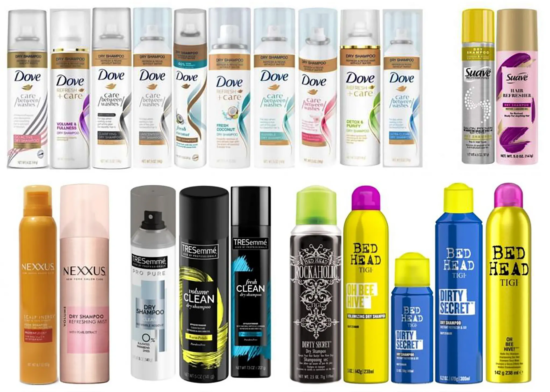
OTC birth control approval delayed
Better drugs for UTIs
GABA, GABA, hey!
Monkeypox updates
The Long Read: Keeping Up with the Lit edition
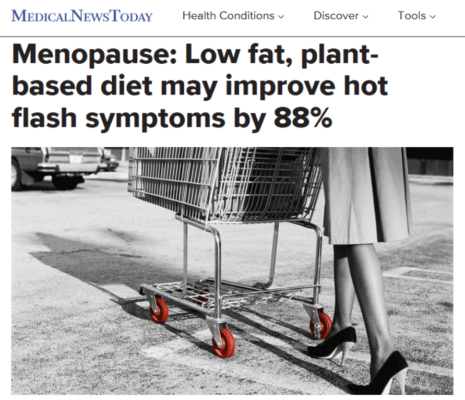
Facepalm of the day
October 26, 2022 ✒ Andrew Kantor
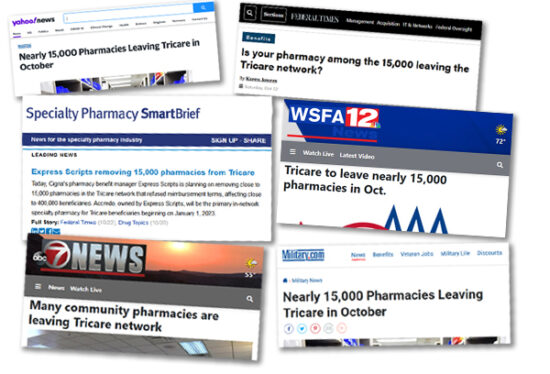
Not scary at all: Scottish virologists have observed — I kid you not — the flu virus and RSV combining to form a single new virus that can evade the immune system. People can get both viruses at once; that’s not news. But while investigating that process, the researchers found that… … rather than competing with one another as some other viruses are known to do, they fused together to form a palm tree-shaped hybrid virus — with RSV forming the trunk, and influenza the leaves. Next step: Is there something special about these two viruses? “We need to know if this happens only with influenza and RSV, or does it extend to other virus combinations as well. My guess is that it does.” Oh, joy. You know about the Tricare issue: Thanks to its contract with Express Scripts, 15,000 independent pharmacies are about to be cut out of the Tricare network. Just so you know, GPhA has been getting the message out, and it’s being picked up all over — not just federal and military news, but general news outlets from Yahoo to local stations across the country. If you haven’t taken 30 seconds to sign GPhA’s Change.org petition, please do it now. We’re trying to do our best, but we can’t do that without your help! The lede from this story sums it up well: “Antipsychotic effectiveness declines in women after the age of 45.” Dutch researchers (using Finnish data) found that when it comes to lozapine, olanzapine, quetiapine, and risperidone, women over 45 were hospitalized for psychosis more often than men, and more often than women under 45. Their conclusion: “[O]lder women with schizophrenia-spectrum disorders should be regarded as a vulnerable group that deserve special attention.” A common bacteria found in showerheads — nontuberculous mycobacteria , aka NTM — can kill people whose kidneys have failed. That’s what Augusta University researchers found when crunching the numbers of NTM infections and people with end-stage renal disease. What they found was that getting an NTM infection led to “a significant and independent increase in mortality” for those patients, thanks to their compromised immune systems. Their takeaway: Test people with end-stage renal disease for infection (and treat it promptly). As for avoiding those bacteria … that’s tough. They tend to accumulate in biofilms in showerheads, for example, so cleaning those can help reduce exposure, at least to some extent. But avoiding it completely is just about impossible. Fun fact: Nontuberculous mycobacteria is more prevalent in chlorinated municipal water systems than in well water, because the chlorine kills the bacteria that keep NTM in check. As Covid changes, so too do the symptoms patients report. Loss of smell? Trouble breathing? Neither is as prevalent with new variants, according to a study by researchers from a bunch of big-name places*. Depending on whether someone is fully vaccinated, partially vaccinated, or unvaccinated, the order of symptom frequency might change, but the big four are the same: Fully vaccinated people usually have milder versions of these. People with just one dose also report sneezing, while the unvaccinated frequently have a fever as well. It’s everyone’s favorite annual event (next to the Georgia Pharmacy Convention, of course): The DEA (official) National Rx Take Back Day. And it’s coming this Saturday, October 29, with festivities starting at 10:00 am. Don’t miss it! Is it time for The Pill to go over-the-counter? Lots of folks think so — and that any objections at this point are political, not medical. Opill maker HRA Pharma has asked that FDA to approve its almost-50-year-old capital-P Pill for OTC use. So what’s going on with that? Axios explains “The road to making birth control pills over-the-counter in the U.S.” Shameless plug: The cover story of the upcoming December/January Georgia Pharmacy magazine is all about the future of birth control. Look for it in your mailbox in a few weeks! We’re talking about polio. In 2022. The CDC is considering distributing the newer, oral form of the polio vaccine in New York, where the virus has resurfaced. So far only one person has been paralyzed, but wastewater surveillance shows the virus is circulating, and health officials want to nip it in the bud. Options: The older vaccine (a shot): Uses inactivated virus, prevents paralysis, but doesn’t stop transmission — and stopping transmission is the goal here. The newer vaccine (a pill): Uses a weakened live virus, prevents paralysis and transmission, but runs a small risk of mutating into a virulent form that could infect the unvaccinated. An older form of the oral vaccine has a higher risk of mutation, but that’s not what we would use here … although someone who received this older vaccine pill might be what brought polio to our shores in the first place. Flu/RSV unholy marriage, kidney patients and showerheads, polio vax on the table, and more
You got your flu virus in my RSV!
You got your RSV in my flu virus!Putting the pressure on Tricare and Express Scripts
When antipsychotics stop working
Kidney patients and showerheads
The latest list of Covid symptoms
* MassGeneral Hospital, the Harvard T.H. Chan School of Public Health, King’s College London, Stanford University School of Medicine, and the health app ZOE
Drug Take Back Day is coming!!!
The Long(ish) Read: OTC Birth Control edition
So here we are
October 25, 2022 ✒ Andrew Kantor
Wearing green glasses can make pain patients less anxious, and thus reduce their need for opioids and other pain killers. Researchers at Duke Health found tested “special” green glasses (i.e., they’re a specific color of green) on patients with fibromyalgia and found they “were four times more likely to have reduced anxiety” than patients who wore blue or clear glasses. They think this can apply to other causes of chronic pain, which would be kind of a big deal, as reducing anxiety can lead to reduced opioid use. Technicians — do not miss out on 2022’s biggest event just for you! TechU 3.0 is coming fast — November 12 at the Sandy Springs Iron Hill Brewery. One low price* gets you breakfast, lunch, 4 hours of CE, a professional headshot, and the chance to meet, greet, and connect with your kind in a evening of socializing, and education developed by pharmacy techs for pharmacy techs. Click here or visit GPhA.org/techu for the details! While eyes were on the flu for a possible “twindemic” this fall, we let RSV slip under the radar. Now pediatric hospitals are filling up with sick kids thanks to a combo of flu, RSV (making an earlier-than-usual appearance), and a dash of Covid. Peds wards nationwide are already at 71 percent of capacity, although obviously some areas are hit harder than others. As one pediatrician said: “[Various respiratory] viruses are all in play on top of SARS-CoV-2, and now the increasing amounts of influenza, which we had feared was coming in like a lion this year, has arrived.” Georgia has the second-highest rate of flu in the country and remains in the middle of the pack for Covid; RSV cases have shot up since late August. There are movies, and there are trailers for movies. And there are occasionally trailers for trailers. That in mind, Pfizer’s Biohaven has created an ad not for a drug, but for a trial of a drug. It’s looking for people with OCD to join its upcoming clinical trial of troriluzole*. Why? One, to skirt rules that prohibit it from advertising a drug. (It can legally advertise a trial, though.) And two, to try to recruit people to participate, which is getting harder to do. Do you think they know that troriluzole failed its phase-2 trial? We could write 200 words about the problems of obesity, but instead we’ll just give you the latest top four weight-loss drugs from the American Gastroenterological Association: In September, the DEA decided to keep psilocybin as a C-I drug (“high potential for abuse” with “no currently accepted medical use in treatment in the United States”). But anyone who’s read the news knows there is potential for medical uses for psilocybin. Researchers, though, have a much harder time investigating C-I drugs. Now one Seattle medical researcher is taking the DEA to court, asking the Ninth Circuit Court of Appeals to review that DEA decision, with a goal of having psilocybin reclassified to Schedule II. That would relieve the “additional layer of administrative overhead” for research, while keeping it out of the hands of the people who might abuse it. Eat sand to lose weight. Well, very special sand — ‘engineered particles of porous silica’ that Aussie researchers found that their high surface area allows them “to soak up large amounts of digestive enzymes, fats, and sugars within the gastrointestinal tract.” And, they say, it should be gentler on the stomach. How they know that is a good question, as the whole sand-vs-fat thing has only been shown in the lab; they haven’t even done animal tests yet. Don’t do this. Yet. I feel bad for the researchers from more than a dozen universities who just reported the results of their clinical trial: “These findings do not support the use of ivermectin in outpatients with mild to moderate Covid-19.” Yes, um, thank you. Their next project: Does saltwater quench thirst? If not ivermectin, how about … mulberries? Sure, why not‽ Korean researchers found that kuwanon C, which comes from mulberries, prevents the SARS-CoV-2 spike protein from hooking up with the ACE2 receptor. [insert obvious metaphor here] q Should you eat sand? Plus kids filling hospitals, seeing green for pain, and more
Seeing the world through green-color glasses
Have you registered for TechU yet?
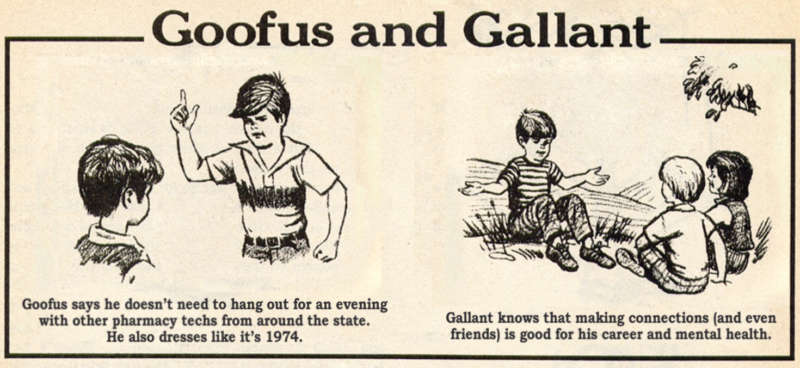
* Just $39 for GPhA members, $49 for non-members!
Flu + RSV + Covid = Hospitals filling with kids
A story about an ad for a trial for a drug

The weight is over
(aka, ranking anti-obesity drugs)
Lawsuit: Psilocybin should be C-II
Coming soon on TikTok

Yet Another Ivermectin Study
The next next Covid treatment
October 22, 2022 ✒ Andrew Kantor
When a kid is afraid of a shot, holding a stuffed animal might help. But if you’re a Japanese engineer, you know what you need to do. You need to make a stuffed robot instead. Of course, that’s just what they did: created a wearable soft robot for adults or kids to use when getting a vaccination. The soft, fur-covered robot the scientists called Reliebo was designed to be attached to the participant’s hand; it contained small airbags that could inflate in response to hand movements. […] holding the robot helped relieve the experience for patients regardless of the experimental conditions used. Pancreatic cancer is nasty, hard to spot, and hard to treat — drugs don’t usually work well, and the heavy doses of radiation required have obvious downsides. Now Duke engineers think they have an alternative. It’s a way to bring the radiation inside the tumor, where lower doses can do the work. It’s a new material made of synthetic amino acids that’s mixed with iodine-231. The trick: It’s a liquid when injected, but turns into a gel inside the tumor, emitting radiation until it dissolves harmlessly. The radiation makes the tumor susceptible to drugs like paclitaxel, which is injected once the little gel-bomb has done its work. And it works: Overall, the tests saw a 100 percent response rate across all models, with the tumors being completely eliminated in three-quarters of the models about 80% of the time. The tests also revealed no immediately obvious side effects beyond what is caused by chemotherapy alone. Before pancreatic cancer starts, there’s often inflammation that triggers a response called acinar ductal metaplasia. It’s supposed to help the pancreas turn acinar cells into protective ductal cells. But that process can also create mutated cells that lead to cancer. University of Florida researchers have found a way to keep those acinar cells from changing in the first place — like keeping your teenage daughter from even visiting that creep Chad who works at the gas station. So far this is just in mice, and there are obvious questions (“But what about those protective cells?”), so say it with me: More research is needed. If you’re in the Atlanta area — DeKalb, Forsyth, North Fulton, Gwinnett, Newton, or Rockdale county — your GPhA region meeting is this coming Thursday! If you haven’t registered yet, there’s still time! It’s at McKendrick’s Steak House (4505 Ashford Dunwoody Road, Atlanta, business casual dress required) on October 27 at 6:30pm. If you miss it, you will forever live with the regret! Click here to register today. [link] Got questions? Reach out to Region 5 president Shirin Zadeh at shirin291@gmail.com or call her at (770) 403-4133. Pfizer will quadruple the price for its Covid vaccines to $110–$130 per shot. Insurers (including Medicare/Medicaid) will probably keep co-pays low; the latter can recoup the cost in premium hikes. … for kids, at least, if the CDC adds it to the Vaccines for Children Program, which means they’d be available free to parents like other childhood vaccines. A committee recommended the addition, but CDC hasn’t made a decision. If and when the public health emergency ends, almost one in 10 people on Medicaid — 8.2 million people — will lose their coverage because they’re no longer eligible and will have to turn to private insurance, according to HHS data. (And an additional 6.8 million will lose coverage despite being eligible because of “bureaucratic obstacles.”) The dozen remaining ‘non-expansion’ states, including Georgia, will see the biggest hit. The emergency, first declared by the Trump administration in January 2020, prohibited states from removing people from Medicaid. This Thanksgiving, the CDC says “It’s safest to cook stuffing in a casserole dish instead of inside your turkey.” Please note that this is a recommendation, not a law. The CDC doesn’t have the power to have you arrested for cooking your stuffing the way you want.Vaccines post-pandemic, the fuzzy comfort robot, pancreatic cancer breakthroughs, and more
A comfort robot

Pancreatic cancer breakthroughs
Apply directly to the tumor
Stopping it before it starts
Atlanta-ish-area pharmacists: Your time is coming
After the pandemic
Vaccines get expensive
Vaccines get free (maybe)
Millions lose health insurance
CDC recommendations
October 21, 2022 ✒ Andrew Kantor
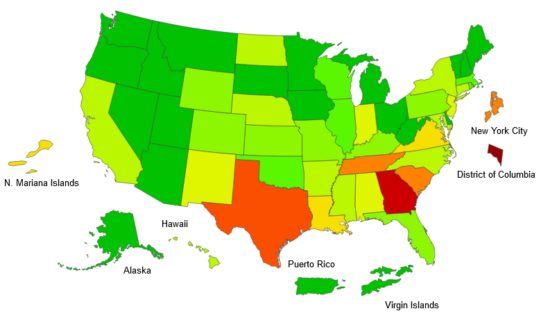
The Georgia DPH reports: “Flu activity is already widespread in Georgia — earlier than we’ve seen in recent years.” Georgia is currently second in the nation for flu cases (behind Washington, DC), rated a 10 on the 13-level scale. They start October 27 with Region 5 (“The Fighting 5th” — DeKalb, Forsyth, North Fulton, Gwinnett, Newton, and Rockdale counties) and run through November 10 (regions 4 and 6). Good news: All registration links are now active! We’ve got final confirmation from the restaurants, so see where yours is and sign up now! Artist’s conception Region meetings are the perfect balance of fun and relaxing — a great dinner with friends and colleagues from your (wait for it…) region. Get out from behind your counter, find your meeting, and register today at GPhA.org/regionmeetings! (There’s also a handy region map on the page.) The bad news: Thanks to new ACPE guidelines, we can’t offer CE credit any more. Then again, we know most of you came for the great meal, and awesome attendees. The FDA has approved Novavax’s Covid-19 vaccine as a booster for people who got Pfizer or Moderna’s mRNA shot, but now want a non-mRNA booster. For reasons. Pharmacy Times would like to remind you to “Be Wary of the Wrong Dosing Unit Being Used in Directions”. The case they highlight is one where the correct dosage — “Inject 1 mL under the skin every 2 weeks” — was dispensed with the directions “Inject 1 mg under the skin every 2 weeks.” Double-checking is good, but taking a moment to write patient-understandable directions might be better. For example, although the doctor wrote “inject 1 mL,” clearer and more instructive directions based on the design of the pen device would have been “inject the contents of 1 pen under the skin every 2 weeks.” All that talk about the Metric system being better because you can convert cc’s to mℓ’s to g’s — that’s great … if you’re working with distilled water at sea level. Your brain gets tired at the end of the day, even if you’re not doing a physically demanding task. Brain work is work, too, and it results in a buildup of glutamate. And, explain a couple of neuroscientists, “[I]n large quantities glutamate alters the performance of a brain region involved in planning and decision making, the lateral prefrontal cortex. Thus at the end of the day, you’re more likely to make mistakes and bad decisions — a typo on patient directions, or a quick stop for gas station sushi. During their shift, air traffic controllers only guide aircraft for up to two hours, followed by a half-hour break. But bus drivers, clinicians and pilots would benefit from regular, compulsory rests too. The Black Death leads to Crohn’s disease. Sort of. An international research team found that the same genes that protected people from the capital-P Plague are a double-edge sword; they’re also “associated with an increased susceptibility to autoimmune diseases such as Crohn’s and rheumatoid arthritis.” The details are more complicated — people with two copies of the protective gene (ERAP2) are the ones who have to worry — but it’s one of those fascinating looks at how history sticks with us. If you know the story, this drawing is particularly creepy. “Breast milk is the gold standard, so lactose-reduced brands are a big deviation if the baby doesn’t need it medically.” First, the usual caveat: Life expectancy data doesn’t really tell you how long you’re likely to live, but it is a decent measure of overall health in an area over time. That’s why the big Covid-19 drop was so important — it showed that nothing since World War II killed so many younger people around the world. New data, though, show that while much of the world rebounded in 2021, the US, Germany, and much of Eastern Europe all saw life expectancy continue to drop. Faring the worst in 2021: Bulgaria. The best: Norway, as always — the only country with a higher life expectancy in 2021 than in 2019. They grow ’em tough Per a Florida Atlantic University report: “Of the 10 richest countries in the world, the U.S. ranks last in vaccination rates and first in both numbers and rates of COVID-19 deaths.”Metric system failure, why the Plague still matters, flu numbers spike, and more
The flu is here
Don’t forget to register for your region meeting!

The sound of crickets
A simple error (and a reminder)
On that note…
The Death that keeps on giving

Something to know about baby formula
US life expectancy isn’t rebounding

Why is this?
October 20, 2022 ✒ Andrew Kantor
“Hamilton” is yesterday’s news. The hot new musical is “The Mold the Changed the World” — the story of Alexander Fleming and the history of antibiotics. Even better: It’s coming to Atlanta November 2–6! Book your tickets today! mRNA is proving to be a Pretty Big Deal with vaccines, but it might also be useful as part of a treatment for Covid-19. Certain enzymes can neutralized the SARS-CoV-2 virus, but they don’t last very long. So Oregon State pharma researchers are using mRNA to create on-site enzyme factories that last for days, not hours. First they program mRNA to make that enzyme that binds to the infamous spike protein. Then they coat those little mRNA factories in lipid nanoparticles. The particles are delivered to the site of the infection, releasing the factories, and the enzyme they produce renders the virus impotent. Repeat until the infection is gone. “Rather than messenger RNA as a vaccine, this shows that mRNA can be used as a universal therapy against different coronaviruses.” Sure, you’re in pharmacy to help people. But not everyone thinks like you do. Have you ever considered drugs … and murder? Agatha Christie sure did! And now you can learn how the world’s most famous mystery writer used drugs to cause (fictional!) murder and mayhem while scoring an hour of CE. GPhA’s Pharmacy Tales from the Crypt, Part III: Agatha Christie: Her use of drugs for murders is a one-hour CE course on Wednesday, October 26 from 7:30–8:30 pm via Zoom. Join us and learn how about her descent into the dark side of pharmaceuticals…. Just a reminder that states, not the feds (and certainly not the CDC), decide which childhood vaccines are required for kids to go to school, as a quick glance at the CDC’s website shows. (Georgia’s list is here.) If you’ve heard otherwise, you need a better news source. An FDA advisory panel recommended that AMAG Pharmaceuticals’ Makena — hydroxyprogesterone caproate, designed to prevent pre-term births — be removed from the market until more trials can be done. Right now, they said, there’s evidence “that the drug doesn’t have clinical benefit.” For some depression treatment to work, the brain needs to be more plastic — able to change quickly and create new connections. The problem is that adult brains are thought to be pretty rigid. (Try changing someone’s mind.) But now German neuroscientists have found that adult brains aren’t as fixed as expected. Using treatments including drugs, talk therapy, and electroconvulsive therapy, they found adults’ brains could be changed in about six weeks (PDF), and depressive symptoms dropped. “We found that treatment for depression changed the infrastructure of the brain, which goes against previous expectations. Treated patients showed a greater number of connections than they had shown before treatment. Knowing the brain is more flexible means they can start looking for targeted treatments for specific networks. As always, of course, more research is needed. The latest potential treatment for long Covid is, oddly, naltrexone — the addiction treatment. Anecdotal evidence implied that it worked to help reduce fatigue and brain fog, and “there are now at least four clinical trials planned to test naltrexone in hundreds of patients with long Covid.” Even if it works, though, it won’t work for everyone, as long Covid’s symptom list is as long as a CVS receipt. And as one researcher put it, “It’s not a panacea. These people weren’t cured, but they were helped.” If you’re 50 or over and get fewer than five hours of sleep a night, you’re doomed. Doomed. British researchers found that not getting enough sleep makes you… And that, obviously, increases your risk of death within 25 years. Worse, it’s bad for the rest of us — “a major challenge for public health, as multimorbidity is associated with high healthcare service use, hospitalisations, and disability.” The headlines: “Hair-straightening products linked with uterine cancer risk”. The reality: Yes, it’s true. They can triple the risk. But before you worry, keep in mind that it means the risk goes from 1.6% to 4.1% — notable, but not necessarily worth a panic. About 200 years ago, a Belgian mathematician invented the idea of the “ideal” weight for an average man. Today we know it as Body Mass Index, and it’s way, way past its usefulness. Read more: “BMI: The Mismeasure of Weight and the Mistreatment of Obesity.”CDC misinfo, the five hours you need, BMI limitations, and more
Fleming!

Testing a universal Covid treatment
Murder most foul


No, there is no ‘CDC mandate’
FDA likely to pull Makena
Your plastic brain
Long Covid treatment tested
The five-hour mark
ICYMI: hair-straightening risk
The Long Read: Why BMI? edition
Do you want to send your members the daily Buzz email newsletter (customized for your state and organization, perhaps)? Let’s talk — just drop me a note at andrew@gphabuzz.com!


- Newsom Picks a Dogfight With Trump and RFK Jr. on Public Health
- Florida Hasn’t Expanded Medicaid. Lawmakers Want To Add Work Requirements Anyway.
- Journalists Explain a Spat Over Sugary Coffee and How Measles Fools Doctors
- This Doctor-Senator Who Backed RFK Jr. Now Faces a Fight for His Job — And His Legacy
- The People — And Research — Lost in the NIH Exodus
- Six Federal Scientists Run Out by Trump Talk About the Work Left Undone
- January 2025
- December 2024
- November 2024
- October 2024
- September 2024
- August 2024
- July 2024
- June 2024
- May 2024
- April 2024
- March 2024
- February 2024
- January 2024
- December 2023
- November 2023
- October 2023
- September 2023
- August 2023
- July 2023
- June 2023
- May 2023
- April 2023
- March 2023
- February 2023
- January 2023
- December 2022
- November 2022
- October 2022
- September 2022
- August 2022
- July 2022
- June 2022
- May 2022
- April 2022
- March 2022
- February 2022
- January 2022
- December 2021
- November 2021
- October 2021
- September 2021
- August 2021
- July 2021
- June 2021
- May 2021
- April 2021
- March 2021
- February 2021
- January 2021
- December 2020
- November 2020
- October 2020
- August 2020
- July 2020
- March 2020
- February 2020
- January 2020
- December 2019
- November 2019
- October 2019
- September 2019
- August 2019
- July 2019
- June 2019
- May 2019
- April 2019
- March 2019
- February 2019
- January 2019
- December 2018
- November 2018
- October 2018
- April 2017
