
October 19, 2022 ✒ Andrew Kantor
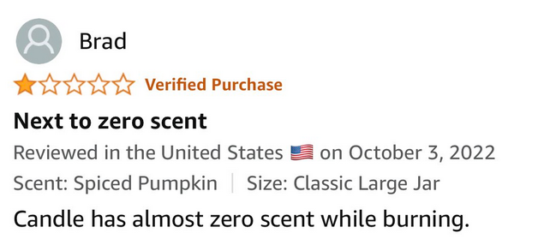
The world: Did Covid-19 escape from the Wuhan Institute of Virology? China: We are not making Covid viruses in our lab — that would be crazy! Boston University: (coughs politely, looks down at shoes) “Boston University researchers’ testing of lab-made version of Covid virus draws government scrutiny” (Despite what you may have heard (sorry, Fox News), they actually made a slightly less deadly version of the virus. Oddly, though, that’s not terribly comforting.) Argh! We missed our annual big thank you to pharmacy technicians! Yesterday was Pharmacy Technician Day, and we missed it! GPhA and GPhA Buzz know the vital role pharmacist technicians play in the treatment of Georgia patients. Thank you to all the pharmacy technicians in Georgia — heck, around the world, too! — but especially the almost 600 who have chosen to be GPhA members. Happy (belated) Pharmacy Technician Day to you all! (And yes, it’s part of National Pharmacy Week, so even if you’re not a technician, get yourself an extra treat before Saturday!) If you’re still paying off student loans, you can now apply for forgiveness for up to $20,000* in debt relief, “No Login or Documents Required.” The big caveat for pharmacy grads is that your income must be less than $125,000 a year for individuals. And it only applies to loans taken out before July 1, 2022. (Crime writers take note: Widows or widowers can earn up to $250,000 and still be eligible.) You have till the end of 2023 to apply. More info and the five-minute form are at studentaid.gov. As states cut back on Covid tracking and reporting, it’ll be harder to know how bad the fall/winter surge is. The best way to track, now, is wastewater surveillance — plus reading Yankee Candle reviews and tracking Google ‘symptom searches’ for people who lose their sense of smell or taste. Out with BA.5 and in with the BQ.1 and BQ.1.1 variants — which may be less susceptible to current treatments. Yay! Those shifty Danes have found that, at least when it comes to Omicron, people who had received a booster vaccine had “fewer post-acute symptoms and new-onset health problems, four months after infection, compared to two doses of COVID-19 vaccine.” The latest survey data show that more than 1.3 million American adults with diabetes had to ration their insulin because they couldn’t afford it. As we all know, people with type 1 diabetes simply can’t produce enough insulin — lifestyle changes (e.g., eatin’ right) can’t help; they need it to survive, and pharma companies continue to raise the price of the century-old drug. More than 1 in 10 seniors had to ration it, and 1 in 5 younger adults. (Those seniors will see their price capped at $35 per month starting in 2023. Not so much everyone else.) The other day we told you about the latest Halloween-season scare, courtesy of the DEA: rainbow fentanyl that’s supposedly targeting kids. (Spoiler: It’s not.) The good folks at Northeastern dove deeper into the nonsense claims, and even point out that there’s a benefit to colored pills: Colorful fentanyl tablets, however, are clearly marked and distinguishable from other products like oxycontin. […] “The rainbow fentanyl could be actually a positive signal that this is a fake counterfeit material.” So why would the DEA stoke unnecessary fear? As one researcher put it, “‘[I]t’s in [the DEA’s] interest to create these kinds of panics’ to stay funded. ‘I think they do it for clout’.” When it comes to smoking while pregnant, the female body has a way to try to shut that whole thing down. Even cooler, it can happen before she knows she’s pregnant. A study out of Northwestern found that “pregnancy could curb smokers’ desire to smoke before they are even aware of having conceived.” Their current hypothesis: Higher levels of the hCG hormone produced by the placenta in early pregnancy (the same hormone that can cause morning sickness) reduce the cravings. “Strikingly, we observed the steepest declines in smoking precisely when hCG levels typically peak— between five and 10 weeks of pregnancy.” Even one cigarette is bad for women. The amount of nicotine in a single cigarette can noticeably block estrogen production in the brain. That’s bad enough (say Swedish researchers), but making it worse it that when estrogen is blocked it can be even harder to quit. Monkeypox can infect the eye; the CDC has documented at least five cases.Surprise pregnancy signal, Boston U’s facepalm, monkeypox goes WHERE? and more
Are you kidding me?
We ❤️ technicians!
Ask for forgiveness
* $20K for Pell Grants, $10K for other loans
Covid notes
How to track it now
New variants a-rising
Booster shots cut long Covid
Insulin affordability woes
More about the rainbow fentanyl silliness
Unexpected pregnancy signal
But wait, there’s more
Eeeeeeeeeeew
October 18, 2022 ✒ Andrew Kantor
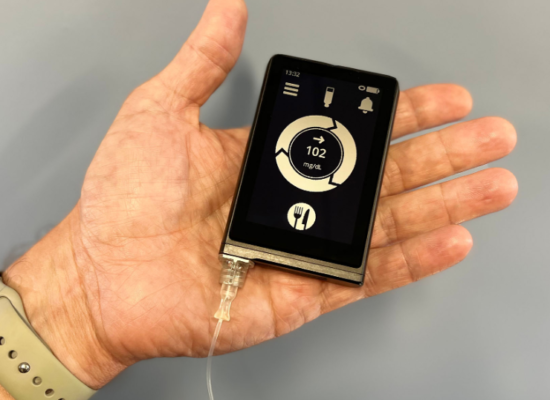
“What happened to monkeypox?” asks the New York Times. Cases are dropping like rocks that are tied to other rocks. You can read the 900-word article, or just know that it seems to be thanks to a few basic factors: Vaccines, less casual sex (in part because of the end of Pride Week festivities), and the virus simply burning itself out. After all, transmission wasn’t as easy as with Covid. People have been building their own artificial pancreases for years (see Buzz from April 2019), using off-the-shelf components, smart phones, and parts from insulin delivery devices. But now a device out of Boston University — the iLet wearable automated insulin delivery device — is backed by a company that’s looking to take it to market with FDA approval and everything. And it looks a lot slicker than the ones hackers make for themsleves. [T]hose using the bionic pancreas spent, on average, an additional 2.6 hours a day with their glucose levels in the target range of 70 to 180 milligrams per deciliter [compared to “standard care”]. The iLet has been human tested, and it’s awaiting FDA clearance. Can we predict our flu season based on Australia’s? That’s been the conventional wisdom for years, but UGA professor John Drake says ‘Maybe not.’ He tackles two questions. First, whether this upcoming flu season in particular is going to be bad. The data from Down Under, he says, isn’t conclusive. The high numbers from this past season of theirs, he says, could simply be from more testing; the positivity rate isn’t any worse than other years. And as a predictor in general? That’s easy to figure: Just look at annual data for them and for us. The result shows “there’s no evidence here that Australia is a leading indicator for flu in the US.” Our flu season might be mild, might be awful, but we can’t rely on Aussie data to tell us. Yesterday, hearing aids were officially approved for over-the counter sales. Tomorrow, thousands of GenXers and Millennials will be on the phone with their parents explaining how to calibrate the things. New weight loss drugs like Wegovy work darned well, but there’s a big trade-off: price. Because they have to be taken for years, and because drug makers have set the price so high ($13,618 per year for Wegovy), they may not make sense — especially compared to once-and-done surgery. Read “New Generation of Weight Loss Medications Offer Promise — But at a Price” from KHN. The reputation of the pharmaceutical industry was sky-high in 2021 thanks to the combo of Covid vaccines and treatments. But that was then. Now, according to people who track industry reputation, the luster is gone, Many people are experiencing “Pharma burnout … exhausted by the prominent role pharma has played in their lives for the past two years.” And instead of capitalizing on its “halo,” pharma companies showed that their spots hadn’t changed, and corporate greed was still the name of the game — “people are ‘tired of untrustworthy companies perpetuating pre-pandemic modes of operation’.” “Having symptoms of COVID-19 has been associated with worse mental health and lower life satisfaction.” The other day we told you how researchers found a way to replace bad memories with good ones using lasers. Now British researchers think they can ‘weaken traumatic and intrusive memories’ using sound played while you sleep. [T]he results of our study raise the possibility that we can both increase and decrease the ability to recall specific memories by playing sound cues when an individual is asleep.Iffy flu predictions, pharma’s rep takes a it, playing away memories, and more
The ‘pandemic’ that fizzled
Bionic pancreas goes mainstream (soon)
Unpredictable flu
ICYMI: Hearing aids went OTC
The Long Read: The Cost of Weight Loss edition
Pharma loses its street cred
Captain Obvious thinks it’s probably true of a broken leg, too
Weird Science: Memory Manipulation (take 2)
October 15, 2022 ✒ Andrew Kantor
Georgia is one of 12 states that still taxes feminine hygiene products — that is, it actually has a separate tax beyond sales tax. Really. Now CVS has announced that it will pay this “tampon tax” in those states. The chain also said it was lowering the price of all store-brand period products, as there are only 23 states that exempt them from sales tax. And then there’s Texas, where menstrual products are taxed as “wound care dressings” … but Band-Aids are not. The most famous product to come out of Georgia is Coca-Cola — you’ve probably heard of it. And you probably know it was invented by a pharmacist, John Pemberton. Did you know he sold it to another pharmacist, Asa Chandler, because Pemberton’s morphine addiction was bankrupting him? How about this: GPhA is offering an hour of CE on the history of Coca-Cola as part of our October “Pharmacy Tales from the Crypt” series! It’s next Wednesday, October 19, from 7:30 – 8:30 pm. Yep, you can get 1 hour of credit, at home, with our live webinar about pharmacist Asa Chandler and the early days of the Coke empire. Click here for more info and to sign up! Street drugs are like the chef’s special stew you get in a dodgy restaurant — you just never know exactly what’ll be in them. The latest: diphenhydramine. Apparently it’s in something like 15 percent of drugs that caused overdose deaths. Why? Dealers add it to prevent the itchy skin that opioid use can trigger. Isn’t that nice of them? Problem: Antihistamines make it harder for naloxone to work, increasing the chance of death. Either getting Covid itself or a vaccination might present problems for a certain segment of the population. Apparently either can cause dermal fillers to swell up. It’s not a huge problem (outside of Instagram, at least) — we’re talking just 19 reports in the medical literature, but obviously not everyone reports it. In fact, it’s not clear that it is a vaccine reaction — the timing just suggests it. What can be done? Oral corticosteroids for most, but some will need to have the filler dissolved. May I have your attention‽ Once again, GPhA is partnering with the South Carolina Pharmacy Association to host the Southeastern Women of Pharmacy* Leadership Conference — its 20th year! That means you get the membership rate (if you register for the full conference). Woo-hoo! It’s January 13–15, 2023 at the Omni Grove Park Inn in Asheville, NC. Click here for more info, including answers to important questions like “Who can attend?” (anyone, including students) and “I have booked a spa appointment time that conflicts with a CE course. What do I do?” (really). Important: Register as a non-member of SCPhA, then use the discount code “GAMEMBER” before checkout. Also important, per SCPhA: “We strongly recommend guests make their spa treatment reservations at the time they make their room reservation, to ensure the best selection and times.” Early-bird registration rates and hotel block are open from now until November 28. A few days ago we told you how a study found that colonoscopies may not be all they’re cracked up to be when it comes to preventing colon-cancer deaths. But, if you read more into the story than we did (and we’re embarrassed about this), you saw that there was a serious flaw: It turns out that more than half of the research participants who were ‘invited’ to get a colonoscopy never showed up for the procedure. And, as one gastroenterologist pointed out, “A colonoscopy will only work if a patient gets one.” The real takeaway is that among people who actually did get a screening colonoscopy “the risk of developing colon cancer decreased by about 31%.” And that’s a number worth the discomfort. About 16% of Georgians who survived Covid-19 also experienced long Covid. The state ranks 13th in that regard per CDC’s data, with Vermont at the lowest rate (8.1%) and West Virginia at the highest (25.2%). The national average is about 14.2%. If the last time you tasted a rat it wasn’t as sweet as you expected, this Neuroscience News headline might explain why: “High-Sugar Diet Decreases Ability to Sense Sweetness in Rats.” Coke-history CE course, why rats aren’t sweet, Covid vs face-fillers, and more
CVS fights tampon tax
Get an hour of CE credit by learning the history of Coke!

The new street drug problem
Covid overfilling

Women of pharmacy — assemble!
* Formerly the Southeastern Girls of Pharmacy Leadership Weekend
Colonoscopy correction
Fast long-Covid fact
Grammar matters
October 14, 2022 ✒ Andrew Kantor
If you think a lot of your paperwork is a waste of time, you’re right — and you’re not alone. A new study in Health Affairs found that administravia “accounts for 15 to 30 percent of healthcare spending in the U.S.” Fine, fine, that’s just the price of a complex system. But the fun (not fun) part: “half of that ’does not contribute to health outcomes in any discernible way’.” Specifically, $285 – $570 billion-with-a-b is just flushed down the metaphorical toilet. Well, obviously someone is getting that money (looking at you, PBMs), but it’s not helping anyone get healthier and we’re all paying for it. The dates and locations for GPhA’s fall region meetings are set — so if you haven’t registered for yours yet, get cracking! They’ll be fun and relaxing dinners with friends and colleagues from your area, and a chance to (re)connect with other pharmacists, techs, and even students. So get out from behind your counter, find your meeting, and register today at GPhA.org/regionmeetings! (What’s your region? Click here to find out.) The bad news: Thanks to new ACPE guidelines, we can’t offer CE credit any more. Then again, we know most of you came for the great meal, awesome attendees, and a chance to get a quick update on what GPhA is up to. Pfizer reports that it’s bivalent, Omicron-targeted booster does, in fact, work; it “generated a strong immune response and was well-tolerated in testing on humans.” If you’re thinking “Haven’t we been giving that booster since early September?” you’re correct. But now we’re sure it works and it’s safe! Yes, it could. The closer they get to a dementia diagnosis, the more medications a patient is likely to be taking. And we’re not talking about drugs that hint at the upcoming problem. The most common treatments are for “respiratory or urinary infections, arthropathies and rheumatism, and cardio-vascular disease,” although a notable number also take antidepressants. They found that in the 20 years leading up to them being diagnosed, the proportion of patients taking three or more medications rose from 5.5% (for the period 16 to 20 years prior to diagnosis) to 82.16% among those less than five years from a diagnosis. Paxlovid is now the gold standard for preventing Covid infection from becoming Covid hospitalization, but a new caveat has emerged: Common heart medications may interact with it. That doesn’t necessarily mean there’s a danger, say the cardio-oncologists at Lahey Hospital and Medical Center in Massachusetts who conducted the study. Rather, health providers need to be aware of the possibilities. For example, antiarrhythmic agents should be discontinued during Paxlovid use, while patients taking clopidogrel should be switched to prasugrel if possible to avoid blood clots — to cite two examples. “Awareness of the presence of drug-drug interactions of Paxlovid with common cardiovascular drugs is key.” Antibiotics given to critically ill patients may do more harm than good. Some of them — the ones that kill anaerobic bacteria — can mess with the good ol’ gut biome and end up making their conditions worse. The gist is that killing those anaerobic bacteria allows other, pathogenic bacteria to flourish. University of Michigan medical researchers even likened killing the biome to “causing a hidden form of organ failure.” ICUs and ERs often measure ‘time-to-antibiotics,’ but the UMich folks think “which antibiotic is given probably matters more than how quickly they are administered.” Targeted antibiotics are all the rage — both finding/creating new drugs and finding ways to deliver them to the site of an infection, instead of systemically. The latest comes from Brigham and Women’s Hospital, where engineers have combined existing bone cements with a new antibiotic (“VCD-077”) targeted at bone infections. If it works on humans, it could be used to treat infections after, say, hip or knee replacement. The benefit: lower doses of the drug, which would cut side effects and reduce the chance of creating resistant bacteria. By developing “a fully edible sensor showing if frozen food has previously thawed.” [R]esearchers […] have designed a food-grade device from edible materials, including table salt, red cabbage and beeswax, that lets you know. Or, you know, they could simply put an ice cube in the package. The new FDA rules for labeling a product as “healthy” means a bunch of breakfast cereals can no longer use the label because they add too much sugar. Per the FDA, these are off the healthy list: *You can have my Frosted Flakes when you pry them from my cold, dead fingers.Special K ain’t so special, more meds can mean dementia, when antibiotics attack, and more
We’re gonna need that TPS form
Don’t forget your region meeting!
Well that’s good news
Could polypharmacy be a dementia warning?
Paxlovid and heart meds
Friendly fire from ICU antibiotics
Speaking of antibiotics …
How do chemists waste their time?
Your Life isn’t healthy (and neither are your corn flakes)
October 13, 2022 ✒ Andrew Kantor
Researchers at the University of Arizona found surprising effects of two diabetes drugs — one good, one bad. The good news is getting the attention: Thiazolidinediones (e.g., pioglitazone, rosiglitazone) seem to protect people from getting dementia — a 22 percent reduction, in fact, based on the health records of 560,000 people. The flip side: Sulfonylureas (e.g., glimepiride and a bunch of other gli– drugs) seem to increase the risk of dementia — by 12 percent. In both cases, the numbers were comparing monotherapy with those drugs with plain ol’ metformin. Why is this the case? Don’t know … yet. What about newer drugs, like GLP-1 and SGLT2 inhibitors? They weren’t tested. And the big one: Can these drugs be used in the general population? Hard to say, because people with type 2 diabetes are the only ones who are given these drugs, and they haven’t teased out the cause and effect. Are you ready for 2022’s biggest event for Georgia pharmacy technicians? One low price* gets you breakfast, lunch, 4 hours of CE, a professional headshot, and the networking event at Iron Hill Brewery! So mark your calendar for November 12 — a day of socializing, networking, and learning — developed by pharmacy techs for pharmacy techs. Click here or visit GPhA.org/techu for the details! Harvard researchers (in 2021): “[A]ntibody levels are higher when people receive the SARS-CoV-2 vaccine in the afternoon versus the morning.” That’s based on an observational study. Hokkaido University researchers (in 2022): “[A]ntibody response to the Moderna Covid-19 mRNA vaccine does not vary depending on the time of day when the dose was received.” That’s based on a study study. Takeaway: None whatsoever. Conflicting results between studies could be explained by various factors, including differences in sex, age, physical activity, and natural immune system, the type of vaccine received, number of days after vaccination, and differences in vaccine dose. Bivalent Covid boosters — aka, Omicron boosters — are now FDA-authorized and CDC approved for children down to 5 years old. This includes both Pfizer and Moderna shots. Of note: This means Pfizer’s monovalent vaccine “will no longer be allowed for administration as a booster dose for children between 5 and 11 years.” When a problem is found in a batch of drugs — let’s say “unknown debris” and let’s say it was at an Eli Lilly plant in New Jersey — the questionable batch is supposed to be 1) checked by quality control, 2) shipped to customers or discarded, and 3) documented. Apparently someone was doing 2 before 1, and sometimes ignoring 3 altogether. And the FDA is not thrilled, although it hasn’t announced any enforcement actions yet (nor said what happened to those potentially bad batches, which included Cyramza, Emgality, Erbitux, and Trulicity. The company would only say that it has “rigorous quality systems in place to ensure compliance with stringent regulatory requirements.” Perhaps not rigorous enough. Yet another study — this one particularly large — found that long Covid has serious effects on 5 percent of people after recovering from, er, ‘main’ Covid. More notably, 42 percent of Covid sufferers are still not recovered after 18 months, according to the Scottish research, which included almost 100,000 patients. At most risk: women, older people, “those who live in economically disadvantaged communities,” and people already suffering from respiratory or mental health issues. At least risk: asymptomatic people and those who were vaccinated. Ever antibiotic-resistant MRSA can’t stand up to the power of AHA-1394, a new compound (a synthetic polyamine) that “seems to destroy Staphylococcus aureus…” …including some [strains] that are known to be resistant to vancomycin — the final drug of choice given to patients fighting an MRSA infection. The compound was completely successful against all strains, resulting in no further bacterial growth. Even better (say the Brits who discovered it), AHA-1394 also makes the bacteria vulnerable to older antibiotics, requires a very low dose, and doesn’t seem to be toxic to humans. Boston University researchers have an … interesting idea for treating treatment-resistant depression and PTSD: They want to rewrite bad memories, replacing them with good ones. They’ve found where the brain stores positive and negative memories, and they found that the two emotions are physically distinct — they’re stored in different places, and they even have different “molecular machinery.” Using lasers (really) they can activate positive memories, and doing so “permanently rewrote a negative experience, dialing the emotional intensity of the bad memory down.” (Neutral memories also work, but if you’re gonna do some rewriting, might as well use the good stuff.) The actual techniques that work on mice (lasers on an exposed brain) won’t work for humans, but they’re exploring other ways — as simple as talk therapy, possibly augmented with microdoses of MDMA. Or maybe bring out the fancy machines: [I]t could eventually be possible to stimulate large swaths of the hippocampus with tools like transcranial magnetic stimulation or deep brain stimulation. Rewriting memories could be a powerful tool. Who knows? You might someday be able to replace your sad memory of Nelson Mandela dying in prison with a memory of your parents reading to you from the Berenstein Bears*. Feds scold Lilly, vaccines work day and night, rewriting memories, and more
Diabetes drugs and dementia
Technicians (and those who love them) — listen up!
* Just $35 for GPhA members, $45 for non-members — but early bird registration ends after Wednesday, October 19.
Vaccines: Does time of day matter?
Boosters approved for the little ones
“I would say they do not take quality seriously”
More details of long Covid
MRSA killer
Weird science: Rewriting bad memories
* “I’ll take Obscure References for $400, Alex.”
October 12, 2022 ✒ Andrew Kantor
Hopes for a nasal Covid vaccine were set back as Oxford/AstraZeneca has reported that its candidate failed in its first trial. The underwhelming results have led scientists to abandon plans to develop the spray in its current form, with hopes now resting on different formulations of the vaccine and more complex delivery devices, such as nebulisers that can deliver medicines deep into the lungs. Although he now lives in Texas, we’ll forgive him that little transgression, as Jim has a huge list of accomplishments that make him a more than worthy recipient. Not only was he GPhA’s president, he owned several independent pharmacies in Georgia over more than two decades; served as a member of the Georgia General Assembly; and was president, chairman of the board, and executive vice president of NCPA. Jim remains licensed in Georgia, and he owns four independent pharmacies in the Austin area. The DEA is warning that drug dealers are targeting kids with “rainbow fentanyl” — pills in various colors designed, they claim, to attract kids. And, you know, Halloween is coming. But drug experts say no, no they aren’t. Dealers, like anyone selling a product, do marketing. No one is targeting kids. (Seriously, how would giving a 10-year-old fentanyl drive up business?) [T]raffickers have long used bright colors in their products for reasons that have nothing to do with children. […] dealers use colors, stamps and other markers “to distinguish their product from other products on the street.” Your call: Same old, same old? Or something new and better? GPhA’s CPE advisory committee needs to hear from you! They want to schedule the CPE you’re looking for, but you have to tell them what that is. And the clock is ticking. You can influence GPhA’s education for 2023 — but only if you respond quickly to the GPhA CPE survey! We’re counting on you to help us help you. Take a few minutes to tell us the topics vital to your practice. But hurry: The survey closes October 21! “Video games may trigger lethal heart rhythm problems in children.” according to a report published in Heart Rhythm. How big is the problem? After reviewing literature from around the world and conducting “a multisite international outreach effort,” the researchers found … 22 cases. They provided a helpful image of a potential victim: But seriously, folks, if a kid has a heart issue, be aware. “Children who suddenly lose consciousness while electronic gaming should be assessed by a heart specialist as this could be the first sign of a serious heart problem.” (The biggest problem, they say, is war games, which they called “a potent arrhythmic trigger.”) The origin of the SARS-CoV-2 virus has finally been established … at least for now. An international task force, with members from the US, Africa, Asia, and Europe has published a detailed, peer-reviewed analysis that concluded, “SARS-CoV-2 likely spread naturally in a zoonotic jump from an animal to humans—without help from a lab.” The PNAS [Proceedings of the National Academy of Sciences] authors say their literature search revealed “considerable scientific peer-reviewed evidence” that SARS-CoV-2 moved from bats to other wildlife, then to people in the wildlife trade, finally causing an outbreak at the Huanan Seafood Market in Wuhan. In contrast, they say, relatively few peer-reviewed studies back the lab-leak idea. In fact, most of the argument for a lab leak, they said, “has been advanced through opinion pieces” and “relatively few peer-reviewed studies back the lab-leak idea.” But they acknowledge that even their detailed report can’t be definitive — it’s just by far the most likely. Covid is bad, agrees The Atlantic (“World’s Most Depressing Magazine™”), and long Covid is also bad. But you know what we aren’t worried enough about? Medium Covid. For the majority of vaccinated people, however, the worst complications will not surface in the early phase of disease […] Rather, they emerge during the middle phase of post-infection, a stretch that lasts for about 12 weeks after you get sick. This period of time is so menacing, in fact, that it really ought to have its own, familiar name: medium Covid. Congress created Medicare Advantage to bring the private sector into Medicare. Private industry, after all, must be better than the government at running programs like that. So what do you think happened? A) Giant private insurers like UnitedHealth, Humana, and CVS brought cost savings and efficiencies to the market as only private corporations can do. B) The private companies defrauded Medicare (and thus taxpayers) for billions, and are now settling one Federal lawsuit after another. Each of the strategies — which were described by the Justice Department in lawsuits against the companies — led to diagnoses of serious diseases that might have never existed. But the diagnoses had a lucrative side effect: They let the insurers collect more money from the federal government’s Medicare Advantage program. Apparently, infection with Covid’s delta variant was causing a spike in maternal deaths and stillbirths due to a combination of preeclampsia and plancental ‘hardening.’ Chalk that up to Yet Another Covid Effect, but here’s the weird part: Once Omicron took over as the dominant strain, those problems dropped to close to pre-pandemic levels. Health experts still don’t know why (“Further studies are needed”), but it’s another example of just how weird this virus is. The CDC is monitoring a significant rise in the number of kids with acute respiratory illnesses caused by rhinoviruses and enteroviruses. Enterovirus outbreaks aren’t news; they happen every couple of years. But starting in August, the number of cases has gone much higher than usual, thanks to enterovirus D68 (EV-D68*). In August 2022, clinicians in several geographic areas notified CDC of an increase in hospitalizations of pediatric patients with severe respiratory illness and positive rhinovirus/enterovirus (RV/EV) test results. The biggest danger is that some of these cases can lead to acute flaccid myelitis (AFM), so the CDC is advising medical folks to test for EV-D68 if a kid has breathing issues, and if it gets to the point of limb weakness, they should consider AFM as a possible cause. Oh, and because this is 1952 in some parts of the country (looking at you, New York), the CDC also suggests testing for poliovirus. Not be be confused with the Star Wars droid EV-D68 “Microbes that cause cavities can form superorganisms able to ‘crawl’ and spread on teeth” — UPenn “Politics are keeping Americans up at night: Nearly 60% of adults struggle to fall asleep due to political worries” — American Academy of Sleep MedicineHalloween fentanyl scare, scamming Medicare, nasal vax failure, and more
The nose won’t know
Congrats to Jim Martin!
 A huge GPhA Buzz congratulations to GPhA Past President (1989–1990) Jim Martin, who was honored with the Calvin J. Anthony Lifetime Achievement Award from NCPA.
What to worry about: “Rainbow fentanyl”?
What CE do you want to see?


What to worry about: War games (the video kind)

Covid origins settled?
What to worry about: Being stuck in the middle
Medicare at a disadvantage
Two medical oddities
Delta blues, but Omicron’s OK
Kids are having breathing trouble

Hang this story up by your toothpaste section
… and just put a newspaper by the sleep aids
October 11, 2022 ✒ Andrew Kantor
The FDA has just approved a whooping cough vaccine. What’s so special about that? It’s meant to be given to pregnant mothers to protect their kids — “the first vaccine approved specifically for use during pregnancy to prevent a disease in young infants whose mothers are vaccinated during pregnancy.” The only reliable ways to treat sleep apnea are with a CPAP machine or hit-or-miss surgery. In Australia, getting a good night sleep is critical, and can make the difference between avoiding a drop-bear* attack or ending up in hospital. Thus Flinders University researchers are excited to have found a (possible) pharmaceutical treatment: reboxetine. First they tried a reboxetine/oxybutynin combo, but soon figured that reboxetine alone did the trick. And that trick: stabilizing breathing, reducing the number of sleep apnea events per hour, and improving oxygen levels. It’s not a cure, but it’s another potential treatment — and it offers a chance for more research into how norepinephrine reuptake inhibitors might work in the upper airway. Check this out: Facing a lot of insurance-company claim denials, UNC Medical Center created a program it calls a “full-fledged pharmacy revenue integrity team.” At first, the team’s job was to speed up prior authorizations so critical treatment could begin ASAP. But “From there, the work spiraled upward,” with pharmacists and pharmacy techs added to the team with the goal of reversing insurance company denials. And it worked. The six-member team was able to cut denials and terminal write-offs drastically. How much is “drastically”? How about $6.4 million in one year for a single medical center? “If you look at the full-time employees we have, even just for denials, it more than pays for this team. That $6.4 million is hard revenue. You would not have gotten it if this team had not been involved.” If you get sick, you probably don’t want to be treated by Florida’s surgeon general. Joseph Ladapo released “guidance” (“a pdf of a word document”) saying men aged 18 to 39 should not receive Covid-19 vaccines — going against, you know, the entire world of medicine. Because Florida apparently has some secret information. What’s that secret information? I kid you not: It’s an unauthored, unlabeled, unreviewed, unpublished “analysis” so deeply flawed as to cross the line into parody (and that would probably get a D in a high school statistics class). As one epidemiologist points out in a deep dive into the flaws, the study doesn’t even use accurate math — it ‘resurrects’ people for one comparison, making it useless. [I]f someone dies within 28 days of any dose, that’s counted as a death in the post-vaccine period, and compared with the subsequent period after. Of course, since the people have died in the 1st 28 days can’t really die again, this comparison is also quite skewed! Another doctor with actual qualifications also debunked the ‘analysis’, pointing out, among other issues, the fast and loose use of ICD-10 codes, i.e., “lumping a hodge podge of unverified cardiac diagnoses together.” As Forbes’s Bruce Lee point out, “Anyone can post something on a web site and call it an ‘analysis’ just like anyone can upload a video of themselves interviewing their cats on to YouTube and call themselves a talk show host.” One of the two main drugs authorized for treating mild to moderate Covid-19 (to keep it from becoming severe Covid-19) apparently doesn’t work. Merck’s molnupiravir was approved by the FDA (under an EUA) based on early data. But the later, more thorough studies have found that’s it’s no better than placebo. Actually, so did Merck’s first study — they just didn’t realize it at the time. The trial was stopped early because the people getting molnupiravir did so well … But when data from the remaining half of patients in the trial was published a month later, it told a different story. The second group had done far worse than the first. In fact, the data suggested molnupiravir did not improve their outcomes. (Pfizer’s Paxlovid, on the other hand, continues to work a treat. The occasional “rebound” infections seem to be in people with robust but over-enthusiastic immune systems.) Diabetic foot ulcers are double-plus ungood — you know this. And you probably know that treatment often isn’t simple. Engineers at Queen’s University Belfast, though, have a nifty breakthrough. It’s a 3D printed bandage (a scaffold) that not only protects the foot, but delivers drugs antibiotics at the same time. Even better, it includes a ‘window’ that lets doctors monitor the healing without removing the bandage, plus that window does double duty by delivering a cell-growth factor to help. A surprise in the world of colon cancer screen: A new study out of Norway found that colonoscopies — the best way to detect colon cancer early — aren’t all they’re cracked up to be. Not that one isn’t a good tool, but rather “that colonoscopy only cut colon cancer risk by roughly a fifth, far below past estimates of the test’s efficacy, and didn’t provide any significant reduction in colon cancer mortality.” As one study author put it: “It’s not the magic bullet we thought it was. I think we may have oversold colonoscopy. If you look at what the gastroenterology societies say […] we talked about 70, 80, or even 90% reduction in colon cancer if everyone went for colonoscopy. That’s not what these data show.” If their results hold up, it means that a colonoscopy might reduce the risk of colorectal cancer by 20 to 30%. That sounds great, but it puts the rather invasive procedure in line with other tests — the kind that can be taken at home. Surprise antiviral failure, surprise colonoscopy failure, surprise Florida failure, and more
First-of-its-kind pertussis vax
A drug for sleep apnea
* Or spider, or kangaroo, or jellyfish, or gympie-gympie…
Pharmacists more than worth their weight
Medicine down south
Covid antiviral fails in larger study
Better than a bandage
Colonoscopy loses some luster
October 08, 2022 ✒ Andrew Kantor
Just a couple of months after the FDA approved the sale of over-the-counter hearing aids, the Big Pharmacy Chains have announced plans to sell them. Both Walgreens and WalMart said sales will begin in mid-October, while CVS said it already has some devices available and will be offering more. (Walgreens entry is the $800 Lexie Lumen hearing aids, while WalMart will offer devices starting, it said, around $200.) Side note: The GPhA Buzz research team still doesn’t have a clear answer as to how these are different than products that have been available on Amazon for years. Georgia congressman and pharmacist Buddy Carter announced the release of a new report that details the role PBMs play in the highest-in-the-world prices Americans pay for prescription drugs. The 18-page “Pulling Back the Curtains on PBMs” (note: only available as an electronic magazine) includes details about the cost of medications, PBMs’ role, and plenty of patient testimonials from across the country. Carter, who has spoken out repeatedly against limiting what Medicare can pay for drugs or allowing it to negotiate drug prices, says that’s because drug manufacturers aren’t the big issue — PBMs, he says, are the problem: “I’m a pharmacist, I’ve seen this firsthand. Congress can attack the drug manufacturers all they want, but here’s the truth: until PBMs are reined in, nothing is going to change.” “Pharmacy Benefit Managers,” he said, “are the pharmaceutical supply chain’s hidden middlemen that are driving up costs for prescription medications, delaying access to necessary treatments, and robbing hope from patients.” Students’ nightmare shows no signs of easing, as the nationwide Adderall shortage continues. Two more suppliers (Camber Pharmaceuticals and Sun Pharma) reporting trouble sourcing the drug, joining Amneal, Lannett, Par, Rhodes, Sandoz, and Teva. What’s up? “Surging demand” plus other hiccups. And because Adderall is a C-II drug, “companies have limits on how much they can manufacture, leading to ripple effects when shortages happen.” Remember when pharmaceutical companies were all pledging not to raise their prices very much — under 10% a year? Hahahahaha! Sure, inflation is up now, so it makes sense if they want to compensate for rising costs, but…. We won’t call it ’price gouging,’ but the latest HHS report finds that pharma companies jacked up prices in 2021 on more than 1,200 meds an average of 31.6%. Sadly for them, that run is over. Starting a week ago, Medicare Part D, at least, won’t pay for price hikes beyond the rate of inflation. Looks like some CEOs will have to wait a bit before buying another yacht. Cutting through the clutter, the latest research says that an mRNA booster — i.e., the first booster shot — offers solid protection from severe illness (around 94%) for four or five months, before it drops to about 66%. And that’s even true during the “omicron-dominant period,” although it was a bit lower (89%). A fourth dose, the CDC-led researchers said, “improved vaccine effectiveness among those recommended for an additional booster,” but they didn’t provide numbers. Right now, fewer than half of eligible people have received even one mRNA vaccine booster dose, according to data from the Commonwealth Fund. What if a lot more people got boosters, especially with a fall/winter surge likely? They crunched the numbers based on two scenarios: 1) using the percentage of people who got flu shots last year*, and 2) imagining 80% of eligible people got boosters. I mentioned Medicaid savings because Georgia pays at least some of that — Medicare savings is a lot more. (Private insurance payers could save $27–35 billion. But don’t worry, they’ll just pass the extra costs down to you.) Did you know there are five classes of medication that apparently can change the texture of your hair? Now you do. They are (in order of occurrence) antineoplastic agents, antiepileptics, retinoids, immunomodulators, and antiretroviral therapy. This comes courtesy of UC Irvine researchers who looked at data from 2,600 patients reported in 31 papers. The most common texture changes were further curling of curly hair; kinking, waving and other texture changes; and curling of straight hair. Changes from antiepileptics and immunomodulators were reversible, but “irreversible changes were associated with antiretrovirals, retinoids, and antineoplastics.” Granted, it’s a pretty small study (only one patients on antiretrovirals reported a hair change), and they didn’t consider ethnicity, but it makes for one of those “Future grad students will have something to delve into” reports. Scientists at CalTech were able to photograph electrical impulses travelling through nerve cells. Fun fact: We can (now) photograph signals in nerve cells, but we still don’t know why rubbing a balloon on your hair gives it a static charge.Meds that curl your hair, Adderall shortage gets worse, Carter throws shade at PBMs, and more
Big chains roll out hearing aids
Carter announces damning report on PBMs
Put those energy drinks on the end caps
They have a very nice bridge to sell you
Covid morsels
Four or five months’ protection
A few more boosters, a lot more lives
* About 51%–68%, depending on age group
Hair of the … meds?
Medical science wow story
 q
q
October 07, 2022 ✒ Andrew Kantor
Just more than half of Americans — 51% — say they won’t get a flu shot this year. The biggest reasons? They think it won’t work, of they’re afraid of brief soreness, swelling, or headache. But almost 70 % say they know it’s the best way to prevent the flu. About 28,000 Americans died from the flu in the 2018–19 flu season (the last before Covid), and 380,000 were hospitalized. GPhA continues our fun and creepy October CE courses next week — Wednesday, October 12 from 7:30 – 8:30 pm — so there’s still time to sign up! In 1842, UGA grad (and Georgia native) Crawford Long became the first physician to cut into a patient under anesthesia. Good news for the patient, but bad news for a lot of Civil War soldiers: Long didn’t publish his findings. Learn the details of his life and his battle for recognition … and get an hour of CE, too. This live Zoom webinar is just $15.99 for GPhA members; $19.99 for nonmembers. A bargain at twice the price! Today’s “game-changer” is … gefapixant, a P2X3 receptor antagonist; it could be the first drug in 50 years to be approved for chronic cough. It’s done well in a clinical trial — “a 60% reduction in cough frequency” according to the Brits who did the study. The Japanese and Swiss have already approved it, and the FDA is “considering” it. A 65-year-old woman who has been coughing 45 times an hour for the past 27 years commented — in typical British understatement — “It’s not very nice coughing all the time.” And in typical American overstatement, Stat News compares new federal data-sharing rules to the American Revolution and D-Day. Under federal rules taking effect Thursday [October 6, 2022], health care organizations must give patients unfettered access to their full health records in digital format. No more long delays. No more fax machines. No more exorbitant charges for printed pages. To be sure, this is a Good Thing — after all, your records are sold for profit to all sorts of companies (‘Anonymized, we promise!’) without needing your consent. Now you at least don’t have to pay for them. Well … assuming providers obey the law. As hospital and physicians’ groups have already complained it’s too hard and costs money, there’s no penalty for not complying, and they’re already ignoring price-transparency laws — we’re not holding our breath. Europe is starting its next fall wave, as cases and hospitalizations are beginning to rise; deaths will follow in a a couple of weeks. Which means cases on this side of the pond will probably start to rise, too. Will it be the dreaded flu/Covid twindemic? Another mild flu season? Or the cliché “somewhere in the middle”? Roll them bones. Not news: Getting plenty of omega-3 fatty acids, from cold-water fish or supplements, helps older folks’ brains. News: Don’t wait till you’re old. A study out of the University of Texas, Boston U, and a few other places found that getting those omega-3s in middle age helps you later. The new contribution here is that, even at younger ages, if you have a diet that includes some omega-3 fatty acids, you are already protecting your brain for most of the indicators of brain aging that we see at middle age. They still don’t know why it works, so, as always, “More studies are needed.” “Mouthwashes may suppress SARS-CoV-2”. Interestingly, it isn’t alcohol Japanese scientists tested, it’s cetylpyridinium chloride, a common antiseptic. Either way, low levels were enough to kill the virus … after 10 minutes. Petting a dog is literally good for your brain — it engages your prefrontal cortex, which helps regulate emotions. But get this: Not only does the effect last after Fido is taken away, it even works with stuffed* animals (although not quite as well). This is just basic research, but the Swiss researchers who did the study hope it could lead to treatments for various psychological issues or “socioemotional deficits.” [A] better understanding of the associated brain activity could help clinicians design improved systems for animal-assisted therapy. The prefrontal cortex might be particularly relevant because it helps regulate and process social and emotional interactions. Fun Swiss pet fact: It’s illegal in Switzerland to own one guinea pig. In fact, there are guinea pig rental services available if one of your pair dies. Really. Emotionally stable, clearly
Dog-petting goodness, you’re never too young for omega-3, health records set free, and more
Don’t let me hear you complain later
It’s time for part 2 of our October Pharmacy Tales from the Crypt!


New drug fights neverending cough
Your health records are yours now … maybe
Covid keeps a-comin’
GenX and millennials, start your omega-3 today
Get swishing
The benefits of petting
* In the plushie sense, not the taxidermy sense … I think.
October 06, 2022 ✒ Andrew Kantor
GPhA past president, UGA College of Pharmacy grad, father of a UGA CoP grad, and all around great guy Hugh Chancy was sworn in as 2022-2023 president of the National Community Pharmacists Association at the NCPA convention in Kansas City, Mo. In his 6½-hour acceptance speech, Chancy touched on a lot, but most notably how the future of pharmacy is changing — and for the better. “The pandemic has been a kick-start for pharmacy practice transformation. As a profession, we are finally looking at what we are capable of accomplishing differently. Because of this, payers and patients have greater expectations from us.” Do you know about demodex blepharitis? No, not the Roman emperor — the eyelid condition. Drug maker Tarsus wants to be sure you do, because it’s got a drug in testing to treat it. It’s hoping by raising awareness now, patients will rush to get it once it’s approved. Hence the new marketing campaign, “Look at the Lids.” The campaign is set up to encourage eye care professionals to screen for Demodex blepharitis in all eye care patients to find and diagnose the disease sooner. Considering that demodex blepharitis is caused by an infestation of mites, and the treatment is a drug used for mange, that’s gonna be a interesting tightrope to walk. When you consider how much better newer diabetes drugs are (i.e., not much) and the value of a human life, those new drugs simply aren’t cost effective compared to old standby metformin, which costs a fraction of those newfangled meds. That’s the conclusion of a study led by the University of Chicago (with help from the Medical College of Wisconsin and Imperial College London). Compared to patients who received initial treatment with metformin, those who received one of the newer drugs had 4.4% to 5.2% lower lifetime rates of congestive heart failure, ischemic heart disease, myocardial infarction, and stroke. To be cost-effective, SGLT2 inhibitors would need to be priced at less than $5 a day ($1800 a year) and GLP-1 agonists would have to cost less than $6 a day — meaning dropping by at least 70% and at least 90%, respectively. Discuss amongst yourselves. The idea of Alzheimer’s being caused by the buildup of beta-amyloid plaques continues to come under scrutiny. The latest data come from the University of Cincinnati, where neuroscientists have a different idea: What if that plaque buildup is a result of the real cause of the disease? They’re thinking is that Alzheimer’s might be caused by a decrease in amyloid proteins, rather than an increase in plaques. Those proteins are supposed to be soluble, but when something goes wrong, they don’t dissolve; they instead form plaques. The plaque is simply a biomarker. [R]egardless of the buildup of plaques in the brain, people with high levels of soluble amyloid-beta were cognitively normal, while those with low levels of the protein were more likely to have cognitive impairment. Bolstering their idea is the just-approved lecanemab, one of the first Alzheimer’s drugs that seems to work, at least a bit. And lecanemab does something besides attack beta-amyloid plaques: “It increases the levels of the soluble amyloid-beta.” Hmm. The CDC has tweaked its definition of what it means to be “up to date” on Covid vaccinations. And it’s simple. Sort of. Marketing and communications people aren’t just for decoration. For a pharmacy, they can help generate business (and, with the right training, be used to keep staff obedient and compliant). Marketing isn’t (just) about creating ads or window posters — the idea is to have someone whose job it is to reach out to local prescribers and make a connection “by learning more about the specifics of the prescriber’s work and prescribing patterns, the pharmacy can better stock products specific to their patients’ needs,” as explained by Nicolette Mathey, owner of Palm Harbor Pharmacy in Florida. “We ask questions to the prescriber, ‘What are you currently writing for,’ ‘Are you currently writing for compounds,’ ‘Are you currently using any other pharmacies?’ A lot of them send compounds out of state, and that’s an easy target in your area. You can go make that connection and that relationship, and tell them, ‘Oh, I can do that.’” And if you can’t do that … well, that’s just another way of saying “There’s a great opportunity.” “Orthopedic surgery patients do fine without opioid painkillers, according to new study.” (Instead, use a combo of non-opioid painkillers, say Canadian researchers.) Yesterday we told you about replacement lenses for the eyes that can deliver glaucoma meds for years. But while we’re in the eye, how about a way to monitor for glaucoma? To that end, Purdue engineers have developed a contact lens “that can accurately measure intraocular pressure in a person’s eye.” Instead of having to visit an ophthalmologist (and deal with that machine that shoots a puff of air — you know the one), these contacts can monitor interocular pressure for 24 hours, even during sleep, when it can often spike. Inside the lens — yes, inside it — is a transmitter than sends readings either to a pair of eyeglasses or to a special sleep mask. And yes, the lenses also function as normal contacts. Result: Better, more-detailed readings, no office required — coming soon, perhaps. If you only watch one video about preventing razor bumps this week, let it be the one from the American Academy of Dermatology Association. Overvalued diabetes drugs, overrated post-surgery opioids, fighting eye mites and razor bumps, and more
Congrats to Hugh Chancy!
To sell a treatment, sell the problem

New diabetes drugs: High price, so-so effect
More evidence against plaque causing Alzheimer’s
“Up to date” updated
Get the most out of your marketing person
Buck up and quit whining
Here’s glaucoma monitoring in your eye
Sell that gel

Do you want to send your members the daily Buzz email newsletter (customized for your state and organization, perhaps)? Let’s talk — just drop me a note at andrew@gphabuzz.com!


- Newsom Picks a Dogfight With Trump and RFK Jr. on Public Health
- Florida Hasn’t Expanded Medicaid. Lawmakers Want To Add Work Requirements Anyway.
- Journalists Explain a Spat Over Sugary Coffee and How Measles Fools Doctors
- This Doctor-Senator Who Backed RFK Jr. Now Faces a Fight for His Job — And His Legacy
- The People — And Research — Lost in the NIH Exodus
- Six Federal Scientists Run Out by Trump Talk About the Work Left Undone
- January 2025
- December 2024
- November 2024
- October 2024
- September 2024
- August 2024
- July 2024
- June 2024
- May 2024
- April 2024
- March 2024
- February 2024
- January 2024
- December 2023
- November 2023
- October 2023
- September 2023
- August 2023
- July 2023
- June 2023
- May 2023
- April 2023
- March 2023
- February 2023
- January 2023
- December 2022
- November 2022
- October 2022
- September 2022
- August 2022
- July 2022
- June 2022
- May 2022
- April 2022
- March 2022
- February 2022
- January 2022
- December 2021
- November 2021
- October 2021
- September 2021
- August 2021
- July 2021
- June 2021
- May 2021
- April 2021
- March 2021
- February 2021
- January 2021
- December 2020
- November 2020
- October 2020
- August 2020
- July 2020
- March 2020
- February 2020
- January 2020
- December 2019
- November 2019
- October 2019
- September 2019
- August 2019
- July 2019
- June 2019
- May 2019
- April 2019
- March 2019
- February 2019
- January 2019
- December 2018
- November 2018
- October 2018
- April 2017
