September 21, 2022 ✒ Andrew Kantor
Some heart attacks kill, some don’t. What’s most likely to affect which way it goes? Hyperglycemia. Analyzing 12 year’s worth of heart-attack data, Brazilian researchers looked at hyperglycemia, obesity, cholesterol levels, high blood pressure, and smoking. One stood out: “Hyperglycemia correlated 5 to 10 times more than other factors.” (Not surprisingly, smoking caused more deaths overall, but wasn’t as big a factor in heart-attack deaths.) We know how you like to plan ahead, so mark your calendar for your GPhA Fall Region Meeting — starting in late October. The locations haven’t been set yet, but most of them will probably be in the same restaurant as usual. (We’ll let you know, of course.) The bad news: Thanks to new ACPE guidelines, we can’t offer CE credit any more. Then again, we know most of you came for the great meal, awesome attendees, and a chance to get a quick update on what GPhA is up to. What’s your region? Click here to find out. Then make a note of your dinner date and get your conversation starters ready: Assuming you have a smartphone, it’s probably got a camera and a flashlight*. And chances are the lens is next to the light. (Yes, I know some of you just checked.) And thus a smartphone can become a pulse oximeter. Researchers at the University of Washington and UC San Diego were able to measure blood oxygen saturation by shining that light and using the camera. “The camera records how much that blood absorbs the light from the flash in each of the three color channels it measures: red, green and blue. Then we can feed those intensity measurements into our deep-learning model.” “Deep learning model”: They used a standard oximeter to train a computer program to correlate the phone’s measurement with the actual value — 10,000 times. Now the app can measure it to FDA-required accuracy. In the lab, at least. Wear a pedometer. You don’t even have to look at it — just put it on. BYU researchers found … … that those wearing a pedometer walked an average of 318 more steps per day than those without a tracker, even if the walkers had no specific fitness goals or incentives, and even when they couldn’t see the step count the pedometer kept. If you have pet mice, you probably worry about their getting gum disease. Periodontitis doesn’t just end up making their teeth fall out, it’s also been linked to dementia and even heart disease. But there may be a new treatment on the horizon: a gel, developed at NYU, that seems to block the worst effects of gum disease. The key is succinate — a molecule that’s just a normal byproduct of life … but higher levels are connected to periodontitis . You can’t prevent succinate, so they instead developed a gel that blocks succinate receptors in the mice’s mouths. Bingo! It not stopped the periodontitis, it also got rid of a lot of the mouth’s bad bacteria while leaving the good bugs alone. Next up is more testing, then human testing. “Their long-term goal is to develop a gel and oral strip that can be used at home by people with or at risk for gum disease.” “Biden said the pandemic is over. Is it?” No. Ben Franklin was right: Early to bed and early to rise, yada yada yada. At least about the healthy part, because apparently (per Rutgers researchers) night owls have a greater risk of both diabetes and heart disease. Why? Not only do early risers use more fat for energy (and seem to exercise more), night owls need more insulin to lower their glucose levels, plus they tend to favor carbohydrates for energy — and that leads to obesity, inflammation, and other Bad Stuff. Doomed Imagine being in a room, wearing a mask because it’s crowded, and suddenly your phone starts shouting, “Danger! Danger, Will Robinson!*” You look at your conversation partner with disdain and beat a hasty retreat. It could happen thanks to a “smart” face mask with a built in sensor sensitive enough to detect flu viruses or SARS-CoV-2. The sensor within the mask’s breath valve contains aptamers, short strands of DNA or RNA that can be designed to bind to specific proteins. […] If the aptamers bind to their target proteins, their electrical charge changes and an integrated chip in the mask sends a signal to a designated smartphone. The idea is still in the early stages at China’s Tongji University, but science-fiction writers should take note: If it can detect pathogens in a conversation, what’s next? “Pheromones indicate romantic interest!” “Warning, cocaine addict!” “Congrats, she’s pregnant!” Diabetes after dark, smartphone blood ox, whose heart attacks kill, and more
With heart attacks, blood sugar kills
Region meetings are coming!
Shine a light through it

* Pro tip: Turn off that flash for better indoor pictures. Almost the only time to use it is *outdoors* to get rid of shadows.
This simple trick will get you to walk more!
A gel to fight gum disease
Saving you a click
It’s called “night” for a reason

Someday: smart masks
* That would be the default. You would need to change it if your name wasn’t Will Robinson
September 20, 2022 ✒ Andrew Kantor
The only drug that sorta treats monkeybox is tecovirimat, aka TPOXX. It’s not officially approved, but it seems to help. The issue, the FDA says, is that most people don’t need it, and using it when unnecessary increases the risk of the virus “mutating and rendering the drug useless.” “For most patients with intact immune systems, supportive care and pain control may be enough.” —FDA statement So, say the feds, it shouldn’t be given willy-nilly; we’ve seen what happens when a worldwide virus mutates, haven’t we? Right now monkeypox is just an annoyance — we don’t need it to become a worry. Have you seen how many point-of-care tests there are these days? When a customer asks, “Can you help me?” be ready to say, “You bet!” Earn 20 hours of CPE with the NASPA Pharmacy-based Point-of-Care Testing Certificate Program program for pharmacists and pharmacy technicians. It’s 16 hours of home study and 4 hours of live training, and it covers tests for flu, strep, HIV, hep C, and coronaviruses (but the knowledge applies to lots more). The live training is at GPhA’s World Headquarters in Sandy Springs on Sunday, October 2. Get more info and sign up today at GPhA.org/pointofcare. An eczema treatment for adults has been tested in infants — and it works. (And it’s safe.) A 16-week course of dupilumab, a medication that targets a key immune pathway in allergies, resulted in more than half the children having at least a 75 percent reduction in signs of eczema and highly significant reductions in itch with improved sleep. This means, say the Northwestern researchers who led the multinational study, that “this medication is now available to infants and preschoolers as young as 6 months of age.” And even better, it’s also been shown to treat asthma and other allergy-related problems, including food allergies. Monkeypox has arrived on Chinese shores, and one senior health official there had a bit of advice: “Don’t touch foreigners.” Wu also called for people to avoid “skin-to-skin contact” with people who have been abroad within the past three weeks as well as all “strangers.” Meanwhile, Texans are complaining that telling people “Don’t touch foreigners” is cultural appropriation. Back in June, we told you about a Supreme Court ruling that said prescribers can only be held liable for illegal prescriptions — think opioids — if they knew it was not lawful. And now that ruling is having its effects, as prescribers (including some who pled guilty) are saying that they weren’t thinking like pill mills, they were legitimately trying to help their patients. The “good faith” argument requires prosecutors to prove the docs’ state of mind. [D]efendants who ran true pill mills would still be convicted […] But the Supreme Court has extended a “lifeline” to a narrow group of defendants who “dispensed with their heart, not their mind.” And yes, this applies to pharmacists as well. One convicted of, um, over enthusiastically dispensing drugs might now be able to argue that it was done in good faith. Disclaimer that still applies: This is a pharmacy newsletter, not a legal opinion. Talk to your attorney if you have questions. First, a study of UK drinkers by the US National Institutes of Health found that “higher tea intake was associated with a modestly lowered risk of death.” (What’s notable is that, unlike previous studies, this one focused on black tea, not green tea.) [P]eople who consumed two or more cups of tea per day had a 9% to 13% lower risk of death from any cause than people who did not drink tea. Higher tea consumption was also associated with a lower risk of death from cardiovascular disease, ischemic heart disease, and stroke. A review out of Wuhan-yes-that-Wuhan University found that “Drinking four or more cups of black, green, or oolong tea daily was associated with a 17% lower risk of developing Type 2 diabetes.” It’s based on a lot of data — more than a million adults from eight countries. The associations were observed regardless of the type of tea participants drank, whether they were male or female, or where they lived, suggesting that it may be the amount of tea consumed, rather than any other factor, that plays a major role. Remember that whole thing about renaming “monkeypox” after 64 years because the name is apparently discriminatory and stigmatizing? So what’s happened? Nothin’. They’re still discussing it. [S]ome scientists would prefer that the monkeypox name be kept in order to retain the link to 50 years of published research. Others would like a totally different name. No one has explained how it’s discriminatory. As for being stigmatizing, Anthony Fauci had the best rationale for changing the name: “The right name should sound dry, technical, boring, so people aren’t afraid to say that they have that problem, right?” That said, no word on other ‘non-dry’ disease names, like Legionnaire’s; chickenpox; Hand, Foot, and Mouth Disease; Asperger’s …. Trigger warning: This is a story about pharmaceuticals and abortion. If it was any other medical use, sharing this would be a no-brainer — it’s a really interesting piece. But … well, you know. And it is an interesting story with significant pharmaceutical relevance. “In the U.S. medication abortion usually consists of two drugs [mifepristone and misoprostol]. One of them has always mattered more.” From the Atlantic.China’s strange warning, ending infant eczema, tea for longer life, and more
FDA warns about overusing monkeypox treatment
Help patients choose and use point-of-care testing
Infants can stop scratching
Stranger danger
What were you thinking? (It matters)
Tea times two
Tea vs death
Tea vs diabetes
This is not a story
The Long Read: It Takes One edition
September 17, 2022 ✒ Andrew Kantor
If a guy is exposed to secondhand smoke, his kids (!) have a greater risk of getting asthma. Yeah, that’s epigenetics* for ya. Tobacco smoke changes the cells that will go on to produce sperm. Aussie researchers, using data that’s been collected over the past 54 years… “…found that the risk of non-allergic asthma in children increases by 59 per cent if their fathers were exposed to second-hand smoke in childhood, compared to children whose fathers were not exposed.” Their next study: What other lung diseases might Dad pass on? If you provide diabetes education, you oughta get paid for it, right? So take a big step toward getting your Diabetes Self-Management Education accreditation — then you can launch your own DSME program and start billing payors (including Medicare)* while helping your patients manage their condition. That big step? Diabetes Accreditation Boot Camp from NCPA and PharmFurther. It’s a 100% live, online program that starts October 12 and then meets weekly for six weeks, and includes individual consultation — and a lot more. Registration closes October 9, so click here for the details and to sign up. Slowly but surely, scientists are teasing out what CBD is actually good for (as opposed to just anecdotes from Reddit). The latest, out of Rutgers, is good news for post-menopausal women: CBD, it seems, can counter the effects of estrogen deficiency … at least in mice. Their bloodstreams more readily disposed of glucose, and they burned more energy. In addition, their bone density improved, they had less inflammation in gut and bone tissues and they possessed higher levels of beneficial gut bacteria. If you’re not vaccinated and you get — and survive — Covid-19, after a year there’s a 36% chance you’ll no longer have detectable antibodies. Ergo, even if you were sick, get a vaccination. A new blood test evaluated at the University of Virginia can predict who is more likely to get a severe Covid infection — good to know so you can start treatment ASAP. The latest Omicron subvariant now accounts for almost one in 10 cases in the US. “How does acetaminophen work?” you ask. A Tufts professor answers … well, sort of. The bottom line is that, “it works, but scientists don’t know how it works.” The most promising, yet still speculative, explanation is that it works on one of the cyclooxygenase (COX) enzymes. […] But the effect of acetaminophen at the pain site is too weak to be responsible for relief. However, acetaminophen might block the enzyme production in the brain, thus blocking the further transmission of the pain nerve impulses. With monkeypox in the news and various STDs spreading faster, it’s a good time to find ways to make sex safer. If you’re like Swedish researchers, the first thing you think of is cow mucus. That’s right. The Swedes have created a synthetic prophylactic gel — a lubricant — derived from bovine mucin. Yes, cow mucus. In the lab, its virus-trapping properties made it “70 percent effective in lab tests against HIV, and 80 percent effective against herpes.” It has no side effects, and because its mechanism is mechanical, there’s no risk of viruses developing resistance. I call the Atlantic “The World’s Most Depressing Magazine” for a reason. “A Vaccine in Each Arm Could Be a Painful Mistake,” it says, “But two vaccines in the same arm might be worse.” Thanks. Thanks for that. Childhood diarrhea kills way too many kids, but there’s a potential solution on the horizon: Put a drug factory in their guts. That’s what Northwestern chemical biologists came up with. It’s genetically engineered E. coli that produces both antibodies against pathogens (such as the Shigella bacterium and the Cryptosporidium parasite) and a fibrous scaffolding “on which antibodies lie in wait.” The idea is for the engineered treatment to be delivered orally. It would start working as soon as it hit the digestive system. “Our product is like a little factory that makes the drug inside the colon.” Right now it’s just in the lab, but animal testing is coming soon. (And they’re already looking ahead to using the technology for other gut issues, like inflammatory bowel disease.) Being exposed to the blue light from smartphone and tablet screens is causing kids to hit puberty early. They reduce the body’s production of melatonin — and melatonin is what’s supposed to be putting the brakes on reproductive hormones. The Turkish endocrinologists who reported this also suggest it might be partly to blame for the recent phenomenon of girls beginning puberty (on average) a year earlier. “Waking up to check on the baby is associated with reduced sexual activity postpartum, study finds” Cow mucus lubrication, blue light speeds up childhood, CBD vs menopause, and more
The smoke that keeps on giving
* If you call it “Lamarckism,” biologists get very angry.
Why not teach diabetes management?

* Currently you can bill $120/hour for one-on-one education, and $28/hour/person for group education up to 20 people.
Try CBD post menopause
Covid notes
Vax beats exposure
Blood-test triage
Here comes BA.4.6
* Technically a sub-sub-variant of good ol’ BA.4
“It’s still kind of a mystery”
’S not your father’s lubricant
Two vaccines, but how many arms?
An anti-diarrhea drug factory … in a pill
They grow up so fast these days

Captain Obvious pretends to be asleep
September 16, 2022 ✒ Andrew Kantor
For patients with cardiovascular disease, acetaminophen is safer than NSAIDs because … well, because. One reason is that NSAIDs can cause higher blood pressure, so better to use a non-NSAID. Problem: No one was sure whether acetaminophen also raises BP. Guess what? It does. Researchers in Allentown, Pa.’s Lehigh Valley Health Network “found a significant correlation between the use of acetaminophen and elevated systolic blood pressure.” Acetaminophen has other benefits, like the reduced risk of bleeding, but it still needs to be used with caution, say the Lehigh Valley folks. One caveat: The study looked at high doses, “so we don’t really know whether the more common patterns of using one to two acetaminophen pills every once in a while is problematic.” That’s right — GPhA has four courses this October on the creepy history of pharmacy … Forget the same-old, same-old continuing ed. Try something new and fun: Pharmacy Tales from the Crypt. From the story of the first use of anesthesia — it was a UGA grad! — to Agatha Christie’s love of poison, and more, get a taste of a different flavor of education (possibly almond). Each course is just $16 for GPhA members ($19 for non-members) and is 100% virtual, via Zoom. Light your candles, put Mike Oldfield on in the background, and sign up today at GPhA.org/crypt. Most people, it seems, have already had at least one bout of Covid-19 (including 80% of children). But some people just haven’t gotten it despite being exposed. What’s with that? It turns out that — while it’s impossible not to be infected — some people will never show symptoms or even necessarily test positive. Researchers at UC San Francisco have figured out why: a genetic mutation that prevents a person from ever having Covid symptoms. It’s a version of a gene called HLA “that helps a person clear out a SARS-CoV-2 so fast that their body doesn’t have a chance to develop symptoms.” Essentially, their bodies are “pre-programmed to recognize and fight off SARS-CoV-2.” Could this lead to better treatments? Better vaccines? You know the mantra: More research is needed. And intranasal vaccine, suggests a paper out of the University of Buffalo, “is key to ultimately controlling the pandemic.” [T]he most robust immunity against Covid-19 comes about as a result of infection that takes place in the upper respiratory tract and the mouth, and gives rise to mucosal immunity through the secretion of Immunoglobulin A (IgA) antibodies. Omicron in particular is so transmissible, we need to stop it as soon as possible, they say. Next-generation nasal or oral vaccines could quickly boost the immune response in the very airways where COVID-19 enters the body and ultimately break our reliance on the constant development of reformulated shots to target new variants of concern. Biochemist William Haseltine says we really don’t have enough info about their effectiveness: “Nasal Vaccines May Not Be The Game Changer We Think They Are.” (Although one of his arguments, that FluMist failed for a couple of years as a nasal flu vaccine, is a bit weak. That was five years ago and the problem has been fixed.) Pfizer and its BFF BioNTech say their mRNA-based flu vaccine is now entering phase-3 testing. Assuming it works, the big advantage is not that it offers better protection, but that the technology makes it faster to update the vaccine for whatever variant is circulating. Currently each year’s vaccine has to be chosen months in advance, based on what’s happen in Australia — it takes that long to do the whole egg thing to make enough of the stuff. With mRNA, updates and production are much quicker. In the US, drug companies create “patent thickets” to protect their drugs from competition — they patent every little bit they can to make it harder for a competitor to not violate one of them. And we’re cool with that (mostly). The Swiss, on the other hand, are less forgiving, to the point that the Swiss Competition Commission “conducted a dawn raid” at the Novartis offices on Tuesday. “The company allegedly attempted to protect its drug for the treatment of skin diseases against competing products by using one of its patents to initiate litigation proceedings.” A daily multivitamin might “help maintain cognitive health with aging, and possibly prevent cognitive decline” … according to a study funded by Mars, Inc., which happens to make multivitamins (alongside M&Ms). To be fair to Mars, the study also found that there was no benefit to eating chocolate, because the good stuff — cocoa flavanols — are destroyed when the cocoa is processed. A pilot program in Brussels allows doctors there to prescribe free museum visits for patients. On the one hand, it aims to give vulnerable people access to culture, while on the other hand, it is hoped it will offer therapeutic support in addition to the treatment of the patient.Novartis’s office raided, odd Belgian scripts, Tylenol’s unexpected downside, and more
Acetaminophen raises BP too
We’ve got a new twist on CE: History!

The superdodger gene
Up your nose
The future of Covid vaccines is through the nose
Other experts agree
But one does not
mRNA flu vax gets closer to arms
The Swiss raid Novartis
Today’s grain-of-salt story
Elsewhere: Belgian prescriptions
September 15, 2022 ✒ Andrew Kantor
A new study has confirmed a technique — called the Galleri test, from a California-based company called Grail — can “detect multiple types of cancer through a single blood draw“ by finding DNA markers of several kinds of cancer in the blood. The Pathfinder study offered the blood test to more than 6,600 adults aged 50 and over, and detected dozens of new cases of disease. Many cancers were at an early stage and nearly three-quarters were forms not routinely screened for. Even better, the test can predict where the cancer is, allowing an oncologist to confirm the results and start treatment. The Brits even dropped the phrase “game-changer,” and a larger study (165,000 people) is underway. How about diagnosing cancer (or depression, or pneumonia) by the sound of your voice? A group of US and French medical and artificial-intelligence researchers (at a dozen institutions) is working on a program called “Voice as a Biomarker for Health.” It aims to develop an extensive database of human voices, both healthy and sick, that can be used to train AI algorithms to detect changes that could be a sign of cancer, neurological and psychiatric disorders like Alzheimer’s or depression, respiratory illnesses such as pneumonia, and voice/speech disorders, including language delay and autism. Coming soon: “Hello, this is T-Mobile. We noticed from your last conversation that there’s an 82.4 percent chance of having a Latvian Toe Worm infection. You may wish to consult a medical professional.” People over 65 who catch Covid are twice as likely to be diagnosed with Alzheimer’s in the next year than those who stay healthy. That sounds alarming (and it’s certainly notable), but keep in mind that it means the risk jumps from 0.35% to 0.68%. Doing the math, if you had 300 healthy seniors in a room*, one of them would develop Alzheimer’s in a year. If you had 300 seniors with Covid, two of them would develop it. Employee pharmacists! Come join your fellow Academy of Employee Pharmacists members (and students! and friends!) at Atlanta’s amazing Monday Night Brewing — an afternoon of fun, beer, snacks, and just plain R&R! We didn’t bother with a cool name, so we just call it… It’s open to AEP pharmacists, students, and friends, and it’s just $10 — which includes two (2, II, ✌) drink tickets. What a deal! It’s on Saturday, October 22, from 3:00 – 6:00 PM. It’s at Monday Night Brewing‘s Hop Hut Lounge: 670 Trabert Avenue, Atlanta (map). AEP events are always a blast, and hardly ever have to be broken up by the police. So … (You can check out GPhA.org/mondaynight for a few more details — but really, what more do you need to know?) A drug being tested to treat kidney disease also provides significant improvement for people with Duchenne Muscular Dystrophy. Johns Hopkins researchers found that calcium is a big part of the problem with the condition, when a normally helpful protein called TRPC6 (an ion channel) allows too much calcium through, eventually killing the cell and weakening the muscles overall. Because DMD also affects heart muscle, people who have it generally don’t live past their early 30s. But a drug called BI 749327 (currently in clinical trials) blocks that TRPC6 channel, thus protecting the muscles — and that “substantially improves their skeletal and cardiac muscle function, bone deformities, and survival.” And by “substantially improves,” they mean — at least in mice — it literally doubled their lifespan. The Covid-19 virus binds to the ACE receptor, right? So (thought Penn dental researchers) why not make a gum chock full of ACE receptors to trap the virus so you don’t breathe it onto others? In effect, the gum is designed to trap and neutralize SARS-CoV-2 in the saliva and, ideally, diminish the amount of virus left in the mouth. It is hoped that less virus would mean a lower likelihood of passing the infection on to others. They’re about to begin tests on people who believe they’re Covid-positive. (The big problem, though, is that the gum helps keep the infected from spreading the virus. If people refuse to wear a simple mask to protect others, would anyone bother to chew gum?) Do you know what this year’s elections will mean for pharmacy? Maybe you do, maybe you don’t — but you certainly will if you join NACDS for a virtual webinar event with U.S. elections expert and political analyst Charlie Cook. On Tuesday, September 20 — National Voter Registration Day — he and NACDS President & CEO Steve Anderson will explain the most important issues in this year’s election, and what they could mean for the future of pharmacy. The exciting event starts at 1:00 pm ET via Zoom, and of course it’s free. Walking 9,800 steps a day can cut your risk of dementia by 50%, according to a study by those shifty Danes. (Too much? Doing just 3,000 also helps, although that cuts your risk by just 25%.) Those 9,800 steps also cut your risk of heart disease and cancer, as the Danes’ collaborators in Australia point out. But the pace is important — walk faster. ”[A] faster stepping pace like a power walk showed benefits above and beyond the number of steps achieved.” (Medical researchers in Wisconsin agree about focusing on the pace: Think 112 steps a minute. “’112′ is conceivably a much more tractable and less intimidating number for most individuals than ’10 000’.”) Just because you can’t be active doesn’t mean you don’t deserve the benefits of exercise, amirite? The folks at Tokyo Medical and Dental University agree. They identified a compound — an aminoindazole derivative called locamidazole — that’s “capable of stimulating the growth of muscle cells and bone-forming cells.” Exercise in a pill. (The science: Locamidazole “mimics calcium and PGC-1α signaling pathways,” in case you were wondering.) The upshot is that people who can’t exercise — like those with osteoporosis or sarcopenia — could eventually have a pill to ensure their muscles and bones don’t atrophy, and even reverse “locomotor frailty.” In what is hopefully a surprise to no one at all, people looking to test for colon cancer prefer — based on a survey of 1,000 people — to use an at-home test (e.g., Cologuard) rather than have a colonoscopy. As long as he isn’t watching Georgia Tech researchers were working on a way to use microneedle technology (the kind that can deliver drugs through skin) to create tattoos for pets — a simple and painless alternative to implanting a chip in case Fido goes walkabout. Then they thought, Hey, why not use this for human tattoos? Result: “a painless and bloodless tattoo patch that’s simple enough for people to stick to themselves.” Coming soon: Instant, pain-free, permanent, over-the-counter, self-administered tattoos. Coming soon after: Deep, deep regret.Disease in your voice, chewing away Covid, Georgia Tech’s regrettable invention, and more
Many cancers, one simple test
If you think that’s pretty high-tech…
Covid can double Alzheimer’s risk
* In the US, a group of senior citizens is called a “grumble.” In the UK it’s a “mutter.”
Beer, pharmacists, and an afternoon to chill

The details

Doubling the life of DMD patients
Anti-Covid gum
Pharmacy in the midterms
Click here to register now!The 9,800 steps
A pill for exercise
Captain Obvious would like some privacy

Non-pharma but eyebrow-raising story out of Georgia Tech

September 14, 2022 ✒ Andrew Kantor
If you’re making a vaccine booster to replace an older booster, it’s important that they look different, right? If you agreed, that’s because you have common sense: New booster, new package, less chance of error. Meanwhile, at a couple of multinational, multi-billion-dollar drug companies… Pfizer-BioNTech’s updated booster for people 12 and up comes in vials that have a gray cap with gray labeling — the same color scheme as its original vaccine, which is still being used for people’s primary vaccinations. Moderna’s updated booster for adults comes in vials that have a dark blue cap with gray labeling; its vaccine vials for children 6 through 11 — which contains the drugmaker’s original formulation — have the same dark blue cap. When the rare double-facepalm comes into play For treating gonorrhea, ceftriaxone good; ceftriaxone plus azithromycin bad. A new study out of the University of Washington backs up a 2020 CDC decision to remove azithromycin from its treatment recommendation. Using azithromycin, they found, increases the risk of developing resistant gonorrhea — not in a theoretical way, but in the real world . Adding azithromycin to the treatment plan seemed like a good idea at the time — the idea was “preserving the efficacy of ceftriaxone ‘for as long as possible and until new antimicrobials are available’.” But now the cure is worse than the disease, so to speak. If you’re getting GPhA Buzz as a GPhA member (as opposed to bribing Andrew), and you haven’t renewed your membership, you’re about to lose your daily Buzz! That’s the word from on high: After a bit of a grace period, non-members will be removed from the mailing list and their phone numbers given to the people looking to talk to you about your car’s extended warranty*. So if you haven’t renewed your GPhA membership yet (it expired August 31), do it today. Click below, go to GPhA.org/renew, or reach out to Mary Ritchie at mritchie@gpha.org or (404) 419-8115. There isn’t just obesity. There are (say scientists at Michigan-based Van Andel Institute) two distinct kinds. And one of them has a surprising twist. In short, the first type of obesity is simple: It’s “characterized by greater fat mass.” But the second is “characterized by both greater fat mass and lean muscle mass.” Both show up in humans of all ages. The second type, the found, is associated with inflammation and higher insulin levels and all the health issues those can cause. But that’s not the weird part. The weird part: People who have that second type? It’s purely by chance — or, rather, “epigenetically triggerable.” Nurture, not nature. In fact, one identical twin might get it and the other might not, “with no gradient between them.” (That’s not speculation; they actually examined identical twins.) Takeaways: First, BMI is bogus, “because it doesn’t account for underlying biological differences.” Second, treating obesity and its effects is more complex. We need “more precise ways to diagnose and treat obesity and associated metabolic disorders.” Yesterday we told you about a Dutch study that found the current smallpox vaccine does bupkis for monkeypox. Now Bavarian Nordic, maker of the vaccine, is saying nein nein nein! In fact, its study found the vaccine works just great — it “induced durable neutralizing antibody responses in healthy volunteers”. Obviously world governments should buy it — and buy it by the bucket. BN also says that, contrary to the Dutch study, the vaccine also boosted the antibody response of people who had received the older generation of smallpox vaccines “in the distant past*”. Who to believe? US monkeypox deaths jumped 50% Tuesday with the passing of a patient in California, bringing the nationwide death toll to three. Endurance exercise can alleviate some Parkinson’s symptoms — that’s been known for a while. But why? The answer could be irisin, according to Johns Hopkins researchers; it’s released into the blood during endurance exercise. The Hopkins folks found that, when treated with irisin, mice engineered to have Parkinson’s-like symptoms “had no muscle movement deficits.” The thinking is that the irisin breaks up the proteins that can clump in the brain, killing the cells that produce dopamine; that cell death triggers Parkinson’s. Break up the clumps, save the cells. “If irisin’s utility pans out, we could envision it being developed into a gene or recombinant protein therapy.” People with advanced cancer often suffer from severe muscle loss and weakness — cachexia. It happens because the body starts converting white fat (which stores energy) into brown fat (which burns it). For someone looking to lose weight, that’s good. For cancer patients, not so much. But it could have an Achilles heel: irisin. Indiana University researchers found that the fat-conversion process needs the hormone irisin, and irisin needs a protein called FNDC5, which is coded by, conveniently, a single gene. They blocked that FNDC5 gene (in mice), the protein wasn’t produced, irisin wasn’t produced, and cachexia never set in. Well well well. But one big problem: It only worked in male mice. So … an interesting breakthrough, but plenty more research is obviously needed. People with diabetes are, as you know, at risk of developing eye and kidney complications. But now Swedish researchers have found a simple way to determine who’s most at risk. Simply put, if they can keep their blood sugar below 53 mmol/mol (7%), they have little risk of those complications. But the longer they stay above that level, the higher the risk — and notably, that ‘safe’ number drops over time, so even 53 is too high to keep for, say, 40 years. “Concussions at school may affect academic performance.” Grumpy Bavarians, booster package confusion, surprise fat finding, and more
Covid boosters: Get your reading glasses

Gonorrhea treatment update
Will Buzz end for you?

* We’re kidding †.
† Or are we?Two kinds of obesity

The second type?
The Bavarians respond
* Today I learned that I was born in “the distant past.”
Perspective (and math)
Irisin news
Adding it: Preventing Parkinson’s?
Removing it: Helping cancer patients?
The long-term blood sugar risk
Captain Obvious knows 1+7 = 17*
* And how Eisenhower and the Rough Riders crossed the Delaware in the Spanish-American War
September 13, 2022 ✒ Andrew Kantor
If you got a smallpox vaccine back in the day — as most people born before 1974 did — will that protect you against monkeypox? Here’s the gist of a study out of the Netherlands: [T]he findings of the study question the efficacy of the MVA-BN vaccine in protecting against monkeypox. But … The researchers believe that a third dose of the MVA-BN vaccine will improve immunity. People with gout — especially women — are at higher risk of not only catching Covid-19, but of having a severe case. And that’s true even if they’ve been vaccinated. So found a joint Chinese-Harvard study that analyzed health records of about 3 million individuals in the UK. Whether you do simple compounding or are part of a full-fledged facility, that entire side of the pharmacy profession is under threat. From the possibility that the FDA might curtail (or even ban) compounded hormone therapy, to potential restrictions on veterinary compounding (and more), Congress needs to know the dangers facing patients. This Thursday, September 15, take a minute to contact your member of Congress, and to spread the word on social media: Compounding pharmacies are important for Americans’ health! Get talking points, graphics, and more from our friends at the Alliance for Pharmacy Compounding. Back in 2020, we told you how an anti- diarrheal drug, loperamide, might fight cancer. Apparently it’s got more tricks up its sleeve. Loperamide, it seems, might help autistic people improve their social-interaction skills. Norwegian researchers, with help from some of those shifty Danes, used computer modeling to guess which existing drugs might be repurposed; they looked at protein structures and other stuff that only computers are really good at. When it reached loperamide, the computer (based on the movies I’ve seen) flashed a green light and the words “MATCH FOUND” while dramatic music played. The scientists found that loperamide binds to and activates a protein called the μ-opioid receptor. And the μ-opioid receptor, it seems, affects social behavior. In previous studies, genetically engineered mice that lack the μ-opioid receptor demonstrated social deficits similar to those seen in ASD. Interestingly, drugs that activate the μ-opioid receptor helped to restore social behaviors. This doesn’t make loperamide a treatment for autism spectrum disorder … yet. But it does open “a new way to treat the social symptoms present in ASD.” Thinking about attending the NCPA convention in KCMO this October 1–4? Here’s another cool reason: FTC Chair Lina Khan will be speaking at the October 3 general session. It’s the FTC, you might remember, that could put a halt to pharmacy-biz mega-mergers — aka “consolidation and vertical integration of health insurance plans and pharmacy benefit managers,” and Khan has already been more than receptive to independent pharmacists’ concerns. Besides a fireside chat with NCPA CEO Doug Hoey (sans fire for safety reasons), Khan will take questions from the audience. So if you’ve got questions, you’ll want to be in that audience. Click here for more convention info. Using a mechanism scientists only recently discovered, it seems that “small pollutant particles in the air may trigger lung cancer in people who have never smoked.” The bad news, obviously, is that air pollution can cause lung cancer. But the good news is that discovering this mechanism is “paving the way to new prevention approaches and development of therapies.” If you have older patients who you know are having trouble paying bills, there’s a decent chance they aren’t taking advantage of all the benefits available. From SNAP assistance to Medicare savings programs and subsidies (and even legal assistance), there’s a lot out there. One starting point is a local Area Agency on Aging — they can find the one near them with the Eldercare Locator. The other place to start is the National Council on Aging’s BenefitsCheckUp, which helps older adults find and apply for benefits. It’s at benefitscheckup.org or (800) 794-6559. “Studies show children don’t believe everything they are told” Hurry, hurry, hurry — get your Omicron booster before the fall Covid surge! Or … maybe not? “Did the US Jump the Gun With the New Omicron-Targeted Vaccines?” [A]s society moves into the next phase of the pandemic, the pharmaceutical industry may be moving into more familiar territory: developing products that may be a smidgen better than what came before, selling — sometimes overselling — their increased effectiveness in the absence of adequate controlled studies or published data.Social drug for autism, monkeypox vaccine fails, Easter Bunny in trouble, and more
Smallpox vaccine doesn’t prevent monkeypox: study
Covid’s worse if you have gout
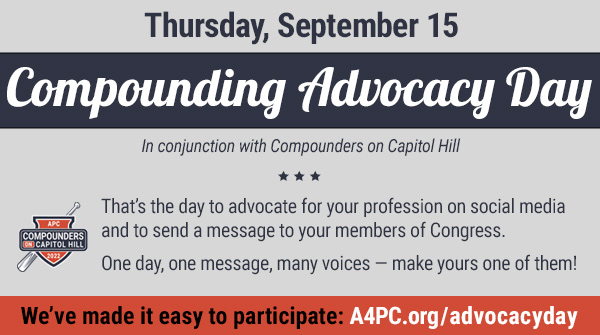
Help fight the threat to compounding
Surprise drug treats autism’s social side
FTC chair to speak at NCPA convention
ICYMI
Help your senior patients find help
Captain Obvious will call Santa if you don’t behave
The Long Read: Boost or Not? edition
September 10, 2022 ✒ Andrew Kantor
The FDA has approved Revance’s Daxxify — an alternative to botox that hides frown lines twice (and sometimes three times) as long. This means social media users will have a whole new drug to self-inject and offer untrained medical advice about! Bonus quote, attributable to either Revance’s CEO or Vladimir Putin: “The most unmet need with toxins is duration.” The headlines: Getting a flu shot reduces your risk of a stroke! (Example) The reality, if you read the study: Getting the flu increases your risk of stroke, ergo, getting the shot reduces your risk of the flu, which therefore reduces your risk of a stroke. “This observational study suggests that those who have a flu shot have a lower risk of stroke. To determine whether this is due to a protective effect of the vaccine itself or to other factors, more research is needed.” Get your flu shot, especially if you’re a man. A ‘man cold’ is bad enough; ‘man flu’ is worse. If you’re reading this, you (hopefully) appreciate GPhA Buzz for pharma/medical news (and maybe a morning smile). Imagine Buzz is worth, say, 25¢ a day. That’s about $125 a year. Toss in a couple of CE discounts or member pricing at the convention, and your GPhA membership just paid for itself. And that’s not counting the laws GPhA helps pass (or the bad ones we stop). It’s basic math. If you haven’t renewed your GPhA membership yet, now’s the time. Keep getting Buzz. Keep getting discounts. Keep making connections. Black people who use those forehead (i.e., temporal artery) thermometers might not be getting accurate readings. Skin color makes a difference. Emory researchers found that a forehead thermometer was 26% less likely to detect a fever in Black patients than an oral thermometer would. For white patients? Equal odds. The differences in absolute temperature weren’t huge, but when for ‘fever cut-offs’ for triage, it’s a bigger deal. Their guess is that it’s due to skin emissivity — how human skin radiates heat, which is affected by pigmentation*. But more-detailed research is needed, including whether and how Asian and Hispanic patients are affected. How bad is it? It’s so bad that being unvaccinated means your risk of hospitalization is 10.5 times higher than someone who’s had their shots. (And if you haven’t had a booster? You’re 2.5 times more likely to end up there.) It wasn’t hard to figure that number — it’s based on data from 192,000 hospitalizations from January 2021 through April 2022. Three patient advocate groups have sued HHS and CMS, asking them to stop allowing copay accumulators. If you know what those are, you can skip to the next story. If not… Copay accumulators allow insurers and PBMs to not deduct copay assistance from patients’ deductibles. If someone uses a $100 Pfizer coupon to help pay for a drug, that isn’t counted toward their deductibles. Ergo, they still (sorta) end up paying it. The insurer receives a windfall by being able to collect payments from the manufacturer and then still collect the full deductible and copayment amounts from the patient. A 2019 rule broadened the use of copay accumulators, but similar rules from the Trump administration have already been struck down as violating the ACA (which limits how much compensation an insurer can receive). Now these groups want this one gone, too. How do you treat a Mycobacterium abscessus infection, which affects cystic fibrosis and bronchiectasis patients? How about inhaled honey? Not any ol’ honey, of course. Researchers at Britain’s Aston University (mascot: Cyril the Squirrel) found that nebulized manuka honey — which was already known to have antimicrobial effects — can be combined with the drug amikacin to make the drug work at lower doses (an 87.5% reduction!), thus reducing side effects. Preliminary experiments For half of couples having trouble conceiving, there’s no explanation for the infertility. But now British and Czech biologists have found what might be an important clue. A new protein they discovered — they named it Maia, after the Greek god of motherhood — is important for allowing a sperm to fuse to an egg. If there isn’t enough of Maia, most sperm will have a hard time doing what they were meant to do. That doesn’t mean low levels of Maia are the cause of all the unexplained infertility, but does open a path for study. [It] will not only allow scientists to better understand the mechanisms of human fertility, but will pave the way for novel ways to treat infertility and revolutionise the design of future contraceptives.” Racist thermometers, nebulizing honey, better botulism, and more
TikTok users rejoice
Technically true, but …
The math is easy

Skin color and temperature
* If you started thinking about black-body radiation from high school physics, you’re not alone, but this isn’t that. If that were the case, darker skin would read at a higher temperature.
The omicron variant is so bad…
End the accumulators!
Sniffing the honey

No protein, no baby
September 09, 2022 ✒ Andrew Kantor
Researchers have produced antibodies that neutralize all known types of Covid-19. What’s crazy is that it was done twice — by two separate research teams, using different methods, published in different respected peer-reviewed journals, days apart. Where: Boston Children’s Hospital. Molecular biologists there used genetically engineered mice to produce “a wide repertoire of humanized antibodies” including one lineage (called SP1-77) that “demonstrated extremely wide activity, neutralizing Alpha, Beta, Gamma, Delta, and all prior and current Omicron strains.” How: By binding to the SARS-CoV-2 spike protein in a different manner than other antibodies, and in a way that “prevents the virus from fusing its outer membrane with the membrane of the target cell.” Where: Israel’s Tel Aviv University. Microbiologists there isolated antibodies from the immune system of recovered Covid-19 patients. Called TAU-1109 and TAU-2310, together they’re almost 100% effective “in neutralizing all known strains of the virus.” How: By binding to the spike protein in a different region than other antibodies — one “that for some reason does not undergo many mutations.” Have you seen how many point-of-care tests there are these days? When a customer asks, “Can you help me?” be ready to say, “You bet!” Earn 20 hours of CPE with the NASPA Pharmacy-based Point-of-Care Testing Certificate Program program for pharmacists and pharmacy technicians. It’s 16 hours of home study and 4 hours of live training, and it covers tests for flu, strep, HIV, hep C, and coronaviruses (but the knowledge applies to lots more). The live training is at GPhA’s World Headquarters in Sandy Springs on Sunday, October 2. Get more info and sign up today at GPhA.org/pointofcare. And look, there’s even a cool ad with a guy doing, you know, science stuff: Mask, goggles, gloves, and cool ’80s hairstyle not included “Psychological distress before COVID-19 infection increases risk of long Covid”. That’s what Harvard researchers found in a study of more than 54,000 people in April 2020, more than 3,000 of whom contracted the disease. [T]he researchers determined that distress before Covid-19 infection, including depression, anxiety, worry, perceived stress, and loneliness, was associated with a 32%–46% increased risk of long Covid. If you sell compression gloves or knee braces, here’s something to be aware of: Customers care more than you might think about how they look, feel, and even smell. That’s what North Carolina State University researchers found by analyzing more than 2,000 reviews of assistive devices over three years. “Aesthetics of assistive devices are often not taken into account despite the fact that research shows one reason for abandonment is that users feel embarrassed or stigmatized by their devices.” Color is pretty important because, just as with Band-Aids, the old ‘pale peach’ doesn’t work for a lot of folks. If they can’t hide it, they at least want it to look stylish. As for feel and smell: Rough and scratchy is out, as is sealing the product before the plastic has time to “off-gas.” The idea of the anti-kickback statute is that pharmaceutical manufacturers can’t pay patients’ out-of-pocket expenses for the drugs they sell. (That would be an unfair incentive, especially when Medicare pays most of the ticket price.) The big loophole: They can give to charities that pay those costs. Even better (for them, not us) is that those donations aren’t reported. Still, researchers from Harvard, Northwestern, and USC crunched the numbers to see if it was actually worth drug makers’ while to give to charities. Oh yes, yes it was. We found that donations by the leading manufacturer of drugs for each condition were often likely to be profitable, even if relatively few patients were induced to use the manufacturer’s drugs as a result. Perhaps the most egregious example is Takeda’s $300,000-per-year Gattex, which treats short bowel syndrome: In 2010, a charity for short bowel syndrome did not exist, but the authors note that within ten days of Gattex’s approval by the FDA in December 2012, a fund for short bowel syndrome appeared. If you’re still selling the same ol’ skin creams, you need to keep up. The hot new beauty trend out of Korea is — wait for it — beauty products containing salmon testicle DNA (listed on the package as “salmon pdrn*”). The claim, from a study of some sort, is that “salmon sperm was associated with increased skin elasticity and stronger collagen levels—both of which are crucial for anti-aging skin.” [S]almon testicle DNA has been found in many luxury K-beauty products, including the KAHI Wrinkle Free Multi Balm. […] As the name implies, you glide the balm across your face for a dewy, luminous look. Georgia’s Board of Public Health will be meeting this coming Tuesday, September 13 from 1:00– 3:00 pm. As usual, it’s open to the public in person or via Zoom. The topics: If you play computer games, you know that even small rewards (+1 gloves!) give that dopamine rush and keep you playing. The same is true with addiction recovery. Even addicts who want to recover can have a lot of trouble — that’s why “one day at a time” is a thing. And… More than 150 studies over 30 years have shown rewards work better than counseling alone for addictions including cocaine, alcohol, tobacco and, when used alongside medications, opioids. One reason it works: Many of the people who are prone to addiction’s small, immediate rewards are also helped when those rewards — cash, gifts, even candy — are for *recovery.Eyebrow-raising beauty trend, possible huge Covid breakthrough, paying addicts to recover, and more
Identical, potentially big, Covid breakthroughs
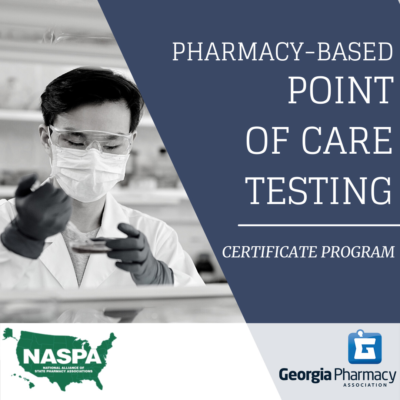
Help patients choose and use point-of-care testing
Try to look on the bright side of Covid
Are your devices stylish enough?
Give a penny, earn a buck
Beauty care trend of the month
* Short for polydeoxyribonucleotides
BPH to talk Covid, monkeypox
The Long(ish) Read: Rewards for Recovery edition
September 08, 2022 ✒ Andrew Kantor
Microdoses of psilocybin are getting press for helping patients with depression an anxiety. But how much of that effect is real? Not all, it seems — there’s the placebo effect at work. Argentinian neuroscientists found (in a small double-blind study) that psilocybin didn’t affect creativity, cognition, or self-reported mental well-being and in fact “may have hindered performance on certain cognitive tasks.” There was one slight difference: The subjects who figured out they had taken the actual drug reported more acute effects (e.g., “My sense of space and size was distorted”). • • • Are your patients ready for Medicare Part D enrollment? It begins October 15 for the 2023 plan year. If they aren’t, you should be, an NCPA has a couple of useful resources for ya: Prescribers seem hesitant to prescribe biosimilars for drugs like Remicade, even though those alternatives have been around for years. Some prescribers, but not all. What makes the difference? Having a pharmacist in the practice. Looking at the records of almost 1,000 patients, researchers at Rhode Island Hospital found that “provider[s] with a pharmacist affiliation were 39% more likely to use a biosimilar than those who weren’t.” [P]harmacists “have a baseline understanding” of biosimilars that enables them to address and in many cases overcome prescriber hesitancy. “Having pharmacists [with] this influence in these clinic spaces is really significant.” Until now, there’s only been one test for Parkinson’s: the nose of a 72-year-old woman from Perth, Scotland*. A rare condition allows her to smell it on people, starting with her husband. But now researchers at the University of Manchester, England, England have made a test based on her ability that can identify the disease much earlier using a simple cotton swap along the back of the neck. (Currently, by the time someone is diagnosed they have significant neurological damage.) “What we are now doing is seeing if (hospital laboratories) can do what we’ve done in a research lab in a hospital lab. Once that’s happened then we want to see if we can make this a confirmatory diagnostic that could be used along with the referral process from a GP to a consultant.” If you fill a prescription for fluorouracil cream, warn your patients: If they have dogs, don’t leave the tubes anywhere Fido or Rover can get to them (e.g., a nightstand). The FDA has been receiving reports of dogs dying after licking or chewing the tubes. Signs of fluorouracil poisoning in pets can start within 30 minutes, and include vomiting, shaking, seizures, difficulty breathing, and diarrhea. Death can happen in as little as 6 to 12 hours after a pet is exposed. Wearing a mask, it seems, doesn’t affect everyday social exchanges. That’s the conclusion of a newly published University of Kansas study; it found mask wearing “had no effect on the ease, authenticity, friendliness of the conversation, mood, discomfort or interestingness” of interactions between 250 student volunteers. Notably, the work was done in 2012, before basic health precautions became a political issue. “Masks are suffused with meaning [today] — political, social, health — in a way they weren’t then,” said the lead researcher. “People have the skills to look past things that block the face — a mask, a hat, sunglasses and so on. We’re still able to get through to people.” A federal judge in Texas has ruled that the part of the Affordable Care Act that requires insurers to cover preventative services and drugs for free is unconstitutional. Business owners shouldn’t be forced to buy insurance that pays for some preventative medications and procedures they don’t like, he ruled, even if they themselves will never use them. Plaintiffs had said it violates their religious freedom if they have to provide employees with coverage that includes zero-co-pay “PrEP drugs, contraception, the HPV vaccine, and the screenings and behavioral counseling for [sexually transmitted diseases] and drug use.” The Atlantic — World’s Most Depressing Magazine™ — is warning that this year’s flu season is going to be really really bad. (Maybe — the words “could” and “may” appear 18 times in the piece.) After skipping two seasons in the Southern Hemisphere, flu spent 2022 hopping across the planet’s lower half with more fervor than it’s had since the Covid crisis began. And of the three years of the pandemic that have played out so far, this one is previewing the strongest signs yet of a rough flu season ahead. To be fair, it’s been bad in Australia, but … well, pre-pandemic normal in South Africa. The question is how bad will the virus be, and how willing people up north will be to take precautions.FDA’s dog-poison warning, psilocybin placebos, chatting through masks, and more
All in their heads?
Get ready for Medicare 2023
He who hesitates doesn’t have a pharmacist on staff
Parkinson’s test nears
* If you’re in the mood for Italian, try Broth3rs Restaurant on George St.
Help your patients not kill their dogs
Seeing past the masks
Soon to be appealed
The Long Read: Flu’s a-Comin’ edition
Do you want to send your members the daily Buzz email newsletter (customized for your state and organization, perhaps)? Let’s talk — just drop me a note at andrew@gphabuzz.com!


- Newsom Picks a Dogfight With Trump and RFK Jr. on Public Health
- Florida Hasn’t Expanded Medicaid. Lawmakers Want To Add Work Requirements Anyway.
- Journalists Explain a Spat Over Sugary Coffee and How Measles Fools Doctors
- This Doctor-Senator Who Backed RFK Jr. Now Faces a Fight for His Job — And His Legacy
- The People — And Research — Lost in the NIH Exodus
- Six Federal Scientists Run Out by Trump Talk About the Work Left Undone
- January 2025
- December 2024
- November 2024
- October 2024
- September 2024
- August 2024
- July 2024
- June 2024
- May 2024
- April 2024
- March 2024
- February 2024
- January 2024
- December 2023
- November 2023
- October 2023
- September 2023
- August 2023
- July 2023
- June 2023
- May 2023
- April 2023
- March 2023
- February 2023
- January 2023
- December 2022
- November 2022
- October 2022
- September 2022
- August 2022
- July 2022
- June 2022
- May 2022
- April 2022
- March 2022
- February 2022
- January 2022
- December 2021
- November 2021
- October 2021
- September 2021
- August 2021
- July 2021
- June 2021
- May 2021
- April 2021
- March 2021
- February 2021
- January 2021
- December 2020
- November 2020
- October 2020
- August 2020
- July 2020
- March 2020
- February 2020
- January 2020
- December 2019
- November 2019
- October 2019
- September 2019
- August 2019
- July 2019
- June 2019
- May 2019
- April 2019
- March 2019
- February 2019
- January 2019
- December 2018
- November 2018
- October 2018
- April 2017
