
September 07, 2022 ✒ Andrew Kantor
The latest FDA Report on The State of Pharmaceutical Quality (PDF) has an eyebrow-raising number: More than a third of samples checked for quality — 35% — weren’t compliant. And that’s a big jump. In FY2020, only 16% of the samples tested were non-compliant. Throughout FY2021, that number increased by approximately 2.19 times to 35%. The good(ish) news is that there’s a reason — the pandemic rush to produce meds and hand sanitizer. “Covid-19 drugs composed 25% of the non-compliant samples. Additionally, hand sanitizers amounted to 19%, while opioids accounted for 0%.” There are still a couple of slots open for the 2022 class of LeadershipGPhA. This is the training ground for the men and women who’ll be helping set the direction of pharmacy in Georgia. Don’t just read about changes to your practice, your employer, or your patients. Be part of the team at the steering wheel. Get info about the program and apply at GPhA.org/leadershipgpha. Or just hope for the best. The American Academy of Pediatrics has released its recommendations for flu shots for the kids. Essentially, it’s 620 words about how the flu is bad, shots are good, but sadly not everyone gets them. Then it gets to the important stuff, like new strains. What’s probably of most interest to you is the table of which ages should get which vaccine — Afluria, Fluarix, FluLaval, Fluzone, etc. — and how much of it. The vaccine formulations available for children are unchanged from last season, except the age indication for the cell culture-based inactivated influenza vaccine (IIV) Flucelvax Quadrivalent has been lowered to 6 months and older (previously indicated for 2 years and older), providing one more option for young children. The Omicron-specific Covid boosters are arriving en masse this week, according to US health officials. By the end of this week, 90% of Americans will live within five miles (8 km) of sites carrying updated vaccines, U.S. health secretary Xavier Becerra said. The boosters will of course be free, and getting one with a flu shot is a good idea. As for the future, the official rhetoric is now ‘We’ll probably just need boosters from now on’ … at least “in the absence of a dramatically different variant.” A cybersecurity company has found that thousands of bots — computer programs that act like humans — have been using stolen credentials to log into accounts of major online pharmacies to steal prescription meds from real patients. People often use the same password on multiple websites, so when it’s stolen from one, bots will try that same username/password combo on other sites. Like pharmacies’. When they find a match, they can sell that access for big bucks to illicit drug dealers: “Wanna buy an XYZ Pharmacy account that has oxycodone?” A criminal would log in to an account, initiate a fill, select the pharmacy at which they want to pick it up, then have someone collect it for them that’s not the intended customer. So, which “major pharmacies” are being targeted? The company won’t say, “but among them were the top 10 pharmacies in the world.” E-cig maker Juul continues to pay the price for marketing an addictive drug to kids. After an earlier payout to Arizona, Louisiana, North Carolina, and Washington, it’s now reached an “agreement in principle” to pay $440 million to 33 more states — yes, including Georgia — as a settlement for marketing high-nicotine vapes to kids. It ain’t over, though. Juul is still facing lawsuits from nine other states, plus hundreds of personal suits by teenagers and others who say they became addicted to the company’s products. Treating chronic pain is usually about trying to make life a little better; as one Austrian researcher put it, “often ineffective palliative treatments.” Opioids can help, but (as you might have heard) there are some issues with those. Molecular biologists at the Austrian Academy of Sciences have made a bit of a breakthrough. They found that sensory neurons produce a metabolite called BH4, which is a driver of at least some kinds of chronic pain. “The concentrations of BH4 correlated very well with the pain intensity. So, we naturally thought that this was a great pathway to target.” But why make a new drug when there are a zillion existing ones? They screened 1,000 of them, and bingo! It turns out that fluphenazine — the antipsychotic — blocks the BH4 pathway and stops the pain. And not only that, it requires a very low dose … at least in mice. Weird bonus: That BH4 pathway is also connected to lung cancers, meaning they’ve opened up a research opportunity there, too. Yet another reason not to get your news from social media. As Forbes reports, according to mixed martial artist fighter Jake Shields, “the National institute [sic] of health added Ivermectin to the list of covid treatment [sic].” No, no it didn’t. And yet, that was retweeted more than 15,000 times (although to be fair, many of those were probably laughing at him). Australian neuroscientists reported in a new study that “Repeated Concussions Can Thicken the Skull”.Pharmacy break-ins by bot, lots of quality questions, Juul’s bad day, and more
Not good enough
Step up and be a leader

This year’s kids’ flu shots
The boosters are coming! (To arms! To arms!)
Bots are breaking into pharmacies
Juul takes another big hit
A new pathway for pain treatment
With drug news, choose your source
In unrelated news
September 06, 2022 ✒ Andrew Kantor
Kids brought up on farms tend to have many fewer allergies later in life. Although this was once thought to be a result of exposure to all sorts of pathogens (the “hygiene hypothesis”), it’s now thought to be from exposure to certain good germs. But, as much fun as it might be to grow up with Orville, Luzerne, Eliger, and kin on the farm (and Fluffy, who went to live there when she got sick), there are downsides, especially downwind when the manure is being spread. So why not have the best of both worlds? Give kids the benefits of a farm, but in a pill, Jetsons-style. An international consortium of researchers is now working on potential treatments from farm dust and unprocessed [but not raw] milk that may combat the reported increasing prevalence of food allergies, with a target to deliver a product within the next five years. Farmers from the 1880s (plus Fluffy, bottom right), in front of what is now GPhA Buzz World Headquarters Some countries went for ultra-strict “zero-Covid” policies. Others were a bit more relaxed. How much a difference did it make? Chinese scientists wanted to find out. They had an easy way to do that. Four countries — Australia, New Zealand, Singapore, and South Korea — switched policies from “zero Covid” to “living with Covid” at some point during the pandemic. (And, conveniently, have a mix of population densities.) Using pre-pandemic statistics as a baseline, the researchers compared how those two policies impacted death rates. The result: “Zero-Covid” policies resulted in virtually no excess deaths. But when they switched to “living with Covid” — LWC — mortality jumped. After shifting to the LWC policy, PEM [percent excess mortality] usually exceeded 10%, and countries with high population density experienced a peak PEM of 20-70%. So depending on the population size, living with Covid meant a lot more people aren’t living with it. (Where this applied least: New Zealand, where the excess mortality after switching policies never exceeded 10% — something the authors suggest “might be a result of the ultrahigh [95%] vaccination rate” there.) The “mystery respiratory illness” in Argentina turns out to be Legionnaire’s Disease. That is all. Attention, mom-to-be: It seems that taking fish oil or vitamin D supplements while you’re expecting can lower your kid’s risk of croup*. That’s what those shifty Danes found in a three+ year randomized trial of 736 women (and their babies). Their findings: Children whose mothers took either high-dose vitamin D supplements (2,800 IU) or 2.4 grams of fish oil per day had only an 11% chance of getting croup. Taking olive oil or lower-dose vitamin D (i.e., 400 IU/day) gave kids a 17-18% chance of croup Bottom line: Taking the right supplement could mean about a 40% reduction in risk of croup. “We are not sure of the exact mechanisms behind the beneficial effects of vitamin D and fish oil, but it could be that they can stimulate the immune system to help babies and young children clear infections more effectively.” Only 8 percent of Americans are now without health insurance — that’s a new low, according to data from HHS. After rising from 2016 through 2020, the uninsured rate has dropped due to a combination of subsidies from the pandemic’s American Rescue Plan (that are now permanent), more states expanding Medicaid (to a total of 38), and greater outreach efforts. Georgia has the country’s fourth highest uninsured rate (15.3%); only Texas, Oklahoma, and Florida are worse. Sure, we’re quick to blame bats for a lot — belfry damage, Romanian tyrants, overcrowding at Arkham Asylum — but when it comes to getting us sick, the idea that bats are reservoirs of viral pathogens seems to be wrong. The question (asked by Israeli zoologists): “Are bats really pathogen reservoirs or do they possess an efficient immune system?” The answer: B. Media reports of bats threatening public health are overblown when, you know, you look at the facts. And the fact is, bats have a pretty powerful immune system, “able to confront viruses, recover, and remain immune by developing a potent titer of antibodies, often without becoming a reservoir.” For example, they say… Report: The coronavirus isolated from bats in Wuhan (China) was 96% genetically identical to the virus that started the pandemic!!! Reality: When you look at mutation rate, the “temporal distance” between what the bats have and what humans got was several years at a minimum. Although we do not claim that bats are never the origin of human pathogens, we suggest that their role has been consistently exaggerated and often without the necessary scientific basis. The latest in the category “Surprising Ways to Detect Covid”: A phone app that can detect Covid-19 infection based on your voice. Dutch data scientists used about 900 audio samples collected from 4,350 people to train an AI system to recognize signs of Covid. When tested… … the AI model was accurate 89% of the time, whereas the accuracy of lateral flow tests varied widely depending on the brand. Also, lateral flow tests were considerably less accurate at detecting COVID infection in people who showed no symptoms. Since that first study, they’ve expanded their database to more than 53,000 audio samples they plan to “improve and validate the accuracy of the model.” Fun for the family: You can help make the app better by uploading short recordings of cough and breathing with an app from the University of Cambridge — “Healthy and non-healthy participants welcome.”Don’t fear the bats, cutting croup, a pill to mimic farm life, and more
Farm in a pill

Fighting Covid: All in, or live with it?
It was Legionella all along
Cut croup risk in the womb
* If you’re over 60, you might call it “the croup.”
A new low is a new high
Bats aren’t out to kill us after all
Start your app and cough
September 03, 2022 ✒ Andrew Kantor
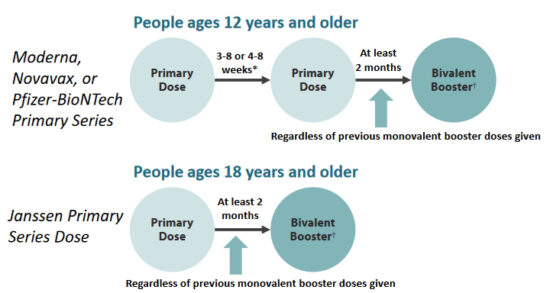
The CDC followed the FDA in approving Omicron-specific booster vaccines, meaning they’ll be delivered shortly. As with everything else pandemic-related, there’s some confusion. A big thank you to reader Brent Lake at Augusta University, who provided a link to a comprehensive and (yay!) easy-to-understand guide, straight from the CDC’s Advisory Committee on Immunization Practices. The biggest takeaways: “Three Covid-19 vaccines may provide greater protection from Covid-19 infections than two” Does taking Paxlovid cause a ‘rebound’ infection before curing Covid? Um … maybe? It still works, though, so there’s that. Covid rebound has also been observed in people who have not taken Paxlovid, and some experts believe it might be a natural course of the infection to see symptoms ebb, then return. People are using marijuana instead of painkillers, antidepressants, sleep aids, antacids, and other drugs. Thus the paper’s title: “U.S. cannabis laws projected to cost generic and brand pharmaceutical firms billions.” Or, put another way: “U.S. cannabis laws projected to save consumers billions.” A small human trial has found that increasing the production of a protein called gonadotropin-releasing hormone (GnRH) improves some brain function in people with Down syndrome. Low levels of GnRH — you may recognize it as being used in fertility treatments — can cause infertility and loss of the sense of smell. French neuroendocrinologists, knowing both of those affected people with Down syndrome, experimented on mice. They and found that restoring GnRH production “reverse[d] the rodents’ smell and memory deficits.” So, too, did giving them Lutrelef (a drug that can replace GnRH). They then tried it on seven men, and found that Lutrelef had a similar effect. After 6 months, the men showed a 10% to 30% improvement on the Montreal Cognitive Assessment, a standard measure of intellectual disability. The test challenges spatial and verbal memory with tasks such as drawing a 3D cube or remembering a short string of words. This isn’t a treatment or cure, of course, but a potential step toward improving the everyday life of people with Down syndrome. …or are the writers teasing a future season? “Third person dies of mystery pneumonia in Argentina.” Health officials have expressed their mounting concerns after tests for 30 infections including Covid, flu and influenza types A and B came back negative. (Remember, Covid-19 was once a “mysterious respiratory illness.”) Salamander: “I can regenerate my limbs!” Axolotl: “Is that all?”Pot saves money, important booster info, mystery disease in Argentina, and more
Boosters: What you need to know
Captain Obvious would like to weigh in, if she may
—Public Library of SciencePaxlovid questions
Perspective: Winners or losers?
A step toward a Down syndrome treatment
Another red herring?
Weird science for your long weekend

September 02, 2022 ✒ Andrew Kantor
Yes, we’re all tired of reading about Covid-vaccine boosters, so I’ll keep this info quick (and you may already know it): Remind your patients that the forthcoming boosters are for people who have already had the original vaccine shots — they are low-dose boosters, and won’t do much on their own. • • • GPhA breaks out the creepy font with Pharmacy Tales from the Crypt: Four CE courses that connect history with today’s pharmaceutical world. From the story of the first use of anesthesia — it was a UGA grad! — to Agatha Christie’s love of poison and more, at just $16 each for GPhA members ($19 for non-members) it’s a great dose of creepy continuing ed. We couldn’t get permission to use Savannah’s Colonial Park Cemetery, so these are all taught via Zoom. Light your candles, find your cloak, and sign up today at GPhA.org/crypt. If someone is diagnosed with the flu this year, the CDC would like healthcare providers to ask one simple question: “Were you at a state or county fair recently?” Why? Pigs. Exposure to pigs might mean they’ve got themselves infected with a different flu variant, and — for obvious reasons — CDC would like to keep tabs on that. Five cases of human infection with influenza viruses that usually spread only in pigs, also known as variant influenza virus infections, were reported to CDC in August 2022. PS: If this made you call out, “Hey, when’s the state fair this year, honeybuns?”, the Georgia State Fair runs September 30 to October 9 in Atlanta. The anti-cancer drug vinblastine has had supply problems — it comes from a lovely flower called the Madagascar periwinkle (aka rose periwinkle). Making the med requires a lot of flowers — “500 and 2,000 kilograms of dried Madagascar periwinkle leaves to produce one gram of vinblastine and vincristine, respectively.” q Vinblastine is a “monoterpenoid indole alkaloid” (MIA) — great stuff, but impossible to create synthetically. Until some shifty Danes arrived on the biomedical scene: They engineered a yeast that can make the same precursor molecules as the plant, and do it faster, cheaper, and in an environmentally friendly way. Even better, now that they have the basic system working, they can expand it. “In addition to vinblastine, this platform will enable production of anti-addiction and anti-malarial therapies as well as treatments for many other diseases.” A small biotech company in California, Vaxart, says its Covid-19 vaccine pill did well in a small stage-2 (‘Does it work in humans?‘) trial. It’s the first oral vaccine to get this far, and the even-better news is that it works against at least some Omicron variants. Or strains. Or whatever you call the BA-this/that. Larger studies are planned before it moves to phase 3 (“Is it safe?”) trials, perhaps in 2023. Some of you might remember cyclophosphamide — an drug for small cell lung cancer that disappeared in the 1980s. Its big issue was that cancer developed immunity pretty quickly. But this is 2022, and Washington University researchers have discovered how cancer was able to block cyclophosphamide. And then they found a way to keep the cancer from doing that. The way-too-short version: Small cell lung cancer has high levels of a protein called SMYD3, which helps them repair damage. Inhibiting the SMYD3 slows the tumor growth. But inhibiting it and treating it with cyclophosphamide “stopped the tumors in their tracks.” This is only in mice so far, but as cyclophosphamide is already approved (if old), they’re already looking to start human trials of the inhibitor/cyclophosphamide combo. “People with small cell lung cancer are in desperate need of better treatments, and I’m very excited about the possibilities here.” Why is fentanyl so deadly? Because — and yes, this is as creepy as it sounds — “the drug stops people’s breathing before other noticeable changes” before they lose consciousness. Investigators at Mass General found that … … fentanyl begins to impair breathing about four minutes before there is any change in alertness and at 1,700-times lower drug concentrations than those that cause sedation. “This explains why fentanyl is so deadly: it stops people’s breathing before they even realize it.” While people with type A blood are commonly considered witty, engaging, and smart, there is a downside: Having type A blood means you have a higher risk of stroke before age 60. Doing a meta-analysis of 17,000 stroke patients, University of Maryland neurologists … … found those who had blood type A had a 16 percent higher risk of having an early stroke than people with other blood types. Those who had blood type O had a 12 percent lower risk. Why is this the case? They don’t know. “[I]t likely has something to do with blood-clotting factors like platelets and cells that line the blood vessels as well as other circulating proteins.” And people with B or AB? They’re in the middle — just average. Cutting to the chase: “[P]renatal exposure to topiramate roughly triples a child’s likelihood of having autism or intellectual disability.” That’s what that UK’s equivalent to the FDA is investigating now, after a Norwegian/Australian/Icelandic/Finnish study found the connection. If true, it means topiramate joins another anti-seizure drug, valproate, that was already found to contribute to autism. Then there’s this comment from a epidemiologist in Pennsylvania concerned about sharing this news: “Hearing notice about this safety review may cause women to discontinue medication, and epilepsy itself is known to present risks to both the mother and fetus.” Why yes, yes it might stop them from taking topiramate. But considering it’s based on a large, legit, peer-reviewed study published in JAMA, (not Cousin Tiffany’s Facebook post), doesn’t that make sense? Beware the state-fair pigs, why fentanyl is scary, type-A blood and strokes, and more
Boosters: Keep this in mind


This October, get your CE from slices of pharma history!
Some pigs
Engineering a drug factory
Vaccine pill moving along
Refreshing an old lung cancer drug
The scary way fentanyl kills
Stroke and your blood type
Another anti-seizure drug (seems to) cause autism
September 01, 2022 ✒ Andrew Kantor
Wait, what? “[M]ice respond more to the antidepressant effects of the drug ketamine when administered by men and not by women.” University of Maryland researchers had anecdotal evidence of the men vs. women thing, and, if true, it would skew their mice work. So they decided to study the effect. Mice, they found, preferred the scent of women. In fact, they preferred it so much that being around men increased the mice’s stress levels. That stress activated a brain hormone called corticotropin-releasing factor; CRF, for unknown reasons, makes ketamine work better. Solution: Give the mice CRF with their ketamine. When the researchers had women administer the ketamine along with an injection of CRF, the mice finally responded to ketamine as if they were being treated with an antidepressant. This (probably) isn’t true for humans, but “the brain mechanism underlying their findings could help determine why some people do not respond to ketamine antidepressant therapy.” Apparently, taking a folic acid prescription increases not only your chance of getting Covid-19, but also your chance of dying from it. And not small numbers, either. The study, out of UC Davis and the University of Alabama, found that people taking folic acid (aka B9, aka folate) were “1.5 times more likely to get Covid-19. They were also 2.6 times more likely to die from Covid-19.” Important: This wasn’t people taking a low-level OTC supplement (less than 1 mg a day) — this was about the prescription-level (e.g,. 5 mg) stuff. There’s good news. If those patients also get a prescription for methotrexate, that mitigates the risk. The FDA has approved both Pfizer’s and Moderna’s Omicron-fighting Covid booster vaccines. Next up, a CDC committee and then (presumably) a full CDC approval. “Americans born in 2021 can expect to live for just 76.1 years — the lowest life expectancy has been since 1996,” says the lede from Stat News. Wrong wrong wrong. Yes, the Covid-19 pandemic dropped US life expectancy 2.7 years. But that number does not mean that’s what an individual can expect to live. Grrrr. Life expectancy is an average of a population; a gauge of its overall health — to compare country to country, or 2022 to 1966. But it doesn’t apply to individuals. The Atlanta Braves overall batting average is .253, but that doesn’t mean every Braves player can expect a hit 1/4 of the time. Outliers like Mike Ford (.000) and Alex Dickerson (.121) are like kids who died in childhood, while Chadwick Tromp (one game, .750) is the WWI vet celebrating his 108th birthday. Neither affects what Matt Olsen does at the plate. The takeaway from that new life expectancy number is “Yikes, Covid-19 really did kill a lot of people.” If you don’t get enough niacin, your chance of getting a migraine goes up. And there’s actually a magic number: 21 mg per day. Chinese researchers (looking at data on American adults) found that the results of the niacin/migraine connection follow an L-shaped curve, meaning once you hit that 21.0 mg/day mark, your risk plummets. A protein called lactoferrin, which is in anything made with mammal’s milk, seems to have “astounding antiviral properties,” at least according to researchers at the University of Michigan College of Pharmacy. It turns out that lactoferrin has several different mechanisms of action against SARS-CoV-2, inhibiting the virus from entering cells, moving around within them and replicating. The only problem is getting enough of it and having it stay around, considering the body will just digest it. (“To get enough lactoferrin to have a possible beneficial effect, one would have to drink gallons of milk a day.”) Chewing gum or pills might work, though, and that’s what they’re planning to test. In the meantime, there are always lactoferrin gel capsules — you might even sell them. [Prof. Jonathan] Sexton calculates that about a gram a day, four 250 milligram capsules, should do it. He advises two in the morning and two a night [on an empty stomach]. It may work, it may not, but it certainly won’t hurt. Peanuts can help you lose weight … according to a Texas Tech/University of South Australia study funded by The Peanut Institute. For those of you keeping track, this is at least the third Texas Tech story touting the benefits of peanuts, and funded by the same organization. An Emory University immunologist explains ‘How researchers are zeroing in on the self-targeted immune attacks that may lurk behind long Covid.’Sexist lab mice, milk fights Covid, low niacin makes migraines, and more
Of mice and men
Beware folic acid and Covid
2022 boosters clear hurdle
That is not how life expectancy works
* People in the Middle Ages lived into their 70s and 80s all the time, but high child mortality helped skew the data so the average was 40-whatever.
Niacin and migraine
Eat ice cream, fight Covid
Nuts to you
The Long Read: Fighting Long Covid edition
August 31, 2022 ✒ Andrew Kantor
“Nothing, not a smidge” — that’s how much difference Scottish researchers found there was for people taking their antihypertensives in the morning vs. the evening. “Patients can take their BP medication in either the morning or evening, as the timing makes no difference to cardiovascular outcomes. This is the result and I think it’s definitive.” If you haven’t renewed your GPhA membership yet, it ends today. That’s it — starting tomorrow, you’ll be a former member! Don’t let that happen! You’ll not only lose out on member benefits, but more importantly, you’ll be hurting the profession and Georgia patients who count on GPhA to fight for them. If you haven’t renewed yet, get yourself over to GPhA.org/renew and do it right now! Rapamycin — officially for cancer therapy and after organ transplantations, but also known to increase lifespan … if taken for life. The problem is the side effects; they’re tolerable if the alternative is organ rejection and death, but not so much if you’re just taking it to live longer. But German biologists just learned something new: At least in animals, “brief exposure to rapamycin has the same positive effects as lifelong treatment.” The trick is that the brief exposure needs to happen as early as possible. Giving it to young adult mice for just a few months, for example, protected them through middle-age. Next up: Seeing if there’s a way to get those effects when administered later — those Boomers aren’t getting any younger. Papa Bear was too fat. He got migraines. Mama Bear was too skinny. She got migraines. Baby Bear’s BMI was jusssst right, so Baby had a lower risk for migraine, but spent a lot of time contemplating the “nature vs. nurture” debate. [R]esearchers found that compared with those with normal BMI, participants who were either underweight or had obesity had an increased risk for migraine. This coming Friday will be the last time you can order free at-home Covid-19 tests from Covidtests.gov. As Congress has cut further funding for combatting Covid-19, HHS has decided to save the remaining stockpile of tests for an expected fall surge. “If Congress provides funding, we will expeditiously resume distribution of free tests through covid.gov. Until then, we believe reserving the remaining tests for distribution later this year is the best course.” Eating too much sugar can lead to diabetes, but the reasons for that aren’t entirely clear. A new discovery, though, points its sweet finger at what’s becoming a common culprit: the gut biome. Columbia University microbiologists found that too much sugar killed off segmented filamentous bacteria in the gut. That kind of bacteria happens to help produce Th17 immune cells. And Th17 immune cells “are necessary to prevent metabolic disease, diabetes, and weight gain.” “These immune cells produce molecules that slow down the absorption of ‘bad’ lipids from the intestines and they decrease intestinal inflammation. In other words, they keep the gut healthy and protect the body from absorbing pathogenic lipids.” Does that mean that pre- or probiotics with filamentous bacteria might save the Th17 and stave off diabetes? Perhaps, but you know the mantra: More research is needed. Once again, an answer to the never-ending question: How much alcohol is safe to drink? And today’s answer is … Maybe none? A German research team has found that “Even a single dose of drinking alcohol — ethanol — can permanently alter synapses and mitochondrial movement in the brain’s neurons.” And that, they say “suggest[s] that even a single consumption event can lay the foundation for alcohol addiction.” That might be fearmongering, but to be fair, they found that can happen in fruit flies and mice, so why not humans? “These mechanisms may even be relevant to the observation in humans that the first alcohol intoxication at an early age is a critical risk factor for later alcohol intoxication and the development of alcohol addiction.” There is, apparently, a single protein complex that controls a whole line of metaphorical dominos in humans. If that protein — called PRC2 — doesn’t work correctly, genes stop doing their jobs correctly, eventually leading to the body not producing dopamine and serotonin. And that, say Swedish researchers, leads to the kinds of symptoms typical of Parkinson’s. The big takeaway is that, even if someone’s genes are okay, a problem with a protein that regulates those genes could lead to effects just as bad. The good news, though is that this finding “could open up interesting new possibilities for diagnosis and treatment.” This might be overkill, but if someone suffers from loss-of-control binge-eating disorder, Penn researchers say that wiring a device into their brains can stop the cravings. They found that, just before a binge-crave begins, the brain’s nucleus accumbens starts getting active in a specific way. By using a device approved for treating epilepsy — “surgically placed beneath the scalp, with wires running through the skull to the nucleus accumbens in each hemisphere of the brain” — they were able to interrupt that activity with a bit of high-frequency electrical stimulation. [T]he patients reported sharp reductions in their feelings of loss-of-control, and in the frequencies of their bingeing episodes—each also lost more than 11 pounds. […] There appeared to be no significant adverse side-effects. If someone has end-stage liver disease, there might be an alternative before jumping to a transplant: “growing tiny new livers elsewhere in the patient’s bodies.” A company called LyGenesis is beginning human trials of a technique it developed to grow miniature livers throughout the body, taking up some of the load — “Transforming a patient’s lymph nodes into bioreactors capable of growing functioning ectopic organs.” The process involves injecting healthy liver cells, taken from donated organs, into the recipient’s lymph nodes. There, they multiply and grow into functioning mini versions that can support the work of the remaining cells in the original liver.How diabetes starts, weight and migraines, growing tiny livers, and more
It doesn’t matter when you take BP meds

Did you renew?

A small dose to live forever
Migraines: Size matters
The end (sort of) of free Covid tests

Another diabetes clue
Alcohol, not even once?

Another Parkinson’s clue
Wild medical science
Zapping the cravings
One liver good, many livers better!
August 28, 2022 ✒ Andrew Kantor
Apparently a lot of pharmacists do — that’s what APhA (along with a whole bunch of other organizations*) told White House National Monkeypox Response Coordinator Robert Fenton and his HHS colleagues in a letter, “Request to amend the declaration of a monkeypox Public Health Emergency” (PDF). “To ensure pharmacists are able to expand patient access as monkeypox testing, vaccine and therapeutic supplies increase, we urge you to proactively authorize pharmacists to order and administer monkeypox testing, vaccines and therapeutics.” At some point pharmacists will simply be included in these efforts by default, and we won’t need to write letters every time there’s a need to get shots in arms. Till then, thank you, APhA et al. (Well let him out! Ha!) But seriously, here’s the deal: LeadershipGPhA is how GPhA trains future pharmacy leaders — you know, the ones you read about who set the tone for the profession in Georgia. The academy is October 21 – 23 at the Westin Perimeter North in Sandy Springs, and everything is provided free to the eight candidates chosen. You are invited to apply if you: If you want to help lead the profession, click here for details of LeadershipGPhA and apply today! Drug discovery ain’t cheap, and those later-stage human trials are especially pricey, what with people wanting to be paid and all. Animal tests are good, but … I mean, look at their little faces! What’s coming is a whole new level of computer testing — in vitro and in situ, meet in silico. Artificial intelligence is getting better, and getting better fast … to the point that computers can look at drugs (and humans) at the molecular level and tell us, “Yeah, this looks like it’ll work.” Research has reached a point where computational power and understanding of biology allow highly specific predictions to be made on how a medicine will affect the human body. Fun fact: AI is so good now that humans don’t teach computers anymore. We just build the teachers and no longer know how they do their jobs, just that their “students” seem to know what they’re doing. Creepy, huh? (Nifty video on the subject.) Pro tip: If someone is about to give you health information, and they start with, “I saw on TikTok…,” feel free to laugh before they finish. Unfortunately, teens don’t get the joke. A new study out of Slovakia’s Comenius University found that “41% of teenagers can’t tell the difference between true and fake online health messages.” There are often “cues” in fake info: superlatives (“This will make you 400% better!), clickbait (“The most dangerous snack you’re eating”), grammar mistakes (“Bestly foodstuffs for you’re acnes”), authority appeal (“98% of doctors take this supplement”), and bold typeface. The only one that was a red flag for teens? Clickbait. “As adolescents are frequent users of the internet, we usually expect that they already know how to approach and appraise online information, but the opposite seems to be true.” Trust me, I’m in “influencer.” Another reason to get the MMR vaccine (besides making sure your kids don’t contract a horrific disease): It can reduce their risk of inflammatory bowel disease. A study out of the University of Michigan found that “receiving at least one MMR vaccine dose was associated with a 21% lower risk of developing IBD compared with not getting vaccinated.” (It may also lower risk of Crohn’s disease and ulcerative colitis, but those results weren’t statistically significant.) Add a safety feature to a car and it also adds a bit of unsafe behavior. (Someone in an SUV with antilock brakes and 22 airbags won’t drive as carefully as someone in a ’63 Corvair.) That’s why, when HIV pre-exposure prophylaxis hit the scene, people worried it would increase risky sexual behavior, and thus lead to an increase in bacterial STIs. Forget guessing — the Aussies decided to find out. PrEP went nationwide there in January 2016, so it was easy to crunch the data. The result: After a brief uptick in STIs, the numbers dropped, and — and this is the big takeaway — have remained lower than before PrEP’s introduction … except for syphilis, which increased slightly possibly due to “changes in sexual networks following PrEP implementation.” When a state legalizes recreational marijuana, more people use it — that’s Captain Obvious territory. But researchers at the universities of Minnesota and Colorado teased out some interesting detail when looking at longer-term trends. They did it by looking at twins. From “Clinicians React to Over-the-Counter Birth Control Possibility”: “Accessing contraception over the counter could be a game changer for people who experience common barriers to accessing clinics. For example, this may help people who can’t get an appointment for several months, who don’t have a nearby clinician for care, who can’t get off work or school to attend a clinic appointment, who do not have transportation, who need additional privacy, [or] who prefer to self-manage their contraception.” When a teen has anxiety or depression, it’s one thing to use medication — it’s another to just throw pills at them. But too often, that’s the case. Increasingly, anxious and depressed teens are using multiple, powerful psychiatric drugs, many of them untested in adolescents or for use in tandem.Gullible teens, the faster future of drug discovery, MMR vax bonus, and more
So you want to give the monkeypox vaccine
* AACP, American Association of Psychiatric Pharmacists, ACP, American College of Clinical Pharmacy, Academy of Managed Care Pharmacy, American Society of Consultant Pharmacists, ASHP, Food Industry Association, Hematology/Oncology Pharmacy Association, Society of Infectious Diseases Pharmacists, NASPA, National Association of Specialty Pharmacy, NCPA
Is there a leader in you?

Electric brains do it faster
Teens believe anything

MMR mission creep (in a good way)
It’s okay to be prepared
Interesting pot stats
Quote of the Day
— Melissa Kottke, MD, associate professor in the Department of Gynecology and Obstetrics, Emory UniversityThe Long Read: Teen Polypharm edition
August 27, 2022 ✒ Andrew Kantor
Out of seemingly nowhere, a major announcement from the White House: Data from all publicly funded research will have to be made available to everyone free and immediately, starting Christmas 2025. No more paywalls. No more $1,000 access fees. No more embargos. It’s a huge boost for research not only in the U.S. but around the world. For-profit companies like Elsevier and “non profit” organizations like the American Chemical Society have made millions charging through the nose to access the $80 billion worth of taxpayer-funded research they publish — even those very institutions that did the research. (At least in the case of the ACS they try to justify those fees by claiming to ‘add value’ by editing and formatting the work.) No longer. There have been workarounds, like requesting copies directly from researchers, or using sites like sci-hub, but that can be clunky and ineffective. And what of the publishers? It may not be getting through to them. In response to the directive, Springer Nature said “that funding agencies must increase their financial support for the publications in exchange for the research to be free to the public.” (Hint: There is no “in exchange.” Do what you’re told.) Another gut bacteria story? Yep. How about this: Mice given the Parabacteroides distasonis bacteria in their guts develop type 1diabetes. And humans? While it’s probably unethical to infect people (even grad students) with P. distasonis to see what happens, Boston College biologists looked at records from a European database and found that people whose guts have P. distasonis (especially as infants) have a greater risk of developing type 1 diabetes later in life. In fact, “100 percent of the infants who were eventually diagnosed with type 1 diabetes had signs of P. distasonis in their gut.” What’s going on? This is likely because the microbe produces a peptide similar enough to part of an insulin molecule that it can lead to the production of insulin-targeted antibodies, priming the immune system to launch an attack against insulin and the cells that produce it. Obviously the development of diabetes is complex, but this could be a pretty big step toward understanding it. If you’re head of the company that makes one of the two biggest Covid-19 vaccines, and you and that other vaccine maker are looking forward to profitable booster shots debuting this fall, what might be going through your head? Perhaps, “This is great! We’re both making billions, lives have been saved, and more importantly our shareholders and CEOs sleep on mattresses made of shredded hundred-dollar bills and pillows filled with down passenger pigeons.” Ha! No, no. You sue the other guy, of course. Moderna has filed patent infringement lawsuits in the U.S. and Germany accusing Pfizer and its partner BioNTech of stepping on patents that Moderna says it filed between 2010 and 2016. Artist’s conception A weird brain protein may lead to a treatment for neurodegenerative diseases. It seems that some forms of a protein called aquaporin 4 are created with a tail, thanks to an error called readthrough. Weirdness: Unlike “normal” aquaporin 4, that “long form” version appears in brain cells called astrocytes where it helps clear unwanted proteins out of the brain — proteins like the kinds associated with Parkinson’s and Alzheimer’s. So (thought Washington University researchers), is there a way to get the body to produce more of it? There is. Actually, there are at least two compounds that do the trick — apigenin and sulphaquinoxaline. Great! Next question: Does having more long aquaporin 4 actually clear more waste? Why yes, yes it does. They tested the compoundeds on mice, and found the treated rodents’ brains cleared amyloid beta proteins significantly faster than controls. Now, while sulphaquinoxaline is toxic for humans, apigenin isn’t. In fact, it’s found in chamomile, parsley, onions and other plants. Although the lead researcher “cautions against consuming large amounts of apigenin in an attempt to stave off Alzheimer’s” this is still good (preliminary) news: “There’s a lot of data that says reducing amyloid levels by just 20% to 25% stops amyloid buildup, at least in mice, and the effects we saw were in that ballpark. That tells me that this could be a novel approach to treating Alzheimer’s and other neurodegenerative diseases that involve protein aggregation in the brain.” So what’s been the result of prescription drug monitoring databases? Tracking and limiting patients’ use of pharmacies to fill opioid scripts has worked … sort of. Marketing researchers (!) at the University of Texas examined the national data from 2006 through 2015. Prescription drug monitoring programs, they said, decreased opioid prescriptions by 6.1%. W00t! But “the policy did not reduce deaths due to prescription opioids.” Huh? That’s because “prescription opioids” doesn’t necessarily mean “opioids dispensed by a legitimate pharmacist.” Cut off from their pharmacies, people are going to the streets “to seek out dangerous and illegal alternatives.” And that includes, obviously, heroin — and “heroin-related deaths increased 50.1% under PDMP mandates.” Based on stock photos, all drug dealers wear dark hoodies. You go to sleep, a small device by your bed. When you wake up, a red light is blinking. Oh no — you have Parkinson’s. How do you know? Apparently MIT researchers have found a way (using artificial intelligence, of course) to determine whether someone has the neurological disease by monitoring their breathing patterns while they sleep. “A relationship between Parkinson’s and breathing was noted as early as 1817 […] Some medical studies have shown that respiratory symptoms manifest years before motor symptoms, meaning that breathing attributes could be promising for risk assessment prior to Parkinson’s diagnosis.” If you woke up at 3:00 am wondering, “Is rat lungworm disease really only caused by slugs and snails?” researchers from the universities of Hawai’i and London have your answer: [A]t least 13 species of prawns/shrimp, crabs, flatworms, fish, frogs, toads, lizards, and centipedes have been associated with causing rat lungworm disease in humans. The good news is that rat lungworm disease is mostly confined to the tropics and subtropics, so as long as nothing changes Georgia’s climate, it shouldn’t be an issue. Sweet dreams.Bacteria causing Parkinson’s, research to be freed, Moderna/Pfizer cage match, and more
“Without Delay”: Federally funded research will be free and open
Unexpected diabetes trigger
Annnnnnnnd fight!

A better brain-garbage cleaner
Unintended consequences

Listening for Parkinson’s
Don’t kiss that frog
August 27, 2022 ✒ Andrew Kantor
Pfizer’s Paxlovid antibody pill is the go-to treatment for mild, early-stage Covid-19. It’s great at preventing mild from becoming severe … but only if you’re older, it seems. An Israeli study of more than 100,000 people found that … … Paxlovid reduced hospitalizations among people 65 and older by roughly 75% when given shortly after infection. […] But people between the ages of 40 and 65 saw no measurable benefit, according to the analysis of medical records. Why not? Most likely because it’s only the older, more vulnerable people who need it. Most people have been vaccinated or exposed at this point, which provides at least some level of protection against the strains that are circulating, so Paxlovid is only necessary for those with the highest risk. Take out life’s frustrations on innocent clay disks, eat some awesome barbecue, hang out with friends, drink some beer if you’re so inclined, and shoot things. (Not in that order.) Ready. Aim. Phire! is always a ton of fun, a chance to get outside, hang with colleagues, and shoot things without legal repercussions. All to support the Georgia Pharmacy Foundation. Sporting clays, you ask? It’s like a cross between — oh, forget it. You get a big gun. You shoot flying clay disks. There’s scorekeeping, competition, golf carts, and fully paid insurance premiums. We’ll even throw in a raffle. It’s all on the Big Red Oak Plantation: 2,500 acres of primeval hunting land a lovely drive 60 miles south of Atlanta (map). Come alone and we’ll get you on a team, or bring three friends and you’re all set. Got some money burning a hole in your pocket? A variety of sponsorships are also available. Deets: Friday, September 16 1:00 – 5:30 p.m. India has reported an outbreak of “tomato flu” — a disease named for the red blisters it causes on the people it infects (mostly children under five). Scientists don’t yet know what causes tomato flu, or even if it’s a virus. “Tomato flu could be an after-effect of chikungunya or dengue fever in children rather than a viral infection [… or] a new variant of the viral hand, foot, and mouth disease.” There’s no treatment and it spreads easily, but it’s not life-threatening. Statins can be beneficial in an unexpected way. There’s evidence that they might help protect women from autoimmune disease. UConn nutritional scientists found that women — but not men — taking statins were less likely to have elevated levels of antinuclear antibodies. Why is that important? Because ANAs are “diagnostic and predictive markers of current or future autoimmune disease.” So while statins’ benefits for cardiovascular health are known, the idea that they might protect women from autoimmune diseases is new … and will need more study, of course. The US Preventive Services Task Force now officially recommends statins “for the primary prevention of cardiovascular disease” in people between 40 and 75 who are at risk of cardiovascular disease — i.e., they have dyslipidemia, diabetes, hypertension, or are smokers. Drug makers are charging record-high prices to Americans for the medications they’ve launched in 2022 — the median annual price here for new drugs this year is $257,000, with “Eight of 13 drugs launched in 2022 priced over $200,000 per year.” (Other countries pay less.) In 2021, the median price for new drugs was $180,000; “between 2008 and 2021, U.S. drug launch prices grew 20% annually.” The drug makers say it’s up to insurance companies what people pay out of pocket. Insurance companies, of course, just raise their premiums (or in the case of public programs, just take it from taxpayers). We already know that, in some cases, psilocybin can treat depression. What else can it do? According to NYU medical researchers, it also seems to fight addiction. Two doses of psilocybin […] reduces heavy drinking by 83 percent on average among heavy drinkers when combined with psychotherapy. That last part is important, and it’s been true in every similar study — it’s not the drug, it’s the drug and the therapy. Some more interesting facts from what they say is the first randomized trial to examine these effects: According to data compiled by the Census Bureau, “Around 16 million working-age Americans (those aged 18 to 65) have long Covid today. Of those, 2 to 4 million are out of work due to long Covid.” Perspective: With about 10.6 million unfilled jobs in the U.S., long Covid could potentially account for 15% of the labor shortage. Some kinds of leukemia are triggered when an enzyme called DNMT3A malfunctions, causing bone marrow cells to run amok. Current treatments, like decitabine, are designed to disable DNMT3A. Unfortunately, they also disable a different enzyme (called DNMT1) that’s critical for keeping cells dividing correctly. Result: the off-target toxicity chemo is known for. But now chemists, led by UC Santa Barbara, have found a different tack. They discovered that the problem enzyme, DNMT3A, always forms complexes. So rather than try to disable DNMT3A altogether, they found a way — using existing chemicals called protein-protein inhibitors — to stop it from forming those complexes — i.e., they disabled it without affecting other enzymes. These drugs are more than merely a potential breakthrough in leukemia treatment. They are a completely new class of drugs: protein-protein inhibitors that target a part of the enzyme away from its active site. While those shifty Danes ramp up production to meet demand for the world’s only monkeypox vaccine, they’re now saying that older doses — shipped in the past few years — might still be viable even if they’re technically expired. ‘[T]he decision to use such doses ultimately lies with U.S. regulators.’ The FDA is looking into it and could “potentially requalify a subset of expired doses that meet certain quality specifications.”Here comes tomato flu, how statins help women, when ‘expired’ isn’t expired, and more
When Paxlovid doesn’t work
Golf — with guns (and coming soon)
Click here for more info and to sign up. Now!What comes after monkeypox?
Statins in the news
Benefits for women
An ounce of prevention
Drug makers: “Jump!” Americans: “How high?”
Psychedelics vs alcoholism
Long Covid labor shortage
A new type of chemo
It just so happens that your vaccine here is only mostly expired. There’s a big difference between mostly expired and all expired.

August 25, 2022 ✒ Andrew Kantor
Low HDL cholesterol isn’t good — that we know. But, found Italian researchers, if HDL is too high it can also be a problem. In fact, they found a ‘greater risk for cardiovascular events among men with high and low HDL levels compared with men with medium HDL.” (Medium, in case you’re wondering, is between 40 and 80 mg/dL.) “Our findings indicate that at high levels (i.e., > 80 mg/dL), [HDL’s] protective effect does not appear to hold true and, in fact, may confer an increased risk in male patients with hypertension.” If you have a mouse with advanced-stage mesothelioma tumors, there’s potential good news on the horizon. Rice University and Baylor College of Medicine researchers have created an implantable ‘drug factory’ — tiny beads that can be implanted next to tumors. The beads contain “tens of thousands of cells that are genetically engineered to produce natural interleukin-2 (IL-2)” that’s delivered right to the tumor — like the Mafia might deliver a message. Then, to be extra sure, they included a PD-1 checkpoint inhibitor. So what happened to the tumors? They were eradicated. In two days. Said one researcher, “I’ve not seen these mesothelioma tumors in mice be eradicated, with such efficacy, as we have in this mouse model.” With current Covid-19 vaccines working well it’s time to take them to the next level. One of the latest candidates comes out of Sweden, where researchers have developed “a new generation of corona vaccine.” Its claim to fame: Rather than target just the often-mutated spike protein, theirs — which is DNA-based — contains parts of two other proteins as well, meaning it should work against current and new variants. It works on mice, so they’re preparing a phase-1 human study. When DNA experimenters need to label something, they sometimes use a molecule called EdU. It takes the place of thymidine on a strand of DNA, but it allows a “probe molecule” to be attached. It’s not a big deal; EdU has been around more than a decade. But EdU seems to have a special property, as UNC scientists discovered: Human cells see it as damage and try to repair it. Here’s the cool part: The repair process doesn’t work because it ends up duplicating the EdU, too. That triggers another repair, causing “a runaway process of DNA repair that is eventually fatal to affected cells, including cancer cells.” Hmm, said the scientists. Hmm. The discovery […] points to the possibility of using EdU as the basis for a cancer treatment, given its toxicity and its selectivity for cells that divide fast. Scientists in New Jersey say they’ve developed a new antibiotic to fight drug-resistant gonorrhea. (Bonus: They used the phrase “game-changer”!) What’s different about this one, dubbed JSF-2659, is that it targets two separate molecules in the infection, “making it extra effective at inhibiting the bacteria’s DNA replication.” And because it’s hitting two targets, not only does it kill more bacteria, it makes it a lot harder for the N. gonorrhoeae to develop resistance. Well, at least according to the models. Right now JSF-2659 is still in the lab, but they’re already looking toward human trials. Two artificial sweeteners — saccharin and sucralose — change the composition of the gut biome to the point that it “adversely impacts glucose tolerance […] possibly leading to weight gain and diabetes.” In other words, those sweeteners might reduce your risk of weight gain from sugar, but they balance that by increasing your potential for weight gain from how you process glucose. Notably, say the microbiologists from Johns Hopkins (who worked with Israeli counterparts on the study), unlike previous studies that found similar results — and triggered a tantrum from the food industry — these tests were done on humans. The good news, though: Neither aspartame nor stevia produced those results. (That’s not to say they’re good for you, but they don’t appear to mess with your guts … at least not in this study.) If vapes are outlawed, only outlaws will sell vapes. And, apparently, the FDA won’t do much about it. Stat News explains how “The FDA stands by as the vaping industry flouts its orders”. Low levels of vitamin D can cause all sorts of issues, from susceptibility to infection to a higher risk of “all-cause mortality.” Not to mention rickets. The weird news: Unnecessary testing for vitamin D levels is not very green. Aussie scientists say that in one year they “cost the healthcare system over AUS$87 million and had a carbon footprint of 28,000 to 42,000 kilograms of carbon dioxide equivalent emissions.” If you’re a human, lack of sleep can make you more selfish — it “impairs our basic social conscience, making us withdraw our desire and willingness to help other people.” If you’re a teen, lack of sleep can make you overweight — and “more likely to have a combination of other unhealthy characteristics including excess fat around the middle, elevated blood pressure, and abnormal blood lipid and glucose levels.”Implantable drug factories, gaining weight with sugar substitutes, why not to test for vitamin D, and more
The HDL Goldilocks zone
Implantable tumor-killer
Next-level Covid vaccine
A killer DNA label
Two-pronged gonorrhea antibiotic
When sweet is sour
The Long Read: Law, Schmaw edition
Weird science
Sleep is important
Do you want to send your members the daily Buzz email newsletter (customized for your state and organization, perhaps)? Let’s talk — just drop me a note at andrew@gphabuzz.com!


- Banks Are Becoming Bulwarks Against Scams for Vulnerable Seniors
- More Kids Are in ERs for Tooth Pain. Trump Cuts and RFK Jr.’s Anti-Fluoride Fight Aren’t Helping.
- Newsom Picks a Dogfight With Trump and RFK Jr. on Public Health
- Florida Hasn’t Expanded Medicaid. Lawmakers Want To Add Work Requirements Anyway.
- Journalists Explain a Spat Over Sugary Coffee and How Measles Fools Doctors
- This Doctor-Senator Who Backed RFK Jr. Now Faces a Fight for His Job — And His Legacy
- January 2025
- December 2024
- November 2024
- October 2024
- September 2024
- August 2024
- July 2024
- June 2024
- May 2024
- April 2024
- March 2024
- February 2024
- January 2024
- December 2023
- November 2023
- October 2023
- September 2023
- August 2023
- July 2023
- June 2023
- May 2023
- April 2023
- March 2023
- February 2023
- January 2023
- December 2022
- November 2022
- October 2022
- September 2022
- August 2022
- July 2022
- June 2022
- May 2022
- April 2022
- March 2022
- February 2022
- January 2022
- December 2021
- November 2021
- October 2021
- September 2021
- August 2021
- July 2021
- June 2021
- May 2021
- April 2021
- March 2021
- February 2021
- January 2021
- December 2020
- November 2020
- October 2020
- August 2020
- July 2020
- March 2020
- February 2020
- January 2020
- December 2019
- November 2019
- October 2019
- September 2019
- August 2019
- July 2019
- June 2019
- May 2019
- April 2019
- March 2019
- February 2019
- January 2019
- December 2018
- November 2018
- October 2018
- April 2017
