
May 28, 2022 ✒ Andrew Kantor
New antidepressants come out every so often, but they tend to be variations on the SSRI/SNRI theme. Ketamine, though, works differently — it leads to an increase in IGF-1, which has antidepressant effects. And Japanese researchers confirmed that yes, this is an entirely different kind of antidepressant pathway. The researchers hypothesized that the single dose of ketamine increases the level of IGF-1 in the brain, persistently changing prefrontal cortex nerves and causing them to increase their number of stable connections. So what does this mean? It means “IGF-1 presents a brand-new direction for future studies investigating antidepressants.” In February 2021, the White House directed the HHS: Find out how vulnerable the country’s drug supply is, and identify the weak spots. Well, the report is out, and it found plenty of weak spots, from lack of communication and data sharing, to purchasing practices that choose price over resiliency, to “[l]ack of clearly defined roles for federal agencies,” and even the lack of a plan for when shortages occur. (The good news is that this is less of a “Everything’s Horrible and We’re All Gonna Die” report, and more of a “Here’s What We Can Do to Fix It” report — there are no recommendations out of the realm of possibility.) Nanoengineers at the University of Michigan, they’ve developed computer models that can predict how nanoparticles will fit into various proteins like puzzle pieces. Instead of just looking for chemical reactions, they’re screening for molecules with a specific shape — one that can “attack bacteria and viruses in ways that they choose, taking advantage of the “lock-and-key” mechanisms that dominate interactions between biological molecules.” Some bacteria can kill other bacteria, but teasing out the exact mechanism hasn’t been easy. But now Rockefeller University genetic engineers have developed a way to read the genes of “stubborn bacteria that are tricky or impossible to study in the lab” and have a computer figure out what kinds of compounds they encode for. [M]odern algorithms can predict the structure of the antibiotic like compounds that a bacterium with these sequences would produce. Organic chemists can then take that data and synthesize the predicted structure in the lab. Then they test that structure to see if it can kill resistant bacteria. And now they have a first potential drug: A compound named cilagicin that “employs a novel mechanism to attack MRSA, C. diff, and several other deadly pathogens.” As hard as it may be to believe, it’s possible that having too much caffeine could make you less of a man — whether or not you stick out your pinkie when drinking tea. A study out of Emory University (with a little help from colleagues at Stanford and Italy’s Rome University) found that six of the metabolic products of caffeine “are associated with” lower testosterone and indeed lower biochemical androgens in general. Of course associated with doesn’t necessarily mean causes — but it’s a path they think worth exploring. What happens if you make a rule but don’t enforce it? Hospitals, it seems, just ignore it. Hospitals are required by federal mandate (via CMS) to make their prices transparent — among other disclosures, they’re supposed to make the cash price and maximum and minimum negotiated prices for some services. But a new report out of Rice University found that “Many of the nation’s most prominent hospitals are blatantly violating” that mandate. [H]ospitals justify flouting the transparency rules by arguing that the mandates put them at a competitive disadvantage, and that collecting and posting the data is burdensome. The translation sounds like a whiny teenager: “It’s not faaaaair! And I don’t wanna do all that work!” Measures to prevent the spread of Covid-19 also (obviously) stopped the spread of other viruses — think about the last two mild flu seasons. But it’s never that simple; our response to Covid has scrambled the usual patterns of illness. Most residents of Pompeii fled the city as Vesuvius began erupting, but not everyone. A genetic study of the remains of two victims (the first of its kind) revealed why they may have stayed behind: [T]he man’s skeleton contained DNA from tuberculosis-causing bacteria, suggesting he might have had the disease prior to his death. The woman has osteoporosis, which may have made it hard to move, or she may have stayed behind with the man (who was 15 years her junior).Caffeine and manliness, hospitals behaving badly, reasons not to flee a volcano, and more
I’m too lazy to think of a new headline
The (antidepressant) pathway not taken (yet)
We did improvise — next is adapt and overcome
The new age of drug discovery
Lock and key, bacteria-style
Learning from bacteria
A downside to caffeine
Remind me: Why do we have laws?
The Long Read: Viral Disruption edition
Today’s non-pharma, cool science story
May 27, 2022 ✒ Andrew Kantor
It’s kind of like “Plan B1” — taking doxycycline after unprotected sex can significantly reduce the risk of contracting gonorrhea, chlamydia, or syphilis. This comes from a clinical trial “in which people [took] 200 milligrams of the antibiotic doxycycline within three days of having sex without a condom.” The results were so good that the trial was halted. It was a preliminary trial, but with doxy being so common and well-tolerated, you can expect to see references to DoxyPEP appearing soon enough. It’s the kind of thing a giggly 12-year-old might think of, but it works: A swallowable, vibrating capsule can treat constipation. And yes, it does exactly what you (and the 12-year-old) would expect: The swallowable pill acts by vibrating during passage through the gut, where it is thought to augment colonic biorhythm and peristalsis. Each capsule is activated for a pair of two-hour “stimulation cycles” — 3 seconds of vibration followed by 16 seconds rest. And the icing on the cake: It comes from Georgia — specifically, the Medical College of, in Augusta. Money quote: “The capsules also improved straining score, stool consistency, and [most importantly] quality of life.” If you have obese mice you want to get pregnant, Aussie researchers have good news: Dapagliflozin (the diabetes med) “altered reproductive hormones in obese mice” increasing their chanced of getting pregnant. “After eight weeks of treatment, blood glucose levels in the mice normalised, body weight reduced, reproductive cycles recovered, and reproductive hormones and ovulation were largely restored, compared with mice that were not treated.” Next step: focusing on the exact mechanism that causes dapagliflozin to affect reproduction. The FDA has released its final guidance for industry on importing drugs from Canada for “small entities.” It explains how you (assuming you’re small) can submit an importation program proposal to the agency. The Trump administration supported this. The Biden administration supported this. Congress supports this. Well, I guess that’s just about everyone! Whoops … one small exception: Canada. Distributors there have made it clear they aren’t interested in selling for distribution here in the Great Brown South (and the Canadian government isn’t on board, either). But it makes for good sound bites. There seems to be an issue with prostate cancer meds causing heart issues. Specifically, abiraterone and enzalutamide. Researchers at Michigan Medicine found that, patients who had also undergone hormone therapy “had 1.77 times the risk of being admitted to the emergency room or the hospital due to diabetes, hypertension or heart disease” if they took abiraterone. For enzalutamide it was 1.22 times the risk. But didn’t these drugs have clinical trials? Yep, but the trial participants were a lot younger than the real-world patients. Oops? People using electronic cigarettes generated $15 billion in revenue for the healthcare industry in 2018. That’s based on ‘excess utilization’ of healthcare services above that of non-vapers, according to a study out of UC San Francisco. That money — whether from public insurance, private coverage, or out of pocket — paid for “overnight hospital stays, emergency department (ED) visits, and doctor and home visits.” (And later this year, hurricanes will generate lots of revenue for the building and contractor industries. Yay!) Can smell start a brain tumor? Possibly so. Gliomas, Chinese neurologists found, can be set in motion by “neuronal activity in the olfactory circuit,” according a paper in Nature. It actually makes sense, as they found that “glioma originated mainly from the olfactory bulb.” When scent-receptor neurons get excited, they release insulin-like growth factor 1 (IGF1), and that … “… is equivalent to the growth signals from the radio wave transmitter tower. Just as an electric wave is received by an antenna, this signal is received by the IGF1 receptor and transmitted to tumor cells, thereby initiating cell malignancy and proliferation.” But no, it’s not as if specific scents trigger it — all they’ve found is that gliomagenesis starts in the nose. More research, as always, is needed. The FDA has approved Sanofi’s monoclonal antibody Dupixent for eosinophilic esophagitis — the first drug ever to treat EOE successfully. (About 60% of patients taking Dupixent saw an improvement.) Dupixent had already been approved to treat atopic dermatitis. University of Utah medicinal chemists have taken a major step toward synthesizing eleutherobin, a potential cancer-fighting compound, by decoding the DNA of soft sea corals. The advance opens the possibility of producing the compound in the large amounts needed for rigorous testing and could one day result in a new tool to fight cancer. Until now, it’s been impossible to get enough of these kinds of compounds to run any trials. Even better, the methods they used can be transferred to other species that produce potential drugs. COPD is a huge problem worldwide, but people in some Third World and less-developed countries (and the U.S.) can’t always afford their medications. Folks in Kyrgyzstan have a solution: pulmonary rehabilitation. In this case, dancing the Kara Jorgo, the country’s national dance. (There’s a bit more, but that’s the fun part.) “I remember one woman who was 63. She cried because she had severe shortness of breath, coughed all the time, was dependent on oxygen, and took a lot of strong antibiotics and inhalers. She was really depressed. Afterwards, she was like a flower — she smiled and her body language was more active.”Shaking away constipation, prostate-med danger, brain tumors from scents, and more
Post prophylactic prophylactic
Our number-two story
Obesity, fertility, and diabetes medication
Tilting at Canadian windmills
Prostate med warning
Good news about vaping!
Triggered by a scent
Quick bits
Dupixent for EOE
Opening a door to more meds
Today’s non-pharma health story: Dancing for COPD
May 26, 2022 ✒ Andrew Kantor
Hydroxychloroquine may not help treat Covid-19, but its more-toxic cousin, chloroquine, has an interesting effect: It helps mice live longer. A group of European researchers found that… … chloroquine administered in drinking water at a dose of 50 mg/kg extended the median lifespan of middle-aged NMRI male mice by 11.8% and the maximum life span by 11.4%. They don’t quite understand why — they expected it to decrease their lifespans, but the working theory is that it somehow mimics the effect of a calorie-restricted diet. “Clearly,” they write, “further studies are needed.” The title: “A Longitudinal Study of COVID-19 Sequelae and Immunity: Baseline Findings” The gist: “No, we still don’t know what causes long Covid.” Back in February, FTC commissioners deadlocked on whether to investigate PBM practices. And while that’s expected to change with the appointment of a tie-breaking commissioner earlier this month, two U.S. senators aren’t waiting. Maria Cantwell (D-Wash.) and Chuck Grassley (R-Iowa) have introduced the Pharmacy Benefit Manager Transparency Act … … that would empower the Federal Trade Commission to increase drug pricing transparency and hold Pharmacy Benefit Managers accountable for unfair and deceptive practices that drive up the costs of prescription drugs at the expense of consumers. The PBMs’ trade association, PCMA, said the usual stuff: Costs will go up, patients will suffer, oceans rise, empires fall … yada yada yada. Translation: ‘Do what we say and no one gets hurt.’ In case you missed it, Teva has recalled one lot of its 0.5-mg anagrelide capsules because the capsules may not dissolve properly. It’s lot #GD01090, NDC 0172-5241-60 — but it expired last month, so there’s probably not much around. As the thrill of Digestive Disease Week continues, the latest news to emerge comes from medical researchers at NYU. Antibiotics, it seems, may be linked to inflammatory bowel disease — Crohn’s disease and ulcerative colitis — at least for patients 60 and older. For those folks, they say, nature is more important than nurture; family history isn’t an issue, “so it’s really something in the environment that is triggering it.” And that something, they’re thinking, is (are?) courses of antibiotics. Based on analysis of the health records of 2.3 million shifty Danes, they found this: After one prescription, patients were 27 percent more likely than those with no antibiotic use to be diagnosed with inflammatory bowel disease. With two courses, the risk rose by 55 percent and with three courses it rose by 67 percent. With four courses, risk rose by 96 percent; and with five or more, seniors were more than 2.3 times, or 236 percent, more likely to receive a new inflammatory bowel disease diagnosis than those with no antibiotics in the previous five years. One justification for legalizing marijuana was that states could tax sales and get themselves a piece of the action. Another was that it could help put pot dealers out of business (and reduce crime) by cutting out the need for a black market. Both make sense … unless you take one too far, and the other not far enough. Which is a roundabout way of saying that a new study finds that black markets for pot are thriving even where it’s legal. Why? Convenience (not enough stores because of regulations), and price (high taxes mean high list prices). In states where marijuana is legal (or decriminalized), young people cut back on alcohol, pain-meds, and cigarettes. That’s what a team from the University of Washington and local health departments found when they analyzed five years of surveys of people 18–25 years old. In this new effort, the researchers have found that rather than serving as a gateway drug, use of marijuana appears to lead to reductions in use of other drugs, at least for young people. The latest good-for-you/bad-for-you study on eggs is from 2018, and it found they’re good for you: “[T]hose who ate eggs daily […] had a substantially lower risk of heart disease and stroke.“ But why? The answer, it seems, is a protein called apolipoprotein A1. Eating eggs gives you more of it, and “apolipoprotein A1 [is] a building-block of high-density lipoprotein.” These individuals especially had more large HDL molecules in their blood, which help clear cholesterol from the blood vessels and thereby protect against blockages that can lead to heart attacks and stroke. Before you ask, yes, we checked — this study (out of China) wasn’t funded by Big Egg. It’s legit. Got any old centrifuges hanging around? Specifically, one made by Beckman? The company is holding a contest to find the oldest one around; the current record holder is from 1967. (Don’t get too excited, though — the prize is a 50% discount off the purchase of up to $50,000 of new centrifugal hardware.) How bad is drug counterfeiting? A new study looked to FDA records to find out. It’s kind of a big deal.Antibiotic gut punch, eggs improve HDL, a use for chloroquine, and more
How Mickey Mouse stays so young
Known unknowns
Now witness the firepower of this fully armed and operational federal law*
Teva recall
IBD: Antibiotic side effect?
A bit about cannabis
Hard to compete
Out of the frying pan into a slightly better frying pan
Good eggs
Check your attic

The Long Read: Catch Me if You Can edition
May 25, 2022 ✒ Andrew Kantor
What’s the best moisturizer for kids with eczema — lotion, cream, gel, or ointment? A ‘first in the world’ study out of Britain found the answer: It doesn’t matter. “[T]here was no difference in effectiveness of the four types of moisturiser used in the study.” All that matters, they found, is what the kid likes and will be more likely to use. Guys, are you a regular shopper at the ‘big and tall’ stores? Are you twice the man you once were, but your sperm hasn’t kept up? Good news, courtesy of those shifty Danes: You can double (!) your sperm count just by losing weight … and keeping it off. Previous studies have also suggested a link between weight loss and increased semen quality, but these studies have had so few participants or such modest weight loss that it has been difficult to draw conclusions from them. “But now we are ready to do just that. This is the first long-term randomised study, where we have shown that semen quality in men with obesity improve with a sustained weight loss.” And then, as a nod to the Danish Kaptajn Obvious, the University of Copenhagen gives us this shocker: The new findings may be good news for fertility, as a link between higher sperm count and faster achievement of pregnancy has previously been shown. NSAIDS are quirky little beasts. We know what they do — fight inflammation, yes, but they also have a variety of seemingly disconnected side effects. [S]ome NSAIDs prevent heart disease while others cause it, some NSAIDs have been linked to decreased incidence of colorectal cancer, and various NSAIDs can have a wide range of effects on asthma. It turns out (say Yale medical researchers) that some NSAIDs fight inflammation in different ways than we thought. Indomethacin and ibuprofen, for example, don’t inhibit enzymes the way we thought. Instead, they activate a protein (“nuclear factor erythroid 2-related factor 2”, or NRF2) that itself triggers an anti-inflammatory response. Could there be a whole chain of events coming out of NRF2? Mebbe. “That NRF2 does so much suggests that NSAIDs might have other effects, whether beneficial or adverse, that we haven’t yet looked for.” After a stroke, the brain — being the awesome organ that it is — tries to repair itself by repurposing undamaged neurons to take up the slack. You know what might help? Gabapentin. In mice, at least, researchers at an Ohio State University found it “helped neurons on the undamaged side of the brain take up the signaling work of lost cells.” How? By blocking a particular protein that (for whatever reason) prevents axons from regrowing — ‘lifting the brake pedal,” as the lead author put it. Results showed that daily gabapentin treatment for six weeks after a stroke restored fine motor functions in the animals’ upper extremities. Functional recovery also continued after treatment was stopped, the researchers found. Medical researchers at Cedars Sinai have done what armchair programmers have only dreamt of: They designed a smartphone app to analyze poop. In fact, they say the app is not only better at evaluating patients’ poop than the patients themselves, it’s “as good as expert gastroenterologists at characterizing stool specimens.” “The mobile app produced more accurate and complete descriptions of constipation, diarrhea and normal stools than a patient could and was comparable to specimen evaluations by well-trained gastroenterologists.” Do you want Mom or Dad to buy you a puppy? Here’s something you can try. Tell ’em, “A new study out of the American Gastroenterological Association found that living with a dog can reduce my risk of Crohn’s disease.” And if they’re iffy, say, “A large family also works, but I think dogs are easier to take care of.” The study found that exposure to dogs, particularly from ages 5 to 15, was linked with healthy gut permeability and balance between the microbes in the gut and the body’s immune response, all of which might help protect against Crohn’s disease. Considering how much of their skin is exposed to the sun, Brazilians are naturally worried about melanoma. So researchers there were happy to stumble upon a useful peptide: one they called “Rb4” that seems to interfere with subcutaneous melanoma growth … at least in mice. They don’t know how it works, but they know it does. “Tumor cells in the study lost the integrity of their plasma membranes.” And we all once your plasma membranes lose their integrity, well, the jig is up. More science-y: [T]he peptide interfered with the morphology, replication and association of B16F10-Nex2 melanoma cells cultured in the laboratory. In contrast with controls, cells treated with Rb4 did not replicate and formed clusters, losing their natural morphology after incubation for at most 24 hours. Or, cutting to the chase, “The survival rate of mice treated with Rb4 was significantly greater than that of the controls.” As always, of course, more research is needed. “Paxlovid rebound” has gone from a handful of anecdotes to a full-fledged issue. (And that’s before Joe Rogan claims it’s some kind of Bill Gates/Illuminati/dwarf king/robot-George-Soros plot.) As Stat News explains, “Covid researchers scramble for answers.”Why kids need puppies, post-stroke brain repair, an app to do WHAT? and more
It puts the emollient on its skin….
Small and mighty
Two interesting pieces of monkeypox news
NSAIDs’ secrets slowing emerging
Taking the brakes off brain repair
Do you think they put this on their CVs?

Hey kids, get a puppy!
Melanoma breakthrough
The Long Read: Rebound edition
May 24, 2022 ✒ Andrew Kantor
As awesome as Paxlovid (aka nirmatrelvir/ritonavir) is for keeping Covid at bay, it does have some interactions that you need to watch for. (And that could be a reason some prescribers shy away from it — they don’t know about all these “drugs” and “medicines” the way you do.) For example, people taking ergot drugs for migraine can’t take Paxlovid. Colchicine is also a no-no. Quetiapine? Be careful. Viagra for fun times? Probably OK. Viagra for pulmonary hypertension, though, is a different matter. For all the details, the Infectious Diseases Society of America has a handy chart with recommendations, dosages, and lots of arrows. Monkeypox is in Florida. That is all. What do you get when you cross a Mafia* hit list with a Bingo tournament? Draw Down! — the fun, fast-paced event being held only at the Georgia Pharmacy Convention. You buy a number. Or two. Or 10. Then you hope your number’s never up. The numbers are called, the players are culled, and you cross your fingers to be the last one standing (because you get to go home with a wad of cash … and a bunch of new friends). The proceeds benefit the Georgia Pharmacy Foundation … except the aforementioned wad, which benefits the winner. Draw Down! is held twice at the convention in the Expo hall, so don’t miss it — buy your tickets on site, then listen for the screams (of excitement) to join in the fun. No one told the virus, I guess. New Covid-19 cases are up 42% nationwide from two weeks ago, with more than 100,000 reported for the first time since February. Hospitalizations are up, too. Georgia’s latest report showed 10,795 cases — the first time since February the state topped 10,000 cases. Deaths are down, but they lag hospitalizations by a couple of weeks, so check back in early June…. Antibodies derived from sharks — specifically the rather cute bamboo shark — might help protect from, or treat, SARS-CoV-2 infection. Antibodies from alpacas and llllamas are already being tested because they’re tiny. They’re nanobodies. Related to those are vnarbodies*, which are even smaller and come from cartilaginous fish, e.g., sharks. Both of these types of single-domain antibodies show superiority to other types of antibodies, including their high target affinity, increased storage temperatures, small size, which allows them to bind to previously inaccessible epitopes, and lower production costs through the use of non-mammalian cells. French researchers screened existing meds, and they settled on the antibacterial drug clofoctol, which reduced the SARS-CoV-2 viral load and inflammation in the lungs … of mice, anyway. In fact, “This is the first time that the anti-inflammatory effects of clofoctol were reported.” The big downside to be considered with human testing: significant weight loss. This study comes out of the European Society of Cardiology’s latest conference. The question, as always — is moderate alcohol consumption good, bad, or neutral? The answer today is … bad for you. Maybe. Based on analysis of alcohol use and heart health over a median of 5½ years, Irish researchers found two pieces of information. So, alcohol won’t take you from bad to worse, but once you start having heart issues, it’s time to teetotal. (Oh, and they “did not observe any benefits of low alcohol usage.”) Side note: “The study used the Irish definition of one standard drink.” [Insert snarky comment here.] A rare side effect of the Pfizer vaccine is tinnitus, a phantom ringing in the ears. How can you treat it? A case study out of Taiwan found that a patient was successfully treated with transcranial magnetic stimulation. “Miss A” had mild tinnitus before the vaccine, but it got worse afterwards, and steroids (the typical treatment, apparently) didn’t help. Repetitive transcranial magnetic stimulation on the other hand — where an electromagnet delivers magnetic pulses to stimulate nerve cells in specific brain regions — did the trick. The more you know. (For more about tinnitus, coincidentally, see “The Long Read,” below.) CRISPR/Cas9 gene editing is now possible in cockroaches. Japanese and Spanish agriculture and generics researchers, who apparently ran out of grad students to do their testing on, reported this “breakthrough” and — I kid you not — shared this helpful graphic: Money quote: “We can now edit insect genomes more freely and at will.” Joy. Pfizer and BioNTech have applied for emergency use authorization for their Covid vaccine for the last remaining cohort: children under 5. Tinnitus: No cure, no treatment, and not many clues to its cause. But there’s a new link at least — a small step towards figuring it out. It seems to be related to sleep. Not in terms of cause and effect, but in the sense that there’s a connection. It’s not a huge stretch. As the British researchers working on this explained, both tinnitus and dreams are “phantom percepts” — sensing things that aren’t really there. Tinnitus affects deep sleep, but — and this it the interesting part — not all deep sleep. In some cases, the brain can ‘turn off’ the tinnitus. And that, they say, is worth exploring. Why do older people seem to have better mental health? Because when they were kids, playing was adventurous. And, British researchers have concluded, “Children who play adventurously have better mental health.” The survivors were all well-balanced. Cockroach editing, monkeypox closes in, shark antibodies vs. Covid, and more
Paxlovid: What you need to know
ICYMI
Come on down!
What, you thought it was over?
Latest (potential) Covid treatments
Shark antibodies
Repurposing an antibiotic
Today’s alcohol verdict

Treating vaccine tinnitus
The creepy-crawly future
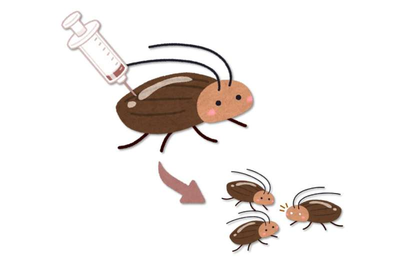
The final frontier
The Long Read: Tinnitus Connection edition
Today’s non-pharma medical science story

May 21, 2022 ✒ Andrew Kantor
Britain’s NICE — sorta kinda the equivalent of the FDA — is recommending that insomniacs give up sleeping pills (e.g,. zolpidem and zopiclone) in favor of a smartphone app called Sleepio. It’s not a requirement, just a “new treatment option” that could save money and avoid dependency. It’s based on CBT-I, or cognitive behavioral therapy for insomnia. The app provides a sleep test, weekly interactive CBT-I sessions and allows users to keep a diary tracking their sleeping patterns. Meanwhile, CBT-I sessions focus on identifying thoughts, feelings and behaviours that contribute to the symptoms of insomnia. Sleepio is available on both Apple’s App Store and Google Play if you want to give it a go*. (For an app recommended by a government health service, though, it doesn’t have a lot of users.) The FDA has learned at least one lesson from the pandemic: Drug supply chains are finicky things. So it’s release a draft guidance for industry that it hopes will keep the next one from being so bad. It’s all about risk management plans, or RMPs. The gist: Drug makers will have to submit RMPs for ‘life-sustaining and life-supporting drugs and APIs’ and other emergency drugs and devices. And they should submit them for other kinds of drugs, e.g., “Drugs that lack appropriate alternatives” and “Sole source drugs.” It’s not clear that these RMPs need to be approved — it seems more that they’re meant to “provide FDA with greater assurance that stakeholders understand and can manage the associated risks.” Cdk5 inhibitors show a lot of promise for helping with brain issues including depression and even injury. Problem: the ol’ blood-brain barrier keeps them from working very well. But now University of Alabama researchers say they have a new kind of anti-Cdk5 compound — and theirs is brain-permeable. They call it 25-106. Right now 25-106 is still pre-clinical, but it seems to work on mice, altering their behavior and reducing anxiety. Of course a lot more research is needed, but the combination of a Cdk5 inhibitor and brain permeability certainly sounds promising. There’s apparently an easy — well, simple — way to help kids with ADHD that doesn’t involve medication: fruit and veg. A study out of an Ohio State University found that, in short, “kids who consumed more fruits and vegetables showed less severe symptoms of inattention.” The reason is likely micronutrients: Researchers believe that ADHD is related to low levels of some neurotransmitters in the brain – and vitamins and minerals play a key role as cofactors in helping the body make those important neurochemicals and in overall brain function. But food insecurity can also play a role: “[K]ids whose families had higher levels of food insecurity were more likely than others to show more severe symptoms of emotional dysregulation, such as chronic irritability, angry moods and outbursts of anger.” That’s all you really need to know. Dolphins are one of a bunch of animals known to self-medicate — using the properties of what’s in their environment to treat or prevent this or that. (Protecting themselves from insect bites seems common.) The latest trick of theirs to be discovered: skin care. Bottlenose dolphins in the Red Sea will rub against a particular coral that’s “known to excrete mucus with antimicrobial properties.” When Swiss ad German researchers looked closer, they found ”more than a dozen bioactive compounds that are produced by these corals and sponges and which likely help maintain dolphins’ skin health.” If you know any patients with a seafood allergy, you might want to warn them to avoid crocodile meat. Sure, we all know that croc (and alligator) meat is healthy, tasty, and easy to get (especially if you’re close to Florida). Lately, though, molecular allergists in Singapore have been getting reports of allergic reactions. Upon investigation, they found that about 70 per cent of patients with a fish allergy will also have an allergic reaction when eating crocodile. “We now coined the ‘fish-crocodile syndrome’: Fish-allergic individuals may be at risk of serious allergic reactions upon consumption of crocodilian meat due to them being highly reactive to crocodile parvalbumin. Who’s the apex predator now? High school and college kids are using social media to buy drugs, and too often those drugs are laced with fentanyl … and the kids are dying. Supplies of tainted pills, crudely pressed by Mexican cartels with chemicals from China and India, have escalated commensurately. Fentanyl, faster and cheaper to produce than heroin and 50 times as potent, made for a highly addictive filler. Social media companies claim to be cracking down — for example making search results for common drugs go to ‘Don’t do drugs’ pages instead. (Which will undoubtedly have a tremendous effect.) But those efforts are a bit half-hearted: On Instagram, one recent search for Percocet did set off an automatic warning and an offer of help. But it also yielded numerous results, including an account that posted photos of the pills and contact information, with phone numbers on the encrypted messaging apps Wickr and WhatsApp.Dolphin pharmacy, alligator meat warning, apps vs sedatives, and more
Sleep with the apps
Preventing the next shortage (sort of)
A new brain drug?
Hyperactive kids need their veggies
Monkeypox continues to spread
Dolphins, mucus, and skin care

Allergy news

The Long Read: Social Media Kills edition
May 20, 2022 ✒ Andrew Kantor
If you and your pharmacy are making enough money, you can skip this item. If, on the other hand, you’re thinking about ways to expand by providing patients (and payors) with some enhanced service offerings, take note: Payer Opportunities for Community Practice is just one of the great CE courses at the Georgia Pharmacy Convention. If you’re an owner or manager, this is an obvious choice — you’ll get great ideas for how you and your team can do more and earn more. If you’re an employee, this class is a great way to prepare to move ahead — come to a new job prepared with great ideas. (And because you were a convention attendee, we promise never to tell ’em where you got them.) Monkeypox has arrived on American shores. A man in Massachusetts has it, as do some folks in Canada. Britain has at least nine cases, Portugal has at least five, Spain has 23. You get the picture. What’s most unusual? As for the disease itself, the smallpox vaccine offers protection, and antivirals work well at this point. And if you get it? Disgusting, but rarely fatal. Good news: Those pustules eventually fall off. Copenhagen-based vaccine maker Bavarian Nordic has started production of its smallpox vaccine. Just in case. It even has a contract — but, typical for those shifty Danes, it’s with “an undisclosed European country.” The latest entry in the ‘meds that turn out to do more’ chronicles is that of losartan. Led by a geriatrics researcher at the University of Texas, a new study found that everyone’s favorite blood pressure med “may help improve measures of frailty in prefrail older adults.” After six months on the drug… “The frailty scores in these patients were lower after taking the losartan and they also had improved physical function. […] We found that the losartan group had improvements in their molecular levels as well, meaning changes in things like their metabolism and stress markers.” Rat out a PBM. There are laws in Georgia that prohibit steering and retroactive claim adjustments, for example, and that require fair audits. But — and this may come as a shock to some — we’ve heard that the PBMs don’t always obey the law. As hard as that is to believe, if you happen to run into such a case, the good folks at NCPA have made it easy to file a report in Georgia or another state (if you happen to cross lines). NCPA has launched a new resource to help pharmacists and patients report possible violations to state insurance regulators and push them to enforce the laws on the books. Click for NCPA’s PBM Complaints tool. President Biden has invoked the Defense Production Act to help deal with the baby-formula shortage. Among other things, this means ingredient suppliers must prioritize formula makers. More interesting is that it will launch Operation Fly Formula (seriously), which will allow the HHS and USDA “to use Department of Defense commercial aircraft to pick up overseas infant formula that meets U.S. health and safety standards, so it can get to store shelves faster.” Missouri residents watch the arrival of an Operation Fly Formula transport plane (artist’s conception) Most of the time, people throw away the leaves of a pineapple (or try to grow a tree*), but do you know what pineapple leaves can do? Absorb fat. So researchers from the National University of Singapore decided to try some upcycling — turning those leaves into “fat trappers” that can compete with fancy weight-loss supplements. “After ingestion, the capsule or cracker absorbs fatty compounds (such as animal fats) and form fat-coated fibre lumps. These fat-coated lumps will then be passed out from the digestive system in one to three days, similar to other foods we consume.” Last week we reported on a breakthrough against Sudden Infant Death Syndrome — a biomarker that might be able to predict it. Welp, turns out it might have been an exaggeration. The Scientist explains. There are two issues covered in the story: First is the misreporting — in other media — that the cause of SIDS was found. (It’s just a biomarker.) More important, though, is whether the study even found a reliable biomarker, or was just “oversold science.” A European study funded by the Cranberry Institute found that “Cranberries could improve memory and ward off dementia.” Smallpox vaccine in production, flying for formula, help rat out PBMs, and more
Shameless convention plug
Send in the pox (it’s already here)
Someone’s getting twitchy
Losartan vs frailty
Snitches get … well, they get our thanks
To fly for the little guy

Pineapple trap
SIDS ‘breakthrough’ — did we speak too soon?
Big Cranberry would like a word
May 19, 2022 ✒ Andrew Kantor
They don’t just lower cholesterol — it seems statins might also help lower depression. That’s what a British study found, looking at more than 2,000 people during the height (depth?) of the pandemic, when depression was the name of the game. Okay, they didn’t find that it reduced depression directly. Rather, it made people less likely to interpret facial expressions as negative — and “reducing negative emotional bias can be important for the treatment of depression.” Is she angry, or just British? Congrats to Mercer’s College of Pharmacy, which just broke ground on the future home of its Moye Pharmacy and Health Sciences Center — named for GPhA member and 2012 Bowl of Hygeia recipient Tony Moye of McDonough (Mercer 1973), former owner of Moye’s Pharmacy and Home Health Care. The new $36.8 million building — expected to be completed in late 2023 — will include “state-of-the-art classrooms, a clinical skills and simulation laboratory, dedicated spaces for students, and administrative offices” … and that’s just on the first floor. Add interactive* classrooms with ‘flexible and open designs,’ plus more offices and meeting spaces, and you’ve got a nice bit of architecture. Tony is in the middle in the spiffy orange and black tie: Sanofi’s Dupixent asthma med was approved in 2018, and now Japanese researchers have some real-world data on its effectiveness. Yes, it works well. BUT (and there’s always a but) some patients experienced high eosinophil levels. So if you have patients who switch to Dupixent, suggest they keep an eye on their eosinophil levels. For obvious reasons, there’s been a lot of interest lately in Plan B (levonorgestrel), which works about 88 percent of the time to prevent conception after sex. BUT there’s a good chance it doesn’t work well for heavier women — notably those over 165 pounds. The studies are conflicting, and the FDA has no advice. Interesting fact: According to the CDC, the average American woman over 20 weighs 171 pounds. Indiana University engineers are working on a patch — about the size of the ones used for nicotine — that would detect an overdose in progress and administer naloxone. It measures blood oxygen level, respiratory rate, pulse rate, and blood pressure. If someone is about to develop respiratory depression, it uses sound waves and microneedles to dispense naloxone. (In fact, it can do that more than once.) And yes, they think it could be used to monitor other conditions (e.g., blood sugar) and administer emergency medication (e.g., insulin). They hope to start human trials within a few years. ‘Pharma bro’ Martin Shkreli, late of Turing Pharmaceuticals, is going to a federal halfway house. He was released from prison, where he was serving time for securities fraud and stifling competition* over Daraprim, the company’s toxoplasmosis treatment. He’ll remain in federal custody until September 14. Asthma inhalers aren’t new, so why are they still so expensive? Researchers from Harvard and the University of Calgary decided to find out. The short answer: Little generic competition. Between 1986 and 2020 of the 62 inhalers the FDA approved, 53 (85%) were brand-name products. How’d that happen? Manufacturers keep tweaking their formulas jusssst enough to keep extending their patent protection. For example: GSK received 35 years of protection from competition after FDA approval on its fluticasone inhalers through the successive release of new inhaler devices containing fluticasone: Flovent (approved in 1996), Flovent Rotadisk (1997), Flovent Diskus (2000), Flovent HFA (2004), and most recently Arnuity Ellipta (2014). New versions mean generics are no longer interchangeable — presto! — no competition. People infected with the Toxoplasma gondii parasite become physically more attractive. And it’s not that they give off some kind of pheromone — the parasite actually alters their appearance. A group of European and Mexican researchers found that the T. gondii changed both the appearance and behavior of its human host, possibly to help itself be transmitted. And it seems to work: After infection, both men and women tended to have more symmetric faces, while… …infected women had lower body mass, lower body mass index, […] higher self-perceived attractiveness, and a higher number of sexual partners than non-infected ones. It’s “taking important steps.” The agency intends to prioritize submissions for products that can demonstrate the safety and nutritional adequacy and have the largest volume of product available and/or those who can get product onto U.S. shelves the quickest. 2009 2019 2019–2021 The Supreme Court may take up the case. The FDA is lobbying to tweak the Orphan Drug Act. There’s a bipartisan bill in the Senate that would do just that, and similar language in a House bill. In the meantime, those 15–20 kids with LEMS are just out of luck.Beauty by parasite, Plan B’s big problem, statins fight depression, and more
Statins vs depression

Mercer breaks the ground


Need to know
… about Dupixent
… about Plan B
An automated naloxone patch
Shkreli: Halfway home
The price of breathing freely
You’re beautiful, you’re infected, and you’re mine
What’s the FDA doing about the baby formula shortage?
The Long Read: Little Orphan Firdapse edition
May 18, 2022 ✒ Andrew Kantor
The latest condition that might be treated by drugs instead of surgery: cataracts. British researchers are working on an oxysterol compound — they gave it the memorable name “VP1-001” — that they hope will cut through the clouding. It does two things, apparently: 1) it improves the lens’s refractive index profile (61% of the time), allowing it to focus better; and 2) it restores the lens’s protein organization (46% of the time), making it less opaque. Why not every lens? Good question, and one they can’t answer yet — and that’s why VP1-001 is still in the lab. Congress is considering allowing the FDA regulate dietary supplements (and cosmetics and lab-based tests). Among other things, a law would “require supplement makers to submit information, like the products they sell and their ingredients, to the FDA.” Fighting tooth-and-nail against this is the Natural Products Association. Its argument … are you ready? Requiring supplement makers to tell the FDA their ingredients “would allow bioterrorists to introduce contaminants into the food supply” when the supplement makers disclosed their super-secret supply chains. Yep. If you regulate supplements, the terrorists win. The FDA has authorized a booster of Pfizer’s Covid-19 vaccine for 5- to 11-year-olds. That is all. Women who take hormone replacement therapy are less likely to die from Covid-19 — assuming they received it within six months of their Covid diagnosis. A study out of Britain looking at 1.8 million women (5,500 of whom contracted Covid) found that either HRT or contraceptive hormones reduced their chance of death once infected. Questions unanswered: “Further work is needed,” say the authors. …in a couple of months. Abbott and the FDA have reached an agreement so the company can start production again — presumably in a cleaner facility, but likely not for several weeks. Want the details on what caused the shortage? The Atlantic, always happy to write about a depressing topic, has you covered, from plant contamination to pandemic supply chain issues and more: [America’s] unreasonably protectionist trade policy that makes the U.S. formula market exquisitely sensitive to existential shocks (like a pandemic) and domestic shocks (like a major recall). Today, the shocks are everywhere, and that’s why baby formula is not. Those Mysterious Hepatitis Cases that have popped up in toddlers around the world still have no explanation … but at least now there’s fodder for the anti-science crowd. The UK Health Security Agency noted in a recent briefing that 64 of the 92 known patients were from dog-owning families or had “other dog exposures”. This is not surprising — a third of British homes have dogs, and people also visit dog-owning family and friends. But mere logic hasn’t stopped the usual penchant for ignoring science (à la Dr. Laura/Oz/Phil) in favor of a bit of sensationalism. So while the reality is that, “The data suggesting this link is extremely weak — in fact, probably a lot weaker than most of the alternative hypotheses that have been proposed,” as one British immunologist explained, that hasn’t stopped the press from capitalizing…. Stretching the definition of word “might”: The scientists, they’re afraid: Meanwhile, some sell the scare but still try to add some accuracy (in small print): Or maybe it’s … Tylenol? Giving patients antibiotics in hospital is normal, but it can, it seems, [also increase their risk of fungal infections. Apparently (and surprisingly) the drugs disrupt the intestinal immune system to the point that not only allows fungus to flourish, but … …where fungal infections developed, gut bacteria were also able to escape, leading to the additional risk of bacterial infection. So yes, that’s essentially the opposite of what they were supposed to do. The solution, say the British researchers who wrote the paper, might* be prescribing immune-boosting drugs along with any broad-spectrum antibiotics. Being sexually or emotionally abused as a child may increase a woman’s chance of developing multiple sclerosis. Norwegian researchers found that “people who had experienced sexual abuse as children had a 65% higher risk of developing MS. For those exposed to emotional abuse, there was a 40% heightened risk.” The risk was even higher among patients who experienced a combination of two or more types of abuse in their childhood, the researchers noted, adding that more research is needed to understand the biological mechanisms through which childhood trauma may contribute to MS. Interestingly, physical abuse alone did not have a statistically significant effect. We’ve known for a while that eating less means living longer, and now we have another piece of that puzzle. It’s all about a single hormone called FGF21. You — or, rather, mice — can cut protein intake down all you (they) want, but it won’t make a difference if there’s not enough FGF21 to do the signalling. But when there is enough, even for middle-aged mice, “FGF21 […] improves metabolic health and extends lifespan.” What that will mean for humans … well, that’s as yet to be seen.Backfiring antibiotics, drugs for cataracts, supplement silliness, and more
Clearing vision with chemistry
The craziest argument against regulation you’ll hear this week
ICYMI: Boost the kids
Hormones vs Covid
Baby formula shortage could be ending…
Barking up the hepatitis tree
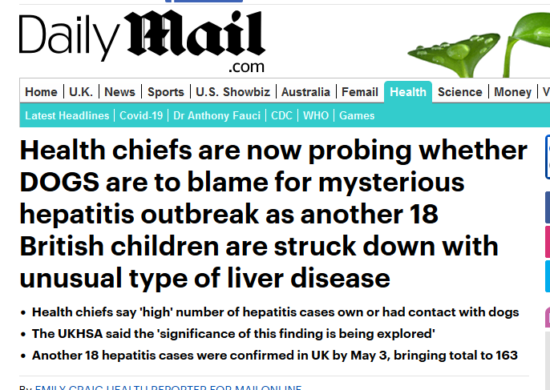
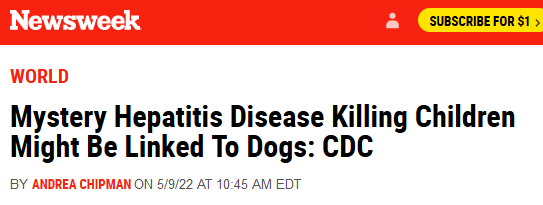
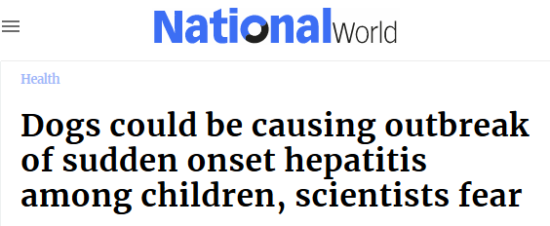
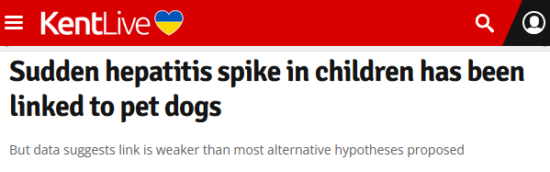
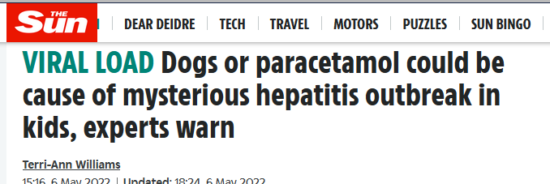
When antibiotics backfire
Abuse and MS
Another piece of the lifespan puzzle
May 17, 2022 ✒ Andrew Kantor
Fun fact: A survey by OnePoll found that “2 in 3 people think bringing family or friends on business travel is acceptable.” It’s called … the bleisure trip. And when it comes to the Georgia Pharmacy Convention, we don’t just think it, we encourage it — that’s why the convention is at the glorious Omni Amelia Island Resort! Bring your family, friends, neighbors, the weird hobo who hangs out at the 7-Eleven … they’ll all have an amazing time exploring the resort and the island. On that note…. The Omni room block closes TOMORROW — May 18! Be sure you’ve grabbed your room (or villa!) before the deadline, lest you have to stay at some other hotel like … like a commoner. IMPORTANT : We’ve added 20 (!) rooms to the room block for Saturday night! If you couldn’t get the GPhA rate, book now. Click here to book online with the Omni. Want to reserve a villa instead? CLICK HERE! Mouse broken? Call the hotel at (888) 444-6664 (and be sure to mention you’re with GPhA). If you want to be extra sure you know the details of CMS’s final DIR rule, tonight’s the night — Tuesday, at 8:00pm EDT. That’s when NCPA’s policy team will give its take on that rule and what it means for you in a free webinar. Free, yes, but you do need to register first: Click here to do just that. Inflammation is like chocolate or reading Ayn Rand: A little can be useful, but too much is bad for you in the long term. When cells detect pathogens, the essentially commit suicide rather than spread the infection infected. (One researchers called it a “temple of doom” that traps viruses when it destroys itself.) That’s where inflammation comes from. It’s good at first, but eventually the inflammation itself becomes dangerous. While researching that cell death — called the “TNFR1 death complex” after the protein that triggers it — Aussie researchers discovered how the body eventually stops it: An enzyme called tankyrase-1 tags a cell with a particular sugar so the body removes that protein and stops the cell’s death … and the inflammation. In a sense, they’ve figured out how to mark cells so they don’t turn into temples of doom. This discovery could have implications for patients suffering from chronic inflammatory diseases driven by unregulated cell death, such as psoriasis and rhuematoid arthritis. It could also impact patients suffering from inflammatory cancers, such as those in the bowel, where there is too little cell death. The other day we told you how Moderna’s new CFO left the company after just one day. If you were worried about Jorge Gomez, don’t be. He’ll still receive his $700,000 base salary, unless he’s found guilty of wrongdoing at his previous job. (You can shed a small tear, though: He did have to give up his $500,000 signing bonus and $4 million in stock.) Between 2003 and 2018, pharmacists had a 66% higher rate of suicide than the general population — 20 per 100,000 pharmacists compared to 12 per 100,000 overall. That comes from a study by University of California pharmacy researchers based on CDC data. Note that the data are through 2018. “Study authors expect numbers to be even higher in subsequent years due to the additional stressors of the pandemic.” And while existing mental health issues can certainly be a factor, they point the finger at job-related stress: “Pharmacists have many more responsibilities now, but are expected to do them with the same resources and compensation they had 20 years ago. And with strict monitoring from state and federal regulatory boards, pharmacists are expected to perform in a fast-paced environment with perfect accuracy. It’s difficult for any human to keep up with that pressure.” PharmAssist, Georgia’s addiction and recovery help network for pharmacists, is almost ready for its re-launch — it held volunteer training on Saturday in Macon. PharmAssist (part of the Georgia Pharmacy Foundation’s PharmWell professional health and wellness program) is an addiction and recovery help network for pharmacists, pharmacy techs, students, and other pharmacy staff. “It has been a dream of mine to get a pharmacists recovery network started in Georgia for a long time,“ said PharmWell committee chair Joe Ed Holt. “Saturday that dream came one step closer to fruition. Stay tuned for more updates and ways to get involved!” Check out the first group of PharmAssist trainees. If, like most people, you’ve lain awake at night wondering “Can pickles increase the health benefits of sour cream?” there’s good news. Polish researchers have found that yes, yes there is. In short, adding cucumbers to the sour cream led to not only “a significant decrease in cholesterol content in the sour cream,” but to lower levels of carcinogenic oxysterols, which occur when the sour cream is exposed to light. “It’s like a stent with multiple tricks up its sleeve.” That’s how Georgia Tech researcher Woon-Hong Yeo described an implantable sensor that can monitor a patient’s blood flow to help inform treatments for conditions like hypertension and atherosclerosis. Forget those pesky angiograms: [W]hen this device is installed in a patient with atherosclerosis, in addition to expanding and preventing the artery from narrowing, like a traditional stent, restoring normal blood flow, it will also provide a constant flow of data [including arterial pressure, pulse, and flow]. It needs no batteries and can be “delivered” by catheter anywhere in the body … once it’s out of the lab, anyway. Steve Austin needed a tiny nuclear reactor to power his bionic legs (and arm, and eye). That would be a problem today, especially if you’re going through an airport. But now MIT researchers have developed a practical fuel cell that uses the body’s glucose as a power source for implanted medical devices. The glucose-platinum cells are 1/100th the thickness of a human hair, and able to withstand temperatures up to 600°C (that’s 1,112 in °Freedom) — hot enough to be sterilized for medical use. While a glucose fuel cell isn’t new, one this tiny and tough is. It’s currently just in the lab, so images of grad students scampering up the university’s Great Dome are purely coincidental. The writers continue to tease next season, as there are now Worry not: “[I]t is important to emphasise it does not spread easily between people and requires close personal contact with an infected symptomatic person,” said a UKHSA official. “The overall risk to the general public remains very low.”Your sour cream needs pickles, turning off inflammation, if you’re stressed you’re not alone, and more
The opposite of “staycation”
Don’t forget: Get your DIR update tonight
An inflammation switch
One day, one golden parachute
Pharmacists’ stress is deadly
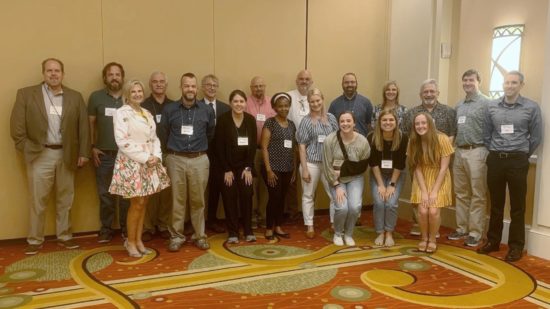
Foundation’s PharmAssist set to relaunch
Is that a pickle in your sour cream, or are you just happy to see lower oxysterols?
The incredible shrinking medical science
Wireless smart stent
Sugar-powered implants

Monkeypox update
three four cases of monkeypox in Britain, according to the U.K.’s Health Security Agency. The interesting part is that the three latest are not connected with the first.
Do you want to send your members the daily Buzz email newsletter (customized for your state and organization, perhaps)? Let’s talk — just drop me a note at andrew@gphabuzz.com!


- Listen to the Latest ‘KFF Health News Minute’
- Banks Are Becoming Bulwarks Against Scams for Vulnerable Seniors
- More Kids Are in ERs for Tooth Pain. Trump Cuts and RFK Jr.’s Anti-Fluoride Fight Aren’t Helping.
- Newsom Picks a Dogfight With Trump and RFK Jr. on Public Health
- Florida Hasn’t Expanded Medicaid. Lawmakers Want To Add Work Requirements Anyway.
- Journalists Explain a Spat Over Sugary Coffee and How Measles Fools Doctors
- January 2025
- December 2024
- November 2024
- October 2024
- September 2024
- August 2024
- July 2024
- June 2024
- May 2024
- April 2024
- March 2024
- February 2024
- January 2024
- December 2023
- November 2023
- October 2023
- September 2023
- August 2023
- July 2023
- June 2023
- May 2023
- April 2023
- March 2023
- February 2023
- January 2023
- December 2022
- November 2022
- October 2022
- September 2022
- August 2022
- July 2022
- June 2022
- May 2022
- April 2022
- March 2022
- February 2022
- January 2022
- December 2021
- November 2021
- October 2021
- September 2021
- August 2021
- July 2021
- June 2021
- May 2021
- April 2021
- March 2021
- February 2021
- January 2021
- December 2020
- November 2020
- October 2020
- August 2020
- July 2020
- March 2020
- February 2020
- January 2020
- December 2019
- November 2019
- October 2019
- September 2019
- August 2019
- July 2019
- June 2019
- May 2019
- April 2019
- March 2019
- February 2019
- January 2019
- December 2018
- November 2018
- October 2018
- April 2017
