
April 30, 2022 ✒ Andrew Kantor
Sure, China might have beaten us to the punch with the first human case of bird flu this year, but we’re not far behind. Now the U.S. has its first case, out in Colorado. And ours is the much more patriotic H5N1 variant. Don’t you worry, though — the guy is doing fine, and health officials say the chance of it affecting people is low. One in a million, really. What could possibly go wrong? Once you hit middle age, you only want about seven hours of sleep — no more, no less. So claim UK and Chinese scientists, who found that getting either too much or to little can keep you from performing at 100%. [T]he team found that both insufficient and excessive sleep duration were associated with impaired cognitive performance, such as processing speed, visual attention, memory and problem-solving skills. And getting those 420 minutes of sleep is also good for your mental health — any more or less and your anxiety and depression (and “overall wellbeing”) gets worse. People who have migraines are more likely to suffer from burning mouth syndrome. Now you know. Yes, there are even stock photo images. Who knew? Weight-loss drug semaglutide was called a “game-changer.” But now Eli Lilly has ruined the metaphor with a drug it says will do even more. How much more? In a phase 3 trial, it cut patients’ weight by a whopping 20 percent. Where semaglutide is a GLP-1 therapy, the new tirzepatide works on both GLP-1 and GIP receptors, “leading to greater decreases in food intake and greater increases in energy expenditure.” So if the game was changed before, now it’s … see, the metaphor breaks down. Anyway, patients got a one weekly shot of tirzepatide (plus some diet and exercise): At the end of the 72-week program those on the lowest dose had lost an average of 16 percent of their bodyweight, while those on the highest dose dropped 22.5 percent. If you’re thinking that the diet and exercise was the real factor, get this: People doing diet and exercise but taking a placebo only lost an average of 2.4 percent of their weight. Those shifty Danes at Novo Nordisk have created an insulin injection that only needs to be taken once a week. Their insulin icodec just finished its first phase-3 trial, which “showed that it was as effective as daily dosing […] at controlling blood glucose*.” Not trusting reporters to be able to handle basic math, “Novo Nordisk said that if approved for use, insulin icodec would reduce the number of basal insulin injections needed per year for type 2 diabetics from 365 to 52.” What if you gave a spritz of insulin in the noses of people with and without type-2 diabetes? Could it help prevent cognitive decline? Why yes, yes it can. Or so it seems, based on a study out of Boston, where neurology researchers looked at how long-term nasal insulin affects middle-aged and older folks. Turns out it does them some good: [I]ntranasal insulin increased the walking speed, increased cerebral blood flow and decreased plasma insulin in participants with type 2 diabetes, while it improved decision making and verbal memory in trial participants without the disease and those with pre-diabetes. That’s exactly what happened: Human behavior caused higher excess death rates in the South during the pandemic. The math was fairly straightforward — Georgetown researchers looked at historical death rates across the country, then compared them to deaths from January 3, 2020, to September 26, 2021. The southern part of the United States has had higher mortality rates than the rest of the U.S. since the start of summer in 2020. Since October 2020, 48% of Covid-19 deaths were in the South, which makes up 38% of the population, pointing to disproportionate outcomes regionally. It’s worth noting that this study didn’t look at how many people died from Covid-19, but rather how many excess deaths there were, period, which they consider more reliable. If you haven’t heard the story of Tennessee nurse RaDonda Vaught — get familiar. It’s rather terrifying. Using procedures all too common in hospitals, she mistakenly took the wrong drug out of the automatic dispenser, giving a patient vecuronium instead of Versed. The patient died, and she, to the shock of many, was convicted of negligent homicide. “For example, [if you type] M-E-T. Is that metronidazole? Or metformin? One is an antibiotic. The other is a drug for diabetes. That’s a pretty big mix-up. But when you see M-E-T on the screen, it’s easy to select the wrong drug.” And Vaught may not be the last, as Kaiser Health News explains. Whose mouths are burning, inhaling insulin, the right amount of sleep, and more
Bird flu, human patient
Take seven
Who needs sriracha when you have migraines?

New weight-loss drug a-comin’
Hot insulin news
Daily, schmaily
Sniff this
Behave yourself … or die
The Long Read:
April 29, 2022 ✒ Andrew Kantor
British health officials are warning pregnant women to stay away from Lyrica, aka pregabalin. Why? A recent study in four Nordic countries of over 2,700 pregnancies found that 5.6% of babies born to women who took pregabalin in the first three months of pregnancy had birth abnormalities. That compares to 4.1% of babies whose mothers did not use pregabalin. Although the pregabalin-abnormalities link wasn’t confirmed, the risk and potential impact were both high enough to flip the “Err on the Side of Caution” switch to On. (In the U.S., the FDA’s warning label for Lyrica used to say that it is “not known if Lyrica will harm your unborn baby.” But that was changed to “Lyrica may harm your unborn baby.”) Drug Store News reports how pharmacies (and other retailers) are seeing higher demand — and making more shelf space for — an … unexpected class of products. It’s thanks to a combination of pandemic lockdowns, better online information, Millennial demand, and the fact that “Consumers are embracing a holistic approach to health and wellness.” In case you feel like checking it out, here’s a reminder that the Georgia Board of Public Health will be holding its next public meeting on Tuesday, May 10, from 1:00 to 3:00 PM via Zoom. It’ll cover issues including pediatric hepatitis, fentanyl and overdoses, a Covid testing update, and of course the ever-popular “Closing remarks.” Healthcare advocates, concerned about fentanyl poisonings, are hoping Governor Kemp will sign the Georgia Raw Dairy Act. Why? Because at the very end of that bill is a provision that would make fentanyl test strips easier to access by adding a sentence to the Georgia Controlled Substances Act: “…any testing equipment used to determine whether a controlled substance has been adulterated and contains a synthetic opioid shall not be considered a drug related object.” (Emphasis ours.) That one small change would ensure that fentanyl test strips are no longer considered drug paraphernalia under Georgia law, and make them easier to distribute. Long Covid symptoms — including breathing troubles, fatigue, and “brain fog” — don’t go away quickly for the sickest people. In fact, fewer than 1 in 3 hospitalized patients are fully recovered after a year. That comes from a study of patients from 39 British hospitals. Just 26 percent reported a full recovery after five months, and that number rose only slightly to 28.9 percent after a year. Both Pfizer/BioNTech and Moderna have asked the FDA to approve their Covid vaccines for children under 6. …but it doesn’t seem to be surging. Still, the numbers are going up in most of the country — not surprising as mask requirements are removed. Good news: The numbers are still going down in Georgia … for now. Of course, as the Atlantic (“World’s Most Depressing Magazine”) points out, there could be a heck of a lot of unreported cases thanks to home testing — an “Invisible Covid Wave.” Sometimes it is lupus. A Spanish girl — just 7 years old — contracted lupus. Unlucky for her, but lucky for medicine: Her sudden onset meant the cause was almost certainly genetic, and that allowed a team of mostly-Australian, mostly-immunologists to determine exactly what that cause was. It turns out to be a single mutation on a single gene — TLR7, which is on the X chromosome (and thus explains why women and their two Xs get lupus more often than men). The mutation (named “kika” by the girl) isn’t the only cause of lupus, but finding it — and directing research to the TLR7 gene — is a major breakthrough. “While it may only be a small number of people with lupus who have variants in TLR7 itself, we do know that many patients have signs of overactivity in the TLR7 pathway. By confirming a causal link between the gene mutation and the disease, we can start to search for more effective treatments.” Michigan is considering going the way of California and producing its own generic insulin for its citizens if manufacturers — who have jacked up the price for decades — won’t sell it to the state at cost. Lupus cause found, ‘personal’ product sales, Covid keeps on giving, and more
Lyrica danger
Consumer trends
PSA: Board of health meeting
Covid-19 quickies
Dairy law, overdose prevention
Long Covid is long
Boosters for the littlest
Covid is rising
Lupus breakthrough
Elsewhere
Michigan tackles insulin
April 28, 2022 ✒ Andrew Kantor
If, like many of us, you woke up this morning wondering “How much do Americans spend on wart treatment every year?” worry no longer. HealthDay has you covered. (Spoiler: about $846 million for cutaneous warts, per a study in JAMA Dermatology.) “Most Americans have had Covid” reads the headlines. That’s technically true — based on CDC’s data — but by “most” they don’t mean 80% or 90%. They mean just under 58%. If you find yourself running naked through your high school, late for an exam, being chased by a faceless person on a flaming bicycle … you might be recovering from Covid-19. Apparently more-frequent nightmares are fairly common for people who’ve had Covid — in fact, it’s a lot like what people with anxiety, depression, and PTSD experience, according to a study out of Italy based on international sleep data. The so-called ‘pandemic dreams’ have provided a unique window on the psychological and physiological effects of the pandemic. We increased our rate of dream recall, our lucid dreams, and above all, our nightmares. These changes have been observed without in different countries and in different periods of the pandemic.” [I was going to include an image of “nightmare” here, but honestly they’re way too creepy.] Check it out: The Georgia Pharmacy Foundation sponsored a “lunch-and-learn” for UGA College of Pharmacy students with GPhA past president Lance Boles and financial advisor Mike Tarrant. Surrounding the College of Pharmacy’s beloved mascot, Apoochecary, are (l-r) UGA’s Lee Snelling; Mike Tarrant; UGA students Samantha Sharpe, Kristen DiSalle, Alana Holliman, and Valery Cepeda; UGA’s Lindsey Welch; GPhA’s Lance Boles; and UGA’s Kim Hamby. The latest from the U.S. Preventive Services Task Force says that the risk of bleeding from low-dose aspirin outweighs the benefit — at least for people without cardiovascular disease. These are government recommendations, so by tradition they have to be overly complicated: Development of Pfizer’s next-gen Lyme disease vaccine continues apace. Phase 3 trials should begin later this year. (Originally the company said it worked better in adults, but now it says it works better in children.) Pfizer is recalling five lots of Accupril tablets due to the presence of N-nitroso-quinapril, a carcinogen. You can see the affected NDCs on the FDA’s recall page. Note: This is not the same as last month, when the company recalled Accuretic for the same reason. Nor is it the same as its recall of Chantix last summer … also for that same reason. …aka Hypericum perforatum. German researchers found that a dried extract of the main ingredients of the plant not only killed the virus, but worked against all the known variants. Hypericum perforatum and its ingredients, hypericin and pseudohypericin, act strongly antiviral against SARS-CoV-2 and several emerged variants. The blockade of virus propagation predominantly occurs at the very early stage of infection, presumably even at the level of interference with the virus particles, indicating a virucidal activity. Sometimes called “danshen,” or “Chinese sage,” it’s an herb used in traditional Chinese medicine — and, according to Belgian researchers, it can prevent the SARS-CoV-2 virus from binding to cells. But they go a little further, saying that not only might it help prevent infection, but it might also be useful “on the inflammatory response occurring later.” [T]he extract may be as effective [as] the current reference treatment of the disease, namely corticosteroids (in particular, dexamethasone). The hobo with the tinfoil hat was right after all: Microwaves can cause brain damage. But (say U.S. Army and Texas A&M researchers) they have to be really high power — “orders of magnitude larger than most real-world exposure.” At those high powers… “The microwave heating causes spatially varying, rapid thermal expansion, which then induces mechanical waves that propagate through the brain, like ripples in a pond.” Learn to love maple syrup, hockey, apologizing, and mispronouncing “about”: Tim Horton’s is coming to Georgia.Covid in your dreams, the cost of kissing frogs, new(ish) aspirin advice, and more
Witches skew the results
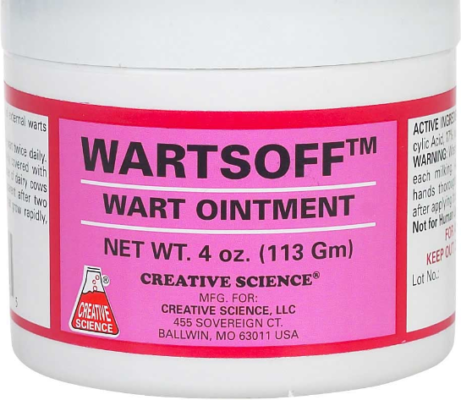
Details matter
Sour dreams
Reaching out to students

ICYMI
No aspirin necessary … sort of
Lyme vaccine update
Accupril recall
Latest Covid treatments
St. John’s wort
Red sage
Weird science
This is your brain on high-powered microwaves
Then there’s this
O Canada

April 27, 2022 ✒ Andrew Kantor
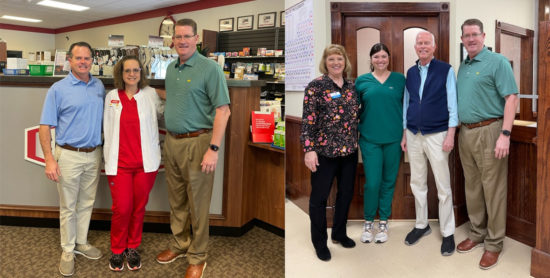
On the horizon: An on-demand contraceptive pill. A combination of ulipristal acetate and meloxicam, it’s “highly effective at disrupting ovulation at the point in the cycle when the risk of pregnancy is greatest, known as peak fertility.” It kinda sits in the niche between a daily pill and something like Plan B — taken on demand, but before it’s needed. Although it was tested on humans (both drug are already approved), it’s still exploratory research. You know the mantra: Further studies are needed. I’ve been trying to keep Covid stories to a minimum simply out of fatigue. But — like an Indonesian volcano or Taco Bell buffet — eventually the pressure builds and there’s just too much to keep inside. Families of Covid-19 patients admitted to the ICU have a serious risk of suffering from PTSD — or at least have “significant symptoms of posttraumatic stress disorder 3 months after the patients’ admission” according to a paper in JAMA Internal Medicine (by researchers from across the country). It may have been better to space vaccine doses farther apart. A study out of the UK Health Security Agency found that waiting 10 weeks between doses, rather than two to four weeks, resulted in up to 11 times more antibodies. It bears repeating yet again: Antibodies are only one measure of a vaccine’s effectiveness, and they wane after a few months anyway. Long-term T-cells remain regardless of the vaccine schedule. For people who contract Covid and want to stay out of hospital, there’s Paxlovid — Pfizer’s antiviral pill. But demand is low, in part because “some physicians have been hesitant to prescribe it over concerns about depleting the supply.” Fear not! says the White House — there’s plenty to go around and more pharmacies will be able to order it directly from the feds. Vaccinating dogs (and other animals) against Covid-19 could prevent them from carrying the virus and transmitting it to humans. Korean veterinarians successfully vaccinated beagles using a dog-specific vaccine, allowing them to conclude that “reverse zoonosis of Covid-19 is preventable.” Are we “sleepwalking into a policy of recommending annual Covid-19 vaccine boosters” without enough evidence? Boosters may not be needed to protect against severe disease, but the policy train is rolling along regardless. “We’ve created this public perception that when antibodies are declining, everything’s gone. And that’s not correct.” GPhA VP of AIP Jonathan Marquess, PharmD, and AIP board member Hugh Chancy hit the road for GPhA’s Spring Region Meeting in Valdosta, taking the time to visit some of the local independent pharmacies. Check ’em out: On the left, they’re flanking Charlie Barnes (owner) and Olivia Law (PIC) of Barnes Drug Store. On the right, they’re with Adam Moore (owner) and Hailey Bullard (pharmacist) of Hogan’s Pharmacy. And here (on the left) they’re at Hugh’s own Chancy Drugs with pharmacist Wendy Dorminy, PharmD; on the right Jonathan’s with 2018 AIP Pharmacist of the Year Tommy Lindsey (blue vest), Lauren Lindsey Abbott, PharmD (green scrubs) and AIP member service rep Rhonda Bonner at Omega Pharmacy: As the FDA prepares a ban on menthol cigarettes, tobacco companies have convinced some Black leaders that the proposal is racially motivated, and that it will put a strain on already iffy relations with police. The idea, apparently, is that cops will target people with darker skin when they detect the scent of menthol (which is popular among the Black community). Really. They even used photos of George Floyd’s murder as a scare tactic. Using the specter of Floyd’s tragic death and the social justice protests it inspired, [Reynolds American spokesman Wayne] Harris suggested that prohibiting menthol cigarettes would increase policing in Black communities and create a new layer of racism in America. (Note: “The policies target the sale of menthol cigarettes, not their use.”) The NAACP, though, sided with science and the FDA: “The failure to prohibit the sale of menthol cigarettes and products would be discriminatory and counter the goal and function of the FDA to protect and promote public health for all, including the African-American community.” In case you’re curious, the Mysterious Hepatitis Outbreak among little kids is continuing, and still no one is sure what’s causing it. Read the latest. Officially the count was 169 cases at press time (with 10 percent needing a live transplant), but that’s probably an undercount. As Forbes’s Bruce Lee points out, “[H]epatitis ain’t like wearing socks with sandals, where it’s obvious that something’s wrong. Instead, not everyone may know that they have hepatitis.” Colorectal cancer is usually treated with surgery, followed by chemo — with all its side effects. The chemo is necessary because microscopic cancer cells are often left behind, causing a recurrance. But there could be a new option: A photosensitive drug that’s attracted to tumor cells, combined with a miniature light inserted, er, where the sun don’t shine. Surgeons would administer the drug, which only the cancerous cells would absorb. Then that light would irradiate the area, activating the drug. The key: It would only affect the drug, so the tumor cells die without affecting surrounding tissue. Artist’s conception Preterm infants sometimes develop necrotizing enterocolitis — a serious disease that can be fatal. But it turns out their bodies give a signal before that happens: The gut virome changes. The virome is like the biome, but it’s the viruses in the gut, rather than the bacteria. And virologists at Arizona State and Washington universities discovered that there are noticeable changes just before the enterocolitis hits. About 10 days before the onset of enterocolitis, the viral diversity in the babies’ guts began to drop, as if everyone with blond or red hair suddenly fled a neighborhood. This diminishing diversity “provid[ed] a potential biomarker, alerting clinicians to the looming danger.” Not only is this useful for faster diagnosis, it could also lead to preemptive treatments once they have a better understanding of which viruses are involved.PTSD in the ICU, a ‘plan A’ pill, is banning menthol racist? and more
A different kind of pill
Covid updates a-plenty
More than just stress
The waiting is the smartest part?
There’s plenty of Paxlovid
Your dog wants a vaccine
The Longer Read: Covid Sonambulism edition
Valdosta: AIP in the house!*

The strangest argument against banning some cigarettes you’ll ever hear
Hepatitis outbreak: Still no answers
Killing colon cancer with drugs and light

Today’s non-pharma medical story
April 26, 2022 ✒ Andrew Kantor
It’s not surprising, but it is a little worrisome. Remember all that talk about antibiotic overuse in farm animals? Well for the first time, a resistant bacteria has jumped to humans*. Those shifty Danes have identified a strain of Clostridioides difficile whose genes have apparently spread from pig farms to local hospitals. And that’s the scary part — that it’s the genes that are spreading, not simply the bacteria. “This alarming discovery suggests that resistance to antibiotics can spread more widely than previously thought, and confirms links in the resistance chain leading from farm animals to humans.” Did you hear that thunk? That was the sound of pharmacists and physicians butting heads. The issue: Whether Medicare should continue to pay pharmacists for providing the services they were allowed to during the pandemic — testing, vaccinations, and more. First the AMA said that the Equitable Community Access to Pharmacist Services Act (ECAPS) would undermine patient care. Now they claim it would “undermine state scope of practice laws and the ability of states to regulate pharmacists.” APhA pointed out that, you know, without pharmacists filling in, the pandemic would have been a lot worse. And it’s not as if they suddenly lost their capabilities — Covid gave them (that is, you) the opportunity to show what you can do. Oh, and as far as state regulations go, APhA points out that ECAPS addresses that clearly: “[T]he pharmacist can only provide the services included in the bill according to state scope of practice laws.” The FDA has approved the use of remdesivir for young children — specifically, anyone who ways about 7 pounds or more. It’s to help prevent hospitalization in those who have contracted Covid but so far only have a mild case. And ICYMI: The FDA has amended its emergency use authorization for Pfizer’s Covid-19 vaccine to say that it can be used “for up to 12 months from the date of manufacture.” That is all. Want to reduce the risk of cancer for someone over 70? There’s apparently a three-step program to do just that — at least according to a group of Swiss and American researchers (with some other countries thrown in for extra flavor). The three steps: Vitamin D, omega-3s, and exercise. Mechanistic studies have shown that vitamin D inhibits the growth of cancer cells. Similarly, omega-3 may inhibit the transformation of normal cells into cancer cells, and exercise has been shown to improve immune function and decrease inflammation, which may help in the prevention of cancer. That all makes sense, but now there’s a clinical study to back it up. Each of the treatments had a small individual benefit but when all three treatments were combined, the benefits became statistically significant, and the researchers saw an overall reduction in cancer risk by 61%. If you’re wondering, the exercise was a home strength exercise (SHEP) program: “sit to stand,” “one-leg stance,” “Pull backs against elastic resistance,” and “external shoulder rotation against elastic resistance.” Glad you asked? That’s right! It’s the next National Prescription Drug Takeback Day! This year’s website for finding a disposal location is … disposemymeds.org from NCPA. (Or you can use the good ol’ DEA site.) A reminder that luck can also be bad luck: The FDA is investigating reports of more than 3,000 people getting sick — nausea, diarrhea, vomiting — after eating Lucky Charms. (A normal amount. Not the double-dog-dare, chowing down an entire box thing.) Despite those 3,000 reports, General Mills said, “[W]e have not found any evidence of consumer illness linked to the consumption of Lucky Charms” and has not issued a recall. Know someone affected? Send ’em to Iwaspoisoned.com.Leprechaun’s revenge, three steps to fight cancer, physician-pharmacist scuffle, and more
Pigs and C diff
* For the first time it’s been proven. It’s probably happened before.
Guess who doesn’t want you to keep helping?
Two Covid-related approvals
Three steps to lower risk
Are you ready for Saturday?
You know about Lucky Charms, right?
April 23, 2022 ✒ Andrew Kantor
The FDA is considering requiring opioid prescriptions (outpatient ones) to come with “prepaid mail-back envelopes” for patients to return any unneeded meds. The idea is that pharmacists would provide the envelope and educate the patient, “Don’t give the leftovers to Cousin Chuck.” Presumably it will be easier for patients to find this envelope several days or weeks later, rather than have to locate one of those elusive toilets. And it’s apparently safe to send special ‘unneeded medication’ envelopes through the postal system. (To be fair, it would prevent them from entering the sewage system.) A cost-effective way to prevent strokes in patients with hypertension: Have them use a mix of sodium chloride and potassium chloride instead. After an average of almost five years years, they found that “[R]eplacing regular salt with salt substitute reduced the risk of stroke by 14%” and people using the substitute had an average of “0.054 more quality-adjusted life years” — that’s about 20 days. It also cost less. So … spend less, lower your risk of heart attack or stroke, and get 20 extra good days every five years. Sounds like a win. Conveniently, Morton makes just such a product. The other day we told you about a Mysterious Hepatitis Outbreak among kids in Europe and Alabama. Now there are cases in North Carolina, and the CDC has officially issued an alert. They cause still seems to be an adenovirus, but at the moment it’s still “hepatitis of unknown origin.” Upon investigation, a review of hospital records identified four additional cases, all of whom had liver injury and adenovirus infection; laboratory tests identified that some of these children had adenovirus type 41, which more commonly causes pediatric acute gastroenteritis. No known epidemiological link or common exposures were found among these children. Novavax has a Covid-19 vaccine (authorized in 40 countries). It also has a flu vaccine (in stage 3 trials). So why not combine the two like a giant Reese’s Peanut Butter Cup? That’s just what the company did, and the combo vaccine got a thumbs up after its first clinical trial. A phase 2 trial should begin later this year “aimed toward optimizing the right dose for the Covid and flu antigens,” and hopefully a phase 3 trial by the 2023 flu season. How long does a Covid vaccination last? The latest study comes out of Kaiser Permanente in California, and this time the Wheel of Ever-Changing Studies says … the Pfizer vaccine (“BNT162b2”), including a booster, is great for three months. And after that? Well, then it dropped to just about 53% effective against ER visits and hospitalization. (That’s versus the omicron variant; it’s a bit better against Delta.) What does that mean? Boosters! In the future, additional doses of current, adapted, or novel Covid-19 vaccines might be needed to maintain high protection against severe SARS-CoV-2 infection and maintain sufficient vaccine-induced pressure on future SARS-CoV-2 outbreaks. Either that or wait for a different study to come out…. Covid-19 was the third leading cause of death for Americans in 2021 — just as it was in 2020. Heart disease, as usual, topped the list, with cancer at #2. (“Unintentional injuries” and strokes were numbers 4 and 5, if you’re curious; unintentional injuries is mostly overdose deaths.) Covid killed about 460,000 Americans in 2021, on top of the 351,000 it killed the year before. Dutch researchers at the University of Amsterdam are working hard to design the perfect piece of chocolate. They can’t compete with the Swiss on ingredients, so they’re angling to corner the “mouthfeel” angle.. A better way to salt, FDA’s envelope idea, perfecting chocolate, and more
FDA pushing the envelope
Swapping salts

Hepatitis reaches alert status
You got your Covid shot in my flu vaccine!
Speaking of the vaccine…
Killing us
Your weekend non-pharma science story
April 22, 2022 ✒ Andrew Kantor
Using data from “a large pool of adult [American] patients,” a new study out of Saudi Arabia says that taking antidepressants, in general, doesn’t improve quality of life. Why is that? They may need “nontherapeutic interventions” to complement the medication and really see an effect. Or maybe, as one Yale professor suggested, ‘much of the impact of antidepressants can be chalked up to the placebo effect.’ (He was not involved with the study.) But this seems like an important caveat: The study didn’t consider which antidepressants patients were taking, nor their diagnosis, nor the severity of their depression. Point-of-care testing is growing fast — it seems like there are OTC tests for every drug, disease, and condition you can think of. So be ready to help your customers when they turn into patients. Don’t just know the ins and outs of point-of-care testing, have the certificate on the wall to prove it. Lucky for you, GPhA is offering the gold-standard class: the NASPA Pharmacy-based Point-of-Care Testing Certificate Program. The live portion is this coming Sunday, April 24, in the GPhA Sandy Springs classroom. (The home portion is, you know, at home.) There’s still time to register, so do it at GPhA.org/pointofcare, now! Women who get long Covid have more symptoms than the men who do. There. Now at your next party you can say, “I read that women who get long Covid have more symptoms than men.” (It comes from an Italian study that found that “[Females] were significantly more likely than [males] to report dyspnea, weakness, thoracic pain, palpitations, and sleep disturbance but not myalgia and cough.”) People are fat and thin, tall and short. Some wear cultural or religious clothing; others have big feet or stubby little T-Rex arms. The point is, we need personal protective equipment that’s flexible enough (literally or figuratively) to fit everyone and still do its job. If you’ve got an idea for better PPE, you could win $55,000 from NIOSH. The agency’s Protective Clothing Challenge is offering that prize to the five teams who come up with the best ideas and designs for the next era of PPE. If you ever thought, “I wish this gown had ….” now’s the time to flesh out that idea and maybe cash in. PPE needs to take into account all sorts of cultural and religious requirements. Black, Hispanic, and older folks, that’s who. Inappropriate antibiotics aren’t surprising — the CDC estimates that half of prescriptions aren’t necessary or aren’t useful. But a study out of the University of Texas (presented at the European Congress of Clinical Microbiology & Infectious Diseases*) broke that down. Credit for a darned big data set: Using CDC data covering more than 7 billion outpatient visits of adults and children between 2009 and 2016 it found that … The most common reasons for inappropriate prescriptions were for illnesses that are not caused by a bacterial infection such as non-bacterial skin conditions, viral respiratory tract infections, and bronchitis. Ionizing radiation kills cancer, sure, but why stop there? German researchers found that irradiating T-cells with X-rays will “trigger a signalling cascade” and get the immune system revved up. It’s still in the lab phase, but if this translates to the real world, it could “enhance the killing effect of ionising radiation on tumour cells” by killing them directly and getting the body to attack them at the same time. The description makes it seem so obvious: Activated by what is known as store operated Ca2+ entry (SOCE), the concentration of Ca2+ in the cells begins to oscillate at a critical frequency, which in turn leads to the displacement (translocation) of a transcription factor from the cytoplasm into the cell nucleus. The idea: You can lose more weight not just by cutting calories, but by changing the time of your meals — e..g, eating only between 8:00 am and 4:00 pm. Unfortunately, it turns out that such time-restricted eating doesn’t make a difference, at least according to a small (139 people) study out of China. Cutting calories helps, of course, but by any measure — waist circumference, BMI, body fat, body lean mass, blood pressure, or metabolism — when you eat doesn’t change that. Across all adult age groups, races, genders, ages, incomes, and neighborhoods … dental visits decreased from 2019 to 2020. It’s almost as if people didn’t want a stranger’s face two inches away from theirs. Eat when you want, antidepressant eyebrow-raiser, who gets the worse long Covid, and more
I suspect some people would beg to differ
THIS SUNDAY: Get the point-of-care testing training your mom would want you to have
Ladies’ luck
Think you can design better PPE?

Who’s getting inappropriate antibiotics?
* “Please credit the conference if you use this story.”
Double-duty radiation
The timing of the chow
Not really surprising
April 21, 2022 ✒ Andrew Kantor
Here’s a surprising one: Pneumonia from Covid-19 is more likely to cause dementia than other kinds of pneumonia. Yet another way the virus is proving itself to be, well, weird. Approximately 3% of patients with pneumonia associated with SARS-CoV-2 infection developed new-onset dementia, which was significantly higher than the rate seen with other pneumonias. To be clear, the study (out of the University of Missouri) did not find that Covid raises the risk of dementia. Rather, that people with Covid-caused pneumonia were more likely to develop dementia than people with other-caused pneumonia. Whether NSAIDs interfere with bone healing is still an open question. Some studies say yes, some say no. (A 2012 review even said, “Animal and in vitro studies present so conflicting data that even studies with identical parameters have opposing results.”) The latest one, from an international group of researchers, sheds at least a little light — it focused on how NSAIDs affected one specific drug type: bisphosphonates. What the researchers found was that NSAIDs didn’t increase fracture risk themselves, but they did seem to interfere with clodronate, which is designed to prevent fractures. [T]he medications appeared to negate the bone-protective effects of the oral bisphosphonate, clodronate, on preventing osteoporotic fractures. (Link above goes to the news article; click here for the study itself.) The last spring session of the world’s hottest immunization certificate program — APhA’s Pharmacy-Based Immunization Delivery: A Certificate Program for Pharmacists — is coming up in just about a month: Sunday, May 22 from 8:00 am to 5:00 pm in GPhA’s World Headquarters in Sandy Springs. If you think, “What’s the big deal about giving a shot?” you definitely need to attend. It’s not one of GPhA’s hottest courses for nothin’! (But the 20 hours of CE might be part of it.) Head over to GPhA.org/immunization for the details and to register before the last spaces are taken! Could a bacteria be responsible for the aggressive part of “aggressive prostate cancer”? Possibly so — and it certainly seems to be linked to it. That’s what British researchers found after doing genetic analyses on the urine and prostate tissue of more than 600 men. They found five species of bacteria — including three that had never been identified — that often appeared in the men with the most aggressive cancers. Men who had one or more of the species in their urine, prostate, or tumour tissue were 2.6 times more likely to see their early stage cancer progress to advanced disease than men who did not. Do the bacteria cause the cancer? Speed it up? If so, how? Or are they a byproduct of some other mechanism (e.g., an immune deficiency)? So many questions. But if you’re thinking, ‘Antibiotics to the rescue!’ keep in mind that targeting bacteria in the prostate isn’t that simple. Yet. ICYMI, the DEA will no longer accept applications and renewals by paper mail — the “mail-in” option is gone. This is the final rule (or, rather, the Final Rule) after the agency responded to some concerns from the National Association of Chain Drug Stores. It seems there was a guest writer at work during the start of the pandemic: At least four people in Minnesota were infected with a variant? strain? version of the SARS-CoV-2 virus that came from mink — “the first known instance of possible animal-to-human transmission of the virus in the United States.” They were two mink-farm workers, a taxidermist, and the taxidermist’s wife. And apparently there was going to be a conspiracy sub-plot, as “Government documents reveal CDC delayed disclosing likely COVID-19 animal spillover event.” Any time you find something different about Alzheimer’s patients’ brains, it’s worth a second look. In this case it’s an enzyme called HDAC9. Medical College of Georgia neuroscientists found that HDAC9 is present in healthy neurons and declines with age — but it declines more in Alzheimer’s patients. Hmm. HDAC9 expression decreases before Alzheimer’s telltale amyloid deposits start appearing, and they know it helps neurons communicate (“synaptic plasticity”), so it seems to be an avenue worth exploring. Well, a highway: “Downstream” of HDAC9 (and the genes it affects) are about 380 factors, any of which might be a key to the disease. Got fat mice? An analog of vitamin E might help them slim down. Japanese researchers, looking into potential treatments for obesity and oxidative stress, considered vitamin E and its variants, which already showed some potential to help. Good news: They found that giving tocotrienols to mice on a high-fat diet meant they didn’t gain weight like the controls did. Even better, those tocotrienols… … lowered the accumulation of white adipose tissue around the kidneys and protected the liver against damage from the [high fat diet]. Moreover, T3s [tocotrienols] helped reduce levels of low-density lipoprotein, or “bad cholesterol” in the blood without affecting levels of high-density lipoprotein. The interesting twist: While the headline refers to vitamin E, the study actually involved tocotrienols, not the tocopherols that make up most vitamin E supplements. It’s been weeks since we had a story about how amazing coffee is, and for that we apologize. How about this: It might help prevent Alzheimer’s. Aussie researchers (plus one American, presumably a bodyguard) found that … well, their paper’s title says it all: “Higher Coffee Consumption Is Associated With Slower Cognitive Decline and Less Cerebral Aβ-Amyloid Accumulation Over 126 Months.” After following 227 older people for 10 years — including questionnaires, MRIs, and PET scans — the neuroscientists found that coffee drinkers had less decline in their executive function and attention, and were less likely to go from “cognitively normal” to “mild cognitive impairment” or worse. “Our estimates suggest that […] increasing intake from one to two cups per day could provide up to 8% decrease in executive function decline over an 18-month period, and up to 5% decrease in cerebral Aβ-amyloid accumulation over the same time period.” Choose your own illustration from our stock-photo search: “old person holding mug”: Prostate cancer bacteria, slimming down your mice, coffee vs. Alzheimer’s, and more
Covid pneumonia is different
NSAIDs and dem bones
One month till immunization training
A bacteria linked to prostate cancer
DEA to Post Office: We’re done
Abandoned storyline: Covid from minks
* “The Taxidermist’s Wife”: Soon to be a Lifetime Movie of the Week
Avenue for Alzheimer’s research
Fat-stopping supplement
This is your brain on coffee

April 20, 2022 ✒ Andrew Kantor
Some people get long Covid, others don’t – and we’re just beginning to get a picture of who and why. Here’s what UCLA researchers found after checking out more than 1,000 Covid patients who crossed a whole lot of demographic lines: Good news, guys: It’s (probably) safe to take your nitrates along with your Viagra. Mixing the two has been “a big red line” among cardiologists, but now those shifty Danes — knowing that “sex remains important among men with heart problems” — actually did the research. Well, well, well: Men are not more likely to suffer a heart attack, stroke, or cardiac arrest if they’ve been prescribed both an ED drug and a nitrate medication. One theory, though, is that the two really can’t mix, but men are taking them at different times: nitrates in the morning and — except for the occasional afternoon delight — ED drugs in the evening. “[P]hysicians would warn them that as long as they don’t take them together so that they both come to a peak at the same time […] it should be less of an issue. I think the study has just borne out of what we have sort of suspected all along, at least in clinical practice.” Hey, pharmacy techs: The next time a pharmacist you work with shows off a slick immunization certificate, be ready to whip out your own! Sign up now for GPhA’s Immunization Delivery Training for Pharmacy Technicians — a six-hour CE program (half at home, half in the classroom) that’ll make sure you’re ready to give people the shots they so desperately need, and give you a certificate that not only looks great on a wall*, but can set you apart from the pack. The next session is Saturday, April 23, in GPhA’s frighteningly beautiful Sandy Springs classroom. Get the details and register now! Vaccine happy meal: Moderna is the first company to release a study of a combo Covid vaccine: one shot against the original variant, plus a booster designed to stop the no-longer-circulating beta variant*. Result: Better protection against all strains, says the company. Not really surprising: About 87 percent of kids 5-11 who were hospitalized with Covid-19 were unvaccinated, according to CDC data. Out of touch: In removing its mask requirements following a federal judge’s ruling that it could do so, Delta Airlines referred to Covid-19 as “an ordinary seasonal virus.” “If ordinary means causing over 987,000 deaths in the U.S. in a little over two years and still causing close to 500 deaths a day, stay far away from anyone who calls himself or herself ordinary.” People with vision problems are more likely to suffer from mental health issues, notably anxiety and depression, and the greater the vision problem, the more likely the psychological effect. In fact, says a study by vision-rights organization Sightsavers*, being blind raises the risk of anxiety and depression by four times, “severe vision impairment” raises it three times, and even those with only “moderate visual impairment” were twice as likely to report having mental health issues. Why aren’t older drugs being used much against Covid-19? Two big reasons: The ivermectin and hydroxychloroquine fiascoes soured doctors on repurposed medications, and the pharmaceutical industry has shown little interest in testing them, especially when it can earn billions from even mediocre new ones, scientists tracking the field say. Fluvoxamine (old) and molnupiravir (new) are about equally effective, but flvoxamine can’t even get a label change from the FDA, while “the government has bought more than 3 million doses for about $2.2 billion, or $733 per dose. Fluvoxamine, a generic, goes for less than $5 a pill.”Mixing Viagra, long Covid surprises, Delta’s rose-colored glasses, and more
Finally, some long Covid data
These pills can mix after all (maybe)
Tech training a-comin’
* Depending on the wall. If you have paisley wallpaper, forget it.
Covid quickies
* It has some similarities to Omicron.
Better vision, better mental health?
* Your call whether this requires a grain of salt.
The Long Read: New Kid on the Block edition
April 19, 2022 ✒ Andrew Kantor
People with mental health issues are more likely to have a breakthrough Covid-19 infection. Weird, right? Breakthroughs seemed like bad luck — if there was something underlying them, we didn’t know what it was. But now researchers at UC San Francisco and the San Fran VA system found that “psychiatric disorder diagnoses were associated with an increased incidence of SARS-CoV-2 breakthrough infection.” (They studied more than 263,000 fully vaccinated patients, in fact.) Why? They don’t know*. But it does suggest that it’s worth targeting prevention efforts at those with mental health issues. One thing you can count on at the Georgia Pharmacy Convention: A-bleepin’-mazing music at the President’s Bash! This year you’ll be blown away by Blues Factor! Check ’em out right here, then make sure you’re registered, booked, and have your dancing shoes polished! The 2022 Georgia Pharmacy Convention Since the end of March, young children in the U.K., Spain, Denmark, the Netherlands, and now the U.S. (Alabama, to be specific) have suddenly contracted hepatitis — and scientists aren’t sure why. Two of the kids in the U.S. have required liver transplants; so have at least seven in Europe. The suspected culprit: an adenovirus. Doctors ruled out toxic exposure, and the kids didn’t have a hepatitis virus. Some of the kids tested positive for Covid-19, but not all. At least half, though, tested positive for an adenovirus. “The leading hypotheses center around adenovirus — either a new variant with a distinct clinical syndrome or a routinely circulating variant that is more severely impacting younger children who are immunologically naïve.” While other chains start from a pharmacy and expand into full-fledged everything stores and/or health centers, Rite Aid says it’s going the other way. Despite the fact that it just closed 145 stores, the company plans to open new “small-format stores with a focus on pharmacy, strategically located in markets where access to pharmacy is limited.” It didn’t say when (other than “later this year”) or which specific underserved areas it was targeting. The next session of APhA’s Pharmacy-Based Immunization Delivery: A Certificate Program for Pharmacists is coming fast: Sunday, May 22. It’s from 8:00 am – 5:00 pm at GPhA’s World Headquarters in Sandy Springs, and that’s part of the full 20 hours (!) of CE the course provides. So drop what you’re doing and get to GPhA.org/immunization for the details — register now! Does watermelon improve your physical performance? Per researchers from a several universities — including Georgia’s Kennesaw State — no, no it doesn’t. Short-term watermelon supplementation does not appear to enhance isometric force production, bench press performance, blood vessel diameter, or muscle oxygenation parameters. The newest tidbit of data on marijuana legalization is an interesting one: States where recreational pot is legal show significantly lower demand for prescriptions for “pain, depression, anxiety, sleep, psychosis, and seizures.” It was actually a fairly straightforward study for Cornell and Indiana university researchers to do: They looked at Medicaid prescription data from all 50 states from 2011 to 2019, and they compared that to pot’s legal status (which obviously changed in some states, making it even easier). That’s good news for the people paying the Medicaid bills, sure, although the authors caution “that cannabis use is not itself without harm.” Since 2020, Brazil’s military has purchased more than 35,000 Viagra pills. Brazil’s Navy and Army justified the purchases by saying that the medication can be used to treat pulmonary arterial hypertension. And if my grandmother had wheels, she’d be a wagon. Non-smokers who inhaled secondhand smoke, especially as children, are more likely to eventually suffer from rheumatoid arthritis. In fact, get this: Their risk is increased by as much as that of active smokers’. That’s the conclusion of French researchers who examined the health records of more than 79,000 women over the last 32 years. (They believe it’s connected with the fact that rheumatoid arthritis is apparently triggered via mucus membranes.) The fact that exposure to smoking at the very beginning of life could be associated with RA suggests that autoimmunity could be triggered even earlier and many years before the onset of the symptoms. Like loitering teens driven off by playing polka music, liver tumors can be attacked with sound. And (to continue the metaphor) even if it doesn’t kill them, they don’t come back. University of Michigan biomedical engineers found that they could destroy liver tumors in rats using pulses of very, very focused ultrasound. Those pulses create bubbles in the tumor that eventually wreck it. Well, a lot of it. The cool part of the treatment (called histotripsy) is that they don’t have to destroy the entire tumor. The treatment itself stimulated the rats’ immune system to attack what was left — as if that polka music attracted Oktoberfest revelers to clear our any remaining loiterers. By destroying only 50% to 75% of liver tumor volume, the rats’ immune systems were able to clear away the rest, with no evidence of recurrence or metastases in more than 80% of animals.Answering the watermelon question, what Brazil is up to, who’s getting breakthroughs, and more
Covid breakthrough oddity
* Could be a suppressed immune system, could be “engag[ing] in more risky behaviors.”
Dance dance dance the night away

June 9-12, 2022 Room block closes on May 18. Click here to register today!Tots are getting hepatitis
Rite Aid plans small
Hot training coming fast
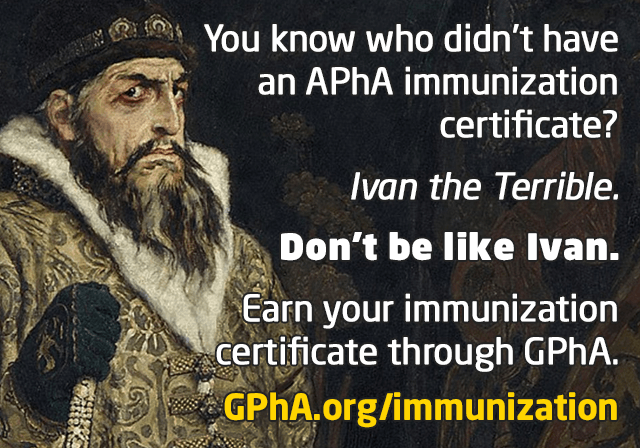
Saving you a click
Cannabis up, prescriptions down
Things that make you go “Hmmm”
Secondhand smoke, firsthand arthritis
Fighting tumors with sound and fury
Do you want to send your members the daily Buzz email newsletter (customized for your state and organization, perhaps)? Let’s talk — just drop me a note at andrew@gphabuzz.com!

- Listen to the Latest ‘KFF Health News Minute’
- Banks Are Becoming Bulwarks Against Scams for Vulnerable Seniors
- More Kids Are in ERs for Tooth Pain. Trump Cuts and RFK Jr.’s Anti-Fluoride Fight Aren’t Helping.
- Newsom Picks a Dogfight With Trump and RFK Jr. on Public Health
- Florida Hasn’t Expanded Medicaid. Lawmakers Want To Add Work Requirements Anyway.
- Journalists Explain a Spat Over Sugary Coffee and How Measles Fools Doctors
- January 2025
- December 2024
- November 2024
- October 2024
- September 2024
- August 2024
- July 2024
- June 2024
- May 2024
- April 2024
- March 2024
- February 2024
- January 2024
- December 2023
- November 2023
- October 2023
- September 2023
- August 2023
- July 2023
- June 2023
- May 2023
- April 2023
- March 2023
- February 2023
- January 2023
- December 2022
- November 2022
- October 2022
- September 2022
- August 2022
- July 2022
- June 2022
- May 2022
- April 2022
- March 2022
- February 2022
- January 2022
- December 2021
- November 2021
- October 2021
- September 2021
- August 2021
- July 2021
- June 2021
- May 2021
- April 2021
- March 2021
- February 2021
- January 2021
- December 2020
- November 2020
- October 2020
- August 2020
- July 2020
- March 2020
- February 2020
- January 2020
- December 2019
- November 2019
- October 2019
- September 2019
- August 2019
- July 2019
- June 2019
- May 2019
- April 2019
- March 2019
- February 2019
- January 2019
- December 2018
- November 2018
- October 2018
- April 2017
