March 04, 2022 ✒ Andrew Kantor
Do your contact lenses just sit there bending light? How boring. Johnson & Johnson now has one that includes a drug — ketotifen — the antihistamine to prevent itchy eyeballs. And it just got FDA approval. “Ocular allergic itch in contact lens wearers,” the company said, “may soon be an issue of the past.” Too late for some Did Rice University bioengineers just cure ovarian and colorectal cancer? In mice, it seems so. In humans — maybe. Phase 1 trials could begin this year. How? Old drug, new delivery: They created what they call “drug factories” less than a millimeter across (about 1⁄16” in Freedom Units) that are implanted next to tumors where they deliver interleukin-2. By bringing the drug right to the target, it can be a lot more concentrated than via an IV. “We just administer once, but the drug factories keep making the dose every day, where it’s needed until the cancer is eliminated. Once we determined the correct dose — how many factories we needed — we were able to eradicate tumors in 100% of animals with ovarian cancer and in seven of eight animals with colorectal cancer.” Finally (maybe?) there’s a settlement between the Sackler family and the states, local governments, tribes, and individuals suing them for their role in the opioid crisis. The Sacker family, who helped fuel that crisis with its pushing of OxyContin, will pay an extra $1.5 billion than they offered last time, in exchange for immunity from civil liability. In other words, instead of the $4.55 billion settlement rejected by states in December (because of that no-liability provision), the Sacklers will pay $6 billion, admit to and apologize for their role, and allow their name to be removed from any ‘medical centers, art, or educational institutions’ still bearing it. Oh, and they’re still open to criminal prosecution. ACE inhibitors apparently make opioids work better. And that means that combining them with prescription painkillers could mean lower doses of opiates — and less risk of addiction or overdose. Or, as the University of Minnesota researchers put it, “Our results raise the enticing prospect that central ACE inhibition can boost endogenous opioid signaling for clinical benefit, while mitigating risk of addiction.” Why do more women than men get Alzheimer’s? The answer could lie in FSH, a hormone produced by the pituitary gland. During menopause, the concentration of FSH increases — that’s what researchers at Emory, Mount Sinai, and in China found — and in turn increases deposits of beta-amyloid (Greek: β-amyloid) and tau in the brain. So they did an experiment — they blocked that FSH in mice. Result: “blocking FSH not only dampens Alzheimer’s disease pathology, but reduces bone loss and body fat in mouse models.” If you’re thinking, “Whoa, they need to look at FSH-blocking a bit more,” you’re on the same wavelength. “These results could provide the framework for development of a single FSH blocking agent to be used in humans for treating Alzheimer’s disease, obesity, and osteoporosis — conditions that affect millions of people worldwide.” There are those who believe that, if exercise nauseates you, the solution is cocoa. Lots of cocoa. The idea is that the flavonoids in the cocoa have “antioxidant and anti-inflammatory activity and have been shown to have prebiotic effects on beneficial gut microbes” — happy gut, no gastrointestinal distress. Sadly, say Spanish researchers who actually did a real study on it, that may be true in some animal models, but not in humans. They found … …cocoa had no significant effects on serum and fecal metabolites and that its consumption had little impact on the metabolome after a bout of physical exercise. I double dog dare you We already knew that regular cigarettes can increase someone’s risk of diabetes, but what about e-cigarettes? Turns out that there’s at least a connection to pre-diabetes. Looking at date from more than 600,000 respondents of a two-year survey, medical researchers from Johns Hopkins and China’s Peking University found that, simply put, yes, “E-cigarette use was associated with greater odds of prediabetes.” And that’s true whether or not they had smoked traditional cigarettes. Here’s an excuse to keep those floors dirty: Mopping with the wrong cleanser can make your air as polluted as a city street. British researchers found that using pine- or citrus-scented cleaning products produced a host of molecules you probably don’t want to breathe in. Limonene is one — it “reacts readily with ozone, an outdoor pollutant that is the main ingredient in smog.” In their tests… … an average person would breathe in about 1 billion to 10 billion nanoparticles each minute. That’s equivalent to vehicle traffic on a busy street in a typical U.S. or European city. New technology is here — and coming down the pike — to help patients adhere to their meds. Drug Topics has a nice overview of what’s out there: “Medication Safety 2.0: Advances in Adherence Technology.” When chocolate won’t help, drugs through the eyes, vaping to diabetes, and more
Here’s drug in your eye

Tiny drug, big cancer breakthrough
Sackers settle
ACE is the place … to fight overdose?
Women and Alzheimer’s
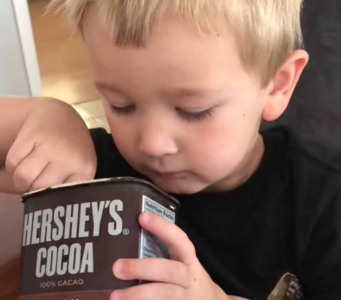
Cuckoo for cocoa
E-cigs: Gateway to diabetes
Cinderella is doomed
The Long Read: Do What We Say and You Won’t Get Hurt edition
March 03, 2022 ✒ Andrew Kantor
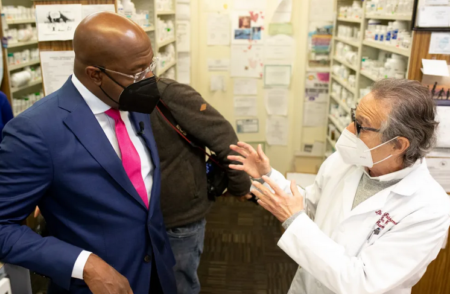
Besides Covid itself, what else is likely to cause long-Covid symptoms? Believing you had Covid. French researchers found that there was no relationship between whether someone thought they had Covid and whether they tested positive. And yet, the people who thought they had the virus reported having more long-Covid symptoms like soreness, fatigue, poor concentration, and trouble breathing. (The only symptom that correlated with actual infection: losing their sense of smell.) The results “suggest that physical symptoms persisting 10 to 12 months after the COVID-19 pandemic first wave may be associated more with the belief in having experienced COVID-19 infection than with actually being infected.” Impress your patients, your boss, your mom, and your interior decorator with a slick APhA immunization certificate — the kind you can get through GPhA. It’s easy: Sign up for “APhA’s Pharmacy-Based Immunization Delivery: A Certificate Program for Pharmacists” on Sunday, May 22. It’s from 8:00 am – 5:00 pm at GPhA’s World Headquarters in Sandy Springs. Note: This is always a popular course, so the sooner you sign up the less your chance of being left out and being laughed at behind your back. Get to GPhA.org/immunization for the details and to register. Now! U.S. Senator Raphael Warnock visited GPhA’s Ira Katz at Katz’s Little 5 Points Pharmacy in East Atlanta, where he met with patient advocates, insulin users, and pharmacists to discuss the Affordable Insulin Now Act — Warnock’s proposal to cap the cost of insulin at $35. Not shown, but also there, were GPhA CEO Bob Coleman and AIP VP Jonathan Marquess. Warnock’s bill is among several similar bills in the House introduced by both Democrats and Republicans, including the “Insulin Cost Reduction Act,” the “Insulin Access for All Act,” the “Seniors Saving on Insulin Act,” and the bill without a name: “To amend title XXVII of the Public Health Service Act, the Internal Revenue Code of 1986, and the Employee Retirement Income Security Act of 1974 to establish requirements with respect to cost-sharing for certain insulin products, and for other purposes.” So Pfizer had to release the full list of every adverse effect reported by anyone who got its Covid-19 vaccine. What happens when 42,000 laypeople are told to report any adverse effect after getting a drug? You end up with a 38-page list of more than 150,000 effects, including — I kid you not — epilepsy, herpes*, lupus, and type 1 diabetes. A phase 1 study found that for the first time, a sublingual epinephrine film is as effective as an EpiPen — in fact, it reached its maximum concentration more quickly than a shot. That’s according to a Rutgers University researcher who conducted the study of Aquestive Therapeutics’ AQST-109. About the size of a postage stamp, the film dissolves on contact and is designed to be used in place of epinephrine injections during the emergency treatment of Type 1 allergic reactions including anaphylaxis. Doses of AQST-109 (which will obviously get a catchier name) are easy to carry — “kept in a foil sachet that is similar in size and thickness to a business card” — and don’t need an EpiPen’s temperature control. Next up are, obviously, more studies. What’s in your mouth? Apparently, the bacteria in older women’s mouths can affect whether they have high blood pressure. Some (10 kinds) raise the risk of high blood pressure, while others (five kinds) lower the risk. So say epidemiologists from the University at Buffalo publishing in the Journal of the American Heart Association. It’s not entirely surprising, what with the relationship between gum disease and hypertension, but this narrows the cause down to specific bacteria. Or may have: The study didn’t prove cause and effect, just a connection that needs to be explored. (And it doesn’t just apply to post-menopausal women — that group just had the most notable effects.) The leaf extract is already used to reduce tooth plaque and to treat lice, and now University of Colorado researchers, with their counterparts at the Indian Institute of Science Education and Research, have found that… … components of Neem bark may target a wide range of viral proteins, suggesting its potential as an antiviral agent against emerging variants of coronaviruses (including SARS-CoV-2). Their study is in the journal Virology. A new report on U.S. drug spending finds that… These days, between their own wallets and their insurance companies’, the average American household spends more than $4,500 on prescription drugs. In Georgia it’s almost double that — $8,280, and we’re in the middle of the pack (#21 out of 50 states and D.C.). But Georgia’s 10-year spending jump is among the highest, at 88% over 10 years. So why is out-of-pocket spending down? More people have insurance thanks to the ACA, Medicaid expansion, and Medicare Part D and Medicare Advantage. And the study doesn’t show how much health insurance premiums have changed.Vaccines cause WHAT now? Plus dissolvable epi, another reason for mouthwash, and more
You gotta believe
Don’t miss out on APhA’s immunization program
Senator Warnock visits Ira Katz
Anti-vax field day
* I swear, honeybunny, I must have gotten it from the vaccine!
Epi under your tongue
Oral bacteria and blood pressure?
The latest (potential) Covid treatment
Drug spending up, personal costs down
March 02, 2022 ✒ Andrew Kantor
Some Alimentum, EleCare, and Similac products have been recalled because of contamination that caused at least five infants to be hospitalized and one death. The FDA has details on the lot numbers (and so does Abbott, the manufacturer). There are guidelines for “the Prevention, Detection, Evaluation, and Management of High Blood Pressure in Adults.” One of those says that those with particularly high BP should receive combination therapy — at least two classes of antihypertensives. Simple enough. And yet, a study out of Yale found that only half of those adults were prescribed that two-med combo. In fact, almost 30% didn’t have any BP drugs prescribed, and 20% only had one. “Major opportunities exist,” the authors wrote, “for improving the guideline adherence of antihypertensive drug prescription in this population.” Indeed. The deadline for applications for the GPhA Board of Directors is 11:59 pm EST this Thursday, March 3. GPhA is looking to add to the team that will shape the future of pharmacy in Georgia. We’re accepting applications for the 2022-2023 GPhA Board of Directors. Serving on the board is the opportunity to make a difference in — and a lasting contribution to — the pharmacy profession in Georgia. Plus people genuflect to you at the convention. We have two open positions: We encourage you to apply. Click here to see the details and the requirements, or drop a note to Governance Manager Lia Andros at landros@gpha.org if you have any questions. Data out of New York showed that, for kids 5–11, the Pfizer vaccine’s protection against Omicron infection dropped quickly (to about 12 percent), although it remained high for preventing hospitalization. And kids that age are rarely hospitalized anyway. BUT WAIT! Data from the CDC are … different. The CDC data, which comes from 10 states, show that protection for younger kids doesn’t drop like that, and is similar to the protection for 12-to-15 year olds*. “When you look at the whole picture, we’re not seeing that signal that New York State is seeing,” as the CDC’s Ruth Link-Gelles put it. “Where they see the difference is between the unvaccinated and vaccinated.” Between staff taking early retirement, leaving to avoid Covid, or seeking better pay, and more, there are longer waits at pharmacies. (You might be aware of this.) Atlanta’s 11 Alive shared that news with its viewers, turning to GPhA’s Jonathan Marquess for some perspective. For some customers, it’s been a nightmare: “There was two cars in front of me and it took 20 minutes before they got to me,” said [11Alive viewer Rhonda] Nelson. “It’s absolutely ridiculous.” “Covid toes” were (are?) one of the many many conditions blamed on the SARS-CoV-2 virus. But chilblains usually comes from cold, wet conditions — not a respiratory virus. So what’s with the sudden rise in cases? Yale dermatologists, feeling left out of the whole Covid-research bonanza, now had themselves a project. And they found that no, you can’t blame every medical condition on Covid: “Our results do not support SARS-CoV-2 as the cause of the increased chilblain incidence.” [O]nly 2 of the 21 patients (9.5%) with chilblain eruptions had evidence of a prior SARS-CoV-2 infection. None of the cases within households had evidence of infection. This number approximates regional seroprevalence of SARS-CoV-2 at the time […] indicating that that this outcome could have been expected by chance. Thus they prefer to refer to the condition as “pandemic chilblains.” Got a patient who can’t take aspirin, acetaminophen, or other NSAIDS? Here’s an unexpected pain killer: nostalgia. It won’t work for, say, a metal spike through a leg, but Chinese neuroscientists using fMRI scans found that, “Viewing nostalgic images reduced pain ratings compared to viewing control images, with the strongest effect on low intensity pain.” How: Viewing nostalgic images “reduced activity in the left lingual gyrus and parahippocampal gyrus, two brain regions implicated in pain perception.” Why? Don’t know. Yet. Dad! Metformin is used for diabetes, but it’s showing a lot of promise as a cancer treatment, too. That’s because it’s an AMPK (AMP-activated protein kinase) activator. Oncologists and researchers are keen to try it on different kinds of cancer, but Canadian researchers are offering a warning. They built a computer model to test the effect of AMPK on cancer, and their results show that, well, it depends. In brief, sometimes AMPK is a cancer suppressor, sometimes it’s a cancer promoter. “It depends on the cellular nutrient level,” they wrote, among other variables. [D]oes AMPK promote or limit cancer cell proliferation and survival? This question is challenging to answer due to the complexity of the signalling pathways that regulate cell growth, which involve many positive and negative feedback loops. Bottom line: Depending on the cancer, metformin may be as likely to hurt a patient as help. A shocking study out of Northwestern finds that, when it comes to injecting cosmetics into your skin, YouTube videos “have ongoing problems with the quality of information provided.” Videos produced by physicians are a better source of information than patient-based videos, according to the new research by American Society of Plastic Surgeons Member Surgeon Robert D. Galiano, MD. You can also check out the study itself, “Websites or Videos: Which Offer Better Information for Patients?” Apparently she’s surprised — well, half-surprised — that there’s bad info about self-injections out there. A photographic analgesic, Covid toes aren’t, YouTube shocker, and more
ICYMI: Baby formula recall
Docs ignoring hypertension guidelines
If you’re ready to lead, time’s running out
How are the kids?
* Fair to middling against infection, very good against hospitalization
Jonathan Marquess shout-out

This little piggie didn’t have Covid
Cat pictures won’t work

The double-edged metformin sword
Captain Obvious practices rewilding

March 01, 2022 ✒ Andrew Kantor
What do you get when you fuse a bit of the SARS-CoV-2 virus, a bit of the flu (H7N9) virus, and have it hitch a ride on a chimpanzee adenovirus? According to surprised Chinese scientists, you get a vaccine for both Covid-19 and the flu … at least for mice: Remarkably, the constructed vaccine effectively induced both SARS-CoV-2-targeting antibodies and anti-influenza antibodies in mice, consequently affording protection from lethal SARS-CoV-2 and H7N9 challenges as well as effective H3N2 control. Cow’s milk can fight Covid-19. No, really. (Specifically it’s the lactoferrin, a protein in the milk.) That’s what researchers at the University of Michigan found, although they had to put it in science-speak: Bovine lactoferrin exhibits a wide spectrum of antiviral activity in vitro against variants of SARS-CoV-2 including South African B.1.351, UK B.1.1.7, Brazilian P.1, and Indian Delta variants. And no, we checked — this was not funded by the American Dairy Association, although it was published in the American Dairy Science Association’s Journal of Dairy Science. Evusheld is a monoclonal antibody combo primarily given as protection to immunocompromised people who can’t get a Covid-19 vaccine. Two important pieces of information have just come out. “There already is inadequate access to this product for those who need it, and that will become more challenging now.” Both psilocybin and LSD have gotten a bunch of press lately as treatment for depression, but as any child of the ’60s will tell you, magic mushrooms and acid are two very different trips. But how do they compare as treatments? Swiss researchers noticed that “no modern studies have evaluated differences in subjective and autonomic effects of LSD and psilocybin or their similarities and dose equivalence.” Well then, let’s find out. In a small, double-blind, placebo-controlled study, they found that both drugs worked about the same. There were physical differences in heart rate and blood pressure, for example, but in terms of depression treatment, they… … produced qualitatively and quantitatively very similar subjective effects, indicating that alterations of mind that are induced by LSD and psilocybin do not differ beyond the effect duration. Any differences between LSD and psilocybin are dose-dependent rather than substance-dependent. (Emphasis ours.) What happens when you take patients newly diagnosed with type 2 diabetes, and — rather than start them on meds — give them lifestyle coaching and hook them up to continuous glucose monitors? Participants in a University of Colorado study (all recently diagnosed with T2D) were given a four-chapter pocket guide, diary, and of course the continuous glucose monitor. At 3-month follow-up, 67% of the participants’ diabetes was in remission (HbA1c levels <6.5%), and only one participant started taking diabetes medication. Participants demonstrated a significant reduction in HbA1c levels (–1.8%; P<.001). They also reduced their carb intake, kept their glucose down, and reduced their depression — and (despite that slick four-chapter pocket guide) gave most of the credit to the continuous glucose monitoring. Some brain glial cells — astrocytes — are, strangely enough, touch-sensitive. And they happen to be able to affect the function of neurons. In most cases, though, you can’t stick your fingers in a patient’s head to see about treating neurological disorders like epilepsy. But British neuroscientists came up with something almost as good: “magnetomechanical stimulation” or MMS. They took microscopic magnetic particles, and (through medical magic) attached them to those astrocytes in rats’ brains. Once their heads were sewn shut*, magnetic fields could be used to manipulate the astrocytes … and the neurons near them. Next up: What can they do with this power? An army of brain-controlled rats is probably off the table, but MMS could be “an alternative, less invasive therapy compared to the currently used deep brain stimulation techniques that require the insertion of electrodes into the brain.” If you make a hot new vaccine for a global pandemic, then earn billions of dollars (and euros, and yen) from it, you can bet other companies’ patent lawyers will be taking a very close look at your work: “After raking in billions with its Covid shot, Moderna faces patent infringement suit.” Notably, the companies suing Modern have not demanded an injunction. “[W]e do not wish to impede in any way Moderna’s Covid-19 vaccine from reaching as many people as possible.” Heat makes you stupid — sorry, it “reduces cognitive performance”. Exercise makes you smarter (“enhances cognition”). But what if you do both? [J]ust 15 minutes of walking outside on a hot day impaired cognitive performance, and this was most striking in men who don’t get enough sleep.Don’t walk in the heat, milk treating Covid (really), acid vs shrooms, and more
Слава Україні!
The vaccine of Dr. Moreau
* The SARS-CoV-2 receptor-binding domain, and the flu’s conserved stalk, if you’re interested.
Register now!

No, we’re not going to do any cow jokes
Evusheld — double the dose, but not enough supply
Different trips, same destination
It’s like biofeedback for diabetes
Touching the brain
* The rats’, not the scientists’.
They come out of the woodwork
Today’s odd science/medical story
February 26, 2022 ✒ Andrew Kantor
There’s been some concern — a surprising number of Covid-19 patients seemed to be getting diabetes when they leave the hospital. Good news for them (out of a Massachusetts General Hospital study): They aren’t getting full-blown diabetes, but more likely “a transitory form of the blood sugar disorder.” Their hypothesis: Covid stress causes insulin resistance, and once out of hospital the stress goes down and insulin back to normal. “[I]insulin deficiency, if it occurs at all, is generally not permanent. These patients may only need insulin or other medications for a short time, and it’s therefore critical that physicians closely follow them to see if and when their conditions improve.” Another factor: Some people have their blood sugar tested for the first time after Covid hospitalization, leading to a diagnosis of diabetes or pre-diabetes. That skews the stats even after their blood sugar stabilizes. The latest news in the never-ending opioid lawsuits has a settlement finally settled between a steaming pile of states (46 of them, including Georgia), cities, tribes, towns, and whatnot and the three major drug distributors (plus Johnson & Johnson). The deal: The three distributors will contribute up to $19.5 billion over the next 18 years to communities affected by the opioid epidemic. […] J&J will also kick in $5 billion to settle claims against it. And that’s that. Until it isn’t. Eye docs are coming around to the idea of marijuana treating glaucoma. While eye societies — the American Glaucoma Society, American Academy of Ophthalmology, and even Canadian Ophthalmological Society — officially give the thumbs-down for using cannabis to treat glaucoma (even where it’s legal), patients are a lot less conservative. With access to marijuana on the rise, those patients see the potential, and that means ophthalmologists are forced to have their interest piqued. So, while right now only 27% think marijuana has a role in treating glaucoma, more than three-quarter “expressed interest in receiving additional education on the topic.” Got pregnant patients taking anti-seizure meds? Keep an eye out. It seems that pregnancy can significantly lower their concentrations. The neurologists who studied this “suggest the need for higher doses of several antiseizure medications during pregnancy and support therapeutic drug monitoring beginning early in pregnancy.” (Which drugs? Lacosamide, lamotrigine, levetiracetam, oxcarbazepine, and zonisamide.) The pancreas secretes insulin (obviously), but it also secretes human islet amyloid polypeptide (hIAPP) — that also helps to regulate blood glucose levels. Sometimes, though, hIAPP can ‘malfunction,’ — it turns in to amyloid fibrils. Those can clump up and keep the pancreas from secreting insulin, which can lead to type 2 diabetes. So … stop that hIAPP malfunction, maybe stop the diabetes? The first step is to figure out how a happy little molecule turns bad. Was it television? Video games? The wrong crowd? Probably the latter. In a pretty big step toward understanding diabetes, British researchers discovered two molecule modulators that control whether the hIAPP clumps or not. If they can control those modulators, they might control the onset of diabetes. Melatonin. Why not? It’s an antioxidant and an anti-inflammatory, and (as an international group of researchers, including a German dermatologist, point out) it… … has pan-antiviral effects and it diminishes the severity of viral infections and reduces the death of animals infected with numerous different viruses. There’s some evidence that Covid patients treated with it did better, so maybe it’s time for clinical trials, they argue. (If not trials, just post a lot on social media.) All reasonable treatment options should equally be considered, not only those that have the backing of the most influential medical/pharmaceutical personnel. A body’s immune system isn’t simple, but in broad strokes it’s about the picket line of antibodies (from B cells), the army of killer T cells, and the ongoing intelligence of memory B and memory T cells. For the details, two immunologists explain: “How long does protective immunity against COVID-19 last after infection or vaccination?” Found among my medical science news reading: “Democrats and Republicans see each other as ‘more stupid than evil,’ according to new psychology research.” (As one Reddit commenter put it, “That’s promising. I also think I’m stupid, so we have common ground right out of the gate.”)Pot for eye health, Covid and diabetes (not), how about melatonin? and more
Maybe it’s not diabetes
Opioid settlement update
Marijuana for glaucoma — “no” becomes “maybe”
Pregnancy weakens anti-seizure meds
Basic science: finding a diabetes trigger
Today’s potential Covid-19 treatment is …
The Long Read: Immunity edition
Something to consider this weekend
February 25, 2022 ✒ Andrew Kantor
Dissolving, fizzy acetaminophen (Metric: paracetamol) contains a lot of salt — too much, in fact, according to a study published in the European Heart Journal. The researchers found the risk of heart attack, stroke or heart failure after one year for patients with high blood pressure taking sodium-containing paracetamol was 5.6%, while it was 4.6% among those taking non-sodium-containing paracetamol. The risk of death was also higher; the one-year risk was 7.6% and 6.1%, respectively. And the longer patients took the bubbly drugs, the higher the risk. And, other researchers say, it will also apply to any other drugs that come in fizzy form. Medication therapy management — it’s one of the best ways you can care for your patients (and it’s a potential revenue stream, too). A big step to providing MTM, though, is making sure you’re giving— and getting — the most you can. Patients will appreciate that (and the slick certificate on your wall), and you can get paid for doing it! Learn how to provide this valuable patient service when GPhA presents, “APhA’s Delivering Medication Therapy Management Services: A Certificate Training Program for Pharmacists.” Sunday, March 27, 2022 8:00 a.m. – 5:00 p.m. Click here to get the details, see the instructor, and register! Cases and hospitalizations continue to drop big time — down 90 percent overall from last week. Deaths are finally down, too — only about 2,000 Americans are dying from Covid-19 every day*. The Omicron sub-variant BA.2 is still out there, spreading as fast as regular (BA.1) Omicron but as deadly as Delta. But vaccinations, infections, breakthrough, and deaths are keeping it at bay. As one virologist put it, “BA.2 is kind of creeping up in terms of numbers, but it’s not the meteoric rise that we saw with BA.1.” A return to normalcy seems just about within reach. Cross your fingers. If you do any compounding, a major court case has ended this week — one you might find interesting, especially if you have patients across the state line. It’s a complicated case, but here’s the broad-stroke retelling. Gather round, boys and girls…. Congress (in 1997): Compounding facilities are making a lot of bulk drugs for doctors’ offices, almost like drug makers. FDA, you need to get a handle on that — reach an understanding with the states. Make a memo about it. A memorandum of understanding. FDA: Sure thing! We’ll work with state boards of pharmacy and all the stakeholders and come up with something everyone will love! =================== FDA (in 2020): OK, we’ve finally got that memorandum of understanding, but we didn’t really work with the states after all. Oh, even though Congress was worried about bulk distribution, we’re gonna apply it to traditional dispensing, too. Why not? Compounders’ ears begin to prick up. FDA: We’ll give states an all-or-nothing choice: They can sign the MOU, and then they’ll have to investigate and report any time a 503A compounding pharmacy distributes more than half its orders out of state. And we’ll let the states pay for all that. Compounders: Wait, what? What if a state doesn’t sign? And what do you mean by “distribute”? FDA: If a state doesn’t sign, compounding pharmacies there can only distribute 5 percent of their compounded meds out of state. And we say “distribute” means any and all compounded medications shipped — bulk or individual. Compounders: Whatchu talkin’ ‘bout, Willis? The whole point was to get a handle on those bulk, office-use meds, not prescriptions for individual patients! And “Distribute” has never referred to individual prescriptions! FDA (holds Sharpie): Well, we’ve redefined “distribute.” Compounders: [expletives deleted] Patients won’t be able to get their meds, and this is gonna hurt small businesses, big time! FDA: (ignoring compounders) States, sign or don’t sign, and do it fast. Compounders: That’s enough. We’re suing. You can’t make major rules like this without consulting states. You didn’t even analyze its impact on small business. And you can’t just redefine standard terminology, even with a Sharpie. Federal judge (in September 2021): They’re right, FDA. You broke the law creating the final MOU this way. Now you get two choices: “Either certify that [the MOU] will not have a significant economic effect on small businesses, or prepare a regulatory flexibility analysis.” FDA (this week): [mumbles] Court: What did you say? FDA: We said we’ll withdraw the MOU. Court: Annnnnd? FDA: And we’ll start a formal rulemaking process like we should have done in the first place. Court: Good choice. FDA: Yeah, this make take several years…. As we said, this is very much a 30,000-foot overview of what happened. The good folks at the Alliance for Pharmacy Compounding have all the details if you want to know more. Full disclosure: Andrew Kantor, who writes the Buzz stories you like*, also works for APC. Kick yourself in the rear — today was the deadline to get your bid in, assuming you had $10.9 billion in the bank and were looking for more than another boat. You could have been in the running to own the Boots half of the soon-to-be-dismantled Walgreens Boots Alliance. (As pharmacists, though, you’re not what they’re looking for. Auctioneer Goldman Sachs wants “financial investors with a track record of turning around high street retailers,” — meaning private equity firms that will bleed the company dry.) Future Boots location All these tidbits are courtesy of NCPA. South Dakota and Virginia are considering anti-steering bills to keep PBMs in line. South Dakota’s has some extra teeth to it — it would… “…prohibit PBMs from reimbursing non-affiliate pharmacies less than affiliate pharmacies, allow a pharmacist to decline to dispense if the reimbursement is below acquisition cost, prohibit PBM imposed fees and retroactive claim adjustment or “clawbacks,” provide for MAC appeals, and prohibit discriminatory payments for 340B prescriptions. Washington State looks about to pass a bill that would prohibit PBMs from requiring patients to use mail-order pharmacies, and from reimbursing the pharmacies they own any more than other pharmacies. Iowa, Mississippi, and New Hampshire are working on passing bills that would prevent PBMs from giving pharmacies low reimbursements. (Mississippi’s, for example, would require pharmacies to be reimbursed “at a rate no less than the National Average Drug Acquisition Cost plus $11.29 (the state Medicaid professional dispensing fee).” Following up on the blockbuster that was Crystal Pepsi, PepsiCo is unveiling Nitro Pepsi — “nitrogen-infused cola.” Health benefits? Nah. Just foam. “[W]e wanted to come up with a new way for people to enjoy delicious Pepsi cola, but with a new experience around the bubbles.”States continue PBM smackdown, compounders win big, fizzy pills can kill, and more
Plop, plop, fizz, fizz … you’re dead
Caring in your heart, certificate on your wall
Live via ZoomCovid news in 22 seconds
* Perspective: The pandemic was bad enough that today the equivalent of eight jumbo-jets crashing a day is considered good news.

Compounding pharmacies score a big win
More than 20 years pass.
===================* The ones you don’t like are written by … I dunno, Alan Smithee maybe.
You had your $11 billion chance

Elsewhere: PBMs get whatfor
Please let us know if you sell any of this
February 24, 2022 ✒ Andrew Kantor
Insomnia sleep raises your risk of both flu and Covid-19. It may also delay either vaccine’s effectiveness. That’s the takeaway. The details are in a paper out of the University of Helsinki and Harvard (with a token Yalie* thrown in out of pity). Chronic poor sleep, they found, “is a causal risk factor for contracting respiratory infections” and also makes them more severe. You want the science? With the acute loss of sleep, the levels of circulating cytokines such as interleukin-6 (IL-6) and C-reactive protein (CRP) are increased. You can already give some vaccines (under a pharmacist’s supervision, of course), and when Covid-23 comes around, you’ll want to be ready to give those, too. But don’t wait till 2023 to be the best you can be! Get ready now with GPhA’s Immunization Delivery Training for Pharmacy Technicians — a 5-½ hour CE program consisting of both home-study and live training. The home study you can do any time. GPhA is offering the live training Saturday, April 23 from 9:00am to noon. Space is limited, so don’t wait — click here for all of the details and to register now! If you’re looking for ways to fight inflammation (as Aussie researchers were) the obvious question: What’s good at stopping it? How about ticks? They bite, but they also suppress the body’s reaction using proteins called evasins. Evasins bind to chemokines, keeping them from triggering the immune response and the inflammation. That’s why you might not notice a tick bite the way you would one from a mosquito.) The breakthrough: Those Aussies figured out how those evasins work — and with that knowledge, a treatment doorway opens. The scientists believe they have now identified the structural basis for what makes evasins recognize and bind to different chemokines. This provides the basis for engineered versions that can target pre-determined chemokines known to drive inflammatory disease, and potentially opens up an entirely new area of research. Younger men (12-39 years old, that is) who are concerned about the rare side effect of heart inflammation from an mRNA Covid-19 vaccine can wait longer between doses, says the CDC. Instead of three weeks, it’s cool to wait up to eight, and that seems to reduce the risk. The various chemicals in e-cigarettes change the oral microbiome — and they change it enough that they might be causing gum disease. Interesting, although smoking is already known to be a risk factor, e-cigarettes affect the gums in a different (but also bad) way. The researchers analyzed the bacteria found in the plaque samples and determined that e-cigarette users have a different oral microbiome from smokers and nonsmokers. And that different microbiome led to greater “clinical attachment loss” of teeth than for either non-smokers or smokers, found NYU dental researchers. (The likely culprits, if you’re interested, were Fusobacterium and Bacteroidales bacteria, which “were particularly dominant in the mouths of e-cigarette users.”) Worse, vaping increased the levels of cytokines which “can worsen gum disease by making people prone to inflammation and infection.” A full 86 percent of Americans surveyed say they want to know why the FDA doesn’t approve a drug (and they’re apparently confident they’d understand the reasons). And 91 percent “supported the FDA correcting any misleading information spread by drug manufacturers.” That means that almost 1 in 10 Americans doesn’t want the FDA to correct misinformation. Today’s brand-new, game-changing way to (maybe) fight antibiotic-resistant bacteria comes from … (throws dart at map) … the University of Texas! That’s where microbiologists used chemicals to inhibit a protein, called DsbA, that helps create that resistance. With DsbA out of the picture, the bacteria couldn’t build their antibiotic-resistance proteins — resistance thwarted. Oh, but an important piece of bad news: The process requires “using chemicals that cannot be used directly in human patients.” Chinese scientists have created an electric nose that can detect Parkinson’s. (Or, more science-y: Biomedical engineers at China’s Zhejiang University have developed a prototype “artificial intelligent olfactory system for the diagnosis of Parkinson’s disease”.) Per the news article: The device was found to be 70.8 percent accurate at identifying which individuals had the disease, although that figure rose to 79.2 percent when each person’s full body-odor profile was analyzed. Human testing is coming shortlyElectric Parkinson’s sniffer, a use for tick spit, why you need to sleep, and more
The 39 winks (isn’t enough)
* Yes, I know they’re “Elis” but that might confuse some folks.
Technicians, listen up!
Ticks provide inflammation breakthrough
Guys can wait between mRNA doses
Coming soon: “Vape mouth”
What the people want

Proof of concept, at least
Scent of a disease

February 23, 2022 ✒ Andrew Kantor
We’re still learning about the health effects of vaping nicotine, which means there’s a lot of new information coming out, some of it surprising. Take this: If you have adolescent mice that like to vape, it’s likely going to cause “significant and long-term cardiovascular effect[s]” — i.e., reduced heart function — but only in males. That’s what medical researchers at an Ohio State University found after exposing mice to a mixture of propylene glycol, vegetable glycerin, and nicotine from the human equivalent of age 12 to age 30. The culprit, not surprisingly, was the nicotine (although the aerosols might have their own effects). But why just the boys? Females have more a substantially higher amount of an enzyme that breaks down nicotine. “The theory is that since the enzyme breaks down nicotine so much faster, the nicotine isn’t in the circulation as long and that may be why females exhibit protection from vaping.” That’s meetings, plural — GPhA’s spring Region Meetings are coming! They’re live, in person, and you won’t need to mingle with people from those other areas. The meetings will be between April 14 and 28 — check out GPhA.org/region-meeting to see when and where yours is being held, then mark your calendar. (Final locations are still being, well, finalized, and will be announced soon.) And yes, the food will be great, the company greater, and that CE credit will be icing on the (excellent) dessert. This is a case where the article’s headline says it all. You can read the the details on your own: “Hamsters’ Testicles Shrink After Being Infected With Covid, Study Finds.” Could some autism be stopped before it starts? Maybe — at least in mice. Neurologists in Texas found that using rapamycin in a very early age (within a week of birth) blocked a signaling pathway in the brain that can sometimes be overactive. When it is, it can cause tuberous sclerosis complex (TSC) — which often causes autism. But “Blocking [that] overactive signaling pathway during the first five weeks of life prevents autism symptoms from ever developing.” Even better, in humans, TSC can be detected in utero, so this treatment could be ready and waiting for the kid to be born. Lockdowns weren’t so bad: One in three kids said lockdown improved their mental health — because of “feeling less lonely, avoiding bullying, and getting more sleep and exercise.” Referring to the British nationwide lockdown (the study was done at Cambridge), the researchers said… “The common narrative that the pandemic has had overwhelmingly negative effects on the lives of children and young people might not tell the full story. In fact, it seems as though a sizeable number of children and young people may have experienced what they felt was improved wellbeing during the first national lockdown of 2020. One booster might do it: As the New York Times reports, a “flurry of new studies” seems to indicate that a single booster (i.e., a third shot) of an mRNA vaccine produces “a sustained, potent response to any coronavirus variant.” As we’ve pointed out here before, news reports ignore a huge part of the immune system. Throughout the pandemic, a disproportionate amount of research attention has gone to antibodies, the body’s first line of defense against a virus. That’s partly because these molecules are relatively easy to study: They can be measured from a drop of blood. But memory B and memory T cells are still there, and they “can last for ages” — and thus so can protection from today’s Covid … and maybe tomorrow’s. Lots of vaccines need refrigeration, which makes it tough for developing nations and (because that also means a shorter expiration date) some parts of the developed world, too, where they might need to be kept awhile before being used. But now the folks at Australia’s national science agency, CSIRO, have made a big step to create a fridge-free vaccine. It doesn’t (yet) apply to the extra-sensitive mRNA vaccines, but it works for the traditional, live-virus kind — it keeps the vaccines effective for three months at up to 37° Celsius (310.2° Kelvin). The trick, surprisingly, was not nanotechnology, but “a dissolvable crystalline material called MOFs (metal organic frameworks).” “MOFs work similarly to a scaffold you might put around your house, once you remove the scaffold, your house remains — which is what happens when we dissolve the MOFs in a vaccine.” Using the same technology that Pfizer used to create the Covid-19 antiviral Paxlovid, Modra has made docetaxel — the chemotherapy drug — into a pill. And in phase 2 trials, it worked a treat. Essentially, the company paired docetaxel with ritonavir, the same protease inhibitor Pfizer uses in Paxlovid. The result, which is expected to head to those all-important phase 3 trials, is a drug for advanced prostate cancer that’s easier to tolerate, “with less risk of cytopenias, hair loss, and neuropathy” (although there were some mild gastrointestinal issues). In its article “What Allergists Want You to Know About the 2022 Spring Allergy Season,” the American College of Allergy, Asthma & Immunology isn’t afraid of a bit of fear-mongering when it comes to Sudafed: Pseudoephedrine is popular for helping to clear up congestion, particularly stuffy noses, but it is the main ingredient in methamphetamine — commonly known as “meth.” The new prescription antiviral pills can save a life of someone who contracts Covid-19. But we know there are … let’s call them ‘overenthusiastic’ prescribers. There’s a danger of overuse: “Taking COVID pills at home sounds great. But we need to use them wisely or risk drug resistance and new variants.”Shrinking hamster bits, fridge-free vaccines, Spreading Sudafed fear, and more
Boys and vaping — a bad combo
Region meetings are coming!
Shrinkage
Preemptive autism treatment
Good Covid news bits
Vaccines without refrigeration?
Simplifying chemo
This isn’t alarmist at all
The Long Read: Antivirals at Home edition
February 23, 2022 ✒ Andrew Kantor
How bad is it? It’s so bad that it lowered the sex ratio of births — more girls were born than boys. This isn’t unheard of. “After unexpected stressful events, such as the death of a highly popular public figure, terrorist attacks, and large-scale riots” the ratio will go down, and South African researchers found that held true for the pandemic as well. The 2022 Georgia Pharmacy Convention — the biggest, best, and most exciting gathering of Georgia’s pharmacy professionals of the year — chock full of the latest CE courses, awesome networking opportunities, one-of-a-kind events, and all the fun Amelia Island has to offer. Mark thy calendars: June 9-12, 2022. Registration opens March 1 — we’ll see you at the beach! After an afternoon of hearing from various and sundry, the Federal Trade Commission decided (by a 2-2 vote) not to begin a probe of PBMs and whether and how they violate anti-trust laws. Just three PBMs control nearly 80% of the market, and they are now affiliated with health insurers, their own pharmacies, doctor’s offices and other health-care entities to create […] both horizontal and vertical monopolies. The good news: The commission members who voted against probing the agency said they aren’t against it, they just needed a more comprehensive, data-centric proposal. If an SSRI or SNRI isn’t helping treat someone’s depression, adding an alpha-2 autoreceptor antagonist (e.g., mirtazapine) might do the trick. That’s what German researchers concluded after studying the research. The combination therapy, they concluded is “a potent treatment option, associated with superior outcomes relative to monotherapy,” while not having notable side effects. Adding bupropion, though, didn’t seem to make a difference, although they think it requires some more study. Buzz readers are among the best-looking people around, and that’s good news. They (that is, you) are likely to have a better-working immune system. That’s what researchers at Texas Christian University after “examin[ing] the links between physical appearance, health, and immune function.” What do our good looks have to do with the immune system? Most likely it’s that people have always been attracted to those who look healthy; i.e., health is attractive, and evolution did the rest. [F]acial attractiveness may provide insights into one’s immune function, particularly as it relates to one’s ability to efficiently combat (primarily) bacterial threats. Additionally, for men, facial attractiveness may also provide cues to their ability to efficiently manage viral threats and neoplastic growth. Smokers who were considering suing Pfizer over potential carcinogens in Chantix (which the company recalled) had that suit dismissed by a federal judge Wednesday. The dismissal came in part because — seriously — neither of the two women leading the suit suffered any health consequences. They simply said that the product’s label was false or misleading because it didn’t list the carcinogen, N-nitroso-varenicline. Here’s an easy way mothers can protect their babies from Covid-19: Get vaccinated before Junior is born. It turns out that being vaccinated during pregnancy (the later the better), significantly reduces the baby’s risk of contracting Covid-19. The researchers found that the effectiveness of maternal vaccination during pregnancy was 61 percent against COVID-19 hospitalization in infants aged younger than 6 months. The effectiveness of a completed two-dose COVID-19 vaccination series was 32 percent early in pregnancy (first 20 weeks), although the confidence intervals were wide, and it was 80 percent later in pregnancy (21 weeks through 14 days before delivery). Here’s one way to (potentially) reduce your risk of Parkinson’s: Have a heart attack. Although previous studies found that a heart attack increases the risk of stroke and vascular dementia, after reviewing the records of 182,000 patients, those shifty Danes found that, surprisingly, “there was a 20% lower risk of Parkinson’s disease among people who had a heart attack; and a 28% lower risk of secondary parkinsonism among those who had a heart attack.” Why is that? They speculate it might be because of, of all things, cigarettes and bad diet. In general, more heart attack patients smoke and have elevated cholesterol, either of which may explain the slightly reduced risk of Parkinson’s disease among heart attack survivors. If you have mice, one of your biggest worries — besides hawks — is probably cholera. You can’t just remove the handle from a well pump*, but, thanks to an international group of scientists, you might soon have a good vaccine. There already is a cholera vaccine, sort of. In reality, it doesn’t work all that well, offering “the lowest level and duration of protection in young children.” The new one, though, which uses a polysaccharide attached to a virus-like particle (as opposed to killed or weakened V. cholerae bacteria) “was found to generate long-lasting antibody responses.” There’s no doubting the greatness that is the Moscow Mule, served properly in a copper mug. But new research says you need to drink it quickly. Not because that’s what they would do in Moscow, but because copper leaches into the drink thanks to a chemical reaction with the ginger beer it contains. In a little under half an hour, the copper levels rise higher than the safety standard set for drinking water. The authors of the study admit, though, that, “Acute copper toxicity is very unlikely. For that, you would need to drink 30 Moscow mules in a 24-hour period.”Hotties win again, heart attack silver lining, drink the mule quickly, and more
The pandemic is sooo bad…
It’s coming….

FTC won’t probe PBMs
Antidepressants: 2 > 1
Hey good lookin’
Chutzpah denied
Mom’s vaccine protects baby
There’s probably a better way
Cholera vaccine 2.0
* Do you know nothing? John Snow?
Today’s odd science story
February 19, 2022 ✒ Andrew Kantor
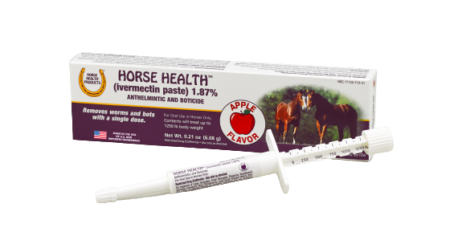
Some people stop taking statins out of fear of side effects like muscle pain. But those effects might be caused more by stories about side effects than the medication itself. In fact, Polish researchers found — after studying the records of more than 4 million patients — that “statin intolerance is over-estimated and over-diagnosed” to a huge degree. In reality, they say, fewer than 10 percent of statin users actually suffer side effects. (It’s as low as 5.9% when you use the European Atherosclerosis Society’s criteria.) “Our findings mean that we should evaluate patients’ symptoms very carefully, firstly to see whether symptoms are indeed caused by statins, and secondly, to evaluate whether it might be patients’ perceptions that statins are harmful — so called nocebo or drucebo effect — which could be responsible for more than 50% of all symptoms, rather than the drug itself.” Pharmacy careers aren’t limited to retail or hospital work — you’ve got options. Wondering what those options are? GPhA’s got a webinar for you! It’s Getting Hot in Here… Hot Pharmacy Jobs That is! features the incomparable Johnathan Hamrick, PharmD, and a panel of pharmacists who are currently practicing in these hot, trendy settings. They’ll explain the job requirements, responsibilities, and a typical day in their life. And, of course, take your questions. The webinar is Thursday, February 24 from 7:30 – 9:00 am via Zoom. Click here for the details! Oh, and check this out: It’s only $20 for GPhA members ($49 for non-members) and you get 1.5 hours of CE, too. Whee! People with type O blood are universal donors, but they can only receive blood and organ transplants from other type O people. (You knew this.) But in a potential Really Big Breakthrough, Canadian researchers say they’ve found a way to ‘convert’ lungs from type A to type O “without heavily damaging them or causing acute rejection.” Essentially, they used a pair of enzymes to remove the type A antigens from donated lungs, “effectively converting them into type O lungs” by removing 97 percent of those antigens. Afterwards, the team exposed the lungs to blood plasma from type O individuals and documented minimal reaction from normally hostile antibodies, indicating that the lungs could be safely tolerated in these people. And yes, the same process could be used on any organ, they said. But of course “It will take more research” before this leaves the lab. You’ve got a patient taking anti-rheumatic drugs — specifically biologic ones (sometimes called bDMARDs), and they’re going in for orthopedic surgery. Should they stop taking the drugs? Is there a risk of infection? Good question. The tentative answer, at least according to a team of British and American doctors, is no — the drugs are safe, and “[do not appear to increase the risk of surgical site infections or delayed wound healing.” Of course, they don’t want to promise anything, so they add this: However, our conclusions are limited by the retrospective and heterogenous nature of the data, and possibly by a lack of study power. There’s really no evidence that ivermectin helps treat Covid-19; the only studies suggesting so have been withdrawn, debunked, or were meta-analyses that used the withdrawn/debunked studies. But what about higher doses of ivermectin? Duke and Vanderbilt University researchers are going to try to find out. They’re building a nationwide study that will test ivermectin and two other repurposed medications (i.e., FDA-approved FDA for other conditions) that “have shown potential for treating Covid-19 in the outpatient setting, but they need to be evaluated in a larger, more rigorous and randomized clinical trial to determine efficacy and safety.” Mmmm, apple flavor! Obviously the answer is “Yes,” or at least “Maybe.” A Kiwi biologist testing existing medication against colon cancer found that cancer stem cells had a lot of renin-angiotensin system (RAS) components — coincidentally, just what beta blockers happen to target. So he tested those beta blockers, and yep, they impaired the function of the cancer stem cells. If further research does confirm this [it] could eventually lead to a new treatment approach for colon cancer that affects cancer stem cells through targeting the RAS, using off-patent, low-cost, and commonly available oral medications with very low side effects. Just because you get past Covid itself, and even if you don’t deal with long Covid, the virus just keeps on giving. New data-crunching from Washington University in St. Louis finds that people who have Covid “have a significantly higher chance of experiencing mental health problems.” Not a small chance, either — we’re talking a 60 percent overall greater risk of … “anxiety, depression, and suicide ideation, as well as opioid use disorder, illicit drug and alcohol use disorders, and disturbances in sleep and cognition.” Here’s a disturbing finding: Bacteria that live in your nose might be able to enter the central nervous system by using the peripheral nerves between the nasal cavity and the brain. Once there, the brain reacts within days. Know what it does? It begins depositing beta amyloid peptide, the plaque associated with Alzheimer’s disease. And then: “After several weeks, numerous gene pathways that are known to be involved in Alzheimer’s disease are also dramatically activated.” The bit of good news is that they don’t think just anyone is at risk. “[I]t requires the combination of a genetic susceptibility plus the bacteria to lead to Alzheimer’s disease in the long term.” But still. Safety firstIvermectin gets a trial, and … honestly, you know you’re going to open this now (and more)
Safer than you think, Dad! Safer than you think!*
* I’ll take ‘Semi-obscure Stephen King References’ for $400, Alex.
Thinking about a change?
Giving type A an ‘O’ face
Sure, keep taking those anti-rheumatics
Ivermectin trial starts
Could beta-blockers fight colon cancer?
The body heals, the mind takes longer
From the nose to the brain

Do you want to send your members the daily Buzz email newsletter (customized for your state and organization, perhaps)? Let’s talk — just drop me a note at andrew@gphabuzz.com!

- Primary Care Is in Trouble. So Doctors Band Together To Boost Their Market Power.
- Cosmetic Surgery Investigation Prompts Warnings for Patients, and a Push for Tighter Safety Standards
- Listen to the Latest ‘KFF Health News Minute’
- Banks Are Becoming Bulwarks Against Scams for Vulnerable Seniors
- More Kids Are in ERs for Tooth Pain. Trump Cuts and RFK Jr.’s Anti-Fluoride Fight Aren’t Helping.
- Newsom Picks a Dogfight With Trump and RFK Jr. on Public Health
- January 2025
- December 2024
- November 2024
- October 2024
- September 2024
- August 2024
- July 2024
- June 2024
- May 2024
- April 2024
- March 2024
- February 2024
- January 2024
- December 2023
- November 2023
- October 2023
- September 2023
- August 2023
- July 2023
- June 2023
- May 2023
- April 2023
- March 2023
- February 2023
- January 2023
- December 2022
- November 2022
- October 2022
- September 2022
- August 2022
- July 2022
- June 2022
- May 2022
- April 2022
- March 2022
- February 2022
- January 2022
- December 2021
- November 2021
- October 2021
- September 2021
- August 2021
- July 2021
- June 2021
- May 2021
- April 2021
- March 2021
- February 2021
- January 2021
- December 2020
- November 2020
- October 2020
- August 2020
- July 2020
- March 2020
- February 2020
- January 2020
- December 2019
- November 2019
- October 2019
- September 2019
- August 2019
- July 2019
- June 2019
- May 2019
- April 2019
- March 2019
- February 2019
- January 2019
- December 2018
- November 2018
- October 2018
- April 2017
