February 17, 2022 ✒ Andrew Kantor
Not great at all, actually. It turns out that while they can cut costs for patients at the counter, they totally clobber the companies (i.e., insurers) paying the bills — and that, of course, just rolls downhill to employers and patients. That’s what health economists at the National Bureau of Economic Research found when they crunched data on drug pricing from a large, unnamed PBM. In fact, The researchers estimated the health care system could save $1 billion annually if copay cards were banned — and that’s just for multiple sclerosis drugs. (Emphasis ours.) And the payback would be substantial. Yes, banning coupons would raise co-pays, “but we estimate the savings for insurers would be nearly 4 times as large.” The trick would be to make insurers return some of those savings to patients, which, they say, could be solved with legislation. Small cuts, even if they bleed, don’t need an antibiotic ointment, says the American Academy of Dermatology. If it ain’t full of pus, crusty, purple, or hot, just wash it out, put some Vaseline on it (preferably from a tube, not a jar), and cover it with a bandage or Band-Aid. Using antibiotics won’t help, it says, and is more likely to cause irritation and contact dermatitis. In 2003, the FDA began warning that antidepressants could cause suicidal thoughts in young people. In fact, it even made that a serious ‘black box’ warning. Small problem: There was no evidence that antidepressants caused suicide. (In fact, the FDA used the ambiguous word suicidality — meaning “suicidal thinking or behavior,” but not actually, er, following through.) Antidepressant prescriptions for kids dropped. Big problem: 17 years later, the data show that suicides among young people are up. We found that during the pre-warning period, there was a 13-year stable downward trend in youth suicides, following availability of new and safer antidepressants. That trend reversed, we found, soon after the FDA began antidepressant warnings in late 2003. Youth suicide deaths increased significantly. Not content to wait till December, the Cleveland Clinic has already released its “Top 10 Medical Innovations for 2022”. Click that link for the details, but (spoiler!) here’s the list: Making new sulfur drugs would be a good thing, but there’s usually a roadblock on the path to discovery: chirality. The same molecule’s left- or right-handed version could have very different effects, and ‘generating’ molecules can be an inexact science. Chemists in Singapore have apparently found a way to fix that — a way to create compounds and control that chirality. And that means a smoother path to creating new molecules for sulfur-based drugs. The process of drug discovery […] involves testing drug candidates with different pharmacophores until a certain combination proves to be effective in modulating a biological pathway. We essentially developed a method that could allow us to make many different types of sulfur-based pharmacophores that are compatible with different drug compounds. Japanese researchers got a happy surprise when studying nanoparticles derived from corn*: They can fight cancer. Nanoparticles vs. cancer isn’t new — they can carry drugs directly to tumors. One of the most efficient ways to produce them is via plants. Tokyo University of Science scientists were checking out corn as a source because it’s, well, everywhere. When testing to see how cells were affected by these corn-based nanoparticles (cNPs) they got a shock: Not only did these cNPs go straight for the tumors (“indicating their selectivity for carcinogenic cell lines”), they also got other cells to release cancer-killing tumor necrosis factor alpha (TNF-α) molecules. The result was astounding enough to get a Japanese scientist to use an exclamation point: “These cNPs exhibit excellent anti-tumor properties, are easy to develop, and are economically viable. Moreover, they do not exhibit any serious adverse effects, at least in mice so far!” For someone having a heart attack, lidocaine can be a life saver, holding off ischemia and ventricular fibrillation. Downside: The side effects can be so bad that lidocaine is only administered in a hospital via IV. But British scientists at Kings College London have found what they think is an alternative: A drug with the not-at-all-confusing name “OCT2013” that has a neat trick: It converts to lidocaine when oxygen is limited, i.e., when it reaches the part of the heart undergoing ischemia. The kicker: “OCT2013 itself is inactive so it has no effects elsewhere, and therefore no side effects.” Treatment with psilocybin — when combined with psychotherapy — may last at least a year … at least for some patients. “[L]arge decreases in depression, and that depression severity remained low one, three, six, and 12 months after treatment,” reported Johns Hopkins researchers after experimenting on 27 patients. In fact, it might last longer — they just didn’t test for that. But, they caution, that doesn’t mean people should go out popping magic mushrooms. “[T]he results we see are in a research setting and require quite a lot of preparation and structured support from trained clinicians and therapists, and people should not attempt to try it on their own.” “Burnt-out doctors are being recruited to try ‘magic’ mushrooms for pandemic-related depression and anxiety” to “disrupt the cycle of negative thoughts built up over 2 years of pandemic.”Surprising corn news, a better lidocaine, should coupons be clipped, and more
How great are co-pay coupons?
Don’t overreact to that paper cut
FDA warning backfires
Crystal ball reading
An interesting story about sulfur drugs that I can’t come up with a snappy headline for
Corn vs. cancer
* Maize outside North America.
Lidocaine without the lidocaine
The latest psilocybin news
Speaking of which…
February 16, 2022 ✒ Andrew Kantor
Patients with type 2 diabetes can benefit from two kinds of drugs — glucagon-like peptide-1 receptor agonists (GLP-1RAs) and sodium glucose cotransporter-2 (SGLT2) inhibitors. (If you made it through that first paragraph, I thank you.) Oddly, though, those meds aren’t being prescribed or used very often. In fact, from 2018 to 2020, only 11 to 14 percent of adults with type 2 diabetes received either one (according to Yale researchers). In fact, not only were there few new prescriptions, but those that were written often went unfilled. [A]mong patients who started these medications, only two-thirds were consistently taking these medications at 3 months and only half one year after starting the treatment. So what’s the deal? These are U.S. patients, so the issue appears to be money — the average out-of-pocket cost was $1,000 to $2,000 per year, and continued use was higher among higher-income patients. Robert Califf was confirmed as FDA commissioner. That is all. Yesterday we told you that long Covid — particularly cardiac issues — affects even people with a mild case of Covid-19. But here’s good news: There had been a lot of concern of kids, even with mild cases, ending up with long Covid to some degree. That fear came from some initial reports, which were mostly anecdotal. Now we’re getting real data from real studies, and it means parents can breathe a small sigh of relief. Yes, a small percentage of kids do have symptoms that last but … These studies indicate that long Covid in children is rare and, when it does occur, is short-lived. In one study, 97% of children ages 5 to 11 with Covid-19 recovered completely within four weeks […] most had fully recovered by eight weeks. Side note: If you were hoping for some depressing news today, here: The effect of a Covid vaccine booster appears to start waning after four months. Happy? CVS is now ensuring its pharmacy staff gets a lunch break. Another patient — a woman in New York — has been cured of HIV … probably. She’s only the fourth person in the world cured of the disease. (Two others somehow fought off the virus without specialized treatment.) This treatment involved using a combination of umbilical cord blood (from an infant donor) and adult stem cells in a procedure known as a haplo-cord transplant, originally designed for cancer treatment. At the moment it’s only suitable for about 50 patients a year in the U.S., but the fact that it works continues the push toward a common cure. The latest survey from the Covid States Project* found some disturbing numbers: Not only do a notable fraction of Americans believe incorrect information about Covid-19 and its treatment, but a substantial number believe that information while acknowledging that actual scientists don’t. As of January 2022, about 5% of our respondents thought that vaccines contained microchips, 7% said that vaccines used aborted fetal cells, 8% believed vaccines could alter human DNA, and 10% were concerned that vaccines could cause infertility. Those are people who are flat-out wrong. But almost half the people surveyed (46 percent) “reported being uncertain whether at least one of those claims was true or not.” Oh, and that includes one in five Americans who said that even though scientists say a particular vaccine claim is false, they’re unsure about whether to believe it. Here’s a fun fact, though: Among those who claimed to have expert knowledge, 48% believed false claims compared to only 16% of those who said they knew almost nothing about vaccines. Read the full survey report here (PDF). But it’s not just random people on the street. Even some state legislatures are fighting back against facts and science. As state medical boards (led by the national Federation of State Medical Boards) attempt to crack down on physicians who spread misinformation about Covid-19, those legislatures are trying to stop the boards — i.e., to allow healthcare workers to give patients incorrect or unproven information. Georgia is not among these states; the Composite Medical Board has, in fact, put out a statement, “Physicians who generate and spread COVID-19 vaccine misinformation or disinformation are risking disciplinary action by state medical boards, including the suspension or revocation of their medical license.” In Tennessee, though, it’s gone so far off the rails that the legislature threatened to disband the Board of Medical Examiners after it unanimously voted to consider license suspension for doctors spreading COVID-19 misinformation, including — I kid you not — physicians who say that vaccines could contain microchips. “If you’re spreading this willful misinformation, for me it’s going to be really hard to do anything other than put you on probation or take your license for a year. There has to be a message sent for this. It’s not OK.” When the anti-science is a selling point, you know we’re in trouble. Post-menopausal women who contract Covid-19 have an extra treatment at their disposal: estrogen. So found Swedish researchers (and one token Finn) after scrutinizing 14,685 women’s health records. Whether for endocrine therapy or receiving hormone replacement therapy, women taking estrogen supplements were less likely to die from Covid. As usual, ‘Further trials are needed.’ There is a specific region of the brain that’s responsible for feeling full after eating. (But you didn’t know that because it was just discovered.) University of Arizona neuroscientists thought that the central amygdala was involved, but that’s like saying “John lives in Canada.” It needs to be narrowed down. Which they did. It turns out that the effect is controlled ‘downstream’ of the central amygdala by the parasubthalamic nucleus (PSTh). Well, at least controlled enough for that to be a potential target for new therapeutics. “[W]e hope to identify the neural mechanisms that control eating and control emotion and how they interact with each other. This knowledge can help us develop a more specific treatments.”Three cheers for CVS, science denial gets crazy, diabetics missing out, and more
The good drugs diabetics aren’t using
ICYMI
Kids aren’t getting long Covid
The least they could do
HIV cured again
Utter disbelief
* A joint project of Harvard Medical School and Northeastern, Harvard, Rutgers, and Northwestern universities
States of confusion
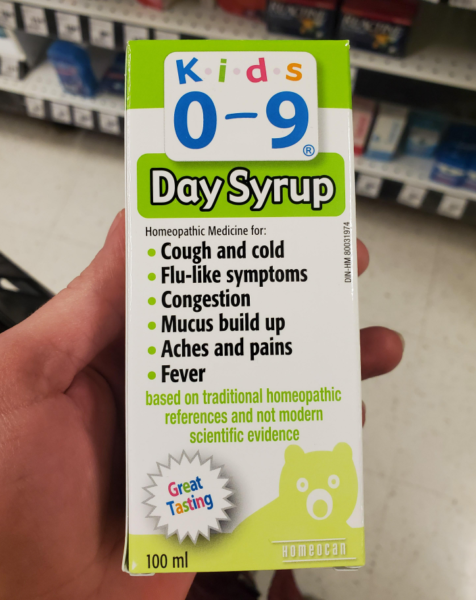
Hormones to the rescue
Your brain says “Put the cookie down”
February 15, 2022 ✒ Andrew Kantor
This Thursday the Federal Trade Commission will hold an open meeting with the agenda including “Study on Pharmacy Benefit Managers’ (PBMs) Relationship with Affiliated and Independent Pharmacies.” The Commission will vote on whether to issue Orders to large pharmacy benefits managers to study the competitive impact of contractual provisions, reimbursement adjustments, and other practices affecting drug prices, including those practices that may disadvantage independent or specialty pharmacies. Given that “orders” has a capital O, we have to assume they’d be a Pretty Big Deal. Oh, and if you want to share your love of PBMs with the commission, there’s a signup form on the info page. Artist’s conception Here’s a simple trick to getting more out of a Covid-19 booster or flu shot: Run. Or, you know, do anything that gets your heart rate up to about 120-140 beats per minute. (And before you start having any inappropriate thoughts, you have to keep it there for 90 minutes.) Iowa State kinesiologists found that “Exercise after influenza or COVID-19 vaccination increases serum antibody without an increase in side effects”. How? Why? Maybe… Working out increases blood and lymph flow, which helps circulate immune cells. As these cells move around the body, they’re more likely to detect something that’s foreign. It’s also possible that the interferon alpha protein produced during exercise “helps generate virus-specific antibodies and T- cells.” That’s one of the big problems with Covid-19: Even mild cases can have long-lasting effects. The latest to be discovered is serious heart damage — and that’s from a huge study (11 million U.S. veterans) by epidemiologists at the VA’s St. Louis Health Care System. [R]esearchers found the risk of 20 different heart and vessel maladies was substantially increased in veterans who had COVID-19 one year earlier, compared with those who didn’t. Money quote: “Even people who never went to the hospital had more cardiovascular disease than those who were never infected.” (Although the risk was lower for people with less-severe initial disease.) It’s so bad, one cardiologist thinks that, “In the post-Covid era, Covid might become the highest risk factor for cardiovascular outcomes.” “3 doses of Pfizer–Biontech Covid-19 vaccine offer more benefits than 2 doses,” says Kaiser Permanente. Good news if you have mice suffering from any aspect of metabolic syndrome — type 2 diabetes, high cholesterol, excess body fat, etc. There’s not just a potential new drug, but a whole class of compounds that may help treat it under development. They’re all based on one that researchers at Washington University called SN-401. It affects a protein called either SWELL1 or LRRC8a depending on who you ask. Whatever its name, when it declines that “may have a central role in the development of diabetes and other aspects of metabolic syndrome.” Enter SN401, and the related compounds the researchers are working on: In addition to improving insulin sensitivity and secretion, treatment with the compound also improved blood sugar levels and reduced fat buildup in the liver. Most of these studies were conducted with an injected form of the compound, but the researchers showed evidence that it also could be effective if taken by mouth. Drop everything! The FDA has just released the 2021 Office of Generic Drugs (OGD) Annual Report! Abbreviated new drug applications! Application supplements! Generic-drug science and research programs! And so much more! (Like supportive therapies for Covid-19, product-specific guidance, and Competitive Generic Therapy (CGT) program updates!) Click here — NOW! — to get the report, or click here to read the hot new FDA Voices article about it. Looking for predictors of osteoporosis, Swedish researchers focused a lot on how well older women could stand on one leg — but they also found a couple of interesting pharmacological connections, one good, one bad. Good: statins. They “proved to be linked to improved properties in cortical bone, the hard outer surface layer of various parts of the skeleton.” Bad: SSRIs. There was “a link between SSRIs and inferior physical function in terms of grip strength, walking speed, and standing up from a chair, as well as an elevated risk of falling.” There are seven qualities in a person that will make them a poor choice as a mate, according to Hungarian psychology researchers. And yes, of course they called them the “Seven deadly sins.” What’s a dealbreaker? “Being abusive, arrogant, clingy, dirty, hostile, unambitious, and unattractive.” (We assume that’s supposed to be “or unattractive.”)Old ladies falling, PBMs awaken the FTC, why some people never find love, and more
FTC may turn its eye to PBMs

A booster for a booster
Covid: Not even once
Captain Obvious can count, too
New compound(s) tackle diabetes … and more
The new Generic Drugs Report is here! The new Generic Drugs Report is here!
Drugs, bones, and old ladies who fall
Non-pharma, but interesting:
The seven dirty words you can’t have in a relationship
February 12, 2022 ✒ Andrew Kantor
Canadian immunologists have developed a Covid-19 vaccine that’s inhaled, proved that it works in animal models*, and begun a phase 1 clinical trial. It’s not just a less stick-y alternative to existing vaccines, it actually may work better. Because inhaled vaccines target the lungs and upper airways where respiratory viruses first enter the body, they are far more effective at inducing a protective immune response. That’s because inhaling a vaccine also gets the mucus membranes of the respiratory system to produce an immune response, stopping the virus at the metaphorical doorway. Not enough for you? Sheesh, tough crowd. Fine: It also works against all known variants, and it requires a much smaller dose, “meaning a single batch of vaccine could go 100 times farther.” If you’re giving immunizations, you want to be sure you’re doing it as well as possible. And you probably want your patients (and your boss) to know that too. We’ll make it easy. Earn yourself an APhA immunization certificate through GPhA — one that lets you differentiate yourself, and one that nicely fills that empty space on your wall. “APhA’s Pharmacy-Based Immunization Delivery: A Certificate Program for Pharmacists” is coming up fast — Sunday, May 22, from 8:00 am – 5:00 pm at GPhA’s World Headquarters in Sandy Springs. It is the big certificate course, and it’s the one you want. Get to GPhA.org/immunization for the details and to register. Eating well during pregnancy is important — that’s both obvious and well known. But while that can limit gestational weight gain, it doesn’t always seem to affect Mom’s glucose levels … or her risk of gestational diabetes. The twist: UC Irvine researchers found that Mom’s diet before conception is more likely to affect her diabetes risk. To keep her healthier, prenatal diet changes are too late. She needs to fix her perinatal diet — start eating healthy when that baby is barely a gleam in her eye. If someone has an ischemic stroke, alteplase is the standard treatment to break up blood clots — if you can start the infusion within 4½ hours. But now Chinese neurologists have developed a new drug — tenecteplase — that (in phase 2a studies) seems to have some major advantages: A “bioengineered variant of alteplase,” tenecteplase not only extends the treatment window to 24 hours, it also seems to work on large-vessel clots. Next up: phase 2b trials, of course. “Two cases of ‘eye bleeding’ Lassa fever found in UK” Scientists at Emory, Georgia Tech, (and Harvard) universities have created fish using human heart cells: “The ‘biohybrid’ fish swim by recreating the muscle contractions of a pumping heart.” “Our ultimate goal is to build an artificial heart to replace a malformed heart in a child.” (You can click the link above for the news story or watch the video, “An autonomously swimming biohybrid fish.”) Placebos are powerful drugs. Well, non-drugs. The point is, they’re more than just ways to trick people into believing something works. Read “In research studies and in real life, placebos have a powerful healing effect on the body and mind” for the deets.Building a beating fish, diet before pregnancy, inhale this vaccine, and more
Do inhale
* The really good-looking animals that know how to strut through a laboratory
Another chance for APhA’s immunization program
Not now, honey, I need a balanced diet first
A better clot-buster
Nothing to see here
Heart and sole
The Long Read: Placebos edition
February 11, 2022 ✒ Andrew Kantor
Cases are in decline all over the country. Deaths continue to rise, but they’re rising more slowly, meaning we’re (probably*) over the peak for Omicron; deaths should start declining soon. There are genetic mutations that can increase your risk of Alzheimer’s, but there is at least one mutation that can reduce that risk. And, realizing that it’s 2022, Québecois researchers decided to see what they might be able to do with good ol’ CRISPR/Cas9 gene editing. To cut to the chase: “Using an improved version of the CRISPR gene editing tool, we have been able to edit the genome of human cells to insert this mutation.” Obviously this is double-extra preliminary, and it couldn’t help people who already have the disease. But, should it pan out, this means there could someday be a preventative treatment for people at high risk of developing Alzheimer’s. Caffeine, in reasonable quantities, is good for the heart. That’s not news. But why it was good … well, that wasn’t clear. But now we know — or at least Canadian researchers are pretty sure they do. It’s a “cascade effect”: Caffeine blocks the activation of a protein called SREBP2. Lower SREBP2 levels cause lower levels of another protein — PCSK9. And lower PCSK9 means the liver is better able to clear out LDL cholesterol. Lower ‘bad’ cholesterol is one benefit, but it goes beyond that: “Given that SREBP2 is implicated in a host of cardiometabolic diseases, such as diabetes and fatty liver disease, mitigating its function has far reaching implications.” “Counties With Low Vaccination Rates Endured ‘More Intense Surge’ Of Covid Cases During Delta Wave” The story: Electronic cigarettes apparently don’t work as well as other smoking-cessation aids. That’s what UC San Diego health researchers found, based on survey results from former smokers and those who attempted to quit. The nuance to keep in mind: The authors define “quitting” as not using traditional cigarettes or e-cigs. But for many smokers, vaping is an alternative to smoking, so of course the quitting rate will be lower — they aren’t trying to quit; they’re switching to a hopefully safer alternative. After cracking down hard on opioid prescriptions (you may have heard something about that), the CDC is now saying its six-year-old guidelines are “being misused and misapplied.” People who legitmately need painkillers aren’t able to get them. Result: It’s considering relaxing — “softening” — those guidelines as they caused “some doctors to become too quick to cut off patients taking prescription painkillers and too strict in keeping the drugs from patients who might benefit.” It’s not a hallucinogen. It’s not an opioid. It’s an anti-depressant: tianeptine. And the FDA is warning people not to take it to self-medicate for anxiety, depression, pain, or anything else. In the U.S., reports of bad reactions and unwanted effects involving tianeptine are increasing. Poison control center cases involving tianeptine exposure have increased nationwide Tianeptine isn’t approved in the U.S., but it is available by prescription in Europe (except Italy), Asia, and Mexico. Just because someone is “cured” of Ebola doesn’t mean they’re necessarily cured. The virus can hide in the body, waiting months or even years before striking again. The scary part: This is true even if a person is vaccinated or has been treated for the disease — or both. US Army researchers, though, have figured out where the virus hides. They knew it could persist long-term in the eyes, brain, and testes, but what was the source? Based on tests of rhesus macaques, they found it: the brain fluid. Specifically “ventricles—cavities in the brain that produce and circulate cerebrospinal fluid (CSF).” Armed with this information, the next step is to change the treatment, if possible, to clear the virus out for good.Caffeine mystery solved, dementia prevention editing, dangerous anti-depressant, and more
Covid sitrep
* With this virus, it’s always “probably” and “should” and “may”.
Anti-Alzheimer’s editing
How caffeine works
Captain Obvious keeps his distance
E-cigs and quitting
CDC may swing the pendulum back
Today’s drug to worry about
Ebola in the brain
February 10, 2022 ✒ Andrew Kantor
Women looking for relief from pain (physical, not existential) have a new risk to consider: tinnitus. Looking at the records of almost 70,000 women, researchers in Boston teased out the fact that low-dose aspirin was safe, but there was an elevated tinnitus risk — we’re talking in the 20 percent range — for … Why? Don’t know. Is there a causal relation? Probably. Does it make good headlines? You bet. Long-term regular use of acetaminophen (“paracetamol” in the Metric system) increases blood pressure — at least in people who already have hypertension. And, since you asked, by regular use the Scottish researchers mean at least 4 grams (8 extra-strength tablets) a day. GPhA is looking to add to the team that will shape the future of pharmacy in Georgia. We’re now accepting applications for the 2022-2023 GPhA Board of Directors. Serving on the board is the opportunity to make a difference in — and a lasting contribution to — the pharmacy profession in Georgia. We have two open positions: We encourage you to apply. Click here to see the details and the requirements, and drop a note to Governance Manager Lia Andros at landros@gpha.org if you have any questions. The deadline for application is 11:59 pm EST on Saturday, March 3, 2022. For younger women, too much testosterone might be a bad thing for their hearts. A new study, though, finds that for women over 70, too little testosterone is “associated with double the risk of cardiac events.” Testosterone can lower blood pressure (that’s not news), so Aussie researchers decided to see if the reduced levels in older women might put them at risk. “We have shown in past studies that testosterone therapy lowers blood pressure and increases blood flow in arteries. So our hypothesis was that having higher testosterone may protect older women from cardiovascular disease, which is contrary to the conventional belief that testosterone is bad for the cardiovascular system.” Does this mean older women should take testosterone supplements? No no no — they didn’t say that. “Further research,” they said, “is needed.” Thinking about starting (or moving to) a different kind of pharmacy career — something beyond retail or hospital work? If you thought “Yes” (and especially if you said, “Wait, there are other options?”) have we got a webinar for you! It’s Getting Hot in Here… Hot Pharmacy Jobs That is! features the incomparable Johnathan Hamrick, PharmD, and a panel of pharmacists who are currently practicing in these hot, trendy settings. They’ll explain the job requirements, responsibilities, and a typical day in their life. And, of course, take your questions. The webinar is Thursday, February 24 from 7:30 – 9:00 am via Zoom. Click here for the details! Oh, and check this out: It’s only $20 for GPhA members ($49 for non-members) and you get 1.5 hours of CE, too. There are some men who, for reasons I cannot fathom, are upset about being bald. Whatever. If you know such men, and they’re wondering which drug works best, Canadian researchers actually took the time to find out (and publish their findings in JAMA Dermatology. Spoiler — in order of effectiveness: Triplatin is a 30-year-old drug that never quite got FDA approval for fighting ovarian, lung, or pancreatic cancer; it just didn’t do enough. But now its time may have come: It helps fight triple negative breast cancer. It’s all about the sugars — in this case, ones called sulfated glycosaminoglycans (sGAG) that are common in about 40 percent of triple-neg tumors. It turns out that triplatin just loves that sGAG, and binds to it enough to damage the tumor. Bad news for that 40 percent. And the other 60 percent? An existing treatment, carboplatin, attacks tumors with low sGAG levels, meaning between the two, there are solid weapons against just about every case of triple-neg breast cancer. Remdesivir (the injection) can fight Covid-19. So can molnupiravir (the pill). But combine either with brequniar and you’ve got a weapon that doesn’t just destroy the virus, it “super destroys” it. Really. That’s a quote from the UPenn researcher who led the study that discovered this tidbit. Here comes the science: Remdesivir and molnupiravir are nucleoside analogues. Brequinar can reduce the body’s nucleoside building blocks. Together they “work ‘synergistically’ to create a more potent effect against the virus.” “We thought that using these nucleoside analogues while also reducing the levels of the host’s nucleoside building blocks might work together to super destroy the virus. It is really amazing that when you combine them, the virus is completely dead.” Georgia had 21 hospitals penalized by Medicare in 2022 for high rates of infections and complications. But the story, it seems, isn’t so simple because of the way the law is written. Georgia Health News explains.Hair-growth ratings, super-destroying Covid, NSAIDs a-ringing, and more
Another analgesic worry
While we’re talking about analgesics…
Don’t follow. Don’t get out of the way. Lead.
Low T in older women
And now for something completely different?
Hair on you, dog

sGAG me with a cancer drug
A Covid-fighting synergistic weapon
The Long Read: Hospital Penalty edition
February 09, 2022 ✒ Andrew Kantor
Depression is usually caused by neurochemical issues — think serotonin. But a new study found that in some cases is might come from … gut bacteria. (Seriously, is there anything the gut biome isn’t responsible for?) This comes out of Finland, where researchers were looking for connections between chronic disease and the microbiome. They found two gut bacteria that “seemed to play a causal role” in depression; and one, Morganella, seemed to be pretty direct: The more of the bacteria in the gut, the more likely the patient developed depression. Now what? The “holy grail” is to identify a missing microbe that could be given as supplement […] But it’s less clear how Morganella could be eliminated from the gut to relieve symptoms. “That’s a bit more challenging.” “Smartphone reminders can improve memory for older adults with dementia.” And if you think that there’s more to it — that using reminders actually improves their ‘wetware’ memory — you’d be wrong. Money quote: “We were successfully able to train the adults to use the technology, and also the adults that used the personal assistants the most had the best memory performance.” When a patient is diagnosed with HIV infection, the quicker they start antiretroviral therapy the better. But sometimes there’s a big gap between diagnosis and when therapy starts. Who can make a difference? You guessed it: Pharmacists who are on the care team and meet with patients from the beginning. Pharmacy Practice News has two cases where patient care was improved big-time simply by bringing in, you know, the medication experts: [P]harmacists now serve important clinical functions, such as identifying candidates for rapid [antiretroviral therapy], evaluating symptoms, performing physical exams, and assessing risk for treatment-related adverse events and opportunistic infections. Pharmacists also evaluate a patient’s readiness to start treatment, provide counseling and education, and address potential psychosocial barriers to adherence. Answering a common question about breakthrough infections, Israeli researchers report that “People who’ve both been vaccinated and had COVID-19 are less likely to report fatigue and other health problems than unvaccinated people.” Here’s one way to treat the “cognitive deficits” of long Covid: Electricity! German researchers thought the issue might be blood flow in the eyes and brain, so they gave patients a bit of “microcurrent stimulation” for 10-13 days: what they call “non-invasive brain stimulation” or NIBS. And what d’ya know, “In both patients NIBS markedly improved cognition and partially reversed visual field loss within three to four days.” The investigators propose that hypometabolic neurons are the probable biological cause of the neurological deficits manifested as long-COVID symptoms, and that NIBS reactivates these “silent” neurons by reoxygenation, which is the presumed basis of recovery. Keep in mind that this is based on just two case studies: Diphenhydramine (aka, Benadryl) seems to help with long Covid, according to researchers at UC Irvine. Both took over-the-counter antihistamines to treat other conditions […] and experienced improved cognition and much less fatigue the next morning. In fact, the patients reported that those bennies helped with other symptoms, including “exercise intolerance, chest pain, headaches, a rash and bruising,” and “abdominal pain, as well as the rashes and lesions known as ‘COVID toes’.” We’re still learning all the interesting effects marijuana has on health (now that it’s easier to do studies). The latest: THC seems to interfere with platelets. Researchers at Oregon Health and Science University found this after feeding rhesus macaques THC cookies (!) every morning for months. The research team compared blood samples of the animals before and after the trial and found that THC reduced platelet aggregation […] and lowered production of thromboxane, a lipid involved in clotting. However, THC did not affect clotting times. It’s not a huge issue for day-to-day life, but, they point out, it’s worth noting for patients who are pregnant or about to undergo surgery. As Omicron surges, so are reported cases of croup in kids. But it’s not the kind caused by parainfluenza — this is caused by Covid-19, because Omicron just loves the upper airway. For a long time, everyone knew how important it was to eat bran. Lots of bran. These days, not so much because “it was mostly a clear-cut case of the supposed cure being worse than the disease.”Zapping long Covid, pot and clots, depression from the gut, and more
A depressing gut microbe
Captain Obvious ties a string around his finger
When time is of the essence
Long Covid risk
And if you do get it?
What if you’re afraid of German doctors and electricity?
Cannabis and platelets
Keep away from the loud, coughing kid
The Long (fun) Read: What Happened to Bran? edition
February 08, 2022 ✒ Andrew Kantor
Sheesh, pharmacists are a greedy lot. Did you know they actually want to get paid a reasonable fee for dispensing Covid antivirals? As if a whole dollar — one genuine American dollar! — isn’t enough. But you know who is stepping up? PBMs! Yep, according to the CEO of PBM lobbying group PCMA*, they’re “stepping up, voluntarily, to cover dispensing fees for new oral anti-viral COVID medications,” and they’re apparently “paying standard or Medicaid-level” fees, too. This one’s with Georgia Gwinnett College biochem majors. The gist: If they meet UGA College of Pharmacy requirements as juniors, they’ll get priority applications, a guaranteed admission interview, and — if accepted — can transfer their credits and complete their bachelor’s degrees at UGA before going on to the PharmD program. Covid-19’s notable symptom — the loss of taste and smell — seems to be more prevalent among certain types of people. Which types? According to French researchers, women, smokers, and people who had more than two drinks a day are more likely to experience taste or smell disorders. And, to add injury to injury, it probably won’t be limited to that: “The overwhelming majority of patients with taste or smell disorders experienced a wide variety of symptoms.” Different forms of medication — tablet/capsule, patch/cream, and so on — will have different prices. But patients don’t know this, and a group of U.S. business and medical researchers found that not only could patients “save up to 40% on prescription drug costs by switching to different formulations of the same medication, when available,” but: In the analysis of costs for 28 medications available as a tablet or capsule, 33% of prescription orders were placed for the high-priced formulation. There are obviously cases where a particular formulation is required for a patient. But it seems unlikely that it’s the case for a third of all prescriptions. In the richest country on Earth, people who can’t afford their medical care turn to, well, asking strangers for money. Crowdfunding through sites like GoFundMe is the safety net they turn to. Unfortunately, an analysis by the University of Washington found that it doesn’t work. Not only do 90 percent of campaigns fail to meet their goals, they found, but the ones that do are more likely to be in wealthier areas. “[T]his data really indicates that where people need the most help paying for health care, crowdfunding provides the least help.” Georgia, for example, has the fourth highest rate of uninsured people and the fourth highest level of medical debt — but ranked #41 out of the 50 states for the amount of money raised. (Mississippi is in worse shape: Highest debt, among the highest uninsured, and ranked last for money raised.) Every airplane accident makes us safer … assuming we learn from it. Ditto the pandemic. And one thing we’re still learning (95% of U.S. physicians say so!) is that America’s drug-supply chain is, well, let’s say “vulnerable.” Reliance on foreign countries is a big problem — not only can their factories stop producing, but there’s the whole shipping issue — but it’s not the only one. USP, for its part, is working on it … for the next time. Aussie researchers say they’ve found two treatments that effectively eliminate peanut allergies in half the kids they’re used on. The first is a combination of a probiotic and oral immunotherapy (the gradual introduction of peanuts). The second was the immunotherapy alone. In both cases, about half the 1- to 10-year-olds it was tried on “achieved remission, allowing them to stop treatment and safely eat peanuts freely.” The new research […] found after 18 months of treatment, 46 per cent and 51 per cent of children who received the combination treatment or the oral immunotherapy alone, respectively, were in clinical remission compared to 5 per cent in the placebo group. (The study was actually to see whether probiotics helped with the immunotherapy treatment. It did not, but it did “enhance tolerability of the treatment, with fewer gastrointestinal symptoms,” which parents surely appreciated.) Humans seem to have lost their sense of smell compared to our recent ancestors. So concluded a group of Chinese, American, and even a token Dutch biologist, looking at the genes of about 1,000 Chinese people. They found that there’s a particular receptor for some common odors, and people have different genes that control that receptor. Those who had the older (“ancestral”) version of the receptor reported more intense odors. In other words, the ‘newer’ version of this gene gives us a weaker smell receptor. (Or, as they put it, “the primate olfactory gene repertoire has degenerated over time.”) “Why are Americans so slow to get booster shots?” asks the New York Times. Because unlike vaccinations in general, which have become politicized, the lack of boosterism cuts across those lines. The vaccinated-but-unboosted more closely resemble the country as a whole. Millions of Americans who have already received two vaccine shots — eagerly, in many cases — have not yet received a follow-up. The unboosted include many Republicans, Democrats, and independents and span racial groups.Why Americans don’t boost, pharmacists get greedy, who loses their smell, and more
You want to be paid for your work?
* Who we can absolutely trust.
UGA does another future-pharmacy-student partnership
Who doesn’t smell
It’s all about the formulations
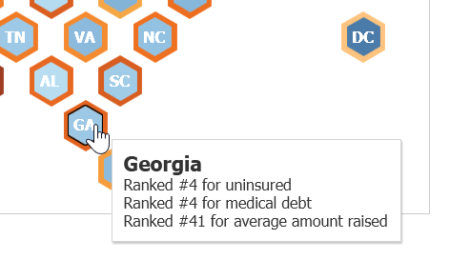
Crowdfunding: Don’t rely on the kindness of strangers
What have we learned, Charlie Brown?
Peanut allergy ender
Weird science* story of the day
* “Weird science”? So much for “I before E, except after C.”
The Long Read: Booster slowdown
February 05, 2022 ✒ Andrew Kantor
Despite efforts to reform Georgia Medicaid managed care, PBM and MCO practices threaten the viability of independent pharmacy in Georgia. As Georgia pharmacist Nikki Bryant said at a Georgia House hearing in January of 2020, “Government contracts in this state funded by my tax dollars work to put me out of business.” Along with underwater reimbursements, problems persist with patient steering and retroactive GER fees despite Georgia law. In light of these ongoing issues, we are excited to announce that House Chairman and pharmacy champion David Knight is introducing a prescription drug Medicaid carve-out bill in the Georgia General Assembly next week. Please reach out to your Georgia House representative via phone or email by noon this coming Monday, February 7 and let them know: Finally, ask them to support Rx Medicaid carve-out efforts — and to cosponsor Representative Knight’s Medicaid prescription drug carve out bill! Don’t know your rep? You’re not alone. Click here and OpenStates will find it. Next, get your rep’s number by clicking here, and leave that important message! How might you avoid a premature birth? Not catching Covid, for sure, but how about this: chewing gum — specifically, gum with xylitol. Researchers in Texas ran a study, and found that chewing the gum reduced gum disease, “which has previously been linked with a higher rate of preterm births.” The preterm birth rate was 13 per cent in the gum-chewers, but 17 per cent in the comparison group. In another way of looking at the figures, for every 26 women who were given gum and advice, one preterm birth was prevented. Xylitol kills the bacteria Streptococcus mutans, so that’s the going theory for why it works — more testing, of course, will be needed. Cyproterone acetate — it’s a common drug for both men (inoperable prostate cancer) and women (alopecia or seborrhoea). But at high doses it’s linked to meningiomas. Those are benign brain tumors … mostly. If left unchecked (i.e., unremoved) they can cause various problems simply by putting pressure on the brain. An international group of researchers conducted a study of 8 million patients, and found “a significant association between high dose usage [of cyproterone acetate] and increased risk of meningioma.” “In light of these results, prescription of high-dose cyproterone acetate, especially for off label indications, should be considered carefully. Additionally, we suggest that routine screening and meningioma surveillance by brain MRI [be] offered to patients prescribed with cyproterone acetate.” Setting your GPhA membership to auto-renew makes your life easier, and makes the poor, overworked staff’s lives easier too. Win-win! Please, just click YES on your renewal application to select the option. And of course you can cancel at any time — we’re not monsters. It may sound like something up there with “gargle bleach” or “shine light in your veins,” but apparently there’s evidence that a particular wavelength of blue light (425nm) might stop a Covid-19 infection. How? According to a study, that wavelength inactivated every variant of SARS-CoV-2 and prevented it from binding to the ACE-2 receptors in the host. So all you need to do is get under some blue light? Well, here’s your big caveat: The study was done by EmitBio, a company that sells lights to kill germs. When it comes to checking on people with Covid who are living alone, futuristic remote monitoring might not be feasible to everyone. But Washington University researchers have discovered that many of today’s smartphones have an app that can work just as well. In most devices it’s called “Phone” (or possibly “Call”) and it allows users to make a real-time voice call — not a text, not a video — to any mobile or landline number. Using this app, the researchers found, worked as well as the more sophisticated monitoring — assuming it’s used properly. A friendly phone call may provide enough reassurance to prevent some relatively well COVID-19 patients from making an unnecessary trip to an overcrowded emergency room, the researchers note. It seems the writers are teasing ideas for next season, and they aren’t that impressive — kinda derivative, if you ask me. New variant … but this one’s of HIV. Dutch scientists discovered it and say it “progresses to AIDS faster and may be more transmissible,” but also that available treatments work on it. The flu … the bird flu, that is. It’s spreading in the U.S. Should we worry? (Spoiler: Yes if you’re a bird or raise poultry for work. As for people, the answer is an unequivocal maybe.) Chinese researchers have confirmed that hamsters — sneezing hamsters — were the cause of a Covid-19 outbreak in Hong Kong. That makes them the only animal other than minks that appear to be able to spread the SARS-CoV-2 virus to humans. That doesn’t mean they’re the only animals that can be infected by the virus. The latest confirmed critters: red foxes, which can not only be infected, but “can shed virus in its oral and nasal secretion.” Good news: It seems that coyotes cannot be infected. You may have heard that CAR-T therapy for cancer works really, really well, to the point where it’s being called a cure for leukemia. The big surprise, though, was that even though the cancer seemed to be long gone, the CAR T cells remained in the patients’ bloodstreams, circulating as sentinels. “Now we can finally say the word ‘cure’ with CAR T cells.” But this is the Long Read because, well, they aren’t sure why it works so well for some people (but not all) — T cells are far from simple. Read “A Cancer Treatment Makes Leukemia Vanish, but Creates More Mysteries”.Sneezing hamsters of doom, the bright light of health, CAR-T mystery, and more
Legislative Alert: Support the Georgia Medicaid Rx Carve-out
The four dentists were right
Common drug, common tumor
Make life easy

Blue light, special?
An obscure but helpful app
The writers’ room needs some more time
Our furry friends
The Long Read
February 04, 2022 ✒ Andrew Kantor
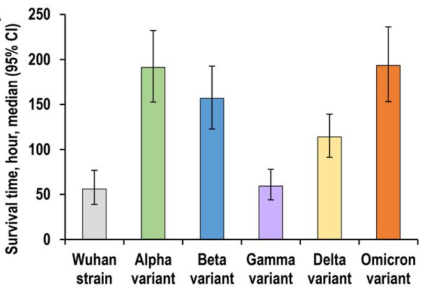
GPhA Past President Tim Short has announced that he’s running for state representative for Georgia’s newly drawn district 28. “I am running to represent and preserve the conservative values of our district,” announced Short. “With the decline in leadership and the lack of integrity in our political system over the last few years, I am motivated to provide an honest, straightforward and trustworthy voice in our state capitol.” Sign up to support Tim and get more info at votetimshort.com. Ulcerative colitis is one of those conditions likely caused by gut bacteria. The question, though, was “How?” That’s in the past tense because UC San Diego researchers think they’ve figured it out using what they call, I kid you not, ‘digital stool.’ They take patient samples and analyze them in incredible detail, “allow[ing] the team to examine its biology at multiple scales and develop new hypotheses of disease progression.” In this case, they identified the cause of that ulcerative colitis: The team found that roughly 40 percent of ulcerative colitis patients show an overabundance of proteases — enzymes that break down other proteins — originating from the gut resident Bacteroides vulgatus. […] the colitis could be significantly reduced by treating the mice with protease inhibitors. That, they think, is just the start. As David J. Gonzalez, associate professor of pharmacology put it, “Digitizing fecal material is the future.” Know someone with dry, itchy eyes? Apparently, Canadian researchers have found that you don’t need drops — aerobic exercise can treat it by causing “a significant increase in tear secretion and tear film stability.” And having unstable tear films is something no one wants. Newer Covid-19 variants survive longer on skin and plastic surfaces than the original “Wuhan” strain, with Omicron lasting the longest (according to Japanese researchers) — slightly longer than Alpha at almost 200 hours. And yes, alcohol sanitizer makes quick work of them all. One great thing about exercise is that it can build new neurons in your brain — good for cognition, memory, and general brain health. But is there a way to do that with a pill? Why yes, maybe so. And the pill? Selenium. Aussie neuroscientists tested mice after exercise; they found that a selenium-transporter protein increased. Hmm. Then they treated neural-precursor cells in a dish with selenium. The cells doubled fast. So they tried giving selenium supplements to mice. Bingo: “The selenium-treated mice […] performed better than controls in two memory tasks.” Before you start popping pills, though, remember that selenium is toxic in high doses, “and people who have normal selenium levels are less likely to benefit from supplementation.” Here’s a first: Apparently the contract between federal government and Pfizer means Americans will be getting the Paxlovid antiviral Covid treatment at the same price as other wealthy countries. Weird, huh? In fact: [T]he contract for the first 10 million doses would allow the government to get a lower price if one of a handful of other wealthy countries gets a better deal on the drug. Everyone got excited when Covid proved that mRNA vaccines are the real deal. There are some downsides, of course, including antibody-levels dropping (although T cells are still ready and able) and the need for cold storage. Something missing from mRNA vaccines, immunologists at the Wistar Institute figured was (obviously) self-assembling nanoparticles. Using those — and two other technologies — they’ve designed what they think is the next next-generation vaccine. It’s shelf-stable, produces more antibodies, and can be reformulated quickly to fight new variants. Sadly, though, it’s beyond my meager ability to try to describe it in smart-layperson terms: The new vaccine includes a rationally engineered receptor binding domain using computational and structure-based design methodologies. The engineered receptor binding domain blocks ‘immune distracting’ sites and can therefore elicit stronger levels of protective, neutralizing antibodies. Leave it to the wild folks at the Endocrine Society to publish the eyebrow-raising stories: “Men with sex addiction may have elevated levels of the ‘love hormone’.” Good news: Cognitive behavioral therapy took care of both the oxytocin and the … behavior issues. Digital stool samples, love-hormone problems, running for your eyes, and more
Tim Short announces state-office candidacy
Our number two story
I won’t tell your patients if you won’t
Variant survival note
Walk, don’t run, for this brain-power supplement
Score one for the feds
Vaccines: The next next generation
The love hormone, soon will be making another run
Do you want to send your members the daily Buzz email newsletter (customized for your state and organization, perhaps)? Let’s talk — just drop me a note at andrew@gphabuzz.com!

- Primary Care Is in Trouble. So Doctors Band Together To Boost Their Market Power.
- Cosmetic Surgery Investigation Prompts Warnings for Patients, and a Push for Tighter Safety Standards
- Listen to the Latest ‘KFF Health News Minute’
- Banks Are Becoming Bulwarks Against Scams for Vulnerable Seniors
- More Kids Are in ERs for Tooth Pain. Trump Cuts and RFK Jr.’s Anti-Fluoride Fight Aren’t Helping.
- Newsom Picks a Dogfight With Trump and RFK Jr. on Public Health
- January 2025
- December 2024
- November 2024
- October 2024
- September 2024
- August 2024
- July 2024
- June 2024
- May 2024
- April 2024
- March 2024
- February 2024
- January 2024
- December 2023
- November 2023
- October 2023
- September 2023
- August 2023
- July 2023
- June 2023
- May 2023
- April 2023
- March 2023
- February 2023
- January 2023
- December 2022
- November 2022
- October 2022
- September 2022
- August 2022
- July 2022
- June 2022
- May 2022
- April 2022
- March 2022
- February 2022
- January 2022
- December 2021
- November 2021
- October 2021
- September 2021
- August 2021
- July 2021
- June 2021
- May 2021
- April 2021
- March 2021
- February 2021
- January 2021
- December 2020
- November 2020
- October 2020
- August 2020
- July 2020
- March 2020
- February 2020
- January 2020
- December 2019
- November 2019
- October 2019
- September 2019
- August 2019
- July 2019
- June 2019
- May 2019
- April 2019
- March 2019
- February 2019
- January 2019
- December 2018
- November 2018
- October 2018
- April 2017
