February 03, 2022 ✒ Andrew Kantor
High blood pressure and diabetes go together like … like love and marriage, Scylla and Charybdis, chocolate and more chocolate. But why? Calling it a “long-standing enigma,” British and Kiwi scientists (with help from Brazil, Germany, Lithuania, and Serbia) say they’ve solved the puzzle. The very very short version: “A small protein cell glucagon-like peptide-1 (GLP-1) couples the body’s control of blood sugar and blood pressure,” which opens the door to treating both diabetes and obesity with one drug. When you’re dealing with drug-resistant hypertension, a (possibly) surprising tool in the toolbox might be B vitamins. It comes down to elevated homocysteine, which the researchers from the universities of Maine and Arkansas conclude is not only safe to lower, but a darned good idea. And B vitamins have the very knack. “[S]upplementation with sufficient nondietary-sourced vitamins B2 (riboflavin), B6, folate, and B12,” they say, “can safely lower blood pressures as much as 6 to 13 mmHg.” Shout-out to Mercer student pharmacist Christina Green — featured in the Pharmacists Beyond Borders newsletter after she was named a GPhA Gold Level President’s Club member. She loves that the association involves all facets of pharmacy, from pharmacists to techs to students, in all practice settings. “It’s bigger than I initially thought,” Green said. Pro tip: If you want to attack glioblastomas with immune therapy, you should first blast them with radiation. Not just because it sounds really cool, but because (Mass General researchers found) short bursts of radiation “dramatically enhanced the efficiency of targeting glioblastomas with natural nanoparticle-based immunotherapy.” This assumes, of course, that you’re using nanoparticle-based immunotherapy, like most of the cool kids. The next time someone says they’re against vaccines, won’t wear a mask, or refuse to take any kind of Covid precaution, maybe you should ask, “Who hurt you?” People who experienced childhood trauma are more likely to feel unfairly restricted by government anti-Covid measures, to reject Covid vaccination and to support ending masking and social distancing mandates. What do they mean by “trauma”? [C]hildren who don’t feel close to their caregivers […] or whose caregivers use spanking or other forms of corporal punishment for discipline…. So there you have it — there might be more going on in anti-vax minds than you realize. We all know it’s not easy keeping alcoholic monkeys on the wagon. But now there might be a solution: a hormone — fibroblast growth factor 21 (FGF21). Vervet monkeys prefer to drink alcohol to water, unless, that is, they’re given some FGF21, in this case by University of Iowa neuroscientist/pharmacologists. After drinking the FGF21, the monkeys cut back on the booze by half. (When the treatment stopped, it took less than a month for them to be back to the bottle, though.) Weirdness: FGF21 had the same effect on mice, and also lowered their sugar intake. As usual, more research is required, but “FGF21 analogues may provide a potential treatment option against alcohol-use disorder and related diagnosis.” “Greater body fat” says a McMaster University study, is “found to be a risk factor for reduced cognitive function.” The mystery, though: Being fat lowered patients’ cognitive scores even after adjusting for diabetes, hypertension, and even vascular brain injury.” The researchers don’t know why extra weight means lesser brain power. This “should prompt researchers to investigate which other pathways may link excess fat to reduced cognitive function.” The NFL, whose former (and current) players are often in lifelong pain, announced that it is spending a whole one… million… dollars… to see if cannabis might help ease that pain. The money will be split between research programs at UC San Diego and Canada’s University of Regina, and will, I assume, come out of the league’s 2023 week 3 “Shoelaces for a Cause” budget. Those N95 masks aren’t just a special kind of paper. There’s all sorts of science involved. Wired has the details with “The Physics of the N95 Face Mask.”Anti-vaxxers’ trauma, monkeys on the sauce, fat might make you slow, and more
Link between high blood pressure and diabetes
B lowers BP
Congrats — and thanks for tooting our horn!
Fighting glioblastomas, 2022-style
Vaccine hesitancy
Helping those alcoholic monkeys
Lose weight, get smart?

Spending on the pain
The Long Read: What’s Behind the Mask edition
February 02, 2022 ✒ Andrew Kantor
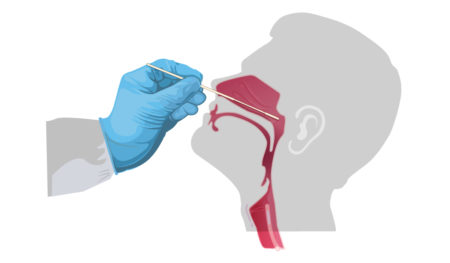
“How Common Are Injuries From Covid-19 Nasal Swabs?” The Finns decided to find out, reviewing more than 600,000 tests over seven months to see how bad the crisis was. The good news: There were only eight (8) “significant complications.” The bad news: Four of these were severe nosebleeds, some of which were life-threatening […] The other four were due to dislodged swab tips, necessitating urgent removal under local anesthesia. When you hear it scraping your brain, it’s in deep enough. Nasal flu vaccines aren’t new, but how about one with … nanoparticles? If you’ve got mice you want to protect from the flu, biomedical researchers at Georgia State have good news for you: They’ve developed an influenza vaccine that uses nanoparticles to carry antigens where they can do their thing. (Nasal vaccines have some advantages over the shots in the arms.) Apparently it works. At least, that’s what I assume this says: “The PEI-HA/CpG nanoparticles show good potential as a cross-protective influenza vaccine candidate. The combination of PEI and CpG in the PEI-HA/CpG nanoparticle group contributed to the multifaceted immune responses, leading to vigorous cross protection. The incorporation of CpG and antigens into the same nanoparticle enhanced cellular immune responses. Oh, wait, here’s a better one: “Our results revealed that the nanoparticles significantly enhanced […] the ability to provoke an immune response, providing cross protection against different influenza virus strains.” French researchers are rather pleased with themselves for finding Covid among the bunny rabbits, saying in the journal Veterinary Sciences, “We reported the first evidence of a natural SARS-CoV-2 infection in rabbits.” The rabbits were less than pleased. Technically, it seems, it’s actually going to be a 503B compounding pharmacy — an outsourcing facility. That doesn’t mean less regulation (sorry, Endpoints News), just different regulation. That’s assuming Mark Cuban’s “Mark Cuban Cost Plus Drug Company” gets off the ground. “At launch, we are planning as functioning primarily as a 503B compounding pharmacy specifically targeting drugs on the FDA shortage list. That will allow us to be more agile and address drug shortages as they arise.” —CEO Alex Oshmyansky Right now, though, the only drug it’s listed with the FDA is generic albendazole. mRNA vaccines are the hot thing right now, but that’s bad news for the needle-phobic. To the rescue are MIT engineers, who have developed an oral mRNA vaccine. The issue with oral RNA vaccines is that the digestive tract tends to destroy them before they can work. So the MIT folks have designed a capsule — yes, it uses nanotechnology (specifically, “a new type of polymeric nanoparticle”) that keeps the RNA safe long enough to work. In a new study, Traverso and his colleagues showed that they could use the capsule they developed to deliver up to 150 micrograms of RNA — more than the amount used in mRNA Covid vaccines — in the stomach of pigs. And if you’ve ever read Hannibal, you know that pigs’ stomachs tend to destroy anything. Planning a holiday? The CDC’s updated you-really-shouldn’t-go list now includes [drumroll, please] … Mexico, plus Anguilla, Brazil, Chile, Ecuador, French Guiana, Kosovo, Moldova, Paraguay, Saint Vincent, the Grenadines, Singapore, and the Philippines. You know why. If you think you’ve noticed more people taking melatonin supplements, you’re not alone … and you’re not imagining it. “The use of over-the-counter melatonin supplements grew by fivefold over the past two decades in the United States” according to a study out of the Mayo Clinic. The guess is that it’s being used to help with sleep, but that wasn’t part of the data. Interesting side notes: Melatonin comes in a lot more forms now (somewhat explaining the popularity), and it’s available in higher dosages (even though it has a flat dose-response curve). Really, at this point we can just about blame gut bacteria for everything. Allergic to lettuce? Gut bacteria. Didn’t make the Super Bowl? Gut bacteria. Hate pineapple on pizza? Gut bacteria. In this case, Emory researchers have found that there are particular bacteria — ones that produce delta-valerobetaine — that suppresses the liver’s capacity to oxidize fatty acids. [P]eople who are obese or have liver disease tend to have higher levels of delta-valerobetaine in their blood. People with BMI > 30 had levels that were about 40 percent higher. Delta-valerobetaine decreases the liver’s ability to burn fat during fasting periods. Over time, the enhanced fat accumulation may contribute to obesity. The next question: Is there a way to suppress that delta-valerobetaine so we can all lie back and eat Bon-Bons all day?Moldova gets risky, melatonin mania, sick French rabbits, and more
Asking the important question about Covid tests
New nasal flu vax
Rabbit tests

More about Mark Cuban’s pharmacy
What about the needle-phobic?
Off the vacation list are…
Melatonin is hot stuff
You’re not fat, you have bad guts
February 01, 2022 ✒ Andrew Kantor
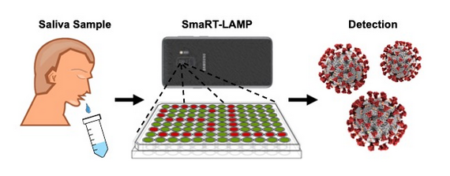
It’s all about speed now — and Scottish engineers have a new AI-based Covid test that gives results in just a few minutes. Essentially, the computer has learned to recognize the signs of Covid-19 in a chest X-Ray when humans couldn’t distinguish them with our small, meat-based brains. The downside: The system uses a chest X-ray, so it’s not something you can just stock on the counter. And it doesn’t work for early Covid, when there’s not enough visible yet. But still, that hasn’t stopped them from using our favorite superlative: “This is potentially game-changing research.” Yes, it’s yet another potential “game changer” — in this case it’s a “cell phone app and lab kit” developed at UC Santa Barbara. Apparently the app is smart enough to diagnose Covid (or, potentially other viruses) based on a saliva sample and a smartphone camera … and the software, of course. It takes just 25 minutes, and it does it on the cheap. The lab kit can be produced for less than $100, and it requires little more than a smartphone, a hot plate and LED lights. The screening tests can be run for less than $7 each versus $10 to $20 per rapid antigen test and $100 to $150 per PCR test. You might think that getting a mild breakthrough case of Omicron isn’t too bad — get it over with, and you’ll have better immunity from Covid-19 in general. Wronnnnng. A team led by UC San Francisco and UC Berkeley researchers looked at the effect of vaccination and infection by Delta and Omicron — they were wondering what kind of protection a breakthrough infection give. Bad news. They found that (probably for the same reason Omicron is milder in general), getting sick with it won’t do your immune system much good: “Omicron-induced immunity may not be sufficient to prevent infection against more pathogenic SARS-CoV-2 variants that are likely to emerge.” Stealth Omicron? Fuggedaboutit. Health officials say the harder-to-detect variant isn’t going be a problem at all. At worst it’ll slow the decline in cases, but it won’t matter much in the big picture. Well, I guess that settles it. Did you know that pharmacy DIR fees “can boost health outcomes [and] drug adherence”? In fact, apparently DIR is great stuff for everyone, especially patients! Who says so? That’d be Dr. William Fleming, chief corporate affairs officer for Humana and board chair of the Pharmaceutical Care Management Association — you know, the PBMs. Please, William, do go on. I’m curious: Is tying yourself up in logical knots tougher when your nose keeps growing? (And do the pants being on fire add a sense of urgency?) Some people are eligible for a second booster, but apparently not every pharmacy is aware of that. So the CDC held a conference call to say, “Some people are eligible for a second booster.” Specifically, the immunocompromised. The CDC recommends one additional shot for the 7 million American adults whose weak immune systems make them more vulnerable to Covid infection and death. This group includes people with medical conditions that impair their immune response to infection, as well as people who take immune-suppressing drugs because of organ transplants, cancer, or autoimmune diseases. Instead of two shots in the arm, why not one vaccine at the site of infection? That’s what Hong Kong researchers think is a smart move. They’re exploring the idea of one DNA vaccine in the arm to get the immune system crankin’, followed by a nasal spray using a viral vector (similar to what’s used for flu vaccines). While the first injection provides some systemic protection against the virus, an intranasal Covid-19 booster can strengthen immunity directly at the site of infection. The FDA has given full approval to Moderna’s Covid-19 vaccine. As you were. (((Shakes the Magic 8-Ball))) The answer is … Bad for you. So is the conclusion from researchers at the UK’s Anglia Ruskin University, who found that even drinking fewer than 14 units of alcohol a week (i.e., 2 units of day of beer, wine, or spirits) “still increases the risk of cardiovascular issues such as heart and cerebrovascular disease.” The analysis found that, for those participants that drank less than 14 units of alcohol per week – the limit recommended by the UK’s Chief Medical Officers – each additional 1.5 pints of beer at 4% strength (alcohol by volume) is associated with a 23% increased risk of suffering a cardiovascular event. Oh, and if you think your red wine habit gets you off the hook, think again. “While we hear much about wine drinkers having lower risk of coronary artery disease, our data shows their risk of other cardiovascular events is not reduced.” Got pregnant patients who have diabetes, obesity, or chronic hypertension? They might need to take aspirin to prevent preeclampsia — at least, so says a letter in the Journal of the American Medical Association. The Drugs.com headline suggests, “Aspirin Underutilized for Preeclampsia Prevention.” Coffee drinking, it seems, is associated with a lower risk of endometrial cancer, according to Chinese researchers. The key, of course, is “associated with,” meaning there’s correlation (based on a meta analysis of U.S. patient data), but not necessarily causation.Spitting for Covid, who loves DIR fees, latest moderate-drinking verdict, and more
X marks the Covid
Spit next to the phone, please
In Omicron news
Out of sight, out of mind
Pull the other one, it’s got bells on
Who should get a fourth shot?
Speaking of boosters
ICYMI
Today’s verdict on moderate drinking
More aspirin for (some) pregnant women
What coffee can do for you (maybe)
January 29, 2022 ✒ Andrew Kantor
Senescent cells accumulate like zombies — dead but not, and interfering with the living. So why not convince the immune system to attack them? In other words, why not develop a vaccine to clear out dead cells so the living ones can keep doing their jobs? That’s what Japanese researchers did, publishing their results in Nature Aging. [T]hey developed a vaccine against senescent cells using a protein that is only expressed by these cells. Then, they used this vaccine to eliminate senescent cells in mice and observed significant improvements in both the normal and disease-causing effects of aging. It’s not quite a vaccine against aging, but if it works for humans, taking out the trash might be a simple way to help people live longer. Your chance to get some excellent training in immunization delivery is only a few weeks away! We couldn’t come up with a fancy name, so it’s “Immunization Delivery Training for Pharmacy Technicians,” — a 6.0 hour CE program consisting of both home-study and live training. And yes, it’s approved by PTCB to help you get that spiffy Immunization Administration Certificate. That live training is on Saturday, February 19, at GPhA’s North American Headquarters in Sandy Springs. Space is limited, so click here to get the details and sign up now! Here’s an unexpected benefit: The shingles vaccine seems to reduce the odds of a person getting dementia. Looking at data for more than 200,000 seniors, researchers at Saint Louis University found the correlation, although they aren’t sure what the mechanism is. In fact, they say, it may not be the shingles vaccine. It could be vaccines in general — if you got the shingles shot, you probably got a lot of other vaccines during your life… …which trains the immune system to respond to bacterial and viral threats and prevents chronic inflammation and neurotoxicity.” We’re learning more and more that psychedelics can help depression — a bit of psilocybin or LSD might cure what ails ya. The downside, of course, is that some trips are “Yellow Submarine” and others are “Eraserhead.” In fact, the trip is a side effect — it’s not necessary to the treatment. Now a group of Chinese biochemists say they’ve separated the “antidepressive effects from those that cause hallucinations.” Result: new compounds that can relieve depression without the hallucinations. Fentanyl was bad enough — so much stronger than other opioids that even addicts weren’t prepared for its punch. Now it’s gotten worse (apparently) as medical examiners are finding two new drugs making appearances. Just as fentanyl was mixed with, say, heroin, these two — para-fluorofentanyl and metonitazene — are being mixed with fentanyl. Here, have a scary paragraph: “These (victims) just crumple and collapse. Frequently they don’t even inject the full syringe” before overdosing, said [Dr. Darinka] Mileusnic-Polchan, who leads the medical examiner’s office in Knoxville, Tennessee. Interesting tidbits: A) If metonitazene sounds familiar, it was developed as a painkiller in the 1950s but never authorized. B) Yes, naloxone works against these overdoses, but you gotta be fast and you’ll probably need to use a lot. About 5.8 million more Americans have health insurance this year, as Obamacare enrollment set another records with 14.5 million total signups.Vaccinations fight dementia, new nightmare opioid, taking the trip out of acid, and more
A vaccine for … aging?
Hey, pharmacy techs!
Anti-shingles, anti-dementia?
What a short, normal trip it could be
Overdose crisis — the next phase
The gift that keeps on giving
January 28, 2022 ✒ Andrew Kantor
Instead of changing a wound’s dressing (and letting in that nasty outside air), Irish researchers have a tiny solution: a dot. It’s a sensor embedded in the bandage that warns if something nasty is going on underneath. This sensor can provide an early warning of infection before it has progressed to a chronic, persistent colonisation of the wound by microorganisms which are by then much more difficult to treat effectively with antibiotics.” So you reduce the risk of introducing pathogens, and you also can catch any infection before it gets to the point of being in a medical training video. A study out of Brigham and Women’s Hospital found that people who took vitamin D supplements had a significantly lower rate of autoimmune diseases “such as rheumatoid arthritis, polymyalgia rheumatica, autoimmune thyroid disease, and psoriasis.” And that’s with or without omega-3 fatty acids. How much vitamin D? Quoth the senior author: “I suggest vitamin D 2000 IU a day and marine omega-3 fatty acids (fish oil), 1000 mg a day.” Pfizer and Moderna are each testing Omicron-specific versions of their mRNA vaccines. Sounds like good news — better than the general Covid jab, right? But it’s complicated. Boosting for one variant may commit “original antigenic sin” — in short, backfire by reducing the immune system’s response to Omicron. As on immunologist explained: It’s the concept that if you immunize with a protein of 3 parts (let’s say A, B, C), the immune system learns to respond to this. If you then come back and immunize with something similar but slightly different (A, B, D), the immune system dominantly responds against A and B, and suppresses responses against D. On the other hand there’s the opposite worry: That re-immunizing with the original spike protein “could lock in that specificity and keep it from responding as well to Omicron or an Omicron-specific vaccine later.” Here’s a mainstream news story on the issue. JAK inhibitors like Xeljanz are are new and fancy treatments for rheumatoid arthritis, but a new study says they’re also more likely to cause heart attack, stroke, and cancer than older drugs. In fact, learning this, the FDA has changed the labeling of JAK inhibitors with a warning — and it’s officially advising that they only be prescribed if Ye Olde TNF inhibitors fail. Pembrolizumab is used to treat cancer (as you probably know), but it seems to have another side effect: It can chase HIV out of whatever nooks and crannies it’s been hiding in, making it easier to treat. Researchers at Australia’s Doherty Institute found that pembrolizumab can ‘rejuvenate’ killer T cells by removing a surface protein called PD1. But get this: PD1 just happens to be what HIV uses to hide itself. And once it’s flushed out into the open, therapies can attack it. Alcohol and marijuana together make your driving worse. Or, as University of Calgary researchers put it, “The combination of cannabis and alcohol was associated with greater driving performance decrements than either drug in isolation.” The captain was interested to learn, however, that cannabis alone impairs a driver’s lateral control and increases “lateral position variability” (much like an annoying bed-mate), but also makes you drive more slowly. Taking a much-needed break from Covid and opioids and diabetes and so many other issues, researchers at Tufts (and other) universities have regrown a frog’s lost leg. And no, unlike some salamanders and lizards, frogs can’t regrow a limb. Not without science. In this case, that science involved enclosing the wound in a silicone cap “containing a silk protein gel loaded with the five-drug cocktail” that reduce inflammation, inhibit collagen production, and “encourage the new growth of nerve fibers, blood vessels, and muscle.” The combination and the bioreactor provided a local environment and signals that tipped the scales away from the natural tendency to close off the stump, and toward the regenerative process. Not in the news: “Tufts researchers cut off frog’s leg.”Frogs that re-hop, unexpected HIV treatment, which booster to boost with, and more
A dot to spot infection
Vitamin D’s at it again
Which way to boost?
Xeljanz warning
A cancer drug might fight HIV
Captain Obvious takes a Lyft
A leg to stand, er, hop on
January 27, 2022 ✒ Andrew Kantor
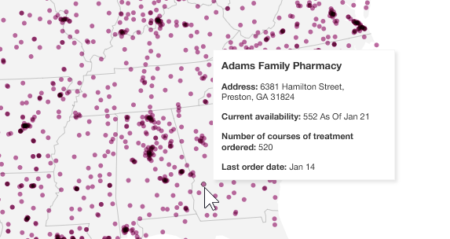
UGA’s Ken Duke — assistant professor at the Southeast Clinical Campus in Savannah, is retiring from the college after almost 37 years of service, which doesn’t even include his 1977 registered pharmacist degree. In recognition of Duke’s passion for the water, a “Rowing to Retirement” retirement party will be held this Friday, January 28, from 4-7:00 pm at the Savannah extended campus. The celebration will continue later in the evening at Service Brewing in Savannah. For details, contact Trisha Cordray at pcordray@uga.edu. The deadline to tell us about someone who’s extraordinary in the field of pharmacy is this coming Tuesday, February 1! If you haven’t, you’ve still got time to help choose the best of the best in Georgia pharmacy — with the 2022 awards being presented with both pomp and circumstance at the 2022 Georgia Pharmacy Convention in Amelia Island, Fla. What awards, you ask? The details are at GPhA.org/awards, but here’s the list: Yes, these are GPhA awards, but nominations come from you, the members. That’s what gives them meaning. And it starts now. Visit our awards page at GPhA.org/awards for more information on award criteria, and to make your nominations. The deadline for submissions is February 1, 2022. Pfizer’s Paxlovid (nirmatrelvir and ritonavir) and Merck’s molnupiravir are great weapons in the War on Covid, with one big sticking point: They’re hard to find, and they have to be administered quickly. Not a great combination; a prescription doesn’t do you much good if it takes a week to find the meds. The folks at GoodRx have a solution: A live map showing where the antivirals are available in the country, down to the pharmacy level. The site also explains the meds and who can take them, and answers a bunch of questions. The bottom line, of course, is that neither is a substitute for vaccination, but they might make you take less of a hit. You gave us Bieber, so we’re sending you white-tailed deer … with Covid. (Not really. It was an accident. And you did give us Ryan Reynolds, to be fair.) A lot of people who contract Covid-19 also end up with long Covid — symptoms persisting for months or years. But who will get that gift that keeps giving? Biologists from the Institute for Systems Biology, the University of Washington, and Stanford think they’ve narrowed it down to four risk factors: As all of these are measureable, doing so early on could help inform treatments. For example… [B]ecause patients with high viral loads early on often developed long Covid, giving people antivirals soon after diagnosis might help prevent long-term symptoms. Anthem doubled it’s profits in the fourth quarter — passing the $1 billion mark, “thanks to strong enrollment in its Medicaid plans.” After studying a new type of condom — one with the rather titillating name “CSD500” — Ohio State researchers concluded it was so good, for both women and men, that it could actually increase usage. That’s important when hormonal contraception isn’t an option, or to overcome any psychological or physical issues with traditional condoms. (Why yes, I am choosing my words quite carefully. This is a family publication.) CSD500 has been approved in most of Europe since 2011, plus Saudi Arabia (!) and the UAE; it’s currently for sale in the Low Countries*. Why does it need approval? It contains a skin-permeating vasodilating gel. Now you see why it gets those rave reviews. If you have patients with type 1 diabetes, they might look fit now, but a new study out of Johns Hopkins suggests they ought to not only keep an eye on their weight, but on their kidney function, too. “Kidney disease is often considered more common in people with type 2 diabetes, but our data shows adults with type 1 diabetes actually had a higher risk of kidney disease than those with type 2.” If a patient has a stroke, it raises his chance of dementia — “post-stroke dementia,” obviously. But it seems that dementia might be caused by the immune system responding to dead brain tissue, which contains a lot of chloresterol. So, figured University of Arizona immunobiologists, what if you could “scoop out” some of that cholesterol, reduce the work of the immune system, and reduce inflammation? Turns out you can … with cyclodextrin. [T]reatment with cyclodextrin resulted in less cholesterol accumulation and inflammation in the brain in animal models. Cyclodextrin also reduced neurodegeneration, protected memory function and reduced impulsivity, a personality change that can occur after stroke. Or, put another way, “Cyclodextrin helped remove cholesterol derived from the breakdown of dead brain cells, dampen inflammation and improve recovery.” Antibodies, antibodies, antibodies — when we talk about how effective a vaccine is (and how long it lasts), it’s all about measuring antibodies. Of course, our immune systems are a lot more complex, and antibodies are just the tip of the iceberg. Doing a lot of the long-term heavy lifting are the T cells, which keep a library of all the nasties they need to be ready to fight off. T cells might not prevent an infection, but they’ll darn sure avenge you when one strikes, And a new study out of the La Jolla Institute for Immunology found that all the Covid vaccines in use today “prompt the body to make effective, long-lasting T cells against SARS-CoV-2” — including Omicron, and that immunity lasts, even as neutralizing antibodies decline. “Repeated Exposure To Major Disasters Has Long-Term Mental Health Impacts” —Texas A&M study.Super condom is super, finding those Covid pills, revenge for Bieber, and more
Farewell to Ken Duke

Only a few days left for your nominations!
* Note that, by tradition, the winner of this award is expected to buy a round of drinks for all student pharmacists attending the convention.
Where the pills are, 2022
Take that, Canada
Will you get long Covid?
Does this mean it’s publicly funded?
Insert inoffensive headline here
* The Netherlands and Belgium. I’m just showing off. But here’s a cool video about Holland.
Diabetics, watch those kidneys
Cleaning up after a stroke
Do you think the T cells feel neglected?
Captain Obvious binges Roland Emmerich
January 26, 2022 ✒ Andrew Kantor
Here’s the deal: House Chairman and physician Mark Newton has introduced HB 867 — a bill that would require PBMs to calculate patient cost sharing for prescription drugs based on true costs to plans by taking into account rebates PBMs receive from pharmaceutical manufacturers. PBMs do not like this AT ALL — and get this: They’re trying to point the finger at independent pharmacies for rising drug costs. The bill is scheduled for a hearing tomorrow in Chairman Newton’s Special Committee on Access to Quality Healthcare. Below are the email addresses and phone numbers of that committee. PLEASE reach out to those committee members ASAP and let them know: Special Committee on Access to Quality Healthcare david.knight@house.ga.gov: (404) 463-2248 What’re you waiting for? Grab those phones and keyboards — and good hunting! New research proves that yes, you can walk and chew gum at the same time: (assuming you have a healthy brain). In fact, to prove this to themselves — and to their former gym teachers — University of Rochester neuroscientists used a combination of virtual reality, brain monitoring, and motion capture technology. “Our findings showed that the walking patterns of the participants improved when they performed a cognitive task at the same time, suggesting they were actually more stable while walking and performing the task than when they were solely focused on walking.” So there. The FDA has formally crossed bamlanivimab/etesevimab and casirivimab/imdevimab: (aka REGEN-COV) off the “use this for Covid patients” list. Neither antibody mix is effective against Omicron, so there’s no point in confusing the issue — or giving patients false hope. Home Covid tests are fast, but not accurate. PCR tests are accurate but not fast. So now bioengineers at the University of Washington have put the metaphorical chocolate in the peanut butter and developed a test they call Harmony. [Harmony] is a diagnostic test that, like PCR tests for Covid-19, detects genetic material from the SARS-CoV-2 virus. But whereas conventional PCR tests can take several hours, the Harmony kit can provide results in less than 20 minutes for some samples and with similar accuracy. “Similar accuracy” meaning Harmony was 97% accurate. Next: Scaling up manufacturing. Windgap: $39 million to fund work on a rival to EpiPen. Its claim to fame: It’s “half the size and has double the shelf-life of existing devices,” using a wet-dry approach: (i.e., it mixes the wet and dry ingredients at injection time). Cellino Biotech: $80 million in financing to develop enginneered human stem cells — specifically, “the first autonomous human cell foundry” — for research and disease treatment: (and which doesn’t sound creepy at all). Old question: Are people with autism more likely to engage in substance abuse? New question, asked by researchers at Mass General: How many people diagnosed with a substance use disorder have autism? In fact, they found that yes, 20 percent of teens or young adults who look for help with substance abuse also appear to … well, you can’t say they have autism, but you can say they have “elevated scores on the Social Responsiveness Scale-2” — i.e., they have indications of being on the spectrum. “[W]e need to get better at screening and certainly training in the presence of autism spectrum disorder, because many clinicians treat substance use disorder but don’t have specialty developmental training, particularly for issues around autism.” When someone says, “Let’s eat out,” what they’re really saying is “I want to increase your risk of all-cause mortality.”: (Also, “I love butter and salt.”) University of Iowa epidemiologists studied the records of 35,084 adults, and considered those who rarely ate out against those who did it often. And boy howdy was there a difference: A 49% higher chance of all-cause mortality for the eater-outers, and a 67% greater risk for cancer. Frequent consumption of meals prepared away from home is significantly associated with increased risk of all-cause mortality. The association of eating meals prepared away from home with cardiovascular mortality and cancer mortality warrants additional investigation. In fact, she’s trying to save your life Eating out will kill you, plus PBMs blame indy pharmacies, multitasking science, and more
Stop the PBMs in the Georgia House
Click an email address to send a message, or give ’em call:
patty.bentley@house.ga.gov: (404) 656-0287
sharon.cooper@house.ga.gov: (404) 656-5069
john.corbett@house.ga.gov: (404) 656-5105
spencer.frye@house.ga.gov: (404) 656-0265
matt.hatchett@house.ga.gov: (404) 656-5025
penny.houston@house.ga.gov: (404) 463-2248
todd.jones@house.ga.gov: (404) 463-2246
randy.nix@house.ga.gov: (404) 656-5146
larry.parrish@house.ga.gov: (404) 463-2246
clay.pirkle@house.ga.gov: (404) 656-7850
brian.prince@house.ga.gov: (404) 656-0116
richard.smith@house.ga.gov: (404) 656-5141
calvin.smyre@house.ga.gov: (404) 656-0109
mark.newton@house.ga.gov: (404) 656-7853Yes, you can multitask on the move

NO MONOCLONAL ANTIBODIES FOR YOU!
A better, faster test
Who’s getting money?
Which came first, the autism or the substance abuse?
Julia Child was telling you all along

January 25, 2022 ✒ Andrew Kantor
There aren’t a lot of drugs available to treat Covid-19 outside the hospital, and only one works against Omicron (and it’s in short supply). So the FDA has given its approval for administering intravenous remdesivir, previously limited to hospital use, to outpatients. The goal: Keep them out of the overcrowded hospitals. (It had been used this way off-label, but that could prevent insurance reimbursement. Now it’s covered.) The FDA action Friday followed recent publication of a study in the New England Journal of Medicine that showed remdesivir can be beneficial when given on an outpatient basis. The study found that the drug reduced hospitalization and death by 87 percent when given soon after a coronavirus diagnosis. Nurses in rural hospitals in the South are quitting, getting sick, and fed up. That doesn’t bode well for patients. Even with the latest Covid wave receding, hospitals are filled to bursting, and the staff is D-O-N-E done. Successive waves of illness and death have left them exhausted and numb; nearly one in five have left the profession over the past two years. And they are angry — at the patients who refuse to get vaccinated, at the hospital executives who won’t spend the money needed to maintain safe nurse-to-patient ratios, and at the political leaders who call them “health care heroes” while opposing mask and vaccine mandates that might blunt the tsunami of new infections. Meanwhile, while hospitals fill and nurses stress, a crowd of anti-vaccine demonstrators rallied at the National Mall in D.C., claiming, among other things, that vaccines are bio weapons, masks infringe on freedom, vaccination causes autism, and that the entire pandemic is a lie*. (The rally was ostensibly about the Covid-19 vaccines, attendees are presumably also against vaccines for polio, measles, rubella, smallpox, and the like.) There’s a connection between iron deficiency and heart failure, but Italian researchers found a bit of a problem: There’s no single definition of “iron deficiency.” So while everyone might agree that a patient has it, doctors can’t make a prognosis without knowing which definition was being used — ferritin level? Transferrin saturation? Serum iron? A combination? “Many patients fulfilled one definition of iron deficiency but not others,” the researchers wrote. One of the nasty tricks listeria bacteria has infecting and eventually killing immune cells … after using them to multiply. (You can supply your own metaphor here.) But now researchers at the University of Queensland have found a way — a “drug-like inhibitor” — that regulates the listeria so it can’t grow inside the immune cells. That’s half the trick. The other is that it also helps the immune cells realize they’ve been invaded so they can destroy the bacteria. (“The bacteria is inside the house!) What’s your actual biological age? It may not be based on your birthday— but your retina knows. And like a friend who blurts out, “She just turned 30!” it’s willing to give up that info. A group of Chinese, German, and Australian researchers found that a quick scan of an eyeball — run through the right algorithm — can identify people who are older than the number of candles on their cake. (Without knowing someone’s age, it could guess it plus or minus 3.5 years.) And if your retina says you’re older … be careful: For instance, if the algorithm predicted a person’s retina was a year older than their actual age, their risk of death from any cause in the next 11 years went up by 2 percent. At the same time, their risk of death from a cause other than cardiovascular disease or cancer went up by 3 percent. Here’s a weird one: Men who start smoking before puberty will have granddaughters and great-granddaughters with more body fat. So found a study out of the University of Bristol, based on data of more than 14,000 people enrolled in Britain’s Children of the 90s study. But here’s a crazy twist: A previous study had found that … …if a father started smoking regularly before reaching puberty (before 11 years of age), then his sons, but not his daughters, had more body fat than expected. It apparently took an extra generation for granddad’s habit to reach the girls. Gene-based (or “nucleic acid”) vaccines, whether mRNA or DNA, are ready to take on a lot of conditions — and not just infectious diseases. University of Washington biotechnologist Deborah Fuller explains their history, how they work, and what’s coming next.Your retina rats you out, granddaughters at risk, Southern nurses are fed up, and more
FDA authorizes outpatient remdesivir
Southern healthcare crisis
This isn’t helping
* 860,000 dead Americans might beg to differ.
You say ‘iron deficiency,’ I say ‘iron deficiency’
Disarming listeria
It’s not the years, it’s the mileage
Smoking through the generations
The Long Read: Future of Vaccines edition
January 22, 2022 ✒ Andrew Kantor
There ain’t no Coupe de Ville hidin’ at the bottom of a Cracker Jack box…. That’s one way to test a whole family at once, but I’d hate to be the one going last. [S]ome Americans—half-proud, half-embarrassed, and fully desperate to find out whether they’re infected—have tossed the rapid-test instruction manual. To stretch their resources, they’ve started combining samples in their home. When a group test is negative, they conclude that everyone is in the clear. Even if you expose pigs to a high dose of SARS-CoV-2, they don’t get sick. Why not? Suicidal cells. When a pig’s epithelial cell was infected, the nuclei shredded itself — a sign of apoptosis. The cells destroyed themselves rather than help spread the infection, veterinary researchers at Iowa State discovered. Triggering apoptosis early in the infection essentially causes minimal tissue damage and confines viral replication, thus limiting severe illness. Human cells can undergo apoptosis in response to coronavirus infection as well, but the study found human cells do so much less frequently than porcine cells. Could this be useful in the fight against Covid-19? Probably not, but it’s at least interesting. They’re calling it “stealth Omicron” — one of three subvariants of the omicron variant that seems to be harder to detect that other variants. Of those three subvariants — BA.1, BA2, and BA.3 — most people have BA.1. But the creepy BA.2 has been gaining ground. Those shifty Danes say “BA.2 accounted for 20% of all Covid-19-cases in Denmark in week 52 [i.e., December],” and Great Britain, Norway, and Sweden are reporting increases as well. To make it worse, there’s no data on whether these subvariants are more or less virulent or dangerous — or if there’s a difference in vaccine efficacy. Billionaire Mark Cuban has opened an online pharmacy, selling about 100 medications that it buys directly from manufacturers, sans PBM. Its prices for generics are cost plus a 15% margin and a $3 pharmacist fee, and it doesn’t accept insurance. Patients with “wet” age-related macular degeneration may not need to stick needles in their eyes for life. Johns Hopkins Medicine researchers found that about 30 percent of people getting anti-VEGF injections produce enough of the right proteins in their eyes that they don’t need ’em any more. Across the board, the patients who could enter a treatment pause did the best even though they were receiving no anti-VEGF drugs. They had better visual acuity, better gain of vision and less fluid in their retina.” The CDC has released a map showing in which states people have the least physical activity. Georgia gets a lovely orange color, meaning 25–30% of people (except non-Hispanic Asian adults) don’t exercise much at all. Where do people exercise the least? Puerto Rico and Mississippi. And the most? Vermont and D.C. Need another reason? How about “TV watching linked with potentially fatal blood clots”? Neurosurgeons at Houston Methodist Hospital have developed a magnetic helmet they think can be used to treat glioblastoma. In fact, in a single trial “the device was able to reduce the tumor of a glioblastoma patient by 31%.” The magnetic helmet creates a powerful oscillating magnetic field. At a set range of frequencies and timings, it disrupts the flow of electrons in the mitochondria of cancer cells. This leads to a release of certain chemicals called ROS (Reactive Oxygen Species). […] levels of ROS get so high that the malignant cells are torn apart. As the headline says, lots more research is needed. And they also need to redesign the helmet so it doesn’t look like one of those beer hats.Sneaky Omicron flavor, tumor-killing helmet, lazy Georgians, and more
Eeeeeeeeeew (but hmm….)
Some pigs
Covid’s getting sneaky
Mark Cuban opens a pharmacy
They might be able to stop the eye shots
Get off your butts

Anti-cancer helmet —a lot more research is needed

January 21, 2022 ✒ Andrew Kantor
Longer than you think, ladies, longer than you think: Women are more likely to have long Covid symptoms, “including anxiety, depression, or poor sleep quality,” than men, according to medical researchers from Spain (plus two of those shifty Danes). And, they found, there’s no way to tell at admission — aside from more women reporting headache, everyone has about the same rates of the same symptoms. Now, though, a front-door pill might be able to accomplish the same thing. Seres Therapeutics’ SER-109 “is derived from human feces purified to winnow down the resident microbes.” What’s left are bacteria in spores, including those from the Firmicutes phylum that can keep C. diff infections under control. One researcher sees SER-109 as “a good bridge” between fecal transplants and more tailored therapies, “which he hopes will emerge as researchers get better at analyzing individual patients’ microbiomes—and figuring out which microbial species they need.” (Captain Obvious gives his approval to this quote: “Many patients want to avoid the discomfort of colonoscopies, and will opt for a pill if it’s available.”) Speaking of the good captain…. …is never coming to St. Eligius again: “5 hour + emergency care wait before admission linked to heightened death risk”. …hangs out on IRC and Usenet’s alt.capt.obvious* newsgroup: “Internet use lessens extreme social isolation risk during COVID-19”. If you have patients with high-risk rheumatic heart disease, the latest info — courtesy of the American Heart Association — is that they should take oral penicillin, not injectable. A growing body of evidence indicates that some people thought to have an allergic response to injectable penicillin, the standard treatment for rheumatic heart disease, may instead be experiencing a cardiac reaction to the medicine. Continuous glucose monitors don’t work well for young kids, so parents might use “sensor-augmented pump therapy” — basically, they monitor the kid’s blood sugar and trigger the injector as necessary. But what if you had an inexpensive but immensely powerful computer that fit in the palm of your hand? Could it do the monitoring? Why yes, Cambridge scientists realized, and thus developed CamAPS FX — what they call an artificial pancreas. It’s a smartphone app combined with a glucose monitor and insulin pump that “automatically adjust[s] the amount of insulin it delivers based on predicted or real-time glucose levels.” And it works. On average, children spent around three-quarters of their day (71.6%) in the target range for their glucose levels when using CamAPS FX – almost nine percentage points higher compared to the control period, accounting for an additional 125 minutes per day in the target range. The children spent less than a quarter (22.9%) of their time with raised blood sugar levels […] almost nine percentage points lower than during the control period. “Nearly half (48%) of adult Americans gained weight during the pandemic.” (Published in Diabetes and Metabolic Syndrome: Clinical Research and Reviews.) In what might be a shock to some, it seems a lot of social media use isn’t good for your health. Researchers from the University at Buffalo and an Ohio State University looked at a variety of measures of health, including inflammation, somatic symptoms (i.e., “feeling sick”), and how often they had to visit the doctor. Results: Social media use was correlated with higher levels of CRP—a biomarker of chronic inflammation […]. Social media use was also related to experiencing more frequent somatic symptoms, and to behavioral health indices such as more visits to the doctor or health centers for an illness. In yesterday’s Buzz our headline mentioned “mask mandates” when it should have been “vaccine mandates.” Oops — sorry about that! The story itself caused some confusion about if and whether pharmacy staff in Georgia is required to be vaccinated. As we got the story from NCPA, by way of clarification we’ll quote its item: Retail pharmacies are not included in the list of providers and suppliers in the CMS vaccine mandate interim final rule. Therefore, the IFR does not directly affect retail pharmacies that do not work with facilities that participate in Medicare or Medicaid programs. However, the interim rule could potentially affect pharmacies that provide services under a contract or arrangement with a listed facility that does participate in Medicare or Medicaid programs. You can read the entire piece over at NCPA’s newsroom.Social media ills, a pill instead of poop, kids’ pancreas in an app, and more
Women and long Covid
This isn’t our number two story
 We know a healthy gut biome is important for a gazillion reasons, but the way you get there is … well, not pleasant for a lot of folks: the fecal microbiota transplant.
Captain Obvious
* “I’ll take obscure geek references for $400, Alex.”
And speaking of taking drugs by mouth…
Artificial kids‘ pancreas gets a thumbs up
I cannot be the only one who immediately thought “The Covid 19”
Sick of social media
A correction and clarification
Do you want to send your members the daily Buzz email newsletter (customized for your state and organization, perhaps)? Let’s talk — just drop me a note at andrew@gphabuzz.com!

- Primary Care Is in Trouble. So Doctors Band Together To Boost Their Market Power.
- Cosmetic Surgery Investigation Prompts Warnings for Patients, and a Push for Tighter Safety Standards
- Listen to the Latest ‘KFF Health News Minute’
- Banks Are Becoming Bulwarks Against Scams for Vulnerable Seniors
- More Kids Are in ERs for Tooth Pain. Trump Cuts and RFK Jr.’s Anti-Fluoride Fight Aren’t Helping.
- Newsom Picks a Dogfight With Trump and RFK Jr. on Public Health
- January 2025
- December 2024
- November 2024
- October 2024
- September 2024
- August 2024
- July 2024
- June 2024
- May 2024
- April 2024
- March 2024
- February 2024
- January 2024
- December 2023
- November 2023
- October 2023
- September 2023
- August 2023
- July 2023
- June 2023
- May 2023
- April 2023
- March 2023
- February 2023
- January 2023
- December 2022
- November 2022
- October 2022
- September 2022
- August 2022
- July 2022
- June 2022
- May 2022
- April 2022
- March 2022
- February 2022
- January 2022
- December 2021
- November 2021
- October 2021
- September 2021
- August 2021
- July 2021
- June 2021
- May 2021
- April 2021
- March 2021
- February 2021
- January 2021
- December 2020
- November 2020
- October 2020
- August 2020
- July 2020
- March 2020
- February 2020
- January 2020
- December 2019
- November 2019
- October 2019
- September 2019
- August 2019
- July 2019
- June 2019
- May 2019
- April 2019
- March 2019
- February 2019
- January 2019
- December 2018
- November 2018
- October 2018
- April 2017
