
December 21, 2021 ✒ Andrew Kantor
Biogen: We’re pricing our Alzheimer’s drug, Aduhelm, at … 100 billion dollars! World: Ha. No thank you. Biogen: How about $56,000 a year? World: Does it work? Biogen: Um … maybe. Europe: No thank you. USA: We’ll think about it. Biogen: Did I say $56,000? I meant, um — $28,200 a year! Yeah, that’s it! USA: Will you throw in a first-round draft pick? Biogen: Yes! And a free bottle of Flex Seal! USA: Hmm … we’ll get back to you. Do more for your patients, impress your friends, and fill those empty spots on your pharmacy wall: In 2022, earn yourself a certificate (and a nice chunk of CPE credit) through GPhA! Each program gives 20 CPE hours (21 for MTM) in a combo of self-study and classroom work. Read about them all in details via GPhA.org/certificates. Learn to use effective, fast technology to aid your decision-making at the point of care to improve patient health — that’s why pharmacies are increasingly offering this public health service to promote prevention, early detection, and disease management. This is an innovative, intensive, and practice-based continuing pharmacy education, based on national educational standards for immunization training from the CDC. This program is designed to prepare pharmacists with comprehensive knowledge, skills, and resources necessary to provide immunization services to patients across the life span. Learn a systematic approach for developing, implementing, delivering, and sustaining MTM services, from a marketplace overview to help implementing MTM services in your practice, and a review of the skills and knowledge you need. Got questions about these or any of GPhA’s educational offerings? Drop a note to Teresa Tatum at ttatum@gpha.org any time, day or night, and she’ll help you out. All CPE courses are accredited by the Accreditation Council for Pharmacy Education. Don’t panic … but you can start preparing to panic. As the January 8 and 16 Covid surges* loom, it seems that two of the antibody drugs used to treat Covid-19 patients don’t work against the omicron variant, cutting options significantly. (Read more below in “The Long Read.”) The good news, of course, is that for vaccinated people, cases are generally mild — and there are two pill treatments on their way to FDA approval, both of which should work against Omicron. A bunch of big payors. Centene, Humana, and several Blue companies are suing pharma manufacturers (Bristol Myers Squibb, Gilead, J&J, and Teva) over ‘blockaded competition’ in the HIV-drug market. Their claim: “that the companies illegally conspired to protect market exclusivity for widely-prescribed HIV drugs.” Humana said that several of Gilead’s HIV medications cost less than $10 to produce, yet health plans have spent the better part of two decades paying thousands of dollars for a 30-day supply. Yearly sales of its HIV therapies exceed $13 billion, Humana said, which led to “enormous profits […] engineered through a comprehensive, illegal scheme to blockade competition.” An international team of researchers says they’ve found what appears to be the cause of amyotrophic lateral sclerosis (aka ALS, aka Lou Gehrig’s Disease*) — and have successfully treated it in mice. Normally “in mice” is code for “get back to us in a decade,” but in this case the mechanism is the same: a buildup of a protein called TDP-43 which “causes motor neurons to degenerate and die by inhibiting mitochondrial production.” That means — assuming the team’s conclusion is correct — even if their weapon doesn’t work, they’ve identified the right target. By using an experimental molecule to break down TDP-43 in animals, the scientists were able to restore motor neuron activity, opening the door for possible drugs that can cure ALS in humans if found before the damage becomes too severe, the researchers said. Pfizer says a two-dose regimen of its Covid-19 vaccine doesn’t work for 2 to 5-year-olds. It will test whether a booster makes a difference, but it will not increase the amount of medication, which is about 10% of the adult dose. The FDA has approved Amgen/AstraZeneca’s Tezspire asthma treatment, which the companies have positioned to compete with Regeneron/Sanofi’s Dupixent. For one, Tezspire’s Scrabble score is 19 points compared to Dupixent’s 18. But more useful, perhaps, is that unlike Dupixent, even patients with low levels of eosinophil can benefit from Tezspire. Oops: Seems that the main flu virus circulating this year — H3N2 — has changed since it was first detected. Now the current vaccines don’t match it, and its new name is “2a2.” So, yeah, that portends a worse flu season, although worse than what isn’t clear yet. (On the plus side, at least the vaccine will still get the correct T cells working, so it does protect against severe illness and death.) Move over, endorphins. It turns out that the high that runners get after a long workout may not be from them after all. Following almost 20 years of work, Wayne State University neuroscientists say the real boost comes from endocannabinoids. [S]cientists have long questioned the role of endorphins in the runner’s high sensation, in part because endorphins cannot cross into the brain through the blood-brain barrier, which protects the brain from toxins and pathogens. So endorphins are not likely to be the main driver for the beneficial effects of exercise on mood and mental state. Endocannabinoids, on the other hand, “work on cannabinoid receptors throughout the brain and body” and cause the same kind of mental effects that have been attributed to endorphins, thanks to the chemical messenger anandamide — aka “the bliss molecule.” “Omicron is here. What are your treatment options if you get Covid-19?” A solid overview of the current state of Covid-19 treatments.Toddlers in jeopardy, runners on cannabinoids, flu vax failure, and more
Desperate Biogen cuts Aduhelm price

In 2022, earn some hot hot hot* certificates!
Point-of-Care: Community Pharmacy-based Point-of-Care Testing Certificate Program
APhA’s Pharmacy-Based Immunization Delivery certificate training program
MTM: APhA’s Delivering Medication Therapy Management Services
* Certificates are room temperature; headline is figurative and should not be considered an actual thermal guarantee
Two weapons down
* Two weeks after Christmas and New Year’s
Who’s suing pharma now?
ALS cause found … and reversed
* Which, ironically, Lou Gehrig may not have had
Pfizer vaccine fails toddlers
Let the asthma-treatment wars begin
Thanks, evolution

Putting the high in the runner’s high
The Long Read™: Covid Treatment edition
December 18, 2021 ✒ Andrew Kantor
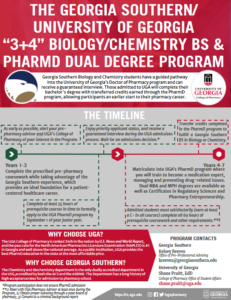
Like Rasputin or “The Big Bang Theory,” the Big Opioid Settlement just will not die. It was finally over (we thought) when thousands of state, local, and tribal governments agreed, reluctantly, to give the Sackler family, owners of Purdue Pharma, immunity from liability in any future civil cases related to opioids. But no. Now a U.S. District Court judge has said, Nope, ‘the bankruptcy code does not explicitly permit a judge to grant such releases.’ What also didn’t help: …the more than $10 billion that the Sacklers withdrew from Purdue between 2008 and 2018, as the opioid epidemic was cresting. The Sackler dividends were largely deposited in offshore accounts and trusts that are inaccessible to American authorities. ICYMI: A CDC committee recommends recommending either mRNA vaccine over Johnson & Johnson’s. “I just have a real problem with a recommendation for anyone to get a vaccine that one per 100,000 women ages 30 to 49 years old will have a condition with a case fatality rate of 15%.” The next Covid treatment could come from … sharks. It seems proteins from their immune systems can prevent coronaviruses from infecting cells. No use right now, but it “could be used down the road for future SARS outbreaks. It’s a kind of insurance against the future.” This one is with Georgia Southern University. GSU chem and bio majors will have “a guided pathway into UGA’s four-year pharmacy curriculum.” If they meet UGA College of Pharmacy requirements as juniors, they’ll get priority applications, a guaranteed admission interview, and — if accepted — can transfer their credits and complete their bachelor’s degrees at UGA before going on to the PharmD program. Interesting fact about twins: A female twin is more likely to suffer from migraines if her sibling is male. And that, say UC San Diego researchers (who used a giant Swedish database of twins), suggests that hormone levels in the womb are linked to migraine risk. (It also hints to differences in migraine risk between women and men.) Missing info: What age did migraines start? So, as usual, more research is needed. The other day we told you about research that linked the ratio of women’s pointer and ring-finger length (“2D:4D ratio”) to their grip strength. Tongue firmly in cheek, researchers at High Point University in North Carolina published a paper in the British Medical Journal that concluded that a lower 2D:4D ratio — i.e., a pointer that’s longer than a ring finger — “significantly increases good luck in adulthood.” They also point out that there’s a lot of such 2D:4D research. Apparently, finger length… …predicts risk of myocardial infarction and age of onset, but also is associated with the likelihood of a person becoming a firefighter, having musical ability, showing pro-environmental consumption behavior, having a sense of directionality, being successful at Sumo wrestling, being obsessed with celebrities, or making a specific choice of Coca-Cola products from a vending machine. Who has all this mask wearing been good for? Ugly people. Less attractive hospitality workers typically get lower customer service scores than their better looking coworkers. But with masks being worn, that changed: Suddenly those more attractive people “received similar or slightly lower customer service ratings than their peers” (found a study by researchers in China and at Washington State University). Hmm … could there be a sexist angle to the results, too? Of course: However, wearing masks reduced both the perceived attractiveness of attractive female workers and their customer service ratings. When attractive male employees wore masks, perceptions of their attractiveness and their customer service scores were unchanged. (sigh) Okay, please stay calm. This is an item about mifepristone — the drug used for medical abortions. Deep breaths; I know and respect that many of you have strong feelings, but I also know that it’s important to be informed about pharma-related stories like this. Two related stories. First, Canadian researchers looked at whether making mifepristone available as a ‘normal’ prescription (i.e., without Risk Evaluation and Mitigation Strategy restrictions) posed any additional risks. The Canadian government lifted the REMS restrictions in November 2017. Second, the FDA made permanent its pandemic policy that patients could receive mifepristone by mail, rather than having to pick them up in person. Other REMS restrictions remain in effect, as do state laws. Not every bacteria can or will become resistant to antibiotics. Figuring out which ones will, though, would be a useful tool to have — kind of like knowing ahead of time who’s going to be a murderer or “Saturday Night” Live host. Now a team of British, Peruvian, and American researchers say they’ve cracked that nut, at least for tuberculosis, using a combination of genetic data and the power of 21st century computational analysis. Essentially, they were able to go back in time, finding the genetic signatures of bacteria that eventually became drug resistant. This info in hand, they can now examine the genome of current strains of TB and determine whether they’re likely to become drug resistant in the future. Precrime, as it were. [T]his new research has identified for the first time how to pre-empt drug resistance mutations before they have occurred. The British Medical Journal has an annual tradition of having a spot of fun. This year, the editors took the 10 of the journal’s most-read Christmas research articles of the past decade, then had an AI use those to generate some titles for (non-existent) papers.Good news for the ugly, sumo wrestling fingers, learning from Swedish twins, and more
Opioid settlement on hold
Covid quickies
Another UGA fast track program
Twins, migraines, and hormones
The fingers of luck … and questionable science

What is the price for your blind eye?
Mifepristone news
A leg up on drug resistance
Robot or not? BMJ asks if you can tell
December 17, 2021 ✒ Andrew Kantor
Absolutely nothing … if they aren’t enforced. And guess what? PBMs have to obey them, too. But in Georgia, well, let’s just say there’s a pattern of large-scale non-compliance. PBMs claim that the federal ERISA law preempts Georgia’s law. But they’re wrong — the Supreme Court said so. Unanimously. That’s why GPhA, along with the American Pharmacy Cooperative (APCI) and the Georgia Society of Clinical Oncology, have teamed up to ask Georgia Insurance Commissioner John King to enforce our laws in a December 13 letter. [W]e are asking that you (1) provide immediate notice to PBMs of your intent to enforce Georgia’s PBM laws across the commercial market including the fully insured and self-funded markets; What are (2), (3), (4), and (5)? Click here to read the letter and find out. When a patient has cancer, tumor cells circulate through the bloodstream. Studying those cells — and how many there are — is important for treatment. Problem: That ain’t easy because you need to sort through a lot of blood, find the tumor cells, and keep them alive for study. Enter UGA engineers. They’ve developed a technology (”inertial-ferrohydrodynamic cell separation”) that “can quickly sort through more than 60 milliliters of samples at 100,000 cells per second” and “separate cells based on a difference of a mere 1-2 micrometers in diameter.” “Our technology is optimized in such a way that we can capture all of the CTCs in blood circulation — we don’t let them sneak by. We also catch them in a way that they’re still useful, functional and alive.” They’ve patented the technology and have already created a company, FCS Technology, to develop and cash in on it. Sure, you know how to give immunizations, but having an APhA certificate helps you differentiate yourself — and makes sure your patients are getting the best treatment. Plus, it looks darned impressive on your wall*. That’s why GPhA is offering “APhA’s Pharmacy-Based Immunization Delivery: A Certificate Program for Pharmacists” on Sunday, January 23, 2022, from 8:00 am – 5:00 pm at GPhA’s World Headquarters in Sandy Springs. This is always one of our hottest courses, so get to GPhA.org/immunization-2021** fast before the class fills! APhA’s Pharmacy-Based Immunization Delivery certificate training program prepares pharmacists with comprehensive knowledge, skills, and resources necessary to provide immunization services to patients across the lifespan. Now that the mRNA genie is out of the bottle, we’re learning that it’s chock full of magic. The latest: Mayo Clinic researchers found that, when immunotherapy fails for cancer patients, adding mRNA can improve results. “We found that by introducing mRNA in immune cells, it is possible to produce useful proteins to improve their anti-tumor activity without attempting to change the genome itself.” Simply put, if a patient’s T cells don’t respond to immune checkpoint inhibitors, adding the right mRNA gives those T cells enough of a nudge so they wake up and attack the tumors. As 2020 Part II winds down, that means Medicare changes are on the horizon. “Criminy!” we hear you say, “I wish I knew what those changes were!” Fear not, as the good folks at NCPA have created a summary of those very changes, including reporting pharmacy measures, star ratings, prior authorization, and more. Huzzah! (And if, for some reason*, you want to see the full list of changes from the federal government itself … here you go.) The omicron variant grows 70 times faster than Delta in bronchial tissue (so it’s more virulent), but 10 times slower in lung tissue (so it’s less severe). That first part seems to be getting all the press, but the second part seems pretty important, doesn’t it? Is it a pandemic thing? A general trend? Either way, it’s good: Teens (found University of Michigan researchers) used fewer illicit drugs in 2021 compared to 2020 — a decline that was “the largest and most sweeping ever recorded in the past 46 years.” And teen use of legal or legal-ish drugs — marijuana, alcohol, and vaped nicotine — was also down. The decline was in the number of teens who said they ever used these drugs. Those who had been using them already had mixed results: Those who vaped nicotine or marijuana, for example, continued to do so at about the same levels, while … Students reported a drop in use of other drugs, among those who had used them in the past 12 months. These drugs include alcohol, cigarettes, marijuana edibles and nonmedical use of opioids, sedatives, tranquilizers and amphetamines. The results suggest that both cessation and decreased initiation contributed to the 2021 declines in use of these drugs. Running — exercise in general — is good for your brain. But there’s a big “but.” That apparently only applies if you’re living where there’s not much pollution. University of Arizona health researchers found that… …while physical activity benefits brain health in low-pollution areas, physical activity in areas with the most pollution did not confer the same benefits. The good news is that this apparently only applies to the mental health benefits of running. (Although running where there’s a lot of smog doesn’t sound particularly healthy.) Penn State plant scientists want to point out a danger of cannabis you may not have thought of: heavy metals. The marijuana plant is very good at pulling them out of the soil (useful for cleaning up contaminated sites). But the plant doesn’t know when it’s in a Superfund site or just a plain ol’ field, which means those heavy metals can make it into products for sale, too — from the friendly guy on the corner, to CBD treatments, to THC oil. What’s to be done? It’s all on the grower: “[A]void abandoned industrial sites, perform air quality analyses before establishing a farm, and conduct a soil pH test because pH can impact the quantity of heavy metals a plant absorbs.” Purina researchers have found that, during the pandemic, “pet dog owners were significantly less depressed than non-pet owners […] They are attached and committed to their dogs and they reported more social support available to them.”Time to stop PBM law-breaking — plus teens cut down on drugs, where not to run, and more
Laws — what are they good for?
UGA’s cancer-cell sorter
Hot immunization program
* If framed properly
** Yes, we know the the URL says 2021. We’re so busy coming up with great courses and programs we forgot to change it!mRNA keeps giving
Part D changes a-comin’
* We don’t judge.
Covid quickie
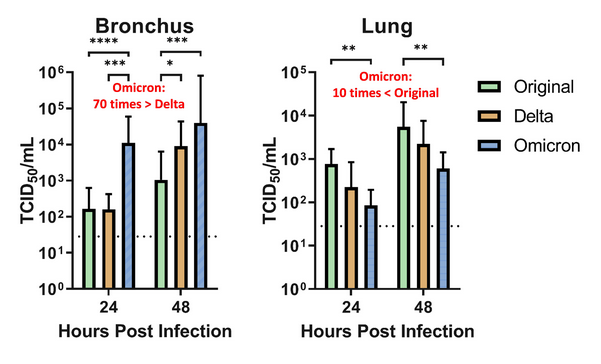
Teens are cutting back
Running, air, and your brain
Cannabis warning
Why you should get a dog
December 16, 2021 ✒ Andrew Kantor
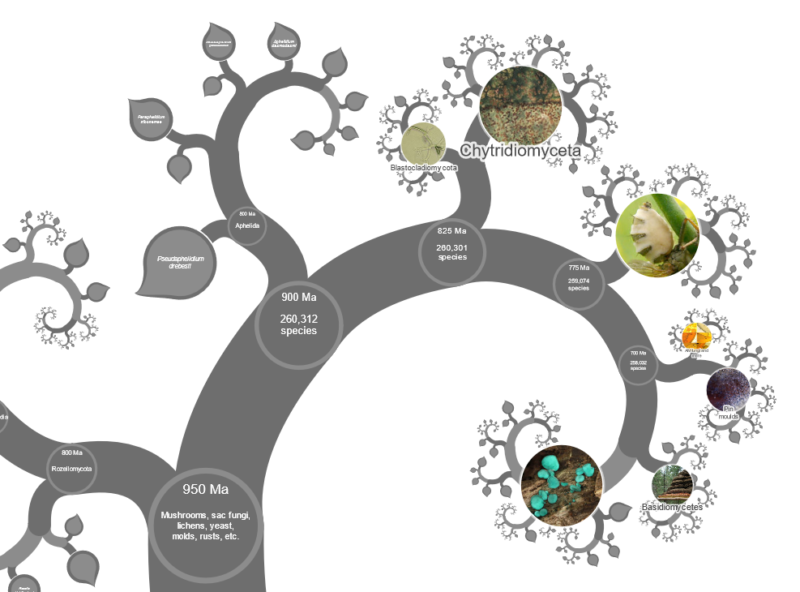
The latest line on the Omicron vs. Moderna cage match sounds just like Omicron vs. Pfizer: Two shots are a lot less effective against the omicron variant than against Delta, but a booster seems to bring antibodies up to speed. Got patients with depression? You may want to suggest either vitamin B12 supplements, or that they get a blood test for B12. Irish researchers found that a low level of vitamin B12 “is associated with a significantly greater risk of depressive symptoms“. How significant? A 51 percent greater chance of depression than if you had normal levels. So, yeah, quite a difference. (And folate levels? No effect on depression.) Pharmaceutical companies have a ton of cash these days, so they’re investing it into research and development. Ha! Just kidding! They’re planning to merge and acquire. Pfizer plans “to be very active in dealmaking, and we certainly have the ability to do that,” Pfizer executive Aamir Malik said on an investor call. In unrelated news, “About 30 percent of Americans delayed medical care for a health problem in the last three months because of concerns about the cost”. And a new Gallup poll finds that “Nearly one in five adults (18%) report that there has been at least one time in the prior 12 months when they or a family member skipped prescribed medicine to save money. As marijuana rules relax around the world, more research is coming out on what exactly cannabis can do, besides increase sales of Doritos and Girl Scout Cookies. The latest result comes courtesy of British neuropsychopharmacologists, who found that “Epileptic seizure frequency fell by 86% in kids treated with whole plant medicinal cannabis.” What’s of note here: None of the 10 kids treated had responded to conventional treatment, and two had even tried CBD oil. So the researchers gave them the full Monty — whole-plant cannabis, which includes THC, CBD, “other neuroactive cannabinoids, and molecules such as terpenes.” Monthly seizure frequency reduced for all 10 children by an overall average of 86%. […] Parents and carers reported significant improvements in the health and wellbeing of their children, including in sleep, eating, behaviour and cognition after they started to take whole plant medicinal cannabis products. Only a few minor side effects, such as tiredness, were reported. A full year before they’re diagnosed, people who will soon learn they have rheumatoid arthritis will already be 30 percent less productive at work. So found Dutch researchers, who also noted that there wasn’t a change in absenteeism — just how much pain people were in while they worked. Once upon a time, the “tree of life” was simple: “plants,” “animals,” and “humans”. But these days it’s not only bigger, but a heck of a lot more complex. To that end, the British Ecological Society launched OneZoom — a dauntingly huge and detailed visualization of all life that we know of today. To get an idea of how huge the tree is, search on “ladybird beetles” from the top of the tree and let the animation take you through the layers. (You’ll want to view it on your computer, not your phone.) And if you have some spare cash lying around, for £75 you can sponsor a single life form. Ladies, get out your rulers — it’s time to measure your fingers. Fun fact out of Austria: The longer your ring finger is compared to your pointer (i.e., the lower your 2D:4D ratio), the stronger your grip is likely to be. What you can do with this information is anyone’s guess. A study just published in the British Medical Journal found that, since the debut of Logic’s song “1-800-273-8255,” there’s been a notable increase in calls to the National Suicide Prevention Lifeline — and a reduction in suicides. That was especially true after the song was featured on the MTV Video Music Awards, and at the Grammy Awards. The FDA approved Zimhi and Kloxxado, two higher-dosage forms of naloxone (injection and nasal spray, respectively). So why are overdose-prevention organizations unhappy?King Phillip’s giant tree, Moderna loses and wins, pharma’s cash pile, and more
With Omicron, Moderna’s in the same boat
How’s your B12?
Good flu news
“Innovation”
Cannabis and seizures
The 12-month arthritis warning
King Phillip Came Over from Germany, Stoned
[insert middle finger joke here]
ICYMI: Suicide prevention song
The Long Read™: Too Much of a Good Thing edition
December 15, 2021 ✒ Andrew Kantor
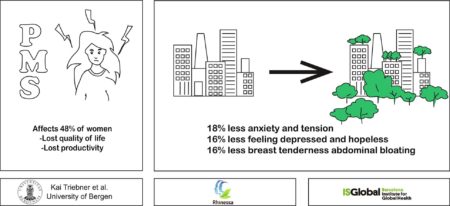
You walk into a bar, and you’re stressed. If you’re a woman, there’s a greater chance you’ll drink to excess than if you’re a man. (Don’t look at me — this comes from Arizona State University, where they literally set up a laboratory “designed to simulate a bar, complete with a bartender, bar stools and lively conversations.”) But wait! If you’ve already been drinking and then get stressed, your gender doesn’t matter — guys and gals have an equal chance of getting plastered. “That women just needed the stress but men needed the push of already having alcohol on board shows how important this type of research is. The outcomes from alcohol use are not the same for men and women, and we cannot keep using models that were developed in men to help women.” Some infections — notably salmonella — can come back even after being treated with antibiotics, and it’s not because they’re resistant. They just hide. But where? Those industrious Swiss figured it out, searching with a fancy scanning technique* to create a slice-by-slice 3-D view of tissue. And wouldn’t you know it, the little buggers were hiding (as the University of Basel researchers put it) ”in the Police Headquarters.” Most salmonella bacteria live in the ‘red pulp’ region of the spleen. The spleen’s white pulp triggers an immune response, and the bacteria are wiped out. Except for the ones that are hiding in the white pulp. The white pulp thus becomes the major home of surviving Salmonella. “It’s ironic, that pathogens hide in the body exactly where they should be caught as the culprit and an effective defense against them should be activated.” The problem is that the body doesn’t have enough neutrophils in the white pulp to work with the antibiotics. Swiss solution (being tested): Add immune therapy to the antibiotics. Testing is ongoing. You take the good, you take the bad: Another study has found that the omicron variant is more resistant to vaccines, but also causes less-severe illness. But … that was with just two doses of the Pfizer vaccine, and doesn’t consider boosters. At least the pill works: Pfizer released the results of tests on its Covid-treatment pill (Paxlovid). It’s 89% effective at preventing hospitalization and death if taken within three days of showing symptoms. Bonus: CEO Albert Bourla used the phrase “game-changer.” About those symptoms: Only about 40% of people who get Covid-19 actually show them. A drug developed for diabetes, with the memorable name “PF05175157*,” may be a treatment for breast cancer. Simply put, Yale medical researchers found that PF05175157 can block an enzyme that breast cancer cells need to survive. “We are currently testing this drug in combination with other approved breast cancer drugs to see if it could improve their activity, with the hope to bring the most promising combinations to the clinic to help patients with breast cancer.” Working the night shift, it seems, increases diabetes risk. Why? Sleep researchers at Brigham and Women’s Hospital figured it out — and a simple solution. It’s bad enough sleeping during the day and working at night, but eating at night messes with your circadian rhythm even more. Their solution: Eat during the day. Our data indicate that a [daytime meal], with meals allocated to the habitual daytime rather than to the nighttime, can maintain internal circadian alignment and prevent the adverse effects of simulated night shift work on glucose tolerance and pancreatic cell function. When a protein called alpha-synuclein (αS) misfolds, you get diseases like Parkinson’s and Lewy-body dementia*. Some peptides can prevent that misfolding, but it’s hit-or-miss. British biochemists, though, made a breakthrough. First, they found the one peptide (4554W) out of almost 210,000 that had the best results “inhibiting αS from aggregating into toxic disease forms.” Then, because humans love to do Nature one better, they tweaked this one peptide to make it better, stronger, faster. The new version of the molecule — 4654W(N6A) — contains two modifications to the parental amino-acid sequence and has proven to be significantly more effective than its predecessor at reducing αS misfolding, aggregation and toxicity. It’s not a treatment, of course, but it’s potentially a big step. It’s bad news when carbapenems — the serious, last-resort antibiotics — don’t work. (Hence the word “last.”) But European researchers from a bunch of countries may have found a way to get them working again. Bacteria learned to resist carbapenems by producing enzymes called MBLs that break down the drugs. So in the age-old tradition of an arms race, those biologists found a solution: They created a new type of enzyme blocker. It imitates the antibiotic, tricking those enzymes into binding with it, rather than with the antibiotic. The potential new drugs in combination with carbapenems were found to be 5 times more potent at treating severe bacterial infections than carbapenems alone, and at a less concentrated dose. “Living in greener areas may be beneficial against PMS symptoms.” This is the actual illustration the researchers provided. Night-shift dining advice, stressful drunkenness, antibiotic reviver, and more!
Who’s drinking when
And the Swiss cried out, “No hiding place”
* Serial two-photon tomography, as you probably guessed
Requisite Covid-19 quickies
What’s Old Is New: Breast Cancer edition
* The 7s are silent
Diabetes on the night shift
A step toward a Parkinson’s treatment
* Horrifically oversimplified, I know.
Resistance victory
That time to go green
December 14, 2021 ✒ Andrew Kantor
Cloves. And basil — holy basil. Specifically it’s a liquid called eugenol that can be extracted from those, according to neurologists at Chicago’s Rush University Medical Center. “Eugenol binds to the spike protein of coronavirus, preventing it from attaching to healthy cells and entering them. This new intervention has been effective in reducing fever and inflammation in the lungs, and has improved heart function and locomotor functions, in our mouse models.” What’s interesting is that the eugenol “interacted with the residue of the spike S1 protein, not ACE2,” meaning it might have a different mechanism than other treatments. People who have asthma are less likely to have brain tumors. That’s not news, but it’s also never been understood. Until now. (Sort of.) It’s all about the T cells. Washington University researchers found those T cells activated by asthma secrete a protein called decorin, which is bad stuff for the airways. But in the brain, decorin is good stuff because it blocks immune cells called microglia … good because “Activated microglia promote the growth and development of brain tumors.” Not that you’d give asthma to brain-tumor patients, but it might be possible to reprogram a tumor patient’s T cells. “But what if we could trick the T cells into thinking they’re asthma T cells when they enter the brain, so they no longer support brain tumor formation and growth? These findings open the door to new kinds of therapies targeting T cells and their interactions with cells in the brain.” And, of course, the finding opens up the possibility of using decorin (or a similar compound) to treat tumors. Next on the list of lab-grown organs: Stomachs. Meaning stomachs-in-a-dish that have distinct glands, nerve cells that can control muscle contractions, and produce acid. Scientifically interesting: The Cincinnati Children’s Hospital researchers who made these stomachs used three different lines of human stem cells, created multi-layered organoids, and transplanted them into mice where they “grew a thousand-fold in volume […] to form mini organs plainly visible to the naked eye.” You want a booster: In one of the first analyses of Pfizer boosters, Israeli researchers (looking at the records of 843,208 participants) found that people who got the Pfizer booster had 90% lower mortality due to Covid-19 than those who only had two Pfizer shots. Toll the bell: More than 800,000 Americans have now died from Covid-19 — that’s the highest per-capita death toll among the world’s wealthiest nations, and #30 out of the 38 OECD members (slightly worse than Mexico, but slightly better than Slovenia). Killing the seniors: Of those 800,000, 75% were 65 or older. And a full 1 in 100 older Americans has died from Covid-19. Building a better vaccine: By adding a particular protein fragment to a Covid-19 vaccine, you can (in theory) create a vaccine that is immune (ha ha) to changes in the virus’s spike protein. The SARS-CoV-2 virus (and other coronaviruses) contain a viral polymerase protein that, unlike the spike protein, is unlikely to change. Add a fragment of that to the vaccine, say UCLA researchers, and it will activate a different set of T cells and “create a longer-lasting immune response and increase protection against new variants of the virus.” In what really can’t be a shock to anyone, drug makers have raised the prices of brand-name drugs by four times the rate of inflation over the past five years. And the drugmakers specifically targeted the U.S. market: “Internal documents showed drugmakers targeted the U.S. market for price increases in part because Medicare cannot negotiate lower prices.” Oh, and that tired old cry of “But you’ll stifle development!” is — yet again — proven to be nonsense: From 2016-20, the 14 leading drugmakers spent $577 billion on stock buybacks and dividends, $56 billion more than they spent on research and development during the period. And even when they did spend on R&D, “a significant amount of their research and development dollars” were used to prolong their monopolies, not actually develop drugs. A bunch of hair-care products really shouldn’t be used during pregnancy. They contain all sorts of endocrine-disrupting chemicals — the kinds of chemicals that can mess with hormone levels and cause problems during pregnancy … and for the baby. Researchers, including two epidemiologists from UGA*, found… … that the use of hair products, particularly hair dyes, bleach, relaxers and mousse are associated with lower levels of sex steroid hormones, which have a critical role maintaining pregnancy and fetal development. Disruptions of these hormones may contribute to adverse maternal and pregnancy outcomes like growth restriction, preterm birth, and low birth weight. Using one drug could interfere with other drugs … even if that drug is illegal in half the country. (Saving you a click: “Using cannabis alongside other drugs may come with a significant risk of harmful drug-drug interactions, new research by scientists at Washington State University suggests.”) Sure, bedbugs love our body odor and warmth, but you know what they don’t like (according to University of Kentucky researchers)? Our skin lipids. In fact, they hate them so much they go to live in the mattress instead. Why? Who cares! (They don’t know yet.) It could mean new ways to control the little demons. “There may be several potential management opportunities from our finding. It’s possible that our findings could be used to deter bed bugs from hitchhiking on people’s belongings, thus reducing their spread.”Stomach in a lab, hair-care hormone shenanigans, why asthma is good for brain tumors, and more
Today’s Covid-19 treatment comes from…
The asthma-tumor connection
One step closer to building a body
Covid tidbits
Captain Obvious hangs out with Scrooge McDuck
Cosmetics of doom
* Zaira Rosario and José Cordero, since you asked
Medical shocker
Don’t let the bedbugs bite
December 11, 2021 ✒ Andrew Kantor
Marquess — he’s a PharmD, CDE, FAPhA, and past president of the Georgia Pharmacy Association — owns and manages a slew* of pharmacies in Georgia and is president and CEO of the Institute for Wellness and Education in Woodstock. These stories aren’t supposed to be terribly long, so there really isn’t room to go into all Marquess’s accomplishments: Mercer University professor, VP at APCI, several VP positions at NCPA, and a heck of a lot more, including something like 20 pharmacy awards over his impressive career. (You can read his pedigree here. Yes, you will feel intimidated.) The point being, he’s a great guy, steeped in pharmacy, and a perfect leader for AIP. Welcome and congratulations, Jonathan! Edge Pharma has issued a voluntary recall of all its drug products, including consumer products, due to “a lack of sterility assurance.” You can view the list here (PDF) — it’s every Edge Pharma product distributed since July, 2021. Congrats to Thomas Sherrer, Jr., co-owner (and PIC) of Poole’s Pharmacy in Marietta — he was named Marietta Citizen of the Year by the Cobb Chamber of Commerce. Huzzah! The headline: “Scientists use ostrich cells to make glowing Covid detection masks”. “Japanese researchers,” it said, “have developed masks that use ostrich antibodies to detect Covid-19 by glowing under ultraviolet light.” But no, it’s not as if people’s faces start lighting up when the virus is around. [T]est subjects wore the masks, and after eight hours the filters were removed and sprayed with a chemical that glows under ultraviolet light if the virus is present. The filters worn by people infected with Covid glowed around the nose and mouth. They’re hoping to develop one that glows on its own. Where is all the world’s Covid-19 misinformation coming from? You know, ‘the vaccine will make you magnetic,’ or ‘snorting lemon juice will kill the virus’? A University of Alberta researcher decided to find out. Working with Florida’s Poynter Institute for Media Studies, he compiled and analyzed “9,657 pieces of Covid misinformation originating in 138 countries between January 2020 and March 2021.” By country: India produces the most misinformation (15.9% of the total). But the U.S. isn’t far behind — American sources are responsible for almost 10% of the ‘incorrect’ stories out there (9.74% to be specific). Brazil and Spain followed with 8.6% and 8.03%, respectively. By media: Not surprisingly, the Internet was the source of more than 90% of the Covid misinformation, specifically (and shockingly!) social media — that’s where you’ll find 85% of the nonsense. And (again, shockingly!) Facebook is mostly to blame, as it’s the source of 66.9% of incorrect information about Covid-19. The other day, we and NCPA asked you to “melt the phones” and W00t! Big thank you to everyone who took a few minutes to add their voice to the chorus! UPenn dental researchers say they’ve developed a chewing gum (is there any other kind?) that can reduce the SARS-CoV-2 viral load in a person’s saliva, making transmission less likely. Experts say that Merck and Pfizer’s antiviral pills should work against the omicron variant. That’s lucky, because “the current best treatments for the Delta variant—monoclonal antibodies—will likely lose their effectiveness against the new strain.” Considering that second Covid quickie (above), how timely it is that GPhA is offering a free, 30-minute CPEasy webinar on Pfizer’s Paxlovid anti-Covid pill for pharmacists and pharmacy techs. Presented by Tracy Nell Dabbs (from the Georgia DPH) and Lisley Toledo Brooks (2022 Mercer University PharmD Candidate), “COVID and Coffee: PF-07321332/Ritonavir (Paxlovid) — An oral antiviral for the treatment of SARS-CoV-2” is this coming Tuesday, December 14, from 8:00 – 8:30 am and yes, it gives 0.5 hours of CPE. Repeating: It’s free, it’s 30 minutes, and it’s especially important as the antiviral rollout is about to begin. Get the deets right here and sign up now! “Wellness” vaping products have been around for a while (“Vitamin vaping,” anyone?), but the FDA has finally had it up to here and released an official warning: “Beware of Vaping Products with Unproven Health Claims”. No, the agency wants to remind you, vaping products cannot fight off tumors, treat asthma or dementia, prevent megaloblastic anemia, or help your depression. And thinking they will might prevent people from getting real treatment. =AND= Gillette has introduced a version of its ProGlide razor, painted gold, with a handle designed by former Atlanta Brave (and current Jackson State University football coach) Deion Sanders. It includes the word “Prime” and the number 21. You can only get it (for now) by entering a drawing and providing Gillette with a bunch of your personal information (e.g., “Which of the following shaving related skin issues are most concerning for you?”). Anti-Covid gum, AIP’s new leader, glowing detector masks, and more
AIP gets a new leader
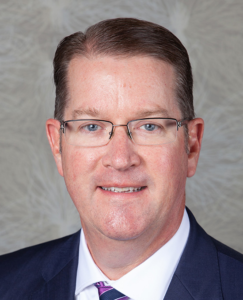 Jonathan Marquess will take the reins of GPhA’s Academy of Independent Pharmacy on January 3, following in the large, well-worn footsteps of Jeff Lurey, who announced his retirement in September.
* We weren’t sure how many, so “slew” is non-committal
ICYMI: Big recall
Shout-out to Thomas Sherrer, Jr!

Exciting headline, disappointing story
Who’s lying to you?
The phones are melted
demand ask that senators Ossoff and Warnock include ending DIR in the Build Back Better Act. And … you did!
Covid quickies:
Chew on this
Good thing we have the pills
Covid pills: free, quick, and important webinar
Because people will go for anything

* Which is not a prime number
December 10, 2021 ✒ Andrew Kantor
This one comes out of Harvard, where researchers were pretty busy: They discovered a new hormone related to insulin production (“fabkin”), disabled that hormone in mice, and found that doing so cured their diabetes (the mice’s, that is). Apparently, fabkin is able to regulate levels of ATP and ADP — you know, the energy molecules — and (via a process that’s way too long to describe here) thus “[control] the function of beta cells in the pancreas that are responsible for insulin production.” When the researchers used an antibody to neutralize fabkin in mice, the animals did not develop diabetes. When the antibody was given to obese, diabetic mice, they reverted to a healthy state. GPhA is excited to partner with the South Carolina Pharmacy Association to host the 19th Annual SE Women of Pharmacy Leadership Conference, January 14-16 at the Omni Grove Park Inn in gorgeous Asheville, N.C. What does that mean for you? It means — assuming you’re a GPhA member — that you can get a discount on your registration (by using discount the code “STATE”). Click here to check out the schedule and speakers, and of course to register! The post-Thanksgiving surge is here. “COVID-19 cases and deaths are rising all across the U.S. even before the Omicron variant takes hold” with one exception: Wisconsin*. Cases in Georgia are up 31% in the past two weeks. BUT … that’s up 31% from a low number — e.g., only about 1,400 Georgians tested positive on December 8. SSRIs might help treat Covid, but some (e.g., fluvoxamine) seem to be better than others. The mechanism isn’t clear, but one hypothesis is that some SSRIs have anti-inflammatory properties “independent of any serotonin effect.” Older patients taking nitrazepam, mirtazapine, or some SSRIs* — are more likely to suffer delirium after hip or knee surgery. So report researchers out of the University of South Australia after reviewing data on more than 10,000 patients over the past 20 years. Why might this be a big deal? “An earlier study found that older people who developed delirium following hip surgery had a 10 per cent higher death rate within one year compared to patients who were not affected.” The top link goes to the news story; the paper itself is here. If you have patients taking statins, testing their vitamin D and hormone levels is a smart move. So suggests UC San Diego professor of medicine Pam Taub in a recent presentation. Essentially… Taub said vitamin D and thyroid hormone deficiency could potentially decrease the efficacy of agents such as statins and SGLT2 inhibitors. It could be as complex as hormone levels interfering with the statin, or as simple as people not taking their statins because of muscle issues … issues that could be fixed with simple vitamin D supplementation. Sunlight may protect kids from multiple sclerosis. So say neurologists at UC San Francisco and the Australian National University. [T]hey found that the participants who spent an average of 30 minutes to one hour outdoors daily had a 52 percent lower chance of MS, compared to those who spent an average of less than 30 minutes outdoors daily. How does it work? The article, and one of the lead researchers, point to vitamin D as the possible agent: “Sun exposure is known to boost vitamin D levels. It also stimulates immune cells in the skin that have a protective role in diseases such as MS. Vitamin D may also change the biological function of the immune cells and, as such, play a role in protecting against autoimmune diseases.” But here’s the rub: “Fortunately,” they say, “the use of sunscreen does not appear to lessen the therapeutic effects of sunlight in warding off MS.” Yet sunscreen blocks the very UVB radiation that stimulates our bodies to produce vitamin D, so could that really be the mechanism? You know the mantra: More research is needed. We know how important the gut biome is for … well, for a lot of things, from overall health to mental state to longevity, and on and on. But — say researchers led by the European Molecular Biology Laboratory — we’re just beginning to learn what effects various drugs can have on that microbiome. We found that drugs can have a more pronounced effect on the host microbiome than disease, diet, and smoking combined.” Good news for couch-potato vampire mice: Drinking the blood of your athletic peers can make you young again. That’s not exactly true, but it’s close: Sedentary mice injected with the plasma of more-athletic ones got a “brain boost” — they showed better memory and cognitive abilities (per a study out of Stanford). Doses of runners’ plasma triggered many of the same brain effects as 28 days of vigorous activity. […] It boosted cell survival and division in the brain, for instance. Mice that received plasma from the jogging rodents also performed better on memory tests than did those injected with plasma from the sluggards. The researchers think much of the effect involves the protein clusterin: “When we removed clusterin, the anti-inflammatory effects of runners’ plasma were diminished the most,” although they acknowledged that there are “at least nine additional molecules that may account for some of exercise’s impact on the brain.” Meanwhile researchers in Norway are in the midst of a four-year clinical trial “to test whether blood from human runners benefits patients who have early Alzheimer’s disease.” Photo courtesy Norwegian Academy of SciencesUsing jocks’ blood for good; sunlight tackles MS; new hormone, new diabetes treatment, and more
Another diabetes cure
The SE Women of Pharmacy Leadership Weekend is coming up fast!

Covid quickies
* Where people are apparently protected by that dairy air.
* It’s bigger than cheeses.Benzos and anti-depressants can cause delirium
* Citalopram, fluvoxamine, sertraline, or venlafaxine
Hormones, vitamin D, and statins
More sun, less MS?
Drugs and the microbiome
Jock blood is good for your brain

December 09, 2021 ✒ Andrew Kantor
People who smoke pot, especially a lot and especially recently, have screwy sleep schedules — “extremes of nightly sleep duration,” according to anesthesiology researchers in Canada and the U.S. Well, “extremes” in this context means fewer than six hours or more than nine hours (which doesn’t seem so extreme, but I’m not an anesthesiologist). Recent cannabis users, for example, “ were 34% more likely to report short sleep and 56% more likely to report long sleep” and “were also 31% more likely to report difficulty falling asleep, staying asleep, or sleeping too much.” Melt the phones! That’s what NCPA wants you to do today (assuming you’re reading this on Thursday, December 9). Today is the day you need to call your U.S. senators (that’s Jon Ossoff and Raphael Warnock) and Seriously, DIR needs to be over, and they have the power to make it happen. Call (or email, fax, or tweet) and tell them “I’m a Georgian, I’m a pharmacist, and I need you to include language in the Build Back Better Act that will end PBM DIR fees.” Senator Jon Ossoff Senator Raphael Warnock Is that too much to ask? Fine. NCPA created a Web portal that’ll do most of the work for you. Click here and it’ll pretty much automate the process. Women know there are bad types of breast cancer, and really bad types; basal-like breast cancer (aka triple-negative breast cancer) is among the worst. Treatment is limited and recurrence is common. But scientists at the Korea Advanced Institute of Science and Technology think they have a strategy. They say they’ve found a way to turn triple-neg tumors into luminal A tumors — the kind that is “low-grade, tend to grow slowly and have the best prognosis [per these folks]”. Essentially, while the tumors aren’t receptive to anti-cancer drugs, they can be genetically engineered. [T]he team found that turning off two key gene regulators, called BCL11A and HDAC1/2, switched a basal-like cancer signalling pathway into a different one used by luminal-A cancer cells. The switch reprograms the cancer cells and makes them more responsive to drugs. STOP. Before you start sharing this as a medical miracle, keep in mind that this is in vitro so far: “[F]urther tests will be needed to confirm that this also works in animal models and eventually humans. Did you know that scientists don’t know what causes morning sickness? But now some UC Davis researchers say they can at least treat the nausea and vomiting that often comes with pregnancy. The treatment: probiotics, which, they say “significantly improve the symptoms of pregnancy-related nausea, vomiting and constipation.” They gave 32 patients over-the-counter Nature’s Bounty Probiotics 10 capsules over the course of 16 days, and — based on questionnaires given 17 times a day (!) — found that taking those supplements reduced the number of hours feeling nauseated, the number of times they vomited, and “also significantly improved symptoms related to quality of life, such as fatigue, poor appetite and difficulty maintaining normal social activities.” How does it work? They’re investigating: ‘A subset of the participants contributed fecal specimens for researcher to understand potential underlying mechanisms.’ Vaccines work against Omicron: “WHO says vaccines should be effective against Omicron variant” Well, maybe not every vaccine: “Omicron may evade Pfizer/BioNTech COVID jab, says study” Definitely not the Pfizer vaccine: “A new variant, Omicron, very effectively evades the neutralizing antibodies of the Pfizer vaccine regimen, according to a recent study.” Well, Pfizer works if you’re boosted: “Pfizer-BioNTech Covid-19 shot loses power against Omicron variant, but booster restores protection” Believe it or not: “A recent press release by Pfizer claims three doses offer significant protection, though this claim is presented without data.” Oh no, here comes ‘Omicron Plus’: “Australian State Detects Omicron Variant Offshoot That Might Be Harder To Track” Or maybe not: “… but experts say it is not a new variant”. Chinese scientists sure did, too, and they considered a whole bunch of chemicals that might destroy senescent cells — older cells that can’t replicate but can cause inflammation. And they found one: procyanidin C1 (PCC1). It’s actually found in grape seeds, and at low concentrations it stopped the senescent cells from causing inflammation. And at high concentrations PCC1 killed the old, useless cells, while leaving the younger ones intact, Logan’s Run style. So what does that actually translate to? How about that PCC1 “prolongs the lifespans of old mice by 9 percent,” makes the mice more fit, and “reduces the size of tumours when used alongside chemotherapy to treat cancer”? Yep, more research needs doing. (The study was published in Nature Metabolism.) The Replication Crisis has reared its ugly head — this time, among cancer researchers. The Reproducibility Project: Cancer Biology wanted to replicate experiments from some of the highest-impact cancer papers published between 2010 and 2012. They started with 53 papers that contained 193 experiments, but various speedbumps (e.g., original authors refusing to share information). They ended up replicating 50 experiments, claiming 112 effects, from 23 papers. And what did they find? In short: This means drug makers are spending time and money trying to develop cancer treatments based on papers that often can’t be reproduced, and — when they can — have results that are much less impressive than the original researchers claim. For 21 days, researchers from the University of Michigan and UC San Francisco fitted 4,825 research subjects around the world with sensors to track blood pressure and heart rate. Three times a day they checked to see how grateful and optimistic the people were feeling. Turns out, having those feelings is good for you. People who were more grateful had lower blood pressure and heart rate, as well as greater feelings of appreciation toward others. […O]ptimism was also linked to health and mental benefits, such as better sleep quality and more positive expectations and reflections.Converting cancers, Omicron confusion, grape seeds for life, and more
Last nap with Mary Jane
A day to stop DIR
demand encourage that they include ending DIR in the Build Back Better Act.
Phone: (202) 224-3521
Fax: (202) 224-2575
ossoff.senate.gov
Email: jon.ossoff@ossoff.senate.gov*
Twitter: @jonossoff
Phone: (202) 224-3643
Fax: (202) 228-3783*
warnock.senate.gov
Email: raphael.warnock@warnock.senate.gov*
Twitter: @senatorwarnock* Not confirmed; both senators offer email via their websites, though.
Making a worse cancer better
Stopping morning sickness
No wonder people are confused
What, you want more?
Want a mouse that lives longer?
Do you see what I see? (No)
Be grateful. Be optimistic.
December 08, 2021 ✒ Andrew Kantor
You probably won’t find this one in Cosmo: Researchers at an Ohio State University claim that their “Self-administered cognition test predicts early signs of dementia sooner.” After eight years of testing the test… Researchers found that the SAGE test [Self-Administered Gerocognitive Examination] accurately identified patients with mild cognitive impairment who eventually progressed to a dementia diagnosis at least six months earlier than the most commonly used testing method. You can download the test here. It’s free, and it only about 10-15 minutes to complete — and a lifetime to contemplate. So cisplatin, the anti-cancer drug, has a problem: For 25 percent of patients, it causes kidney damage. Now, though, Yale medical researchers think they’ve found a concurrent medication that can prevent it. They call it a “kidney-targeted renalase agonist peptide.” They gave mice two doses of cisplatin. Some then got the renalase agonist peptide, some didn’t. And what d’ya know, the renalase peptide cut the incidence of chronic kidney disease, improved the kidneys’ filtration rate, and cut down on inflammation while it was at it. (And yes, before you ask, of course this peptide was encapsulated in nanoparticles. This is 2021, after all.) Researchers at the University of British Columbia have implanted a device in patients (human ones) filled with genetically engineered stem cells that can monitor insulin levels and produce it on demand. And the Big Deal: Because it contains living cells, the device can keep producing insulin. These devices are about half the size of a credit card, and contain “millions of lab-grown cells that […] were ‘coached’ into maturing into beta cells” that produce insulin. Six months after implantation, the researchers observed that the cells had not only survived but successfully matured into insulin-producing beta cells, helping the patient’s body to sense blood sugar levels and release insulin when needed. And yes, it worked: “Patients in the study also spent 13 per cent more time in target blood sugar range and some were able to reduce the amount of insulin they injected.” Next up: More and bigger trials. A German study out of Ruhr University Bochum looked at why people won’t get a Covid-19 vaccination. Nothing new there. But towards the bottom of the press release comes this eyebrow-raiser: In almost all countries, the research team found a link between not using television as a source of information and refusing vaccination. In Poland, Sweden, and the USA, the use of social media as a source of information contributed to people being more likely to reject vaccination. You read that right: Using television (!) for information makes you smarter (than using social media). The latest answer to “Which vaccines should you get?” comes from the UK, where the answer is … start with Pfizer or AstraZeneca, then boost with Moderna nine weeks later. (Read the article quickly, please, before totally contradictory results are released.) =AND= The latest info about Omicron is that is seems highly transmissible, but causes a milder sickness. (That’s based on reports from South Africa and more importantly Norway.) Again, stay tuned for when this information changes. A couple of Harvard economists took a look at the opioid crisis — specifically the 400% rise in opioid prescriptions since the late ‘90s, when the demand for painkiller began to skyrocket. Or did it? In the years following, many believed that the rise in opioid use was driven by demand for painkillers from those with physical pain, depression, despair, and social isolation. In fact, looking at the “rise in painful conditions reported by patients” compared to the the number of prescriptions being written, they concluded that it wasn’t demand that drove* the epidemic — “that the increase in opioid use can better be explained by growth in the supply of pills.” Quoth the American Economic Association analysis: Government approval in 1995 of the blockbuster drug OxyContin, then billed as a safer alternative to previous opioids, flooded the market with new opioids prescribed for alleviating pain.\ You can read their full paper here, free (192-page PDF, but mostly in plain English). Norwegian Cruise Lines reported a “handful” of Covid-19 cases aboard the MS Norwegian Breakaway. The ship docked in New Orleans, where it turned out it was at least 17 passengers and crew. None of them disembarked, all claimed to be vaccinated, and none claimed to have any symptoms. The ship is continuing to Belize, Honduras, and Mexico with more than 3,200 souls on board. Correction: An earlier version of this story incorrectly referred to the ship as the MS Agar Slant. We regret the error.Living artificial pancreas, giant Norwegian hands, opioid economics twist, and more
Want to know if you’ll develop dementia?
Saving kidneys from cancer drugs
That’s not an artificial pancreas; THAT’S an artificial pancreas
Where have you gone, Walter Cronkite? A nation turns its lonely eyes to you
Covid quickies
Opioids: It’s about supply, not demand
* Drives. Present tense.
Norwegians apparently have big hands
Do you want to send your members the daily Buzz email newsletter (customized for your state and organization, perhaps)? Let’s talk — just drop me a note at andrew@gphabuzz.com!


- Primary Care Is in Trouble. So Doctors Band Together To Boost Their Market Power.
- Cosmetic Surgery Investigation Prompts Warnings for Patients, and a Push for Tighter Safety Standards
- Listen to the Latest ‘KFF Health News Minute’
- Banks Are Becoming Bulwarks Against Scams for Vulnerable Seniors
- More Kids Are in ERs for Tooth Pain. Trump Cuts and RFK Jr.’s Anti-Fluoride Fight Aren’t Helping.
- Newsom Picks a Dogfight With Trump and RFK Jr. on Public Health
- January 2025
- December 2024
- November 2024
- October 2024
- September 2024
- August 2024
- July 2024
- June 2024
- May 2024
- April 2024
- March 2024
- February 2024
- January 2024
- December 2023
- November 2023
- October 2023
- September 2023
- August 2023
- July 2023
- June 2023
- May 2023
- April 2023
- March 2023
- February 2023
- January 2023
- December 2022
- November 2022
- October 2022
- September 2022
- August 2022
- July 2022
- June 2022
- May 2022
- April 2022
- March 2022
- February 2022
- January 2022
- December 2021
- November 2021
- October 2021
- September 2021
- August 2021
- July 2021
- June 2021
- May 2021
- April 2021
- March 2021
- February 2021
- January 2021
- December 2020
- November 2020
- October 2020
- August 2020
- July 2020
- March 2020
- February 2020
- January 2020
- December 2019
- November 2019
- October 2019
- September 2019
- August 2019
- July 2019
- June 2019
- May 2019
- April 2019
- March 2019
- February 2019
- January 2019
- December 2018
- November 2018
- October 2018
- April 2017
