November 19, 2021 ✒ Andrew Kantor
Sure, marijuana might be illegal in Georgia, but there’s a way you can score some: exercise. And no, not in the “run to North Carolina” sense. Apparently, found UK researchers working with patients with arthritis, exercise “increased levels of cannabis-like substances produced by their own bodies, called endocannabinoids.” Those cannabinoids reduced both pain and inflammation, and they even helped gut bacteria produce more anti-inflammatory compounds. Take a moment to shed some crocodile tears for pharmacy benefits managers, which just lost another big case in a big court. Done? Good. Here’s the deal in a nutshell: North Dakota had a law* that regulated PBMs. The PBMs’ trade association, PCMA, sued the state claiming that the federal ERISA retirement law preempted that North Dakota law. Eventually, the Eighth Circuit sided with the PBMs. Hold that thought. A similar case involving Arkansas and its PBM regulations (Rutledge v PCMA) made it to the Supreme Court. SCOTUS sided with Arkansas, saying no, ERISA didn’t come into play. And SCOTUS also remanded the North Dakota law back to the Eighth Circuit: ‘Ahem. Are you SURE that’s how you want to rule on this?’ On Wednesday, the Eighth Circuit took the hint and reversed itself (in PCMA v Wehbi) and said Why yes, the state can regulate PBMs. There is currently a second case of monkeypox in the U.S. That is all. Losing your sense of smell due to Covid-19 is so 2020. It turns out that SARS-CoV-2 also infects the eyes and ears (or at least the nerves that connect them to the brain). And, while it may not be as common… More than 10 percent of people who get Covid develop some type of eye or ear symptom, according to the latest data, and both categories are among the complaints that can end up persisting for a long time. This means the first sign of infection “might include irritated eyes, hearing problems or balance issues.” Yay! A new analysis finds that “more than 700 000, and possibly as many as 1.6 million, US individuals experience COD [chronic olfactory dysfunction] because of SARS-CoV-2.” Note the chronic part — that is not counting the many people who regain their sense of smell within six months. These are folks with a potential “lifelong burden of olfactory dysfunction.” If you feel like your life has lost its meaning, find people to hate. That’s people, plural. Research out of Canada’s University of Waterloo found that hating a group, not an individual, “can bolster meaning in life.” Collective hatred is aimed toward groups, social phenomena or institutions, and may be more likely to inspire a sense of purpose in life that transcends the negative experiences associated with personal vendettas. What could go wrong? “Foods high in added fats and refined carbs are like cigarettes – addictive and unhealthy” explains a University of Michigan psychologist. And she means that literally. Based on our current estimates, 15% of Americans meet the threshold for food addiction, which is associated with diet-related disease, obesity and poorer quality of life. Interestingly, that’s about the same percentage of the population with alcohol abuse disorders.PBMs smacked down again, why it pays to hate, monkeypox redux, and more
Get your own cannabis
Another big win (and a loss for PBMs)
* Doo-dah, doo-dah
** Very much oversimplifying here — sorry!Just so you know
The eyes have it too
Speaking of loss of sense of smell
Fear leads to anger. Anger leads to hate. Hate leads to … purpose?

Might as well face it, you’re addicted to fries
November 18, 2021 ✒ Andrew Kantor
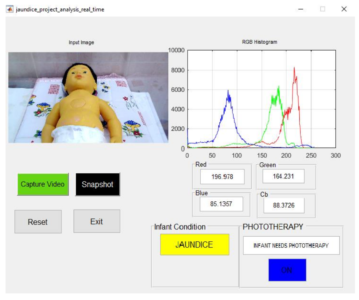
When the next pandemic appears, why turn to your favorite news site to track it, when Georgia State computer-science and maths researchers* have created software to do it? When someone gets sick, epidemiologists upload the gene sequence of the virus to a global database, where it can be analyzed. But current software is slow, while Georgia State’s SPHERE (Scalable PHylogEny with Recurrent mutations) “can process more than 200,000 novel virus genomes in less than two hours.” That lets scientists, and in theory politicians, make smart decisions based on how the virus — and its mutations — are spreading. Part of me is tired of “coffee is good for you” stories, but part gets a kick out of how often they appear*. So here: “Drinking tea and coffee could lower your risk of stroke and dementia, study suggests.” Following more than 360,000 patients over more than a decade… Researchers found those who drank two to three cups of coffee or three to five cups of tea or a combination of both for four to six cups a day had the lowest risk of dementia or stroke. Why? They aren’t sure. Could be the caffeine, or maybe the polyphenols or the flavonoids, or “the combined protective role of the different antioxidant and other biological contents in these 2 beverages.” Fun fact: Digging deeper into the paper itself, though (and assuming I’m reading it correctly), ground coffee is better than instant, instant is better than decaf. In case you’re interested, the CDC has updated its what-you-need-to-know site about Covid vaccines with the latest info for giving the shots to kids. Biocon/Viatris are launching not one but two versions of Semglee, their biosimilar for Lantus. (Semglee made news in July because it’s the first interchangeable biosimilar — pharmacists don’t need approval to swap it out for Lantus.) Weirdness: There are two versions, one branded (Semglee) and one unbranded (“insulin glargine”). So yes, there’s the branded drug (Lantus), the branded biosimilar (Semglee), and the ‘generic’ biosimilar. This will be on the final. Why two versions of an identical identical drug? Pricing! By launching two versions of the same product, Viatris is effectively providing payers with the option to choose between a high price, high rebate product [Semglee], or another that carries a lower price and features a lower rebate [“insulin glargine”]. We wish you luck explaining this to patients and dealing with insurance companies. This one uses mRNA technology, and it targets the ticks. No, you don’t have to vaccinate the bugs — the host (i.e., eventually you) gets the shot, and that turns you into a tick-killing machine. A Yale infectious disease researcher, collaborating with folks in Ireland, gave his experimental vaccine to guinea pigs. Sure, the bites turned red, but “The ticks fed poorly, fell off early, and often failed to transmit the Lyme-causing bacterium.” Human testing is coming. A new system can detect whether a newborn has jaundice, start treatment (blue/turquoise LEDs), and notify a caregiver — all within one second. The device, developed by Aussie and Iraqi medical engineers, is non-invasive: It analyzes images of the baby in real time and is sensitive enough to detect a color change invisible to the human eye. And it works no matter the pigmentation of the child’s skin. With tech like this, the Simpsons would never exist Giving hospitalized patients more or a higher dose of anti-hypertension meds is common — and dangerous. So argues a Duke University physician, who points out that just being in hospital can make someone’s BP rise. For example, acute pain ramps up your sympathetic nervous system, causing your blood pressure to rise. In such a situation, receiving new blood pressure medicine increases the chance that a patient will need to be readmitted to the hospital in the 30 days after discharge, probably because their blood pressures crash once they return home. Patients: If you do get a new BP med in the hospital, ask whether you need to keep taking it at home. Or keep track with your own sphygmomanometer (which also lets you brag to friends, “I have a sphygmomanometer … and I know how to use it”). Well this is embarrassing. Schools across the country — from kindergarten through university — used Covid funds to update their air-cleaning systems. Better air circulation reduces the risk of transmission, so it was a smart idea. Well, smart as long as the companies selling those systems didn’t lie about them. Oops. School districts and universities have spent as much as $100 million on this technology — often for electronic air cleaning systems that have misleading, company-funded studies that boast 99.99% efficacy, Seems that, when products aren’t subject to annoying regulation, companies flat out lie about them. As one engineer quipped, “99.99% doesn’t mean anything if you’re testing in a shoebox.” Warnings are being issued (to the schools), lawsuits are being filed (against the companies), but in many cases the schools’ only option is to cancel existing orders. Sorry, kids.Fake air cleaners, jaundice scanner, Yet Another Lyme Vaccine, and more
Georgia State is ready to track Covid-22
* You either thought “nerds” or you’re lying about thinking “nerds.”
Coffee continues to be good for you
CDC’s got the latest on Covid shots
Biosimilars: Copies of copies
Another Lyme disease vaccine in the works
Scanning for jaundice
Stop with the extra BP meds
Atlas twitched
November 17, 2021 ✒ Andrew Kantor
Fun fact: It’s a rule that whenever you write about coffee, you must mention that “Coffee is the most commonly consumed beverage in the world.” (It’s not. Water is.) So is the case with the American Heart Association’s story about a UC San Francisco study. Researchers there discovered the breaking news, “Coffee boosts physical activity, cuts sleep, affects heartbeat, study suggests.” Specifically, people who drank coffee walked more and had fewer episodes of one type of abnormal heart rhythm … but more episodes of a different kind of abnormal heartbeat. “They also slept less.” Once upon a time, here at Buzz we poked fun at the annual SE Women of Pharmacy Leadership Conference for its seeming focus on beauty tips and spa days. No more. This year’s SE Women of Pharmacy Leadership Conference is on a whole new level — and GPhA is excited to partner with the South Carolina Pharmacy Association, which is hosting the event (oddly, in North Carolina). Yes, you can still get spa appointments, but those are playing second fiddle to a full three-day conference schedule with sessions on leadership, harassment, dealing with trauma, merging the intellectual and the emotional, and more, for 9 hours of CE credit. Deets: January 14-16, 2022 Early-bird rates for the conference and hotel are until November 28. Click here for more information and register! Anyone on Medicare Part B owes some thanks to Biogen. Premiums are going up $21.60 a month next year so Medicare can pay for the company’s not-really-proven Alzheimer’s drug, Aduhelm. Thankfully, though, Biogen only priced it at $56,000 a year — if it decided to charge more, Medicare would have had to pay that, too (no negotiation, remember?). This is the biggest price hike dollar-wise in Part B history, but not the largest percentage-wise. So that’s even better news! A nonprofit think tank focused on drug pricing pegged Adulhelm’s actual value at between $3,000 and $8,400 per year — not $56,000 — based on its unproven benefits. Do you like pharmacy, research, academia, and administration? UGA’s College of Pharmacy is looking to hire the head of the Pharmaceutical & Biomedical Sciences Department in the College of Pharmacy. Reporting directly to the dean of the College of Pharmacy, the PBS Head leads a robust department that provides the foundational science support for the college, including teaching at all levels, and the conduct of cutting-edge research in the pharmaceutical and biomedical sciences. Check out the details of the position at the link above, or download the lovely PDF here. As expected, Pfizer has asked the FDA for an emergency-use authorization for its Paxlovid Covid-19 treatment pill. If granted, this will be under an EUA, meaning people who said they don’t want to take “experimental” medications won’t be able to to use it. Full approval could take months. In related news, the company has graciously agreed to allow the treatment to be manufactured around the world so poorer countries will be able to afford it. A woman in Argentina is apparently only the second person known to have completely eradicated HIV from her body “without the help of drugs, a bone marrow transplant […] or any other treatment.” They’re calling her the “Esperanza Patient” and she and a California woman named Loreen Willenberg appear to be the only two people whose bodies have wiped out HIV on their own. (Doctors have cured HIV infection twice — in the “Berlin Patient” and the “London Patient,” by using complicated, painful, and expensive bone marrow transplants.) “This gives us hope that the human immune system is powerful enough to control HIV and eliminate all the functional virus.” How it happened and whether it can be duplicated — well, that’s still to be discovered. If you have a zebrafish with a UTI, think twice before giving it aspirin (or warfarin). New research out of Australia’s Centenary Institute found that anticoagulants like aspirin are likely to make urinary tract infections worse by “prevent[ing] natural clotting that would have helped to contain bacteria in the blood.” The Czech Republic, Hungary, and Iceland are the three latest countries to be added to the CDC’s “Level 4” list for Covid-19 risk (“Prepare Will In Advance”) as the disease surges once again through Europe. Avian influenza A — the bird flu — has been spreading through Europe and Asia over the past few weeks (although we’re not yet using the word “sweeping”). Epidemiologists are concerned because it moves quickly, has a high mortality rate for birds, and it can jump to humans. In fact, at least 21 people in China have contracted it this year. But a virus that’s just affecting a small number of people in China doesn’t seem like anything the rest of the world should worry about, does it?Let’s pay for Aduhelm, don’t fret about bird flu, treat your zebrafish well, and more
Scientific breakthrough
Attention, ladies!
Omni Grove Park Inn, Asheville, NC
GPhA members should use the discount code “STATE”.Thank you sir, may I have another?
Ready to climb your ivory tower?
Covid pill: latest news
HIV: And then there were two
Aspirin makes UTIs worse
The Huldufólk will have to wait
Bird flu is lurking
November 16, 2021 ✒ Andrew Kantor
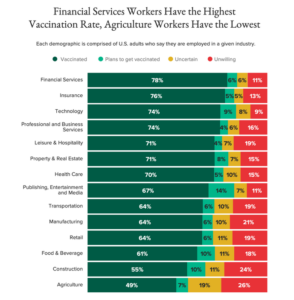
No autoclave, pressure cooker, or even chemicals needed. Looking for fun ways to use their scanning electron microscope*, Rice University engineers used it check what happens to disposable masks when they’re cooked. Cutting to the chase: Heating masks — including disposable surgical masks — for 160°F for five minutes kills any viruses on them, including the only one anyone cares about these days. And it meets FDA guidelines. Notes: Higher temp decontamination (320°F) melted the masks’ fibers, ruining them. And if you insist on using Celsius for some misguided reason, set your oven to 70°C When you have a lot of data, you can pull out a lot of useful info. In this case, UC San Francisco pediatrics researchers looked at records of about 500,000 people, including more than 83,000 adults with Covid-19, and 3,400 who were prescribed SSRIs. You see where this is going. It seems that the patients taking fluoxetine, “were significantly less likely to die of COVID-19 than a matched control group.” (SSRIs as a whole cut the risk of Covid death by 8 percent, but fluoxetine and its cousin fluvoxamine were a lot more effective, at 28% and 26% reduction, respectively.) Two unrelated drugs, both tested as ways to slow dementia, well, didn’t. Unfortunately. After a trial of aspirin vs “all-cause mortality in the elderly,” there had been hope that everyone’s favorite miracle drug might have an effect on dementia. British researchers reviewing the results, though, said that… …daily use of aspirin in healthy adults over the age of 70 did not reduce dementia, mild cognitive impairment, or cognitive decline. (Actually, what they said was that there was little risk of harm, but only a small chance of benefit — not no chance.) Meanwhile… Other British researchers found that, despite some earlier hopes, hypertension-drug losartan “does not slow down the progression of more advanced Alzheimer’s.” Note the phrase “more advanced.” The researchers said there might have been a reason for earlier positive results: However, we cannot exclude the possibility, given other findings that are emerging, that losartan, or similar drugs, given to people earlier and for longer in their development of Alzheimer’s, such as folk with certain types of mild cognitive impairment, might still be protective. Instead of just looking at numbers by region, politics, or education, the folks at Morning Consult also broke down Covid vaccination status by profession. Topping the list, surprisingly, were people in financial services and insurance, followed by those in technology. (Caveat: “financial services” could refer to anyone from a part-time bank teller to the CEO of Bear Ste— of Lehman Br— um … the CEO of JP Morgan. And “technology” could be high-end programmers or the weird guy installing your cable.) Healthcare workers were in the middle of the pack, while construction and agriculture were least likely to be vaccinated. Another side effect of obesity: tooth loss. Yeah, dental researchers at the University of Buffalo found that obesity leads to chronic inflammation, and that can create cells (“myeloid-derived suppressor cells”), that break down bone tissue, “including the bone that holds teeth in place.” Want to be happier? Eat meat. Yep, psychologists at the University of Southern Indiana “extracted data from 20 existing studies, including cross-sectional and longitudinal studies, as well as randomized control trials” involving more than 171,000 participants across four continents. They found that… …individuals who consumed meat experienced lower levels of depression and anxiety compared to individuals who abstained from meat. And vegans — they were pretty bad off, “found to experience greater levels of depression compared to meat consumers.” Oh, and the more rigorous the study they looked at, “the stronger the observed benefits of meat consumption.” “Red wine induces psychological states characterized by bliss, a focus on the present moment, an enhanced fascination with one’s surroundings, and a softening of the differentiation between oneself and the environment when consumed in a tranquil environment.” “8 lingering questions about the new Covid pills from Merck and Pfizer”: Everything you want to know about both Covid-treatment pills — how they work, who can get them, how they compare, and of course, “Will it affect a patient’s DNA?” (If you thought the answer to that last one is “No, you silly goose!” you’re in for a surprise. Spoiler: Probably not, but maybe.)Meat is happiness, toasting those masks, vaxes by profession, and more
Reusing masks is really easy
* Taking pictures of insect faces gets old.
SSRIs vs Covid
Two thumbs down against dementia (sort of)
Who’s getting vaccinated?
Gaining weight, loosing teeth
You can’t beat meat
Pair it with some red wine*
* Fava beans on the side, perhaps?
The Long Read: Treatment Pills edition
November 13, 2021 ✒ Andrew Kantor
Imagine knowing almost 20 years before it happens that you’re going to get type 2 diabetes. It’s like a horror movie where the monster is getting closer and closer … except that it’s real. Swedish researchers have found a biomarker in blood — follistatis — that can predict type 2 diabetes a crazy 19 years before the disease hits. Oh, and this is “regardless of other known risk factors, such as age, body mass index, fasting blood glucose levels, diet, or physical activity.” They know why (“follistatin promotes fat breakdown from the adipose tissue, resulting in increased lipid accumulation in the liver”) and they know how follistatin is regulated, but at this point the information is useful for prediction rather than treatment. If you couldn’t make it to your in-person GPhA Region Meeting, fear not — we’ve got a live, virtual version for ya. The dress code is more casual, but you have to do your own cooking. You can still get an hour of CE, though, and an important update on what’s happening at the capitol. It’s Thursday, November 18 at 7:30 pm. Sign up today! (You’ll need to login with your GPhA account.) Ellume has recalled yet another batch of its Covid-19 home test kits, again because of the potential for false positives. The FDA considers this a Class I recall — and when they use Roman numerals like that you know it’s serious. Hit up the FDA website for info on lot numbers, what to do (step 2: “Quarantine the affected products immediately.”), and who to contact. Music — it may not only soothe the savage breast, it also seems to have a surprisingly powerful effect on Alzheimer’s patients. It’s all about that brain plasticity (which is also a factor in treatment-resistant depression). When patients listened to music that had meaning for them, there were noticeable “changes in the brain’s neural pathways correlated with increased memory performance on neuropsychological tests,” according to Canadian researchers. “We have new brain-based evidence that autobiographically salient music – that is, music that holds special meaning for a person, like the song they danced to at their wedding – stimulates neural connectivity in ways that help maintain higher levels of functioning.” Guess who’s back? Robert Califf, former FDA commish, and his moustache were nominated to take the post again. But his confirmation may not be a shoe-in, because Senator Joe Manchin (“D” -WV), said he’s opposed to Cardiff because of Cardiff’s former ties to the pharmaceutical industry. Everyone knows it for its consumer products, but the big bucks are in the pharmaceuticals and medical devices, so Johnson & Johnson is going to split itself into two companies, one focusing on each market. The consumer-health side will get a new name and become a publicly traded company. The process, said J&J, will take up to two years at “a cost of $500 million to $1 billion.” Hol’ up. The company is so rich that it’s not worrying about a half-billion dollar difference between the high and low end of its cost estimate. That’s like being told, ‘It’ll cost between $500 to $20,000 to repair your car’ and saying, “Sounds good.” If you’ve been figuring that enriched baby formula is one way to give a little one a bit of an advantage later on, some bad news. Despite what the marketing might say, enriched formula does not actually promote brain development. That comes from British researchers who looked at trial results, health records, and academic records of about 1,800 kids from 1993 to 2001 and found … bupkis. There was no difference in scores for English at age 16, and for maths and English at age 11, between children who had standard formula as infants and those who had nutrient enriched, added iron, sn-2 palmitate or nucleotide formulas. In fact, they write, if claims of better brains convinces parents to use formula over breast milk, these claims could actually be doing harm.
19 years’ warning, music for dementia, Covid-test recall, and more
Predicting diabetes
GPhA’s Region Meeting — virtual version
Ellume recalls Covid tests … again
Play it again
ICYMI: Califf to head FDA
J&J to commit mitosis
Enriched with vitamin never mind
November 12, 2021 ✒ Andrew Kantor
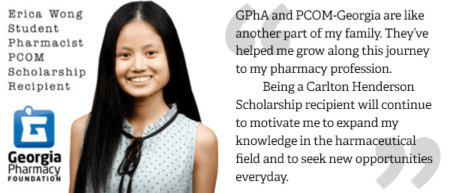
The FDA has given a “breakthrough” designation to pro2cool, a device designed to treat concussions quickly by providing “localized cooling for the head and neck to reduce blood temperature before it enters the brain.” Athletes are the primary market according to the maker, TecTraum, but it’s also hoping to see it used by first responders and the military. Oxford University researchers have begun phase 1 human trials of a vaccine they hope will protect against all four species of the Ebola virus, especially the particularly nasty Zaire* version Given the never-to-be-a-Jeopardy-clue name of “ChAdOx1 biEBOV,” it uses the same technology as the Oxford-AstraZeneca Covid-19 vaccine; results should be available mid next year. Meet Erica — Erica Wong, PCOM student pharmacist. She’s one of the recipients of the Georgia Pharmacy Foundation’s Carlton Henderson Scholarship — just one way the foundation is helping the next generation of Georgia’s pharmacists. Be a part of something good. Support the Georgia Pharmacy Foundation and the future of pharmacy — right here at home. Having trouble hiring? How about getting certain supplies? If not, count yourself lucky. A new NCPA survey (well, the results of the survey) say that ‘the majority of independent pharmacies are affected by ongoing labor and supply chain issues.’ It’s all from the ongoing ripple effects of the pandemic, so the supply chain issues are probably not permanent. As for employment … well, that’s clearly a bigger change that’s still shaking out. Polish your crystal ball. (The above link is to the survey overview. You can read the full report (PDF) here.) A whopping 98.5% of Americans 65 and over have received at least one dose of a Covid vaccine; 85.8% are fully vaccinated according to the latest CDC data. On the other side of the graph, within the first week of eligibility, about 900,000 kids aged 5 to 11 will have received their first shot. Even vaccinated people are thinking about the risk of holiday travel; no one wants to be that breakthrough case that has everyone whispering behind their back. If you’re gonna spin the Wheel of Covid Destiny, you at least want to know what the odds are. But as investigative reporter Sophie Putka points out in MedPage Today, the CDC’s vaccination-breakthrough data is still dated from early September, despite being in the age of [insert cool technology here]. Why the lag? CDC wants to wait a month after a positive test to see if the patient dies or ends up in hospital. That didn’t impress at least one epidemiologist who pointed out that real-time is kind of important. “It should still be possible to present cases and hospitalizations by vaccination status, not instantaneously, but without a four-week lag. Without a national, coordinated surveillance system that’s publicly available, both of those are very difficult to do, and we’re basically flying blind right now.” In what is surely a shock to no one, when you let private companies create Medicare plans that the government pays for, those companies will overcharge taxpayers for billions … and then scare people away from considering cuts. The government, you see, released Medicare Advantage billing data available for the first time just a couple of months ago. Now that the right wonks have crunched them, it turns out… …that Medicare overpaid the private health plans by more than $106 billion from 2010 through 2019 because of the way the private plans charge for sicker patients. Here, have a data point: “Giant insurer UnitedHealthcare, which in 2019 had about 6 million Medicare Advantage members, received excess payments of some $6 billion.” But don’t you dare cut those companies’ profits, 13 U.S. senators told CMS. Not allowing them to feed at the government trough, they claimed, “could lead to higher costs and premiums, reduce vital benefits, and undermine advances made to improve health outcomes and health equity.” Looking at you, small-business owners … and you, small-city mayors.Pharmacy hiring woes, CDC data delays, cooler heads prevail, and more
Apply directly to the forehead
Closer and closer to an Ebola vaccine
* Grandpa called it “the Congo”
If you’re doing well, do some good, too
It’s hard to find good help these days
Some cool vaccine numbers
We’ll get that to you eventually
‘They are paying Medicare Advantage plans way more than they should’
Georgians, please don’t try to steal Covid relief funds
November 11, 2021 ✒ Andrew Kantor
Well what d’ya know — there is a best bedtime: between 10:00 and 11:00pm. As Brit researchers point out, there have been plenty of studies of sleep duration and cardiovascular disease, but not about sleep timing. So they decided to fix that. Studying more than 88,000 people, they found that “Going to sleep between 10:00 and 11:00 pm is associated with a lower risk of developing heart disease compared to earlier or later bedtimes.” They don’t know why that’s the case (“we cannot conclude causation”), but the numbers are pretty striking: Compared to sleep onset from 10:00 to 10:59 pm, there was a 25% higher risk of cardiovascular disease with a sleep onset at midnight or later, a 12% greater risk for 11:00 to 11:59 pm, and a 24% raised risk for falling asleep before 10:00 pm. Fun fact: Women can safely go to sleep before 10:00 — in that case, the danger is only significant for men. They’re holding a nationwide ‘war game’ to test preparedness for a future Covid wave — they call it the “Omega* Exercise.” (It imagines an omega variant of Covid-19, which frankly sounds pretty ominous.) Speaking of not messing around … with the 2020 COVID-19 Consumer Protection Act at their backs, the Federal Trade Commission and Department of Justice are going after companies large and small that make false (or unsubstantiated) claims about Covid-19 treatments. No word on whether one-time Jeopardy hosts/State Farm spokesmen are on their radar. The CRISPR/Cas9 system is a powerful gene-editing tool: Tell it the gene you’re looking for, and it can search for and replace it using the Cas9 ‘scissors.’ Easy gene-swapping. Now Canadian pharmacology researchers have given it a new and potentially huge trick: Instead of replacing a gene, they’re using the CRISPR to turn genes on and off without removing them. Rather than cut out a sequence of A’s C’s G’s and T’s, they were able to add or remove “a minuscule chemical called a methyl group” to a gene to turn it on of off. It’s simpler and has less potential for unwanted consequences than wholesale replacement, and opens up all sorts of new therapy potential. Next up: ‘What genes shall we turn on or off?’ (By the way, the best introduction to CRISPR I know of comes from RadioLab’s episode, “CRISPR.”) Today’s “pharmacy deserts” story — about the loss of community pharmacies in rural areas — comes from the Washington Post: “The last drugstore: Rural America is losing its pharmacies.” From 2003 to 2018, 1,231 of the nation’s 7,624 independent rural pharmacies closed, according to the University of Iowa’s Rural Policy Research Institute, leaving 630 communities with no independent or chain retail drugstore. For testing a drug, in vivo is better, but grad students aren’t always handy, and there’s a lot more paperwork. But now Harvard biological engineers researchers have a way to do in vivo testing … but do it in vitro. (You are permitted to say, “Huh?” at this point.) Essentially, they created an “intestine chip” — a piece of plastic with “two parallel channels: one lined with human blood vessel cells, the other with human intestinal lining cells.” It lets them mimic what happens to a drug as its digested before going into the bloodstream. Best part: The tissues in the chip are continuously stretched and released to recreate the rhythmic movements caused by muscle contractions in the gastrointestinal tract. The Oklahoma Supreme Court gave Johnson & Johnson a big win, throwing out an almost half-billion-dollar against the company for its role in the opioid crisis. J&J had lost a 2017 lawsuit in Oklahoma, where a court ruled it had falsely marketed opioids in the state; it was ordered to by $572 million (later reduced to a mere $465 million) for violating the state’s ‘public nuisance’ law. But now the Oklahoma State Supreme Court has overturned that ruling, saying that the public law was not meant to deal with major issues like this. “The court allowed public nuisance claims to address discrete, localized problems, not policy problems. […] Oklahoma public nuisance law does not extend to the manufacturing, marketing and selling of prescription opioids.” “Head, neck injuries reported as leading cause of mortality in equestrian-related trauma” If anyone ever said that other people don’t think about you as much as you hope/fear they do — they were wrong. Across eight experiments involving over 2,100 people, social psychologists Gus Cooney, Erica Boothby, and Mariana Lee [at UPenn’s Wharton School] found that we regularly underestimate the frequency with which others are thinking about us. Good news: “Not only are we in people’s thoughts more than we expect, but those thoughts are also likely to be more positive than we expect.” Covid war games, teeny tiny guts, how horses kill, and more
Bedtime for heart health
The Israelis aren’t messing around
* Omega is the last letter of the Greek alphabet, so after that they’ll need to start over with mythological characters. How does “Andromeda strain” sound?
It’s not just the FDA you need to worry about
On or off — a new gene editing tool
The deserts are still there
World’s smallest digestive system
OK for J&J
Captain Obvious takes the bus
The Long Read: Thinking of You edition

November 10, 2021 ✒ Andrew Kantor
NCPA reminds us that DEA reminds us that paper prescriptions “must be manually signed by the practitioner.” Warning: The site it links to might pose a danger to those with sensory issues (or a sense of good design). “Put everything on the home page — everything!” So cases, hospitalizations, and deaths are trending down — but “down” isn’t all it’s cracked up to be. And down off the peak is still up on the mountain, as Georgia Health News points out. On Tuesday, the state reported a fairly high number of new cases, more than 3,000, along with 97 deaths. But it sure looks better than a couple of months ago. The worry: Look at Europe. They thought they had rounded the corner, but the virus came charging back. With Georgia’s low vaccination rate (among the worst in the nation), and too many people dropping precautions, that could be a problem with the holidays coming. There could be a global syringe shortage in 2022. Maybe people can trade some of the toilet paper they hoarded…. Another psilocybin study, another result that yes, it works against treatment-resistant depression. And this phase 2 study, from Compass Pathways, was “the largest randomized, controlled, double-blind trial of psilocybin” to date. Overall, 29.1% of patients in the highest-dose group were in remission three weeks after treatment, compared to 7.6% of those in the control group, and more than a quarter of the patients in the 25-milligram arm were still in remission three months after treatment. If Compass keeps showing good results, the FDA will speed up its approval timeline as it’s considered a breakthrough therapy. One reason: If you’ve heard good things about ketamine, imagine if it lasted a lot longer: “The effectiveness of psilocybin at three weeks […] is roughly comparable to the effects of ketamine at one day.” Looks like you’ll have to cancel your Luxembourg vacation. It, the Netherlands, the Cayman Islands, and the Faroe Islands were all just raised to the CDC’s Level 4 for Covid transmission (“certain doom”). (Right side courtesy Google Street View) French researchers are testing a Covid-19 vaccine that uses the measles virus as a vector. As anyone who has seen the Will Smith documentary “I Am Legend” can tell you, this is a Very Bad Idea. The latest story of a drug for ‘condition X’ turning out to work for ‘condition Y’ story is … dasatinib, the leukemia drug — it seems to be useful for treating diabetes. Researchers from the Mayo Clinic and UConn pored over a Mayo Clinic database “with more than 9 million case histories spanning 25 years,” and found that dasatinib “may have an antidiabetic effect comparable to or perhaps greater than current medications used to treat type 2 diabetes.” It’s not just dasatinib — that’s just the one that stood out. It could mean that senolytic drugs in general could work for diabetes. You know the drill: “More research is needed.” Sure, sacubitril/valsartan is hot thing for heart failure, but there looks like a better alternative: valsartan alone. Washington University cardiology researchers did a study with patients with advanced heart failure. “Sacubitril/valsartan,” they found, “is no better than valsartan alone in patients with severe heart failure.” In fact, valsartan alone “may be slightly safer for patients with advanced heart failure.” And the combo drug didn’t show any advantages — there were “no differences in heart failure hospitalizations, deaths from cardiovascular causes or deaths from any cause.” “Antibiotic resistance outwitted by supercomputers” is the headline, “Giant leap in fighting the biggest threat to human health.” That sounds intriguing, but the article then spends 490 words to say: That’s it. No detail, no explanation. Although it does include this silly line: “If computers can beat the world champion in chess, I don’t see why they should not also be able to defeat bacteria.” “As Overdose Deaths Soar, DEA-Wary Pharmacies Shy From Dispensing Addiction Medication” Or how the DEA’s “aggressive stance on buprenorphine” makes it hard for pharmacies to help fight opioid abuse. Needle shortage coming, DEA scares the good guys, psilocybin still works, and more
Just like grandpa used to do

Covid in Georgia
Oh, yay, something to look forward to
No psilocybin surprises
So much for your Faroe Island Christmas

Have they learned nothing?
Old Dog, New Trick: Diabetes edition
Just stick with valsartan
This might be interesting, but the story is so poorly written that I’m not sure
The Long Read: No Good Deed edition
November 09, 2021 ✒ Andrew Kantor
Despite being old (almost 100) and easy to make, the price of insulin has been going up. Yet drug makers are earning less and less from it. And — aside from a few corporate programs — patients aren’t paying less. So where’s all the money going? (Hint: It’s not going to pharmacies.) USC researchers decided to find out. And what they found will shock you*. They found that middlemen in the distribution process now take home more than half — about 53% — of the net proceeds from the sale of insulin, up from 30% in 2014. Meanwhile the share going to manufacturers has decreased by a third. Yep, PBMs — who we thought were saving everyone money** — turn out to be leeching from the system like some sort of slimy, swamp-dwelling invertebrate. “Although manufacturers have been receiving less, the savings from manufacturers taking less are not flowing to patients. Those savings are being captured by others in the distribution system, and any policy solution has to look at the entire supply chain.” It’s the biggest gathering of pharmacy technicians in Georgia, and it’s this coming Saturday, November 13, in Savannah. It’s TechU — a one-day CE and social soireé brought to you by GPhA’s Academy of Pharmacy Technicians. It’s developed by GPhA pharmacy techs for pharmacy techs. We’re talking a day of sociliz— sorry, networking, three hours of CE, and dinner on the campus of South University. Cost: A mere $39 for GPhA member or $49 for non-members. Why so inexpensive? Thanks to sponsors Barnes Healthcare, Dogwood Pharmacy, Innovation Compounding, PTCB, Smith Drug, and TrueLearn! Don’t miss TechU 2021: Click here to get the details and register today! Taking vitamin D and omega-3 fatty acid supplements for the long haul can (a Harvard researcher says) cut your risk of autoimmune diseases by a significant amount. And by “significant” we mean 22% reduction (with vitamin D) and 18% (with omega-3 fatty acids) over five years. That last part is important. “People do have to take the supplements a long time to start to see the reduction in risk, especially for vitamin D, but they make biological sense, and autoimmune diseases develop slowly over time, so taking it today isn’t going to reduce risk of developing something tomorrow.” And this is an actual study of 26,000 people, not a review of other studies. For some reason that feels more … direct. Sometime in the Long Long Ago, someone looked at the inside of an oyster and said, “Hey, Thog! I dare you to eat that!” Somewhat more recently, researchers at Australia’s Flinders University looked at Pacific oysters (Crassostrea gigas) and said, “I wonder if this thing’s hemolymph might have antiviral properties against the HCoV-229E coronavirus*?” In the latter case, the answer is Yes. The oyster’s hemolymph (what it uses for blood) turns out to kill the virus and even shows “broad-spectrum antiviral activity.” How does it work? They don’t know. “Further research is required.” Don’t want to get a Covid vaccine for some reason, but still want protection from the virus — protection that’s actually been proven to work? You might have another option: A “single” dose of Regeneron’s antiviral cocktail (casirivimab and imdevimab) seems to prevent Covid-19 as well as treat it. Single is in quotes because it’s actually four separate injections, but the result is (per Regeneron) 81.6% protection from getting the virus, and 100% protection from death, and it lasts at least eight months. The latest consumer products containing the carcinogen benzene — according to the chemical-hunters-cum-pharmacists at Valisure — are … antiperspirant and deodorant sprays. That includes products from Arrid, Axe*, Degree, Dove, Old Space, Right Guard, Suave, Sure, Tag, and more. It’s filed a petition with the FDA asking the agency to issue a recall and remove the products from the market. File this under “Odd Covid findings”: A research team in Montreal found that older people (those over 50) who were infected with Covid-19 produced more antibodies than younger people. And those antibodies lasted at least 16 weeks. But before you figuring that infection is protection, there are some big caveats. People who were infected with an earlier strain (e.g., Alpha) had much less protection against later ones (e.g., Delta) — 30 to 50 percent less. So for younger people, that means very little protection from Delta. In fact, earlier infection may not produce antibodies against Delta at all. (Vaccines, on the other hand, produced antibodies against every current strain, including Delta, for both younger and older.)PBM leeches, an actual use for oysters, danger under your arms, and more
With friends like these…
* That’s sarcasm.
**Still sarcasm.TechU is THIS SATURDAY!
Autoimmune supplements: play the long game
Oysters vs the common cold
* One of the causes of the common cold
Vaccine alternative (for real)
Cancer in a spray can?
*Overuse of which is already under review in The Hague as a war crime.
Infection favors the old
November 06, 2021 ✒ Andrew Kantor
I didn’t realize this was still in question, but just in case — another study has come out, this one out of London’s City University, that says Nope, violent video games don’t lead to violence in real life. (Everyone knows the real culprit is Dungeons & Dragons. ) But there’s a twist! According to the study’s author, while violent games don’t lead to violence against people, parents reported that children were more likely to destroy things after playing violent video games. In case you were worried that health insurers were being clobbered by costs of treating Covid patients, don’t fret. The ones that did have to pay more are just raising premiums. And enough people are deferring other types of care during the pandemic, so payouts are lower. The bottom line: Health insurers remain significantly more profitable today than they were before the pandemic, even after factoring in Covid costs. A CDC panel is recommending that everyone up to age 60, not just children, be vaccinated for hepatitis B, “because progress against the liver-damaging disease has stalled.” This would mostly affect people over 30; the young ‘uns probably got theirs, as it’s been standard for kids since 1991. What about those over 60? Meh. Money and resources spent on vaccinating the elderly would have diminishing returns on reducing infections. Or it will soon. The company says its Paxlovid antiviral pill reduces the risk of hospitalization and death from Covid by 89%, and it will be submitting its data to the FDA on its way to an emergency use authorization. It’s a little behind Merck, whose Covid pill just got UK approval and is awaiting the FDA’s nod here. Still, Pfizer’s stock jumped and Merck’s took a dive when the news came out. The FDA has declined an Emergency Use Authorization for Zyesami (its true name is “aviptadil”) for treating critically ill Covid-19 patients. The agency said there just wasn’t enough data showing the benefit outweighs the risks. Is this part of some kind of cover-up? Is the government hiding yet another Covid treatment? At least it’s still possible that Zyesami will make it to market — just after stage 3 trials are done. You knew it wouldn’t be long before the anti-coffee forces came out, and here we go. Johns Hopkins researchers are claiming there might be a link between coffee consumption and kidney disease. Specifically, three metabolites that are associated with coffee consumption are also associated with chronic kidney disease. Oddly, one of them, glycochenodeoxycholate, “may contribute to favorable kidney health outcomes.” Really, if a vague connection is all they’ve got, further research is indeed required. “Is COVID-19 here to stay? A team of biologists explains what it means for a virus to become endemic” from The Conversation. New med conspiracy? Plus insurers make out, gamers channel violence, and more
People who play video games shouldn’t live in glass houses

At least they’re staying healthy
Hep B shots for (almost) everyone!
Now Pfizer’s got a Covid pill
Time to get your tinfoil hat*
* Why tinfoil? There’s hasn’t been tinfoil since 1946!
Coffee and your kidneys
The Long Read: Endemic edition
Do you want to send your members the daily Buzz email newsletter (customized for your state and organization, perhaps)? Let’s talk — just drop me a note at andrew@gphabuzz.com!

- As Lung Disease Threatens Workers, Lawmakers Seek Protections for Countertop Manufacturers
- Republicans Fret Over RFK Jr.’s Anti-Vaccine Policies While MAHA Moms Stew
- Primary Care Is in Trouble. So Doctors Band Together To Boost Their Market Power.
- Cosmetic Surgery Investigation Prompts Warnings for Patients, and a Push for Tighter Safety Standards
- Listen to the Latest ‘KFF Health News Minute’
- Banks Are Becoming Bulwarks Against Scams for Vulnerable Seniors
- January 2025
- December 2024
- November 2024
- October 2024
- September 2024
- August 2024
- July 2024
- June 2024
- May 2024
- April 2024
- March 2024
- February 2024
- January 2024
- December 2023
- November 2023
- October 2023
- September 2023
- August 2023
- July 2023
- June 2023
- May 2023
- April 2023
- March 2023
- February 2023
- January 2023
- December 2022
- November 2022
- October 2022
- September 2022
- August 2022
- July 2022
- June 2022
- May 2022
- April 2022
- March 2022
- February 2022
- January 2022
- December 2021
- November 2021
- October 2021
- September 2021
- August 2021
- July 2021
- June 2021
- May 2021
- April 2021
- March 2021
- February 2021
- January 2021
- December 2020
- November 2020
- October 2020
- August 2020
- July 2020
- March 2020
- February 2020
- January 2020
- December 2019
- November 2019
- October 2019
- September 2019
- August 2019
- July 2019
- June 2019
- May 2019
- April 2019
- March 2019
- February 2019
- January 2019
- December 2018
- November 2018
- October 2018
- April 2017
