October 22, 2021 ✒ Andrew Kantor
What happens when you have a drug with little proof it works, a crazy-high price tag, and your only marketing angle is “Well, it’s FDA-approved”? You have Biogen’s Aduhelm —”potentially the worst drug launch of all time.” Aduhelm (aducanumab) made just $300,000 in the three-month period from July to September, against analysts’ estimates of $12 million, suggesting that few patients are being treated with the $56,000 a year therapy. (Amusingly, the company’s CEO blamed the “lack of clarity on reimbursement.”) Pfizer and BioNTech says their Covid booster gives 95.6% efficacy against the virus, including Delta. The outstanding question about any booster, though, is “How long will it last?” Pharmacists! Pharmacy techs! With booster shots coming, you need to be the best immunizer ever — just like you swore to be when you were a little kid. Good news: GPhA is offering the hot courses you need in early December, giving you plenty of time to plan. For technicians there’s GPhA’s Immunization Delivery Training for Pharmacy Technicians — a 6.0 hour CE program consisting of both home-study and live training. It’s on Saturday, December 4, from 9:00 am to noon at the GPhA World Headquarters classroom in Sandy Springs. (Of course it’s PTCB-recognized!) Click here for the details and to register now. For pharmacists, we’ve got APhA’s Pharmacy-Based Immunization Delivery: A Certificate Program for Pharmacists on Sunday December 5, 8:00am to 5:00pm. It’s part of the 20-hour certificate program (including self-study). That’s also in the GPhA classroom. Get the details and register today. Remember: Because these are in-person programs, space is limited! This is unexpected. UVA researchers found that fluoxetine, aka Prozac, seems to protect older people from age-related macular degeneration. Examining insurance databases teased out the connection between fluoxetine and AMD, then lab research uncovered what they think is the mechanism. It seems that fluoxetine binds to a particular protein that would normally activate an inflammatory response, keeping that at bay. You know the drill, of course: More research is needed. A new letter in the New England Journal of Medicine looks at the rising number of poisoning cases from people taking ivermectin because they somehow think it will prevent or treat Covid-19. Spoiler: It won’t. The only evidence in the parasite treatment’s favor came from an Egyptian study that was withdrawn after it was shown to have falsified data. It appeared that the authors had run entire paragraphs from press releases and websites about ivermectin and Covid-19 through a thesaurus to change key words. One issue, beyond the dosage size, is that ivermectin has a lot of interactions with other medications. Between that, overdosing (at once or over time), or just not having a good reaction, the researchers found people were admitted to the hospital for a number of the drug’s side effects. In one sample: Symptoms were gastrointestinal distress in 4 persons, confusion in 3, ataxia and weakness in 2, hypotension in 2, and seizures in 1. Of the persons who were not admitted to a hospital, most had gastrointestinal distress, dizziness, confusion, vision symptoms, or rash. Good news: None of them died. Just a reminder that, after October 30, the single-sheet DEA 222 form is in, and the triplicate order form is out (if you’re ordering or transferring C-I or C-II drugs). Order your new forms here. When someone has a head injury, it’s tough to tell whether, when, and how much they’ll recover. They could be perfectly fine, severely impaired, or with just enough brain damage to, say, voluntarily read the YouTube comments section. But now neurologists have a clue: a blood protein called NfL (neurofilament light) that is essentially spit out by neurons after injury. In a nutshell: “Increased levels of NfL are a sign that something is amiss in the nervous system.” We’re a long way from detecting small amounts of NfL via point-of-care devices like glucose monitors, but he expects an increasing number of hospitals to add neural proteins to routine panels in head injuries.Seeing with Prozac, NfL brain marker, Biogen fail, and more
Biogen’s belly flop
File under “That’s nice”
Speaking of giving vaccinations…
Prozac vs blindness
Still not sure why they’re doing this
DEA forms: three out, one in
The Long Read: NfL and brain injury edition
October 21, 2021 ✒ Andrew Kantor
You get Lyme, you reach for the doxy. Everyone knows that. But doxycycline is broad-spectrum, and these days that’s a no-no. Presenting … hygromycin A! Researchers at the Northeastern and the University of Oklahoma discovered that, produced by the Streptomyces hygroscopicus bacteria, hygromycin A targets the Lyme-carrying bacteria (B. burgdorferi) specifically, and is less disruptive to the gut biome to boot. But here’s the extra cool part: Not only did hygromycin A clear the infection in mice it was given to directly, it also worked on animals that ingested it in bait. Meaning it could be spread in the wild to stop the Lyme before it gets to ticks … and to people. The FDA has 1) approved booster shots for people who got the Moderna and Johnson & Johnson vaccines, and B) approved mixing vaccines — the booster doesn’t need to be the same kind as the original. Nuts, it seems, can cut the chance of breast cancer recurrence. In the latest “nuts are good for you” news (and not sponsored by nut growers!), Vanderbilt University Medical Center researchers found that regular nut consumers had higher overall survival rate and a higher “disease-free survival” rate than non-eaters. And, they note, “The associations did not vary by nut type” — and even include peanuts, which someone in the room always has to point out are not actually nuts. It’s that time again — time to tell your patients and customers to dump their unwanted drugs. This Saturday, October 23, is DEA’s 21st National Prescription Drug Take Back Day! Woo-hoo! If you don’t have a disposal or dropbox in your pharmacy, just direct folks to prescriptiondrugdisposal.com for a handy-dandy map. There are people who swear by CBD for pain (and, to be honest, a lot of other benefits), but actual studies are lacking. Enter Syracuse University psychology researchers. They tested CBD for pain — and even lied to participants to see if there was a placebo effect. Their findings were interesting. CBD didn’t make the pain go away, but it did make it better. “It’s not sunshine and rainbows pleasant, but something slightly less bothersome. […] CBD and expectancies didn’t significantly reduce the volume of the pain, but they did make it less unpleasant—it didn’t bother them as much.” Next up: Determining the mechanism — how does it do what it does? Merck is recalling a lot of its injectable Cubicin (i.e., daptomycin) because of pieces of glass found in the bottles. Medicare spent almost $600 million over three years on cancer drugs that the FDA approved (as part of its “accelerated approval” program) that turned out to be useless. Apparently, in a rush to get these experimental meds to patients, the agency approved them before they were tested, you know, to see if they actually worked. Spoiler: Most didn’t. More than $170 million of this spending was for products voluntarily withdrawn by their manufacturers after clinical trials showed that they did not improve overall survival in people with various types of cancer. The analysis was published in JAMA Internal Medicine. “Game-changer” (like “hero” or “awesome”) has lost a lot of its meaning. But here’s a case where it really does apply: Surgeons transplanted a kidney from a genetically engineered pig to a human patient … and it worked. Many caveats. It’s the first of its kind. It was done with a brain-dead patient, and outside the body. But the organ, designed to avoid rejection, began working immediately. “It was better than I think we even expected. It just looked like any transplant I’ve ever done from a living donor. A lot of kidneys from deceased people don’t work right away, and take days or weeks to start. Watch a Western (or a Victorian drama) and you learn that tuberculosis is spread by coughing. Sufferers (looking at you, Doc Holliday) are seen with a handkerchief in hand to keep it from spreading. But it turns out that it may not help. TB, it seems, spreads just from breathing deeply — no coughing required. Some bacteria were thought to be released when a person breathed, but much less than by coughing. The new finding does not change that understanding […] But if an infected person breathes 22,000 times per day while coughing up to 500 times, then coughing accounts for as little as 7 percent of the total bacteria emitted by an infected patient. If you’ve been worried about health insurance company profits during the pandemic, don’t be. Anthem is the latest one to announce big profits, reporting a 15% revenue increase in the second quarter of 2021. Whew! When we say “Georgia is ranked such-and-such in the U.S.,” you think it’s out of 50 states. Maybe 51 if you count DC. But when it comes to vaccination rate, the highest in the country is … Puerto Rico. Not only does the U.S. territory have an 81% vaccination rate — compared to 66% for the country as a whole and 56% for Georgia — it also has the second-lowest rate of new cases behind the Northern Mariana Islands*. Yeah, we own those, too.Approving failures, organ transplant breakthrough, nuts in the news, and more
Lyme treatment alternative
Mix and match approved
Yet more nut news
Clean out those medicine cabinets!
A little more info about CBD and pain
We would recall this, too
FDA approves, Medicare pays
Organ transplant — an actual game changer
TB spreads by breathing
Anthem’s doing fine, thanks
Who’s got the best vaccination rate?
* Georgia is a respectable #17
October 20, 2021 ✒ Andrew Kantor
It’s that time of year again — time for the Walgreens Flu Index! See when influenza is coming to your town! And it’s giving the UK a spike in Covid-19 cases. On the one hand, “Experts say it is unlikely to take off in a big way or escape current vaccines.” On the other hand… According to a briefing from the UK Health Security Agency, released on Friday, “a Delta sublineage newly designated as AY.4.2 is noted to be expanding in England.” Which, when you understand British understatement, translates to, “This could be a real problem.” They’re learning that unvaccinated people can not only be reinfected, but reinfected repeatedly. The protection from a vaccine is significantly greater than the protection from catching Covid. New analysis has suggested that unvaccinated individuals should expect to be reinfected with Covid-19 every 16 months, on average. The State Department is warning against it, raising the city-state’s warning to the highest level — 4, or “Do Not Travel.” The island’s attempt at reining in the disease failed. After many months pursuing a “Covid zero” policy, keeping its borders closed, and staying under a hundred new Covid-19 cases a day for about a year, Singapore is now at “Covid lots more than zero.” Several meds that have nothing to do with the flu turn out to affect the virus after all. It’s been a while since we’ve heard from Estonian researchers, but they’ve been hard at work with their Norwegian and Finnish colleagues. And they’ve discovered that atorvastatin, candesartan, hydroxocobalamin, and other common meds “can alter how the virus interacts with our cells.” “Some of the medicines amplify the effect of viruses in the cells, while others dampen them. The response depends on the target of the drugs in our cells.” Because the virus reacts differently to these other meds, there’s no clear standard of care. What’s needed is more detail about potential interference — offensive or defensive. The FDA has approved the first nasal spray for … dry eye. It’s Oyster Point’s varenicline solution (Tyrvaya to its friends). A spray in each nostril twice a day and you’re all set. Well, mostly. “The most common adverse reaction reported in 82% of patients was sneezing.” Epidemiologists at University College London thinks so. “Glandular fever [aka, mononucleosis] during the teenage years,” one writes, “really is a risk factor for subsequent MS.” This flips the conventional wisdom, which says that MS makes mono more likely because it compromises the immune system. So the team decided to test that, looking at the medical history of 2.5 million Swedes, including 6,000 who contracted MS after age 20. The results confirm that glandular fever, and almost certainly other infections, are important risk factors for MS and able to trigger the disease. What’s scary is that it can take literally decades to show, “because the damage to the brain caused by MS develops slowly until it makes someone sick enough to receive a diagnosis.”Plus is a minus, nose spray for your eyes, meds mess with flu, and more
Watching for the flu
They call it “Delta Plus”
The other scary thing in Britain
You should cancel your trip to Singapore
Flu twist: Medication mission creep
From your nose to your eyes
Mono as a risk factor for multiple sclerosis
October 19, 2021 ✒ Andrew Kantor
Offering a vaccine lottery — a chance to win cash for getting a Covid shot — didn’t sway people, it turns out. States that offered them didn’t have greater uptake than those that didn’t. So found economics researchers at the University of Colorado. “[O]ur research points to a disappointing outcome — that is, there was no significant association found between a cash-drawing announcement and the number of vaccinations administered after the announcement date.” But that was overall. In some states lotteries did work, which makes it tough to draw any conclusions; that’s like saying “In general, kids don’t like fruits” when in fact a lot of kids loved oranges. Are you ready for the 2021 biggest gathering of pharmacy technicians in Georgia? (Of course not! How could you possibly be?) TechU is a one-day CE and social soireé — a program developed by GPhA pharmacy techs for pharmacy techs, and it even includes three hours of CE and dinner! Cost: Thank you to our sponsors Barnes Healthcare, Dogwood Pharmacy, Innovation Compounding, PTCB, Smith Drug, and TrueLearn! Click here to get the details and register today! Covid cases are leveling off in Georgia and going down in most areas. So are hospitalizations and deaths. Still, you know it’s been a bad time when you’re relieved that now ‘only’ 85 Georgians are dying from Covid-19 every day. What happens when you have to pay for your neighbor’s meds, and you’re not allowed to negotiate the price? Indocin happens. The arthritis drug was $198 in 2008, but now lists for $10,350. Indocin is a small drug within the pharmaceutical industry, but it shows how the Martin-Shkreli-type price increases never disappeared and occur for numerous drugs that fly under the radar. The FDA has approved the country’s second interchangeable biosimilar — Cyltezo, a biosimilar of Humira, that pharmacists can now substitute without asking the prescriber for a new prescription. There are a bunch of biosimilars out there, but Cyltezo is only the second interchangeable biosimilar (Semglee was the first, “referencing” (i.e., the same as) Lantus.) Walgreens announced that it’s going full-bore into the healthcare market with Walgreens Health, which will focus on “primary care, post-acute care, and home care.” That is all. UNLESS, that is, you’re playing “Corporate Buzzword Bingo.” You can win the game with this one statement from the company: “Our strategy leverages an ecosystem including our trusted brands, exceptional assets, healthcare expertise and scale, integrated with a range of new talent, capabilities, resources and an intensified focus on operational excellence to drive long-term sustainable profit growth.” A study out of Sweden’s Umeå University echoes one from the NIH: “Mixing and matching” Covid vaccines seems to be an effective plan. In the Swedes’ case, they found that following the Oxford-AstraZeneca vaccine with an mRNA vaccine worked very well. “[O]ur study shows a greater risk reduction for people who received an mRNA vaccine after having received a first dose of a vector-based, as compared to people having received the vector-based vaccine for both doses.” The NIH study found something similar: J&J vaccine followed by an mRNA shot was more effective than getting a J&J booster. So the current perspective: Whichever vaccine you had first, you want an mRNA follow-up. Emphasis on current. As I tell Son of Buzz all the time, Everything is more complicated than you hear.The 5227% solution, mixing vaccines FTW, lottery failures, and more
Well that didn’t work
Four weeks till TechU!
1,000 words
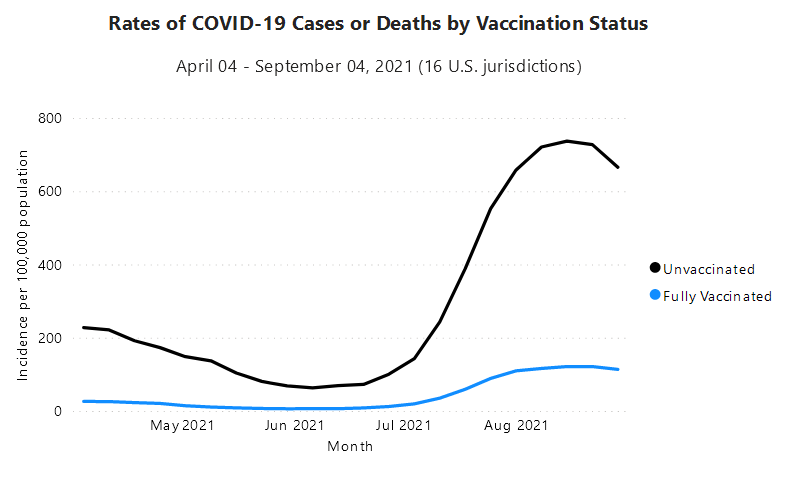
40 words
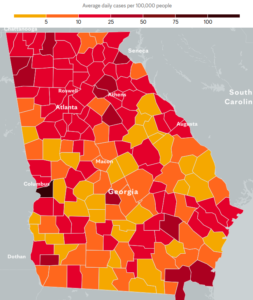
Do what we say and no one gets hurt
Humira now has a twin
Walgreens plans to expand
Today’s mix-and-match* story
* I was going to say “Like a Chinese restaurant menu,” but that sounds like trouble.
October 16, 2021 ✒ Andrew Kantor
Despite what you may have heard on TikTok, Facebook, or from some random blogger or street-corner hobo, the FDA is warning that hyaluron pens are not safe at all. These home-use “dermal fillers” allow people to inject hyaluronic acid into their faces as sort of a Botox-on-the cheap. Without medical supervision. Patients, it says… …may not be aware of the serious adverse events that have been reported in connection with their use, such as permanent damage to the skin, lips, and eyes. If you or someone you know ‘experiences adverse effects’ after self-injecting acid into your face, you can report that to the FDA … but take some photos first to grab a bit of Reddit karma. We could have showed you ‘bad hyaluron results’ instead Lupin Pharmaceuticals is recalling all its irbesartan and irbesartan hydrochlorothiazide tablets due to a potential impurity. Lot and NDC numbers are on the FDA’s site. The FDA approved a Covid-19 vaccine booster from Moderna. Expect the details to be the same as with the Pfizer boosters. Meanwhile, an FDA advisory committee unanimously recommended Johnson & Johnson boosters at least 2 months after receiving their first shot. That needs to go to the FDA itself for approval. Former FDA Commissioner Rob Califf and his mustache look to be on the hot list for the job. They served in the position under President Barack Obama. Johnson & Johnson has filed for bankruptcy. Sort of. The company it spun off to deal with the talcum powder lawsuits, LTL Management, has done so — as expected. The tactic, commonly referred to as the Texas two-step, was first used by firms decades ago as a way to mitigate costs associated with asbestos claims. The FDA has the quadrivalent flu vaccine (flucelvax quadrivalent) for children as young as six months old. That is all. The latest CDC data show that the U.S. set a new 12-month record for drug overdose deaths, and that follows a record-setting 2020. In that 12 months — a period when Covid-19 pandemic took hold in the United States and shut down normal daily routines — the US saw 96,779 reported drug overdose deaths, an increase of 29.6% from March 2020 to March 2021. Today, if you want to monitor glucose, you need either a needle and drop of blood, or a device embedded under the skin. But Penn State engineers have something new: a “noninvasive, low-cost sensor that can detect glucose in sweat.” Of course it uses nanotechnology — a nickel-gold alloy, an atom-thick layer of carbon, and a microfluidic chamber … really, we all know it’s just magic. But if it’s magic that works outside a few grad students (the thing is just the size of a quarter), it could be good news for diabetics.J&J bankruptcy, facial acid warning, booster updates, and more
Don’t inject acid into your face
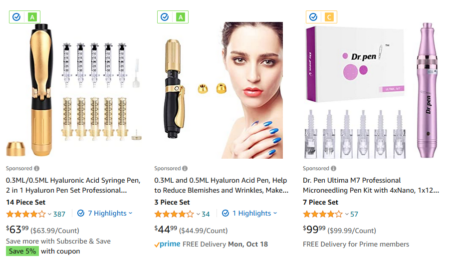
Irbesartan recall
ICYMI
booster club
FDA commish

J&J does the two-step
Flu shots for the little ones
The opioid crisis got worse
No prick necessary
October 15, 2021 ✒ Andrew Kantor
The WHO is preparing another task force to try to find the origin of the SARS-CoV-2 virus. Monkeys? Lab leak? Pangolins? Hollow-Earth lizard people? The previous task force left after being stonewalled by Chinese authorities; this one, however, will come armed with strongly worded letters and Very Serious expressions. Vaccinations up, cases down, deaths starting to go down in most places. (About 81 Georgians a day are dying from it.) Trigger warning: The following story contains the phrase “right-size.” Need PPE? The Georgia DPH has some extra on hand, and you can order it (while supplies last) through the end of the year. The Georgia Department of Public Health’s warehouse is beginning to right-size our PPE and vaccine ancillary inventory. To assist with consolidation, we will allow facilities and agencies to order items for current or future responses between now and December 31, 2021. We have only listed the things that we have in excess over the 60-day stockpile. They’ve got N95s, KN95s, surgical masks and gowns, coveralls, Air Armour Decon Pro Fogger Solution (fogger required), Lure Lock, and sharps containers. All the stuff is by the pallet. Check out the details and order what you need (and can store). It’s old news that the official food pyramid was created with a lot of food-industry input — meaning it’s really not the best source for what’s nutritious and what’s not. Harvard has its version, and now the latest alternative comes from Tufts: The Tufts Food Compass. It’s less a fancy consumer chart and more of a “nutrition profiling system,” which they hope to expand so every food you eat is rated from 1 (“should be minimized”) to 100 (“encouraged”). To create a score, 54 attributes are scored across 9 health-relevant domains: nutrient ratios, vitamins, minerals, food ingredients, additives, processing, specific lipids, fiber & protein, and phytochemicals. Here’s an odd finding, courtesy of the University of Buffalo: People who take proton-pump inhibitors for heartburn are likely to have better dental health — specifically, “smaller probing depths in the gums (the gap between teeth and gums).” How’s that possible? Their guess: PPIs may change either bone metabolism or gut bacteria, leading to fewer harmful bacteria in the mouth. As usual, “Additional studies are under development.” Sunscreen with zinc may seem like your friend, but don’t let your guard down. After two hours, that changes. You see, the ingredients in sunscreens are all evaluated for safety separately. Oregon State University researchers were curious if their safety profile changes when they’re make into compounds — sunscreens. Without zinc oxide, the sunscreens were stable under UV light. Yay. After two hours, the zinc oxide… …degraded the organic mixture and caused a greater than 80% loss in organic filter protection against ultraviolet-A rays, which make up 95% of the UV radiation that reaches the Earth. But it also caused the compounds to degrade into chemicals that “caused significant increases in defects to the zebrafish we used to test toxicity.” So UV-filter chemicals are good. And zinc oxide might be good. But when they’re put together … not so much. Well, technically the phthalates in those things do, according to researchers at NYU and the University of Iowa. Those chemicals disrupt the functioning of certain enzymes, which leads to an increase in deaths. A lot of them. “Extrapolating to 55–64 year olds,” they said, “we identified >90,000 attributable [American] deaths/year.” [They] analyzed data from more than 5,000 adults between the ages of 55 and 64. They found that those with the highest level of phthalates in their urine were more likely to die earlier than expected, especially of heart-related causes. More importantly, that’s more than $40 billion in lost economic productivity! “Regulatory action,” they say, “is urgently needed.” Johnson & Johnson wanted to get into the booster game (and its sweet, sweet profits). It may have backfired, though. The FDA was iffy about J&J’s data, and now the NIH says yeah, a booster may be a good idea … but a Moderna or Pfizer booster. Cancer researchers, it seems, don’t have a common naming system for cancers. Some use the type of tumor, some use the location in the body. That means there’s no easy way to see how one genomic study might relate to another. A ‘soft-tissue study’ might be looking at the same kind of tumor as a ‘breast cancer study.’ So researchers at the Salk Institute decided to change that. First, they painstakingly went through cancer studies “and reclassified each cancer according to a consistent naming system.” Then they looked at the prevalence of genetic mutations in this new, more accurate database. The result, they say, is huge: a comprehensive list of the most commonly mutated genes in all cancers. When they analyzed the data, they found that some widespread beliefs were incorrect. For example, KRAS is an important cancer-promoting gene that was believed to be mutated in 25% of all cancers; rather, it was found to be involved in only about 11% of all cancers. With researchers now able to be on the same page, and knowing which mutations are most common in the entire cancer patient population, it could streamline a host of research avenues.PPE giveaway, why zinc doesn’t mix, death by shampoo, and more
Once more, with feeling
Latest Covid news
DPH PPE for Y.O.U.
A new food scale

Unexpected correlation
When zinc goes bad
Shampoo, makeup, and plastic containers kill 90,000 people a year
Well that backfired
Toppling cancer’s Tower of Babel
October 14, 2021 ✒ Andrew Kantor
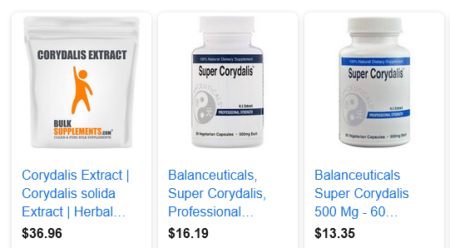
Congrats to GPhA Past President Ira Katz, owner of Atlanta’s Little Five Points Pharmacy — he was named the NCPA Independent Pharmacist of the Year* for demonstrating “exemplary professional leadership, service to community, and commitment to independent pharmacy.” Former Georgia Insurance Commissioner Jim Beck was sentenced to seven years and three months in prison Tuesday for fraud and money laundering. Georgia once again ranks near the bottom — #4, in this case — for health insurance coverage, behind Texas, Oklahoma, and Alaska. About 13.4% of Georgians don’t have insurance, and 16.6% have avoided medical care because of cost. The FDA has lowered the limits it wants to see in products with a lot of salt, like … sheesh, just about everything. The key phrase, though, is “wants to see.” The recommendations are non-binding, and don’t even have a time frame, although if the industries don’t comply that could change. The agency also gave its first approval for marketing of a vaping product, allowing British American Tobacco to promote its Vuse Solo e-cigarettes and tobacco-flavored pods. Going for the green, Japanese pharma company Astellas has begun using the first “biomass-based plastics made from plant-derived materials” in the blister packs for its pharmaceutical products. It claims to be “the world’s first use of biomass plastic for drug blister packages.” Who are we to argue? A potential new tool to stop opioid addiction is the extract of the Corydalis yanhusuo plant. It’s simple (say the University of California pharmaceutical researchers who published their findings): Simply take the compound, called YHS, at the same time as an opioid. The research findings show that YHS, when coadministered with morphine, inhibits morphine tolerance, dependence and addiction. If YHS is used with morphine at the start or during pain management, there will be less need of morphine and thus less risk of addiction. Twist: YHS is a traditional Chinese medicine, and it’s available online as an analgesic. A meta-analysis by Canadian researchers found that “Topical medication for pain relief is safer and more effective than opioids in treating knee osteoarthritis pain.” Opioids, they said, “did not significantly relieve pain for osteoarthritis patients.” On the other hand, over-the-counter diclofenac does work. (And, in fact, they suggest that diclofenac be the first treatment a patient tries.) This one is from Switzerland — a “highly potent antibody” discovered by researchers there that (they say) stops the virus from replicating while not being affected by changes to the spike protein. The antibody blocks the spike protein from binding to cells expressing the ACE2 receptor, which is the receptor the virus uses to enter and infect lung cells. That means the antibody halts the viral replication process. Even better, it can offer protection for six to eight months. Next up: Production and clinical trials before it can enter the crowded field of “game-changers.” “Hip fracture hospitalizations down 11% during first COVID-19 lockdown” Yesterday we told you that mushrooms were good for depression. There’s one big caveat: They can’t be poisonous. This is a lesson being learned the hard way, based on poison control center reports. The folks at Rutgers University had a useful suggestion: “Be skeptical of recipes online and in specialty cookbooks encouraging you to add adventurous twist to meals by picking (foraging) wild mushrooms.”Opioid stopper, the benefits of not moving, salty talk from FDA, and more
NCPA names Ira Katz Independent Pharmacist of the Year
* Technically the National Community Pharmacists Association 2021 Willard B. Simmons Independent Pharmacist of the Year Award.
In Georgia news
FDA news
Ease up on the salt
First e-cig can advertise
File under “That’s vaguely interesting”:

A pill to keep you free
Speaking of opioids…
Today’s new breakthrough Covid treatment
Hooray for not going anywhere
Elsewhere: New Joisey
October 13, 2021 ✒ Andrew Kantor
What you’ll read: “New advice says don’t take aspirin to prevent heart attack.” The devil in the details: The latest advice from the U.S. Preventive Services Task Force says … Sure, children are cute, and it’s natural to want to protect them*, but when you look at the data, the kids are (probably) all right: “An unvaccinated child is at less risk of serious Covid illness than a vaccinated 70-year-old.” The GPhA member and 2005-06 president was featured in the Drug Store News story, “A family affair: Multigenerational pharmacists share their stories.” Originally I thought, I don’t want to follow in my dad’s footsteps and become a pharmacist. As I got older, I really resonated with the way he impacted our community. I realized then that pharmacy was truly a profession that could make a difference. I have always felt that I had a servant’s heart, and pharmacy is truly a service profession. Chancy reports that he has since returned the heart to the servant who supplied it. Eating mushrooms — the regular kind, not the magic ones — may cut your risk of depression. That’s what Penn State researchers found after collecting data on more than 24,000 U.S. adults. Simply put, “They found that people who ate mushrooms had lower odds of having depression.” Their guess as to why: [M]ushrooms contain ergothioneine, an antioxidant that may protect against cell and tissue damage in the body. Studies have shown that antioxidants help prevent several mental illnesses, such as schizophrenia, bipolar disorder and depression. Annnnnnd the caveats: They didn’t narrow it down to see which mushrooms this applies to, nor are they entirely confident whether this is causation or just correlation. When Joe Biden took office, we all knew the end of the pandemic was in sight. Waving his magic wand, we would soon have a return to normalcy. Masks would disappear, restaurants would be packed, and unicorns would poop rainbow ice cream. Today… not so much. Mixed messages, the delta variant, anti-vaxxers, anti-maskers, new mandates — the latest polls show more people are thinking the unicorns will be stuck in their stable a while longer. Vanderbilt University researchers studied a decade’s worth of records to conclude that yes, helmets protect kids from head injuries: “The impact of helmet use on neurosurgical care and outcomes after pediatric all-terrain vehicle and dirt bike crashes: a 10-year single-center experience.” When it comes to drugs, most Americans support capitalism — that is, the buyer and seller agree on a price. (So finds the latest poll.) But when it comes to Medicare being allowed to negotiate, “most Americans” don’t get a say — that’s between lawmakers and the pharmaceutical industry. From how it works to where it fits in the treatment scheme, courtesy of Yale. It’s a powerful weapon, for sure. The downside: Because it will be available via an emergency use authorization, people who refused the “experimental” vaccines will not want to take this, either. Heck, if people will look to Dollar General for healthcare they’ll probably be willing to try … Best Buy? Everything you wanted to know about “heterologous vaccinations” — taking Covid-19 vaccinations from different manufacturers — is in “A primer on what we know about mixing and matching Covid vaccines”. (Spoiler: It’s actually done fairly often, but there isn’t a lot of hard data.)Happiness through mushrooms, watch your head, aspirin do’s and don’ts, and more
Daily aspirin gets some disclaimers
Where the risk really is
* Most of them
Shout-out to Hugh Chancy!
No magic necessary
The best-laid plans

Captain Obvious guards his noggin
What the market will bear?
Everything you want to know about Merck’s Covid pill
Best Buy gets into the game
The Long Read: Mixing and Matching edition
October 12, 2021 ✒ Andrew Kantor
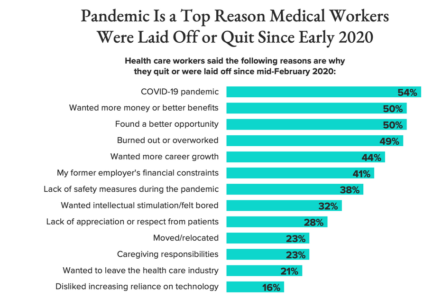
The headline says it all, really: “People who eat meat experience lower levels of depression and anxiety compared to vegans.” That’s based on what psychology researchers at the University of Southern Indiana found after reviewing 20 papers (“selected for methodologic rigor”) out of a pool of more than 7,000 looked at the psychological effects of vegetarianism. Researchers found a significant association between meat consumption/abstention and the incidence of depression and anxiety, with individuals who consumed meat having lower average depression and anxiety levels than meat abstainers. And, they said, the higher the study quality, the bigger this association. Check out this video from APhA and Johnson & Johnson celebrating American Pharmacists Month — why not share it, or even put it on your website? (At least give it a like, huh?) https://www.youtube.com/watch?v=wrdItjoQUVw From the pandemic to increased use of technology, healthcare workers have a bunch of reasons for having lost their jobs (18% have quit, 12% have been laid off). Interesting read, for sure, but the article has two big holes to note. First, “Covid-19 pandemic” is the top reason, but they don’t say what that means. Refusal to be vaccinated? Fear of catching it? Too many patients? Second, as you’ll see in the chart, it counts people who were “laid off or quit.” So what did the people who were laid off blame? The pandemic? “Wanted more money”? I wasn’t laid off, honey, I quit because I felt bored. Worth reading, sure, but keep in mind what it’s not saying. It’s becoming a pattern: “Traditional” medicine uses a particular plant or substance to treat a condition. Scientists examine it and suss out the mechanism — if possible, isolating and improving it. (Willow bark-to-aspirin is the poster child.) The latest comes from Oxford University, where they’re working on the Himalayan fungus Cordyceps sinensis, “used in traditional Chinese medicine for hundreds of years to treat cancers and other inflammatory diseases.” With a bit of a modern tweak so it doesn’t break down in the blood stream, they were able to superpower the active ingredient — cordycepin — to last longer and deliver 40 times the punch … in vitro, at least. But … The scientists are now continuing to assess its performance in the Phase 1 clinical trial on patients with advanced solid tumors, and are planning to follow that up with Phase 2 trials to further evaluate its clinical potential. Despite those classic ’80s commercials, once science gets involved we learn that no, there’s no point in using “blue-blocking” lenses when using your computer. They “did not alter signs or symptoms of eye strain with computer use relative to standard clear lenses.” The latest potential Alzheimer’s treatment is (insert drumroll) bumetanide. Yep: The diuretic, it turns out, can affect the APOE4 gene, which is common in Alzheimer’s patients. Could bumetanide then affect Alzheimer’s? If the UC San Francisco researchers were correct, “people already taking bumetanide should have lower rates of Alzheimer’s.” Quick! To the Bat-Health-Records-Analyzer! Lo and behold, they found… People who had the APOE4 gene and took bumetanide had a 35% to 75% lower prevalence of Alzheimer’s disease compared to those not taking the drug, the data showed. You know what’s next: “further tests and clinical trials are needed.” = MEANWHILE = The FDA has given Roche’s IgG1 antibody gantenerumab the coveted “Breakthrough Therapy” designation, thanks to two trials that both showed “a significant reduction in brain amyloid plaque in Alzheimer’s patients.” Ongoing phase III trials are expected to be completed by mid next year. Epigenetics: First it’s real, then it isn’t, now it is (but different). Read about “the misunderstood science that could shed new light on ageing.” Finally getting sick and tired of the poor treatment of its animals, a USDA administrative law judge has closed down the nation’s largest supplier of chinchillas* for medical research. Not surprisingly, they’re the “prime model for studies of hearing, hearing loss, and ear infections,” so researchers may be forced to consider working with the British royal family.Chinchilla shutdown, new Alzheimer’s treatments, meat makes you happy, and more
Meat eaters are happier
A ‘thank you pharmacists’ video
13 reasons why (they quit healthcare)
Another fungus, another med
Blue’s blues

Alzheimer’s news
The Long Read: Nature and Nurture edition
Chinchilla abuser shut down

* Think “mice the size of rabbits”
October 09, 2021 ✒ Andrew Kantor
An ongoing study finds “No serious health effects linked to mRNA COVID-19 vaccines” — it’s looked at 6.2 million people so far, from December 2020 through June 2021. Vaccines for Things Other Than Covid dropped significantly in 2020, at least looking at data for Michigan. That included vaccinations for diphtheria, herpes, HPV, meningitis, tetanus, and whooping cough. A study in the American Journal of Public Health found that April 2020 was the worst month, with… 86% fewer adolescents receiving shots, 83% fewer children ages 2 to 8, and 82% fewer adults. Children under age 2 had the smallest drop in vaccinations, with 35% fewer getting shots in April 2020. Need an organ transplant? You might be bumped if you’re not vacciniated. Across the country, growing numbers of transplant programs have chosen to either bar patients who refuse to take the widely available covid vaccines from receiving transplants, or give them lower priority on crowded organ waitlists. Guys (and post-menopausal women) can, it seems, lose weight without changing their diets. The key: drugs called PDE9 inhibitors. They’re still experimental — being tested as treatments for Alzheimer’s and sickle cell — but Johns Hopkins researchers thought they might help heart issues, too. Indeed, and more: PDE9 inhibitors stimulate cells to burn more fat, reduces obesity, and don’t have side effects. The big takeaway: …if [the] lab’s findings in mice apply to people, someone weighing 250 pounds could lose about 50 pounds with an oral PDE9 inhibitor without changing eating or exercise habits. The science: The investigators found PDE9 inhibition produces these effects by activating a master regulator of fat metabolism known as PPARa. By stimulating PPARa, levels of genes for proteins that control fat uptake into cells and their use as fuel are broadly increased. APhA and the National Alliance of State Pharmacy Associations are launching the “Pharmacy Workplace and Well-being Reporting portal” — a place for pharmacists, technicians, and student pharmacists to share workplace concerns anonymously. The reports will be collected and analyzed by the Alliance for Patient Medication Safety, a federally recognized Patient Safety Organization, to help tell a collective, powerful story to spark change and improvement in pharmacy personnel well-being, and patient safety. Where is it? you ask. Right here. Once you realize how utterly filthy your fellow humans are — and knowing flu season is coming — it’s not a big leap to wear a mask and keep your distance. And if you make that decision, you’re apparently not alone. More than half of people surveyed by the National Foundation for Infectious Diseases said they would continue to wear masks. Other people, though, were not as worried — “44% said they were either unsure or did not plan to get vaccinated during the 2021-2022 influenza season.” (Of those, more than a third said they didn’t need a vaccine because they had never had the flu. Presumably they don’t wear seatbelts if they’ve never been in an accident.) If you want to beat the bad guys, one way is to turn their own against them. In this case, to get rid of bacteria on medical devices, researchers at the Centre for Genomic Regulation engineered Mycoplasma pneumoniae bacteria so instead of being harmful itself, it would go all Benedict Arnold and secrete enzymes deadly to harmful microbes. M. pneumoniae was first modified so that it would not cause illness. Further tweaks made it produce two different enzymes that dissolve biofilms and attacks the cell walls of the bacteria embedded within. The researchers also modified the bacteria so that it secretes antimicrobial enzymes more efficiently. And it worked — “According to the authors, injecting the therapy under the skin of mice treated infections in 82% of the treated animals.” The Merck/Ridgeback Covid-19 treatment costs about $2.50 a treatment. Outside the U.S., it will cost “no more than $20,” giving the companies a healthy profit. And for the U.S. government — which, by the way, paid for the university research that discovered it? Merck is charging about $700 a treatment. The companies will undoubtedly argue that their price covers the costs of discovery and development—that without extraordinary profit margins of 95% or greater there would be no incentive to develop new drugs. Other fun fact from the article: Egypt eliminated hepatitis C in the country in less than a year, using a two-drug, three-month curative therapy. It cost $45 to treat each person. In the U.S., the drugmaker charges about $80,000. “>140,000 U.S. Children Have Been Orphaned by COVID-19” reads the Drugs.com headline. In fact, more than 140,000 U.S. children have lost at least one parent or caregiver. Which is still awful, but they aren’t orphans. “We might finally know what causes ‘COVID toes’” Live Science reports. The rashes some people have gotten as a bonus with Covid-19 — it looks like frostbite on the toes — appear because the virus (via type 1 interferons) puts the immune system in overdrive — causing a “runaway immune response in which the body attacks its own tissues.” Because you’ve been good this week, we’ll skip a picture. Use your imagination. …when the American Academy of Ophthalmology reminds people not to buy decorative Halloween contact lenses from the hobo on the streetcorner.Covid toe solved, annual eye warning, fat-burning pill, and more
Vaccine quick notes
One pill to burn your fat away
How’s work?
Better safe (or sorry)
The killer is in the house
Fun facts about molnupiravir
I do not think that word means what you think it means
Mystery solved (maybe)
It’s that time of year
Do you want to send your members the daily Buzz email newsletter (customized for your state and organization, perhaps)? Let’s talk — just drop me a note at andrew@gphabuzz.com!

- As Lung Disease Threatens Workers, Lawmakers Seek Protections for Countertop Manufacturers
- Republicans Fret Over RFK Jr.’s Anti-Vaccine Policies While MAHA Moms Stew
- Primary Care Is in Trouble. So Doctors Band Together To Boost Their Market Power.
- Cosmetic Surgery Investigation Prompts Warnings for Patients, and a Push for Tighter Safety Standards
- Listen to the Latest ‘KFF Health News Minute’
- Banks Are Becoming Bulwarks Against Scams for Vulnerable Seniors
- January 2025
- December 2024
- November 2024
- October 2024
- September 2024
- August 2024
- July 2024
- June 2024
- May 2024
- April 2024
- March 2024
- February 2024
- January 2024
- December 2023
- November 2023
- October 2023
- September 2023
- August 2023
- July 2023
- June 2023
- May 2023
- April 2023
- March 2023
- February 2023
- January 2023
- December 2022
- November 2022
- October 2022
- September 2022
- August 2022
- July 2022
- June 2022
- May 2022
- April 2022
- March 2022
- February 2022
- January 2022
- December 2021
- November 2021
- October 2021
- September 2021
- August 2021
- July 2021
- June 2021
- May 2021
- April 2021
- March 2021
- February 2021
- January 2021
- December 2020
- November 2020
- October 2020
- August 2020
- July 2020
- March 2020
- February 2020
- January 2020
- December 2019
- November 2019
- October 2019
- September 2019
- August 2019
- July 2019
- June 2019
- May 2019
- April 2019
- March 2019
- February 2019
- January 2019
- December 2018
- November 2018
- October 2018
- April 2017
