
October 08, 2021 ✒ Andrew Kantor
In case you haven’t seen photos of graduation ceremonies, here’s some news: Pharmacist demographics are changing, along with other healthcare professions’. There are fewer White males. But there aren’t many more Black or Hispanic men. Instead, the biggest change is “increases among White and Asian women” (although there were smaller increases in Black and Hispanic women). So what does it mean? Not sure … except maybe for stock-photo companies. It’s the biggest day of the year, and it’s coming fast! Yep, GPhA’s Fall Region Meeting — your Region Meeting — is coming to a restaurant near you. It’s time to sign up! Every one is like a tiny slice of heaven … but held in a restaurant in your area. The food is always great, the company (fellow pharmacists and technicians) is even better, and the hour of CE credit for attending is the icing on the cake. Find your region, find your meeting, and sign up today! That’s not some weird euphemism* — they actually did. In fact, they built tiny robot masseurs and masseuses for the job. The question at hand: Does massage actually help muscle cells heal, or does it just feel good? In fact, it helps the healing: [T]he team found that this mechanical loading (ML) rapidly clears immune cells called neutrophils out of severely injured muscle tissue. This process also removed inflammatory cytokines released by neutrophils from the muscles, enhancing the process of muscle fiber regeneration. After October 30, the DEA will require you to use the single-sheet DEA 222 form to order and transfer C-I and C-II drugs. The triplicate DEA order form will no longer be available or accepted. You can order forms from the DEA here if you have your DEA number. “Health Care Workers Show Greatest Covid-19 Stress” Can statins make diabetes worse? As usual, we wouldn’t ask if the answer wasn’t interesting. In fact, yes, yes they can. Actually, that isn’t necessarily a shock — the idea has been around for a while. But now University of Texas researchers say they’ve pretty much proven the link. They looked at medical data from 166,000 people, half taking statins (“the statin cohort”), half with diabetes but not taking them (“the comparator cohort”). The results were clear: Diabetes progression occurred in 55.9% of the statin cohort vs. 48% of the active comparator cohort. It’s likely a result of statins interfering with insulin resistance. Their advice: Be sure to balance the risks patient by patient. Per the latest KFF Vaccine Monitor: Older (85%) Democrats (90%) with a college degree (82%), especially in urban areas (77%). White (64%) Republicans (59%) with a high school education or less (46%). Fear of Delta (39%), local hospitals filling up (38%), seeing others get sick (36%), vaccine mandates for activity* (35%) Pfizer asked the FDA to authorize its Covid-19 vaccine for kids 5 to 11. That is all. Here’s an unexpected way to test a cancer drug: Weigh the tumors. As in (MIT researchers found) take out some tumor, treat it with a drug, and see if it weighs less afterwards. If it does, the drug works. “Essentially all of the clinically used cancer drugs either directly or indirectly stop the growth of cancer cells. That’s why we think measuring mass could offer a universal readout of the effects of a lot of different types of drug mechanisms.” It’s a quick way to determine what’s likely to work for an individual patient. Soon — maybe even by the time you read this — the White House will finally nominate an FDA commissioner to replace Acting Commissioner Janet Woodcock. The game: Once the person is named, every time you read that a healthcare organization ‘is looking forward to working with ___,’ take a drink. Stay hydrated, folks.Massaging mice, weighing tumors, the changing faces of pharmacists, and more
Tomorrow’s pharmacists

Region meetings are here!
Harvard researchers massaged mice
* Or is it?
DEA forms: end of an era era era
Captain Obvious takes a deep breath
Statins enable diabetes
Vaccine hesitancy by the numbers
Who’s Getting vaccinated?
Who’s lagging?
What’s making them get the vaccine?
* I.e., gym, travel, parties, etc.
ICYMI
Does this tumor make me look fat?
FDA chief drinking game
October 07, 2021 ✒ Andrew Kantor
One of the side effects of the anti-cancer drug Axitinib is that it inhibits the growth of blood vessels in the brain. That’s important for Alzheimer’s (Canadian researchers figured) because abnormal blood vessels can weaken the blood-brain barrier. So they tested Axitinib on mice with signs of Alzheimer’s. And what d’ya know: By using Axitinib for just one month, the researchers dramatically reduced blood vessel growth, restored the blood-brain barrier, and most significantly, helped mice perform better on cognitive tests. That led the lead researcher to suggest that maybe targeting beta-amyloid or tau plaque in the brain is the wrong path to an Alzheimer’s cure. “[A] great deal of effort appears to have been directed toward the wrong targets for reversing Alzheimer’s disease.” You never need an excuse for beer and tacos, but we’ll give you one anyway: It’s the 2021 Policy on Tap — a fun-filled evening for student pharmacists to eat, drink, be merry, and (in between), hear about pharmacy legislation that will impact their careers. And then back to the beer and tacos. It’s Thursday, October 7, 2021, at Tucker Brewing Company in, well, Tucker. Sample the brews, enjoy the tacos, and tell yourself it’s “studying.” (We’ll have guest speakers Representative David Knight and pharmacy attorney extraordinaire Greg Reybold there.) Heck, you can even bring one guest — better still, grab some other student pharmacists from any pharmacy school (with permission, of course). Click here for info and the Google Forms registration. Payment is by Venmo, instructions are on the page. Questions? Utoy Wong’s your guy: utoy.c.wongs@live.mercer.edu. At-home Covid tests are hard to come by, you may have noticed, thanks to so many test-or-vaccinate mandates. The shortage could ease up, though, as the FDA has authorized a new OTC test: The ACON Laboratories Flowflex. It should double the available at-home tests within a couple of weeks. Sure, Merck’s molnupiravir might be big news in the Covid fight — something to take the moment you’re diagnosed that can cut your risk in half. It’s almost cause for celebration … except in the offices of the Atlantic, the world’s most depressing magazine. There they’ve found a downside. For the pill to work, people will need to realize they’re sick and confirm that with a test; they will need to seek care from a health-care provider and successfully nab a prescription; they will need to access the drug and have the means to obtain it. Then they will need to take the drug successfully, which, according to Merck, means swallowing four capsules twice a day for five days—a total of 40 pills. So yes, it won’t work unless people know they need it and take it correctly. Like every other medication. The Red Cross says we’re at the lowest level in six years. (Give in October and get a free sandwich from Zaxby’s.) Find a donation center near you. The World Health Organization is rolling out the world’s first malaria vaccine, marking “a landmark moment in the fight against malaria.” The vaccine is given in four doses, leading to fears that it wouldn’t be useful, or that people would skip doses. A pilot program in Ghana, Kenya, and Malawi showed that was not the case; more than 800,000 children received the vaccine since the pilot began in 2019. Folks are starting to look at Medicare options for 2022. Be ready if they’ve got questions thanks to the good folks at NCPA: We wouldn’t ask if the answer wasn’t “Yes,” or at least “Maybe.” According to a review from the British Pharmacological Society, it’s “Yes.” This study confirmed the associations between antihypertensive drugs and psoriasis; ACE inhibitors, BBs, CCBs and thiazide diuretics increased the risk of psoriasis. Therefore, antihypertensive drug users should be carefully monitored for psoriasis. Huntington’s disease doesn’t seem to be neurodegenerative after all. Embryologists at Rockefeller University have been able to “detect the earliest effects of Huntington’s in the first two weeks of human embryonic development.” The findings recast Huntington’s, often considered a neurodegenerative condition, as a developmental disease, and point to new approaches for finding treatments for a disease that currently has no cure or therapies. Or, as the lead researcher put it, “When the patient goes to the doctor, that’s when the last dominoes have fallen. But the first domino is pushed in the developmental phase.” Psilocybin can do wonders for depression. But psilocybin and music? That’s magic. Those shifty Danes, noting that people who take LSD often have an emotional reaction to music, decided to see how psilocybin affected patient’s feelings about music. Turns out the psilocybin “increased the participants’ reported emotional response to the music by an average of 60 per cent.” While that might make “Dark Side of the Moon” more fun, the real hope is that it might lead to better therapy. “This shows that combination of psilocybin and music has a strong emotional effect, and we believe that this will be important for the therapeutic application of psychedelics if they are approved for clinical use.” “Generic drug safety: US regulators struggle to keep up with a global market” While inspectors can, and do, turn up at US factories unannounced, it’s far trickier to perform surprise inspections at facilities located on the other side of the world, particularly amid a global pandemic – making it easier for rules to be flouted and improper practices to be covered up.Adding magic to the mystery tour, plus malaria endgame, Huntington’s surprise, and more
Today’s Alzheimer’s breakthrough
Student pharmacists — it’s Taco Thursday (plus beer)
There’s a new Covid test in town
Eeyore’s spirit magazine
Give blood
WHO: Let’s kick some malarial butt
Get yer Medicare resources
“Do blood pressure medications increase the risk of psoriasis?”
Huntington’s starts at birth
Magic in the music
The Long Read: Protecting the Supply Chain edition
October 06, 2021 ✒ Andrew Kantor
After a bit of a hiatus, the writers are back to teasing the next season. First, from Japan, comes news of “A previously unknown virus that can infect humans” they’ve named “Yezo.” It’s transmitted by tick bites. It’s “a new type of orthonairovirus, a class of nairovirus, that includes pathogens such as the Crimean-Congo haemorrhagic fever virus.” And then there’s the cheery news that by melting permafrost, climate change “could release radioactive waste and awaken sleeping viruses.” (That from a study by NASA’s Jet Propulsion Lab.) Because Arctic microbes have evolved to survive subzero temperatures with minimal access to nutrients or water, many are capable of coming back to life even after thousands of years in a deep freeze. The company requested an emergency use authorization for booster shots of its Covid-19 vaccine for people 18 and older. Rheumatoid arthritis may not be curable, but a vaccine could be on the way. Medical researchers at the University of Toledo (in Ohio, not Spain) thought a protein called “14-3-3 zeta” might be the trigger. But it turned out to be the opposite; removing it caused severe early onset. Well then. So they switched gears and “developed a protein-based vaccine using purified 14-3-3 zeta protein grown in a bacterial cell.” Bingo. They found the vaccine promoted a strong and immediate — but long-lasting — response from the body’s innate immune system, providing protection against the disease. “Much to our happy surprise, the rheumatoid arthritis totally disappeared in animals that received a vaccine. Sometimes there is no better way than serendipity.” The question, posed by the University of Michigan: “When blood pressure needs more control, what’s better: An additional drug or more of the same?” The answer in most cases: “[P]atients have a better chance of sticking to their medication regimen if their doctor maximizes the dosage of one of the drugs they’re already taking.” Adding a new medication “has a very slim advantage over increasing the dose of an existing medication,” but the risks of interactions and side effects more than balances that out. Vaccines give long-term protection from Covid. Antivirals can help once you’ve been exposed. In between — well, that’s where AstraZeneca hopes it’s new drug, AZD7442, will fit. It’s just asked for emergency use authorization from the FDA. AZD7442 can prevent Covid for a shorter time than vaccines (although tests may show it lasts longer), and the company hopes it can grab a piece of the market that it lost when its Covid vaccine didn’t pass muster. The antibody therapy called AZD7442 could protect people who do not have a strong enough immune response to COVID-19 vaccines or to supplement a vaccination course for those, such as military personnel, who need to booster their protection further, AstraZeneca has said. So if you’re planning a trip to, say, Florida, this could be an extra boost … just in case. The latest study finds that the effectiveness of the Pfizer/BioNTech vaccine “dropped to 47% from 88% six months after the second dose.” However… The analysis showed that the vaccine’s effectiveness in preventing hospitalization and death remained high at 90% for at least six months, even against the highly contagious Delta variant of the coronavirus. We pretty much know that cannabis has some therapeutic effects, but details have been scarce — research has been pretty much prohibited … until recently. Now Aussie pharmacology researchers are starting to fill in the blanks. While THC and CBD get all the attention, they isolated some of the other cannabinoids in marijuana — and they found three that reduced seizures in mice. One of these cannabinoids, cannabigerolic acid (CBGA), is the “mother of all cannabinoids”, as it is the precursor molecule to the creation of better-known cannabinoids, like cannabidiol (CBD) and tetrahydrocannabinol (THC). So it’s possible that marijuana is chock full of useful chemicals, and it’s only THC that gives lawmakers headaches. “The cannabinoid acids are abundant in cannabis but have received much less scientific attention. We are just beginning to understand their therapeutic potential.” “Higher levels of education and higher income mean better health for older adults.” Could … could the Chinese have lied about when Covid-19 first appeared? Or maybe it was just a happy coincidence that… Chinese labs in Wuhan purchased an increased quantity of coronavirus testing equipment several months before the first virus case was reported to the World Health Organization (WHO) in December 2019. (As much fun as it is to point the finger, it is also possible the lab was simply doing more virology research — research that eventually led to the SARS-CoV-2 virus escaping in December after all. But that isn’t nearly as interesting.) Tracking the spread of a cough, a group of Canadian and U.S. researchers found that without masks “more than 70 percent of airborne particles pass the two metres threshold within […] 30 seconds. By contrast, less than 1 percent of particles cross the two-metre mark if masks are worn.” It would be great if we could see like this in real life “Why prescription drugs can work differently for different people” by the head of UConn’s Department of Pharmacy Practice.Long-range coughing, China’s coincidence, AZ’s new treatment, and more
Roland Emmerich in talks to direct
J&J gets into the booster game
Arthritis vaccine breakthrough (maybe)
Saving you a click
AZ pushes non-vaccine
Speaking of Covid prevention…
Cannabinoids cornucopia
Captain Obvious hangs out with Scrooge McDuck
Say it ain’t so
Back, I say! Step back!

The Long Read: Worth Sharing With Patients edition
October 05, 2021 ✒ Andrew Kantor
Yes, the Trump administration pushed for the use of unproven drugs to treat Covid, and was mocked for it. But here’s the new twist: You know the Merck antiviral everyone is so excited about? The one that cuts severe disease by 50 percent? The Emory professor who developed it pitched it to the feds back in 2019 (for several viruses) and again in 2020 (for Covid-19). But he didn’t have much data, and no clinical trials. So the feds turned him down for funding, of course. But now that the trials show it does work, the Monday morning quarterbacks come out: The Trump administration’s decision almost certainly delayed the development of the drug. Having an effective antiviral pill during the Delta wave could have substantially reduced its death toll. Wait, what? Yes, that article is implying the Trump administration should have approved a drug … without evidence. Perhaps by using the White House’s secret crystal balls. The Academy of Independent Pharmacy of the Georgia Pharmacy Association seeks a dynamic leader for the position of vice president of the academy. The position is located in Sandy Springs, Georgia. The vice president’s position is responsible for growing the AIP membership through continually increasing the academy’s value proposition. The position supervises up to five people, so prior supervisory experience is required. For further information about the position, please click here to review the job description. If interested, please send your résumé or CV to asullivan@gpha.org, along with your salary history no later than October 29, 2021. References will be required if your résumé is selected for follow up. Questions about the position may be sent to bcoleman@gpha.org. Bayer is voluntarily recalling unexpired Lotrimin AF and Tinactin spray products over the potential for benzene contamination. “The affected products shipped between September 2018 and September 2021” and you can find a list of lot numbers on the press release page. The bad news: Georgia ranks #6 for Covid hospitalizations and #6 for death rate over the last week. At least 100 people are dying every day. The state is averaging more than 3,400 new daily reported cases (and who knows how many unreported). Now the good: Cases are down by 24% in the last week. So are hospital admissions (-27%) and ICU admissions (-27%). Deaths are declining, too (-16%) and should go down even more over the next two weeks. Of note: 12-17 year olds [have] been a low to middle of the pack age group for the summer 2020 and the winter 2020-2021 surge. But they have dominated during the summer 2021 (delta) surge. Children aged 5-10 year olds are the second biggest contributor to disease. The big question: Is this finally the beginning of the end of the pandemic, or is this just a lull in the virus’s still-unexplained two-month cycle? “Barring something unexpected,” said former FDA commish Scott Gottlieb, “I’m of the opinion that this is the last major wave of infection.” Here’s hoping. UnitedHealth (insurer and PBM) wants to merge with Change Healthcare (healthcare data processor and technology). But NCPA says that’s a bad idea, and it wants the Justice Department to block the merger. “This deal would give UHG a trove of intelligence on its smaller competitors, including thousands of independent pharmacies and their patients. We believe it would use that intelligence to steer patients away from local pharmacies and send them to their own mail-order business.” No! Force patients to use its own pharmacies? That would never happen! A proof-of-concept study published in Nature Translational Psychiatry found that the constipation med prucalopride (and other 5HT4 agonists) might prevent cognitive decline in patients with mental illness. The researchers found that, compared with those taking the placebo, the volunteers taking prucalopride were both significantly better at the memory test after the scan, and also had fMRI scans indicating enhanced activity in brain areas related to cognition. How? They think it’s because the drug targets the 5-HT4 serotonin receptor. But they’re not sure. Good news: Because prucalopride has minimal side effects, the team is comfortable doing more human tests. Covid immunity after being infected only seems to last a few months — not indefinitely, and not nearly as long as immunity from vaccines. So found Yale and UNC researchers. “Reinfection can reasonably happen in three months or less. Therefore, those who have been naturally infected should get vaccinated. Previous infection alone can offer very little long-term protection against subsequent infections.” The good news: Other studies have shown that infection + vaccination gives excellent protection. It’s time again to play everyone’s favorite pharmaceutical game: Recently Approved Medication or Ancient Egyptian King? Biosimilar drugs are supposed to be interchangeable with the original brand-name version. But the naming conventions mean it’s not that simple for prescribers. [T]he patent on Neulasta expired in October 2015, and there are now several FDA-approved biosimilars on the market: Fulphila (pegfilgrastim-jmdb), Nyvepria (pegfilgrastim-apgf), Udenyca (pegfilgrastim-cbqv) and Ziextenzo (pegfilgrastim-bmez). […] [H]ealth care providers are now required to order a specific version, including the suffix. Further complicating the process, prescribers have no idea which version will be covered by a patient’s insurer.Turning the Covid corner, unconstipated brains, history vs pharmacy, and more
Damned if you do, damned if you don’t
Job opening: AIP vice president
Send back in that Tinactin
Covid updates
NCPA objects to wedding
Opening the (neural) pathways
Short-term protection
Drug … or pharaoh?
Six Seven of these are novel drugs approved by the FDA in 2021. Six Five are names of Egyptian pharaohs from 1805BCE to 445BCE. Do you know which is which?
Previous games
The Long Read: Biosimilar Frustrations edition
October 02, 2021 ✒ Andrew Kantor
What if, when treating diabetes, instead of focusing on blood sugar first and weight loss second, you swapped them? That’s the recommendation from an international panel of experts who say that treating blood sugar levels is akin to treating the symptom, not the cause. The researchers state that dropping 15% or more of body weight can have a disease-modifying effect in Type 2 diabetes, an outcome that is unattainable by any other glucose-lowering intervention. The new focus would require updating current treatment guidelines and providing significant provider education, The panel’s recommendations are published in The Lancet. Scammers, it seems, are spoofing the Board of Pharmacy’s telephone number and scaring the bejeezus out of pharmacists (“Your license has been suspended”) or just asking for info (“We’re doing a system update”). So if you get a call from the BoP — (404) 651-8000 — tell them you’ll call right back, then dial the number yourself. See Thomas climb. Climb, Thomas, climb! Help Thomas move to the top of the mountain! The mountain is the $24,000 the Georgia Pharmacy Foundation is working to raise for student scholarships, education, mental health programs, opioid safety, and more. And we need your help — Thomas needs your help — to make it. Doing that important work takes funding. It take you. Together, we can move mountains … or at least climb them. Please, donate to the foundation today! The latest entry in the Covid-treatment game is Merck/Ridgeback, with molnupiravir — an oral antiviral that, they say, clinical trials show cuts the risk of death in half. In the placebo group, 53 patients, or 14.1%, were hospitalized or died. For those who received the drug, 28, or 7.3%, were hospitalized or died. In fact, the results were so good that an independent board of experts recommended the study be stopped early. The companies will be applying for an emergency use authorization shortly. (Other companies are hot on their heels, though, with their own antivirals.) Bonus: Article includes the phrase “game-changer.” The Czechs, it seems, have come up with the next new antibiotic replacement. Researchers at the Czech Academy of Sciences have found that a new compound, a type of lipophosphonoxin, could be a replacement for antibiotics — at least in some situations. LPPOs hold considerable promise as a new generation of antibiotics. They do not have to penetrate the bacteria but instead act on the surface, where they disrupt the bacterial cell membrane. Finding the compound was one thing. Making it useful was another. To do that they, of course, did what any of us would to: added nanotechnology, creating an anti-bacterial dressing for skin wounds. Next up are clinical trials. A group of physicians calling themselves “America’s Front Line Doctors” A) has apparently been scamming people for a while with fake consultations and prescriptions for unproven Covid-19 treatments, but even worse, B) was just the victim of a hacker who released all its operational and patient data, as Fierce Healthcare reports. But first, from Time magazine: Hundreds of AFLD customers and donors have accused the group of touting a service promising prescriptions […] and failing to deliver after a fee had been paid. Some customers described being charged for consultations that did not happen. Others said they were connected to digital pharmacies that quoted excessive prices of up to $700 for the cheap medication. “They’re the 21st century, digital version of snake-oil salesmen,” says Irwin Redlener, a physician who directs the National Center for Disaster Preparedness at Columbia University. It may not matter much anyway: The group’s founder is facing prison, it’s about to lose its non-profit status, and the company that provides the technology for its consultations pulled the plug: “Cadence Health’s Roque Espinal-Valdez said he shut the platform down, not wanting any part in profiting off of Covid-19 ‘quackery.'” Side note: You kids might not know this, but once upon a time medication wasn’t a political thing. You had a headache, you took aspirin — no matter who you voted for. Simpler times. Kinsa makes smart thermometers — they connect to your smartphone, and even let you add symptom information. Sales have been booming. But Kinsa sells then sells the data the app collects (anonymized) to Reckitt’s Mucinex, which uses it to run ads and adjust stock “by showing where people are starting to get sick before outbreaks peak.” If you want to take care of your teeth, what’s actually been proven to work? A University at Buffalo researcher decided to find out. What he found: What works for sure: Regular and interdental toothbrushes (teethbrush?); Water Piks; and mouthwashes with chlorhexidine gluconate (by prescription), cetylpyridinium chloride (e.g., Crest Pro-Health), or essential oil (e.g., eucalyptol in Listerine). What might work, but there isn’t any proof yet: Powered toothbrushes, dental floss, probiotics, dietary supplements. (Although he agrees that common sense says that flossing is good.) What’s bad: Triclosan — “the compound is linked to the development of various types of cancers and reproductive defects”. Scams in the news, Covid treatment that works, sharing your temperature, and more
A “pivotal change” to diabetes treatment?
Another scam alert
Pharmacy needs the foundation, and the foundation needs you
Covid treatments (real ones) keep coming
A(nother) new kind of antibiotic
Scam group hacked
This isn’t creepy at all
Four out of five dentists…
October 01, 2021 ✒ Andrew Kantor
What Are Ideal Blood Sugar Levels for Preventing Repeat Strokes, Heart Attacks? asks the American Academy of Neurology. It’s a poorly worded headline. The answer — “right in the 6.8% to 7.0% range” — is more accurately the highest A1C most patients should have. (That’s per a study out of Korea’s Seoul National University.) The study found that people admitted to the hospital with A1C levels above the 6.8% to 7.0% range had an increased risk of having a vascular event like a heart attack, as well as having another stroke. Some states, particularly in the West, introduced laws prohibiting vaccine mandates. Others narrowly passed mandates after intense debate. The reasons for resistance were myriad: Some Americans opposed mandates on the grounds of personal liberty; some because they believed lawmakers were in cahoots with vaccine makers; and some because of safety concerns. […] News articles and health board reports describe crowds of parents marching to schoolhouses to demand that their unvaccinated children be allowed in. That’s from the turn of the century. The 20th century. They were protesting smallpox vaccine mandates. Hundreds of doctors and registered nurses stood ready to begin the stupendous task of inoculating the millions of children throughout the country. Some hitches developed, however. In Maryland’s Montgomery County, 4,000 parents flatly refused to let their youngsters receive the vaccine. Two counties in Indiana objected that the plan smacked of socialized medicine. That’s from 1955. The protest was against the polio vaccine. Want even more? Check out the Wall Street Journal’s “The Long History of Vaccine Mandates in America.” People who wean themselves off antidepressants can still relapse into depression. Then again, found University College London researchers, so can people who continue to take them (but not as often). The numbers — for patients taking antidepressants for at least two years: Interesting: Of that 56% who were weaned off, half chose to stay off them — and most of those (59%) succeeded. Researchers at Tokyo Medical University Hospital have a new study published in BMC Infectious Diseases — they’ve found another potential symptom of Covid-19 — it’s a disturbing variant of restless leg syndrome. Luckily, clonazepam was used to treat it. You may have heard that some people have had an allergic reaction to a Covid vaccine. It turns out (per Stanford researchers) that in most cases the reaction is to the filler — polyethylene glycol — not the mRNA vaccine itself. Even so… Estimated rates of severe vaccine-related anaphylaxis — allergic reactions bad enough to require hospitalization — are 4.7 and 2.5 cases per million doses for the Pfizer and Moderna vaccines. There’s a problem with drugs used to treat hemophilia A and Pompe disease: The immune system attacks the proteins and enzymes that make up the treatment. So University at Buffalo pharmaceutical researchers came up with a novel solution — a “reverse vaccine” that gets the body’s immune system to recognize the medications and learn to tolerate them. “Instead of attempting to reverse the anti-drug antibodies, which is highly challenging, clinical treatments that prevent antibody development may be a more effective strategy.” Today’s Covid cure comes from … Norway! That’s right, the latest drug combination that researchers say will work against the virus is a combination of nafamostat and peginterferon (aka Pegasys Nafamostat is already in use as a monotherapy against COVID-19 and is undergoing extensive testing in Japan, among other places. Pegasys (IFNα) is currently used mainly to treat hepatitis C. Combining the two appears to have a positive effect. “Both drugs attack a factor in our cells called TMPRSS2, which plays a critical role in viral replication.” Not to be all Debbie Downer, but it seems like waiting for a Covid cure is like waiting for the castaways to be rescued from Gilligan’s Island. Rural mortality rates from Covid-19 are now double that of urban areas. “Part of the problem is that Covid incidence rates in September were roughly 54% higher in rural areas than elsewhere.” “We’ve turned many rural communities into kill boxes. And there’s no movement towards addressing what we’re seeing in many of these communities, either among the public or among governing officials.” —Alan Morgan, head of the National Rural Health Association. “Is a Successful HIV Vaccine Finally on the Horizon?” “You know the panic that goes on when a new coronavirus variant surfaces? With HIV, that kind of variation [happens] pretty much every day in everybody who’s infected. It’s just orders of magnitude more variable a virus.”Covid symptom you do NOT want, plus history repeats, reverse vaccine, and more
The right amount of sugar
SSDD
Antidepressants: Stop or go?
That sounds bad
The problem is the fillers
Getting to know you
The next next Covid treatment
The country mouse is in trouble
The Long(ish) Read: That Other Epidemic edition
September 30, 2021 ✒ Andrew Kantor
One of the more annoying effects of Covid-19 (i.e., as opposed to the really dangerous ones) is the loss of smell. Luckily, the University of East Anglia has a smell-loss expert, and he’s starting a study: Can vitamin* A return the sense of smell to those who have lost it? Where did he get the idea? From German researchers, who found (in a small study) that vitamin A in nasal drops seemed to improve the sense of scent. He’s looking to see if it’s true. How do you know if a worm has Alzheimer’s? It doesn’t wiggle. (That’s not a joke — it’s actually how you can tell.) A team at the University of Delaware was doing genetic research with C. elegans, when they noticed something odd: Worms in one Petri disk had Alzheimer’s, while worms in another didn’t. And they had no clue why. So they got a clue. After years of research, the team finally turned up an important difference. While all the worms were grown on a diet of E. coli, it turns out that one strain of E. coli had higher levels of vitamin B12 than the other. Before you rush to buy (or sell) B12, know the caveat: This only happened with worms that were already vitamin B12 deficient — “Giving more B12 to animals with healthy levels does not help them in any way.” But it’s certainly an avenue for research. Georgia Representative Buddy Carter honored outgoing AIP Director Jeff Lurey on the floor of the U.S. Congress Tuesday. Check out the video: Two separate studies looked at an odd effect of Covid-19: diabetes. As in, an abnormally high number of people are diagnosed with it shortly after an infection. It seems that the SARS-CoV-2 virus attacks the ACE2 protein on the surface on the pancreas — yep, that’s the same protein that it attacks in the lungs. Worse, an inflamed pancreas produces more ACE2, making it an even bigger target. A bit of good news — it might only be temporary: It is not yet clear whether the changes triggered by Covid infection are long lasting. “However, we know that some patients who had very unstable blood glucose levels when they were in the intensive care unit and recovered from Covid-19, some of them also recovered [glucose control], suggesting that not all patients will be permanent.” It’s like Christmas, Passover, Arbor Day, and Isaac Newton’s birthday all rolled together! That’s right: It’s time to sign up for your GPhA Fall Region Meeting! Every one is like a tiny slice of heaven … but held in a restaurant in your area. The food is always great, the company (fellow pharmacists and technicians) is even better, and the hour of CE credit for attending is the icing on the cake. (Mmmm, cake.) Find your region, find your meeting, and sign up today! SSRIs, it seems, may slow cancer growth. Researchers at the University of Zurich found that “SSRIs or other drugs that lower peripheral serotonin levels can also slow cancer growth in mice,” likely because cancer cells use serotonin to protect themselves from killer T cells. The hope is that an SSRI can be combined with an immune checkpoint inhibitor to attack tumors. And because these drugs are already approved for humans, clinical trials will be quicker to start. AbbVie’s Qulipta* — a calcitonin gene-related peptide receptor antagonist (aka “gepants”) — received FDA approval for prevention of migraines. It will be available in the next couple of weeks. Once you hit 110 years old, your odds of living another year are almost exactly 50-50*, assuming no new “hazards” enter your life — e.g., war, famine, pestilence. That’s what a new paper published by the Royal Society found after crunching a heck of a lot of data. Or, to be more science-y about it: [A] model with constant hazard after age 108 […] corresponds to a constant probability of 0.49 that a living person will survive for one further year, with 95% confidence interval. And the really cool finding: “Power calculations make it implausible that there is an upper limit to the human lifespan of 130 years or below.” Got a kid with a chest infection? Forget the amoxicillin. It doesn’t work — unless they have pneumonia. So say primary-care researchers at the University of Southampton. That infection is likely viral, so antibiotics won’t help. That’s not just common sense; that’s the result of the “Largest trial of antibiotic amoxicillin for treating chest infections in children.” The Vatican is requiring either proof of Covid-19 vaccination or a recent negative test result to even enter the city-state.Worms that wiggle, coin-flipping your demise, olfactory fix, and more
Stop and smell the War of the Roses
* Pronounced VIH-ta-min
Today’s “That’s odd” moment
Buddy bids farewell to Jeff
What’s with Covid and diabetes?
Region meetings are here!
Antidepressants help break cancer’s defense
New migraine treatment
* One of the rare times the generic name, atogepant, is easier to pronounce than the brand name.
May the odds be ever in your favor
* Technically you’ve got a 49% chance — the house always has an advantage.
Antibiotics don’t work for chest infections
Elsewhere: Oh, God edition
September 29, 2021 ✒ Andrew Kantor
Pfizer has begun a phase 1 (“Will it hurt them?”) study of an mRNA flu vaccine. That’s good news if it works — mRNA vaccines are a lot faster and easier to make — and a lot easier to update with new strains. That’s the benefit of only needing some genetic sequences and not a warehouse full of eggs. Last year there was worry about a “twindemic” of Covid and the flu. That didn’t happen — Covid prevention measures (e.g., masks and social distancing) also, surprise surprise, worked against influenza. Well, welcome to 2021. In places where people aren’t wearing masks (either because they’re safe thanks to the vaccine or they just don’t care about those around them) and social distancing has gone out the window … you can kinda predict the future. Stay safe out there. The latest move in the insulin-pricing game comes from Eli Lilly, which said it’s lowering the price of it’s Lispro injection to $82.42 for individual vials and $159.12 for a pack of five pens. That’s about 70 percent lower than Humalog, which is the identical drug but with different pictures on the package. (Amusingly, the company says two-thirds of its customers pay extra for the “Humalog” box.) Could we eradicate Covid-19? Like, smallpox-level eradication? Kiwi public health researchers did a preliminary analysis, considering transmission, new variants, animal reservoirs, vaccine cost and distribution, and even “government-mediated ‘antiscience aggression’.” Their conclusion: “COVID-19 eradication seems slightly more feasible than for polio, but much less so than for smallpox.” (And, they say, we need to consider whether we even need to eradicate it, if we can control it like we do the flu.) Who’s most likely to have high blood pressure? A study presented at the American Heart Association’s Hypertension Scientific Sessions found the answer is (the envelope, please) … older women and younger men. Apparently men are higher risk at first, but that changes: Men from ages 20 to 49 were up to 70% more likely to have uncontrolled hypertension than women of the same age. The likelihood that treated hypertension remained uncontrolled shifted to women beginning at age 70, when women had a 29% to 63% higher risk than men to have high blood pressure. We’re that much closer to a new Lyme vaccine — Valneva and Pfizer say they’ve seen more positive results from phase 2 (“What’s the right dosage?”) studies of their snappily named VLA15 Lyme vaccine. A previous vaccine, LYMERix, was taken off the market in 2002 after claims (that turned out to be unfounded) that it caused arthritis. Competition for Gilead’s Truvada and Descovy is coming from GlaxoSmithKline’s cabotegravir (aka Cabenuva) — apparently it’s not just an FDA-approved HIV treatment, it’s now got an FDA priority-review designation for HIV pre-exposure prophylaxis. And tests show it works better than Truvada. This one’s from UNC and Stanford. The gimmick: It can be 3-D printed rather than made from molds — in theory, that makes for sharper needles and easier changes for different vaccines. (And microneedle vaccines seem to generate a much more robust response than shots in the arm.) Twist: It can only be printed on a special 3-D printer, which happens to have been invented and sold by the study’s lead author. Well, it is a respiratory illness. “Smokers up to 80% more likely to be admitted to hospital with Covid, study says.” This is one of those “cause or effect” stories: A lot of critically ill Covid-19 patients had low vitamin C levels (according to Spanish researchers). The kick: They aren’t sure whether there’s a risk for people with vitamin C deficiency, or if having Covid depletes the body’s vitamin C level. File it under “That’s interesting, let’s do more research.” “A growing number of cancer patients, especially those with breast and lung cancers, are being spared the dreaded treatment in favor of other options.”Lyme vaccine, shocking smoking study, older women and younger men, and more
For our next trick…
Don’t let a good portmanteau go to waste
Lilly cuts prices
Eradicate! Eradicate!
Who’s getting high?
Lyme vaccine 2.0: almost ready for prime-time
New HIV PrEP a-comin’
Yet another microneedle patch
Captain Obvious sticks to lollipops
“That’s funny…”
* “The most exciting phrase to hear in science, the one that heralds new discoveries, is not ‘Eureka’ but ‘That’s funny…'” —Isaac Asimov
The Long Read: No More Chemo? edition
September 28, 2021 ✒ Andrew Kantor
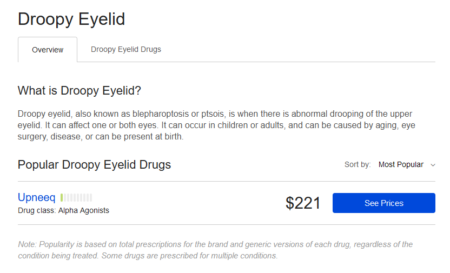
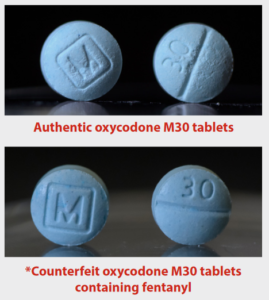
GoodRx is getting into the health-info business — ready to compete with “Dr. Google,” WebMD, and TikTok videos as a source of medical info. “The Answers You Need” promises GoodRx Health, “From doctors, pharmacists, and journalists you can trust.” Choose your condition from an alphabetical list (“Acetaminophen Overdose” to “Yellow Fever”) and get some medical advice … and, of course, prices on drugs to treat it. There are also healthcare articles like “What’s the Best Allergy Medication?” and “Here’s Why Asthma Inhalers Are So Expensive.” Ever so helpful CVS and Rite Aid are suing Bristol Myers Squibb, Gilead, and Teva, claiming the drug makers … well, we won’t say conspired, so how about worked together to delay generics from entering the market. The plaintiffs claim the drugmakers worked together to fend off small generic competitors and position Teva at front of the line to launch copycats for certain HIV drugs. All the while, Gilead reaped profits from generic delays, the suit claims. The CDC issued a clarification of an elucidation of an explication of a statement about booster shots. There are people who should get it, and people who can get it, see? The statement ends with what can only be considered a threat: CDC will be releasing further detailed updates to their Interim Clinical Considerations for Use of COVID-19 Vaccines with more information in the coming days. The DEA is warning that there are a lot of counterfeit painkillers circulating, and they’re killing a lot of people. These aren’t cases of an illegal drug bought on the streetcorner being laced with fentanyl — these are “fake pills […] easily available on social media platforms and e-commerce websites and are designed to look like legitimate prescription drugs.” If an older person breaks a bone, even from an obvious bone-breaking situation (like falling off the roof while putting up Christmas lights in September), they might be at risk for more broken bones. Sure, you might think that only breaks from “minimal trauma” are worrisome. But you’d be wrong, at least according to a paper in JAMA Intern Medicine. Among the women whose first fracture followed a traumatic accident, like falling off a ladder, the risk of a second fracture was 25 percent greater than would have been expected based on women who had no initial fracture. And yes, that applies to men, too. So no matter how the first break happened, it’s worth a checkup of bone health, just to be sure. Diabetics who take GLP-1R agonists do much better if they catch Covid-19 — “a decreased risk of hospitalization, respiratory complications, and death,” according to Penn State medical researchers. That’s good for two reasons: First, obviously, these folks are less likely to die. Second, it opens yet another avenue of research for Covid treatments, especially for patients already at risk. (And, in case you’re wondering, they also tried DPP-4 inhibitors and pioglitazone, but neither had results as good.) It’s not a vaccine — it’s an anti-viral pill, and Pfizer is beginning late-stage tests to see if it can prevent Covid-19 in people who were exposed. The drug has the memorable name of PF-07321332, and it’s passed its phase 1 trial (i.e., it’s safe). Now the company just has to prove it’s effective. If it works, PF-07321332, which is a simple pill, could potentially replace monoclonal antibodies as the treatment of choice for breakthrough infections — stopping them before they can become more serious. “CDC director weighs in on whether kids should go trick-or-treating on Halloween amid the pandemic“. “Should you brush your tongue?” I thought it would be a short piece about how you can prevent bad breath, but no — it’s a detailed article that includes some of the horrors you might face by not brushing it. Discoloration of the tongue is the first sign we might notice to inform us something is off. You may have heard of ‘black hairy tongue’, a condition where the papillae (those raised bumps on our tongue) become elongated and discolored. Pro tip: Do not Google “black hairy tongue.” “How private funding is blurring the peer-review lines in medical research” — asks whether the desire for lucrative patents is keeping research from being properly vetted. Did someone say “Theranos”? Scientists who invent something truly novel are encouraged to patent first and share just enough detail in their published work to satisfy the peer-review process. Bare-bones papers can lead to frustration in the community and, critics say, limit opportunity for validation, creating false hope for people suffering from disease.Bad tongue hygiene, GoodRx’s next move, CDC on Halloween, and more
The next online doctor
Drug buyers vs drug makers
Booster recommendation clarification
When opioids are outlawed…
Bones about it
Covid inhibitors for diabetics (and everyone?)
A potential pill for breakthroughs
Yes.
Apparently it’s about more than bad breath
The Long Read: Peer Review edition
September 25, 2021 ✒ Andrew Kantor
Wondering who in Georgia (or any state) got some of that sweet, sweet Provider Relief Fund money? Wonder no more — Stat News published a searchable database. Tops in the Peach State: Atlanta’s Northside Hospital, which received $195,160,037, and Grady Memorial, recipient of $127,067,090. But we’d be remiss without a big shout-out to Reagan’s Pharmacy in Conyers, which received … one dollar. Don’t spend it all in one place. It’s like this: On September 17, a CDC advisory panel* recommended boosters of the Pfizer/BioNTech Covid vaccine for older people and those at severe risk. Notably absent: frontline healthcare workers. Then, on September 22, the FDA authorized those boosters for the same groups, but also for frontline health workers. The same day, CDC Director Rochelle Walensky overruled that advisory panel, and the CDC officially endorsed boosters for frontline workers — aligning itself with the FDA. This is great news for everyone: Conspiracy theorists can talk about Walensky overruling the panel, while pro-health folks can say that the agencies’ recommendations are aligned. Everyone has something to talk about! It could be months — months! — before we have an antiviral pill that works as a Covid-19 treatment. They have to go through, you know, testing before it’s clear that they work — you can’t rely on “My sister’s friend’s mother took it and she got better.” At least three promising antivirals for Covid are being tested in clinical trials, with results expected as soon as late fall or winter, said Carl Dieffenbach, director of the Division of AIDS at the National Institute of Allergy and Infectious Diseases, who is overseeing antiviral development. If you’re doing a scientific study that includes online behavioral research, be sure to screen your respondents. Otherwise, a well-meaning teen on TikTok can destroy your research by sending her followers (almost all young women) to participate — and skewing your results so they’re unusable. “We have noticed a huge leap in the number of participants on the platform in the US Pool, from 40k to 80k. Which is great, however, now a lot of our studies have a gender skew where maybe 85% of participants are women. Plus the age has been averaging around 21.” Even older folks who got plenty of physical activity were at higher risk of diabetes if their air quality was bad — about 1.5 times higher, per a study out of the University of California. “Physical activity is well known and widely recognized for its health benefits, but the beneficial effects that outdoor physical activities have on human health may have to be weighed against the detrimental impacts of air pollution in areas affected by high pollution levels.” Monoclonal antibodies can be an effective treatment for people who have been exposed to Covid-19 but aren’t too sick — it’s a treatment of first resort. And now bioinformatics researchers at Vanderbilt University say they’ve got “an ‘ultra-potent’ monoclonal antibody” that works against all existing variants … and should fight future ones, too. The antibody has uncommon genetic and structural characteristics that distinguish it from other monoclonal antibodies commonly used to treat COVID-19. The thought is that SARS-CoV-2 will be less likely to mutate to escape an antibody it hasn’t “seen” before. Eating spinach (say Texas A&M researchers) can prevent colon cancer. It’s not, as they expected, because of the anti-cancer effects of chlorophyll. It turns out that the spinach increases diversity in — you guessed it — the gut microbiome, helping it create more fatty acids that reduced inflammation and, apparently, reduced the chance of cancer. When it comes to how soon people should start adding spinach into their diet to help prevent colon cancer, it doesn’t hurt to start now. “The sooner the better. You shouldn’t wait until polyps arise.”Who got the cash, how TikTok killed research, Popeye was right, and more
Follow the money
In case you were confused about the booster stories…
* The Advisory Committee on Immunization Practices
Covid pills: Just you wait
TikTok’s hug of death
Exercise won’t save you now
Better antibodies coming soon
Good news for Popeye
Do you want to send your members the daily Buzz email newsletter (customized for your state and organization, perhaps)? Let’s talk — just drop me a note at andrew@gphabuzz.com!

- As Lung Disease Threatens Workers, Lawmakers Seek Protections for Countertop Manufacturers
- Republicans Fret Over RFK Jr.’s Anti-Vaccine Policies While MAHA Moms Stew
- Primary Care Is in Trouble. So Doctors Band Together To Boost Their Market Power.
- Cosmetic Surgery Investigation Prompts Warnings for Patients, and a Push for Tighter Safety Standards
- Listen to the Latest ‘KFF Health News Minute’
- Banks Are Becoming Bulwarks Against Scams for Vulnerable Seniors
- January 2025
- December 2024
- November 2024
- October 2024
- September 2024
- August 2024
- July 2024
- June 2024
- May 2024
- April 2024
- March 2024
- February 2024
- January 2024
- December 2023
- November 2023
- October 2023
- September 2023
- August 2023
- July 2023
- June 2023
- May 2023
- April 2023
- March 2023
- February 2023
- January 2023
- December 2022
- November 2022
- October 2022
- September 2022
- August 2022
- July 2022
- June 2022
- May 2022
- April 2022
- March 2022
- February 2022
- January 2022
- December 2021
- November 2021
- October 2021
- September 2021
- August 2021
- July 2021
- June 2021
- May 2021
- April 2021
- March 2021
- February 2021
- January 2021
- December 2020
- November 2020
- October 2020
- August 2020
- July 2020
- March 2020
- February 2020
- January 2020
- December 2019
- November 2019
- October 2019
- September 2019
- August 2019
- July 2019
- June 2019
- May 2019
- April 2019
- March 2019
- February 2019
- January 2019
- December 2018
- November 2018
- October 2018
- April 2017
