
September 24, 2021 ✒ Andrew Kantor
Almost 550,000 Georgians are signed up for insurance through the Healthcare.gov marketplace — a record for the state, and one that makes us the one with the third-highest enrollment (behind Florida and Texas). The higher numbers are due in part to the enrollment period being extended, extra discounts through 2022, and more ‘navigators’ helping people enroll. Georgia’s plan for a privately run marketplace is still in limbo while the state provides more data to the feds. The FDA has authorized a booster shot of the Pfizer/BioNTech vaccine for people over 65 and some at-risk groups. (The link goes to the list.) But know this: No decision has been made about Moderna or Johnson & Johnson boosters. It will be a few weeks before the FDA even gets the data to review. More than 50 members of UGA’s life sciences faculty say they will require students wear masks in their classrooms to protect others from Covid-19. “In order to protect our students, staff and faculty colleagues, we will wear masks and will require all of our students and staff to wear masks in our classes and laboratories until local community transmission rates improve.” The University System of Georgia said it is “committed to keeping all our campus communities healthy and safe” … except for requiring masks or vaccinations, the two measures best able to prevent the spread of Covid. The faculty say they face potential punishment. Controversy or not, the director of pharmacy for CMS’s Center for Medicaid and CHIP Services, John Coster, said that state Medicaid programs must cover Biogen’s $56,000/year Alzheimer’s treatment as an outpatient drug. That said, states can still decide when Aduhelm should be used — they “can develop medical necessity criteria around that drug, or any other drug, but it is a covered outpatient drug.” And what about Medicare? That’s still undecided. This one comes from a group of more than 100 researchers who crunched 25 years’ worth of data. They found that acetaminophen (or APAP) could be linked to “developmental problems in children, including neurological and reproductive issues that start in the womb.” With that in mind, they wrote an “APAP Consensus Statement” about the current acetaminophen recommendations: The group is calling on clinicians and regulatory agencies to change their guidelines for the use of acetaminophen during pregnancy while more research is conducted to study the full range of effects the drug could have on fetal development and children. Biologics and biosimilars — they’re interchangeable, except when they’re not. And switching back and forth (like when insurance coverage changes) can introduce even more issues. All that said, Kaiser Health News has pretty much everything you want to know about biologics, biosimilars, and the questions that remain: “Biosimilar Drugs Are Cheaper Than Biologics. Are They Similar Enough to Switch?” Are omega-3 fatty acid supplements good or bad for you? One study “found that 4 grams daily of pharmaceutical-grade EPA reduced the risk of cardiovascular events” (for some people). But another study “found that 4 grams daily of a pharmaceutical-grade mixture of roughly 2:1 EPA:DHA had no positive effect compared to a corn oil placebo.” Can’t we all just get along? Yes, yes we can — if we do a good ol’ meta-analysis: While these two landmark trials disagreed about the cardiovascular benefits of omega-3s, they did agree about one of its possible harms: that supplementation can increase the risk of atrial fibrillation. So there you have it. For today, anyway. A new study out of the University of Toronto finds that eating nuts won’t make you gain weight (unless, I suppose, you eat 30 pounds of them). Overall, we found there is no association between nuts and weight gain, and in fact some analyses showed higher nut intake associated with reductions in body weight and waist circumference.” If that last part is true, maybe you can eat 30 pounds of almonds and still lose weight…. Rather than get a quick poke in the arm, a bunch of Canadians attended a “Covid party” in Alberta … and have ended up in the ICU. Not only are they fighting for their lives, they’re taking up bed space that could be used for people not in contention for a Darwin Award. If you think you’re about to get into a fight, look rich — you may not get hit as hard. A study in the Journal of Experimental Social Psychology found that “poor people are perceived as being less susceptible to pain.”Aduhelm order, eat them nuts, UGA profs line in the sand, Canadians being stupid, and more
Georgia exchange enrollment sets record
Booster shots: What you need to know
UGA profs choose safety over politics
CMS to states: Medicaid must cover Aduhelm
Yet another acetaminophen warning
“Identical” isn’t “the same”
Rock ’em Sock ’em studies
Go nuts
Today’s facepalm, eh?
Pro tip
September 23, 2021 ✒ Andrew Kantor
Jeff Lurey, vice president of the Academy of Independent Pharmacy (AIP), has announced his retirement after 50 years in the pharmacy business and a storied career with GPhA. His transition to consultant for GPhA and AIP begins January 1, 2022. Read more about Jeff’s career, awards, life, and plans here. And be sure to send him your best wishes at jlurey@gpha.org. Easting some fat is better than eating other fat, it seems. Specifically, “A higher consumption of dairy fat may be linked to a lower risk of cardiovascular disease.” An international group of researchers followed study participants for more than 16 years, tracking their diets and cardiovascular health. They also pulled in data from 17 other studies. The bottom line: The more dairy fat people ate, the lower the risk of heart disease and death. “When we’re selecting dairy foods to buy, it’s less important to select the low-fat option. A very clear example of that is: It’s better to select unflavoured yoghurts rather than a low-fat flavoured yoghurt.” GPhA has updated its Immunization Compliance Kit — important documents you’ll need to stay in compliance with Georgia’s immunization law. It comes in PDF and .docx format, but is only available to GPhA members. Check it out at GPhA.org/immunization. UGA’s College of Pharmacy’s got a new Double Dawd Degree: a combo BS in pharmaceutical sciences and a Doctor of Pharmacy that can be completed in just seven years. “This Double Dawgs program blends the drug development and manufacturing focus of the undergraduate degree with the translational and patient care provider skills taught in our professional PharmD program. In the end, patients will be the beneficiaries of this ‘double-dose’ of pharmacy education.” Interested? The program advisor for the Double Dawg Degree, with that education double-dose, is Dr. Duc Do. (Reach him at duc.do@uga.edu.) Georgia morgues are running out of space due to the huge numbers of Covid-19 victims. In one case… Because of the significant increase in Covid-related deaths across the county and state, the coroner’s office has been forced to find alternative locations to store all of the bodies. If you do any compounding, especially if you ship across state lines, this is pretty big news: A judge has ruled against the FDA, saying the agency’s memorandum of understanding with states (regarding the shipment of compounded drugs) wasn’t created legally. Among other things, that MOU would have caused state boards of pharmacy to spend a lot of money keeping track of compounders who shipped more than five percent of their meds out of state, even to a single patient with a prescription, thanks to an odd definition of “distribution.” That’s greatly oversimplifying the MOU, but the point is that FDA now has to hold off on enforcing it, and must “prepare a regulatory flexibility analysis.” (We don’t know what that is, but it sounds bureaucratically painful.) The good folks at the Alliance for Pharmacy Compounding have the deets. “Half Of Vaccinated Americans Might Not Spend The Holidays With Unvaccinated Family And Friends.” So you want to eat bacon. Or salami. Or that questionable stadium hot dog. But processed meats will kill you*, thanks in part to the nitrite preservatives. So what do you do? You turn to Japanese knotweed, of course. At least, if you’re a University of Reading researcher. They found that replacing nitrates with natural substitutes — including resveratrol, extracted from Japanese knotweed — not only reduced nitrite levels in the meat, but “seemed to have some protective effects even when the red meat still contained nitrite.” Looking for a PG-rated three and a half-minute cartoon explaining how mRNA vaccines work? Family Guy (working with the Ad Council) has you covered. Watch the new #FamilyGuy Short! Stewie and Brian travel inside Peter’s body to explain how vaccines work. Have questions about the COVID-19 vaccines? Visit https://t.co/Yz9vi7AYYD for the most accurate and timely facts so we can all get back to the moments we love and miss most. pic.twitter.com/d08P2VjlcU — Family Guy (@FamilyGuyonFOX) September 21, 2021Whole milk wins, better bacon in your future, Thanksgiving tension, and more
Jeff Lurey Announces His Retirement
Milk: Go whole
Immunize? Be sure to have the latest paperwork
New combo pharm degree from UGA
No room for the dead
Judge rules against FDA on compounded drug delivery
This’ll make next Thanksgiving more interesting
Healthier deli on the horizon
* Eventually
Not quite “Schoolhouse Rock”
September 22, 2021 ✒ Andrew Kantor
Not to be left out of the booster business, Johnson & Johnson now says that two doses of its Covid-19 vaccine are better than one, and it looks like the company will ask for authorization for booster shots. J&J argued that available data, in aggregate, show both that the effectiveness of its single-shot vaccine does not wane and that adding a booster dose will make the vaccine more effective. Well what’d’ya know? Technically you aren’t allowed to take home your gun from Ready. Aim. Phire! on September 24, but there’s one exception: Enter our raffle and you could win a 20ga. Retay Masai Mara shotgun (26-inch barrel, chambered in 3 inch), worth $1,225, courtesy of Dennard’s Gun and Ammo of Soperton. Raffle tickets are $25.00 each, and they’re only available at the event. So join us in for Ready. Aim. Phire! — a great afternoon of sporting clay shooting — on Friday, September 24, 2021, from 1:00 – 5:30 p.m. at Big Red Oak Shooting Preserve in Gay, Georgia. Click here for info and to sign up today! A shout out to two Georgia companies: Morrison Healthcare of Sandy Springs and Jackson Physician Search of Alpharetta were both named among the top 10 best healthcare suppliers to work for by Modern Healthcare (#1 and #3, respectively). Thanks to exposure to PFAS chemicals, women’s breast milk has become less nutritious because the lipids in the milk are being broken down, resulting in (among other issues) an “increase in saturated fats at the expense of the healthier unsaturated ones.” That’s the result of a rather disturbing study out of Sweden’s Örebro University. The most disturbing part: These changes in the milk lipid composition were further associated with slower infant growth and with elevated intestinal inflammatory markers. Our data suggest that the maternal exposure to PFAS impacts the nutritional quality of the breast milk, which, in turn, may have detrimental impact on the health and growth of the children later in life. The R.1 variant — no Greek name yet — has emerged in a Kentucky nursing home. R.1 is a variant to watch. It has established a foothold in both Japan and the United States. In addition to several mutations notably in the spike and nucleocapsid protein in common with variants of concern, R.1 has a set of unique mutations that may confer an additional advantage in transmission, replication, and immune suppression. Here’s the super-technical Forbes article. And here’s a more lay-friendly breakdown. U.S.-based Gritstone, along with researchers in Britain, is beginning clinical trials of a ‘variant-proof’ mRNA Covid-19 vaccine booster called GRT-R910. The idea is that the SARS-CoV-2’s well-known spike protein changes in variants. Those changes can make existing vaccines less effective against new variants. Gritstone’s booster will therefore target more than just that, while generating a “strong memory T-cell response.” “Since viral surface proteins like the spike protein are evolving and sometimes partially evading vaccine-induced immunity, we designed GRT-R910 to have broad therapeutic potential against a wide array of SARS-CoV-2 variants by also delivering highly conserved viral proteins that may be less prone to genetic variation in the virus. “Hearing aids to go OTC” we wrote way back in 2017 — that’s when Congress finally made it legal. Sort of. But, as NBC News explains, “Four years later, federal regulators have yet to issue rules to implement the law.” While Joe Biden has upped the pressure for those rules, companies like Bose are already selling … well, not hearing aids, but “personal sound amplification products” direct to consumers. The University of Pittsburgh even offers a course for pharmacists on how to help patients choose one. With hearing aids and audiologists not covered by Medicare, the market is huge, so it might be a good time to think about helping your customers choose one. “Not-for-profit” hospitals and UnitedHealth are each saying the other is more profitable. But really, the bottom line is that both are raking in billions during the pandemic. (“24 major tax-exempt hospital systems that combined for roughly $72 billion of revenue, on par with UnitedHealth.”) A Wyoming woman has caught pneumonic plague — the rarest form of the Black Death — from her cat. (She is currently still sick, but plague is treatable. Here’s hoping for a full recovery … and a story to tell her kids. No word on the cat.)Variant-proof booster, another Cat of Doom, the coming of the hearing aids, and more
Imagine that
You can take it with you

Georgia companies worth working for
This isn’t your mom’s breast milk
Variant Watch™
That said…
Now hear this?
Don’t you worry about them
Elsewhere: Longmire edition
September 21, 2021 ✒ Andrew Kantor
If you don’t get at least, say, seven hours of sleep a night, you’re more likely to make “poorer snacking choices,” according to researchers at an Ohio State University. (It’s based on data from 19,650 U.S. from 2007 to 2018, so this isn’t a small study.) Compared to participants who slept seven or more hours a night, those who did not meet sleep recommendations were more likely to eat a morning snack and less likely to eat an afternoon snack, and ate higher quantities of snacks with more calories and less nutritional value. Heck, you don’t even have to sleep — just be in bed. “Even if you’re in bed and trying to fall asleep, at least you’re not in the kitchen eating.” Melissa Reybold was named GPhA’s new vice president of public policy, following in the footsteps of her husband, Greg. Melissa isn’t new to this at all — she’s been working as a GPhA member-service representative since 2013, and that’s the latest in a long line of pharmacy careers since college, from pharmacy technician to trainer to supervisor to sales rep. “Having spent many years visiting community pharmacies and seeing the struggles they face due to PBM abuses, as well as the role pharmacists can play in patient outcomes, I’m excited to take those experiences and continue GPhA’s hard work in shaping policy in Georgia,” she said. Flu season is coming to Georgia, but what does that mean? Welp, no one knows. As Georgia Public Radio reports, it’s a wildcard. The worry is that, with hospitals filled to bursting and anti-vaccine sentiment high in the state (Georgia is ranked #44 in Covid vaccinations in the country, and was #49 in flu shots last year), it could push the state into a serious crisis. “When we have this number of COVID inpatients on top of our regular patient population, the beds and the staff are just not there, so we’re already running into issues where people are experiencing extremely long wait times, ambulances are having to wait a long time to get patients into the hospital because we just don’t have the space and staff. When you add a flu surge to that, it pushes our inpatient numbers way beyond capacity.” Bonus: The story features GPhA Region 3 President Nikki Bryant, owner of Adams Family Pharmacy in Preston. Hi, Nikki! Sure, the boss might appreciate your long hours, or maybe you’re just the kind of person who gets really, really a job. Kudos to you … but (finds a study out of the University of South Australia), getting too immersed is not a path you want to go down. “Overly engaged workers might tend to become workaholics ignoring early signals of depressed mood, continue working and develop major depressive disorders.” From whisky to quinine, “predigested beef fluid” to calcium lactate — during the 1918 flu, all sort of “cures” were being peddled for preventing or treating the disease. And it wasn’t just Cousin Jimmy who came up with it — doctors, nurses, even food companies all had treatments. Preventative: A small daily dose of quinine. Gargling with whisky when in contact with infection. Curative: Large doses of castor oil. Quinine and whisky. Every inducement to perspiration. Gargling with whisky, unceasing administration of small quantities of liquid nourishment as of great variety as could be obtained. In cases of great prostration where there was difficulty in retaining food, each teaspoonful of nourishment was followed by a teaspoonful of cold water. Drops of whisky were frequently inserted in each nostril. Thankfully, we know better today. Covid-19 is about to become the deadliest disease in U.S. history. For the young: Pfizer says it’s Covid-19 is safe and effective for kids 5-11 (at one-third the adult dose). The company is waiting for peer review of the testing, and will seek emergency-use authorization for the vaccine for kids. At the moment, 12-15-year-olds are getting the vaccine under an EUA. For the older: An FDA committee unanimously agreed that the agency allow booster shots to people 65 and older, or those at high risk from Covid. The FDA usually — but not always — follows the committee’s recommendation. But when to get that booster? It’s not so simple, and “immediately” probably isn’t the answer. Delivered too early, another dose of the vaccine could end up “restarting something that was already working,” [Washington University immunologist] Ali Ellebedy said. Ellebedy recommended delaying any booster shots by at least six months from your initial course of vaccination. Eight months is better; even a year would be fine. There’s legitimate debate about whether we should be talking about third shots when so much of the world hasn’t had a first one. But as Johns Hopkins University’s Steven Salzberg argues, “Of Course We Should All Get Boosters” — because the alternative is throwing them away. At the moment, the U.S. is wasting millions of shots per month, most of them in retail pharmacies that aren’t using their full supply. The vaccines expire quickly, and it’s simply impossible to manage the supply so that all doses are used. At a minimum, we could offer the extra doses (at the end of each day, say) as 3rd shots to anyone who wants them. The alternative is to throw them away. And just as important, he says, is not playing down the need for boosters. That, he suggests, will be twisted by anti-vaxxers to claim that boosters don’t work at all. “Suicides among Swedish men decreased after Viagra became more affordable,” based on data from 2005 through 2014 analyzed by University of California public health researchers. What whisky cures, good news for Swedes, swappin’ Reybolds, and more
Sleep more, snack better
One Reybold out, one Reybold in
Looming doom of flu
Take a break
What went around comes around
Yeah, that
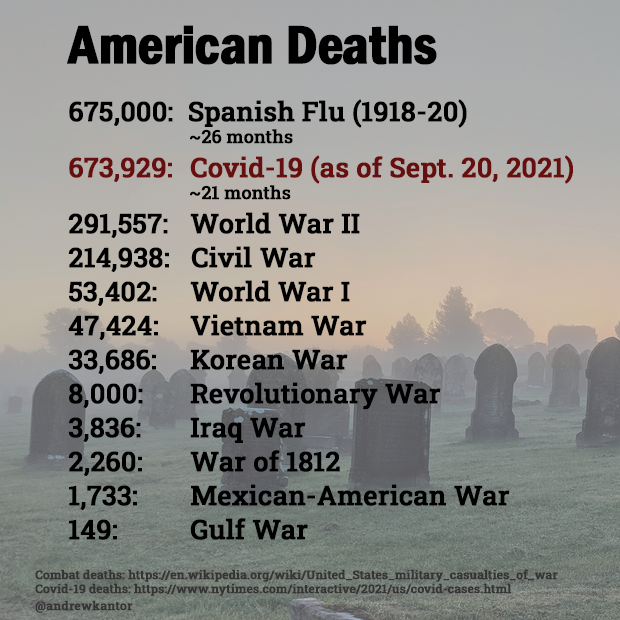
ICYMI: Booster notes
On the other hand…
Captain Obvious clips his coupons
September 18, 2021 ✒ Andrew Kantor
GPhA Past President (2008-09) Robert Bowles was presented with the introductory Robert Bowles 2021 Dementia Advocate of the Year Award, honoring his “dedication of time, effort, and resources in the fight to spread awareness and offer necessary support to individuals and caretakers touched by dementia.” As the U.S. begins a large study of long Covid — thought to affect up to a third of Covid-19 survivors — there’s some potential good news out of the U.K. An analysis by the Brits’ Office of National Statistics found that it may be a lot less common than thought. When asked if they had long Covid, about 12% of people aid yes. But when asked about specific symptoms — and then compared to people who didn’t have Covid — the number dropped to 3.0%. [I]t’s possible normal bouts of ill health could be mistaken for long Covid—which has symptoms like fever, muscle aches, tiredness, diarrhoea and cough—the study found, making long Covid seem more common than it actually is. It’s good to know the whole Purdue Pharma mess is behind us, even for those who don’t think the final settlement penalized the Sackler family enough. We can get on with the — oh, wait just a minute. “DOJ Moves To Block The Purdue Pharma Bankruptcy Deal That Shields The Sacklers.” A new MRSA treatment might come from … horses. Specifically, equine stem cells, according to veterinary researchers at Cornell. They expected these cells (equine mesenchymal stromal cells, or MSCs) would help with tissue regeneration. That was true, but only a few of the cells actually did that stem-cell differentiation thing. Instead, it turned out that it was secretions from the horses’ cells playing a big role. Well well well. Further testing found those secretions also prevented a MRSA infection from spreading — they “stimulated the surrounding skin cells to build up a defense against the bacterial invader.” This could be good news for horses and people, both of which often end up with hard-to-treat chronic wounds. Israel reports that Covid-vaccine boosters for people over 60 do work. Based on data for 1,137,804 people… At least 12 days after the booster dose, the rate of confirmed infection was lower in the booster group than in the nonbooster group by a factor of 11.3; the rate of severe illness was lower by a factor of 19.5. Whether they’re necessary — that’s a whole other topic. Arnaud Bernaert, former head of Global Health and Healthcare at the World Economic Forum, commented a couple of weeks ago, “I think it’s game over. I think it’s mRNA or nothing. [Other technology] takes too long.” But is that true? Will mRNA vaccines replace all the others? If you’re skeptical, you’re not alone. In fact, North Carolina State asked three experts that very question. Their answer: Nope — if for no other reason than making them is hard. “Plus, not every vaccine technology works for every target. We can draw up all kinds of vaccines that work great on paper, but Mother Nature doesn’t read the textbooks. She does her own thing. At the end of the day, we use the vaccines that she and the immune system say works.” The American Association of Poison Control Centers says Americans are continuing to poison themselves at high rates thanks to … well, you can guess why. And no, it’s not ivermectin (which shouldn’t poison anyone who gets it from a pharmacist — it’s the ones who buy it from the feed store who are causing the problems). There were also over 17,000 poison control calls involving disinfectants, nearly 23,000 about hand sanitizer and around 30,000 on bleach through September 6, respectively up 23%, 58% and 7% from the same period in 2019. And no, it’s not just people intentionally drinking this stuff — in some cases it’s because we’re all cleaning and disinfecting more and not keeping Little Suzy away from the tasty looking grape Fabuloso. Arkansas’s Conway Regional Health System was dealing with a whole lotta people who suddenly found religion — specifically, the religion that would exempt them from having to be vaccinated for Covid-19. The problem, they claimed, was that fetal cell lines were used in the development and testing of the vaccines. (They didn’t have this problem with the flu vaccine, by the way.) Fine, said the hospital. Sign here. Oh, and by the way, you’re also attesting that you won’t use any medication developed this way — and here’s a list. The list includes Tylenol, Pepto Bismol, aspirin, Tums, Lipitor, Senokot, Motrin, ibuprofen, Maalox, Ex-Lax, Benadryl, Sudafed, albuterol, Preparation H, MMR vaccine, Claritin, Zoloft, Prilosec OTC, and azithromycin. The hospital says it’s meant as an educational moment. It certainly wouldn’t use violation of the signed agreement as a reason to terminate anyone, would it? CDC researchers have identified 28 foods that each caused a ‘novel disease outbreak’ between 2007 and 2016. (That is, these foods hadn’t caused an outbreak before 2007.) A total of 36 outbreaks were linked to the 28 novel food vehicles during 2007–2016, and 7 foods were implicated in >1 outbreak (bison meat, blueberries, hazelnuts, kale, papaya, pepper, and pistachios). These 36 outbreaks resulted in 1,294 illnesses, 263 hospitalizations, 14 deaths, and 17 recalls. The list, if you’re interested: Almaco jack (fish), apple, bison, blueberries, carp, cashews, chia seed, frog, goose, hazelnuts, kale, lima beans, lionfish, mini peppers, monchong, moringa leaf, papaya, pepper, pine nuts, pistachios, pomegranate, sheep milk, skate, sprouted nut butter, sugar cane, swai, tempeh, and wheat flour.Horse stem cells to the rescue, the poisoning continues, foods of doom, and more
Shout-out to Robert Bowles

Is that long Covid or are you just trying to get rid of me?
The Neverending Story
Just say “Neigh” to MRSA

Quickie booster news
“mRNA or nothing”?
Just … just stop
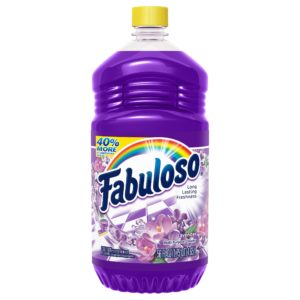
Elsewhere: Battling Hypocrisy edition
Food for thought (and death)
September 17, 2021 ✒ Andrew Kantor
Georgia’s Covid case numbers have dropped significantly (-30%) in the past two weeks. Hospitalizations are also falling, but not as quickly (-3%). That’s overall. Fifteen counties are still seeing cases rise — notably Rabun (+113% over the last two weeks) and Chattahoochee (+64%). But, as expected, deaths are rising statewide (+82%) as they tend to lag hospitalizations by two to three weeks. So expect those numbers to go down in early October … except in those 15 counties. You never need an excuse for beer and tacos, but we’ll give you one anyway: It’s the 2021 Policy on Tap — a fun-filled evening for student pharmacists to eat, drink, be merry, and (in between), hear about pharmacy legislation that will impact their careers. And then back to the beer and tacos. It’s Thursday, October 7, 2021, at Tucker Brewing Company in, well, Tucker. Sample the brews, enjoy the tacos, and tell yourself it’s “studying.” Heck, you can even bring one guest — better still, grab some other student pharmacists from any pharmacy school (with permission, of course). Click here for info and the Google Forms registration. Payment is by Venmo, instructions are on the page. Questions? Utoy Wong’s your guy: utoy.c.wongs@live.mercer.edu. Back in the mid-’90s, the idea that listening to classical music could make your baby smarter was all the rage. Thanks to a paper in Nature called “Music and spatial task performance,” the Mozart Effect was born. And, like Beanie Babies and AOL chat rooms*, it soon faded into obscurity. But now it’s back — not as a way to make babies smarter, but as a treatment for epilepsy. Really. A study out of Dartmouth says that, despite its having too many notes, listening to Mozart’s* “Sonata for Two Pianos in D Major”… …for at least 30 seconds may be associated with less frequent spikes of certain electrical activity in the brains of people whose epilepsy does not respond to medication. Remember the “Ice Bucket Challenge” from the Long Long Ago? Unlike most other “challenges” it had a goal: to raise money for ALS research. And it succeeded — the money helped pay for the development of a potential treatment called AMX0035 from Amylyx Pharmaceuticals. In April, though, the FDA said it wouldn’t approve AMX0035 without a phase 3 study. Then Biogen’s Aduhelm Alzheimer’s drug got the agency’s approval despite lack of solid evidence. (Cue the kerfuffle.) So in June, the ALS Association called out FDA about that: “[W]e are left to wonder the FDA is not using similar flexibility for a promising ALS treatment with strong safety data that provides clinically meaningful benefits.” And now … the FDA has said why yes, it will accept AMX0035 for review without that phase 3 study. Which prompted the folks at Fierce Pharma to ask the obvious question: “Is the FDA heading down a new path of bending to public pressure and advocacy?” Normally, at this point, we wouldn’t report Yet Another Covid Test, but we couldn’t resist. A new saliva test out of Rockefeller University “performs as well, if not better, than FDA-authorized nasal and oral swab tests.” The name of this saliva test? DRUL. When people under 30 (“whippersnappers”) get long Covid, they seem not to have as many cognitive effects as older folks — less of that “brain fog.” But, found researchers from the University of Texas at Arlington, they do tend to have more “vascular disfunction in limbs” — and that’s those who were otherwise healthy. What does that mean? Not much on its own, but it’s another piece in the long-Covid puzzle. You kids might not know this, but once upon a time, people could disagree about … well, anything, without feeling like those who disagreed were evil, idiots, or both. (It was a simpler time.) And thus we have today’s Long Read: “Vaccine Tribalism Is Poisoning Progress on COVID Science” — with thanks to Brenton Lake for finding it. Trigger warning: You might not agree with everything.The epilepsy sonata, Covid drool test, FDA flip flop, and more
Georgia Covid update
Beer and tacos! (And students!)
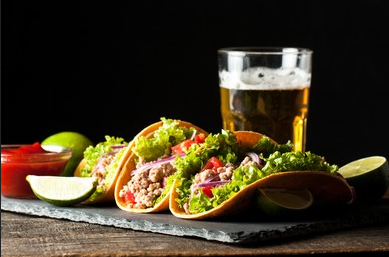
This is your brain on Mozart

* They tried other music, including Wagner, Buddy Holly, Judas Priest, and Nickelback. Unfortunately, the latter violated the Protection of Human Subjects in Medical Experimentation Act and they had to stop.
Drug approvals: We report, you can decide
The test so cool…
I suppose this is good(ish) news
The Long Read: The other point of view
September 16, 2021 ✒ Andrew Kantor
A team of bioengineers — pharmaceutical bioengineers — has created (and successfully tested) a prototype artificial kidney. It’s implantable, about the size of a smartphone, and combines a hemofilter with a bioreactor to replicate all the kidneys’ functions. [T]he team married the two units into a scaled-down version of the artificial kidney and evaluated its performance in a preclinical model. The units worked in tandem, powered by blood pressure alone, and without the need for blood thinning or immunosuppressant drugs. Next up, preparing for clinical trials. Ironically, the U.S. is on the agency’s “Level 4” Covid risk list, along with 85 other countries and territories from Afghanistan* to the Virgin Islands. Vaccines for 5- to 11-year-olds could be authorized before the end of the year, making school a heck of a lot safer. =AND= ICYMI: Booster shots aren’t needed, according to, well, a whole bunch of scientists. The current vaccines do what they’re supposed to: cut the risk of serious disease. What if incurable vascular dementia was, in fact, curable? (First of all, whoever named it would have some ‘splaining to do.) It’s possible, though, that there is a cure — amlodipine. Yeah, the blood pressure drug. Researchers in Manchester, England, England* found that mice treated with amlodipine “had better blood flow to more active areas of the brain” for starters, and… The team also discovered for the first time that high blood pressure decreases the activity of a protein called Kir2.1 that is present in cells lining the blood vessels and increases blood flow to active areas of the brain. Amlodipine was found to restore the activity of Kir2.1 and protect the brain from the harmful effects of high blood pressure. As always, more research is needed. The latest “ground-breaking” Alzheimer’s breakthrough comes from Australia’s Curtain University, where researchers say they’ve identified the cause: liver-fat particles carrying toxic proteins that leak into the brain. The toxic proteins — beta amyloids — we knew about. But where they come from is more of a mystery. Or, if the Aussies are right, was more of a mystery. “Our research shows that these toxic protein deposits that form in the brains of people living with Alzheimer’s disease most likely leak into the brain from fat carrying particles in blood, called lipoproteins.” “Headlines Are Not Doing A Good Job Of Telling The Covid Story” Taking the right probiotic can prevent the nasty gastrointestinal issues that antibiotics can cause — but the key is “the right probiotic.” That’s always been the issue with probiotics: Just because you introduce bacteria to the gut doesn’t mean they’re actually going to do anything. But researchers at the University of Maryland narrowed it down: They found that eating yogurt with the bacteria Bifidobacterium lactis BB-12 could help prevent diarrhea. It’s all about the acetate. Acetate is good, but antibiotics kill the bacteria that produce it. Taking the yogurt with BB-12 helped keep acetate levels up, reducing those side effects. [T]he reduction in acetate was significantly greater in subjects receiving the placebo yogurt as compared with BB-12 supplemented yogurt. Acetate levels in subjects who received BB-12 also returned to baseline levels by 30 days, while they remained below baseline in subjects receiving the placebo. “The findings were so positive,” says the university, “that the NIH funded an additional follow-up study.” “Patients with COVID-19 develop new, worsening overactive bladder symptoms” (from the American Urological Association). There’s definitely something to the vitamin D/Covid-19 relationship — the picture is fuzzy, but it’s getting clearer. The latest: When comparing sunlight at patients’ homes with Covid-19 cases, Irish and Scottish researchers found… …that ambient ultraviolet B radiation (which is key for vitamin D production in the skin) at an individual’s place of residence in the weeks before Covid-19 infection, was strongly protective against severe disease and death. Good news for Philadelphia, it seems.Your bladder hates Covid, surprise dementia treatment, choosing the right yogurt, and more
One step closer to robot bodies
CDC says don’t go to America
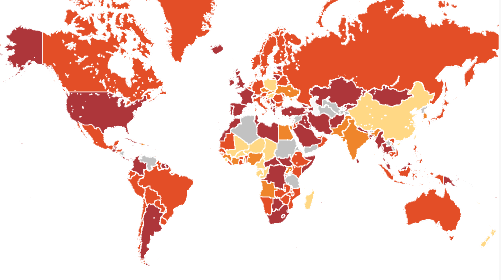
* You know, in case you were planning to do some sightseeing
Vaccine quickies
Old drug to treat the untreatable
* Across the Atlantic sea
Does the liver cause Alzheimer’s?
Captain Obvious sticks to the comics
The right bacteria
Reason #624 to get vaccinated
Come into the light
September 15, 2021 ✒ Andrew Kantor
The Braves lead the NL East, but (as of today) they haven’t clinched the division. That means the Sunday October 3 game against the New York Mets could be critical — and you can be there! Join GPhA for a Day at the Braves — grab one of the last remaining tickets for the season-ending October 3 game. The $54 ticket includes early access to Xfinity Cabanas (beginning at 2:00 pm), the game (section 214), and a $10 beverage credit! Come join the fun with your GPhA pharmacy family! Arrive early, have a blast — but first, sign up today! Cattle dewormer is so last week as a TikTok Covid treatment. The latest trend: gargling and drinking Betadine. Yes, the antiseptic. The one with “Do Not Swallow” on the label. And yes, people are doing that rather than simply getting a free, safe, and proven vaccine. 🤦♂️ “[W]hy drink a chemical that can corrode your gut, mess up your thyroid, kill your kidneys, or kill you? To show that you know more than all the scientists in the world?” Johnson & Johnson’s Ebola vaccine looks pretty darned good. The two-dose regimen was well-tolerated and induced antibody responses to the Zaire ebolavirus species 21 days after the second dose in 98% of all participants, the company said, citing data from a late-stage trial. The city of Savannah, Chatham County, the Savannah-Chatham County Public School System, and Chatham Area Transit are all offering their full- and part-time employees a $500 incentive to get a Covid-19 vaccine. It’s a smart investment. “It’s the best way that an organization can protect itself against any type of production loss or inefficiency as a consequence of needing to quarantine or losing people to sick leave as they deal with the virus.” The latest analysis finds that hospitalization of unvaccinated people has cost the U.S. — notably taxpayers — more than $5 billion since June. Unvaccinated people in the Augusta area are driving the rise of mutations to the delta variant, while increasing the risk that the mu variant will take hold — or, worse, that “a different disease than the original infection will arise and could lead to adaptations that evade vaccines and treatments.” The Augusta Chronicle reports. A study out of Sweden’s Uppsala University found that, contrary to folklore, it’s men whose sleep is affected by the lunar cycle. Guys, it seems, “exhibited lower sleep efficiency and increased time awake after sleep onset” during the waxing phase of the moon — that is, approaching the full moon. Women, on the other hand “remained largely unaffected by the lunar cycle.” The study includes this helpful image: Buzz take: This may be an evolutionary response to the need for hunting werewolves during the full moon. Auburn University engineers have unveiled an implantable microchip that can detect a Covid-19 infection. “One of the great advantages of the device is that it’s extremely portable and you can develop arrays of devices with a variety of functionalizations for testing.”The next Covid treatment fad, microchips for real, men and the moon, and more
Who’s been exposed to Covid?
Take yourself out to the ball game!
What will they think of next?
One less thing* to worry about
* One thing fewer?
Sometimes it’s just about the math
But there’s also the rising risk
Moon over the Y chromosome

The tin-foil* hats were right all along
* We all know it’s aluminum foil, but this makes for a punchier headline
September 14, 2021 ✒ Andrew Kantor
Now that pharmacists can both order and administer monoclonal antibody treatment for Covid-19, a bunch of questions arise — starting with “What does that mean” and including “How do I get paid.” NCPA has some of those answers for you. The folks at Britain’s National Health Service are about to begin a trial of a blood test that, in theory, can detect more than 50 types of cancer in “the earliest stages of disease progression.” It’s one case where “game changer” might actually be accurate. GPhA is putting together its 2022 CPE lineup, and we need to know What kind of CPE classes do you want? If you’ve ever said, “I wish there was a class about ,” here’s your chance to weigh in so we can offer the most current and very best CPE on the planet. (Are you tired of classes about Covid-19? Or do you want more more more? We won’t know unless you tell us.) Do this, please: Take about five minutes to complete a survey about the CPE you want us to offer in 2022. Do it by Friday, October 1, 2021 and we’ll put you in a drawing to win a $100 Visa gift card. Really, even if you don’t win, you win — you get the best courses, the best instructors, and the hottest topics. We’re counting on you — take the survey today! Pfizer and Moderna are getting all the love when it comes to booster shots. But what about all the folks who got the one-shot Johnson & Johnson vaccine? Do they need boosters? If so, another J&J shot or something different? Questions, questions. The New York Times has answers, answers. Checkpoint inhibitors work for some cancer patients, but not others. Good news, though: UCLA biochemists have found a surprise that could make them work a lot better. MAOI inhibitors (yep, those old things) “boosts the power of these [checkpoint] inhibitors in mice—and they suspect it could do the same in people.” That MAO-A enzyme turns out to be pretty important for tumors. [C]ompared with normal mice, tumors grew more slowly in mice engineered to lack the MAO-A protein in immune tissues and T cells were less exhausted, producing more molecules toxic to cancer cells. Giving three types of MAOIs to normal mice implanted with mouse melanoma or colon cancer cells caused the tumors to grow more slowly. And combining an MAOI with an anti–PD-1 drug worked better than either drug alone, wiping out tumors in some mice within 1 month. For the first time since late June, the CDC is reporting that the number of weekly new cases of Covid-19 in the U.S. has fallen — down 12.7 percent from the previous week. And even better, about 178.3 million people (53.7 percent of the population) have received at least one dose of a Covid vaccine. The majority have had two doses. Eat too much, you get fat. Calories in, calories out — the math is simple, and obesity results from eating too much. It’s called the energy-balance model. But what if it’s wrong, ask nutrition researchers? What if overeating is the result, not the cause? Their hypothesis is that what you eat controls how much you eat by affecting how your body stores excess calories. When you eat highly processed carbs (the theory goes), your body secretes more insulin and slows glucose processing. Fat cells store more, but more importantly the brain thinks you’re starving … and convinces you to eat more. So yes, you gain weight because you eat too much, but the critical part is that you’re eating more because you’re not processing fat well. (They call this the carbohydrate-insulin model.) The 2021 Ig Nobel Prizes have been awarded — honoring the kinds of studies that “makes people laugh, then think.” For example, one that showed that the best way to transport a rhinoceros by helicopter is upside down*. (You never know when you may need that info.) From interpreting cat meows to whether a beard protects you from a punch, they’re always a lot of fun.What’s with J&J boosters? Plus airborne rhinos, the key to obesity, and more
Using your new-found powers
Breakthrough test being tested
You’re gonna get schooled
Does J&J need a boost?
Boosting the power of cancer drugs
A bit of good news
A different view of obesity
More than flying rhinos

* “The Pulmonary and Metabolic Effects of Suspension by the Feet Compared with Lateral Recumbency in Immobilized Black Rhinoceroses“
September 11, 2021 ✒ Andrew Kantor
UGA infectious-disease researcher Ralph Tripp and his team found that probenecid — FDA approved to treat gout — inhibits the replication of the SARS-CoV-2 virus. [T]he study found that probenecid has broad antiviral properties, making it a prime candidate to combat not only SARS-CoV-2 infection but also other common and deadly respiratory viruses like RSV and flu. Even better, it seems to also have prophylactic properties. They hope to begin clinical trials within a year. Researchers at the University of Reading say they’ve found that the antioxidant drug cysteamine “reverses atherosclerosis and could be used to prevent heart attacks and strokes due to clots.” When the researchers looked at mice with atherosclerosis, those treated with cysteamine had a 32 to 56 per cent reduction in the size of atherosclerotic plaques depending on the part of the aorta that was examined. As one researcher put it, this is kind of a big deal: “Cysteamine would offer an entirely new way of treating atherosclerosis.” Researchers at the University of Arkansas claim to have found a cause of long Covid: an ACE2 antibody that “shows up weeks after an initial infection,” keeps the ACE2 enzyme from regulating the immune system. “If we show that the whole hypothesis is right, that this interference of ACE2 really does cause long COVID, then it opens up many potential treatments.” The good news is that there are existing treatments that could then be brought to bear. Licensed pharmacists, pharmacy technicians, and pharmacy interns are now shielded from liability when providing Covid-19 tests, drugs, and vaccines — that’s thanks to HHS amending its Public Readiness and Emergency Preparedness declaration to add them. The 9th amendment to the COVID 19 PREP Act Declaration provides liability immunity to and expands the scope of authority for licensed pharmacists to order and administer select COVID 19 therapeutics to populations authorized by the FDA and for pharmacy technicians and pharmacy interns to administer COVID 19 therapeutics to populations authorized by the FDA. There are limitations and caveats! Be sure to read the declaration! For example, it only covers therapeutics that are “authorized, approved, licensed, or cleared by the FDA,” for Covid — so you can’t give a patient frog legs and eye of newt and claim protection. State medical boards may revoke the licenses of physicians who spread misinformation about Covid-19 vaccines — that from a statement by the Federation of State Medical Boards. “Physicians who generate and spread COVID-19 vaccine misinformation or disinformation are risking disciplinary action by state medical boards, including the suspension or revocation of their medical license. If you are A) Asian, and B) the kind of person who doesn’t want to have a stroke, you’ll want to add peanuts to your diet. That’s what medical researchers from Osaka University found (and published in the American Heart Association’s journal Stroke). And it doesn’t need to be that much — just four or five a day. Barely a handful. “The beneficial effect of peanut consumption on risk of stroke, especially ischemic stroke was found, despite the small quantity of peanuts eaten by study participants. The habit of eating peanuts and tree nuts is still not common in Asian countries. However, adding even a small amount to one’s diet could be a simple yet effective approach to help reduce the risk of cardiovascular disease.” Alcohol in moderation — good or bad? Let’s spin the Wheel of Competing Studies™! The latest answer, from Britain’s Anglia Ruskin University, is … bad for you. “[T]here’s no such thing as a healthy tipple,” they say. …low-level consumption of beer, cider and spirits was associated with an increased risk of cardiovascular events, coronary heart disease, cerebrovascular disease such as stroke, cancer, and overall mortality. But, contrary to their title, there may be one healthy tipple: wine. “The only health benefit that Dr Schutte’s study discovered was a decreased risk of coronary heart disease through the consumption of wine.” Just that. The FDA has banned electronic cigarettes from all the small- and medium-sized manufacturers, but hasn’t made a decision on the products from the three largest companies. And no, the irony of banning vaping while regular cigarettes remain on the market hasn’t been lost.Crackdown on docs, latest alcohol news, atherosclerosis breakthrough, and more
UGA gets into the Covid-fighting game
Um … this seems like pretty big news
Long Covid cause found?
HHS: You’re safe
Medical boards cracking down
Nuts for you
The coin flips again
ICYMI
Do you want to send your members the daily Buzz email newsletter (customized for your state and organization, perhaps)? Let’s talk — just drop me a note at andrew@gphabuzz.com!


- As Lung Disease Threatens Workers, Lawmakers Seek Protections for Countertop Manufacturers
- Republicans Fret Over RFK Jr.’s Anti-Vaccine Policies While MAHA Moms Stew
- Primary Care Is in Trouble. So Doctors Band Together To Boost Their Market Power.
- Cosmetic Surgery Investigation Prompts Warnings for Patients, and a Push for Tighter Safety Standards
- Listen to the Latest ‘KFF Health News Minute’
- Banks Are Becoming Bulwarks Against Scams for Vulnerable Seniors
- January 2025
- December 2024
- November 2024
- October 2024
- September 2024
- August 2024
- July 2024
- June 2024
- May 2024
- April 2024
- March 2024
- February 2024
- January 2024
- December 2023
- November 2023
- October 2023
- September 2023
- August 2023
- July 2023
- June 2023
- May 2023
- April 2023
- March 2023
- February 2023
- January 2023
- December 2022
- November 2022
- October 2022
- September 2022
- August 2022
- July 2022
- June 2022
- May 2022
- April 2022
- March 2022
- February 2022
- January 2022
- December 2021
- November 2021
- October 2021
- September 2021
- August 2021
- July 2021
- June 2021
- May 2021
- April 2021
- March 2021
- February 2021
- January 2021
- December 2020
- November 2020
- October 2020
- August 2020
- July 2020
- March 2020
- February 2020
- January 2020
- December 2019
- November 2019
- October 2019
- September 2019
- August 2019
- July 2019
- June 2019
- May 2019
- April 2019
- March 2019
- February 2019
- January 2019
- December 2018
- November 2018
- October 2018
- April 2017
