
September 10, 2021 ✒ Andrew Kantor
And by “monkey” we mean “vaccine maker.” Both Novavax and Moderna report that they’re working on flu/Covid combo vaccines. Novavax’s is already in human trials, and its Covid vaccine would be an actual vaccine, not a booster. It hasn’t been approved by the FDA, though. Moderna is a bit behind — it’s about to start trials. The Covid half is a booster, while the flu side is a new mRNA vaccine. Good and bad news. Bad: Georgia is one of 11 states with more than 150,000 children with Covid-19. It’s also seeing one of the highest increases in kids’ cases over the past three weeks (likely because of the start of the school year). Good: Kids represent a little more than 14% of cases in the state, which is below the national average of 15.1%. Good: The case rate for kids (cases per 100,000) in Georgia is the 13th lowest of the states — about 6,200/100K, compared to 6,709/100K for the country as a whole. All this from the latest “Children and COVID-19: State-Level Data Report” from the American Academy of Pediatrics, based on state-reported data. Got pregnant patients? Ask about their iron levels. A full half of pregnant women (in a study out of Toronto) had low iron levels, “and one in four had severe iron deficiency.” [D]espite how common iron deficiency is, 40% of pregnant women in this large regional study never had their iron levels checked, and women of lower socioeconomic status were less likely to get tested. And this one actually has science behind it. The paper: “Vitamin D and lumisterol novel metabolites can inhibit SARS-CoV-2 replication machinery enzymes” The takeaway: The metabolites produced by Vitamin D3 (available in a bottle) and by lumisterol* (which you get from the sun) “were able to block two specific enzymes required for the SARS-CoV-2 life cycle.” In other words, not only is vitamin D deficiency a risk factor for Covid-19, but taking enough of it can help treat an infection by fighting the virus. To be clear, this isn’t much of a preventative — certainly not compared to a vaccine — but it might help reduce the infection. As always, “further study is needed.” In the meantime, get outside. Seattle-based Impel NeuroPharma received FDA approval for its Trudhesa anti-migraine dihydroergotamine mesylate nasal spray. The idea: It sprays the DHE into the upper nasal cavity, unlike other sprays that can have the meds dripping down the throat, where they’re pretty much useless. Turkish researchers found that the farther people strayed from “Mediterranean diet patterns,” the more severe and frequent were their migraines. (They recommend a diet with “higher vegetables, fruits, legumes, and oil seeds.”) People who ate more salt — that is, had a higher 24-hour urine sodium level — had migraines that lasted longer than those who preferred their meals to be tasteless and uninspiring, according to Iranian researchers. Ferring Pharmaceuticals thinks it has a solution to C. diff infections — something that works better than antibiotics. (To be fair, that’s not a high bar. Antibiotics don’t work very well at all. By killing gut microbes, they often just enable existing C. diff to recur or spread.) What does work? Fecal microbiota transplants. But even they are a bit of a crapshoot, because each transplant will be a different mix of microbes. Ferring’s product, RBX2660, though, “can be standardised and the manufacturing process subjected to proper quality controls.” “In a patient who’s suffering C. diff, there’s a loss of diversity and an increased risk of infection. The purpose of RBX2660 is to restore that diverse microbiome, which helps the body itself fight recurrent C. diff.” Even better, it’s just completed a successful phase 3 trial. British researchers have found that gut bacteria are affected by drugs, and in ways that are unexpected — with effects that are unknown. Some bacteria absorb drugs, some ignore them, some are changed by the meds, and some modify the meds themselves. It’s a mess in there, but it could explain why some drugs, notably antidepressants (especially duloxetine), work differently from patient to patient. In a commentary in the Journal of the American Medical Association, several physicians argue that we need more medical emojis to enable better communication between providers and patients. [E]moji possess the power of standardization, universality, and familiarity to users, with increasing usage in both informal and professional settings. Emoji can facilitate communication of patient symptoms and concerns or other clinically relevant information, can be used as annotations for patient instructions, and more. They’re hoping to add emojis for “intestines, leg cast, stomach, spine, liver, kidney, pill pack, blood bag, IV bag, CT scan, weight scale, pill box, ECG, crutches, and white blood cell.”Should you talk emoji? 🤔 Plus Covid’s newest cure, combo vaxes coming, and more
Monkey see, monkey do
Kids, Covid, and Georgia
Check them for iron
The next miracle cure
* Formerly called vitamin D1, but it’s not actually a vitamin
Migraine news
Aim high
Eat right
Go bland
Beats the alternative
Speaking of gut bacteria
👨⚕️ 💬 😀
September 09, 2021 ✒ Andrew Kantor
Today’s Covid-19 vaccines are possibly the most effective in history. But you know what they’re missing? Nanotechnology. Fear not; UC San Diego researchers are on the case, developing two vaccine candidates using nanoparticles harvested from plants and bacteriophages. The finished products look like an infectious virus so the immune system can recognize them, but they are not infectious in animals and humans. The small piece of the spike protein attached to the surface is what stimulates the body to generate an immune response against the coronavirus. But wait! The best part is the vaccine would not require refrigeration and would be inexpensive to produce. In fact, they’re heat-tolerant enough that they could be manufactured into, say, patches that could be delivered in bulk. (Bonus: Article includes the phrase “game changer.”) Young adults who use cannabis have a higher risk of heart attack — that’s the story in USA Today this week based on a new study. That study came out of the University of Toronto, and should not be confused with the 2019 study that found … the same thing. It was big news at the time. And neither should be confused with the 2014 study from NIH, “Is recent cannabis use associated with acute coronary syndromes?” or the other 2014 paper, “Cannabis use: signal of increasing risk of serious cardiovascular disorders“. How many deaths has Covid-19 really caused? While it’s directly killed at least 650,000+ in the U.S. (and 20,000+ in Georgia), that’s not the actual toll because there are deaths indirectly caused by the pandemic. For example, someone who can’t get into an ICU due to overcrowding. A Rice University researcher has created a dashboard that shows that data. He took the average death toll for 12 conditions (from diabetes to heart failure to sepsis) in every state from 2015-2019 and compared that to the actual death toll from those conditions in 2020 and 2021. For example, on August 8*, 2020, there were 60 reported deaths from diabetes in Georgia — but the average for that date is 39. And through the entire pandemic it’s much higher. When you count up the number of people who died between January 04 2020 and August 14 2021 whose deaths were attributed to diabetes in Georgia you would expect to see 3839 total deaths in the months since the pandemic began. This average number of deaths is shown in blue. Instead, we see 4627 total deaths. This means we have not explained why 788 more people died than than would have been expected in ‘normal’ times, whose deaths were attributed to these causes, in these places. This ‘excess’ number of deaths is shown in orange. Sometimes non-smokers get lung cancer. And that, NIH researchers realized, could be a key to understanding how it develops and how it might be treated. In fact, they discovered not only several new subtypes of cancer, but — by examining tumors’ mutational signatures — that they have mutations caused by different natural processes. And that’s important information for treatment. “What we’re seeing is that there are different subtypes of lung cancer in never smokers that have distinct molecular characteristics and evolutionary processes. In the future we may be able to have different treatments based on these subtypes.” Multiple sclerosis may be caused by infections in adolescence — that’s the finding by researchers in Sweden who looked at the health records of more than 4,000 people diagnosed with MS. Looking closer, they found that serious infections in teenagers raised the risk of MS considerably. We found that most infections before age 11 were not associated with a later MS diagnosis. In contrast, infections diagnosed in a hospital (indicating they are relatively severe) between ages 11 and 19 were consistently associated with a raised risk of developing MS. In particular, CNS infections had the biggest risk, along with respiratory infections, which increased the risk by 51%. If you were infected with SARS-CoV-2 and also got an mRNA vaccine, there’s a good chance you have ‘super immunity.’ You’re protected against more than just the original Covid-19 variant. “One could reasonably predict that these people will be quite well protected against most — and perhaps all of — the SARS-CoV-2 variants that we are likely to see in the foreseeable future.” Oh, and not just the CoV viruses, but other coronaviruses as well: “I would also suspect that they would have some degree of protection against the SARS-like viruses that have yet to infect humans.” Scorpion venom, caterpillar fungus, so why not … frog foam? Frog foam, for those of you who said, “Huh?” is apparently a coating on eggs that prevents them from drying out “while also offering protection from predators, extreme temperatures, and damage from ultraviolet rays and harmful bacteria.” It also — found Scottish researchers — can be used to deliver drugs via the skin. And it seems to do that better than “industrial” foams used today, because it’s gentler, releases drugs more steadily, and doesn’t degrade as quickly. The team also loaded the foam with the common antibiotic rifamycin, which was released over the course of a week […] Roughly half the antibiotic was delivered in the first 24 hours, but the slow release that followed over the next six days was longer and steadier than existing pharmaceutical foams.Foaming frogs, super survivors, an MS trigger, and more
Covid vaccines 3.0?
All this has happened before….
An excess-death dashboard
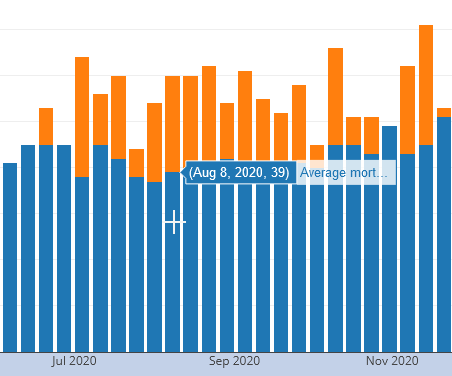
* Chosen simply because it’s my birthday.
The different causes of lung cancer
The infection-MS connection
Superpowered survivors
Froggy went a foamin’
September 08, 2021 ✒ Andrew Kantor
New treatments for rheumatoid arthritis could be coming soon — so say British researchers who’ve not only found a cause of the condition, but a cause that’s treatable. The cause they found: damage to the lining of the gut. It “allows bacteria to cross the gut lining into the body, intensifying inflammation in the stomach and the joints.” The treatment that could work: “existing stomach-repairing drugs used for the digestive disorders, coeliac disease, and Crohn’s disease” such as migalastat or vercirnon. And what causes that damage to the gut lining? There are at least two possibilities: The wrong gut bacteria (i.e., Prevotella copri, as a 2019 paper found) or a genetic defect (as UC Riverside researchers just discovered). Due to the latest wave of Covid-19, we decided to err on the side of caution and reschedule TechU to Saturday, November 13. Everything remains the same, except for the date. TechU is a one-day CE and social program, developed by GPhA pharmacy techs for pharmacy techs, and it even includes three hours of CE and dinner! Cost: Click here to get the details and register today! “More kids hospitalized with Covid-19 in states with lower vaccination rates“. Fears of a breakthrough Delta infection are probably being overblown, explains David Leonhard in the New York Times. The latest data show that vaccinated people have about a 1-in-5000 chance of contracting Covid-19 each day, and even lower than that in places with high vaccination rates. Sure, that’s an average; mask-wearing, crowds, the company you keep — all that will affect the risk. But overall it’s a lot less than people might think. “The messaging over the last month in the U.S. has basically served to terrify the vaccinated and make unvaccinated eligible adults doubt the effectiveness of the vaccines.” Neither of those views is warranted. You’ve got two kinds of fat: subcutaneous fat (under the skin; think “love handles”) and visceral fat (around internal organs). The latter is much worse. But … if you’re a woman and you eat an avocado a day, it can reduce that visceral fat and improve the visceral-to-subcutaneous fat ratio “indicating a redistribution of fat away from the organs.” So found University of Illinois researchers. Notes: It doesn’t work for me, it doesn’t change your glucose tolerance, and it doesn’t make you lose the fat — just redistribute it. By settling down and living close together, Neolithic farmers evolved immune systems that learned not to overreact — avoiding cytokine storms that could do more damage than the pathogens themselves. At the same time, though, they kept the robust response to local infections. Five times efforts were made to make statins available over the counter. Five times it failed, in part because studies showed too many people who asked for them shouldn’t take them. But researchers at Duke and the University of Texas developed an application that, when tested with people who had the equivalent of a seventh- or eighth-grade education, was more than 96 percent accurate in deciding who should get the statins and who shouldn’t. That’s higher than most prescribers, and it could open the door for non-prescription statins “right next to the aspirin.” “We got 96%, we were very pleased and we’re going to now go on and do another study of about 1,000 patients to verify that we’re getting the right people on statin therapy. If that works, this goes to the FDA for approval.” Why does asthma get worse at night for so many people? Is it posture? Temperature? Circadian rhythm? Light? If you chose circadian rhythm, be sure to grab a prize on your way out. Researchers at Brigham and Women’s Hospital did a series of experiments (including keeping participants awake for 38 hours in dim light and in a “fixed sitting posture”) to “eliminate as many behavioral and environmental factors as possible.” When done, they found… … that those people who have the worst asthma in general are the ones who suffer from the greatest circadian-induced drops in pulmonary function at night. And that drop in pulmonary function acted like a multiplier — those same people were also affected most by other factors. But as to why this is the case … no clue. “More work will be needed.” The company submitted a booster-dose plan to the FDA, but it was for a half-size dose (50 mcg instead of 100 mcg). Moderna says 50 mcg is all that’s needed — the fact that it would double its profit is just, you know, a happy coincidence. The FDA was not impressed. It wants data on the full-size booster so it can compare the immune response. This means Pfizer could get its booster approved much sooner and leave Moderna playing catchup. What if, Sarah Zhang muses in the Atlantic, we attacked respiratory viruses the way we attacked cholera or malaria — not with vaccines, but with changing the way we lived? (For cholera it was better sewer systems, for malaria it was pesticides and window screens.) If we are to live with this coronavirus forever—as seems very likely—some scientists are now pushing to reimagine building ventilation and clean up indoor air. We don’t drink contaminated water. Why do we tolerate breathing contaminated air?Moderna’s big oops, moving fat with avocados, possible OTC statins, and more
From guts to bones
TechU rescheduled!
Captain Obvious remembers cause and effect
The right amount of worry
Avocados ‘move’ fat
Do you like your immune system? Thank a farmer
With six you get statins
Asthma answers
Moderna’s plan backfires
The Long Read: The Air In Here edition
September 04, 2021 ✒ Andrew Kantor
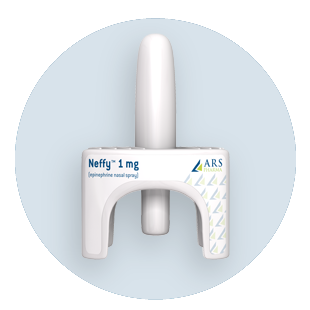
Coming soon — probably — is Neffy: a nasal spray epinephrine that does what an injectable does, but in a much friendlier way. That’s how ARS Pharmaceuticals plans to market it: Less fear, more “treat your disease and relieve your symptoms and not be afraid.” It got an FDA fast-track designation in 2019, and is now awaiting approval. More people are looking to take at-home tests (and avoid that germ-filled doctor’s office). Are you ready to help? Yes, this is a pitch for the NASPA Pharmacy-based Point-of-Care Testing Certificate Program — which GPhA is offering on Sunday, October 3, at our Sandy Springs World Headquarters. Flu, strep, HIV, Hep C, and of course coronaviruses — get the skills you need the and the info you want to help patients with those CLIA-waived tests they’re taking. Read the deets on this nationally recognized certificate program and sign up today! If you don’t feel like replacing every surface around with bronze (or silver), University of Central Florida researchers might have a cheaper way to kill germs: a disinfectant that stays on surfaces for up to seven days, happily killing viruses all the while. Naturally, it uses nanotechnology. Importantly — and in order to make the news these days — it kills coronaviruses. But it also kills rhinoviruses and “a wide range of other viruses with different structures and complexities.” Its active ingredient is an engineered nanostructure called cerium oxide, which is known for its regenerative antioxidant properties. The cerium oxide nanoparticles are modified with small amounts of silver to make them more potent against pathogens. “It works both chemically and mechanically. The nanoparticles emit electrons that oxidize the virus, rendering it inactive. Mechanically, they also attach themselves to the virus and rupture the surface, almost like popping a balloon.” Vitamin C and fiber. And less fat, of course. So found a study by Cambridge University epidemiologists. Interesting note: People with type 2 diabetes on low-carb diets need to be extra careful, “as these diets typically lead to increases in fat intake.” The White House wants to start offering Covid-vaccine boosters in September — that’s eight months after the second dose of mRNA vaccine. But wait, says the rest of the world, a lot of us haven’t gotten one yet. What’s right? What’s fair? You know (say health experts), we haven’t even collected enough data on boosters to recommend them yet. And the FDA isn’t meeting with advisors to discuss boosters until September 17. Guess what, says the White House? Maybe we’ll start the shots after five months. But is protection really declining? Not everyone is convinced. And on that note… In a rare positive article, the Atlantic explains “Don’t Worry, Your Immune Responses Are Supposed to Wane.” Checking someone’s SARS-CoV-2 antibody levels when there’s no virus around can be a bit deceptive, then. In the absence of a threat, immune cells are quiescent. But the capacity for protection remains intact: When new invaders arrive, they’ll reawaken our defenses. Epi by nose, the booster mess, vitamins for diabetes, and more
Epi-Pens are so 2020
Point-of-care testing: Are you ready?
Fire and forget, antivirus-style
How to reduce diabetics’ heart disease
Booster confusion
The Long Read: Be Happy edition
September 03, 2021 ✒ Andrew Kantor
How much exercise do you need? The latest results, courtesy of the Boston University School of Medicine, is this: For every 14 minutes you’re sedentary, you need either 3 minutes of walking or 1 minute of “moderate-vigorous physical activity” to offset it. And what’s “moderate-vigorous physical activity”? “Anything that gets your heart beating faster and your breathing heavier counts.” We’ll let you make your own jokes. UnitedHealth will expand its Obamacare insurance coverage into Georgia starting next year. That is all. Who needs robots when we have genetic engineering? Researchers at Washington University have used CRISPR (of course) to create cells that can contain medication and release it in response to inflammation. The idea is that, rather than deal with side effects from taking drugs in high doses that can affect the entire body… “The cells sit under the skin or in a joint for months, and when they sense an inflammatory environment, they are programmed to release a biologic drug.” They’re currently focused on arthritis drugs, but there’s no reason (they say) the cells couldn’t be programmed to produce other biologics — or multiple kinds, depending on what they sense. A judge has granted civil immunity to the Sackler family in exchange for a $4.5 billion settlement of thousands of lawsuits over the role of the family’s Purdue Pharma. The Sacklers refuse to admit they did anything wrong. Of note: Georgia is one of the states that has opposed the settlement, and it will likely seek its own. The Department of Justice and other states have already said they will appeal. The Sacklers had originally demanded immunity from all civil suits involving pharmaceuticals, but the final agreement only protects them from those involving opioids. The latest figures from the CDC show that about 9.7 percent of Americans lacked health insurance in 2020, a slight improvement from 2019, even with the pandemic. While some people did lose coverage, about 2 million more people got private insurance, and the same amount signed up for public coverage. The next variant on the WHO’s worry list is mu, neé B.1.621 — a “variant of interest.” The concern is that it “has mutations that are likely to affect viral characteristics, such as transmissibility or disease severity.” And it may be able to evade current vaccines. A large British study found that “Adults who have received a double vaccination are 49% less likely to have Long COVID should they contract a Covid-19 infection.” (We wanted to make a “T-cells for two” joke, but couldn’t work it out.) The free ride is over, as insurers are beginning to require patients to pay deductibles and co-payments for Covid-19 treatment, including ER visits and routine testing. The bad news is that it also affects breakthrough infections and kids who are too young to get vaccinated. (FYI, the average out-of-pocket cost of a Covid hospital stay for someone with insurance is $3,800. Without insurance: $40,000.) It’s just about Mad Libs time: “New Covid-19 cases increased rapidly at [the University of Chicago] this year after [students], most of whom were not fully vaccinated, returned from [spring break], according to a study by [the CDC].” (link) Congress wants to see documents from the agency regarding the approval of Biogen’s controversial Alzheimer’s treatment. “We are concerned by apparent anomalies in FDA’s processes surrounding its review of Aduhelm. We are also concerned by reports of unusual coordination between FDA and Biogen throughout the drug’s approval process.” =AND= The FDA will consider next week whether to approve Pfizer-BioNTech’s application for Covid-19 booster shots. (It will be viewable by the public, but it’s not yet on the official calendar.) =BUT= You might want to check out the New York Times editorial, “America Desperately Needs a Much Better F.D.A.” that faults, among other issues, the agency’s cuddle-on-the-couch-while-playing-Barry-White relationship with the industry it regulates. “The revolving door between the F.D.A. and the industry spins so fast we could tap it as a source of renewable power.”Mu worries, drug-making cells, FDA under the microscope, and more
Your daily “Covid is really bad” story

The exercise numbers: 14:3:1
UHC comes to ACA
Make your own arthritis drugs
ICYMI
Health coverage got a bit better
A few more Covid notes
In FDA Land™
September 02, 2021 ✒ Andrew Kantor
Has Delta peaked? Previous variants seem to work on a two-month cycle, which means that we might start seeing Delta infections slow down. But the experts aren’t sure, in part because they don’t know what causes that cycle in the first place. That would be welcome news. Georgia set a record for Covid-19 hospitalizations on Tuesday — 5,880 people, breaking the previous total set back in January. That doesn’t bode well for two weeks from now, as deaths typically lag by about that long. It’s time to mark your calendar: GPhA’s fall Region Meeting(s) are coming! Virtual, schmirtual — they’re going to be live in your area. The meeting places aren’t set yet, but the dates are: Details about locations, CE, and the program will be coming soon. In the meantime, save that date! (Don’t know your region? No worries — just click here.) “Antibiotics increase the risk of colon cancer” say Swedish researchers, after studying 40,000 cancer cases. The culprit, they think, is what the drugs do to the gut microbiome. Researchers found that both women and men who took antibiotics for over six months ran a 17 per cent greater risk of developing cancer in the ascending colon […] than those who were not prescribed any antibiotics. But after reading that and freaking out, you come to this: “There is absolutely no cause for alarm simply because you have taken antibiotics. The increase in risk is moderate and the affect on the absolute risk to the individual is fairly small.” University of Pittsburgh public health researchers predict that, after last year’s non-existent flu season, the upcoming one may be pretty bad. It’s a combination of relaxed Covid precautions, the potential for lower-than-normal flu vaccinations, and the lack of antibodies from last year. One model found… … the coming influenza season will likely bring about 600,000 hospitalizations, at least 100,000 more than would happen in a normal season. In a worst-case scenario where vaccine uptake is low, there would be more than 400,000 additional hospitalizations. Getting 75% of Americans vaccinated against flu, rather than the typical 50%, would be needed to avoid the additional hospitalizations, according to the model. Check out today’s Long Read: the story of the drug marizomib — a molecule that comes from a deep sea bacteria called Salinispora tropica … and that might be a treatment for glioblastoma. (And if not, another possibility — per Texas A&M veterinarians — is an immunotherapy drug being tested for dogs that may also be viable for humans.) Having received the MMR and Tdap vaccinations seems to reduce the severity of Covid-19. The T cells created by those vaccines are activated by the SARS-CoV-2 virus — kind of like bringing in additional help to fight Covid. The FDA is now requiring its heavy-duty black box warning on JAK inhibitors because “there is an increased risk of serious heart-related events such as heart attack or stroke, cancer, blood clots, and death.” It applies not only to tofacitinib (aka Xeljanz) — which already had an alert, but to baricitinib (Olumiant) and upadacitinib (Rinvoq). North Carolina-based EmitBio is testing a device that shines LED light (at specific frequencies, of course) into a person’s throat. That, they say, can treat mild cases of Covid-19. We were going to poke fun at the idea, but heck, there’s this: The company’s early results have shown some promise, finding that its LED device can reduce viral loads in the laboratory. And on Wednesday, the company announced that its experiments found a 99.99% elimination of the delta variant virus in lung cells after three days of shining the light twice a day for about five minutes. Evolutionary biologists in Germany think they’ve found a way to help reduce antibiotic resistance. The trick is to ignore conventional wisdom and use multiple antibiotics — but (and here’s the important part) switch between them quickly. [S]witching rapidly between the individual antibiotics produced much better extinction of bacterial populations than when the switch between antibiotics was slower. This suggests that fast switching between antibiotics constrained the bacteria’s ability to adapt to the drugs. And no, swapping antibiotics didn’t drive resistance: “[W]e found this is not the case if resistance to one of the antibiotics cannot emerge easily, and if the antibiotics show collateral sensitivity to each other.” If you’re going to make a fake vaccination card — and don’t want to be arrested — learn to spell “Moderna.” Today: A molecule in the venom of the jararacussu pit viper inhibits the SARS-CoV-2 virus from multiplying (found Brazilian researchers). Tomorrow: “CDC warns against deliberately being bitten by venomous snakes.” Next week: “Hospitalizations rise from snake-bite victims.”Can light fight Covid? Plus antibiotic danger, bad spelling arrest, and more
The two-month cycle
Region Meetings are a-comin’
Bad news (antibiotics)
Bad news (flu)
Good news (glioblastoma)
Good news (vaccines)
JAK inhibitors get a warning
Light ’er up!
The antibiotic shuffle
Elsewhere: Spelling Matters edition
If it was a snake it would have bit me
September 01, 2021 ✒ Andrew Kantor
The Georgia DPH is letting everyone know that the FDA has updated its guidance for the shelf life of the Pfizer/BioNTech Cobid-19 vaccine. On August 22, the FDA said the vaccine’s shelf life could be extended from 6 months to 9 months (if stored properly). The agency has now released some more information on that extension, including concerning the labeling of the BUDs. Read it! The company’s CEO says eventually a Covid variant will emerge that will require you to buy a booster of its vaccine. But don’t worry! “We have built a process that within 95 days from the day that we identify a variant as a variant of concern, we will be able to have a vaccine tailor-made against this variant.” ICYMI: The European Union would very much prefer that Americans not come visit just now — at least until we get the pandemic under control. Also off the safe list: Israel, Kosovo, Lebanon, Montenegro, and North Macedonia. Johnson & Johnson’s HIV vaccine has failed it’s first efficacy trial. Other studies of slightly different versions are ongoing, however. Big news when pharmaceutical manufacturers said they would boycott Facebook until the company cracked down on hate speech. Not-so-big news that those same companies kept those boycotts for … oh, a news cycle or two. “Overall, pharma brands seemed to follow a similar pattern as many other companies who stopped spending for a month (or two or three) and then slowly resumed their normal patterns.” Walgreens says it will raise its minimum wage to $15 per hour by November 2022. That is all. The Georgia company reopened a penicillin plant in Tennessee — taking it over from United Arab Emirates-based Neopharma. Without it, the U.S. would be entirely dependent on our good friends in China for our penicillin. The 360,000-square foot factory will churn out enough Amoxil and Augmentin to stockpile the U.S. for five years, the company said in a release. In all, it’ll produce 2 billion tablets and 300 million capsules annually. The CDC has released its 2021–22 flu season guidance. You can read all 32 pages, including the charts and circles and arrows, or just skip right to “Primary Changes and Updates.” There’s a new Covid-19 variant out there, and it has public health experts worried. It doesn’t have a Greek letter yet, so for the moment it’s C.1.2, and it “seems to be more infectious and even more resistant to vaccines than other variants.” But don’t worry: So far it’s only been found in China, the Democratic Republic of the Congo, England, Mauritius, New Zealand, Portugal, South Africa, and Switzerland. There’s no chance it could spread to the rest of the world in a matter of months, is there? It’s the sequel to “Waltzing Matilda” — it’s “Starving Pneumonia,” courtesy of Aussie researchers. They figured out (after 10 years of research) how the Streptococcus pneumoniae bacteria is able to get manganese from humans. And it’s manganese specifically that it’s developed a unique method of absorbing. “[I]t is selectively drawing the manganese in. Any disturbance of this gateway starves the pathogen of manganese, which prevents it from being able to cause disease.” Now that they know what the pneumococcus needs, they can look for ways to starve it…. I heard from a friend whose cousin’s roommate saw a TikTok video that opening GPhA Buzz every day can prevent Covid-19. Sure, the “science” says it’s bunk, but who can you trust? In unrelated news, demand is skyrocketing for the probably-useless-for-Covid ivermectin. (At least if they get it with a prescription, instead of at the feed store, it probably won’t do much harm.) And yes, ivermectin poisoning is becoming an issue in Georgia among the “I would rather try horse de-wormer than get a vaccine” crowd.Pharma’s quickie boycott, getting ready for flu, C.1.2 worries, and more
Pfizer extension info
Speaking of Pfizer…
Yankee stay home
Thumbs down for HIV vaccine
Pharma companies quietly end Facebook ad boycott
Walgreens joins in
Shout-out to Jackson Healthcare
Flu season is here
Here, have something to worry about
No manganese for you!
It’s for sheep
August 31, 2021 ✒ Andrew Kantor
You know the deal: Covid-19 continues to be really bad in Georgia. So rather than share yet another news story, here’s the money quote from immunologist/microbiologist/stat geek/Covid tracker Amber Schmidtke: College aged adults used to be the primary driver of COVID-19 cases. Not anymore. It’s K-12 aged kids in Georgia. Not because they want to be those people, but because of a lack of safety culture. These data should be reviewed at EVERY school board meeting in the state. The new trick: messing with insulin scripts and diabetes supplies. They’re using a couple of tactics — reversing claims by posing as a pharmacy, or placing fake orders with distributors. NCPA has the details, and warns you to be on the lookout. Maybe, but maybe not. As David Leonhardt writes for the New York Times, it’s far from conclusive. There are problems with the Israeli study that started the “protection wears off” news cycle. Besides, if immunity wore off, “we should expect to see a faster rise in Covid cases among older people.” [T]he real story about waning immunity is more complex than the initial headlines suggested. Some scientists believe that the Israeli data was misleading and that U.S. policy on booster shots has gotten ahead of the facts. The evidence for waning immunity is murky, these scientists say, and booster shots may not have a big effect. So, shockingly, less than a year after mass vaccinations began we don’t have perfect information about how they perform — just the current best guesses. Monoclonal antibodies are getting lots of attention as treatments, but there’s a big downside: They have to be injected, because the digestive systems breaks them down too quickly. Enter MIT engineers, who have developed a pill that can deliver monoclonal antibodies and other large proteins, like insulin. How? By creating a pill the size of a blueberry that can hold up to 4mg of liquid. A sugar pellet acts as a trigger; when it dissolves in the stomach a needle is released, then the meds are pumped into the stomach lining. (Fear not: A second plunger retracts the needle before it moves any further along.) With Medicare balking and so many private insurers not willing to pay for Biogen’s $56,000-a-year Alzheimer’s drug, the company is … giving it away? Apparently so. If you’re thinking “What’s in it for them?” the answer is simple: good press, higher prescription numbers, and the potential for patient testimonials. This one, out of China, is the largest to date. It’s findings aren’t surprising: Of those hospitalized with Covid-19, more than two-thirds had symptoms six months later, and almost half had them after a full year. The most common symptom patients reported 12 months later was fatigue or muscle weakness; other issues included sleep disturbances, changes in taste and smell, dizziness, headache and shortness of breath. (Caveat: This study only looked at hospitalized people. Previous studies found that about 20 percent of non-hospitalized Covid patients have persistent symptoms.) When it comes to treating hypertension, a new study out of Australia’s University of Sydney found that a little bit of four meds was a lot more effective than starting with one drug. Specifically, they said, a treatment containing quarter doses of amlodipine, bisoprolol, indapamide, and irbesartan was better than starting with irbesartan alone. “Even though much more add-on blood pressure medicines were used in the comparison group throughout follow-up, they never caught up with the quadpill group.” Last week we learned that eating pecans can lower your cholesterol. Good news. Not to be left out, though, now we learn that walnuts apparently are good for your heart too! Well… at least according to a study funded by the California Walnut Commission. Imagine that. (And no, the pecan study was not funded by the pecan industry. We wondered the same thing.)Don’t believe the walnuts, robo-pill delivery, the latest pharmacy scams, and more
Same old, same old
The latest pharmacy scams
Vaccines are wearing off … right?
They call it “Robo pill”
Fine, just take it
Another study of long Covid
Four quarters beats one whole
Walnuts want in
August 28, 2021 ✒ Andrew Kantor
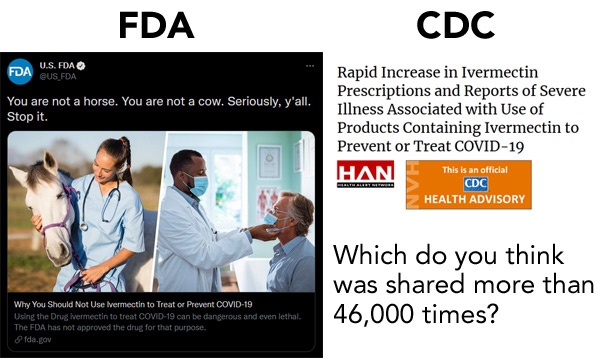
How bad is Covid in Georgia? We can’t know for sure because, as Georgia Health News reports, “Two state government websites in Georgia recently stopped posting updates on Covid-19 cases in prisons and long-term care facilities.” Other states, too, (notably Florida) have cut back on reporting cases in the middle of this fourth pandemic surge. A group of 12 pharmacy organizations, including APhA, NCPA, and NASPA, have asked the FDA to allow pharmacists to provide the REGEN-COV monoclonal antibody Covid-19 treatment. The FDA gave emergency use authorization to REGEN-COV (casirivimab and imdevimab) as a post-exposure prophylaxis for Covid. If it’s given when symptoms first show, but before hospitalization or oxygen therapy, it seems to make a difference for high-risk patients. Time, they point out, is a major factor. The groups indicated that when patients access care from a pharmacist, directing the patient to another provider for initiation of prophylaxis would unnecessarily delay treatment, if post-exposure prophylaxis occurs at all. …at least compared to the country mouse. A new British study found that the higher the level of air pollution in an area, the more people have to be treated for psychotic and mood disorders. A theoretical way to cure diabetes would be to take stem cells and turn them into pancreatic beta cells, then put back into the patient. Problem 1: There are a limited number of human stem-cell lines available. Problem 2: The process of turning stem cells into the cells you want is expensive … and doesn’t always work. Enter Penn State biomed engineers. They’ve come up with an inexpensive and easier way to differentiate those stem cells into pancreatic cells (solving problem 2). But their method also works on stem cells that are made from a patient’s own mature cells (solving problem 1). Take cells from patient. Turn cells into stem cells. Use new method to turn stem cells into pancreatic beta cells. Put into patient. Celebrate. The latest hopeful Covid-19 treatment that has flopped in testing is a biggie: convalescent plasma. As explained in a paper in the New England Journal of Medicine… The researchers hoped the treatment would reduce disease progression by 10%; instead the reduction was less than 2%. Though researchers conceded that the treatment might be effective in certain other cases, such as preventing symptoms after exposure. The standard malaria treatment around the world is piperaquine plus dihydroartemisinin. And it works … okay. But Purdue chemists have just completed a phase 2 clinical trial: It shows that adding imatinib (aka Gleevec) to the mix “enables clearance of all malaria parasites from 90% of patients within 48 hours and from 100% of patients within three days.” Not a cure, but a new vaccine: This one is grown in rice, which is then crushed into a powder, mixed with saline solution, and then drunk. It has huge advantages over pills: It’s easy to make (no more bioreactors), has a three-year shelf life (not just 14 days), and is cheaper to produce — and it may last longer than current vaccines because it targets the cholera toxin, not the cholera bacteria. CVS says it’s limiting sales of at-home Covid-19 tests (a max of six online, four in person) because demand has shot up. Supply, though, is low because test makers slowed production during the summer when they figured — like most of us — that the pandemic was winding down. The agency released an official health advisory — sorry, “HEALTH ADVISORY” — warning about the dangers of ivermectin, even when it’s by prescription: “Rapid Increase in Ivermectin Prescriptions and Reports of Severe Illness Associated with Use of Products Containing Ivermectin to Prevent or Treat COVID-19.” The FDA has apparently discovered what we at GPhA Buzz have been saying for years: When you mix a little humor into your news, people pay attention. “We hope that people will come for a little bit of snark, stay for the serious, and in the process learn something new about the FDA and an issue that could save their lives.”FDA learns to smile, plus smog psychosis, planting a cholera vax, and more
Missing numbers
Pharmacists should prophylactize
The city mouse may be a little … off
A stem-cell diabetes treatment
Well, that doesn’t work either
Another big step toward a malaria cure
Oh, and cholera, too
Tests are harder to come by
CDC issues ivermectin warning
You don’t say
August 27, 2021 ✒ Andrew Kantor
Georgia is one of 10 states with the biggest jump in Covid-19 cases in the last two weeks. About 92.7 percent of the state’s ICU beds are occupied. Governor Kemp is sending in the National Guard to help overwhelmed hospital staff. He also “issued an executive order allowing businesses to not comply with local mask or vaccine mandates meant to stop the spread of the virus.” To the Georgia Obamacare marketplace, that is. The Peach State — along with the Magnolia State and the Keystone State — is one of three new states the company is adding for 2022. (It’s also adding some counties in the Grand Canyon State, the Sunshine State, and the Old Dominion.) Through September 5, Krispy Kreme is offering two free doughnuts to anyone who’s been vaccinated against Covid. CMS is now offering additional payments to healthcare providers who give Covid vaccines to Medicare recipients in “smaller group homes, assisted living facilities, and other group living situations.” It allows… … vaccine providers to receive the increased payment up to five times when fewer than ten Medicare beneficiaries get the vaccine on the same day in the same home or communal setting. On that note, NCPA suggests that independent pharmacists reach out to care facilities and offer your services. “If you don’t contact a facility and they need help, the state health department is likely to refer that opportunity to someone else.” Uninsured Georgians who fall in the ACA “coverage gap” — earning too little to qualify for ACA subsidies* and too much for the state’s Medicaid program — could get a break. Part of the $3.5 trillion budget plan that just passed the House includes a program that would give them coverage. The likely plan is to first subsidize the coverage gap population to get private insurance on the ACA’s marketplaces, until sometime around 2025 or 2026, which would give time to set up the new system, aides and advocates say. Hospitals like the idea of the subsidies, but not the creation of a Medicaid-substitute program, which would undoubtedly pay them less. CVS joins the growing list of companies requiring staff to be vaccinated. It will require corporate and most patient-facing employees to be fully vaccinated by October 31; “Pharmacists working in the company’s retail stores will have until November 30 to be fully vaccinated due to the size of this employee population.” Kids with acute lymphoblastic leukemia, it seems, have a particular gene turned off: TET2, which can inhibit tumor growth. Swedish researchers figured out how it was turned off — and that the 40-year-old drug azacytidine can turn it back on. Could it be a cure? Because azacytidine is already approved (for adults with certain cancers), testing for kids can happen quickly. A new study by Israeli biochemists finds that UVB radiation activates the p53 protein in the skin. That, they found “increases hypothalamus-pituitary-gonadal axis hormone levels.” More bluntly, they explained (publishing in Cell Reports): Exposure to sunlight “enhances romantic passion in both genders and aggressiveness in men,” “increases circulating sex-steroid levels,” and “enhances female attractiveness and receptiveness toward males.” The full paper is 32 pages long.Free doughnuts, heat from the sun, sending in the Guard, and more
Those numbers aren’t getting better
Cigna’s coming to Georgia
The most important story in this issue
(Group) house calls
ACA gap closer
* Too little for subsidies? Yep. The ACA expected them to be covered by Medicaid, so they got left out in non-expansion states.
CVS hops on the bandwagon
Potential leukemia breakthrough
Vodka, peach schnapps, orange juice, cranberry juice
Do you want to send your members the daily Buzz email newsletter (customized for your state and organization, perhaps)? Let’s talk — just drop me a note at andrew@gphabuzz.com!


- As Lung Disease Threatens Workers, Lawmakers Seek Protections for Countertop Manufacturers
- Republicans Fret Over RFK Jr.’s Anti-Vaccine Policies While MAHA Moms Stew
- Primary Care Is in Trouble. So Doctors Band Together To Boost Their Market Power.
- Cosmetic Surgery Investigation Prompts Warnings for Patients, and a Push for Tighter Safety Standards
- Listen to the Latest ‘KFF Health News Minute’
- Banks Are Becoming Bulwarks Against Scams for Vulnerable Seniors
- January 2025
- December 2024
- November 2024
- October 2024
- September 2024
- August 2024
- July 2024
- June 2024
- May 2024
- April 2024
- March 2024
- February 2024
- January 2024
- December 2023
- November 2023
- October 2023
- September 2023
- August 2023
- July 2023
- June 2023
- May 2023
- April 2023
- March 2023
- February 2023
- January 2023
- December 2022
- November 2022
- October 2022
- September 2022
- August 2022
- July 2022
- June 2022
- May 2022
- April 2022
- March 2022
- February 2022
- January 2022
- December 2021
- November 2021
- October 2021
- September 2021
- August 2021
- July 2021
- June 2021
- May 2021
- April 2021
- March 2021
- February 2021
- January 2021
- December 2020
- November 2020
- October 2020
- August 2020
- July 2020
- March 2020
- February 2020
- January 2020
- December 2019
- November 2019
- October 2019
- September 2019
- August 2019
- July 2019
- June 2019
- May 2019
- April 2019
- March 2019
- February 2019
- January 2019
- December 2018
- November 2018
- October 2018
- April 2017
