August 26, 2021 ✒ Andrew Kantor
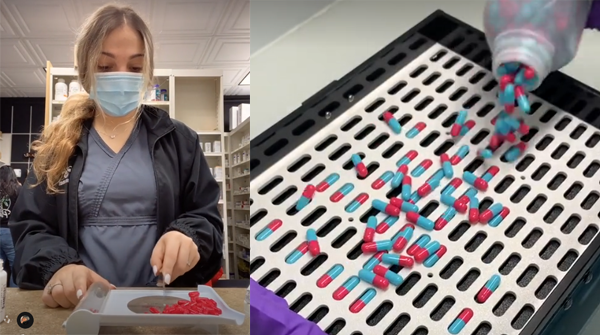
Not wanting to be left off the impending vaccine-booster bandwagon, Johnson & Johnson says that a booster shot of its vaccine “generated a rapid and robust increase in spike-binding antibodies” — in fact, after 28 days it was nine times (nine times!) higher than just a single shot. What could be more relaxing than listening to the sound of pharmacy technicians pouring, counting, and bottling pills? Apparently that’s become a thing on TikTok among ASMR enthusiasts. Go figure. Japanese chemists have developed a urine-powered sensor for adult diapers that can monitor blood glucose levels, sending that information to a caregiver via Bluetooth. In hospitals or nursing care sites, where potentially hundreds of diapers have to be checked periodically, the proposed device could take a great weight off the shoulders of caregivers. If you have a mouse with pulmonary fibrosis, here’s some good news: Venetoclax (the leukemia drug) seems to reverse it — as in the mice ” had normal lung architecture at 21 days and no collagen deposition.” So report medical researchers from the University of Alabama. In humans, idiopathic pulmonary fibrosis is usually fatal within three to five years, so this could be pretty darned big news for the 50,000 or so Americans who get it each year. Poor cancer — metastasizing is stressful. Most cells die from the stress, in fact (it’s called ferroptosis), but one way Duke biologists found cancer cells reduce that stress is by using cholesterol. The ones that survive are “impervious to death as they migrate from the original tumor site.” Bottom line (and more research is, of course, needed): High cholesterol means not only an increased risk of cancer, but a greater chance that it will metastasize. The latest CDC data, which (finally) takes into account the delta variant, shows that yep, Covid-19 vaccines lose effectiveness — dropping from about 91% effective at first to 66% percent after six months. This takes into account all three vaccines, and it was based on 3,483 frontline health workers across eight states. It jibes with a similar study out of Britain. The good news: Even 66% protection is still pretty good, and protection against serious illness is much higher. As school opens (and closes, and opens again), the good folks at Drug Topics have a timely bit of strategy for you: “Vital Information for Pharmacists to Increase Head Lice Awareness and Education.” “As pharmacists, we’re in the perfect position to rid patients of these misconceptions and to educate them about head lice, take away the stigma surrounding it, and help them manage it.” A pretty big British study (more than 81,000 people) found that “Covid-19 infection is associated with cognitive deficits that persist into the recovery phase.” Whether or not someone was hospitalized, there’s a good chance they’ll experience “cognitive problems” long after recovery. Questions remaining: How long do these “deficits” last, and what exactly causes them? For the latter, at least, the authors say brain imaging will be needed. Unlike other airlines, Delta is not requiring employees to get a Covid vaccine … but those who refuse it will pay an extra $200 a month toward their health insurance premiums. The company, it should be noted, self-insures its employees. And, starting September 30, unvaccinated employees will have to take sick leave if they contract Covid-19. (Those with breakthrough infections are covered by ‘Covid pay protection.’) With millions of people getting their shots, why did the FDA take so long to give full approval to Pfizer’s vaccine? The Atlantic explains “The FDA Really Did Have to Take This Long“.A lousy job, listening to pills, unexpected power source, and more
Boost me too!
The sound of pharma
* Autonomous sensory meridian response, or the feeling some people get when listening to certain quiet sounds, like whispering.
A different kind of glucose monitor
A big IPF breakthrough
Cholesterol powers cancer
Today’s vaccine effectiveness data
Lousy news
The long dark teatime of the brain
ICYMI: Delta news (the airline, not the virus)
* If you’re wondering whether the Affordable Care Act allows this, join the club. I guess we’ll find out soon.
The Long Read: What Took So Long? edition
August 25, 2021 ✒ Andrew Kantor
Georgia is one of six states (and the most populous) that did not sign onto the multi-jurisdiction $26 billion opioid settlement with drug distributors and Johnson & Johnson. Although the official deadline was this past Saturday, that doesn’t really mean the state won’t sign — you know how these things go. And there’s always the option to launch a separate lawsuit to try to recoup more money. Said Attorney General Chris Carr: “We have not rejected the deal, but we have not joined because at the present time joining the national settlements does not guarantee the best outcome for Georgia and its counties, cities, and citizens. We remain active in representing Georgia throughout negotiations, and we’re going to continue to get input from Georgia stakeholders.” Let’s go out to the ball game, let’s go out to the crowd…. The Braves game, that is, on Sunday, October 3, starting at 2:00pm vs the New York Mets. (The game starts at 3:20pm.) Go to GPhA.org/georgia-pharmacy-day-at-the-braves and get your tickets (section 214) now! They’re just $54, which includes a $10 beverage credit and early access to the Xfinity Cabanas. (Mets fans are welcome, too, but maybe keep that to yourselves.) Once upon a time, there was this idea of an implanted insulin pump for diabetics. One of the drawbacks was obvious: how do you refill the thing? It never took off. But now some Italian researchers think they’re on the way to cracking the problem, using magnetic capsules. The patient swallows the capsule just like a pill, and it moves through the digestive system naturally until it reaches a section of the small intestine where the implant has been placed. Using magnetic fields, the implant draws the capsule toward it, rotates it, and docks it in the correct position. The implant then punches the capsule with a retractable needle and pumps the insulin into its reservoir. It’s still in the testing phase, with pigs. There’s definitely a connection between the gut microbiome and the chance of someone becoming obese, but the details are still up in the air. Publishing in the Journal of Diabetes & Metabolic Disorders, researchers from India have found an interesting new way to alter that biome, resulting in greater microbiome diversity, a smaller waistline, and a gradual decrease in blood glucose. The treatment “may have to be repeated for sustained benefits,” they said; as always, further research is needed. The U.S. Preventive Services Task Force has updated its recommendation for prediabetes screening because the last version (circa 2015) would have missed about half the cases. The big change? “The USPSTF has lowered the starting age of screening from 40 to 35 years,” and now “recommends screening for prediabetes and type 2 diabetes in adults aged 35 to 70 years who have overweight or obesity.” Every time you want to avoid heart failure, drink. A new study from the National Institutes of Health found that people who kept hydrated — not just now and then, but every day through midlife — were less likely to suffer from heart failure later. [W]hen people drink less fluid, the concentration of serum sodium increases. The body then attempts to conserve water, activating processes known to contribute to the development of heart failure. The FDA has approved Korsuva, Cara Therapeutics’s thrice-weekly drug that can stop itching in patients going through dialysis. It’s an alternative to antihistamines and barbituates, so if you know someone on dialysis, it’s worth a mention, no? Bad reaction to food? You might be allergic — but you might be intolerant, or it could be something else. “Food allergy and intolerance: five popular myths explained” breaks it down for you.Start drinking now, diabetes screening change, Georgia won’t settle, and more
Georgia, unsettled (and that’s okay)
Cheer on the Braves, GPhA style!

New tech could allow implanted insulin pumps
Gut-biome weight loss
Prediabetes: 35 is the new 40
A healthier kind of drinking game
Stopping the itch
The Long(ish) Read: Food Allergies edition
August 24, 2021 ✒ Andrew Kantor
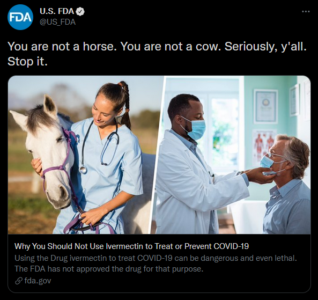
The FDA would like to remind you that you are not a horse. Or a cow. Don’t take ivermectin to prevent Covid-19. (And yes, it really is an issue.) ICYMI: The FDA has given full approval to the Pfizer/BioNTech Covid-19 vaccine. Now “it’s only experimental” is no longer an excuse. Here come the mandates…. Elsewhere: India’s government has given emergency approval to the world’s first DNA-based Covid-19 vaccine, and in fact, the first DNA vaccine for humans, period. It requires three doses, and a preliminary study shows it’s 66 percent effective against symptomatic disease. Forget that pesky exercise — here’s a tasty way to cut LDL cholesterol, courtesy of UGA’s College of Family and Consumer Sciences: Eat at least 68 grams of pecans a day. The researchers there found it had a pretty dramatic effect on total cholesterol, triglycerides and LDL cholesterol — “a greater and more consistent reduction in total cholesterol and LDL compared to many other lifestyle interventions.” Researchers saw an average drop of 5% in total cholesterol and between 6% and 9% in LDL among participants who consumed pecans. “We had some people who actually went from having high cholesterol at the start of the study to no longer being in that category after the intervention.” If you’ve got patients taking muscle relaxants for low-back pain, here’s some bad news: The chances of them working were just as good as the chances of them causing side effects: low. Aussie researchers “reviewed and carried out a detailed analysis of evidence from 31 randomised controlled trials involving over 6,500 participants.” The only evidence they found that those drugs helped was the “very low certainty” type. That doesn’t mean don’t take them, they say, just that actual clinical trials are needed. Researchers at University Hospitals in Cleveland say they’ve found both the cause of, and a treatment for, mice with metabolic syndrome — and the obesity it causes, too. It’s a hormone called asprosin that “stimulates appetite and increases blood glucose levels by acting on the hypothalamus and the liver” (although they don’t know why that’s the case). Still, it’s an obvious target. Annnnd… “When mice were treated with monoclonal antibodies that neutralize asprosin, they ate less, lost weight, and their blood glucose levels normalized. So all those unvaccinated people overwhelming hospitals across the South? Guess who’s gonna be paying their hospital bills? Yep, that’s right — either taxpayers (if they don’t have insurance) or insurance companies. And with the average hospital stay costing around $20,000, you know those costs will soon be reflected in premiums. How much are we talking? A quick look at preventable hospitalizations and we’re looking at $2.3 billion … so far. Headline: “No Permanent Lung Damage Observed After COVID-19 Recovery” Reality: The study examined the lungs of a grand total of … 11 patients. Getting enough vitamin D can reduce the risk of myocardial infarction, but the key is enough: A study out of the Kansas City VA found that, while having a vitamin D level of 20 ng/mL is good enough in general (for staving off death), you need more — at least 30 ng/mL — to reduce the chance of MI. = AND = For folks under 50, “consuming higher amounts of vitamin D may help to protect against developing colorectal cancer and pre-cancerous polyps.” What is a “higher amount”? “We found that total vitamin D intake of 300 IU per day or more — roughly equivalent to three 8-oz. glasses of milk — was associated with an approximately 50% lower risk of developing young-onset colorectal cancer.” Biden administration: “We’re gonna start giving boosters after a ‘thorough review of the evidence’.” CDC’s Advisory Committee on Immunization Practices: “We don’t have a meeting planned until the end of August at the earliest.” Biden administration: “Boosters start September 20!” “The whole idea of following the science is that you let your science go first, and then you follow it.”Eat some pecans, back pain disappointment, the hormone that makes you fat, and more
Of course, of course
Covid vaccine notes
Nuts to cholesterol

I won’t say anything if you don’t
* We’re talking non-benzo antispasmodics
The fat hormone
Brewing resentment
This is why you read past the headlines
Vitamin D updates
Jumping the gun?
A priest, a minister, and a rabbi walk into a physiotherapist’s study….
August 21, 2021 ✒ Andrew Kantor
Apparently acting FDA commish Janet Woodcock is not on the list to be the permanent head of the agency. Was it because of the whole Aduhelm approval bruhaha? The slow approvals of the Covid vaccines? Or back-room politics? Does it matter? Apparently (says an expert in these things), one of the reasons people will need a third dose of an mRNA vaccine is because we got the first two doses so close together — three or four weeks. That was done to get as many people “fully” vaccinated as possible … but sacrificing the longer-lasting protection. In a multi-dose vaccine regimen, a longer interval between doses gives the immune system time to mature. During this time period, a process called affinity maturation takes place, which causes antibodies to improve in quality while dwindling in number. And that means that a third dose, coming eight or nine months after the first ones, could be it. Emphasis, of course, on “could.” The last place you want to go is a hospital — in Georgia or any of the other five states that are just about out of ICU beds. The tsunami of Delta variant cases […] has begun to put a strain on an already incredibly busy emergency department, with patients waiting longer than usual for assistance. At some point, one of these treatments is actually going to work outside the lab. Until then, though, it’s just one press release after another. The latest is from the University of Michigan, where researchers pitted more then 1,400 drugs and compounds against the SARS-CoV-2 virus. The good news is they got 17 “potential hits,” — seven already known (e.g., remdesivir) but 10 that were new. One of them: lactoferrin, which is available over the counter as a dietary supplement. “We found lactoferrin had remarkable efficacy for preventing infection, working better than anything else we observed,” […] Early data suggest this efficacy extends even to newer variants of SARS-CoV2, including the highly transmissible Delta variant. They’re starting clinical trials shortly. “Study Shows Uptick in U.S. Alcohol Beverage Sales During COVID-19 Pandemic” with a peak in the third quarter of 2020. Data from 2021 to come…. Obviously opioid users can’t just go cold turkey, but there’s bad news: A UC Davis study found that, for “long-term, higher-dose users,” even tapering off them is bad. After tapering their usage, overdoses went up by 69 percent and mental health crises more than doubled versus those who didn’t try to taper. Granted that the definition of “tapering” was reducing daily dose by more than 15 percent over two months, it’s possible that what’s needed is more-gradual reduction.Pandemic drinking, third time’s the charm, ICUs a-burstin’, and more
It won’t be Woodcock
So, about those third doses….
Stay safe this weekend
Yet more Covid killers
Captain Obvious offers a toast
There’s no good way to stop
August 20, 2021 ✒ Andrew Kantor
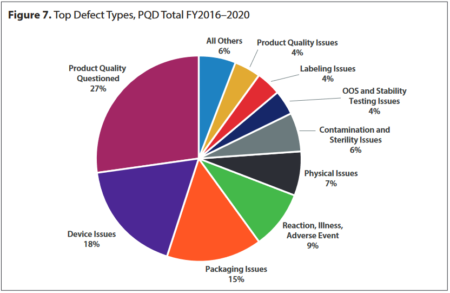
One of the drugs that sorta-kinda works for Covid-19 patients is Genentech’s Actemra, aka tocilizumab (which recently got an emergency use authorization from the FDA). Unfortunately, now there’s a global shortage. Because tocilizumab is still under patent, there are no generic versions. And because it’s a biologic, it can’t be compounded. (Bright spot: Genentech does have subcutaneous tocilizumab on hand, but that isn’t covered by the EUA … yet.) TechU is a one-day education and social event (three hours of CE!) developed by Georgia pharmacy techs for pharmacy techs. No pharmacy technician in the state should miss it! Eat, drink, meet, greet, and have a great time! This year it’s September 25 in Savannah, on the campus of South University. Grab the early-bird rate by August 31 — just $35 for GPhA members, and $45 for non-members. Click here for the deets and to sign up! “Massive New Analysis Confirms Just How Many COVID-19 Cases Are Truly Asymptomatic” — the answer is 35 percent (based on a Yale group’s analysis more than 350 studies). How good is the U.S. drug supply chain? The FDA just released the latest report (24-page PDF). It’s got charts and graphs and text breaking down complaints, warning letters, alerts, etc., by drug type, region, and what was wrong. Fun reading, for sure. It’s also got some interesting data on where our drugs come from. Did you know there are 1,780 drug-manufacturing sites in the U.S., and 1,266 in the rest of the world combined? Now you do. And that someone seems to be pediatricians. A study out of the University of Michigan found that a whopping half of opioid prescription given to kids and teens — usually after surgery or dental work — either “exceeded a recommended supply or dose, or included a drug or combination of drugs not recommended for children.” [A] small group of prescribers in the top 5% of prescriptions account for half of all opioid prescriptions for children and young adults and half of high risk prescriptions. Many of these prescribers are dentists or surgeons, and a disproportionate share practice in the South. Fluvoxamine. The anti-depressant. So says a study from Canada’s McMaster University, which looked at 1,471 Brazilian patients. “Fluvoxamine is the only treatment that, if administered early, can prevent COVID-19 from becoming a life-threatening illness. It could be one of our most powerful weapons against the virus and its effectiveness is one of the most important discoveries we have made since the pandemic began.” Why are you supposed to wash your hands for 20 seconds? Is that a magic number? Sort of, yes. Soap works two ways: It destroys the fatty cell walls of bacteria, but it also physically detaches the bacteria from your skin. The American Institute of Physics was more interested in that second part, and a new paper confirms, “It takes about 20 seconds of vigorous movement to dislodge potential viruses and bacteria.” We’ll just let the lede speak for itself: Eating a hot dog could cost you 36 minutes of healthy life, while choosing to eat a serving of nuts instead could help you gain 26 minutes of extra healthy life, according to a University of Michigan study. (The math: With a serving size of 1 oz, that means … eating 1,173 pounds of nuts would give you an extra year of life. Get cracking.) “The Two-Decade Delay in Lyme-Disease Vaccines” — with some surprising information about dogs’ Credelio Lyme-prevention chewable.Slow death by hot dog, pediatricians behaving badly, the 20-second explanation, and more
Covid-drug shortage
Send your pharmacy tech to TechU!
Saving you a click
Quality report
Someone’s not getting the message
The latest amazing Covid-19 treatment is…
What’s with 20 seconds, anyway?
The nuts giveth, the hot dog taketh away
The Long Read: Lyme edition
August 19, 2021 ✒ Andrew Kantor
Two years. Dozens of states, cities, towns, and tribe. Finally, one big $4.5 billion opioid settlement. Until the Sackler family, owners of Purdue Pharma (and implicated as the people who “took a keen interest in drastically downplaying the addictive qualities of OxyContin in marketing efforts”) made a demand: They want to be shielded, forever, against any future lawsuits — and not just about opioids, but over any drugs the company makes. And the definition of “Sackler family” is rather broad: [David Sackler said] the family anticipated that the liability shield would cover him, other members of his extensive family, and about 1,000 other individuals, including contractors and consultants, and protect them from lawsuits that had nothing to do with opioids. We’ve got good treatments for HIV infections, but not a cure. That’s in part because the virus is able to hide in reservoirs in the central nervous system, where antiretrovirals fear to tread. Molecular biologists at the University of Miami did the obvious thing: They turned to nanoparticles — “biodegradable brain-targeted polymeric nanoparticles,” to be specific. Using those nanoparticles, they were able to deliver antiretrovirals, antioxidants, and anti-inflammatories through that pesky blood-brain barrier. It’s only in animal models at the moment, but it’s a pretty cool proof of concept. “The approach could theoretically be used to hustle other therapeutic molecules across the blood-brain barrier.” Many of you know GPhA member Joe Ed Holt — today he serves as chair of GPhA’s PharmWell, but he was also one of the folks whose lives were changed by the PharmAssist program. Take a minute to read what Joe Ed has to say about PharmAssist, and how you can help your fellow pharmacists who are dealing with burnout, chemical dependency, and addiction. When you think about feeling good, you might think about serotonin — it’s what most antidepressants work on, after all. But British researchers (and their friends in South Carolina) think there’s another “molecule of interest” — histamine. Specifically, they found that (in mice) histamine actually binds to the neurons that normally would produce serotonin. To quote the philosopher Scooby-Doo, “Ruh-ro.” And to make matters worse, SSRIs also cause the release of histamine “cancelling out [the SSRI’s] serotonin boosting action.” But then… The researchers then administered histamine reducing drugs alongside the SSRIs to counter histamine’s inhibitory effects, and saw serotonin levels rise back to control levels. (Important note: Those weren’t simply anti-histamines they used. They were drugs that “cause a whole-body reduction in histamine.” So just taking Zyrtec won’t help.) Next up: Does this translate to humans? Moderna is expected to begin phase 1 trials of two mRNA HIV vaccines, starting today. Phase 1 is just to determine safety, so there’s a ways to go before the serious effectiveness trials begin. But still. If you want to see what drugs will work on a particular patient’s cancer, it makes sense to take a sample of the tumor and test those drugs. But that hasn’t worked well with many solid epithelial tumors, like some lung cancers. Now Finnish researchers have figured out why, and a way around it. And it’s pretty straightforward. The “trick” is speed. Normally you would culture the cells to have more to work with, but solid tumor cells change very quickly after removal from the body. The Finns developed a test that lets them skip that culturing stage and go straight to testing these “fresh uncultured tumor cells” instead. Their results demonstrated that robust drug response data was generated in 19 of 20 patient cases. Genetic cancer mutation analyses and the drug sensitivity data were well aligned. Data change — that’s science. So the latest information won’t be the final information. That said, numbers from six of the seven states that collect the most Covid data show that “breakthrough infections accounted for 18 percent to 28 percent of recorded cases in recent weeks.” But the scary part isn’t cases. It’s hospitalizations: “Breakthrough infections accounted for 12 percent to 24 percent of Covid-related hospitalizations in the states.” (Good news: Deaths among the vaccinated remain small — less than 1 percent of breakthroughs.) “People lose control over it. They consume it even though they know they should stop. They’re having compulsive behaviors. They go through withdrawal when it gets removed.” University of Michigan psychology and addiction researcher Ashley Gearhardt is talking about Diet Coke. Between the caffeine (32 percent more than regular Coke) and the aspartame (only gives half the reward as sugar)… “If Diet Coke—or any diet soda—was a new pharmaceutical product and we were testing it for whether people are getting addicted to it, we would be very concerned.” If you’ve been reading the news and dreading the idea of another lockdown, the fruit flies of the world understand. Publishing in Nature, Rockefeller University geneticists found that isolated fruit flies are more human than you might expect. After seven days, flies housed together in groups of varying sizes produced no anomalous behaviors. Even two flies cut off from the crowd were content with one another. But when a single fly was entirely isolated, the lonely insect began eating more and sleeping less. As the lead researcher put it, “loneliness has pathological consequences.”Lonely flies, histamine’s dirty secret, DC addiction, and more
Settlement derailed
Brain delivery
Joe’s story
SSRI interference
Big step for HIV vaccine
With tumors, timing is everything
A scary breakthrough number
One is never enough
The lonely flies
August 18, 2021 ✒ Andrew Kantor
The FDA will be allowing third doses of the Pfizer and Moderna Covid-19 vaccines for certain immunocompromised people. Here are two important resources if you’re planning to offer them: Dr. Danny Branstetter’s title tells you that he knows what he’s talking about: He’s WellStar Health System’s medical director for infectious disease and infection prevention. And he says Covid is “out of control” in Georgia. The data don’t disagree. Spurred by the highly contagious delta variant, the state saw more than 40,000 positive coronavirus cases in a week for the first time since the January surge […] Overall cases rose by 29%, admissions to intensive care units were up 47% and deaths spiked 34%. Sure, you think of antibodies fighting germs. But why not get them to attack sperm, too, and make a new kind of contraceptive? That’s just what pharmacy researchers at UNC decided to try. They engineered monoclonal antibodies specifically designed to block sperm from ever reaching the egg. The trick was to build a whole new kind of antibody to do this — one that had a lot of “binding arms” to attach to the sperm. The result: “potent, non-hormonal contraception with a pharmacological mechanism that has already been validated in women.” So far, they’ve just done animal studies, but they’ve already licensed the tech to a startup that will begin to develop an actual product. Ever been in a store when someone sets off the alarm on the way out? Now imagine that scenario, but the alarm sounds when they walk in. Nokia (remember it?) has developed a Covid-19 detection system for use in offices, schools, public buildings … you get the picture. The device uses thermal camera and real-time video analytics to determine if a person possesses COVID-19 symptoms. The system detects whether a person has a high temperature or is not wearing a face-mask and instantly alerts supervisors. Artist’s conception Pro tip: If you want to show you’re serious about drug-pricing reform, you bring your dead mother into the discussion. Using too much moisturizer on babies can result in their acquiring food allergies. The process (explained the British researchers who figured it out) is called “transcutaneous sensitization,” but they aren’t quite sure how it works. What they do know is that… Food allergy development and moisturization frequency showed a statistically significant dose-response relationship, with each additional weekly moisturization application corresponding to 20% increased odds of food allergy. Possible causes? The moisturizers could make it easier for allergens to slip through the skin, or the very act of rubbing them on “might be damaging the skin barrier and allowing the passage of the food allergen.” (And those allergens might come from the environment or from the parents’ hands.) Sure, the older kids are more likely to bring Covid home from school, but it’s the younger ones who are spreading it around the house. (So found a study out of Canada.) Once the virus is inside, it’s the kids up to age 3 who you have to watch out for — they’re the ones being held and cuddled. “We always knew children could get it, could transmit it, and could get sick with COVID. I think we’re learning more and more just how much.” If you’re working with people with diabetes, you know that dietary changes can help. But — as tasty as those ‘meal-replacement’ shakes are — a review of 90 papers on dietary changes found that they work even better in combination with other changes: Our review found that meal-replacement diets helped around one in three people successfully achieve remission, while low carbohydrate diets were able to help around one in five people achieve remission. People who lost weight using both of these diets were able to stay in remission for up to two years if they maintained their weight loss. What didn’t work? Low-calorie and Mediterranean diets. “Apart from hydrogen, the most common thing in the universe is stupidity.” — Harlan Ellison “Covid Skeptics Request Blood Transfusions From Unvaccinated Donors” — Kaiser Health News Moist baby problems, toddler transmission, sperm-killing antibodies, and more
Third doses: What you need to know
Captain Obvious will let this one slide
A new type of birth control
Scanning for Covid

Mom would have wanted it
Moist babies get allergies
You never could trust the little ones
The right diabetes diet
Facepalm of the day
August 17, 2021 ✒ Andrew Kantor
It’s been more than five years since the CDC updated its “Sexually Transmitted Infections Treatment Guidelines,” but that long dry spell has come to an end. Behold, the 2021 recommendations (mobile app coming shortly). People under 50 in Georgia, like the rest of the country, are now seeing the highest rate of Covid-19 hospitalization since the pandemic started. All age groups are seeing a spike, but for people 0 to 49 years old, the current rate surpasses the early-2021 numbers. And that is scary stuff. Naloxone, thanks in part to a Pfizer “manufacturing issue” back in April, is suddenly in short supply. That’s hitting the Opioid Safety and Supply Network Buyer’s Club — the buyers group for harm-prevention programs nationwide — particularly hard. OSSN had been able to buy it from the company at a discount, but with supplies “depleted,” according to Pfizer, they’re left without alternatives … just as overdoses are hitting record highs. Most can’t afford to pay the regular price (and most don’t get federal funding). The community programs that rely on the buyer’s club have resorted to seeking donations to buy naloxone at market price or looking for supply from places where the antidote is sitting on shelves and expiring. […] Without supply, organizations such as Utah Naloxone must weigh which facilities, including libraries and treatment centers, it will no longer stock. Pfizer’s lazily named “Ticovac” has been approved for prevention of tick-borne encephalitis. That is all. Instead of looking at antibodies after vaccination, Penn researchers looked at the body’s T cell response to both the SARS-CoV-2 virus and the two available mRNA vaccines. What they found: a robust and durable response with either the virus and one vaccine, or with two vaccinations. “For people who haven’t had COVID-19, the first dose powerfully primes the pump, and the second dose turns on the whole engine — but having had COVID-19 is like having had that first vaccine dose already.” Said the director of the Penn Institute of Immunology, “Our findings underscore the fact that we need to look at T cells, not just antibodies, if we want a complete picture of the vaccine response.” Good news: Lung damage from Covid-19 doesn’t appear to be permanent (from Loyola University). More clues: Long Covid might be a result of “higher measures of blood clotting,” which would explain many of the common symptoms (from Royal College of Surgeons in Ireland). Fungal infections are becoming more and more of an issue in hospitals, with various species of Candida infecting medical equipment, forming protective biofilms that make them resistant to anti-fungal meds. C. albicans is “one of the most invasive and notoriously resistant,” and it can be deadly to people with compromised immune systems. (Pro tip: Do not Google “Candidiasis.”) But now Aussie researchers have a possible solution, and of course it uses nanoparticles. They’ve created “smart micelles” — lipid spheres that can break apart that protective biofilm and deliver drugs to kill the fungus. “We estimate that the new micelles could improve the efficacy of anti-fungal medicines by 100-fold, potentially saving the lives of millions of people worldwide.” (Right now it only works for C. albicans, but hopefully it can help attack the up-and-comer, C. auris, too.) Georgia Health News (which we at Buzz love) is becoming part of Kaiser Health News — one of the best health and medicine news operations out there. It will be the start of KHN’s Southern Bureau. If you have lemurs living near you (you know who you are), take note: Duke anthropologists have found that the ones living close to humans — including in research facilities — harbor a heck of a lot more antibiotic-resistant microbes than those in the wild. At first they thought that pet and research lemurs acquired the bacteria because of being treated by veterinarians with antibiotics. But nope, even those that had never been to the vet had resistant bacteria. And the closer they lived with humans, the more of it they had. The current hypothesis: Humans carry antibiotics with us. “Humans came along, developed antibiotics, spread them all around us, and propagated these resistance genes into natural environments and into the microbiomes of wildlife.” Not good news for the fight against resistance. Speaking of which…. Indiana University biologists tried to starve bacteria — and failed. Even after 1,000 days without food, the bacteria lived, putting themselves in a dormant state. What does that mean for humans? Well, our treatments “are often designed to target the cellular machinery of metabolically active cells.” So the dormant cells aren’t killed, and in fact can evolve antibiotic resistance, all while hiding somewhere. And waiting. The American Society of Anesthesiologists is very very angry, and has put out a strongly worded press release that “Condemns the American Association of Nurse Anesthetists’ misleading name change.” Apparently, the American Association of Nurse Anesthetists is now the American Association of Nurse Anesthesiology, which ASA calls “medical title misappropriation.” Said ASA president Beverly Philip, “ASA will not allow AANA leadership to continue their harmful initiatives.” Get your popcorn.Lemur resistance, immortal bacteria, naloxone shortage, and more
The new STD guidelines are here!
Young person’s disease

Naloxone in shortage
A vax for ticks
Two for T cells
Quick Covid notes
Fungus fighter
Congrats to GHN!
Resistance is everywhere
You can’t starve them
Pistols at dawn
August 14, 2021 ✒ Andrew Kantor
Ah, teenagers and their metabolisms, burning through those calories and letting them feed with abandon. Guess what? It’s not true. A worldwide team of researchers found that human metabolism doesn’t change the way you might expect. The short version: Babies and infants have really high metabolisms, but then it declines about 3 percent a year until your 20s, when it’s stable for decades. There is no teenage engine roaring. In fact, the researchers discovered that energy expenditures during these middle decades – our 20s, 30s, 40s and 50s — were the most stable. Even during pregnancy, a woman’s calorie needs were no more or less than expected given her added bulk as the baby grows. So no, your metabolism doesn’t slow down in middle age. It doesn’t slow down, in fact, until after age 60 — and even then it’s gradual. The fault for middle-age spread lies not in our cells, but in ourselves. Latest vaccine data: The Moderna mRNA vaccine seems to offer better protection from breakthrough infections than the Pfizer vaccine. The study found that in July in Florida, where Covid cases are at an all-time high and the delta variant is prevalent, the risk of a breakthrough case was 60% lower for Moderna recipients as compared to Pfizer recipients. You tell us. Seriously. It’s time for GPhA to start planning its 2021–22 legislative agenda, and that usually comes from membership — folks on the front lines. Vaccine protocol expansion in 2015? Member idea. Medicaid audit protections? Ditto. Expanded point-of-care testing, the Pharmacy Patient Protection Act, the Audit Bill of Rights, anti-steering … all these came from members. So let’s ask again: What oughta be a law? If there’s a law or policy issue you want to see changed — something that will improve patient care or the practice of pharmacy — tell us about it! It’s crazy easy: Just e-mail a brief explanation of the issue to our VP of public policy, Greg Reybold, at greybold@gpha.org. Yes, it’s that simple. Your deadline: Friday, August 16, by 5:00 p.m. EDT. So you’ve got mice with solid tumors. If it was a blood cancer, say, you could use CAR T-cell therapy to attack it, but that doesn’t work for solid tumors. The problem is that “CAR T cells are so potent that they may also attack normal tissues” — the “CAR” protein can target healthy cells. So how do you tell the CAR T cells to attack only tumors? According to UC San Diego bioengineers, you use ultrasound. Specifically, they re-engineered CAR T cells so they only express that CAR protein when ultrasound energy is applied. Then it’s just a matter of pointing the ultrasound at the tumors and letting the T cells do their thing. In mice that were treated with the new CAR T cells, only the tumors that were exposed to ultrasound were attacked, while other tissues in the body were left alone. But in mice that were treated with the standard CAR T cells, all tumors and tissue expressing the target antigen were attacked. Our friends at APhA are calling for nominations for the 2022 APhA Immunization Champion Awards. And yes, you can nominate yourself*. If you’ve gone above and beyond the call of duty when it comes to raising vaccination rates, you might be in line for an award — especially during the Covid-19 pandemic. Click here for more info and to submit your nomination — you must be an APhA member, and you have until September 15, 2021. The awards will be presented at APhA2022, March 18–21, 2022. Pharmacy residents: You’ve got about 10 days — till August 23, 2021 — to apply for an APhA Foundation Vaccine Confidence Incentive Grant. That’s $5,000 for a winning proposal that will “incorporate delivery of vaccinations within individual practices and/or communities” by increasing confidence and increasing update in underserved areas. Meanwhile, student pharmacists and pharmacists have a shot at a $1,000 Innovation in Immunization Practices Incentive Grant — check that same link for the details. You’re going to be hearing a lot more about nasal delivery of Covid-19 meds. That’s because, while vaccines are great for keeping the virus at bay where it does the most damage, it still tends to live in the nasal passages. One sneeze can infect a whole roomful of people. The latest comes from the U.K.’s Lancaster University, where virologists have developed an intranasal Covid-19 vaccine that (they say) not only induces an immune response, but also keeps the virus from replicating in the noses and lungs … of hamsters, anyway. [T]wo doses of the intranasal vaccine were found to significantly reduce the virus “shedding” from the nose and lungs of the hamsters — suggesting the vaccine has the potential to control infection at the site of inoculation. This should prevent both clinical disease and virus transmission, to halt the spread of the COVID-19 pandemic. We all know that gut microbes affect, well, everything — probably even the stock market. For example, we know that radiation therapy for cancer doesn’t work as well for mice that are first given antibiotics. But there’s a twist. Old idea: The gut bacteria killed by the antibiotics are necessary for the radiation to work. New idea: Without bacteria, gut fungi proliferate — and its they that interfere with the therapy. How they proved it: When researchers at Cedars-Sinai Medical Center in Los Angeles gave mice with cancer an antifungal drug, radiation therapy worked better. Ditto when they created fungus-free mice. How does it work? Their best guess is that… …this likely means that bacteria are important for generating activated T cells after radiation therapy, while fungi promote macrophages that destroy these tumor-killing T cells. So the goal, as one of them put it, is “to develop the optimal microbiome composition—a mixture of some bacteria and some fungi that are the perfect balance—but we are trying to figure out what that is.” It’s bad enough that street drugs are being laced with fentanyl. The new threat: drugs laced with benzodiazepines. They call ’em “benzo-dopes.” (I believe that means they call the drugs “benzo-dopes,” but it might be referring to the users.) Canadian health officials are seeing a pretty big rise in the number of confiscated opioids that test positive for benzos, notably etizolam, which is hard to detect. Benzos take longer to have an effect than opioids, “meaning someone can experience delayed overdose symptoms.” They can also fall unconscious — never a good thing. And while naloxone can help with an opioid overdose, it doesn’t work on benzos. Is a new wave of overdose on its way? I guess we’ll find out. Even when a patient has a legitimate reason to visit several prescribers, if one doc gives them an opioid and other gives them a sedative, there’s a much higher risk of overdose than if the same person prescribes both. This from a University of Michigan study of more than 529,000 patients over two years. It found the risk of overdosing was 20 percent greater when two prescribers were involved. For example, if a psychiatrist prescribes a benzodiazepine to a patient whose primary care doctor is already prescribing opioids, that may be more dangerous than if the primary care doctor writes both prescriptions.” Tools like prescription drug monitoring programs can help, but one researcher pointed out that “these high-tech solutions would not be needed if doctors did a better job of taking a complete medical history.” The FDA has approved Xywav — known to crime enthusiasts as gamma-hydroxybutyrate or GHB. Yep, that GHB. Its a newer version of Xyrem, and it’s to be used to treat “’idiopathic hypersomnia,’ a mysterious condition in which people sleep nine or more hours a day, yet never feel rested.” But boy are there a lot of questions and yellow flags. Start with side effects: “As of June 30, the F.D.A. had recorded more than 27,000 ‘serious adverse events’ for patients taking Xyrem or Xywav, including 753 deaths.” Now add the lack of solid data that it works (only one small clinical trial), the potential for abuse, and the idea that anyone with a bit of daytime drowsiness might be able to get a prescription. Meanwhile the company is running ads in Times Square and generally trying to push the drug for other conditions, “including insomnia, depression, and fibromyalgia.” So far, the FDA has turned it down. Gut fungi interference, metabolism mistakes, benzos in the news, and more
You can’t blame your metabolism any more
Breakthroughs
What oughta be a law?

Targeting T cells
Want some love?
*Not responsible if you grow hair on your palms.
Want some money?
Through the nose wisely
Fungi fights radiation
Latest news from the mean streets
While we’re talking benzos and opioids…
Sure, why not approve GHB?
August 13, 2021 ✒ Andrew Kantor
There are 39 U.S. states — yes, including Georgia — that have such a high rate of Covid-19 infection they would qualify for the CDC’s “Do Not Travel” list … if they were countries. In fact, five U.S. states (if they were countries) have among the top-10 outbreaks in the world: Louisiana, Florida, Mississippi, Arkansas, and Alabama. If Georgia was a country (it is, but you know what I mean) it would be in the top-20 worldwide. Take heart, though: “If Florida were a country, it would be the second-most infected place on the planet, just behind Guadeloupe.” No more Medicaid work requirements: HHS has revoked permission for Ohio, South Carolina, and Utah to require Medicaid recipients to either find work or take job training, pointing out that such policies only reduce Medicaid enrollment without actually increasing employment. Only two states are left considering such requirements: Tennessee (and HHS just asked for more information about its demonstration project) and Georgia. “Work requirements lead to loss of coverage for the most vulnerable people, the research on this is clear. It’s an idea that has lost whatever luster it had, and I don’t think any states are going to want to go down this path now.” Every year, Medicare pays millions for drugs that are thrown away because they come in large, non-resealable, non-reusable vials. Taxpayers are paying for gallons when all patients use are teaspoons, simply because that’s how drugmakers package them. Seems like a good place to save some money. But, when asked for its opinion, the ‘prestigious’ National Academies of Sciences, Engineering and Medicine (NASEM) said, essentially, ‘Nah, don’t worry about it.’ What NASEM didn’t mention was that it — and members of the committee who wrote the report — were on the receiving end of a lot of money from pharmaceutical companies. And it’s not the first time “The conflicts align just way too closely with the results,” as one researcher put it. The national academies came under scrutiny in 2014 and 2016 for failing to disclose conflicts among committee members advising federal officials on opioid use and in 2017 on genetically modified crops. And more recently, a NASEM report on compounded hormones had the same problem, this time with influence from the report’s sponsor — the FDA. Are you ready for flu season? Any idea what to expect this year? (Spoiler: You’re not. No one is.) It’s like this, see: With flu barely making an appearance last year thanks to masks and isolation, no one knowsif this year will be better (thanks to Delta) or worse (because the 2021 vaccines might not match the strains that show up). Still, the good folks at Drug Topics have published some recommendations and information about both vaccines and point-of care tests. Be prepared … for anything. Since you’re probably going to be giving vaccinations — plural — now’s the time to take APhA’s Pharmacy-Based Immunization Delivery: A Certificate Program for Pharmacists. Conveniently, GPhA is offering it twice more this year: September 19 and December 5, both at GPhA’s World Headquarters in Sandy Springs. Every pharmacist on your team should learn to administer immunizations, and there’s no better way. Get the details and register today. (And because these are in-person programs, space is limited!) By the time you read this, the FDA is expected to announce that Covid-19 vaccination boosters will be authorized (and, indeed, recommended) for people with compromised immune systems. So says the CDC (and the American College of Obstetricians and Gynecologists). It’s simple: The risk of preterm birth and severe disease is high, and the risk from the vaccine is virtually non-existent, it said. And Delta’s transmissibility makes it even more urgent. Only 23 percent of pregnant women have received even one dose of Covid vaccine in the United States, and, in recent weeks, physicians have reported seeing more pregnant patients becoming infected, C.D.C. officials said. Oh, and you can discuss this part amongst yourselves: The C.D.C. said its new guidance applies not only to pregnant women but also to pregnant individuals who do not identify as women. The Veterans Health Administration said Nope, it won’t be including Biogen’s Aduhelm — the $56,000 a year Alzheimer’s drug — on its list of approved drugs “due to the risk of significant adverse drug events and to the lack of evidence of a positive impact on cognition.” Here’s a bit of a surprise — in a good way — from Alzheimer’s researchers. A study out of South Korea found that people with both type 2 diabetes and Alzheimer’s taking dipeptidyl peptidase-4 inhibitors* had less amyloid in the brain, and showed slower cognitive decline than people not taking those drugs. Researchers found that people with diabetes who took the drugs had lower average amounts of amyloid plaques in the brain compared to people with diabetes who did not take the drugs and compared to people who did not have diabetes. How do you get drugs into the notoriously difficult-to-enter central nervous system? Why not microscopic robots? Biomedical engineers have designed just those: “tiny tumbling soft robots” that can be controlled by magnets and steered through the body. They do two important things: Get into the neural tissue where intravenous drugs can’t go (they’re soft enough not to damage it), and be directed to the exact spot where treatment is needed. The study finds that when controlled using a magnetic field, the tiny tumbling soft robots can move against fluid flow, climb slopes and move about neural tissues, such as the spinal cord, and deposit substances at precise locations. And, just because engineers have senses of humor, the ‘bots are called “magnetically aligned nanorods in alginate capsules” — MANIACs.Robots in the brain, Georgia’s world ranking, an untrustworthy agency, and more
World rankings you’re better off without
You know Georgia’s next
A slight conflict of interest
‘Tis the season (almost)
Speaking of giving vaccinations…
The number of the counting shall be three (for some)
If you’re pregnant, get vaccinated
VA passes on Alzheimer’s drug
A diabetes drug tackles Alzheimer’s
* “Gliptins” to their friends
Tiny dancers
Do you want to send your members the daily Buzz email newsletter (customized for your state and organization, perhaps)? Let’s talk — just drop me a note at andrew@gphabuzz.com!

- As Lung Disease Threatens Workers, Lawmakers Seek Protections for Countertop Manufacturers
- Republicans Fret Over RFK Jr.’s Anti-Vaccine Policies While MAHA Moms Stew
- Primary Care Is in Trouble. So Doctors Band Together To Boost Their Market Power.
- Cosmetic Surgery Investigation Prompts Warnings for Patients, and a Push for Tighter Safety Standards
- Listen to the Latest ‘KFF Health News Minute’
- Banks Are Becoming Bulwarks Against Scams for Vulnerable Seniors
- January 2025
- December 2024
- November 2024
- October 2024
- September 2024
- August 2024
- July 2024
- June 2024
- May 2024
- April 2024
- March 2024
- February 2024
- January 2024
- December 2023
- November 2023
- October 2023
- September 2023
- August 2023
- July 2023
- June 2023
- May 2023
- April 2023
- March 2023
- February 2023
- January 2023
- December 2022
- November 2022
- October 2022
- September 2022
- August 2022
- July 2022
- June 2022
- May 2022
- April 2022
- March 2022
- February 2022
- January 2022
- December 2021
- November 2021
- October 2021
- September 2021
- August 2021
- July 2021
- June 2021
- May 2021
- April 2021
- March 2021
- February 2021
- January 2021
- December 2020
- November 2020
- October 2020
- August 2020
- July 2020
- March 2020
- February 2020
- January 2020
- December 2019
- November 2019
- October 2019
- September 2019
- August 2019
- July 2019
- June 2019
- May 2019
- April 2019
- March 2019
- February 2019
- January 2019
- December 2018
- November 2018
- October 2018
- April 2017
