
August 12, 2021 ✒ Andrew Kantor
The state’s vaccine rate is rising as people realize, “This Delta thing is actually pretty scary.” The CDC says Georgians’ vaccinations jumped 26 percent week to week, compared to just 8 percent for the country as a whole. We’re still near the bottom for vaccinations, but jumps like that show we’re moving in the right direction. This one’s from MIT and Harvard, uses saliva, and takes about an hour — bonus: It can detect variants as well. Bonus bonus: It costs about $15 to make. It’s a private company with a secret algorithm. It has access to everyone’s medical records, and it’s used by doctors, pharmacists, and hospitals across the country. The company is Appriss, and the product is NarxCare. Quietly, secretly, and usually without patients knowing, it produces an “Overdose Risk Score” that’s supposed to indicate how likely the person is to be abusing opioids. That score can cause prescribers to refuse to treat patients, and pharmacies to refuse to dispense drugs. In some states using NarxCare is even required by law, or part of the state’s prescription monitoring program. But the calculations it uses are secret and have never been checked or validated. That “Overdose Risk Score”? Only Appriss knows exactly how this score is derived, but according to the company’s promotional material, its predictive model not only draws from state drug registry data, but “may include medical claims data, electronic health records, EMS data, and criminal justice data.” Hopefully you don’t have a sick pet (its meds are under your name, after all), or a serious condition that requires seeing multiple specialists. Either could get you flagged as a ‘doc-shopper’ and affect your NarxCare score. And there’s nothing you can do about it. The latest ‘Who do you trust poll’ — this one from the University of Chicago and the Associated Press — once again shows that people trust their pharmacists. A solid 75 percent of people said they trusted pharmacists “to do what is right for you or your family.” Nurses scored a little higher, as usual, but physicians were only at 70 percent. The lowest-scoring of healthcare professions? Hospital execs. Not every asthmatic responds to corticosteroids, and a lot more people are getting asthma these days. So UConn chemists did what any self-respecting scientist does these days: They turned to nanoparticles. In this case, they’re using gene-silencing nanocapsules: tiny drug-delivery devices that deliver an enzyme to white blood cells. By turning off one gene, it stops the cells’ overactive immune response — the GATA-3 response to be specific. While that means this only works on allergic asthma, but heck, that’s what half of adults and 90 percent of kids have. Among other next steps, they admit, is figuring out “Where do these nanocapsules go?” Hospital systems, startups, non-profits — they’re all getting into the business of making their own drugs to save money, as drug makers keep raising the prices of generic meds. But that’s the cool thing about generics: Anyone can make ’em. Some of these companies are selling directly to hospitals, others are going through independent pharmacies, and all of them are undercutting the big guys … and adding a little fresh competition to the market. The alternative drugmakers are hiring U.S. contract manufacturers whenever possible and getting drug ingredients here or in Europe, to diversify supply chains heavily reliant on China and India, which limited exports of drugs and ingredients early in the pandemic. Treating myelofibrosis — the blood cancer — usually involves ruxolitinib, but that’s got two downsides. First, it just treats the symptoms and doesn’t treat the disease. Second, it can scar patients’ bone marrow, reducing blood production and leading to anemia. But now University of Virginia biochemists think they’ve got a better idea: adding palbociclib. Palbociclib is a CDK4/6 inhibitor (normally used to treat breast cancers). When it’s combined with ruxolitinib, though, it not only inhibits myelofibrosis, it cuts down on the bone marrow scarring. Caveat: They’ve only tested this in mice so far. Johnson & Johnson’s JLABS is dangling a prize of up to $100,000 in grant funding for someone to create the perfect single-dose drug package. So what’s a perfect package? For starters, it has to be user-friendly and child-resistant. Easy. Then add “great user experience” (e.g., “frustration-free opening, portability, attractiveness”). Oh, and it helps to be sustainable, tamper-evident, without sharp edges, and of course cost-effective. The contest is the latest of the company’s QuickFire Challenges — and the deadline is about two months from now, October 15.Creepy risk scoring, everyone’s making drugs, looking for a great package, and more
Georgia is waking up
Latest Covid tester
What’s your NarxCare score?
They still trust you
Gene therapy for asthma
If you can’t beat ’em…
Two drugs vs one cancer
J&J is looking for the perfect package
August 11, 2021 ✒ Andrew Kantor
Pediatric Covid-19 cases are ’soaring,’ especially, of course, in places with low vaccination rates. But even scarier, hospitalizations are as well. The latest numbers from the American Academy of Pediatrics show there were nearly 94,000 cases of COVID among kids in the last week, or about 15% of weekly total cases. Kids made up between 1.5% and 3.5% of total hospitalizations, they said. Hospitals in these areas are already at or close to capacity, and pediatric wards are filling up. “It is scary, especially for kids who don’t fully understand what’s going on. They’re air hungry, struggling for breath, and it’s just scary […] [T]hey can’t breathe, they’re isolated — that’s hard for anyone to understand, but can you imagine what it’s like for a kid?” Let’s have some fun at Georgia Pharmacy Day at the Braves! Don’t miss the last game of the season as the Atlanta Braves play the New York Mets in their final regular season game, Sunday, October 3, 3:20 pm. (Party begins at 2:00 in the Xfinity Cabanas.) Go to GPhA.org/georgia-pharmacy-day-at-the-braves: The $54 ticket price includes a seat in section 214 and a $10 beverage credit. Seating is limited so don’t delay — sign up today! (Mets fans are welcome too — just try not to embarrass us.) Aussie researchers, looking at 23 years’ worth of data from more than 50,000 of those shifty Danes, found that “people with the highest intakes of vitamin K1 were 21 percent less likely to be hospitalised with cardiovascular disease related to atherosclerosis.” (Not to shortchange its cousin, vitamin K2, but K2 only reduced hospitalization 14 percent.) And, since you’re wondering, you can get vitamin K the way grandma would have wanted: by eating green veggies. A group of scientists is asking the FDA to pull some sunscreens off the market — products that contain octocrylene. Apparently, octocrylene can break down into benzophenone, which is a potential carcinogen. Of course it’s not that simple. Only recently have studies shown that octocrylene produces benzophenone, which is only a potential carcinogen. And while the FDA asked sunscreen makers for safety data on their ingredients in 2019, none have provided it yet. So it’s a lot of “maybes,” but also a lot of risk … and not quite enough data. People shrink when they age — that’s normal. But here’s a disturbing bit of info: For women, the more you shrink, the greater your risk of dying sooner, especially by cardiovascular disease. Looking at long-term data from more than 2,400 European women born between 1908 and 1952, Swedish researchers looked at their heights when they started in a study and then 10 to 13 years later. Then they looked to see when they died. They determined that … …each centimetre of height the women lost between the two measurements was associated with a 15% greater risk of death from any cause, while those who lost more than 2cm in height between measurements had a 74% increased risk of death from any cause and at any point in the future. They clarified, though, that it’s not the height loss itself that’s a problem, but “that there is an underlying process that is leading to women losing height that is also contributing to an increased risk of death.” BioNTech — you know, the company that makes the Pfizer vaccine — says that it believes a booster shot of its existing Covid vaccine is probably better than using a modified version. The current vaccine works against every variant, says the company, while there’s a risk that a booster designed for just one variant wouldn’t work for whatever comes down the pike. In other words, don’t mess with what’s working. If you have a mouse that needs an organ transplant, it’s going to need anti-rejection drugs for the rest of its furry life. But Canadian researchers have a better idea: a polymer coating that can be applied to the blood vessels of the transplant organ that mimics the natural sugars that suppress the immune system — sugars that are lost during the, er, procurement process. It was tested first on an artery, then on a kidney, and in both cases there was “strong, long-term resistance to inflammation and rejection.” Human trials are, of course, years away. Bacteria cause tooth decay; that’s not news. Kill the bacteria — Streptococcus mutans, specifically — and you can stop the decay. Problem: Mouthwashes have limited effect, and antibiotics also kill the good bacteria. It’s a conundrum. But now microbiologists at the University of Kentucky have made a breakthrough. They’ve found an Achilles heel on S. mutans: a set of polysaccharide decorations in (on?) the bacteria’s cell walls that are required for reproduction. Those decorations are made by a particular enzyme. So … mess with that enzyme, you stop the bacteria … and maybe put a bunch of dentists out of business. Finding a drug that targets the enzyme is the next step, but identifying the target is a Pretty Big Deal.Cavity vaccine, shrinkage worries, potential sunscreen dangers, and more
The kids are not all right
Take yourself out to the ball game!

K is for heart health
More sunscreen woes
The not-so-incredible shrinking women
Vaccines: If it ain’t broke…
A no-rejection coating
A step toward a tooth-decay vaccine
August 10, 2021 ✒ Andrew Kantor
Do you sell or use PPE? You might be able to get a good wholesale deal right now — some suppliers are “stuck with a glut” of the stuff, some of which will never be used or could expire. Start with your current supplier and you might find some great deals to be had … before the next rush. The CDC has confirmed that a person in Georgia has died of melioidosis — the second death and fourth case to show up recently in the U.S. The cases (in Georgia, Kansas, Minnesota, and Texas) are related, but the agency hasn’t yet figured out how. The CDC shared it believes what most likely caused the cases was an imported product such as a food, drink, medicine, personal care, or cleaning item. School has just started in Georgia, and already school districts are reporting hundreds of Covid infections. More than 166 in Gwinnett County, 213 in DeKalb, 91 cases among students and staff in Fulton (and that’s before school even started), 80 in Newton … you get the picture. Parents … what can we say? They’re protesting school mask mandates. On a related note, there’s today’s Long Read: “‘This Is Really Scary’: Kids Struggle With Long Covid“: Lingering physical, mental and neurological symptoms are affecting children as well as adults, including many who had mild reactions to the initial coronavirus infection. Here’s a good reason to wear a mask if you live on the coast: toxic algae blooms. Apparently the “toxic” part is airborne, but your standard Covid mask can filter out 90 percent or more of the bad stuff. So next time you hear about red tides, blue-green algae (or, really, any other color when it’s talking about water), think about masking up. The Johnson & Johnson Covid vaccine is effective against the Delta variant of Covid-19, a new, large study out of South Africa shows. It’s “71% effective against hospitalization and as much as 96% effective against death.” Not something you would expect, but that’s why it’s news: Shining light on burns can help them heal faster. It’s photobiomodulation (rhymes with “Transylvania Station”) and it’s been used for a while to treat various conditions, usually inflammation, by using lasers, broad-spectrum lights, or LEDs. Now biologists at the University of Buffalo have found that it can work on third-degree burns, helping them heal faster. It’s all about one protein: TGF‐beta 1, which can trigger cell growth and division, and is itself triggered by light. (Specifically, a near-infrared, continuous-wave 810 nm laser, turned on an off to keep skin temperature below 45° C — since you asked.) The treatment triggered TGF‐beta 1, which stimulated various cell types involved in healing, including fibroblasts (the main connective tissue cells of the body that play an important role in tissue repair) and macrophages (immune cells that lower inflammation, clean cell debris and fight infection). The latest drug that might help treat Covid-19 is (drumroll, please) … a tapeworm treatment. Yep, chemists from the Worm Institute in California created a salicylanilide-based compound they say acts as an antiviral and an anti-inflammatory. Unlike the version used to treat tapeworms, though, their creation (dubbed “No. 11”) is able to “pass beyond the gut and be absorbed into the bloodstream—and without the worrisome toxicity.” It works, they say, by preventing the virus from depositing its genetic material into other cells: “It blocks the viral material from getting out of the endosome, and it just gets degraded. This process does not allow new viral particles to be made as readily.” Sure, surgery works for basal cell carcinoma — works very well, in fact. But there’s always a risk of infection, plus there’s scarring, and it’s worse for the people who get a bunch of the carcinomas. But now there’s another option, courtesy of dermatologists at Stanford: An HDACi called remetinostat that, when used as a gel, seems to work pretty well against carcinomas. Of 33 tumors analyzed, over two-thirds showed at least some response to the gel with approximately half of the tumors completely disappearing. On average, the measured diameter of the tumors decreased by 62% and none of the patients reported any significant adverse side effects from the treatment. You know the manta, of course: Further studies are needed. Till then, just avoid the sun. Some people get seriously ill with Covid-19, others are completely asymptomatic. Is there any way to predict who will be who? Biochemists at the Medical University of South Carolina have found a marker: the lipid sphingosine. If you’ve got higher levels of sphingosine, you’re more likely to be asymptomatic. It’s really that simple: Overall, there is a 99% probability of correctly determining which patients, who have tested positive for SARS-CoV-2 antibodies, will develop disease symptoms versus remain asymptomatic, using blood levels of sphingosine. Testing for lipids isn’t cheap or easy, though. Good news: It is easy to test for a protein called acid ceramidase (AC), which is involved in sphingosine production. Those same researchers confirmed that yes, higher AC levels meant higher sphingosine levels. Old people are willing to cut down on the number of meds they take — so found a study by those shifty Danes — but they’d rather hear the idea from their physicians. Only about a third said they wanted to try stopping one of their meds, but when the doctor suggested it, 87 percent were on board.Don’t breathe the algae, Georgia school infections, seeing the light on burns, and more
Psst, wanna buy some PPE?
A rare death in Georgia
Bumpy start for schools
When the algae’s in bloom
J&J beats Delta
Shine a light on it
Tapeworm treatment vs. Covid
A gel for skin cancer
Who’ll get it bad?
I’ll only cut back when I’m told to
August 07, 2021 ✒ Andrew Kantor
Hospitals are filling up, Georgia Health News reports, as the Delta variant sweeps through the unvaccinated — it’s basically spring 2020 all over again. As one hospital CEO put it, “Every hospital in Georgia is critically short of staff, and now we have a state that’s so poorly vaccinated. Somehow we’ve got to convince the general public they are causing this.’’ Said another: “We’re tired, and we’re at our wits’ end. As soon as a patient is discharged from our critical care unit, or worse, is deceased, there’s another patient to put in that bed. It’s like a revolving door that we can’t stop.” Starting October 1, all Wellstar Health Systems employees will need to be fully vaccinated. “That includes all remote workers, physicians, medical residents, fellows, trainees, contractors, medical staff, students, temporary workers, and volunteers.” TechU is a one-day education and social event (three hours of CE!) developed by Georgia pharmacy techs for pharmacy techs. No pharmacy technician in the state should miss it! Eat, drink, meet, greet, and have a great time! This year it’s September 25 in Savannah, on the campus of South University. Grab the early-bird rate by August 31 — just $35 for GPhA members, and $45 for non-members. Click here for the deets and to sign up! PBMs have switched to virtual audits because of the pandemic, putting a huge burden on independent pharmacies. The average audit in 2020 cost pharmacies $23,978, 35% more than the annual average over the previous five years, the PAAS [pharmacy audit assistance service] data shows. And the number of prescriptions reviewed in September and October was fourfold over what PAAS members had seen in previous years. Not that it’s a money grab or anything. “What they did in 2020 was reprehensible. While we were taking care of patients, they’re sitting back in their comfy offices figuring out ‘How can we make money off this? Can we find a loophole? Can we find a missing document? Can we find a reason to take back stuff?’” And, of course, it’s just a coincidence that the companies operating the PBMs are offering to buy those same independent pharmacies. Times are tough, after all. Artist’s conception Americans are eating less red meat these days, and that — combined with a change in farming techniques — means that more people are getting anemia. The red meat connection is obvious, but a study out of New Jersey found that iron levels in lots of foods have dropped between 1999 and 2018, including turkey, fruit, vegetables, corn, and beans. “During that time,” they found, “iron intake dropped 6.6% in men and 9.5% in women.” Planning to advertise on Facebook? Better read its new policy. As FDA Law Blog explains, online pharmacies will need to receive certification from LegitScript, then apply to Facebook for approval to advertise. What if you’re not an online pharmacy, but just want to advertise your brick-and-mortar shop? The policy applies if you’re promoting prescription drugs. Fenofibrate. The cholesterol drug. A group of European researchers say their study finds it can reduce infection by up to 70 percent by blocking the SARS-CoV-2 virus’s spike protein from attaching to ACE2 receptors. “Given that fenofibrate is an oral drug which is very cheap and available worldwide, together with its extensive history of clinical use and its good safety profile, our data has global implications.” So warns the CDC, thanks to a bunch of E. coli cases around the country that have hospitalized at least seven people, mostly kids. And that includes both store-bought mixes and grandma’s homemade recipe. “Arizona man went a month without knowing he had the plague“PBMs vs indy pharmacies, south Georgia woes, death by batter, and more
South Georgia is being clobbered
Wellstar requiring vaccines
Send your pharmacy tech to TechU!
Audits are killing indy pharmacies

Time to get the iron out
New Facebook ad policy
The latest Covid treatment is…
Don’t eat cake batter
Headline of the week
August 06, 2021 ✒ Andrew Kantor
Cancer patients who eat a lot of peanuts risk having their cancer spread. No, really — that comes from University of Liverpool researchers gastroenterologists. A protein in peanuts, they found, interacts with the endothelial cells inside blood vessels. They produce a couple of cytokines that make those endothelial cells stickier, “making them more attractive to the circulating tumour cells and thus potentially promoting metastasis.” And that peanut protein also makes cancer cells stickier, making them more likely to form clumps and live longer while they circulate. Meaning the state ranked #40 in the annual WalletHub list of “States with Best Health Care Systems.” It took into account 44 criteria covering cost, access (including how many healthcare professionals are practicing), and outcomes (from life expectancy to prevalence of various diseases). Hurting Georgia the most were the state’s low percentage of insured adults and its high infant mortality rate. No surprises: The top states were Massachusetts and Rhode Island; on the bottom were Alabama and Louisiana. GPhA’s just added a whopping 20 new CE courses to our CPEasy lineup — that’s 20 more ways to get your ACPE-accredited instruction and meet those CE requirements from the comfort of your living room. (If your living room isn’t comfortable, you can try the nearest hotspot.) From immunization and law updates to obesity and hep C treatment — and even medical marijuana — we’ve got you covered with classes that aren’t the same old, same old. Head over the GPhA.org/cpeasy and check out the lineup! HHS Secretary Xavier Becerra has extended PREP Act coverage, allowing pharmacy technicians and interns (with proper training!) to give flu shots to adults as of August 4. They have to be under a pharmacist’s supervision, of course. Before you start sticking needles in arms, though, NCPA has a one-pager detailing the requirements. And if you have trouble sleeping, you can read the entire “Eighth Amendment to Declaration Under the Public Readiness and Emergency Preparedness Act for Medical Countermeasures Against COVID-19.” (Pro tip: Click here to skip to the good stuff.) Another study — this one a cohort analysis out of the University of Miami — has confirmed that the flu shot seems to provide at least some protection from Covid-19. Specifically, it reduces the chance of stroke, sepsis, and blood clots, and of a trip to the ER or ICU. The analysis revealed that, while the risk of death didn’t change, those who had not had the flu shot were… When it comes to antibiotics for men’s UTIs, at least. A study out of the Minneapolis VA Health Care System found that giving seven days of ciprofloxacin (or trimethoprim/sulfamethoxazole) was just as effective as giving a 14-day course. Fun fact: [T]here are no formal guidelines for antibiotic treatment for UTIs in men. The Infectious Diseases Society of America recommends 3 to 5 days of antibiotics for uncomplicated UTIs in women, but, because of limited data, has not developed guidance for men. So how long do mRNA vaccines protect against Covid-19? The latest answer: At least six months after the second shot, according to Moderna, which says it found it was 93 percent effective at that point. But … let’s not be so hasty says the company, whose R&D chief said he “expects a third dose of mRNA vaccines will ‘likely be necessary’ before the winter to keep people ‘as safe as possible’.” Sure, the young ‘uns can run faster and longer, but there’s a price: old age, and the ravages thereof. Johns Hopkins researchers, in fact, found it’s all about a protein called CaMKII. On the one hand, it giveth power. On the other hand, it taketh away lifespan. When CaMKII oxidizes, it provides more energy for young vertebrates to catch prey and or evade predators. Good stuff. But when that vertebrate gets older, that same power turns against us: Elevated CaMKII activity has long been linked to tissue damage seen in heart failure, atrial fibrillation, cancer, lung and neurodegenerative diseases. So what about anti-oxidants? Would those help reduce the CaMKII activity? Maybe a little. But “The scientists say that designing treatments to specifically target gene regulators such as CaMKII may work better.” We know our bodies regulate blood pressure, meaning there’s some kind of internal barometer. But no one knew what, exactly, that barometer was … until now. They had a name for it: “baroreceptor.” They figured it was in the kidneys, where renin cells release blood-pressure-regulating hormones. But what was signaling the renin cells? It turns out the call was coming from inside the house all along. The baroreceptors (discovered University of Virginia researchers) were inside the renin cells themselves — organelles called “mechanotransducers.” [W]hen the baroreceptors detect too much pressure outside the renin cell, production of renin is restricted, while blood pressure that is too low prompts the production of more renin. This marvelous mechanism is vital to the body’s ability to maintain the correct blood pressure. And now, after more than 60 years, we finally understand how and why. San Francisco General Hospital is offering boos— er, supplemental shots of the Pfizer or Moderna Covid vaccine to people who got the Johnson & Johnson shot. “Potential benefit, no downside. To me, as we look at the future of this virus and now we’re facing a fourth surge, it does make sense.”What makes you old, the danger of peanuts, flu-shot news, and more
If you have cancer, don’t eat peanuts
Georgia at 40
So much to learn
Techs and interns can give flu shots
Speaking of flu shots…
Less is more
How long do they last?
What to blame for old age
Found: Barometer, used
Elsewhere: A Booster By Any Other Name edition
August 05, 2021 ✒ Andrew Kantor
Hot on the heels of Aduhelm, Eli Lilly now says it hopes its Alzheimer’s drug will get FDA approval by the end of the year. It’s chief scientific officer, though, said, “There will be some physicians, I’m sure as are today, who still say ‘I don’t want to use a drug until I have cognitive data’.” Indeed. Human clinical trials are underway for Lyme PrEP — an annual antibody shot against Lyme disease. [It] delivers a single anti-Lyme antibody directly to a person rather than triggering the patient’s own immune system to make many antibodies, as vaccines do. It is designed to be a seasonal shot that people can get once a year before tick season begins in April. Unlike a vaccine, Lyme PrEP delivers a single antibody that’s designed to last about nine months with minimal side effects. “If all goes well, Lyme PrEP could become available to the public in 2023 or 2024.” He’ll be your well-armed guide at Ready. Aim. Phire! on Friday, September 24, so come and say Hi! Then enjoy an afternoon of outside adventure, some (friendly) competition, and the natural beauty of one of Georgia’s finest sporting clays courses. And shoot things. And by answers we mean “what the latest evidence seems to show.” Labor Day approval: The FDA says it expects to give full approval to Pfizer’s vaccine by Labor Day. Long Covid appears to be rare in children (according to a study out of King’s College London): “Fewer than one in 20 experienced symptoms for four weeks or more, while only one in fifty had symptoms lasting more than eight weeks.” Vaccine effectiveness Another British study confirms earlier Israeli data, that two doses of the Pfizer or Moderna vaccines are only about 49% effective against infection from Delta — but 90+% effective against serious illness. One in 26. That’s the chance of being infected with Covid-19 if you’re in contact with an infected individual and fully vaccinated, the researchers found. This is compared to a one in 13 chance for the unvaccinated. What are the odds? That same study found that your chance of catching Covid-19 after being in contact with an infected person is 7.23% if you’re unvaccinated, and 3.84% if you’ve had your shots. Once again, U.S. healthcare is ranked last among the world’s 11 highest-income nations by the annual Commonwealth Fund report. We’re last in access and equity (not surprising), but we’re also last in “Health care outcomes” (we have the highest level of “avoidable mortality”). The only area we do well in (#2, in fact) is “Care process” — that is, “measures of preventive care, safe care, coordinated care, and engagement and patient preferences,” for everything from mammographies to flu shots to medical errors. As with everything else it seems, Norway is ranked #1. What if (asks a story from Kaiser Health News) health insurers started making unvaccinated people pay more for Covid treatment? The companies have already started removing co-pay waivers, so hospitalization can be expensive even for the insured. And there is precedent. Already, some policies won’t cover treatment necessitated by what insurance companies deem risky behavior, such as scuba diving and rock climbing. “If patients thought about the price they might need to pay for their own care,” they suggest, “maybe they would reconsider remaining unprotected.” Abbvie’s Humira’s international sales have been dropping, but in the U.S. they continue to grow. What’s up — are we just more inflamed over here? Nope. Abbvie paid biosimilar makers not to enter the U.S. market, so it could keep its monopoly, while those biosimilars entered the European market in October 2018. CVS will raise its minimum wage from $11 an hour to $15 an hour starting next summer. That is all. It’s from the Nigella sativa plant, found in parts of eastern Europe and southern Asia and a long-time “traditional remedy.” Aussie researchers think an ingredient in its seeds, thymoquinone, “can stick to the Covid-19 virus spike protein and stop the virus from causing a lung infection.” And why not — it’s practically a miracle cure: Nigella Sativa has been shown to be helpful in treating high blood pressure, high cholesterol and diabetes mellitus. As an anti-inflammatory treatment, Nigella Sativa has also been found to help patients with allergic rhinitis and sinusitis, eczema, osteoarthritis and childhood epilepsy. Australian neurologists have created a new way to deliver stem cells to the brain as a way to treat Parkinson’s and other neurological conditions. The stem cells, along with a “growth-enabling protein” called GDNF, can repair or replace damaged dopamine-producing neurons. The problem was getting them into the brain, and this new hydrogel is meant to solve that. “When we shake or apply energy to the hydrogel, the substance turns into a liquid which allows us to inject it into the brain through a very small capillary using a needle. Once inside the brain, the gel returns to its solid form.” So, what’s the latest? “Momentum around booster shots is building in some countries. Does the U.S. need them?“CVS pay raise, Lyme shot coming soon, US healthcare woes, and more
There’s room on the gravy train
A Lyme shot could be coming
Meet Big Mike

Some Covid answers
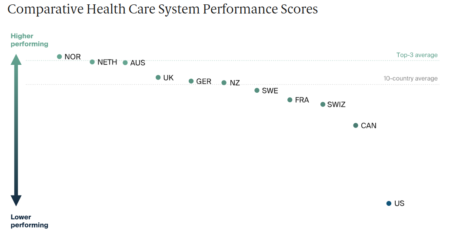
Looking up again
Is it time for sticks instead of carrots?
Humira downs and ups
Living wage
Today’s “promising new Covid treatment”
Liquid delivery
The Long Read: Booster edition
August 04, 2021 ✒ Andrew Kantor
Male fertility has been declining, and declining it turns out, for decades. In 1992, a study found a global 50% decline in sperm counts in men over the previous 60 years. Multiple studies over subsequent years confirmed that initial finding, including a 2017 paper showing a 50% to 60% decline in sperm concentration between 1973 and 2011 in men from around the world. The culprit isn’t known, but more and more attention is turning to endocrine disruptors — chemicals like phthalates that are found in food-grade plastics. (But air pollution, radiation, and heavy metals don’t do us any good.) Georgia is one of the states seeing the sharpest rise in Covid-19 vaccinations over the past week, as the country as a whole is seeing a jump in first-time vaccinators. An average of about 390,000 first doses were administered every day over the past seven days as of Thursday, according to the CDC, up 31% from a week ago. But in Georgia and the other nine states with the highest levels of new cases (and lowest vaccination rates), “first doses are up 46% week over week” according to CDC data. There’s no cure for Covid-19; the best drug treatment is remdesivir, which at best shortens the illness’s duration. The reason: SARS-CoV-2, like other coronaviruses has an enzyme (called ExoN) that ‘proofreads’ the RNA the virus produces — but that same process also removes the kind of nucleoside antiviral medications that might treat it. But now Iowa State biochemists have been able to see and record the structure of ExoN. That information, they hope, is a step toward finding a way to neutralize the enzyme, letting antivirals do their work. “Study shows food choices at an ‘all-you-can-eat’ buffet tied to likelihood for weight gain” says the University of Kansas. This almost got Captain Obvious’s attention, but it’s actually interesting: The prevailing idea that UVB radiation from sunlight causes DNA errors, leading to melanoma, turns out to be off by a bit. In fact (found biomedical researchers at the Van Andel Institute in Michigan) UVB causes a chemical change to the DNA: It turns cytosine and thymine into uracil, which “primes the DNA to mutate during normal cell replication, thereby causing alterations that underlie melanoma.” This unexpected extra step, they think, may lead to new ways to prevent melanoma, and might even help create therapies for other types of cancer. Following up on work by those shifty Danes, a medical researcher at Indiana University has developed an impressive kind of insulin: It’s a molecule that senses the level of blood sugar and can ‘turn on’ (i.e., open) when glucose levels are high, but turn off when the levels are low. Currently it works with fructose, but a glucose sensor is next — and one that opens and closes the insulin at exactly the right times. So, “[T]here will be much work to do to translate our proof of principle to an FDA-approved product.” If you play background music in your pharmacy, consider this: Dutch researchers found that if the lyrics are in “Simlish,” the nonsense language from The Sims games, people can understand one another better than if the singing is in English. To learn this, though, they had to stretch the bounds of decency: During the experiment, the researchers subjected more than 100 participants to sentences from the three versions of the hits ‘Last Friday Night (T.G.I.F.)’ and ‘Hot N Cold’ at different volume levels. (Katy Perry was chosen because — and I did not know this — she has released her songs in Simlish.) Could a cannabis mouth spray and a chemotherapy med work together to fight glioblastoma? The Brits are going to test it. The cannabis drug — Sativex — is already used to treat pain, inflammation, and anxiety, and there’s some evidence it can fight tumors. “We think that Sativex may kill glioblastoma tumour cells and that it may be particularly effective when given with temozolomide chemotherapy, so it may enhance the effects of chemotherapy treatment in stopping these tumours growing, allowing patients to live longer. You might think — if you live in or visit a big city — that city life is not great for your mental health. This may be true, but one thing it is good for: depression. A study out of the University of Chicago found that people in urban areas have lower level of depression than those in rural or suburban ones. Why? Social interaction. Even walking briskly past hundreds of strangers can help combat depression by making you feel at least some sort of connection to your fellow humans. “There are some advantages in cities because all of these disorders — depression, anxiety — they’re really associated with decreases in social isolation. In cities, while they’re stressful in many ways, they actually have less isolation and more ability for people to network.” Chipmunks in California carry the Plague, leading to park closures while rangers … deal with the problem. This isn’t terrifying at all. Why you should play Katy Perry, plus cannabis spray, death by chipmunk, and more
The stork hunting probably doesn’t help
Eyes are opening
A small step to a Covid treatment
Captain Obvious is at the chocolate fountain
How sunlight causes melanoma
Automatic insulin on the horizon
Klaatu barada nikto?

This you can inhale
Cities aren’t depressing after all
Alviiiiiiiiiin!!!

August 03, 2021 ✒ Andrew Kantor
July 25, Washington Post: “The FDA must sprint, not stumble, on approving the Covid-19 vaccines” July 30, Stat: “FDA, under pressure, plans ‘sprint’ to accelerate review of Pfizer’s Covid-19 vaccine for full approval” But now there’s a new approved treatment (the first in 10 years): AstraZeneca’s anifromulab. It received FDA approval after the company tweaked the goalposts — showing that the drug improved all organs systems a bit, rather than a few organs a lot. Everyone knows red meat is bad for you — certainly when compared to, say, chicken. You’re supposed to eat less of it for the sake of your heart. But what if it wasn’t? In fact, found an international group of nutrition researchers, there is no difference in cardiovascular risk (or death) between eating unprocessed red meat or eating chicken. The key word, though, is “unprocessed.” Once you start adding preservatives — or curing/salting* it — well, then the risk jumps. Turns out the whole monkeypox thing was just a red herring. After two weeks of monitoring everyone exposed to the guy who had it, there are no new cases. Pregnant women infected with the cytomegalovirus (CMV) — which can cause deafness and other birth defects — are often given hyperimmune globulin to prevent the virus from being transmitted to the fetus. Duke researchers found that getting the therapy provided no benefit at all; the risk of transmission was virtually equal. “We had hoped the therapy would show benefit, because we so desperately need something to address CMV infections. But knowing that this therapy is not effective is helpful. It’s a very expensive treatment — it costs thousands of dollars per infusion — and it has been used fairly aggressively around the country.” Not only have white-tailed deer been shown to have been exposed to SARS-CoV-2, a full one-third of them have antibodies, according to a Canadian virologist. Not known: whether they can infect each other … or humans. Want to improve your performance? Get this: Rinsing your mouth with menthol mouthwash will do just that — “improve performance in moderate- and high-intensity exercises of ~20 to >60 min” according to Canadian sports researchers. How so? They believe that cold receptors in the mouth activate the reward centers of the brain, especially “in hot conditions, at high core temperatures, and during cycling and running exercises.” So if you’re working hard — and only then — the mouthwash acts as a reward. “The U.K.’s Delta Surge Is Collapsing. Will Ours?” Thanks to (maybe) a combination of vaccination of older people, nationwide contract tracing, and even the end of the European soccer championships, Britain’s Covid cases are plummeting. Could we be so lucky?Danger from Bambi, red-meat surprise, how mouthwash gives you power, and more
I guess it worked
Sometimes it is lupus
Burger time!
* And by “salting” we’re including yer nitrates, nitrites, potassium sorbate, sodium this and that, etc.
When a monkey is a herring
CMV drug just doesn’t work
Bambi is out to get us
A little swish’ll do ya
The Long Read: Footsteps to Follow edition
July 31, 2021 ✒ Andrew Kantor
They tried to treat diabetes with a cytokine called TSLP. They found something much cooler: TSLP makes mice sweat their fat away. Literally — it reversed their obesity. Even with a high-fat diet, the chunkier mice became normal in 28 days, as their fur actually glistened from the fat they were sweating. And get this: [T]he TSLP-treated mice were actually eating 20 to 30 percent more, had similar energy expenditures, base metabolic rates, and activity levels, when compared to their non-treated counterparts. Apparently, TSLP activates genes that put sebaceous glands into high gear, and they just pump the fats out. The other day we (and everyone else) shared the news that U.S. life expectancy had dropped in 2020 thanks to a combination of Covid-19 and drug overdoses. But there could be more to it than that. Economist David Colander points out that, while the drop in life expectancy might be true for 2020 (and 2021) that’s just a short-term number: “Period life expectancy.” It’s the average lifespan of someone born where every year was like 2020. But 2020 is an outlier — a downward blip. You can’t look at a decade’s average temperature based on a single week, and you can’t base a person’s life expectancy on a single year. In fact, he says, the advances in medicine — can you say “mRNA vaccines”? — will mean that Covid’s long-term effect will probably be to increase life expectancy. The pandemic’s indirect effect on the more meaningful cohort life expectancy is likely to be positive since the recent gains in medical knowledge and vaccine technology can be expected to extend life expectancy for incoming cohorts as it leads to better treatments for all types of diseases. In case you were wondering, fully vaccinated people who get breakthrough infections have about a 19 percent chance of having long Covid — or at least “could experience long-term symptoms such as such as fatigue, brain fog and shortness of breath” at least six weeks later. The South leads the nation in Covid hospitalizations; “More than 5,400 coronavirus patients were admitted to the hospital on average during the week of July 21-27, according to the CDC, a 46% increase over the week prior.” Most of Georgia is now in the red zone for community-transmission, based on new cases per 100,000 persons in the past week. And if you really want a detailed, scary look at the situation in Georgia, Amber Schmidtke lays it out in detail. [C]hildren’s hospitals in Kansas City (where I live), Baton Rouge, New Orleans are surging with children needing hospitalization and intensive care for COVID-19. In Oklahoma, there are no pediatric hospital beds available in the state. Next door in Arkansas, children’s hospitals are also feeling the strain with kids in the ICU for COVID-19. And we can see that this situation is starting to appear in Georgia too. Why is this year’s allergy season — and, heck, the last few years’ — been so bad? Blame urban landscaping. (You thought I was gonna say ‘climate change,’ didn’t you?) Urban landscaping, because people don’t like those icky female trees. And it’s not just because they have cooties Female trees are the ones that drop seed pods and fruit and other messy things, so urban landscapers prefer males, which only release pollen. Lots of pollen. So not only is there more pollen being sent into the air, there aren’t enough female trees to catch that pollen. Thus… Pollen season has increased by 20 days annually between 1990 and 2018, while pollen concentrations in North America increased 21% over the same time period Eight shall be chosen to be tomorrow’s pharmacy leaders — for our state and our association. Are you one? GPhA is pleased to re-introduce Leadership GPhA in an exciting new format! Leadership GPhA is a single weekend academy focused on developing pharmacy leadership skills — three days crammed full of insightful and thought-provoking interactive presentations, great networking with current and future GPhA leadership, and plenty of fun activities! Leadership GPhA is free for the eight candidates who are chosen, and it’s held October 15–17, 2021 at Georgia’s beautiful Lake Blackshear Resort. You are invited to apply if you: Remember: Participation is limited to only eight candidates and these leaders are expected to participate in all Leadership GPhA activities for the weekend of October 15 – 17, 2021. Have you got what it takes? CLICK HERE to learn more and to apply! These days, when it comes to grains, most of the world eats maize*, rice, and wheat. But it turns out that millet, the red-headed stepchild of grains, has a surprising benefit: It lowers blood-glucose levels. An international team looked at research from around the world and crunched the numbers. And they were striking: [D]iabetic people who consumed millet as part of their daily diet saw their blood glucose levels drop 12-15% (fasting and post-meal), and blood glucose levels went from diabetic to pre-diabetes levels. The HbA1c (blood glucose bound to hemoglobin) levels lowered on average 17% for pre-diabetic individuals, and the levels went from pre-diabetic to normal status. These findings affirm that eating millets can lead to a better glycemic response. Internal documents reveal the CDC is very worried about Delta because of its crazy-high transmission rate — greater than the common cold, on par with chickenpox. And vaccinated people carry as much virus as the infected.Who to blame for pollen, sweating away your fat, the grain to eat, and more
Sweating it out
Life expectancy, um, finds a way
About those breakthroughs
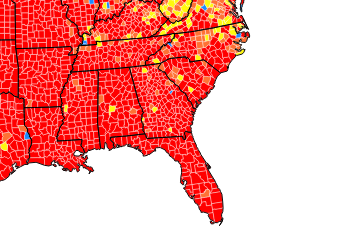
Local Covid notes
It’s men raining
Are you a leader?

Great grains
* We call it corn. The rest of the world uses “corn” to refer to grains in general. Cool, huh?
ICYMI
July 30, 2021 ✒ Andrew Kantor
More teasers for the next season — in this case, a new variant popping up in the U.S. It doesn’t even have a Greek-letter name yet, but it’s showing up more and more often. Well, as long as it doesn’t appear in a place with a lot of unvaccinated people and few health protections in place, it shouldn’t be a big deal. Oh, wait. It’s in Florida. The FDA has approved Semglee as an interchangeable biosimilar for Lantus. So what? The “interchangeable” part means it can be substituted at the pharmacy level, no prescription required. (Historians, take note: That’s the first time the FDA has given out the “interchangeable” designation for a biosimilar. It could be Kind of a Big Deal, at least according to Stat.) Mary Ritchie is GPhA’s director of membership operations. Mary is a really nice person — ask anyone who’s met her. Please, do something nice for Mary: Don’t wait till the deadline to renew your GPhA membership. Renew it today. If everyone waits until August 31, Mary’s workload gets crazy. She ends up working late while her dog Stella cries at the door, waiting for her. Please, help spread the renewal rush out a bit, and complete yours today. Every minute helps. Do it for Stella. Artist’s conception When treating preschool kids with ADHD, it’s probably better to skip the stimulants and start with A2As like guanfacine and clonidine. A study out of Boston Children’s Hospital found that A2As work just as well for the young uns, but have fewer side effects than, say, methylphenidate. Moodiness, loss of appetite, sleep problems — all showed up less with A2As, and a wild guess says that parents would appreciate that. The FDA has extended the official shelf life of the Janssen/J&J Covid vaccine to six months — it had been three months, then 4.5, and now it looks good for even longer “when refrigerated at temperatures of 36 – 46 degrees Fahrenheit (2 – 8 degrees Celsius).” Do you order controls? Have you woken in the middle of the night worrying who is supposed to enter the supplier’s DEA registration number on Form 222? Worry no more! The DEA has clarified: Either you or the supplier can enter it. Rest easy*. Farnesol: it’s in fruit and herbs, it’s used in perfumes, and … well, it seems to reverse brain damage in mice with Parkinson’s. It’s like this: A protein called PARIS interferes with another protein, PGC-1 alpha. Less PGC-1 alpha means less dopamine production — and more Parkinson’s effects. So send in the farnesol. It binds to the PARIS, letting the PGC-1 alpha do its thing and — bam! — dopamine production continues. [The researchers] discovered that the mice fed a farnesol-supplemented diet had twice as many dopamine neurons than mice fed the regular diet. The farnesol-fed mice also had approximately 55 percent more of PGC-1 alpha. The Brits are looking for volunteers for trials of a new vaccine against the capital-P Plague. Just in case. “Drug Cross-Contamination Is Rampant” — even when their machines are cleaned properly, there’s still a chance that traces of one drug will remain when another one is produced — and (shockingly) their machines aren’t always cleaned properly.Helping hyperactive preschoolers, the unnamed variant, why Stella is crying, and more
The variant that shall not be named
A Lantus biosimilar
Don’t make Stella cry

So rambunctious for a juvenile
45 more days
Confusion cleared
* Actually, never rest easy when it comes to the DEA.
A fruity Parkinson’s treatment
Elsewhere: I’m Not Dead Yet edition
The Long Read: Big Pharma’s Little Secret
Do you want to send your members the daily Buzz email newsletter (customized for your state and organization, perhaps)? Let’s talk — just drop me a note at andrew@gphabuzz.com!


- As Lung Disease Threatens Workers, Lawmakers Seek Protections for Countertop Manufacturers
- Republicans Fret Over RFK Jr.’s Anti-Vaccine Policies While MAHA Moms Stew
- Primary Care Is in Trouble. So Doctors Band Together To Boost Their Market Power.
- Cosmetic Surgery Investigation Prompts Warnings for Patients, and a Push for Tighter Safety Standards
- Listen to the Latest ‘KFF Health News Minute’
- Banks Are Becoming Bulwarks Against Scams for Vulnerable Seniors
- January 2025
- December 2024
- November 2024
- October 2024
- September 2024
- August 2024
- July 2024
- June 2024
- May 2024
- April 2024
- March 2024
- February 2024
- January 2024
- December 2023
- November 2023
- October 2023
- September 2023
- August 2023
- July 2023
- June 2023
- May 2023
- April 2023
- March 2023
- February 2023
- January 2023
- December 2022
- November 2022
- October 2022
- September 2022
- August 2022
- July 2022
- June 2022
- May 2022
- April 2022
- March 2022
- February 2022
- January 2022
- December 2021
- November 2021
- October 2021
- September 2021
- August 2021
- July 2021
- June 2021
- May 2021
- April 2021
- March 2021
- February 2021
- January 2021
- December 2020
- November 2020
- October 2020
- August 2020
- July 2020
- March 2020
- February 2020
- January 2020
- December 2019
- November 2019
- October 2019
- September 2019
- August 2019
- July 2019
- June 2019
- May 2019
- April 2019
- March 2019
- February 2019
- January 2019
- December 2018
- November 2018
- October 2018
- April 2017
