June 30, 2021 ✒ Andrew Kantor
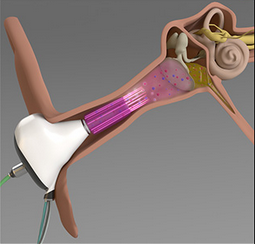
One way to make sure insulin prices get or stay lower: Make your own. Or in the case of Walmart, hire Novo Nordisk to make it for you and your customers. The retailer has struck a deal to offer its customers with insulin analog vials and pens at a deep discount. The vials will retail for $72.88 and the FlexPens for $85.88, which will save consumers between 58% and 75% off of the cash price for other insulin products […] That equates to savings of up to $101 per branded vial and $251 per package of branded FlexPens. In parts of Italy, chestnut leaves are used as a traditional remedy for infections. And when they hear “traditional remedy,” smart folks think “There may be something to that.” In this case, the smart folks are Emory University researchers — led by medical ethnobotanist Cassandra Quave* — who have isolated a molecule from the leaves of the European chestnut tree that seems to do a bang-up job killing MRSA. “We were able to isolate this molecule, new to science, that occurs only in very tiny quantities in the chestnut leaves. We also showed how it disarms Methicillin-resistant Staphylococcus aureus by knocking out the bacteria’s ability to produce toxins.” Bonus: The team used Lego Mindstorms to build the separator for the compounds in the leaves. So, back to the subject of boosters. The CDC is saying that boosters won’t be necessary until we start to see immunity wane. Could be a year after vaccination, could be 18 months, could be never. Pfizer, which, you know, makes the shots, says ‘No no no, we’ll need to give out those boosters 8-12 months after vaccination, just to be sure.’ The CDC (specifically its Advisory Committee on Immunization Practices) says that even if antibodies decline, that doesn’t mean that symptomatic disease quickly follows, so, you know, just chill, Pfizer. If you’ve ever tried riding a tandem bike — or having sex on a half-filled waterbed — you know that synchronizing motion is important. Turns out the same is true for sperm: “If the head and tail of the sperm aren’t moving together, the sperm isn’t going to move efficiently enough to get to the egg.” University of Toledo (Ohio, not Spain) discovered that such synchronicity isn’t always the case, which would be sperm that didn’t do its job. Knowing what to look for, now, they think could lead to “innovative avenues for diagnostics and therapeutic strategies for male infertility.” “Right now, people don’t know what to fix. We can pinpoint the problem. This knowledge allows us to identify a subgroup of infertile men that was not revealed before.” For that brief period after open-heart surgery, or while waiting for a transplant, heart patients sometimes need a pacemaker. And then they don’t. But instead of having to remove it when it’s not needed, Northwestern researchers came up with a better idea: Make it dissolve. They’ve created what they call the first ever transient pacemaker — “a wireless, battery-free, fully implantable pacing device that disappears after it’s no longer needed.” It gets power from the outside via radio, and the components biodegrade and are absorbed by the body in a month or two. And the pacemaker is just the start: “The bioresorbable materials at the foundation of this technology make it possible to create whole host of diagnostic and therapeutic transient devices for monitoring progression of diseases and therapies, delivering electrical, pharmacological, cell therapies, gene reprogramming, and more.” Drugs for middle-ear infections only work about 70 percent of the time, so the next obvious step is to blast the infection with a plasma gun. If you’re an engineer at the University of Illinois, that is. So far they’ve only tested their “microplasma jet array” on rats, but they think it will work just as well on humans. Testing is ongoing. “We used different duration times for the treatment and found that 15 minutes and longer was effective in inactivating the bacteria […] We also monitored the tissue to see if we had created any holes or ruptures, but we didn’t find any obvious physical damage.” University of Virginia medical researchers are building a mouse from scratch. Essentially, they figured out how to take a bunch of stem cells and instruct them: “Make a mouse.” The difference between this and similar stories is that they’ve created more than just a standalone organ — it’s a set of them, connected. It is the first in vitro model of a mammalian embryo with so many tissues to be built from stem cells […] Most importantly, those structures are organized as they should be, around the notochord (the precursor of the vertebral column), a defining trait of vertebrate animals. The idea is to gain a better understanding of how stem cells differentiate, and someday lead to … well, who knows? New drugs, new organs, and maybe even a very different kind of Build-A-Bear Workshop. A prototype sensor developed in Canada can, when connected to an Android smartphone, detect infections in minutes without sending samples to a lab. That means not only quicker and more-targeted treatment (when there is an infection), but also less prescribing of unnecessary antibiotics “just in case.” It’s going to mean that patients can get better treatment, faster results and avoid serious complications. It can also avoid the unnecessary use of antibiotics, which is something that can buy us time in the battle against antimicrobial resistance.” You’re not using plain old-fashioned bandages on a wound, are you? They’re so … boring. What you want is a “smart wound dressing” that glows (under UV light) if the wound becomes infected. Lucky for you, Aussie engineers were on the job. The dressing they created not only detects infection, that infection is less likely because the bandage itself is antimicrobial. That’s thanks to the magnesium part of the “fluorescent magnesium hydroxide nanosheets” it’s made of. Magnesium works as well as silver, but it’s a lot less expensive. The story of “Operation Quack Hack” and the “church” in Florida selling the “Miracle Mineral Solution” cure-all that did nothing of the sort. Includes fake miracle cures, the Colombian military, an early-morning FBI raid, with shout-outs to Donald Trump, the “church” of Scientology, Ugandan missionaries, and oh so much more. Inside a steel warehouse on the church’s property, a hazmat crew seized more than 50 gallons of hydrochloric acid and 8,300 pounds of sodium chlorite, which could be combined to make chlorine dioxide, the main ingredient in MMS. FDA investigators affixed stickers reading “1496” to the blue plastic barrels of sodium chlorite, indicating its classification as a chemical so corrosive it can burn a hole through the throat, perforate the stomach, and cause blindness.Zapping ear infections, disappearing pacemakers, arresting pharma “hacks,” and more
Walmart-brand insulin
MRSA roasting on open chestnuts (or something like that)
* I’m not sure what’s cooler, her title or her name
Boosters: Now or later? Or never?
Synchronized swimming
Watch as I make this pacemaker disappear
Now hear this
And I was proud of my homebuilt computer
A step closer to Star Trek

Medical smarts
The Long Read: Bleach edition
* Brought to you by the quotation mark.
June 30, 2021 ✒ Andrew Kantor
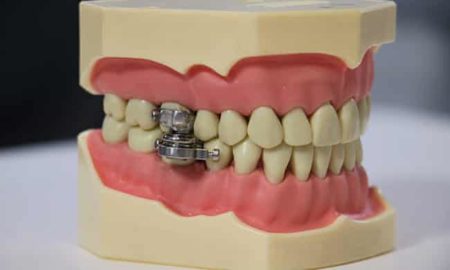
Behold! A new diet device works by clamping your teeth together so they can’t open more than 2 mm. And yes, it is lockable. While the “DentalSlim” is cheaper than hiring someone to slap the cookies out of your hand, it’s worth noting that you can slip an Oreo through a space that small … well, a layer at a time, anyway. [Study] participants complained that the device was hard to use, causing discomfort with their speech. They said they felt tense and that “life in general was less satisfying”. Shocking. But hats off: “One participant did not follow the rules and instead consumed foods they were not supposed to, such as chocolate, by melting them.” Finish your homework and I’ll unlock your mouth For the sixth consecutive year, STD rates in the U.S. have set a record — Georgia is well represented, coming in at #7 for cases of chlamydia and #8 for cases of syphilis. One: Researchers from UGA and World Organization in Watkinsville were part of the international team that thinks it’s discovered the cause of Long Covid: Reactivation of Epstein-Barr virus that’s been laying dormant. The EBV is a ubiquitous virus, infecting approximately 90% of the worldwide population and 95% of healthy adults. Moreover, symptoms of EBV are known to include fatigue, brain fog, myalgia and headaches. Two: Be prepared, or at least concerned. We might be dealing with Long Covid for a while once the pandemic is over. Research suggests one in three people who contract Covid will have symptoms that last longer than two two weeks, while about 10% of people have symptoms that persist for 12 weeks or longer. Online, support groups for Covid-19 “long haulers” have swelled to tens of thousands of members. Pfizer is suspending its anti-smoking treatment while it tracks down the source of contamination by the carcinogen NDMA. The FDA has not issued a recall on Chantix. In Canada, health authorities instituted a recall June 8 for Champix, the name under which the drug is sold in that nation. As the pandemic winds down in the U.S., GSK plans to relaunch its blockbuster shingles vaccine, Shingrix, as part of a push to turn the company into a vaccine-making powerhouse. (Shingrix sales plummeted in 2021 as people are concerned about ‘mixing’ vaccines.) The federal government is suspending distribution of the bamlanivimab and etesevimab monoclonal antibody cocktail (and etesevimab alone), and urging that it not be used in private practice. The drugs simply don’t work well against the variants that are in circulation. The company agreed to pay New York $263 million to settle claims that it was part of the whole opioid-epidemic mess, although not as an opioid maker; it supplied raw ingredients. The company said it’s going to quit supplying those ingredients altogether. The only people dying from Covid-19 now are those who are unvaccinated. Breakthrough infections are in the range of about 0.1 percent (maybe a tad bit higher), and the vast majority of those are mild. While there are some people who cannot take the vaccine for medical reasons, the vast majority are simply not interested in it … but that might change later this year. The preventable deaths will continue, experts predict, with unvaccinated pockets of the nation experiencing outbreaks in the fall and winter. Ali Mokdad, a professor of health metrics sciences at the University of Washington in Seattle, said modeling suggests the nation will hit 1,000 deaths per day again next year. The Magic 8-Ball says… As the New York Times explained: The vaccines made by Pfizer-BioNTech and Moderna set off a persistent immune reaction in the body that may protect against the coronavirus for years, scientists reported on Monday. The key word, of course, is “may.” It will depend, in part, on what variants arrive and how nasty they are Particularly untrustworthy “Mass mask-wearing notably reduces COVID-19 transmission,” reports a team of 13 researchers from the University of Bristol. You don’t say. Next up, “Water useful for relieving dehydration.” When ignorant parents refuse Covid vaccinations, savvy teens, um, find a way. [W]ith many teenagers eager to get shots that they see as unlocking freedoms denied during the pandemic, tensions are crackling in homes in which parents are holding to a hard no. To make it more confusing, some states are easing restrictions, while others are adding them.Crazy diet device, teens being sneaky, let’s clap for Georgia (again), and more
Open wide and say “Mmnnnmmnn”
Give Georgia a hand
Two quickies on Long Covid
Nixed: Chantix
Fixed: Shingrix marketing
Yanked: Lilly’s Covid-19 antibody treatments
Spanked: J&J
For most of us, it’s over
Today’s “Will we need a vaccine booster?” answer


A little late to the party
The Long Read: Teen Spirit edition
June 26, 2021 ✒ Andrew Kantor
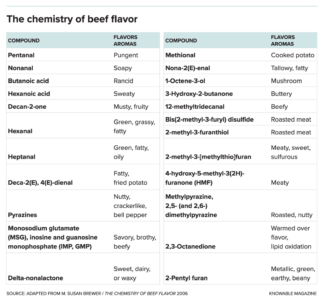
Covid survivors might be dealing with permanent organ damage, reduce gray matter, and monstrous medical bills, but here’s some good news: Apparently that lost sense of smell does eventually come back (probably). By the four-month mark, objective testing of 51 of the patients showed that about 84% (43) had already regained a sense of smell, while six of the remaining eight patients had done so by the eight-month mark. Only two out of the 51 patients who’d been analyzed using the specialized tests had some impaired sense of smell one year after their initial diagnosis, the findings showed. Overall, 96% of the patients objectively recovered by 12 months. (Emphasis ours.) The vaccines don’t end up in breast milk, but the antibodies do — and that’s good news. (The rest of the almost-3,000 words is all about how researchers learned this, the wonders of breast milk, etc.) Pregnant women who have a bit of exposure to everyone’s favorite trace minerals — manganese and selenium — have babies who just may grow up to be teens without high blood pressure. Johns Hopkins researchers looked at data for about 1,200 women and their kids, did the usual statistical magic, and … … found that higher levels of selenium or manganese in the mothers’ blood were associated with lower blood pressure readings in their children at clinic visits 3 to 15 years later. How does it do that? In part, at least, the manganese seems to counter the blood pressure-raising effect of cadmium, which mom may also have been exposed to. But there’s more to figure out. Cigna to patients: ‘Switch to a (cheaper) biosimilar for Remicade and we’ll give you $500.’ It’s a one-time thing, but the incentive, called the “Shared* Savings Program” is expected to save the company a nice chunk of change, what with Remicade costing $30,000 a year, a lot more than biosimilars Avsola and Inflectra. The program will eventually expand to other biosimilars, and Cigna hopes the program “can generate excitement among members about biosimilar drugs.” Big headline out of the University of Maryland caught my attention: “OTC antacids may control blood sugar for diabetics”. Researchers there say that some proton pump inhibitors “were shown to reduce fasting blood sugar levels and levels of HbA1c.” This sounded familiar, though. Turns out it’s not big, new news (sorry Terripins): A Canadian endocrinologist was talking about that back in 2017, and she cited a 2015 paper. (That doesn’t make it less interesting, just less newsy.) There are those who believe that Botox can ease depression. Not chemically — but by making it harder to frown: “[B]y eliminating negative emotional feedback that frowns feed the brain, Botox can relieve depression.” This isn’t really new. The idea that smiling can make you happy (perhaps by opening up a different set of blood vessels and thus signalling the brain “I’m happy!”) has been around for a while. But the opposite — if you can’t frown, you’ll be less depressed … well, we’ll wait for more evidence. If you’re happy and you know it If you have patients with fibromyalgia, be aware that there’s a good chance they’re taking or considering taking CBD to help with the pain — usually as a substitute for opioids. A University of Michigan study found that… … more than 70% of people with fibromyalgia who used CBD substituted CBD for opioids or other pain medications. Of these participants, many reported that they either decreased use or stopped taking opioids and other pain medications as a result. Coupla notes: First, it’s referring to “70% of people … who used CBD,” meaning not 70% of all fibromyalgia patients. Second, they found that patients who used products with both CBD and THC were even more likely to skip the opioids. (In fact, they were surprised that CBD-only product seemed to work so well.) It seems that flavored electronic cigarettes affect people differently than non-flavored ones. Penn State psychiatry researchers found that e-cigs with flavor, because they trigger the whole taste-sensation part of the brain, engaged the taste regions, while unflavored e-cigs engaged the reward region. In a practical sense, for smokers using e-cigs to transition to a normal lifestyle, unflavored cigs hit the sweet spot, acting as a substitute. But for people just starting their nicotine-addiction journey, the flavors are more important. Useful information if you want to stop people from getting addicted in the first place. You folks like chemistry, right? Right. So check out the chemistry of grilling the perfect steak. You’ll be impressing the neighbors before you can say “Malliard reaction.” If you can’t frown you can’t be sad — plus recovery scents, the chemistry of steak, and more!
Does this smell like recovery to you?
Covid vaccines and breastfeeding in 6 seconds
Trace minerals now, low BP later
Cigna’s new way to cut costs
* Shared: The company saves millions, you get $500.
Tell me something (about antacids and diabetes) I don’t know
The oddest take on ‘fake it till you make it’

Easing their pain
The taste of addiction
Today’s non-pharma chemistry story
June 25, 2021 ✒ Andrew Kantor
Post-menopausal women who eat 100g of chocolate in the morning (that’s 3.5oz in Freedom Units) can actually lose weight, at least according to researchers out of Brigham and Women’s Hospital. Apparently eating what they call “a concentrated amount of chocolate” (and what I would call “two medium bites”) first thing in the morning (the time is important) more than made up for the snack itself, cutting calories overall and even helping maintain healthy blood sugar. “Our volunteers did not gain weight despite increasing caloric intake. Our results show that chocolate reduced ad libitum energy intake, consistent with the observed reduction in hunger, appetite and the desire for sweets shown in previous studies.” And it isn’t even the good stuff — the study used milk chocolate! Governor Kemp signed the state’s final public health emergency order for the Covid-19 pandemic. It will expire on June 30 at 11:59:59 pm*, and with it any remaining restrictions in the state related to the outbreak. Thank you, Missouri, for having so many unvaccinated people that you are not only “becoming a cautionary tale for the rest of the country,” but will act as the warning signal for the rest of us as variants spread. “If people elsewhere in the country are looking to us and saying, ‘No thanks’ and they are getting vaccinated, that is good,” said Erik Frederick, chief administrative officer at Mercy Hospital Springfield, which has been inundated with COVID-19 patients as the variant first identified in India rips through the largely non-immunized community. “We will be the canary.” Like this, but Missouri-shaped So far, the consensus is “probably,” but also “it depends.” At issue is how long cases continue to spread thanks to unvaccinated people, because no one know how long the vaccines will last, so … well, see “Elsewhere” above for how we’ll know. At the moment, though, there’s no recommendation for boosters coming from the Powers That Be. Much finger-pointing over the idea that some information about the SARS-CoV-2 virus — gene sequences — were apparently removed from Google Cloud files being shared by researchers. While there might be good reasons to (re)move information like that, it does feel a little suspicious. On the other hand, when you look past the uproar, you learn that “the Chinese scientists later published the viral information in a different form, and the recovered sequences add little to what’s known about SARS-CoV-2’s origins.” On the gripping hand, there wouldn’t be this kind of uproar if everyone had just been transparent in the first place, amiright? And, related: Did it jump naturally from bats (?) to humans, or was it being researched at the Wuhan Institute of Virology and leaked because of an accident? (It is clearly a natural virus, not man-made.) Eventually we’ll probably know — just not today. With more than 600,000 American victims, the Covid-19 pandemic reduced U.S. life expectancy to its lowest level since 1943, according to new research. (Apparently there was some kind of war going on at that time.) Remember, “life expectancy” is an average — it means Covid killed enough people at a younger age to throw off the population’s bell curve, not necessarily that individuals live shorter lives*. That said, the U.S. still has the lowest life expectancy among Western nations, and here is also where Covid had the biggest impact on that figure. Survivors of some head and neck cancers may find their tongues are less sensitive. It’s seems to be a combination of having taste buds damaged by either radiation of chemotherapy, as well as that radiation therapy damaging the chorda tympani facial nerve — it connects the tip of the tongue to the brain. The bad news is that this “taste dysfunction” can last for years. The sort-of-good news is that taste buds typically regenerated in a week or two, so that damage is undone. And while the nerve damage is probably permanent, it only affects the nerves at the tip; cancer survivors did just as well as the control group on the “whole mouth” test. I’m not sure you need another reason not to get Covid-19, but just in case … how about “loss of gray matter and other brain tissue”? The long-term experiment, which involved 782 volunteers, compared brain scans of individuals before the pandemic. […] Among those participants who recovered from COVID-19, researchers saw significant effects of the virus on human cerebral matter, with a loss of gray matter in regions of the brain. Comfort yourself with the fact that the Oxford University study hasn’t been peer reviewed yet. The headline: “The mRNA Vaccines Are Extraordinary, but Novavax Is Even Better” The logic: Novavax is cheaper to make, and because it’s based on older (i.e., non-mRNA) technology, might be more acceptable to the people who believe the Pfizer or Moderna vaccines will alter their DNA and turn them into newts.Missouri as canary, chocolate for weight loss, this is your brain on Covid, and more
Eat a bar of chocolate in the morning and good things will happen the rest of the day
Not with a bang, but with an expiration
* Technically “midnight on July 1,” but we know that can be confusing.
Elsewhere: “Show Us State” edition

Unanswered questions
Will we need a booster?
What did Chinese researchers know and when did they know it?
More of less
* Fun fact: People in the Middle Ages weren’t old at 40; they often lived into their 70s and 80s. But infant mortality was so high that it pulled down the average.
Better bad taste than no taste
Something to think about … while you still can
Saving you a click
June 24, 2021 ✒ Andrew Kantor
A pharmacist and a physician team walk into a bar… and they discuss how “The FDA’s weak drug manufacturing oversight is a potentially deadly problem”. No, really. It’s an editorial by a pharmacist and a research team — the bar is just assumed. The plan: Use ultrasound and micro- or nanobubbles to allow drugs through the blood-brain barrier. Once through, they can attack the brain plaques that help cause Alzheimer’s disease. (We wrote about the Emory/Georgia Tech project last month.) The surprise, coming from Aussie researchers: The ultrasound itself, sans medication, not only cleared the plaques in mice brains, but did a better job restoring cognitive function without even the help of the microbubbles… …not only restoring LTP [signaling between neurons but also improving the spatial learning deficits of the elderly mice by improving synaptic signaling and neurogenesis, among other physiological alterations. Like so many discoveries these days, it opens up a whole new set of potential therapies. He’ll be replaced by Governor Kemp’s deputy chief of staff, Caylee Noggle, on July 1. South Korea researchers noticed something interesting about Covid-19 patients: Some of them had gastrointestinal symptoms, some did not. So naturally, being researchers, they looked into it. Well what d’ya know: It seems certain kinds of gut bacteria appear to inhibit the SARS-CoV-2 virus. Yep, add Covid-19 to the list of Things Gut Bacteria Affect. Bonus: The team leader is Muhammad Ali. Ali and colleagues screened a total of 15 intestinal commensal bacteria for SARS-CoV-2 inhibiting abilities and found that Bifidobacterium — which can suppress other bacteria, including Heliobacter pylori — showed the strongest ability to suppress SARS-CoV-2 activity. “Health care is a human right in times of crisis. Why not every day?” Denying millions of Americans ready and affordable access to health care is often touted as the best option the U.S. has for controlling health care costs. But in times of crisis, policymakers concede that this is a lie — if not explicitly, then with their actions. So you’ve had a long, mentally taxing day. Your brain is fried like an ’80s anti-drug commercial, but you want to get at least a bit of a workout in. How can you improve your performance and convince your brain to let you get moving? With music. Science says so. Specifically, it was Scottish researchers who tested participants to see how they might overcome that mental fatigue. First the gave them a “demanding thinking task” (e.g., pronouncing Auchtermuchty and Kilconquhar), then they gave them to the treadmill. It turned out that those who listened to music* had greater capacity for interval running — as good as those who weren’t mentally stressed ahead of time. It wasn’t a huge difference, but it was notable. The findings indicate that listening to self-selected motivational music may be a useful strategy to help active people improve their endurance running capacity and performance when mentally fatigued. In some states the pandemic is virtually over (S. Dak., Vt., Conn.). In other states … not so much (Mo., Utah, Ark.) And autumn is coming. The Atlantic (“Where Eeyore is our spirit animal”) asks the question: Will we need booster shots for Covid, and if so, when … and how will we know? Nearly all the experts I spoke with for this story said that the need for boosters is looking more and more likely, but no one knows for sure when they’ll arrive, what the best ones will look like, or how often they’ll be needed. It’s a good overview of all the variables involved, although, being The Atlantic, it tends to focus on the negative side. In a way, our vaccines’ stellar track record is an ironic hindrance to the process of improving them. Without more long-term data on their shortcomings, epidemiologists and vaccinologists are effectively trying to predict the weather in a climate they’ve only just discovered.The power of music, FDA’s blind eye, ultrasounding Alzheimer’s, and more
Closing the eye
No bubbles, ultrasound
ICYMI: DPH chief Frank Berry to retire
Guts vs Covid
Why indeed?
Tune in, turn on, work out
* Songs included “Addicted To You” by Avicii, “Run This Town” by Jay-Z,“No One Knows” by Queens of the Stone Age, and — as required by international law — “Eye of the Tiger” by Survivor.

Elsewhere
The Long Read: Booster edition
June 23, 2021 ✒ Andrew Kantor
The new position statement from the American Academy of Sleep Medicine declares, “”. Georgia is one of 11 states That’s a problem because they’re (as we know) particularly vulnerable. Unfortunately, they’re also vulnerable to “conspiracy theories [and] a belief in pseudoscience,” making experts worry about a surge in cases over the summer. “All epidemics are local at the end of the day, and transmission is person to person. There is going to be a hot pocket of transmission if someone becomes infected and others around them are unvaccinated. This is not Epidemiology 101, this is common sense.” Stewart County, home of the privately run Stewart Detention Center, is seeing a spike in Covid-19 cases outside the center, . Inside it’s worse; the center already had one major outbreak and four deaths, more than any other ICE detention center. Having a lot of people concentrated in a relatively small camp is a recipe for spreading disease, for sure. And where is the highest infection rate? That would be Chattahoochee County, home to Fort Benning. It’s not a myth (says a study out of Columbia University), . [T]he researchers developed a mathematical model that suggests stress-induced changes in mitochondria may explain how stress turns hair gray. “We often hear that the mitochondria are the powerhouses of the cell, but that’s not the only role they play. Mitochondria are actually like little antennas inside the cell that respond to a number of different signals, including psychological stress.” Good news, though: When the stress goes away, the original color can come back. If Medicare has to pay for Aduhelm — and it does — . Analysts put the cost of the drug at between $5.8 and $29 billion for a single year. NASA’s budget is $23 billion, and we know it actually accomplishes something. (The CDC’s budget is a mere $8 billion, and it’s also pretty darned effective.) And there’s nothing you and your little friends can do about it. That’s what Biogen is demanding, and thus that’s what Medicare has to pay — by law. [insert evil laugh here] Plenty of other drugs cost more than Aduhelm, which is made by Biogen [which has decided to price it] at $56,000 annually. What makes it different is that there are millions of potential customers, and the drug is expected to be taken for years. So, who wants to tell Medicare patients that their premiums are about to go up? 29 … billion … dollars … It seems that everyone’s least-favorite deadly drug-resistant fungus — Candida auris — . Brazil is the latest country (following Venezuela, Colombia, Panama, Chile, and yes, the U.S.) to report an outbreak of C. auris. It’s not clear why the resurgence — it might be “related to changes in infection control practices during the pandemic, including limited availability of gloves and gowns, or reuse of these items, and changes in cleaning and disinfection practices.” Making people recovering from a stroke walk faster seems to improve their recovery, increasing the chance they can walk and chew gum at the same time. Seriously. It’s all about dual-task walking — “the brain function that enables people to walk and perform another task simultaneously.” You might expect that the trick is to practice doing two things at once. Common sense. But British researchers found that . “When we compared slower walkers and people who walked at a faster pace — still slower, but closer to walking speeds we expect to see in people who have not had a stroke — both increased their walking speeds after the training. However, those who could walk faster at the beginning of the training also improved their ability to walk and think at the same time.” Poll results — would you listen to it if we launched one (short, weekly, and good)? About 44 percent of you said you’d be totally into a Buzz podcast 36 percent said you’d like to be, but just don’t have the time 20 percent said you don’t listen to podcasts. What will we do with this info? No idea yet. Just musing. If you don’t want to die from chronic liver disease, drink more coffee. At least, . While there’s already evidence that coffee can prevent liver cancer, this new research adds chronic and fatty liver disease to the list. After crunching info from the records of more than half a million people over more than a decade… The analysis revealed that after taking into account factors such as body mass index, alcohol consumption, and smoking status, those who drank any amount of coffee, and of any sort, had a 20% lower risk of developing chronic liver disease or fatty liver disease (taken together) than those who did not consume the brew. The coffee drinkers also had a 49% lower risk of dying from chronic liver disease. Two interesting notes: First, while regular ground-coffee drinker saw the biggest effect, it applies to decaf and even instant coffee. Second, the sweet spot seems to be between three and four cups (that’s about 1½ to two big ol’ U.S.-size mugs). Walking off a stroke, NASA vs Aduhelm, shocking sleep news, and more
Stopppppppppp the presses!
The danger of Covid senioritis
Speaking of Georgia’s danger zones…
Don’t it make your brown hair gray
“These are crazy numbers”

Superfungus alert
Faster, stroke patient! Faster!
If a GPhA Buzz podcast fell in the forest, would it make a sound?
Coffee vs liver disease
June 22, 2021 ✒ Andrew Kantor
Good news for rodents: Now that we know how well mRNA vaccines can work, what’s the next target? How about malaria? A group of military and civilian researchers have done just that … for mice, at least. Make no mistake, this is Very Big Deal. Sure, it’ll show that mRNA isn’t a one-trick pony, but more importantly, if it works on humans, this will be the first legit vaccine for malaria. (The only other one doesn’t work all that well.) Thanks to everyone who came to this year’s Georgia Pharmacy Convention — in person or virtually! GPhA’s staff is still recovering, but once they’re back we’ll have plenty of photos and info for ya. In the meantime, mark your calendars for the 2022 convention, June 9-12, 2022, back at the Omni Amelia Island and those amazing beaches. (And education sessions. Those too.) And, of course, a huge and special* thanks to our sponsors. We couldn’t do it without you! Georgia has only used about half its available vaccines, and GPhA member — and founder/owner of Scott’s Pharmacy in Macon — Wade Scott got 18.2 seconds of his 15 minutes of fame explaining that to NBC41, and how he’s trying to get the word (and the vaccines) out. Georgia is among almost a dozen states in the ‘sour spot’: a combination of low vaccination rates and high vulnerability (e.g., underlying conditions, lack of healthcare access). With the Delta variant gaining ground, vaccination is becoming even more critical — even if saying “more critical” makes English teachers grumpy. Former FDA commish Scott Gottlieb is not looking forward to the fall, when he says that epidemiology models say the Delta variant is going to, well, if not wreak havoc, at least cause a major surge in cases among the unvaccinated. [H]e said states with low vaccination rates already are showing a concerning rise in cases with the spreading of delta, which is up to 60 percent more contagious than earlier variants. That’s the point of an op-ed in The Hill by a couple of researchers at George Mason University’s Mercatus Center. Their point was that compounders can fill in quickly when drugs are in shortage … say, if we ever happened to have another pandemic. Or a storm. Or an alien invasion. (The FDA called on compounding pharmacies (with temporary guidance) to cover for shortages when the Covid-19 pandemic began, and a bill in Congress (HRTKTK) would make that sorta-kinda permanent, so there’s a shortage safety net in place.) To be proactive, policymakers should stay ahead of the curve before the next crisis arises. Moreover, even when a pandemic is not raging across the country, the health system often experiences drug shortages. The American Society of Health System Pharmacists has a portal for members to report regional drug shortages, and the FDA has a national drug shortages list that is periodically updated. Behind the drugs on these lists are real people in dire need of medications. Problem is, masks make them fog up. Apparently no one has heard of soap. The FDA has approved Bayer’s antihistamine nasal spray Astepro for OTC use. That is all. Who doesn’t love a naked mole rat? They’re weird looking, they mess up your Google search history, and they combine two of everyone’s favorite animals. Oh, and they live a lonnng time, and they’re virtually immune to degenerative disease. Ergo, “Naked mole rats may hold key to treating cancer and dementia”.Autumn of doom, the (naked) mole rats we need, compounders to the rescue, and more
An mRNA vaccine for malaria
Hope you had a great time!
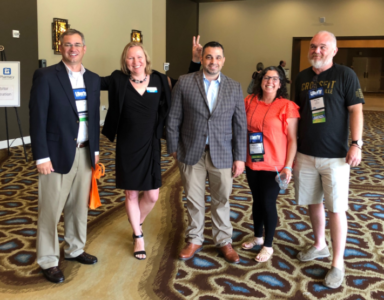
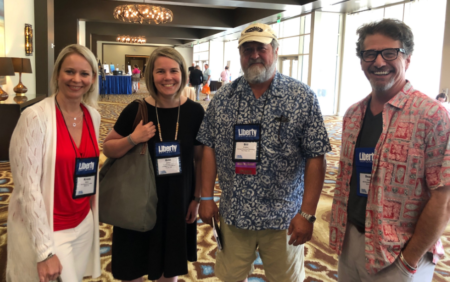
* Not inappropriately special
Shout-out to Wade Scott
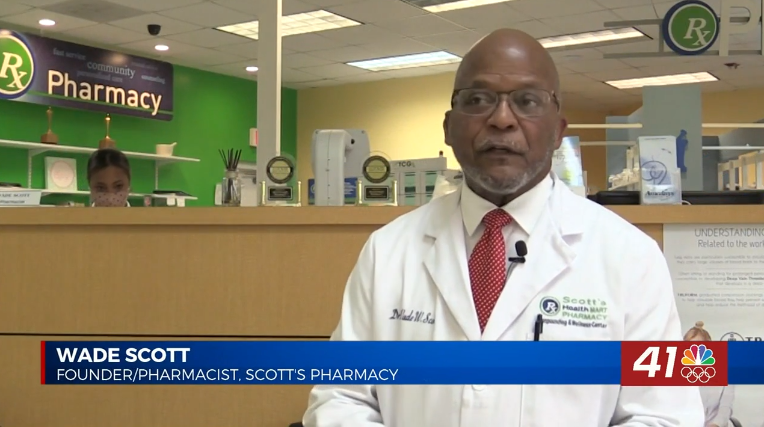
Why we need more like Wade
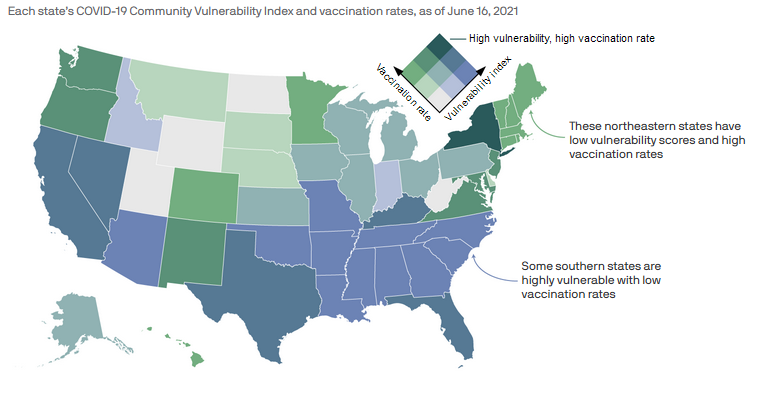
I guess we’ll see
What would it be like to live in a Petri dish?
Who can save us? Pharmacies. Compounding pharmacies.
Captain Obvious looks good in glasses
Astepro goes OTC
The Long Read: Naked Mole Rats edition
June 19, 2021 ✒ Andrew Kantor
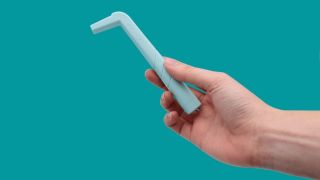
Another recurring theme these days: new ways to deliver drugs to specific targets in the body. The latest comes from UC San Diego, where engineers have combined some hot buzzwords to come up with “genetically engineered cell-membrane-coated nanoparticles.” In their proof of concept at least, these particles were coated to mimic a type of immune cell that inflamed lung tissue ‘called out’ for. They went straight to the lungs where that membrane looked for and bound to those inflamed cells, delivering the nanoparticles (which were packing dexamethasone) right where they were needed. “We’re delivering the exact same drug used in the clinic, but the difference is we’re concentrating the drugs to the point of interest. By having these nanoparticles target the inflammation site, it means a larger portion of the medicine will wind up where it’s needed, and not be cleared out by the body before it can accumulate and be effective.” As we move from worrying about preventing Covid to worrying about treating it, the U.S. is trying to get ahead of the game, placing a bet on antiviral treatments in the form of a pill. It would have to be taken early in the infection, but it could save a lot of lives. Think of it as Operation Warp Speed’s little brother, Operation Impulse Power. It’s a mere $3 billion going towards antiviral research for coronaviruses and others, but it will hopefully yield something better than remdesivir, which is the closest we’ve got to a treatment. Dr. Anthony Fauci […] said he looked forward to a time when Covid-19 patients could pick up antiviral pills from a pharmacy as soon as they tested positive for the coronavirus or develop Covid-19 symptoms. Sorry, but whatever your mother/uncle/friend/roommate/weird hobo on the corner swears by probably doesn’t work. But this is different. Meet the Forced Inspiratory Suction and Swallow tool (FISST), invented and patented by a Johns Hopkins neurosurgeon. It’s a rigid plastic tube, kind of a L shape (heck, look at the image) You put it in a half-full glass of water (or half-empty, if you don’t think it’ll work), then suck water through it and swallow the liquid. FISSTing this way stimulates the phrenic nerve…. which sends motor signals to the diaphragm, and the act of swallowing stimulates the vagus nerve, which helps control unconscious activity of the digestive tract and connects to the epiglottis All this is meant to keep the phrenic and vagus nerves busy so they can’t trigger hiccups. And it apparently stops them virtually instantly. Once more testing is done, look for it to be sold as “HiccAway.” The Defense Advanced Research Projects Agency wanted to cure jet lag, so — as is so often with the military — it went a litttttle overboard. The plan (still in proof-of-concept stage, so don’t freak out) is … drumroll, please … the implantable living pharmacy. Researchers envision a miniaturized factory, tucked inside a microchip, that will manufacture pharmaceuticals from inside the body. The drugs will then be delivered to precise targets at the command of a mobile application. The objective is to allow soldiers to use an app to reset their internal clocks. Of course, once you have an app-controlled drug factory in your body, who knows what else it could be used for. And the designer promises it will be safe from hackers and other ne’er-do-wells. Mm hmm. “Scientists convert used plastic bottles into vanilla flavouring” Asian people tend to have lower rates of breast, colon, and colorectal cancers than the rest of the world. They also eat more seaweed. Could there be a connection? You’re reading it here, so … yes. No one is satisfied with “seaweed prevents cancer” — we need to know why. And by “we” I mean “researchers in Korea and at the University of Illinois.” What they found is that when red seaweed breaks down, two of the sugars produced (agarotriose and AHG) are perfect foods for a particular gut bacteria — one that happens to be a very good probiotic. The result: people with guts that keep their cancer risk down. “These results show us that when we eat red seaweed, it gets broken down in the gut and releases these sugars which serve as food for the probiotic bacteria. It could help explain why Japanese populations are healthier compared to others.” “How mRNA Could Revolutionize Medicine”: Not just as a vaccine, but as — and this is not creepy at all — as an internal gene-editing system. Just as mRNA can instruct our cells to produce antibodies against a viral infection, it can also teach them to produce the two molecular components that make up CRISPR — a guide molecule and a cutting protein — to snip out a problem gene.Hiccough cure, red seaweed benefit, implanted pharmacy, and more
Direct Deposit
Time to research some Covid cures
A plastic hiccup cure
DARPA wants to put you out of a job
Science Marches On: Finest of the Flavors edition
Seaweed vs cancer
The Long Read: Future of mRNA edition
June 18, 2021 ✒ Andrew Kantor
What’s 204 gigabytes and includes more than a billion-with-a-B customer records? If you said “The amount of CVS’s information exposed on the Internet when someone at the company accidently posted it online and made it available to everyone. STOP RIGHT THERE! Luckily we read past the headline (“CVS Health database leak left 1B user records exposed online”) to see that these were not health records. The data exposed online included customer email addresses, user IDs and customer searches on CVS Pharmacy websites for COVID-19 vaccines and other medications, according to the report. But still, it’s information that can be connected to individuals and used for nefarious purposes, like marketing. Today is your last chance to bid on the hot items in the Georgia Pharmacy Foundation’s Bid at the Beach fundraiser. Even if you’re not at the Georgia Pharmacy Convention, you can still join in and win cool goodies while benefitting the foundation! All you need to do is click here to register, view the items, and start bidding — and every time you bid, you’re supporting the foundation! You don’t need to worry about snipers*, either. The auction software can bid for you — just set the max you’re willing to spend. (We recommend $15,000.) And don’t forget to arrange for someone to pick up your loot. What’s up for auction? From wine bottles to vintage pharmacy equipment to porch furniture to tickets to stuff that will surprise you. Stop reading, start bidding! The auction ends promptly TODAY, June 18, at 6:00:00 pm EDT! All proceeds will help fund GPhF initiatives, including scholarships to student pharmacists attending Georgia’s pharmacy schools. The Covid variant is now firmly entrenched in the U.S. of A. (about 10 percent of cases), and reports are showing that people report some different symptoms and may not realize they’ve even got it. “Since the start of May, we have been looking at the top symptoms in the app users and they are not the same as they were. The number one symptom is headache, then followed by sore throat, runny nose and fever.” More “traditional” Covid symptoms such as a cough and loss of smell were much rarer now. German drugmaker CureVac’s Covid-19 vaccine was only 47 percent effective in a large clinical trial. So don’t expect to see it very soon, unless the FDA suddenly starts approving drugs that don’t necessarily work. A study of British healthcare workers who were infected with SARS-CoV-2 found that, sorry, it doesn’t seem to confer long-term immunity — at least not past a few months. A new addition to the “things that the gut biome can affect”: strokes. As in, how severe they are, and how much a victim is likely to be impaired afterwards. Certain microbes produce byproducts depending on the foods they digest, and at least one is dangerous, stroke-wise: trimethylamine N-oxide (TMAO), a waste product of some bacteria that digest red meat. If you’ve got microbes that make it, your risk goes up. “Remarkably,” said the Cleveland Clinic researcher leading the study, “simply transplanting gut microbes capable of making TMAO was enough to cause a profound change in stroke severity.” Trump administration: We want to allow importing of drugs from Canada, at those lower Canadian prices. HHS and FDA: By your command. [implements section 804 of FD&C Act; dramatic music plays] Pharma companies: Nooooooo! We’re suing to stop it because it could cut into our profits! Um, we mean because Canadian drugs are unsafe! Biden administration: Sheesh, circuit course, dismiss this suit. This is all hypothetical, they can’t claim damage, and it’s probably not going to happen anyway. Canadians: Has anyone asked us? [crickets chirp] Banks, chocolate, cheese, and sharpshooting* — all things the Swiss are known for. And now … bats. Bats that harbor viruses that can jump to humans, Chinese-marketplace-style. And just to make it more interesting, one of those viruses is a new kind of MERS. Remember that one? This genomic analysis revealed the presence of 39 different families of viruses, including 16 families previously found to be able to infect other vertebrates, and which therefore could potentially be transmitted to other animals or humans. Higher BMI does seem to lead to a higher risk of psoriasis — in fact, per a study by dermatologists and pharmacists at Hofstra University, “There appears to be a graded association between BMI and risk of psoriasis.” Of note: BMI affects the risk, but not necessarily the severity. Who among us hasn’t woken in the middle of the night wondering, “Can honeybees become alcoholics?” Polish researchers finally have the answer. Yes, if you give honeybees alcohol, then stop, the bees get withdrawal symptoms. Now you know. Having a global pandemic has apparently made more people aware of their mortality — and their health. Stat News calls it “A surprising pandemic side effect”.CVS exposes customers, dangerous Swiss bats, drunken honeybees, and more
CVS has an oopsie
Last chance to bid — at the beach or on your screen!
* The chuckleheads who wait till the last half-second before swooping in with a high bid [shakes fist]
Covid updates
Delta looks different
CureVac flops
You can get it again
Guts, meat, and strokes
Much ado about nothing
Switzerland goes to bat
* And a flag that’s a big plus.
Today’s causal-connection
Science marches on
The Long Read: A Good Side Effect edition
June 17, 2021 ✒ Andrew Kantor
If you want a fat baby, expose yourself to air pollution while you’re pregnant. The downside is that there’s a much better chance your cute fat baby will grow up to be … well, maybe still cute, but with issues from obesity. According to researchers at Colorado University… Women exposed to higher levels of air pollution during pregnancy have babies who grow unusually fast in the first months after birth, putting on excess fat that puts them at risk of obesity and related diseases later in life. The GPhA board member — and owner of Lily’s Pharmacy in Johns Creek — is the co-author of an op-ed in the Savannah Morning News, “Those who skip second dose of COVID-19 vaccine put themselves at increased risk”. If you are hesitant about vaccine efficacy or side effects, have questions about the second dose, or do not typically get vaccines at all, call your pharmacist or provider to discuss your concerns. They can help you understand the data and demonstrate how the benefits of full vaccination far outweigh any potential risks or exposure to the virus and its variants. It both helps them form and prevents them from forming. “What we see with zinc is something we haven’t seen before. It does slow down calcium oxalate crystal growth and at the same time it changes the surface of the crystals, causing defects in the form of intergrowths. These abnormalities create centers for new crystals to nucleate and grow.” Caveat: It comes from the American Chemical Society, so take it with a grain of calcium chloride. Obamacare sign-ups are beginning to slow; since Joe Biden re-opened them in mid-February, about 1.2 million Americans have enrolled. There was the Golden Age of Greece, of radio, of comics — could we be entering the Golden Age of … dry-eye treatment? One ophthalmologist thinks so. Until recently, he says, the people who treated dry-eye disease (DED) were “the red-haired stepchildren of ophthalmology, alone in a corner of the professional village telling anyone who would listen that DED was real and needed to be treated.” But now that’s changing: We are about to enter an “age of abundance,” something that was inconceivable as recently as 2008. The red-haired stepchildren are now, in many ways, the coolest kids on the block. The force is strong within us, my fellow Jedi Knights. The FDA has issued a warning about it. Imagine you’re an organ transplant recipient who got both shots of a Covid-19 vaccine, but you still aren’t getting protection — anti-rejection drugs are messing with your immune system. What do you do? Why not go get yourself a third dose and see what happens? That’s exactly what some have done, and a Johns Hopkins researcher found out about it. He and colleagues were surprised — and are now cautiously optimistic. Among 24 organ transplant patients who had no antibodies after two doses, eight people generated protective antibodies after they sought out a third on their own. Six people who had few antibodies against the coronavirus after two doses all wound up with high levels after a third shot This isn’t a study, this is just anecdotal evidence (the patients got different vaccines, for one). But the antibodies are real, and “this gives hope, which is critical right now.” Crayfish are taking antidepressants — the ones flushed down toilets or thrown into landfills — and it’s making them, well, different. So found University of Florida researchers. The medicate crayfish “behaved more ‘boldly,’ emerging from hiding more quickly and spending more time searching for food.” Which you might think is a good thing … if you’re a predator. Researchers speak with one of the crayfish affected by pharmaceuticals in the water (courtesy MNU) “Adults who skip morning meal miss out on nutrients, study finds” —from an Ohio State University “Young adults’ alcohol use increases when casually dating” —from Washington State University “Young adults who improve their poor cardiovascular health may reduce future CVD risk” —from Seoul’s Yonsei University College of Medicine. Wastewater epidemiology — aka ‘sewage sleuthing’ — has made a major impact in slowing the spread of Covid-19. “We were trying to find where the opioids were within certain areas of our city,” said Tempe City Councilmember Joel Navarro. [Arizona State University environmental engineering professor Rolf] Halden told them he could provide a neighborhood-by-neighborhood look into the Tempe population’s drug use by panning for chemical remnants left behind in the city’s sewage. After all, everybody poops.Drugged-up crayfish, double-duty zinc, a Captain Obvious trifecta, and more
Honey, move out to the country
Jen Shannon shout-out!
Zinc: the Joe Manchin of kidney stones
ACA quickie
Hyperbole watch: Not a dry eye in the house
You picked the right day to quit inhaling hand sanitizer
Organ transplants and Covid: A new hope
Putting the cray-cray in crayfish

Captain Obvious wants his Cap’n Crunch
…and another beer
…and a chance to work it off
The Long Read: Yes, Sherlock
Do you want to send your members the daily Buzz email newsletter (customized for your state and organization, perhaps)? Let’s talk — just drop me a note at andrew@gphabuzz.com!

- As Lung Disease Threatens Workers, Lawmakers Seek Protections for Countertop Manufacturers
- Republicans Fret Over RFK Jr.’s Anti-Vaccine Policies While MAHA Moms Stew
- Primary Care Is in Trouble. So Doctors Band Together To Boost Their Market Power.
- Cosmetic Surgery Investigation Prompts Warnings for Patients, and a Push for Tighter Safety Standards
- Listen to the Latest ‘KFF Health News Minute’
- Banks Are Becoming Bulwarks Against Scams for Vulnerable Seniors
- January 2025
- December 2024
- November 2024
- October 2024
- September 2024
- August 2024
- July 2024
- June 2024
- May 2024
- April 2024
- March 2024
- February 2024
- January 2024
- December 2023
- November 2023
- October 2023
- September 2023
- August 2023
- July 2023
- June 2023
- May 2023
- April 2023
- March 2023
- February 2023
- January 2023
- December 2022
- November 2022
- October 2022
- September 2022
- August 2022
- July 2022
- June 2022
- May 2022
- April 2022
- March 2022
- February 2022
- January 2022
- December 2021
- November 2021
- October 2021
- September 2021
- August 2021
- July 2021
- June 2021
- May 2021
- April 2021
- March 2021
- February 2021
- January 2021
- December 2020
- November 2020
- October 2020
- August 2020
- July 2020
- March 2020
- February 2020
- January 2020
- December 2019
- November 2019
- October 2019
- September 2019
- August 2019
- July 2019
- June 2019
- May 2019
- April 2019
- March 2019
- February 2019
- January 2019
- December 2018
- November 2018
- October 2018
- April 2017
