May 18, 2021 ✒ Andrew Kantor
Enjoy the good news: All four Covid-19 metrics* in Georgia were down last week, and only 103 people died from the coronavirus. That’s not to minimize those 103 deaths by any stretch, but it’s good to see the number down from mid-January, when 769 Georgians died in one week. Perspective: At its peak, the virus was equivalent to the crash of more than four 737s full of Georgians every week. A lot of new treatments these days involve attacking bad cells (of various kinds) indirectly. The latest example comes out of Australia, where researchers went after pancreatic cancer. But instead of just targeting the tumors directly, they went after the tough layer of scar tissue that surrounds pancreatic cancer cells — fibroblasts. Realizing that those fibroblasts are built by “helper cells,” that’s what they attacked. It seems that the anti-arthritis drug sulfasalazine inhibits a protein called SLC7A11 — which is exactly what those helper cells need to build their walls. Using the sulfasalazine meant stopping the wall-building. And that meant it’s easier to break in and kill the tumor. (And yes, of course they used nanomedicine. Because that’s what you do.) They expect clinical trials to begin quickly. “Using an approved drug has allowed us to get this piece into the clinic much faster than what would be the case if we started from scratch with drug development.” Where their solution is an engineering one: They’re making genetic changes to T cells so they’re better at mechanically breaking through the barriers of solid tumors. The researchers are working to create cells that are good at overcoming different kinds of barriers. When these cells are mixed together, the goal is for groups of immune cells to overcome all the different types of barriers to reach the cancer cells. Want to put some cancer immunotherapy into overdrive? Who wouldn’t? You know what could do the trick? MAOIs. Yep, the old-school antidepressants seem to be able to boost the power of checkpoint inhibitors (according to UCLA immunologists). How? Some tumors use the MAO-A protein as a barrier — a way to make it harder for T cells to kill them. Reduce the protein (with that MAO inhibitor) and the T cells work better. Combine the MAOI with anti–PD-1 drugs … bam. And because MAOIs are already approved, it could technically be used right away. If an anti–PD-1 drug could be combined with an inexpensive MAOI drug, “that’s a real advantage.” The latest aspirin study: Duke cardiologists found that overall, taking a low-dose aspirin (81mg) was just as good as taking a full dose (325mg) for people with coronary heart disease. Taking 81mg reduce all-cause deaths a bit, while taking 325mg reduced cardiac “events.” So, as the lead researcher said, “But overall, there was no difference.” If you lie awake wondering “What’s the best way to treat bacterial meningitis?” we’ve got good news. The answer seems to be “corticosteroids and antibiotics.” Treating bacterial meningitis early with dexamethasone, a corticosteroid hormone that is effective at reducing inflammation, along with antibiotics, leads to full recovery in the shortest time, according to a recently published case report by researchers from Hackensack Meridian Jersey Shore University Medical Center and the Cleveland Clinic. Now you can rest easy. What happens when drugs won’t lower someone’s blood pressure? You find something to zap them with, of course. Why not ultrasound? Cardiologists in New York did that, using “brief pulses of ultrasound delivered to nerves near the kidney” — and whatd’yaknow, it worked. Daytime blood pressure after two months had dropped 8 points compared to a 3-point drop in patients who were treated with a sham procedure. Nighttime blood pressure decreased by an average of 8.3 points in the treatment group versus 1.8 points in the sham group.Buffing up T cells, MAOI comeback, zapping BP, and more
Down-doobie-doo-down-down
* Cases, hospitalizations, ICU admissions, and deaths
Breaking walls
And then there’s the University of Minnesota
Bringing back MAOIs — for cancer
81’s as good as 325
The answer to the meningitis question
Zapping the BP down
May 15, 2021 ✒ Andrew Kantor
Apparently most of the Covid-19 misinformation on social media is the product of just 12 individuals, including anti-vaxxers like Robert F. Kennedy Jr., who literally believes that 5G towers are responsible for Covid. Facebook isn’t banning them, but it is labeling some of their posts, which is ever so helpful. For older folks (80+), waiting 12 weeks for a second Pfizer vaccine seems to give more protection than waiting only three weeks — at least according to a small British study. There’s a greater antibody response, although it seems kind of hard to do much better than 97 percent effective. The important part is that the extra waiting time means more people get their first doses, helping spread immunity. If you’re vaccinated around other vaccinated people, you don’t need a mask. It’s not only common sense, now the CDC says so. If you’re not vaccinated: Mask, distance, outdoors — pick at least two. See? Simple! It’s the gut-lung axis. The latest news: A particular probiotic may reduce respiratory infections in overweight people. What’s wild is that the researchers found the effect, but don’t really know (yet) why it happens. Still…. According to study results, participants in the probiotic cohort experienced a 27% lower incidence of URTI symptoms compared with the placebo cohort. Here’s the thing, though. The headline refers to “probiotics” having this effect, but it was in fact one particular probiotic — Lab4P from Lab 4 Probiotics, not one you can get from the Greek yogurt section of the supermarket. When ventilators were in short supply during the peak of the pandemic, Japanese researchers began looking for alternative ways to supply patients with oxygen. And yep, they found one: Mammalian enteral ventilation. They published their results in the journal Cell. Money quote: “It looks like a crazy idea,” says Sean Colgan, a gastroenterologist at the University of Colorado, Boulder, who was not involved in the study. “But if you look at the data, it’s actually a very compelling story.” Sodium valproate can treat migraines, but patients don’t like it, what with side effects like fatigue, dizziness, and nausea. Meanwhile, magnesium seems to have at least some effect in preventing migraines from occurring in the first place, and without serious side effects. So why not combine the two (thought neurologists in Iran)? And they did, developing a combination drug — magnesium valproate — that seems to offer the best of both worlds. [T]his study indicated that valproate was “significantly more effective than magnesium in the reduction of migraine frequency and severity, duration of attacks, painkiller number, and MIDAS and HIT scores.” Sure, why not? Johns Hopkins dermatologists say that medical marijuana — i.e., marijuana — is a potential therapy for chronic itch. That’s based on a case study of one woman. Her tale: After 10 years (!) of chronic itch, and having been unsuccessfully treated with “systemic therapies, centrally acting nasal sprays, steroid creams and phototherapy,” one dose of Mary Jane cured her itch within 10 minutes. Next up: controlled studies.12 angry people, surprise ventilation, unexpected itch treatment, and more
Dirty dozen
You can wait a bit on the second Pfizer shot
Do we have to tell you this?
Today’s axis
Wind in their sails
Combo treatment for migraines
Curing the 10-year itch
May 14, 2021 ✒ Andrew Kantor
A study of the records of almost 11,000 patients found that prescribers prescribe fewer statins as the day goes on. And we’re not just talking early morning vs. late afternoon. [C]ompared with patients who came in at 8:00 AM (the reference group), patients who came in at 9:00 AM were 12% less likely to get a prescription. Patients coming in for noon appointments were 37% less likely to get a statin prescription, which made them the least likely to get a script. Experts are thinking, “No, probably not.” But that’s not what the vaccine makers want to hear. Some of these scientists expressed concern that public expectations around Covid-19 boosters are being set by pharmaceutical executives rather than health specialists, although many agreed that preparing for such a need as a precaution was prudent. The University of Miami has found the data to convince a large portion of vaccine skeptics they need to get the Covid shot(s). What happens if you get one Pfizer and one Moderna vaccine? It’s possible the radio waves from the two different embedded microchips* interfere, resulting in more-frequent side effects. They aren’t worse, though, just more common. No word yet on whether the protection is as good, though. What about incentivizing people to get the vaccine? Spending $100 now (as West Virginia is planning) could save a lot of money later, if you’re the one paying for treatment. Funny, though: Like everything else with this bleepin’ pandemic, there’s a partisan divide. Democrats would take the money, Republicans prefer “don’t need to wear a mask.” And, of course, there are all the private incentives, from Krispy Kreme doughnuts to Sam Adams beer to baseball tickets to sweepstakes entries. But the skeptics say “such incentives rarely make a large, lasting impact on healthy behaviors or public health initiatives.” Dengue: Aussie researchers have made a vaccine candidate for Dengue — one of the nastiest viruses in the tropics (affecting 390 million people a year). There is, sorta kinda a dengue vaccine already (Dengvaxia*), but it’s only for people who have already had the disease. Yeah, go figure. Tdap: Saint Louis University medical researchers found that “adult patients who have received a Tdap vaccination have a 42% lower risk for dementia, compared with patients who are not vaccinated.” That’s after reviewing more than 300,000 medical records. (Other vaccines have also been linked to reducing dementia, but they say this is the first time the evidence isn’t anecdotal or self-reported.) A side effect of risperidone can be weight gain — like serious, supersize-me weight gain in just a few weeks. But now there’s good news. First, University of Texas neuroscientists figured out why: Risperidone seems to interfere with the melanocortin 4 (Mc4r) gene. The good news is that there’s a drug for that: liraglutide, which targets that very Mc4r gene and is used as an obesity treatment. So they did the obvious thing and combined the drugs. Voila! The patients (well, mouse patients) didn’t gain weight. Nothing against quinine (or a gin and tonic), but a good treatment for malaria is always welcome, especially as the the malaria parasite develops resistance to existing drugs. Most anti-malarials work by killing the parasite, but now researchers in Britain and Latvia have created something new: a “drug-like compound” that enters infected red blood cells and prevents the parasite within from escaping. Coming soon: animal and human testing. What if the function of the immune system was about more than fighting infection? Why would evolution let us develop a system that so often runs amok? The answer may lie in humanity’s evolutionary history: Immunity may be as much about communication and behaviour as it is about cellular biology.The best reason yet to vaccinate — plus Tdap’s benefit, trapping malaria, and more
Weird statin stat
Covid-19 vaccine quickies
Will we really need boosters?
Spare the rod
Mixing brands
* I feel the need to point out, just in case, that that’s a joke.
Incentives
In other vaccine news…
* Really? “Dengvaxia”? That’s the best they could do?
Fighting the risperidone rounding
Trapping the malaria parasites
The Long Read: Immune System edition
May 13, 2021 ✒ Andrew Kantor
Veterinary Dawgs have found a way to make Gram-negative bacteria literally* choke on their own poison. It seems that the bacteria need the cardiolipin molecule to create their outer membranes — the place that both protects the cells and does the nasty stuff to the human body. “The implication of this finding is that without cardiolipin, bacteria can’t make the outer membrane. Without that membrane, they’re sensitive to antibiotics and the bacteria is toast.” — Stephen Trent, corresponding author. But even better, “Without cardiolipin, the cell will continue to produce its toxic lipopolysaccharides but is unable to transport them to the cell surface,” Trent said, meaning the toxins build up inside the cell and, “Eventually the cell will pop open. They just bust.” Gut bacteria are responsible for … sheesh, sometimes it seems like everything, from disease resistance to obesity to allergies to mood and more. So it interesting to learn that over the last thousand years or so, we’ve lost a huge amount of what was once there. Researchers from Harvard University (and an international team) finally had the technology to study the DNA in the guts of people living about a millennium ago, by “[analyzing] ancient DNA from coprolites, or preserved feces, found at the back of rock shelters in Utah and Mexico.” They published their results in Nature. They suggest that over the past millennium, the human gut has experienced an “extinction event,” losing dozens of species and becoming significantly less diverse. “These are things we don’t get back.” In fact, the samples revealed not only different gut-bacteria, but entirely new kinds; 38 percent of what they found were new species. What’s the long-term point? Perhaps, as one geneticist put it, “Insights into the ancient gut could someday inform commercial efforts to reshape modern microbiomes.” GPhA’s Region 1 president was was featured in the May 12 Savannah Morning News article, “Opioid overdoses on the rise in Chatham County” (scroll down to “Cycle of addiction”) talking about the dangers of prescription opioids, and some of the safeguards in place. “It can be abused; that’s the biggest problem with these medications and once you get dependent on them, dependence leads to addiction,” said Hollis, who also serves as Region 1 president of the Georgia Pharmacy Association […] “Addiction can lead to a lot of other terrible things and it can ultimately lead to death.” If you get Covid that’s severe enough to give you a fever, there’s a good chance it shrinks your brain. That’s what researchers at Georgia State and Georgia Tech found. Specifically: COVID-19 patients who receive oxygen therapy or experience fever show reduced gray matter volume in the frontal-temporal network of the brain. But don’t worry — that part of the brain is only responsible for “sustained attention, complex problem-solving, and working memory.” If you’re a middle-aged woman with sleeping problems, taking prescription sleeping meds may help you fall asleep, but it won’t do anything for you in the long run. The underlying problems (e.g., existential dread) will still be there. So what’s the big deal? Well, according to one sleep specialist… Treating insomnia patients with medication alone is like giving diabetes patients medication and “then telling them they don’t need to exercise and they can go ahead and eat all the candy and junk food they want,” Avidan said. If you want the best computer gear, you buy what gamers buy. If you want the best airline food, you ask for kosher. And if you want to know how to act after your Covid vaccination, see what the epidemiologists are doing. …because it’s got hand dermatitis, like more than 90 percent of health care workers and two-thirds of the general population, according to a study presented at the European Academy of Dermatology and Venereology Spring Symposium. “This research truly demonstrates the impact of increased hand washing and uptake of alcohol-based rubs on the hand skin health of health care professionals and the general public.” If you were wondering “What happens if I injected an entire vial of the Covid vaccine?” wonder no more. A 23-year-old Italian woman who was mistakenly given six doses of the Pfizer coronavirus vaccine all at once was released from a hospital on Monday without having suffered any apparent adverse reactions, local health authorities said. When she approached a 5G tower, though, she reported a strange urge to contribute to the Bill and Melinda Gates Foundation. Some folks take omega-3 fatty acid supplements for their heart health, but be careful — for people with heart rhythm disorders or high lipids, they can actually be dangerous. “Although one clinical trial indicated beneficial cardiovascular effects of supplementation, the risk for atrial fibrillation should be considered when such agents are prescribed or purchased over the counter, especially in individuals susceptible to developing the heart rhythm disorder.” If you want to clean the air in a room to cut the Covid risk, you need a fancy air cleaner with UV lights and microfilters and nano-something, right? WRONG! Engineers and physicists from the University of Minnesota and — seriously — the Ford Motor Company found that “A low-cost air cleaner can be easily constructed from a cardboard frame topped by an air filter and a box fan.” (To answer the obvious question, the filter needs a MERV rating of 13, which is No Big Deal — $10 apiece at FilterBuy.) New drugs — we’re talking about incretins — can be the answer to obesity for some folks. But will they also help undo the stigma of being overweight? He likens the situation to that of alcoholism or drug addiction, which was once thought to be indicative of a weak will or a moral failing. Researchers have successfully changed the conversation; many people now know that those who abuse alcohol or drugs have a disease and need treatment.Busting superbugs (UGA style), brain shrinkage (Covid style), overvaccination (Italian style), and more
UGA researchers to superbugs: Choke on this
* figuratively
Our number two story
Shout out to Neal Hollis!

Covid in my mind
Sleep meds and the long term
Follow the epidemiologists
It puts the lotion on its skin…
Important question answered
Watch those omega-3s
Airing out

The long read: Obesity, stigma, and drugs
May 12, 2021 ✒ Andrew Kantor
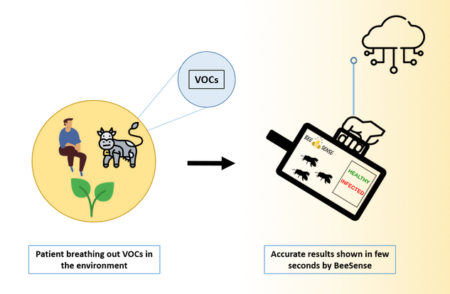
Georgia researchers — from Georgia Tech and Emory — have tackled the issue of getting RNA-based drugs to the brain. Yeah, RNA is great stuff, but it can’t get through that pesky blood-brain barrier. (Hence the term “barrier.”) But those Georgians found a trick: ultrasound, nanoparticles, and microbubbles. First, the meds are packed into “robust nanocarriers,” about 100 nm across … but still too big for that barrier. Then microbubbles are added to the bloodstream. And then the ultrasound comes into play. “Focusing multiple beams of ultrasound energy onto a cancerous spot caused the microbubbles’ vibrations to actually stretch, pull, or shear the tight junctions of endothelial tissue that make up the blood-brain barrier, creating an opening for drugs to get through.” So far, of course, it’s just in the lab — but it worked, and now they’re planning to move ahead to get it to the clinic. It’s coming up fast, but there’s still time to register for the hottest immunization courses around! For technicians: GPhA’s Immunization Delivery Training for Pharmacy Technicians is on Saturday, May 22, from 9:00am to noon, offering six (6) hours of that sweet, sweet CE credit (that includes the online self-study). For pharmacists: APhA’s Pharmacy-Based Immunization Delivery: A Certificate Program for Pharmacists is Sunday, May 23 from 8:00 a.m. – 5:00 p.m. for 20 whoppin’ hours of CE credit (again, with self-study). Both are held live at at GPhA’s World Headquarters in Sandy Springs. Click the links and register today! Duke researchers have created what they call a “pan-coronavirus vaccine” — one they say protects against a variety of coronaviruses. Essentially it targets one particular binder on that infamous spike protein, and it’s a site that’s present on all the circulating variants of SARS-CoV-2 as well as other SARS-related bat viruses. So far it’s been tested on monkeys … and it’s 100 percent effective. Barking up the right tree: Microbiologists in Manchester, England, England tested bark cloth — made from fibers harvested from the Mutuba tree in Uganda — and found that, when applied to a wound, it can stop the growth of a MRSA infection by more than 99 percent. (And harvesting the fibers doesn’t hurt the tree!) “While there are anecdotal reports of bark cloth’s antibacterial properties within rural Ugandan communities, this research has tested and proved its efficacy against a specific and serious cause of wound infections.” Sticky Swedes: Meanwhile, Swedish researchers have found a way to deliver vancomycin directly to a MRSA infection. Normally it has to be given intravenously because it can’t penetrate the skin, but by using a microneedle patch, the drug is delivered at the site of the infection, reducing the amount of drug needed and (hopefully) eliminating side effects. The patch is placed on the skin at the site of infection. The barely visible microneedles are so small that they do not reach the pain receptors, which makes the treatment relatively painless. Dutch researchers at Wageningen University have taught bees to detect the scent of the SARS-CoV-2 virus. And training — unlike with a dog or a child — only takes a few minutes. Each time the bees were exposed to the scent from an infected sample, they received a sugar water solution reward. The bees extended their tongues to collect the sugar water solution. By repeating this action several times, the bees associated the sugar reward with the scent as the stimulus. So yes, the bees stick out their tongues when they detect the virus. But wait, there’s more: The startup company InsectSense has a prototype machine that both trains the bees and then allows them to be used for virus testing. If at all possible, involve a cow A new survey of pharmaceutical execs found that most of them are looking to digital drug delivery for their products within the next decade. What is digital drug delivery? “Smart injectors or inhalers; digital pills, or pill bottles that track usage; infusion pumps that interface with a diagnostic device; [or] connected delivery devices* that record/share data.” In fact, a whopping 88 percent said that such digital devices are important for their plans, and 65 percent said they expect most of their drugs to be delivered digitally within a decade. Flu: Looking forward to the fall — and the presumptive return of the flu — a new “quad test” is gaining ground that can tell if a patient has Covid-19, either influenza A or B, or RSV, in about half an hour. Covid: The WHO classified the Covid-19 strain that’s devastating India as “a variant of global concern,” as it seems to spread more easily. Set your Google Alerts to “B.1.617”. Botulism: The CDC has published its first-ever guidelines for the diagnosis and treatment of botulism. Smallpox: Siga Technologies has asked the FDA to approve its intravenous treatment for smallpox, called Tpoxx. The cliché is true: Drunk people do stand closer together. “We measured distance between the individuals via machine-learning methods that detect hands, arms, legs and head position for each person in the video. We used a bit of geometry to turn the pixel coordinates of people detected in the video into real-world distances based on objects of known size visible in the video.” British conservationists restored the 12th century shrine of St Amphibalus in Hertfordshire, England, and included a modern addition to commemorate the 2020-21 restoration:Tree bark fighting MRSA, bees detecting Covid, ultrasound opening the brain, and more
Opening the blood-brain barrier
You need this immunization training
Ready for Covid-22
Funky MRSA fighters
Covid-detector buzz
The pharma future is digital
* Never ever mention the word “ransomware.”
Foreshadowing?
Captain Obvious hits the pub
Updating the shrine

May 11, 2021 ✒ Andrew Kantor
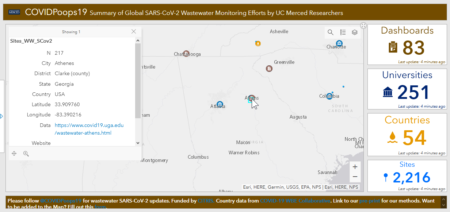
From Amber Schmidtke, who’s tracking Georgia’s numbers: “If there was any doubt that these vaccines work, I think we can clearly see that they do. Let’s keep things going.” A group of researchers led by a team from the University of California has created a dashboard of wastewater-based epidemiology of SARS-CoV-2 — essentially, where sewage testing is being conducted for SARS-CoV-2, including sites in the Atlanta and Athens areas. That kind of testing can help track how the pathogen is spreading — or receding — and a heck of a lot of organizations are involved around the world. It might be a little late for Covid, but now the mechanism is in place … for next time. Don’t miss Shannon Miller, most decorated Olympic gymnast in U.S. history (we’re talking seven Olympic medals, and the only woman to be inducted into the U.S. Olympic Hall of Fame … twice). Oh, and the USA Gymnastics Hall of Fame, the International Gymnastics Hall of Fame, and the Women’s International Sports Hall of Fame. She’ll be keynoting the Saturday general session of the Georgia Pharmacy Convention — just one more reason to register today (at GPhAconvention.com, if you forgot). Check out her winning routine in Atlanta right here. And here she is speaking in 2020. Want to fight antibiotic-resistant bacteria? Use a tweezer to rip open its protective shell to let medication get in. of course the tweezer is molecular-sized and the shell is a protective film, but that’s the general idea, and that’s what a team of international researchers did. “The tweezers are just like your home tweezers but a million times smaller, and instead of plucking hairs they attack fibers of the bacteria’s biofilm. By doing that they break the biofilm, making it more vulnerable to human immune defenses and external substances that are used against bacteria like antibiotics.” “Bald men more than twice as likely to develop severe COVID-19 infection.” We assume it’s because they are so darned sexy that social distancing is much more difficult (and has nothing to do with the androgen receptor gene). We still don’t quite know what causes some big neurodegenerative diseases — think Parkinson’s. University of Florida researchers are pretty sure gut bacteria play a role, and they’ve started to narrow down the potential culprits. What’s interesting is that the presence of certain gut bacteria isn’t a result of diseases like Parkinson’s or Alzheimer’s, but could be the cause. They found that adding certain bacteria to the guts of C. elegans worms caused proteins to misfold and aggregate in tissue. “We saw that worms colonized by certain bacteria species were lit up with aggregates that were toxic to tissues, while those colonized by the control bacteria were not.” But it’s not the bacteria themselves, because offspring of the affected worms also have this misfolding reaction. So yeah, much more research to be done. Today’s game-changer could revolutionize disease treatment against cancer and comes from U Mass in the form of nanoparticles. It combines the small size of antibody-drug conjugates with the low side effects of biologics. “So, safer drugs are delivered to the right cell—the result would be a treatment with fewer side effects.” Some new research found a scary bit of info about polypharmacy: “Nearly 1 in 5 adults with high blood pressure, a leading risk factor for heart disease and stroke, also take a medicine that could be elevating their blood pressure.” The biggest culprits: antidepressants, NSAIDs, and oral steroids. Keep this tidbit in mind: Ibuprofen seems to be a good choice for kids who are hospitalized for asthma. So say researchers at the Albert Einstein College of Medicine, at least, who looked at the records of almost 1,800 peds patients. [T]he researchers found that patients who received ibuprofen had a shorter mean length of stay (1.98 days) compared with those treated with acetaminophen (2.48 days). A couple of times in the past weeks we’ve covered stories about psychedelics being used to treat mental health issues. Is it a trend? Seems so — enough that the New York Times did a whole big Sunday story on it. After decades of demonization and criminalization, psychedelic drugs are on the cusp of entering mainstream psychiatry, with profound implications for a field that in recent decades has seen few pharmacological advancements for the treatment of mental disorders and addiction. If you liked Moneyball or The Big Short, take note: Author Michael Lewis’s next book is The Premonition — about America’s response to the Covid-19 pandemic. Each December, [California deputy public health officer Charity] Dean would write her new year resolutions on the back of a photograph of her grandmother. On 20 December 2019, she wrote down two things. “1) Stay sober. 2) It has started.” She had a kind of sixth sense that the viral pandemic she had long been expecting had begun.Bad news for the bald, BP med troubles, scanning the poop, and more
Pandemic update: Georgia keeps getting better
It’s a dirty job, but somebody’s gotta do it
You’ll flip for Shannon*

* Worst. Headline. Ever.
Tweezing through bacteria
Okay, NOW it’s serious
Guts, bugs, and neurodegenerative diseases
Today’s press release Mad Libs™
When it comes to BP control, 20% take one step back
Ibuprofen and asthma and kids, oh my
The Long Read: “The Psychedelic Revolution Is Coming”
Cassandra chronicles
May 08, 2021 ✒ Andrew Kantor
Young folks may have milder cases of Covid, but a new study out of Appalachian State University found that even with mild symptoms, the virus causes damage to blood vessels that could lead to cardiovascular complications. In particular, they observed increased stiffness of arteries — not a good thing, even if you’re otherwise healthy. This means that young, healthy adults with mild COVID-19 symptoms may increase their risk of cardiovascular complications which may continue for some time after COVID-19 infection Pfizer is going to ask, in September, that its Covid-19 vaccine be approved for people two to 11 years old. When pharmaceutical companies test drugs on kids, they typically just reduce the dose — smaller bodies, less medication. Simple. But researchers at Finland’s Aalto University realized it’s more complicated than that: “The size of an organ is not necessarily the only thing that affects its performance. Kids’ organs are simply not as efficient as those of adults. In drug modeling, if we assume that size is the only thing that matters, we might end up giving too large of doses.” So they’ve developed a system that’s part chemistry, part artificial intelligence that they say will make it safer to test and prescribe medications for the little ones: “It works for any drug whose concentration we want to examine.” If you use both e-cigs (ENDS: electronic nicotine delivery systems) and “smoked products,” you increase your risk for respiratory symptoms. “Those who use ENDS to stop smoking tobacco should be cautioned against dual use,” the authors write. Someone is in pain from, say, osteoarthritis. They get a placebo. The pain is reduced. A-ha! Placebo effect! …right? Maybe not, says an investigator at the University of Arizona. In fact, rather than the placebo effect, it might be the result of a different phenomenon: a statistical one — regression to the mean. The short and rough explanation: If the average of something is, say, 5, and you score a 9, chances are your next ‘score’ will lower — closer to the mean. It doesn’t matter what that something is (pain level, baseball score, height of the person you’re dating). If you’re away from the average one time, you’ll probably be closer to the average next time. So if the average pain level is 3, and people report a 9 (ouch!), chances are their next report will be lower — closer to the mean — no matter what happens. So it’s not the placebo effect. It’s just statistics. Related book recommendation: Michael Lewis’s The Undoing Project about psychologists Daniel Kahneman and Amos Tversky. The latest answer to the question “Is moderate alcohol good or bad?” is … maybe good. That’s from a study out of Mass General Hospital that reports “Alcohol in Moderation May Help the Heart by Calming Stress Signals in the Brain.” In other words, a little alcohol can calm you down. But having too much has the opposite effect: “We found that stress-related activity in the brain was higher in non-drinkers when compared with people who drank moderately, while people who drank excessively (more than 14 drinks per week) had the highest level of stress-related brain activity.” That doesn’t mean you should drink, say the authors. Maybe try yoga instead. Flu vaccines made from cultured cells are just as good as those made using eggs, according to vaccine maker Seqirus (which makes both kinds of vaccine). What, not science-y enough for ya? Here: “Noninferiority of QIVc compared to QIV was concluded if the upper bound of the two-sided 95% confidence interval for the postvaccination [geometric mean titers] ratio did not exceed 1.5, and if the [seroconversion rate] difference did not exceed 10% for each of the four strains.” The Covid-19 mRNA vaccines don’t really work for people who’ve received an organ transplant. They’ll still need to practice all the Covid-19 precautions, even if they’ve received both the vaccine doses. So sayeth researchers from Johns Hopkins. “While there was an increase in those with detectable antibodies — 54% overall — after the second shot, the number of transplant recipients in our second study whose antibody levels reached high enough levels to ward off a SARS-CoV-2 infection was still well below what’s typically seen in people with healthy immune systems.” So why bother with the vaccine at all, if immunosuppressants are going to render them ineffective? Because some protection is better than none in a disease with Covid’s nasty long-term complications.Psychology vs stats, transplantee downer, when size matters, and more
Quiet damage
ICYMI
It’s more than size that matters
Captain Obvious never rests
It’s not the pill, it’s the math
Today’s alcohol study
Flu vaccine quickie
Bad news for transplantees
May 07, 2021 ✒ Andrew Kantor
Here’s an unexpected finding: People who use opioids for dental pain have an notably higher likelihood to overdose. [O]verdose rates were two-and-a-half times higher among patients who filled a prescription for an opioid medication after a dental procedure, compared with those who didn’t fill such a prescription. Even worse, overdose rates were also higher for their family. That’s what University of Michigan pediatric researchers discovered after looking at the records of 3.5 million dental-procedure patients, and seeing how many OD’d within 90 days. The so-so news: CDC expects a rise in Covid-19 cases through May as variants continue to spread. The good news: After that, though, the agency expects a sharp drop in July as vaccinations take hold. (Variants, though, remain a “wild card.”) A University of Washington analysis found that the actual pandemic death toll worldwide is likely twice as high as has been reported, based on a deep dive into health and death numbers. The under-estimates aren’t necessarily nefarious; they’re in part because of — depending on the country — early unrecorded deaths, overwhelmed health systems, or insufficient testing. The basic recipe the UW folks used (read the details here): And that number is a heck of a lot higher than has been reported. In the United States, the analysis estimates, 905,000 people have died of Covid since the start of the pandemic. That is about 38% higher than the current death estimate from the Centers for Disease Control and Prevention, 561,594. The new figure also surpasses the estimated number of U.S. deaths in the 1918 flu pandemic, which was estimated to have killed approximately 675,000 Americans. Congrats to UGA’s Peyton Moon of Jefferson, Ga., who just earned her PharmD from UGA with a 4.0 GPA — that’s 4.0 in both undergrad and graduate courses! She was granted the title of “First Honor Graduate” for the class of 2021, and we just know she’ll be a GPhA member as soon as she catches her breath. A new British study found that people who are at risk for cardiovascular disease tend to avoid avoid drinking too much coffee or having too much caffeine. Participants with essential hypertension, angina, or heart arrhythmia were all more likely to drink less caffeinated coffee and to be non-habitual or decaffeinated coffee drinkers compared with those who did not report related symptoms. Wait wait wait. Couldn’t it be that people who drink less coffee are more likely to have these conditions? That coffee is, indeed, a miracle treatment? The researchers wondered the same thing, so they used a nifty statistical technique to figure it out. And that’s what led to the surprising result: “When they analyzed the data, it showed that having a particular genetic variant determined how much coffee a person drank.” “If your body is telling you not to drink that extra cup of coffee, there’s likely a reason why,” she adds. “Listen to your body — it’s more in tune with your health than you may think.” The company said it’s Covid-19 vaccine booster shot works against the B.1.351 and P1 variants. That’s good news because B.1.351 — aka “the South African variant” is currently the scariest of what’s out there; current vaccines are much less effective against it. No heart disease history? No high blood pressure? You still have some risk of heart attack or stroke, and a study in The Lancet found that taking hypertension meds can lower that risk. [A] 5 mm Hg reduction of systolic blood pressure reduced the risk of major cardiovascular events by about 10%, irrespective of previous diagnoses of cardiovascular disease, and even at normal or high–normal blood pressure values. The authors’ recommendation: It may be worth it to prescribe blood pressure medication to people regardless of their BP, if they’re at risk for cardiovascular disease — e.g., if they have a sedentary lifestyle. The American Heart Association is onboard. Salt and kidney damage go together like, well, salt and kidney damage. But now researchers at the University of South Australia* found a critical piece of information: an enzyme called NEDD4-2. In short (because this is the last story of today’s issue) NEDD4-2 helps regulate sodium absorption. If there’s not enough, the kidneys suck up the sodium until they’re damaged. Even people on a low salt diet can get kidney damage if they have low levels of NEDD4-2 due to genetic variations or mutations in the gene. Ergo, you might stop chronic kidney disease by finding a way to increase NEDD4-2 levels … and thus help some 700 million people around the world.Dentistry dangers, genetics vs coffee, double the pandemic, and more
It isn’t safe

Covid numbers — so-so and good
More than you know
Shout-out to Peyton

Naturally avoiding coffee
Moderna’s booster does the trick
Even with normal blood pressure, meds might be a good thing
An enzyme against kidney disease
* Yes, its mascot is a koala
May 06, 2021 ✒ Andrew Kantor
Americans, especially younger ones, seem to need a refresher about the sun. A survey from the American Academy of Dermatology found that a heck of a lot of folks think things like ‘tanning is good for you,’ and ‘reflected sunlight won’t burn.’ Reality: Tanning looks great, but it’s just your body desperately trying to protect itself from DNA damage from UV light. Tell your customers and patients: Use sunscreen. Lots of sunscreen. And if you really want to be a bit darker, well, there are some great self-tanners here in aisle 3. Is it lack of exercise during lockdowns? The virus attacking the pancreas? Something we haven’t figured yet? A side effect of Covid-19 seems not only to be making diabetes worse, but actually triggering it in people — including children with mild cases. In fact, VA epidemiologists found that “Covid survivors were about 39% more likely to have a new diabetes diagnosis in the six months after infection than non-infected users.” And a British study of almost 50,000 hospitalized Covid patients “found that they were 50% more likely to have diabetes some 20 weeks after discharge than matched controls.” No answers, but possibilities include… …that the pancreas’s insulin-excreting beta cells are destroyed either by the virus or by the body’s response to the infection. Other explanations may include an acute stress response to the infection, the use of steroid treatments that help survival but increase blood-sugar, or just the unmasking of diabetes cases that had previously escaped diagnosis. Colistin kills germs — it’s often the antibiotic of last resort against superbugs. Fun fact: No one knew how it worked. [insert dramatic music here] Until now. British researchers have figured it out. Colistin, it seems, “punches holes in bacteria, causing them to pop like balloons.” This is good to know. Learning how colistin punches through both a bacteria’s membranes led them to figure a way to make it work even better by making that process easier using a new, experimental drug called murepavadin. Clinical trials “are due to begin shortly.” Artist’s conception A new study out of Germany found that salt has a pair of interesting effects on the immune system. When exposed to high sodium concentrations, immune cells, it seems, take in less oxygen and their mitochondria produce less ATP. The result, though, was only half bad. Those immune cells — patrolling monocytes — “were able to fight off infections more effectively,” after sodium exposure, but at the same time, “this could also promote inflammation, which might increase cardiovascular risk.” The effect is quick, too: The findings showed that the dampening effect on mitochondria doesn’t just occur after an extended period of increased salt intake – it also happens after a single pizza. So is salt bad for your body? As is so often the case, it depends. The latest answer to the question “Is technology bad for kids?” seems to be “No.” Sure, adolescents are using a lot more technology over the past 30 years, but British researchers looked at records of more than 430,000 U.K. and U.S. adolescents and whether social media, television, and digital devices in general caused emotional problems. In fact, other than a slight uptick in emotional problems because of social media, “The study found no consistent changes in technology engagement’s associations with conduct problems or suicidality.” Don’t you worry, she’ll be fine Then again, people have been worried about technology like this for a long time: The constant diffusion of statements in snippets, the constant excitements of feeling unjustified by fact, the constant formation of hasty or erroneous opinions, must in the end, one would think, deteriorate the intelligence of all to whom the telegraph appeals. (The Spectator, November 9, 1889) Yesterday we told you how Ecstasy — aka MDMA — seems to be a major step forward in the treatment of PTSD. But there’s always nuance, and a Wayne State University psychiatrist warns against thinking of Ecstasy as some sort of instant cure. Throughout the history of psychiatry, people have become too excited about promising cures like psychoanalysis, ketamine, cannabinoids, virtual reality, propranolol, opioids and memory-enhancing agents for treatment of PTSD and other psychiatric disorders. Although each of these treatments helped some patients, none was a magic bullet. When someone’s got a respiratory issue, if it’s bacterial they’ll get an antibiotic, but if it’s viral … well, they’ll probably also get an an antibiotic*, but it won’t do anything. Still, knowing what kind of infection at work is important, and now Duke researchers think they have a tool to do just that. It can “accurately distinguish between a viral and a bacterial infection for respiratory illness” in less than an hour. How, you ask? By looking at the body’s gene expression, of course. The immune system activates one set of genes when fighting bacterial infections and a different set of genes in response to a viral infection. Even better, it’s not just in the lab — it was tested in the real world. The headline almost had us signalling for Captain Obvious: “Your stomach may be the secret to fighting obesity”. In fact, it’s not the stomach — it’s a protein in the stomach called gastrokine-1 (GKN1). It seems that GKN1 messes with gut bacteria in such a way that the body accumulates fat. Block GKN1 and, well… Models without GKN1 weighed less and had lower levels of total body fat and higher percentages of lean mass — despite consuming the same amount of food. When put on a high-fat diet, models without GKN1 showed a resistance to weight gain, increased body fat and hepatic inflammation. Next up will be finding a viable way to block production of the protein, and maybe have a new way to fight obesity. “Decapitated worms ‘see’ with their headless bodies,” which includes the rather unsurprising phrase, “Removing an animal’s head might seem like an odd way to conduct behavior experiments.”Popping germs, salt ups and downs, how your stomach makes you fat, and more
Skin in the game (literally)
Covid is somehow causing diabetes
Pop! goes the pathogen

A salt tradeoff
The kids are all right

Less ecstatic
Is it viral or bacterial?
* Because they’ll beg their prescriber for one
The fat protein
Non-pharma story that raised our eyebrows
May 05, 2021 ✒ Andrew Kantor
Biomedical researchers at Georgia State have taken a step toward a new kind of nasal flu vaccine — this one using nanoparticles, and causing a response in the lung’s T cells, rather than a typical antibody response. They’ve figured that to get a broad response against multiple strains, you’ve got to go through the nose. GPhA’s Greg Reybold does his thing for Georgia Public Broadcasting, pushing back against PBM … well, let’s call them “alternative truths.” In this case, it’s the PBMs saying that being transparent about their costs and payments will somehow be bad for consumers. Greg sets ’em straight: “It’s a mousetrap,” Reybold said. “And the more opaque it is, the more profitable it is for these actors.” A bunch of studies lately have shown the various problems with living near air pollution — nothing surprising there. (If it was good for you, they wouldn’t call it “pollution.”) And a new Columbia University study shows the same thing … with a twist. First, it found that even short-term exposure (e.g., from forest fires, second-hand smoke, charcoal grills) can “impede mental performance.” The twist: Taking aspirin or another NSAID can lessen the effect. The researchers postulate that NSAIDs, especially aspirin, may moderate neuroinflammation or changes in blood flow to the brain triggered by inhaling pollution. And if you’re thinking, “Ooh, can aspirin boost my brain even without the pollution?” Nope. “[T]here were no direct associations between recent NSAID use and cognitive performance.” ICYMI, the Pfizer vaccine is probably going to be approved for 12-15 year olds early next week. Shout-out to Edie Grice, the Georgia Southern junior who designed a tout-your-vaccination pin that’s a lot nicer (and more permanent) than those stickers you get. Not only does it look stylish, it spreads the message: Get vaccinated. You can buy your pin at VforVaccinatedPin.com, of course. British researchers have made a nifty kind of breakthrough: A way to 3-D print medication — pills “that have the accurate dose and drug combinations tailored to individual patients.” The idea is that, unlike current 3-D printing techniques, this would create a porous pill. Adjust the porosity, you can adjust the rate of drug release. In fact, you can even have multiple drugs in the same physical pill. “Such treatment approaches can particularly benefit elderly patients who often have to take many different types of medicines per day.” As always, though, “Further research will be required.” The latest side effect to emerge from people getting the Johnson & Johnson/Janssen vaccine: anxiety. Apparently the CDC has been getting reports of “Anxiety-Related Adverse Event Clusters” — 64 cases, including 17 where the patient fainted. But how often did it happen? It was about 1 per of 135 people, so often enough to be noticeable. When the pandemic first hit, health insurers waived cost sharing for Covid-19 treatment — no deductibles or copayments for hospital care, doctor visits, or medications. Yeah, that was then. They’ve been quietly reinstating those consumer payments. Then Congress noticed, and some lawmakers are urging them to continue to waive those costs, at least until the pandemic is over. “The goal of these cost waivers was always, and should always be, to encourage patients to get the healthcare they need; identifying the virus, treating its symptoms, and minimizing long-term harm to patients. Now is not the time to take our foot off the gas.” And the insurers’ response? An Aetna spokesman said the company would “continue to make investments to help our members get and stay healthy.” In other words, he didn’t respond at all. Acella is recalling 35 lots of its NP Thyroid hypothyroidism treatment after discovering the dosage were too weak. Last May the company had to recall it because it was too strong. In both cases, there could be serious side effects — so check the FDA page for the full list of NDC/lot numbers. Ecstasy — aka MDMA — just took a big step toward being approved for treating PTSD. It completed a phase 3 trial (the FDA will need one more) with great results. Of the 90 people who took part in the new study […] those who received MDMA during therapy experienced a significantly greater reduction in the severity of their symptoms compared with those who received therapy and an inactive placebo. Two months after treatment, 67 percent of participants in the MDMA group no longer qualified for a diagnosis of PTSD, compared with 32 percent in the placebo group. Aspirin fights pollution, new J&J side effect, Ecstasy goes legit, and more
Georgia State’ nano flu vaccine
Dear PBMs: Please don’t lie when Greg’s around
A pill for pollution
Vaccine for teens
V for Vaccinated

3-D printing personalized meds
I always get the shakes after a shot
Congress pushes back on cost sharing
Acella’s Goldilocks problem
Brought to you by the letter E
Do you want to send your members the daily Buzz email newsletter (customized for your state and organization, perhaps)? Let’s talk — just drop me a note at andrew@gphabuzz.com!

- As Lung Disease Threatens Workers, Lawmakers Seek Protections for Countertop Manufacturers
- Republicans Fret Over RFK Jr.’s Anti-Vaccine Policies While MAHA Moms Stew
- Primary Care Is in Trouble. So Doctors Band Together To Boost Their Market Power.
- Cosmetic Surgery Investigation Prompts Warnings for Patients, and a Push for Tighter Safety Standards
- Listen to the Latest ‘KFF Health News Minute’
- Banks Are Becoming Bulwarks Against Scams for Vulnerable Seniors
- January 2025
- December 2024
- November 2024
- October 2024
- September 2024
- August 2024
- July 2024
- June 2024
- May 2024
- April 2024
- March 2024
- February 2024
- January 2024
- December 2023
- November 2023
- October 2023
- September 2023
- August 2023
- July 2023
- June 2023
- May 2023
- April 2023
- March 2023
- February 2023
- January 2023
- December 2022
- November 2022
- October 2022
- September 2022
- August 2022
- July 2022
- June 2022
- May 2022
- April 2022
- March 2022
- February 2022
- January 2022
- December 2021
- November 2021
- October 2021
- September 2021
- August 2021
- July 2021
- June 2021
- May 2021
- April 2021
- March 2021
- February 2021
- January 2021
- December 2020
- November 2020
- October 2020
- August 2020
- July 2020
- March 2020
- February 2020
- January 2020
- December 2019
- November 2019
- October 2019
- September 2019
- August 2019
- July 2019
- June 2019
- May 2019
- April 2019
- March 2019
- February 2019
- January 2019
- December 2018
- November 2018
- October 2018
- April 2017
