May 04, 2021 ✒ Andrew Kantor
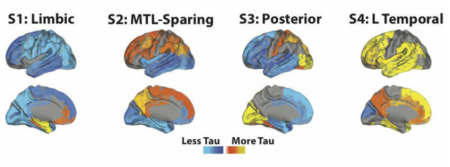
If you get a cut, you plop some antibiotic cream on it, slap on a bandage, and Bob’s your uncle. But does the antibiotic really help? In a small trial, Johns Hopkins researchers found … no, no it doesn’t. To the surprise of the researchers, the majority of the antibiotic users experienced slower healing. Furthermore, in a concurrent study in mice, the antibiotics prevented the regeneration of hair follicles after wounding. Sure, there will be further research (as always), but their conclusion is that “normal levels of bacteria — and even bacterial infections that the body could fight off — would actually improve healing.” Before you rearrange your first aid shelf, keep in mind that this was a small study. Next cut, though, consider washing it out, spraying some Bactine to clean it, and letting the body do its thing. Nashville-based HCA has sold four Georgia hospitals — Cartersville Medical Center, Coliseum Medical Center, Coliseum Northside, and Eastside Medical Center — to Piedmont Healthcare for about $950 million and Piedmont’s third- and fourth-round draft picks in 2022. You can’t bill people for the Covid vaccine, but what if they don’t have insurance to cover it? A new HHS program from the Biden administration — the COVID-19 Coverage Assistance Fund (CAF) — will cover “costs of administering COVID-19 vaccines to patients enrolled in health plans that either do not cover vaccination fees or cover them with patient cost-sharing.” The CAF will reimburse you at Medicare rates (which were increased in March, so they should actually cover your costs). Thanks to people refusing to be vaccinated — and the new variants emerging — it seems unlikely that that U.S. will have enough protected people to reach herd immunity for Covid-19. Instead, [epidemiologists] are coming to the conclusion that rather than making a long-promised exit, the virus will most likely become a manageable threat that will continue to circulate in the United States for years to come, still causing hospitalizations and deaths but in much smaller numbers. If they behave, the Brits — known for their affectionate nature — will be allowed to hug again. Soon. CVS and Walgreens have wasted the lion’s share of lost vaccine doses, according to the CDC. The pessimist points out that those two chains alone wasted more vaccine than just about every state … combined — about 129,000 out of the total 183,000 doses that expired in the country. The optimist points out that the waste was small in comparison to shots given (half a percent, in Walgreens’ case). In fact, health officials use these waste reports to help determine where there is need and where there isn’t. CVS says that most of the waste was because of “poor planning early in the rollout, when the Trump administration leaned heavily on CVS and Walgreens to vaccinate residents and staff members of long-term care facilities.” (They really weren’t familiar with LTC facilities, or equipped to provide vaccines across multiple locations like that.) So guess who’s now the biggest victims of the pandemic? That’d be younger people — Millennials are making up more and more of the serious Covid cases. (H/T to Georgia Health News for pointing this one out.) “We’re now seeing people in their 30s, 40s and 50s — young people who are really sick. Most of them make it, but some do not. … I just lost a 32-year-old with two children, so it’s heartbreaking.” We’re at the endgame, folks — we just have to hold out a little bit longer. You might read that often someone OD’ing on opioids needs several shots/sprays of naloxone. Now the FDA has approved a higher dose for the spray — 8 mg instead of 2 or 4 mg. The trial of drug distributors is about to begin in Charleston, W.Va., pitting AmerisourceBergen, Cardinal, and McKesson against a group of the state’s cities, counties, and towns. It’s the first of several of these cases across the U.S. from the places that opted out of the big nationwide opioid settlement. (This is against distributors — don’t confuse it with the one in California against drug makers.) The case opened yesterday and could continue for quite a while. The latest axis to think about is the newly dubbed “gut-retina axis” — or in plain English, the connection between gut bacteria and age-related macular degeneration. And yes, according to a Tufts University research team, there is a connection. [W]hen mice were given antibiotics known to kill healthy gut bacteria, it led to degeneration of the retina and the retinal pigment epithelium in some mice. Apparently it’s the Akkermansia bacteria that has the effect, because replacing those via fecal transplant restored the retinal protection. (And, of course, they took a shot at the Western Big Mac-based diet, too, even though it was only tangentially related.) An international team researchers has figured out that there are actually four distinct types of Alzheimer’s, based on where in the brain tau proteins tend to build up: limbic, MTL-sparing, posterior, and left temporal. “Because different regions of the brain are affected differently in the four subtypes of Alzheimer’s, patients develop different symptoms and also prognoses. […] [I]t also makes us wonder whether the four subtypes might respond differently to different treatments.” A big weakness in immunotherapy for cancer is that it doesn’t work so well on solid tumors, although the idea itself is pretty cool. So researchers at Massey Cancer Center came up with a new trick for getting the immune system to target cancer. They found a way get the body’s T cells to deliver a particular gene to cancer cells — a gene called MDA-7. MDA-7’s trick is that it gets those cancer cells to start producing IL-24, a protein that … well, that kills cancer cells. So it’s like tricking a factory into producing factory-killing robots. MDA-7/IL-24 binds to receptors on the surface of cells and instructs them to make and release more copies of the MDA-7/IL-24 protein. If the cell is normal, the protein is simply secreted and no damage occurs. But if the cell is cancerous, MDA-7/IL-24 causes oxidative stress damage and ultimately cell death, not only within the primary tumor but also among its distant metastases. Here’s a great way to require your friends to sing, “He’s (or she’s) a Jolly Good Fellow” every time you walk into a room: Check out the NCPA/CPESN community pharmacy fellowship program. It’s open to any pharmacist employed at a CPESN pharmacy. (Want to talk to a human being about it instead? Reach out to NCPA’s Carlie Traylor at (229) 269-9000. Naloxone bulks up, four kinds of Alzheimer’s, why Bactine could be enough, and more
Clean, don’t cream
Sold!
New fund to reimburse you for Covid-19 vaccinations
Covid-19 updates
So much for herd immunity
Give us a hug
Big chains have the most waste
Younger people are becoming the new surge
Stronger naloxone
Opioid trial opens
Axis and our eyes
The four horsemen of Alzheimer’s
Special Delivery by T cell
Why not become a fellow?
 )
)
May 01, 2021 ✒ Andrew Kantor
All the state’s mass-vaccination sites will be open to everyone starting Monday, no appointment necessary. A group of eight bills — each supported by Democrats and Republicans — have been introduced in Congress, all aimed at lowering the prices of medication. From rules to prevent drug makers from making a minor change to get a new patent (“product hopping”), to banning pay-for-delay deals with generics makers, to stopping drug companies from making fake “citizen petitions” to hurt a rival, and more, the bills’ broad support looks good … at least until the lobbying begins. The places with the most people at high risk for Covid-19 are often the places with the lowest vaccination rates? It’s not just vaccine refusal. The folks at ProPublica (who turn piles of data into interesting stories) looked at what’s going wrong. In short, the issue was (and is) a focus on older people and not the most vulnerable. Why did that happen? Because, despite the Trump administration telling them to prioritize the vulnerable, without federal funding, it made more sense for cash-strapped states to say “Anyone over 65” rather than mount the expensive effort to identify and reach the poor and sick, many of whom are in harder-to-reach rural areas. So now we have those poorer, less-healthy, and less mobile people who are still unvaccinated. “We’re not out of the woods yet in this country. What happened in Michigan could still happen in a number of other states out there. Even with the level of vaccination they’ve had and the previous infections, look what still happened.” Pharmacists at the Medical University of South Carolina created an app for kidney-transplant recipients to help them deal with the medication side of things: errors, side effects, and of course “failure to take medications as prescribed.” All of those can compromise their health, but the pharmacists’ solution is fairly simple: The app not only reminds them to take their meds and has them report side effects, it’s also used during televisits and connects to the patients’ home-based blood pressure and blood sugar monitoring. Compared with participants in the control group, participants receiving the intervention were 61% less likely to experience a medication error, 45% less likely to experience serious side effects, and 54% less likely to be hospitalized over the 12 months of the study. The biggest roadblock to ending the pandemic in the U.S. is now vaccine hesitancy, fueled by anti-vaxxers, deniers, and people who are just getting bad information. Researchers at Britain’s Imperial College London modeled what might happen in different vaccination scenarios, based on the level of hesitancy. It ain’t pretty. In the best case scenario, restrictions can safely be lifted before the end of the year. But with even moderate hesitancy … well, we may need to go back to “non-pharmaceutical interventions” — think lockdowns — to keep the pandemic from restarting. The FDA is planning to ban menthol cigarettes and flavored cigars, with a formal proposal coming within a year. …but the ban is likely to take years to implement and will surely face immense opposition from the tobacco industry and its advocates in Congress. It’s popular (mostly), it’s profitable, and it gets people their meds. So how does GoodRx work? And is it helping, “profiting off a broken system,” or maybe a bit of both? Fortune looks deep. [Patients] don’t have to dig out an insurance card, or think about co-pays, deductibles, PBMs, or health plans—all the things that make American health care so miserable. Of course, that stuff and all the dysfunction are still there in the background. GoodRx is just the middleman that lets you forget it. …comes from epidemiologists in Wuhan-yes-that-Wuhan, China. They found that people who are poorer and who have unhealthy lifestyles are more likely to die. Choosing our path, the good and bad of GoodRx, a plan for pricing, and more
Doors wide open
Two parties, eight bills, and plans to rein in drug prices
Why the wrong people are unvaccinated
Kidney transplant? There’s an app for that
Choose your own vaccination adventure
ICYMI
The Long Read: GoodRx
Today’s medical shocker
April 30, 2021 ✒ Andrew Kantor
Swedish researchers were curious about the whole ‘blood-type susceptibility’ thing — are people with different blood types really more or less susceptible to certain diseases? So they did what researchers do: They looked at medical records for more than five million people and more than 1,000 diseases to see if there were any connections. You betcha there were. They found 49 conditions that were linked to blood type (A, B, AB, or O), plus one linked to the Rh factor. They include blood clots, bleeding disorders, kidney stones, and more. And the Rh connection? “[W]omen who were RhD-positive were more likely to experience pregnancy-induced hypertension.” We’ll be blunt: We may have to cancel our June 20 immunization course* on Amelia Island because not enough of you are registered. Whether it’s the seasonal flu, a Covid booster, or something in between, you need to be immunizing your patients — and APhA’s course is the best there is. And you know that the Georgia Pharmacy Convention is the biggest event of the year for Georgia pharmacists! So… Pfizer says its oral treatment for Covid-19 could be available by the end of the year. It’s a protease inhibitor designed to prevent the SARS-CoV-2 virus from replicating, so it needs to be given at the first sign of infection. Right now the only actual treatment for Covid-19 is remdesivir; everything else just alleviates symptoms. Bonus: Article includes the phrase “game-changer”! Leukemia cells rely on an enzyme called VLCAD to survive. So to treat it, attack the enzyme, right? Canadian researchers figured that too, and they started searching for any compound that might inhibit VLCAD. “Lo and behold, the best one was derived from avocado.” It’s called avocatin B, it’s found only in avocados, and it’s well-tolerated by humans — especially hipsters who insist on putting it on their toast. Next up: Possible clinical trials to take the research out of the lab. The CDC will soon offer guidance on diagnosing and treating long Covid. That is all. You’ve hopefully seen the stories of how psychedelic drugs — looking at you, psilocybin — seem to be effective at treating serious depression. Of course, there are side effects that some people might find mild or interesting, but others would consider purple monkey dishwasher. Now researchers at UC Davis have a middle ground: a “psychedelic-like drug that doesn’t cause hallucinations.” Called AAZ-A-154, it’s similar to the more … interesting hallucinogenics, but it doesn’t bind to the receptor that causes the gopher’s rainbow bicycle to pedal backward through the ceiling. When this compound was administered to mice, it produced antidepressant-like effects within 30 minutes and failed to cause any head-twitches, an indicator in mice suggesting the compound would cause hallucinations in humans. Even at relatively high doses, the results appeared to be the same, with cognitive benefits lasting for over a week. The good news about processed food: Low risk of E. coli infection. The bad news, found Georgia State researchers, is that they might “increase the incidence of diseases characterized by low-grade chronic infection and inflammation such as diabetes.” Essentially, the Western, Twinkie-based diet, being low in fiber, isn’t good for certain gut bacteria — and it’s those bacteria that help clear out certain infections. Mice fed the Western-style diet were frequently unable to clear the pathogen Citrobacter rodentium from the colon. They were also prone to developing chronic infection when re-challenged by this pathogen. You can turn their research around, of course, and realize that it may be possible to treat chronic infections by a change in diet. Cases are falling in most states, including Georgia. (But not Alabama, which is seeing a jump of more than 17 percent week to week — mostly because the numbers are low enough that a few dozen more is a huge percentage jump.) Meanwhile, real-world data finds the Pfizer and Moderna vaccines are 94 percent effective in keeping older folks out of hospital (presumably by keeping them from being very ill). In a rare positive article, the Atlantic looks at how much we’re learning from ancient DNA in “A Revolution Is Sweeping the Science of Ancient Diseases”. If you know exactly how and where to look, you can also find DNA from ancient pathogens in old bones. The “junk” might actually contain clues about long-ago pandemics. Over the past decade, scientists have used ancient DNA to study diseases including the plague, syphilis, hepatitis B, and a mysterious “cocoliztli” epidemic—all using techniques honed through decoding the Neanderthal genome.Trip-free psychedelics, avocados fight cancer, Neanderthal plagues, and more
Yes, blood type can make a difference
You need to sign up and be ready to immunize
Covid pill is on its way
Avocados vs leukemia
Long Covid guidance coming soon
Psychedelics: This trip is a staycation
Infections love processed food
A couple of Covid updates
The Long(ish) Read: Ancient bacteria
April 29, 2021 ✒ Andrew Kantor
The bill is the Pharmacy and Medically Underserved Areas Enhancement Act (H.R. 2759 and S. 1362), and was introduced in Congress earlier this week. In short, it would recognize pharmacists as health care providers for Medicare patients (imagine that!), grant them “provider status,” and make sure they’re fairly compensated. You have two options: Phone calls are great (“I’d like to leave a message for Congressman Jones…”), faxes work too (they don’t get many of those), or you can use the handy-dandy “pre-written, editable advocacy alert” from our friends at APhA to do the heavy lifting for you. Pro tip: Choose option 2. Because you know those folks are getting calls from people who don’t want you to be treated like medical professionals. Pharmacists: GIVE THE SECOND DOSE. Too many people are not getting their second Moderna or Pfizer vaccine because of access issues, so federal health officials want pharmacies to deliver them — no matter where patients got their first one. (Just be sure to match Pfizer to Pfizer, Moderna to Moderna, because the jury is out on whether you can mix and match.) Remdesivir is helpful for fighting Covid-19 — it can shorten a hospital stay, although it’s far from a cure. But a group of researchers figured out that a cocktail of remdesivir and four hepatitis C drugs (grazoprevir, paritaprevir, simeprevir, and vaniprevir) “boosted the efficacy of remdesivir by as much as 10-fold.” It’s a cool story, in fact. First they used a supercomputer — as one does — to test for what drugs might stick to the right spot on the SARS-CoV-2 virus. Once they narrowed it down to seven, another team tested them in the lab, where they found those four did a bang-up job when combined with remdesivir. “Because these HCV drugs are already approved for use and their potential side effects are known, such a combination therapy could be tested in humans more quickly than for a new drug.” A patient stops taking an antidepressant. Bad things start to happen. Is it withdrawal or a relapse? Bad news: It’s almost impossible to tell (found Aussie researchers). There just isn’t enough information, not enough studies, and no clear protocol for going off antidepressants. “Ultimately, we really need more studies about discontinuing antidepressants — especially in primary care given that’s where most prescribing takes place — before we can make more definitive conclusions.” Vitamin D. We know what happens when you don’t have enough (not just rickets, but more susceptibility to other Bad Things), but there is no clear guidance on how much to supplement. In fact, reports can be contradictory, so the value of screening for it is questionable. “It has been challenging to demonstrate nonmusculoskeletal effects of vitamin D,” say researchers with the U.S. Preventive Services Task Force. Fun fact: Mordor Intelligence predicts the U.S. vitamin D supplement market “will grow by a compound annual growth rate of 5.8% to reach $1.3 billion by 2025.” (Obvious question: Who would name their company “Mordor”?) Sure, HHS is now allowing more prescribers to give patients buprenorphine, but there’s an unexpected roadblock: pharmacists. A study out of Oregon found that 20 percent of pharmacies refused to dispense the anti-withdrawal drug, and that “independent pharmacies and those in southern U.S. states were significantly more likely to restrict buprenorphine.” One issue with this: It can hurt the perception of pharmacists as true healthcare providers. “[C]ommunity pharmacists should be encouraged to work collaboratively with a patient’s provider to ensure there is continuity of care in all stages of treatment.” Okay, full credit to the writers. I did not expect them to tie last season’s storyline (the opioid epidemic) into this season’s (Covid-19.) But now it seems that physicians are more likely to give opioid scripts to people with long Covid, leading to “alarmingly high rates of opioid use among Covid survivors.” The study was done at VA facilities, but there’s no reason to think it’s not more widespread, especially with about one in 10 survivors having those long-Covid symptoms. “Physicians now are supposed to shy away from prescribing opioids […] Is this really happening all over again?” Did you know there’s a global shortage of pipette tips? Now you do. (And pandemic demand is only part of the issue.) The pipette tip shortage is already endangering programs across the country that screen newborn babies for potentially deadly conditions […]. It is threatening universities’ experiments on stem cell genetics. And it is forcing biotech companies working to develop new drugs to consider prioritizing certain experiments over others. Johns Hopkins researchers discovered something important about COPD by studying the humble amoeba: Patients with the disease have less expression of a gene called ANT2. (So do mice exposed to cigarette smoke. No coincidence.) What does ANT2 do? It helps ‘lubricate’ the cilia in the lungs. Less ANT2, less lubrication, and the cilia can’t sweep away the mucus. Thus “In COPD patients, mucus becomes too thick to sweep out of the lungs.” In a perfect world, the next sentence would be, “And such-and-such a drug supercharges ANT2 production.” This isn’t a perfect world, so the next step is “develop[ing] gene therapy or drugs to add ANT2 function back into lung-lining cells as a potential treatment for COPD.” Drug-blocking pharmacists, pipette problems, lubricated cilia, and more
Provider status is in Congress now
Give ’em number 2
Cranking remdesivir up to 11
Withdrawal or relapse? Flip a coin
You know what else we’re clueless about?
Buprenorphine blockers
They’ve joined forces
No tips
In COPD, cilia don’t sweep
April 27, 2021 ✒ Andrew Kantor
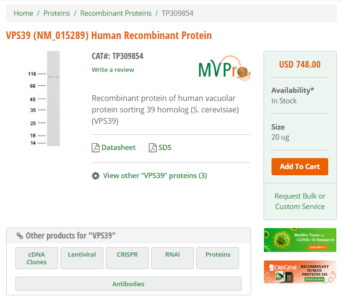
Neurologists in India have found that essential oils — notably camphor and eucalyptus — may trigger epileptic seizures. For some people, it could trigger their first seizure, for others it can provoke a recurrence. Analyzing 350 seizure cases that spanned a four-year period, the researchers determined that 15.7%, or the seizures of 55 patients, may have been induced by the inhalation, ingestion or topical use of essential oils. And when patients kept away from the essential oils, their seizures stopped. This was just a small observational study, of course, but it certainly warrants investigation. Purdue researchers found that compounds in essential oils can make pyrethroid insecticides more effective. Rather than use more insecticides, their findings “show that essential oils can kill bed bugs, but the combination of essential oils and pyrethroid insecticides has a synergistic effect.” Sometimes the body’s natural painkillers just aren’t enough, so we take drugs like opioids. They bind to the same pain receptors, but there are unwanted side effects, including addiction. (You might have heard about this.) They also tend to stay in the body a lonnnng time. So what, figured University of Michigan pharmacologists, if we could enhance the body’s own painkillers? The twist: Not by getting the body to make more, but by making the body’s receptors more receptive. That approach not only makes the body’s own painkillers more effective, it’s got some major benefits. So the U of M folks developed a chemical (a “positive allosteric modulator”) that does just that. So far it works in mice, and it’s still preliminary. Still, tackling pain from a different angle seems like a smart idea. When it comes to pain, researchers at Syracuse University didn’t just test CBD. They tested CBD, the placebo effect, and the “expectancy effect” — the idea that telling someone their pain will be relieved can alleviate it. So first they put people in pain. Then they gave them either CBD or a placebo. Then they told some they got CBD and some they got a placebo. (Follow that?) Regardless, the result wasn’t as strong as common pain relievers: “It’s not sunshine and rainbows pleasant, but something slightly less bothersome. We […] found that CBD and expectancies didn’t significantly reduce the volume of the pain, but they did make it less unpleasant—it didn’t bother them as much.” By which we mean, “Take that European vacation.” You’ll be able to, if you’ve been vaccinated. The EU said it’s likely going to allow vaccinated U.S. tourists to do the tourist thing*, although individual countries might have individual restrictions. People with type 2 diabetes often have muscle weakness, and now researchers in Denmark*, Germany, and Sweden have figured out why. It’s all about one gene: VPS39. It helps create new muscle cells, but “In people with type 2 diabetes, the VPS39 gene is significantly less active.” When that VPS39 gene isn’t working properly, muscle stem cells can’t absorb the sugar they need to become mature muscle cells. “[T]he cells therefore remain immature or break down and die.” So their next plan: See if they can regulate proteins to get those VPS39 genes working properly again and get those muscles to mature. Author’s very surprised note: While researching this story I discovered GeneCards, the human gene database. Look up whatever gene you want (like VPS39) get tons of info, and even buy the proteins it encodes for. Welcome to the future. The president downplayed the pandemic. Health officials were afraid to contradict him. People became convinced Covid just wasn’t a big deal in the country. Social distancing guidelines were ignored. Super-spreader events were held. Government data became suspect. We’re talking about India, of course, which is now experiencing a massive Covid-19 surge. It’s too big to even get accurate figures, and the country is now asking the rest of the world for help. (Considering it’s a vaccine-production center, it’s probably a good idea to help out.) Yet Another Drug seems to have potential to treat Alzheimer’s. This one comes from the Albert Einstein College of Medicine, and it works by “reinvigorating” the cellular cleanup crew known as chaperone-mediated autophagy — CMA. CMA activity declines with age, which is a big problem with Alzheimer’s. The new drug helps ramp up the CMA process, cleaning out the proteins that are the hallmark of the disease. Right now it’s only been tested in mice, but the researchers note that mice and humans share that same ‘weak CMA’ issue, so this could translate. You know what’s next: “More research is needed.” From Smithsonian: “Sewage Has Stories to Tell. Why Won’t the U.S. Listen?” From tracking viruses and disease spread, to getting a picture of drug use and abuse, “Sewage epidemiology has been used in other countries for decades, but not here. Will Covid change that?”Oils of doom, new painkiller plan, answers from the sewers, and more
Essentially dangerous?
On the other hand…
The receiving end
Au bon pain
Get out
* Talk loud, point a lot, smile and laugh, stand close, try to tip, be friendly to strangers … you know, just be American.
Type 2 weakness
* The shifty ones
Sound familiar?
Alzheimer’s cleaning crew
The Long Read: America’s missing poop detectives
April 24, 2021 ✒ Andrew Kantor
If you look in the mirror and don’t believe you look as good as you do, well, you’re not alone. (Trust me, I’ve seen the pictures. You’re all disturbingly good looking.) The Age of Zoom has led to an increase in people seeking ‘beauty consultations’ because they think they’re not as pretty, handsome, or hot as they really are. What’s really at work? Camera distortion on their end, combined with seeing other people’s filtered pics — and a little social isolation thrown in. “We think all of these factors could have contributed to this disproportionate negative perception of a person’s self-image.” After the aches are gone… Survivors are at higher risk of death. Between one and six months after becoming infected, those patients had a significantly greater risk of death — 60 percent higher — than people who had not been infected with the virus. And those survivors could join the ranks of people with new, crippling medical debt for long Covid. Medical debt among Credit Karma’s members spiked by $2.8 billion, or about 6.5 percent, from the end of May to the end of March. The number of people with past due medical debt grew by nearly 9 percent, from 19.6 million to 21.4 million. There’s some good news, though. The Biden administration is reversing Trump’s cuts for Obamacare navigators, so it will be easier for people to find health coverage. The team at Oxford who helped create the Oxford/AstraZeneca vaccine has now created a vaccine for malaria — one that’s 77 percent effective according to preliminary results. The phrase “game changer” gets tossed around a lot, but this really might be. Malaria infects millions and kills hundreds of thousands of people a year, and until we can eradicate mosquitoes, a vaccine could be the best chance we have to get a handle on the disease. In other words: Yay! A bill introduced in Congress would be a small but important step toward that frustratingly elusive goal of full provider status for pharmacists. The Pharmacy and Medically Underserved Area Enhancement Act would have Medicare pay pharmacists for the services they provide, on a state-by-state basis. So, for example, whatever services Georgia authorizes pharmacists to provide, Medicare would cover. It wouldn’t expand pharmacists’ scope of practice — it simply authorizes Medicare to pay pharmacists for the same services they already legally provide, many of which are covered by other insurance policies. Sure, scars add a bit of character, but sometimes you don’t want a bit of character. Skin cells — fibroblasts — create scar tissue because they want to seal the wound fast, not necessarily prettily. Now Stanford University biologists have figured out how to reprogram those fibroblasts to take the time to heal wounds with normal skin … and they did it with verteporfin (aka Visudyne). Result: perfect healing. Mice that received this tweak healed from wounds with no scars […] Their recovery was so complete that an image-classifying algorithm couldn’t tell the healed wound apart from the animals’ healthy, unmaimed skin. Because verteporfin is an existing drug, it should be easy to start trials on pigs, and eventually humans. …there’s a good chance the Johnson & Johnson vaccine will be re-approved, sporting a new warning — 1 out of 1.2 million people have had a reaction. When it comes to opioids, even a short, low-dose prescription can be enough to start younger patients towards opioid dependence. That’s what pediatricians at the University of Pittsburgh discovered in a just-published cohort study. It’s not every kid, by far, “there is a small number of youths at very high risk for complications from the first opioid prescription,” the lead researcher explained — and that includes even short, low doses. “The key take-home message is that even short, fairly low-dose opioid prescriptions are not without risks for some youths. We see a high proportion of those in the higher risk trajectory that go on to receive a formal diagnosis of opioid use disorder, suggesting they have an addiction or problem with opioids.” Big Medicare bill, you’re prettier than you think, no more scars, and more
Trust me, you’re beautiful
After the virus is over
A malaria vaccine. We have a malaria vaccine.
Medicare bill would be one small step forward
Scarred for life no more
By the time you read this…
Once can be too much
April 23, 2021 ✒ Andrew Kantor
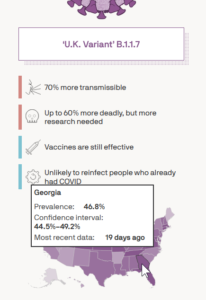
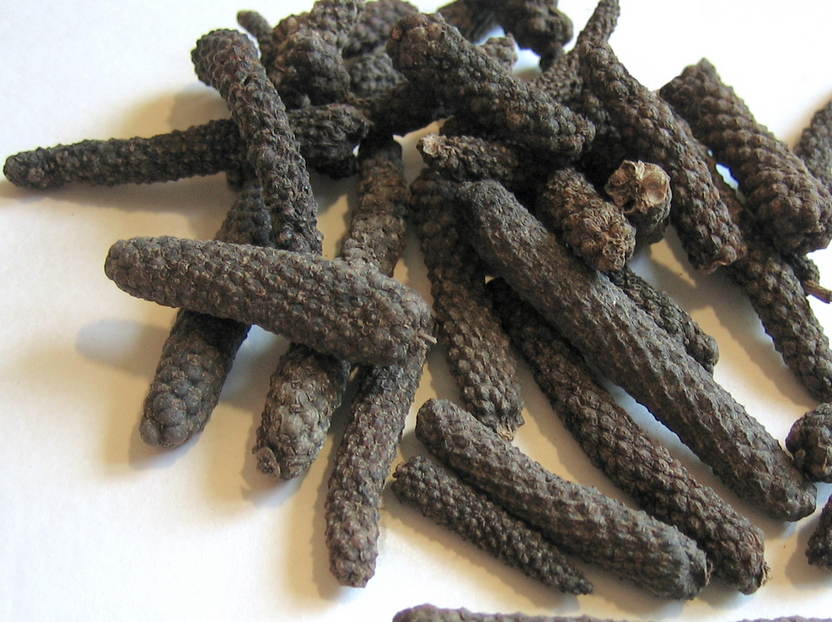
If you’re just walking around, nope. If you’re in close conversation and not everyone is vaccinated, probably. “Viral particles quickly disperse in outdoor air, and the risk of inhaling aerosolized virus from a jogger or passers-by are negligible.” Here’s the “rule”: Outdoors, distanced, masked — meet any two. Poor Teresa (Tatum, that is, GPhA’s director of education) — every time she opens another immunization course* it sells out. So she’s scheduled yet another to try to quench the undying demand. Now available: Sunday, May 23 from 8:00 a.m. – 5:00 p.m. at the GPhA North American Headquarters facility in Sandy Springs [map]. Click here to register. If you weren’t able to sign up for one of the others, now’s your chance. (Want more info? Get it at GPhA.org/immunization-2021.) And techs, don’t feel left out! Teresa’s also added a tech immunization course: Saturday, May 22: Info and signup at GPhA.org/pharmacy-tech-immunization-delivery-training. Axios has a pretty chart of all the Covid variants, which ones are where, and whether to worry. Fungus isn’t just something that grows between your toes — if you eat it (say Penn State researchers), you might have a lower risk of cancer. How so? The conclusion is based on a review of 17 cancer studies and more than 19,500 patients from 1966 to 2020. According to the findings, individuals who ate 18 grams of mushrooms — about 1/8 to 1/4 cup — daily had a 45% lower risk of cancer compared to those who did not eat mushrooms. Why? Probably, they figure, because of ergothioneine, a “unique and potent antioxidant and cellular protector” found in most mushrooms. Georgia hospitals are worried. They aren’t seeing another surge in Covid-19 patients, but they are seeing “a worrisome creep upward” in admissions — sometimes for people who are reinfected (likely, but not necessarily, from a variant). (Shout-out to Wellstar’s Danny Branstette, the health system’s presumably exhausted director of medical infection prevention, who is featured in the story.) This comes from UPenn, where pharmacologists have figured out how an ingredient in the Indian Long Pepper — aka, the plant we get good ’ol black pepper from — can shrink glioblastomas. Piperlongumine (that’s the ingredient) “binds to — and hinders the activity of — a protein called TRPV2, which is overexpressed in glioblastoma in a way that appears to drive cancer progression.” Knowing how that works can help them in “bringing our findings from bench to bedside.” Next up: preclinical trials. I never knew what they looked it. Neat. Don’t forget the vaccine mantra: “96 percent is not 100 percent.” Yes, there will be “breakthrough” infections. But so far not too many. Of the 75 million or so Americans who have been fully vaccinated so far, the CDC has received 5,814 reports of vaccine breakthrough. That’s (scribble scribble) 0.0078%. In other words, current data says the vaccine is 99.2% effective. But wait, there’s even more: “Most of those have been mildly symptomatic or asymptomatic.” Almost a third of the breakthrough infections reported to the CDC were asymptomatic. Only 396 people were hospitalized, and a third of that group was in the hospital for a reason other than COVID-19 — that is, the disease was not the reason they were seriously ill, they just happened to also test positive for the virus. The pandemic (you might have heard about it) has done wacky things to prescription drug spending. Overall it’s up — not surprising, really — but not across the board. Home health care saw the biggest increase, while long-term care facilities saw a significant drop. (Retail pharmacies are up a bit, in case you were wondering.) This comes from the American Society of Health-System Pharmacists (“Pharmacists Advancing Healthcare”), which just released a report on that shift. Yet Another Poll finds that people stock up on old meds ‘just in case,’ rather that disposing of them (at, say, Saturday’s National Prescription Drug Take Back Day). Why? They figure they can self-diagnose, they want to avoid a trip to the doc, they want to save money, they know the expiration dates are ultra-conservative, yada yada yada. Here’s a new post-Covid twist: With so many people losing the ability to smell and taste (anosmia), there’s a new trend in cooking: “Recipes focus on foods with bright colors, contrasting textures and geometric shapes, drawing on senses besides smell and taste to help anosmics enjoy eating.”Fungus for life, then 99.2% solution, cooking without flavor, and more
Do you need a mask outdoors?
No rest for the wicked
* APhA’s Pharmacy-Based Immunization Delivery: A Certificate Program for Pharmacists
The variants came down to Georgia
Eat more fungus?
Covid creep
Eat a pepper, too
Breaking through … kinda
Drug spending ups and down
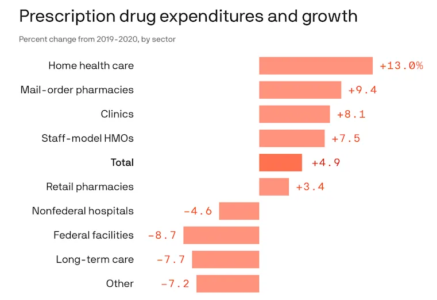
In case you missed it the first three times
If you can’t taste it, feel it

April 22, 2021 ✒ Andrew Kantor
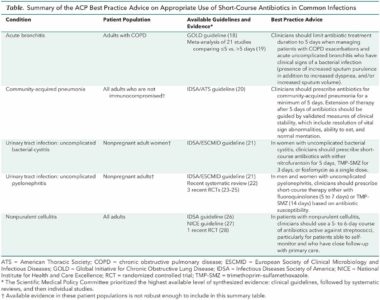
It’s GPhA’s Spring Region Meeting, of course. Today, April 22, from 7:00-8:00 p.m. via Zoom — and of course good for an hour of CPE for pharmacists and techs. There’s still time to register (unless you waited till 8:00pm to open this): GPhA.org/region-meeting. The European Medicines Agency has cleared the Johnson & Johnson Covid-19 vaccine — the minor danger of blood clots pales in comparison to the benefit of the vaccine. Here in the U.S. the FDA is hopefully going to make a decision soon. And a pleasant surprise: Pausing the J&J vaccine here didn’t erode folks’ confidence in vaccines. 76% of 1000 registered voters surveyed nationwide said the pause didn’t decrease the likelihood that they would get vaccinated. In addition, among those already vaccinated, 87% said they would “definitely” decide to get vaccinated again. For people who have survived Covid-19, it’s pretty solid now that a single dose of an mRNA vaccine (Pfizer/BioNTech or Moderna) is all they need for protection. The American College of Physicians has released its latest guidelines for antibiotics: “Appropriate Use of Short-Course Antibiotics in Common Infections” including a list of best practices for common infections, both in detailed text form and in a handy-dandy chart (click to embiggenify): Challenge accepted. The cancer protein with the appropriate name “BRAT1” was considered undruggable. But apparently it hadn’t met Purdue chemist Mingji Dai or the North American purging nut shrub. (You can’t make this stuff up.) BRAT1 shows up in a lot of cancers* — ironically it helps the cancer repair its own DNA. Stop the BRAT, stop the tumor growth … and the shrub’s curcusone D does just that. (Side note: Dai didn’t choose the purging nut randomly; it’s been used in traditional medicine … to treat cancer.) Set your Google Alerts to “H5N8.” Artist’s conception Speaking of purging nuts, after a common surgery for prostate cancer, there can be nerve damage leading to … let’s just say “male issues.” Albert Einstein medical researchers, though, have created a drug — a topical drug, no less — that actually “regenerates and restores the function of erectile nerves damaged by radical prostatectomy.” In rats, anyway. It’s a nifty technology: The drug actually stops genes from interfering with the healing process, allowing skin cells to help the damaged nerves. At three and four weeks post-therapy, the treated animals had significantly better erectile function compared to controls. After a month, the blood pressure response of the treated animals was comparable to that of normal animals. Not, sadly, because the gummy bears have come to life to seek revenge, but simply because some people have found bits of “metallic mesh material” in the containers. It affects a whole bunch of products: melatonin, FiberWell, SleepWell, multivitamins, and more. Click that link to see the lot codes and UPCs.Thumbs up for J&J, shrub drug beats BRAT, gummy recall, and more!
Tonight, tonight, it’s going to be tonight

J&J vaccine updates
ICYMI: Once and done, confirmed
The new antibiotic guidelines are here! The new antibiotic guidelines are here!
Undruggable, you say?
* Breast, brain, colorectal, lung, liver, and prostate
Nothing to see here, folks

Rats can get dirty again
Vitafusion gummy recall
April 21, 2021 ✒ Andrew Kantor
A Buzz reader asked about our marijuana-legality story yesterday: “Isn’t marijuana still schedule 1? Doesn’t federal law trump state law? So how can states legalize it?” The short answer: Yep, it still is C-I, right up there with heroin. And yes, federal law would supersede any of these state laws … but. Since at least the Obama administration, the feds have kept their hands off states when it comes to enforcing pot laws. That could change, of course, with a different administration — something that keeps marijuana-company stockholders up at night*. It’ll take Congress to make a nationwide change. The Russians say the Sputnik V vaccine is 97.6 percent effective; the also want to remind you that they have always been at war with Eastasia. It’s that time of year again: DEA National Prescription Drug Take Back Day! Tell your patients! Tell your friends! Click here to find a dropbox location! And remember, this is for unused drugs — even the DEA doesn’t want your used medication. Eew. Trial starting: AbbVie, Endo, Johnson & Johnson, and Teva are about to go on trial in California, accused of “help[ing] cause the deadly U.S. opioid epidemic by deceptively marketing their drugs and downplaying their addictive risks.” The companies are on the hook, potentially, for a mere $50 billion (“plus penalties”). Money quote: “You won’t hear from a single doctor who was ever misled,” said Collie James, Teva’s lawyer. Narcan rival: Nasus Pharma is about to seek FDA approval for its FMXIN001 — a nasal spray formulation of naloxone that it designed, thanks to “microsphere technology,” to be absorbed better than Narcan. The Biden administration is considering cutting the amount of nicotine allowed in cigarettes — down to a level that’s no longer addictive. The nicotine-reduction policy under consideration would lower the chemical in cigarettes to nonaddictive or minimally addictive levels, aiming to push millions of smokers to either quit or switch to less harmful alternatives such as nicotine gums, lozenges or e-cigarettes It’s also considering a ban on menthol cigarettes. Cigarette makers, of course, say the more important issue is the livelihoods of their stockholders and of tobacco farmers. Did you know that Cigna/Express Scripts is offering patients $500 to switch away from secukinumab and over to ixekizumab for their psoriasis? Now you do. If one blood thinner is good, two must be better, right? WRONG. If a patient is taking an anticoagulants like apixaban, dabigatran, edoxaban, or rivaroxaban, adding aspirin to the mix doesn’t help … and could even hurt. “The patients on combination therapy were more likely to have bleeding events but they weren’t less likely to have a blood clot. [I]t’s important that patients ask their doctors if they should be taking aspirin when they are prescribed a direct oral anticoagulant.” A group of European researchers has a good reason for you to sleep in: Apparently getting too little sleep can increase your risk of dementia. It followed nearly 8,000 people in Britain for about 25 years, beginning when they were 50 years old. It found that those who consistently reported sleeping six hours or less on an average weeknight were about 30 percent more likely than people who regularly got seven hours sleep (defined as “normal” sleep in the study) to be diagnosed with dementia nearly three decades later. The study (say the authors) also answers the question of whether too little sleep leads to dementia, or dementia leads to less sleep. “Short sleep is something that we have control over, something that you can change,” they say, clearly never having lived in a home with children. Two trials of a once-a-week insulin treatment found that it’s as safe and effective as daily insulin injections — what the University of Texas said “could be a game-changer” for people with type 2 diabetes. The studies involved The total of about 359 people in a whole bunch of countries, and was sponsored by Novo Nordisk. Next up: a large phase 3 clinical trial program — already underway, in fact. Sure, sodium bicarbonate might increase urinary pH, but a new study out of Oregon Health & Science University found that — contrary to rumor — it doesn’t seem to increase the risk of phosphate stones. Why not? Because it’s also raising citrate levels, of course. “Do Brain Implants Change Your Identity?” It’s like a strange version of the Ship of Theseus: If an implant makes changes to your brain that affect who you are and how you act, are you still … you? As neural devices proliferate, so do reports of personality changes, foundering relationships, and people who want to leave their careers. “Communities Living Near Polluted Superfund Sites Have Lower Life Expectancy”Nicotine cuts, when aspirin is overboard, PBMs behaving badly, and more
Answer to a reader question
* They really need to find a way to relax.
Well there you go
Bring out your drugs
The opioid crisis
The nicotine crisis
PBM shenanigans
One thinner is enough, thanks
Reason to sleep
Today’s “game changer”: Weekly insulin
Breaking phosphate-stone news
The Long Read: Brain implants
1,000 Internet Points if you get the reference.
Medical shocker out of Utah
April 20, 2021 ✒ Andrew Kantor
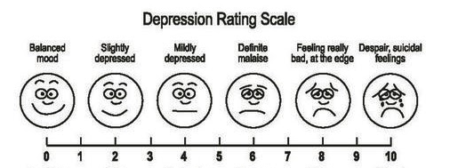
A scale of smiley-frowny faces isn’t terribly scientific, so Indiana University neuroscientists have developed a blood test that looks for biomarkers of depression — 26 of them, in fact. After all these steps were taken, the researchers say 12 of the biomarkers provide particularly strong links to depression, with six of the same tied to bipolar disorder, and two biomarkers that can indicate mania. By finding these markers, they suggest, you can use targeted therapy rather than the typical ‘throw it at the wall and see what works’ method so often used today. Not terribly helpful If you take a Covid-19 test that only gives a false positive one out of 1,000 times, and it says you’re infected — what’s the chance that you’ve actually got Covid? It’s 99.9%, right, because it’s 99.9% accurate? That’s what we normal people would say, but the actual math is more complex because the disease itself is rare. A positive test vs. a rare disease actually has a much higher rate of false positives. It’s based on Bayes’ theorem, which is all about probability and what you know before you take the test (i.e., how rare Covid actually is). So in terms of Covid tests, it means the result is far from simple. Say you tested 1 million people, chosen at random [….] About 20,000 people would have the disease, and of the 980,000 who don’t, it would wrongly tell about 980 that they do, for a total of 20,980 positive results. So if you tested positive, your chance of a false positive would be 980/20,980, or nearly 5%. Or, to put it another way, it’d be almost 95% likely that you really had the disease. Fun fact: Your spam filter is made possible by Bayes’s Theorem, first proposed by Paul Graham in 2002. We knew APhA’s Pharmacy-Based Immunization Delivery: A Certificate Program for Pharmacists was going to be popular this year, but we didn’t realize how popular — our four sessions sold out lickety-split! So what’s the plan? Offer it three more times, of course. One is concurrent with the Georgia Pharmacy Convention (but a separate registration); the others are in Sandy Springs. More info is at GPhA.org/immunization-2021 — so sign up today! Georgia’s medical-cannabis program, in the works since 2015, is close to awarding licenses to six groups to produce low-THC oil. Nearly 19,000 Georgians have a license to possess the oil for any of a number of health conditions, but no legal way to obtain it. That will change, likely by the end of the year. Obligatory update: Marijuana is currently fully legal in 16 states and decriminalized in 13 more; in the remaining 21 states, which include Georgia, it’s either wholly illegal or allowed for medicinal use only. Since being forced to attend the opera was banned by the Geneva Conventions*, researchers have been struggling to find a good use for the “art” form. Now some Brits have found a possible answer: helping people recover from post-Covid breathing problems. The practice of singing—in particular operatic singing, which involves hitting different ranges and holding notes for extended periods of time—is rooted in breathing and involves engaging the diaphragm, a muscular respiratory structure that contracts and expands when a person inhales and exhales. It’s called ENO Breathe, it ‘takes the same vocal techniques and breathing exercises used by opera singers and applies them to Covid-19 patients in a group setting.’ It’s free, done via Zoom, and you can get more info from the English National Opera at ENO.org/eno-breathe. A study from the National Institute of Allergy and Infectious Diseases found an experimental drug — “MK-4482” is its catchy name — “significantly decreased levels of virus and disease damage in the lungs of hamsters treated for SARS-CoV-2 infection.” The potential caveat (besides the fact that hamsters aren’t humans) is that it was effective “when provided up to 12 hours before or 12 hours after infecting the hamsters with SARS-CoV-2.” So timing could be critical. (Georgia represent! It was done by Emory University’s Drug Innovation Ventures group.) Even better: MK-4482 is now in phase 2 and 3 human clinical studies. Once upon a time, Covid-19 was “the coronavirus*,” even though there were plenty of others. But Covid vaccines are pretty specific to infections by just one coronavirus: SARS-CoV-2. Now Virginia Tech researchers say they may have developed a vaccine for coronaviruses in general, including Covid-19. “The candidate vaccine was developed using an innovative vaccine platform targeting a highly conserved genomic region of coronaviruses.” Translation: It targets the DNA that all coronaviruses share. So far it’s only in early animal testing, but if it works, it would be cheap and easy to make, they say. There’s always a Debbie Downer, and in this case it’s that frustrating group, “some scientists.” They say that today’s Covid vaccines might protect us from the current variants, but also make it harder to protect against future variants. In the case of Covid, some scientists are concerned that the immune system’s reaction to the vaccines being deployed now could leave an indelible imprint, and that next-generation products, updated in response to emerging variants of the SARS-CoV-2, won’t confer as much protection. In one corner, hospitals and health systems that have done this for decades and are right next to the patients. “Health systems have shown that the locally embedded approach results in higher satisfaction, better adherence, faster turnaround times, and ultimately improved clinical outcomes.” (It also makes them a bunch of money.) In the other corner, insurers and their PBMs “who also see the same opportunity and have the power to keep their members’ costly and complex drugs within subsidiaries and affiliates.” And in the middle there’s whatchamacallem — oh, yeah, the patients. Those people. “26-year-old man with ankle pain, swelling after victory leap over tennis net.” He landed awkwardly on the lateral edge of his right foot, felt a pop and noted immediate pain and swelling as he collapsed onto the court.Cannabis gets closer, a useful opera, hamsters get a break, and more
How depressed are you?
Math geeks, assemble!
Your patients need immunizations. You need to be ready.
Here comes the cannabis
Finally, a use for opera
Except “Tommy,” which also must always be referred to as “the rock-opera Tommy.”
Good news for hamsters with Covid
Coronaviruses vaccine
* Relevant xkcd
The glass-half-empty crowd
Specialty pharmacy cage match
It’s a medical mystery!
Do you want to send your members the daily Buzz email newsletter (customized for your state and organization, perhaps)? Let’s talk — just drop me a note at andrew@gphabuzz.com!

- As Lung Disease Threatens Workers, Lawmakers Seek Protections for Countertop Manufacturers
- Republicans Fret Over RFK Jr.’s Anti-Vaccine Policies While MAHA Moms Stew
- Primary Care Is in Trouble. So Doctors Band Together To Boost Their Market Power.
- Cosmetic Surgery Investigation Prompts Warnings for Patients, and a Push for Tighter Safety Standards
- Listen to the Latest ‘KFF Health News Minute’
- Banks Are Becoming Bulwarks Against Scams for Vulnerable Seniors
- January 2025
- December 2024
- November 2024
- October 2024
- September 2024
- August 2024
- July 2024
- June 2024
- May 2024
- April 2024
- March 2024
- February 2024
- January 2024
- December 2023
- November 2023
- October 2023
- September 2023
- August 2023
- July 2023
- June 2023
- May 2023
- April 2023
- March 2023
- February 2023
- January 2023
- December 2022
- November 2022
- October 2022
- September 2022
- August 2022
- July 2022
- June 2022
- May 2022
- April 2022
- March 2022
- February 2022
- January 2022
- December 2021
- November 2021
- October 2021
- September 2021
- August 2021
- July 2021
- June 2021
- May 2021
- April 2021
- March 2021
- February 2021
- January 2021
- December 2020
- November 2020
- October 2020
- August 2020
- July 2020
- March 2020
- February 2020
- January 2020
- December 2019
- November 2019
- October 2019
- September 2019
- August 2019
- July 2019
- June 2019
- May 2019
- April 2019
- March 2019
- February 2019
- January 2019
- December 2018
- November 2018
- October 2018
- April 2017
