
April 03, 2021 ✒ Andrew Kantor
Here’s a headline that says it all: “Can Vaccinated People Spread the Virus? We Don’t Know, Scientists Say.” Which is why you still need to wear a mask — it’s not about you, it’s about the unvaccinated people around you. It’s unsafe, it’s safe, it’s unsafe, it’s safer than Covid. What to make of the endless flip-flop of the AstraZeneca vaccine? The latest: More blood clots. Still not a lot, but … How’s business? Apparently, being able to give Covid vaccinations has been good for you. Shots bring people into pharmacies, where they have to hang out during the 15-minute observation period — creating a big opportunity for sales. Which best describes your reaction to this story? [Sorry, the survey was only available in the emailed version] What, did you forget about Zika? It’s still out there, waiting, possibly to return in season 3. But a pair of pathobiologists at the University of Connecticut (Go Huskies!) think they’ve got a vaccine. [They] found that mice who received just a single dose of the vaccine mounted a strong immune response and were completely protected from Zika virus infection. They did not find any evidence of Zika virus in the blood of challenged mice who were exposed to the virus after vaccination. Bonus: The platform they created to make this vaccine might be used to create vaccines for other flaviviruses, including dengue, yellow fever, and West Nile. Obesity costs Americans — well, American insurance companies (including Medicare and -caid) $170 billion a year … at least, according to a new Harvard study. Or, put another way, obesity puts $170 billion in the pockets of healthcare providers who have to treat conditions like diabetes, heart disease, hypertension, osteoarthritis, and sleep apnea. Make of that what you will. “Inside The CDC’s Battle To Defeat The Virus” The CDC’s sweeping Covid-19 response has involved teams deployed to trace outbreaks in vulnerable communities, consultations with hospitals and schools to mitigate transmission, embeds and trainings with state and local health departments, coordinating vaccine distribution, and major efforts to wrangle data from disparate sources to paint a clear picture of the pandemic’s trajectory.Pharmacists making bank, ready for Zika, and more!
Unanswered questions
Can you spread it?
What’s with the AZ flip-flop?
Next round’s on you
Zika vaccine?
Big problem
The Long Read (or Listen): Behind the Scenes edition
April 02, 2021 ✒ Andrew Kantor
“We are greater together than we are alone.” —Walter Payton, Chicago Bears With the passage of SB46, Georgia pharmacists once again proved this to be true. Thanks to your emails, texts, faxes, and phone calls, Georgia legislators listened — and with only minutes to spare, they passed SB46 before the session ended last night. From what was a simple bill that should not have attracted a lot of attention or opposition, SB46 became an enormous fight with the bill’s passage in peril numerous times over the course of the last several weeks. Your efforts, along with that of GPhA lobbyists Greg Reybold and Cindy Shepherd — and the support of some incredible representatives and senators — made the difference! Just a few of the legislators we extend our special thanks to include: Please take a moment to reach out to your legislators to thank them for their support! Covid-19 was the third highest cause of death in the U.S. in 2020, behind heart disease and cancer. (And before you start talking about co-morbidities, remember that the “excess deaths” in 2020 makes it clear that Covid is the issue.) The good news: Suicides were down for the first time in four years. A Stanford oncologist noticed an odd pattern: His patients were being diagnosed with lung cancer at a much higher rate at age 65 — higher than at 64 or 66. That seemed odd … until he found it was true for his colleague’s patients as well. So they researched and “found a substantial rise nationwide in new cancer diagnoses at 65 — not only for lung cancer but also for breast, colon and prostate cancer.” Why? For financial reasons: People were waiting to be eligible for Medicare before being tested. And that’s bad, because patients over 65 are more likely to need surgery, and have a much higher five-year mortality rate. Because they had to wait. A new quiz and poll found that the more ignorant people are about Covid-19, the more likely they are to skip getting vaccinated. First people were tested about Covid — e.g., does the vaccine include a tracking microchip? Does it promote cancer? Does it sterilize people who get them? Then they were asked if they would get a shot. The problem wasn’t that people believed that stuff, it was that they weren’t sure. Those are the folks — the ones who thought the vaccine might contain a microchip — who are hesitant to get it. Adjust your calendars for the change. GPhA’s Spring Region Meeting will now be held Thursday, April 22 from 7:00–8:00 p.m. — via Zoom, due to COVID-19 concerns. Register now and get more info at GPhA.org/region-meeting. Spanish researchers have developed a new hydrogel — this one armed with boron — that can be injected near damaged muscles to “[kick] off a chain reaction of events that aid muscle regeneration.” Essentially, boron causes integrin proteins to be produced. Those proteins help new cells bind to the scaffolding that’s created by the hydrogel, and that starts a chain reaction, where lots of undifferentiated muscle cells connect to become “fresh muscle fibers.” Muscle tears, they say, could be healed in half the time. The team believes this technology could have particular value in treating aging-related muscle atrophy, as well as inherited forms of muscular dystrophy. It’s like this: Stress releases cortisol, and cortisol increases the “resting phase” of hair follicles. More stress, less time making hair. So Harvard scientists did some mouse testing. It turned out to be pretty simple: [T]he scientists found that when the stress hormones were removed from the equation, this resting phase became very short. This meant the mice were constantly entering a growth phase and regenerating hair follicles even when they grew old. Next up: Can this be made into a cream? The National Association of Boards of Pharmacy and several online-pharmacy organizations are being sued by PharmacyChecker.com. A federal judge ruled that yes, the suit can go forward. The allegation: That NABP and the others “made coordinated efforts to suppress the plaintiff from engaging in business in the online pharmacy verification and drug price comparison industry.” Particularly, the plaintiff claimed that NABP added the plaintiff’s website to a list called “Not Recommended Sites.” U.S. mask makers have millions of NIOSH-approved N95 masks in stock. Hospitals need them. So why isn’t the market working? Hint: It’s not because they’re more expensive than Chinese versions. The reality is more interesting, as the Indicator explains.Strange cancer spike, the ignorant among us, big legislative news, and more
SB 46 passes: We are stronger together
Number 3
The spike at 65
Ignorance ain’t strength
Spring Region Meeting: Now April 22
Today’s boron news
Stress causes baldness
Anti-trust lawsuit goes forward
Podcast of the Week: “15 Million N95s Without A Buyer”
April 01, 2021 ✒ Andrew Kantor
AstraZeneca: Canada and Germany have both restricted it to patients over 55, because those rare blood clots tended to happen in younger patients. (Yes, the EMA said it was safe, but Germany is ignoring that advice, and Canada hasn’t been in Europe for 175 million years.) Pfizer: It’s 100 percent effective in 12- to 15-year-olds. Get ready for the sequels: The Covid-19 vaccine might only last a year. And with too many people refusing to get it, variants will circulate, and rather than ending Covid, we’ll just have to deal with it again and again. At least we’ll know who to thank. Researchers at Iowa State University have finished the phase 2 human trials of a drug (with the memorable name “ApFl21-04”) that can regulate or even stop human toenail growth. Even better, the length of the nails can be adjusted simply by altering the dosage. Even better better, it only needs to be taken four times a year. It turns out that toenail growth is regulated by a pair of proteins — one actually produces the nail tissue, while the other signals the nail to grow. A careful molecular balance can effectively send a signal, “Grow 12mm and stop.” “We were originally looking at the proteins involved in bone healing,” said team leader Robert April, “but we realized we had a much more interesting phenomenon, and something that could be of use to more people.” Goofus and Gallant: When one twin uses more marijuana than the other, that twin “is less likely to wind up in a highly skilled occupation with better pay,” at least according to a researcher at the University of Minnesota’s Institute of Child Development. Those teens had a lower GPA, on average, less academic motivation and more discipline problems, and were more likely to hang out with antisocial peers. Although it was pointed out that it wasn’t clear whether the issue was the effect of the drug itself, or its legality. If illegal, users were more likely to have been arrested, and to avoid applying for jobs that require drug testing. Addicted youth: The Bloomberg headline reads, “Cannabis almost as addictive as opioids among teens, study finds.” Scary, right? Until you read the details. The point of the study was not that marijuana is as addictive as opioids, but that teens are more likely to get addicted to substances than adults are. Zydus Pharmaceuticals is recalling four lots of Acyclovir Sodium Injection 50mg/mL because of crystallization. Alembic Pharmaceuticals is recalling one lot of telmisartan tablets 20mg because of incorrect product-strength labeling. If you want a healthy brain, you need a healthy mix of mouth bacteria. How do you get the right mix? Beetroot juice, of course. Drinking beetroot juice promotes a mix of mouth bacteria associated with healthier blood vessels and brain function, according to a new study of people aged 70-80. And it’s even good for hypertension: “Systolic blood pressure dropped on average by five points (mmHg) after drinking the beetroot juice.” It’s not anecdotal: There really has been a significant drop in other viruses since the pandemic began. [A]cross 44 children’s hospitals the number of pediatric patients hospitalized for respiratory illnesses is down 62%. The number of kids in the U.S. who have died of the flu this season remains in the single digits. Deaths have dropped dramatically, too, compared with the past 10 years. Masks and distancing are a part of it, but there’s the social aspect: “It’s become a serious societal faux pas to go anywhere with a fever.” The manlier the man, the more sensitive his skin. Oxford University oncology researchers determined that the higher a man’s testosterone levels, the greater his risk of melanoma. “This is the first time a link between testosterone and skin cancer has been seen. We already knew men diagnosed with melanoma have a higher risk of developing prostate cancer and vice versa, which was a clue that there may be a common biological or behavioural cause. And it looks like this link might be the hormone, testosterone. It’s good for you. It’s bad for you. It depends. Now the latest answer to the question, “Is it okay to drink in moderation?” is … yes, but only wine, because it can reduce your risk of getting cataracts. The most significant reduction in risk was linked to drinking wine rather than beer or spirits, with people who drank wine five or more times per week up to 23% less likely than non-drinkers to undergo cataract surgery. Sorry, folks, “people who drank a lot of beer, cider, or spirits had no significantly reduced risk.” It’s a question we all ask ourselves: “What gives mucus its antibacterial properties?” Fear not — MIT researchers are on the case. Business Insider was kind enough to run the numbers and break down the various Covid-19 vaccine side effects by age and gender. Enjoy! The beetroot boost, burning testosterone news, mucus mystery, and more
Vaccines tidbits
Ditch the nail clippers
Reefer news
Recalls
Beetroot juice for the brain (and no, this is not an April Fools joke)
Not terribly surprising
Easy there, tough guy
The latest about moderate drinking
The Mucus Chronicles
The Long Read: Side Effects edition
March 31, 2021 ✒ Andrew Kantor
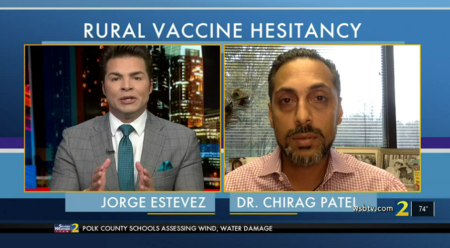
The Georgia General Assembly ends at midnight tonight — today is your last chance to contact your state representative and senator and urge them to vote for SB46. If you haven’t done that, please pick up the phone now! Point out: What SB46 actually does: SB46 would authorize pharmacists and nurses to administer all ACIP-approved vaccines under the state’s protocol. Simply put: Allowing pharmacists to provide those vaccines is good for Georgia patients and in the interest of public health. The pandemic has shown what a critical role pharmacists play — now it the time to build on that! Contact info Your state representative: Click here to find their contact info. Your state senator: Click here to find their contact info. Don’t know who they are? Find them easily with Openstates. Everyone knows you don’t get real medical advice from Dr. Phil, Dr. Oz, or Dr. Google … right? Maybe not. It turns out (per a Harvard study) that not only does ‘symptom-searching’ actually help diagnose a condition, people don’t freak out and convince themselves they have some horrible disease. In fact… The results showed a slight uptick in diagnosis accuracy, with an improvement of 49.8% to 54% before and after the search. However, there was no difference in triage accuracy or anxiety. “We did not observe the often-touted ‘cyberchondria’. That is, after search, folks were not more anxious and heading to the emergency room for care.” The wait-and-see-ers have waited and seen, and vaccine hesitancy is continuing to drop. Now only about 20 percent of Americans say they won’t get one. And against all logic, getting vaccinated remains a partisan issue. …to Wade Scott of Scott’s Healthmart Pharmacy, who not only offers Covid-19 tests and vaccines, but is now working with his central Georgia community to get more people to overcome their reluctance. Wellstar’s Chirag Patel was also pushing the importance of the vaccine — he was on WSB-TV talking about the need for everyone to get the shot. “We’re a community of Georgians. We all need to turn to each other.” If you’ve got adolescent patients dealing with depression, you might suggest a thyroid test. A study out of Germany found that 11 to 19 year olds with depression have an “increased risk for subclinical hypothyroidism and thyroid autoimmunity.” Restricting your diet is a well-known way to increase your lifespan, but for many of us that’s a non-starter (especially when McRib is in season). But now Japanese scientists may have found a cheat code: selenium. Restricted (and vegan) diets work in large part because they cut down on the amino acid methionine. But that means no McRib. Methionine works by decreasing the IGF-1 hormone, so why not find another way to cut the IGF-1? Wellllll, guess what does that? For both male and female mice of any age, the authors found that selenium supplementation completely protected against the dramatic weight gain and fat accumulation seen in mice fed the control diet, and to the same extent as restricting methionine. And lifespan? They tested yeast, and found that selenium supplementation increased its lifespan by 62-bleepin’-percent — from 13 days to 21 days. That means selenium could let you live to 130 years old*. People who have a heart attack, then go back to working long hours, are at higher risk for a second heart attack. Salmonella has the better publicist, but chances are the food poisoning you got from Uncle Rufus’s undercooked chicken was caused by campylobacter. And Washington State University researchers have uncovered a major clue to treating the infection. Campylobacter secretes a protein called CiaD, which — they WSU folks discovered — it needs to attack cells. With this bit of knowledge, they’ve got a blueprint toward finding treatments and potentially even a vaccine. For the first time, scientists have created an artificial cell that grows and replicates normally. They inserted synthetic DNA — fewer than 500 genes — into an existing bacteria whose DNA had been destroyed, and voilà, they grew and divided. The earlier attempts at synthetic life created living cells, but they didn’t replicate properly. Adding seven genes fixed the problem … but the scientists only know what two of those new genes actually do.Dr Google gets it right, McRib antidote, Captain Obvious takes heart, and more
Last chance to help pass SB46
Doctor Google might not be that bad
Fighting vaccine hesitancy
Now that I think about it
Shout-out

And Wellstar, too
Kids, depression, and the thyroid
Want to live forever?
* Probably not.
Captain Obvious takes a nap
A secret of food poisoning
Fresh fodder for sci-fi writers
March 30, 2021 ✒ Andrew Kantor
Mass-vaccination sites sound great — give shots to thousands of people in one spot. But guess what: It turns out that retail pharmacies are a better way. Federal data show the retail pharmacy program — which has signed up 21 chains and 17,000 stores — can reach far more Americans in a shorter time, according to four senior officials with direct knowledge of the matter. The bottom line, those sources said, is that more Americans seem to be willing to walk to their local pharmacist to get the vaccine than to travel to a federal vaccination site for the shot. The Pfizer and Moderna vaccines each prove to be 90% effective in real-world tests — not quite as high as in the lab, but still pretty darned excellent. Of note: The study suggested that the first dose alone was 80% effective — but only until the second dose. If you don’t get that second dose, all bets are off. The other day we told you about using dead cancer cells as a vaccine against cancers. Now German researchers have completed a clinical trial on a vaccine against malignant brain tumors, with good news. There were no signs of severe side effects amongst the patients, and over 90% showed the expected immune response to the vaccine. […] “We were able to demonstrate that the activated mutation-specific immune cells had invaded the brain tumour tissue. These patients had a particularly high number of immune cells that responded specifically to the vaccine”. The FDA has approved Janssen’s Ponvory as a treatment for multiple sclerosis. What sets it apart from other meds is that it only needs to be taken once a day (orally) and “the medication demonstrated that it reduced relapses by 30.5 percent compared with other MS medications.” You burn more fat when you exercise in the morning as opposed to the afternoon. That’s old news. New news: Having some caffeine before you exercise — especially in the afternoon — can increase that fat burning. Fun fact from the study itself: Since caffeine was removed from the World Anti-Doping Agency’s list of prohibited substances, “the urine caffeine concentration recorded in doping control tests […] has increased progressively.” =ALSO= Does coffee really stunt kids’ growth? No. Men’s lifespan, that is. A study out of Sweden found that men who took sildenafil (or other PDE5 inhibitors) after a heart attack had a lower risk of another one, and lived longer to boot. (Not that this should be surprising, given sildenafil’s vasodilating effect.) “People with severe gum disease may be twice as likely to have increased blood pressure,” according to the American Heart Association. Apparently, when periodontal bacteria damage the gums, that triggers an inflammatory response — and a patient’s blood pressure could rise without their realizing it. “[T]he link between gum disease and elevated blood pressure occurs well before a patient develops high blood pressure. Our study also confirms that a worryingly high number of individuals are unaware of a possible diagnosis of hypertension.” =AND= A new study out of UCLA found that “Psoriasis [is] Linked to Higher Risk for Thyroid Disease.” This connection had been noticed before, but now, looking at records of more than 15,000 people, the UCLA researchers have proven it exists. Next up: Why? Stop kissing your pet turtles. They may have salmonella. After 9/11, the United States focused on the War on Terror … not a bad thing, of course, but it meant cuts in other places — including public health. Though many public health experts fretted about possible pandemics, it was hard to capture lawmakers’ attention. After all, by the late 1990s, there were drugs to combat HIV/AIDS. Flu? There were vaccines. Infectious diseases? Perceived as conquered. That’s partly why two large sources of money established after 9/11 — the Public Health Emergency Preparedness program and the Hospital Preparedness Program — were gradually chipped away.Viagra extends life, pharmacists lead with vaccines, turtles of doom, and more
Pharmacists do it better
Reality check … passed
Another potential cancer vaccine
New MS treatment
Caffeine* news
* Once again, these stories are about caffeine, but the headlines act like you only get it from coffee.
Viagra makes it longer
Two unexpected connections
Warning! Warning!
The Long Read: Zero-Sum Game edition
March 27, 2021 ✒ Andrew Kantor
Big shout-out to GPhA member Nikki Adams, who was instrumental in getting mobile vaccination units to Preston — and they’re coming to other sites, too. Irony: She hasn’t been able to get the vaccines at her own pharmacy. Migraines remain somewhat mysterious, but here’s an interesting clue: Could it be lack of magnesium? We wouldn’t ask if someone hadn’t suggested that, and the someones are George Mason University nutritionists who looked at health info of more than 3,600 people over four years. “These results suggest inadequate consumption of magnesium intake is associated with migraine in US adults ages 20 to 50,” the study investigators concluded. And you know what’s next: “As such, further research is warranted.” Wellstar is fighting vaccine hesitancy, hooking up with the Morehouse School of Medicine and its National COVID-19 Resiliency Network to get the word out, especially to Black and Hispanic communities. Part of the effort: A video made with Delta Sigma Theta (the historically Black sorority) called “Stick it to COVID”: Oxford University is preparing to test a nasal-spray version of the vaccine it helped develop with AstraZeneca. (It’s about to start a phase 1 trial, so it’ll be a while.) Get ready for the spring break surge — cases should start increasing around the country in the next week, with deaths going up a couple of weeks later. Pfizer is the latest company to start testing its vaccine on younger kids. AstraZeneca, whose vaccine rollout will be the subject of marketing classes for years to come, has an update: With a proper examination of the data, its vaccine is 76 percent effective against really bad Covid-19, and 100 percent effective against deadly Covid-19. Sepsis is nasty, and even with today’s antibiotics still kills 20 to 30 percent of people who contract it. Now UC San Diego pharmacy researchers think they’ve made a breakthrough. It’s all about the platelets: “To their surprise, it wasn’t white blood cell counts (immune cells) that correlated with patient outcomes — it was the platelet count.” So the UC folks figured to use drugs that protect those platelets, rather than Yet Another Antibiotic. They turned to ticagrelor (Brilinta) and oseltamivir (Tamiflu). Mice with staph sepsis and treated with either ticagrelor or oseltamivir maintained more platelets and had less bacteria in their blood. Ultimately, approximately 60 percent of treated mice survived 10 days following infection, compared to 20 percent of untreated mice. Sure, more research is needed, but these are existing drugs and could be used off-label — a better option than the alternative. In the Long Long Ago (like, the 1940s) there was an inhaler called Vonedrine. — an experimental stimulant. It’s since been taken off the market “and has never been approved for oral use.” Why mention this now? Because Vonedrine — aka phenpromethamine — is showing up in weight-loss supplements. In addition to phenpromethamine, the study identified eight other prohibited stimulants in sports and weight loss supplements, which were often found mixed together in various combinations to create “cocktails” of stimulant drugs that have never been studied in people. And of course manufacturers don’t always mention this on the label. (Pro tip: Look for supplements “labeled as pre-workout or muscle-building supplements.”) The FDA is aware of the issue but hasn’t acted yet. Japanese researchers have figured out that an increase in stress hormones somehow leads to an “increase in and degranulation of allergy-causing mast cells.” It seems that corticotropin puts those mast cells into overdrive. And when they injected their test mice with antalarmin (which inhibits corticotropin), the allergic reaction subsided. So next time you start to sneeze … try to relax. Check out the latest episode of “Science Vs” which goes into the surprising* science and production of snake anti-venom — with a peek at the future. (Hint: If you feel like it’s 1890 tech… you’re right.) Pandemic, schmandemic — cruise lines are learning to avoid U.S. law and start taking Americans in their floating Petri dishes again.WWII drug reappears, sneezing over stress, Wellstar joins the fight, and more
Hey, rural Georgia — Nikki’s there for you!
Magnesium vs migraines
Wellstar pushes back on vaccine hesitancy

Covid quickies
Old drugs a new treatment for sepsis
Kids, ask your parents about phenpromethamine
The stress-allergy connection
Podcast of the week
* To me, anyway
Feel like rolling the dice?
March 26, 2021 ✒ Andrew Kantor
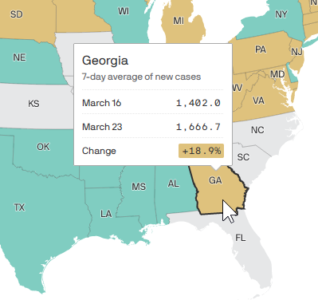
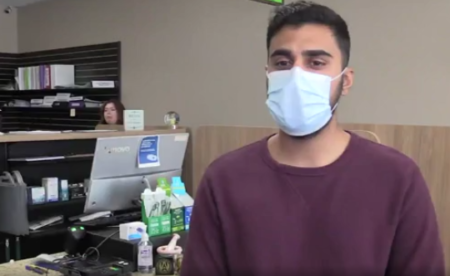
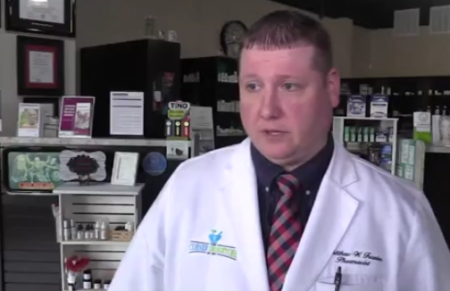
Covid-19 cases in Georgia and 18 other states are on the rise. Up almost 19 percent week to week in the Peach State. GPhA is putting all the info it’s got on Indy Health on one page — click here. The latest: Three files from the Arkansas Insurance Commissioner, including… If you have patients on the Indy Health plan, please go to GPhA’s Indy Health page where you can review those files! President Biden is moving the vaccine goalposts — back. Instead of his initial goal of 100 million shots in 100 days, he’s doubled it, aiming for the country to hit 200 million in the same time. (We say “shots” because, obviously, some of the vaccines require two.) Why did it change to three feet all of a sudden? The real question is why was it six feet in the first place. The answer is a bit of a surprise. The basis for the “science” of 6 feet of distance is rooted in work done with tuberculosis in the late 19th century, not on current scientific inquiry. So when researchers actually looked at how the virus spreads (among students), they found that “Student case rates were similar in the 242 districts with ≥3 feet versus ≥6 feet of physical distancing between students.” Yep, when you actually do science, perspective changes. Only 17 percent of people who were immunocompromised (because of an organ transplant) showed antibodies after getting either the Moderna or Pfizer Covid-19 vaccines — that’s according to Johns Hopkins researchers. “Given these observations, we feel that the [CDC] should update their new guidelines for vaccinated individuals to warn immunocompromised people that they still may be susceptible to COVID-19 after vaccination.” Tamoxifen: Good for treating breast cancer, but with notoriously bad side effects. And thus notoriously low adherence. Swedish researchers, though, think the answer may be as simple as taking less. A lot less. They report that a substantially lower dose of tamoxifen (2.5 mg) may be as effective as the standard dose (20 mg), but reduced by half the incidence of severe vasomotor symptoms, including hot flashes, cold sweats, and night sweats. They stress, though, that this is preliminary research. They used the standard efficacy test — breast density — but “We do not know how that translates to actual clinical effect.” Shout out to GPhA members Mike Frazier (in Macon) and Ankit Patel (in Warner Robins) — they were featured in an WMGT-NBC41 report on how small pharmacies are adjusting to Covid vaccine availability. Pfizer is working on a new treatment for Covid-19. Called “PF-07321332,” it’s a protease inhibitor. In preclinical trials, it blocked the SARS-CoV-2 virus — and other coronaviruses from replicating. Clinical trials will start soon. The latest on remdesivir: It speeds improvement, but it doesn’t reduce deaths. The final nail in HCQ’s coffin: The FDA looks like it will reject adding hydroxychloroquine to the compounding 503B bulks list. The agency issued a warning because “Reports of individuals abusing and misusing propylhexedrine have increased in recent years.” So how bad is it? A whopping 460 cases … over 20 years. In 2019, there were a total of 74 reported cases of abuse in the entire country. University of Chicago molecular engineers have devised what’s essentially a vaccine against cancers — in mice. The trick: Treat the tumor like a disease, and inject patients with their own dead cancer cells to train the immune system to destroy the cancer. [T]hey found that the dying tumor cells could attract and activate the immune cells, which then could recognize and kill the actual tumor cells growing on the opposite side of the mouse. Since each tumor has its own unique signature of hundreds of molecules that the immune system can recognize, the vaccine promoted a broad, robust immune response. Bloomberg has the story of molnupiravir — an antiviral that’s based on well-known chemistry, and could, if you buy the hype, “Transform the Fight Against Covid.” There are 246 antivirals in development […]. Merck’s molnupiravir is among the furthest along. Its developers hope the pills can be prescribed widely to anyone who gets sick. Think Tamiflu for Covid. The hurdle, beyond ensuring the drug works, is making sure it’s safe.Cancer vaccine, why three feet, Indy Health update, and more
(polite cough)
More on Indy Health
ICYMI: “We’ll double the offer”
So, about ‘six feet’ of social distancing…
Bad news for transplantees
Less is more, tamoxifen edition
High fives to those on the front lines
Covid treatment news
FDA: Sky falling as people abuse propylhexedrine
Hair of the dog, tumor style
The Long Read: Covid Treatment edition
March 25, 2021 ✒ Andrew Kantor
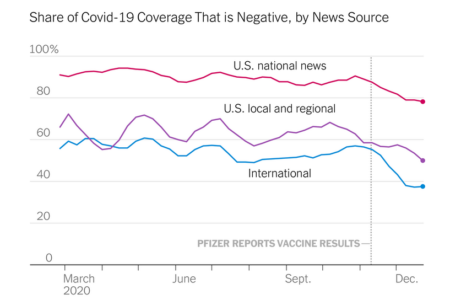
“’Double mutant’ Covid variant found in India” — although it doesn’t seem to be linked to an increase in cases there. Yet. Arkansas Medicare Part D pharmacy benefits insurer Indy Health is under an order of rehabilitation (effective March 18). As part of that order, the Arkansas insurance commissioner has taken control of Indy Health. Click here to read the full news release from the Arkansas Insurance Department. Click here for a FAQ document from Indy Health. Click here for the Direct Member Reimbursement Form LINET will accept Indy Health Medicare part D claims effective March 1–31 through the LINET program for transition coverage of prescription drugs. Indy Health claims will pay through LINET (Humana transition claims for Medicare D). GPhA members wanting additional information, please contact the Arkansas Department of Insurance, visit the GPhA website, or check your email for the latest information. Part D members with questions and/or concerns should call 1-800-799-0927 or email customercare@indyhealthinc.com. Customers may also contact the Arkansas Insurance Department Consumer Services Division at 1-800-852-5494. Governor Kemp has opened Georgia’s Covid vaccine eligibility to anyone 16 and over, starting today (Thursday, March 25). “Confirm your spot in line as quick as possible,” Kemp said. Maybe? Researchers in North Carolina have found a connection between Bartonella bacteria — think cat-scratch disease — and people diagnosed with schizophrenia. Of the 17 patients with schizophrenia, 12 had Bartonella DNA in their blood, as compared to only one of 13 in the control group. According to the questionnaires, both patients and controls reported similar pet ownership and flea exposures. It’s obviously preliminary research, but it’s worth a comment at the water cooler, no? It’s official: The Pharmacy Technician Certification Board has officially recognized GPhA’s immunization program for technicians. That means you can take GPhA’s popular Immunization Delivery Training for Pharmacy Technicians course and it will now count towards PTCB’s Immunization Administration Certificate. W00T! (Annnnd… earning that PTCB certificate is a step toward becoming an Advanced CPhT (CPhT-Adv), which comes with all the bragging rights and potentially a new business card.) We’ve added yet more dates for GPhA’s Immunization Delivery Training for Pharmacy Technicians: Saturday, April 24 and Saturday, May 22! So not only can you get six (6) hours of sweet CE credit, it’s also a step toward that PTCB certificate and becoming a CPhT-Adv. So less reading, more signing up: Click here for info! Scientists at Princeton have discovered an organelle in human cells — they don’t know what it does, other than “govern very important chit-chat within and between cells,” and play a role in bone metastasis. They’ve nicknamed it the “frodosome*.” [T]his is the type of unapologetic basic cell biology research that ultimately leads to potential treatments for diseases such as bone metastasis. President Biden has extended ACA insurance signup though Healthcare.gov through August 15, 2021 — another three-month extension. Apparently it’s popular: More than 200,000 people have signed up or upgraded their insurance since Healthcare.gov reopened in mid-February. The latest ACA expansion makes health insurance more affordable for more people, but it ain’t cheap. And it ain’t cheap because it’s still private insurance. The reliance on private plans — a hard-fought compromise in the 2010 health law that was designed to win over industry — already costs taxpayers tens of billions of dollars each year, as the federal government picks up a share of the insurance premiums for about 9 million Americans. Being trapped in the World of Covid has apparently made people realize how dependent they are on machines — keeping in touch, doing their work, escaping from their drab, wretched lives, and so on. And that — say USC researchers — has made them nicer to machines. [W]hen people are distracted by something distressing, they treat machines socially like they would treat other people. We found greater faith in technology due to the pandemic and a closing of the gap between humans and machines, Someone didn’t get the message For one patient, too much tapentadol seems to have started her sleepwalking. She started on the regular stuff and was transitioning to the extended release — but she was taking 600mg/day of the ER version, when the max is supposed to be only 500mg. Caveats (besides the fact that it’s a sample size of one): She had suffered a traumatic brain injury after being hit by a car eight months before, although the researchers say they ruled that out as a cause. If you think the Covid-19 news has been negative, well … welcome to American news. No, really. A Dartmouth economics professor thought the news he was seeing was waaaaay too negative, so he did a study. Result: From Fox News to MSNBC, Reuters and the New York Times, the US media was painting a much more negative picture than the rest of the world. We are doing a good job telling you why Covid cases are rising in some places and how the vaccines are imperfect — but not such a good job explaining why cases are falling elsewhere or how the vaccines save lives. Perhaps most important, we are not being clear about which Covid developments are truly alarming. My favorite example comes from the Atlantic (“World’s Most Depressing Magazine”). Headline: “Don’t Be Surprised When Vaccinated People Get Infected”. Smaller print: re-infections are “very rare.” Dr. Vivek Murthy was confirmed as surgeon general.Be kind to robots, dangerous kitty germs, why your Covid news is so depressing, and more
The writers are getting lazy again
Important information about Indy Health
You get a vaccine! You get a vaccine! Everyone gets a vaccine!
Can you get schizophrenia from your cat?
Big news for technician members
But wait, there’s more
Time to update your high school bio textbooks
* After the Lord of the Rings character who failed in his mission to destroy the One Ring.
Obamacare notes
Alexa, buy yourself something nice

The somnambulist
Debbie downers
ICYMI
March 24, 2021 ✒ Andrew Kantor
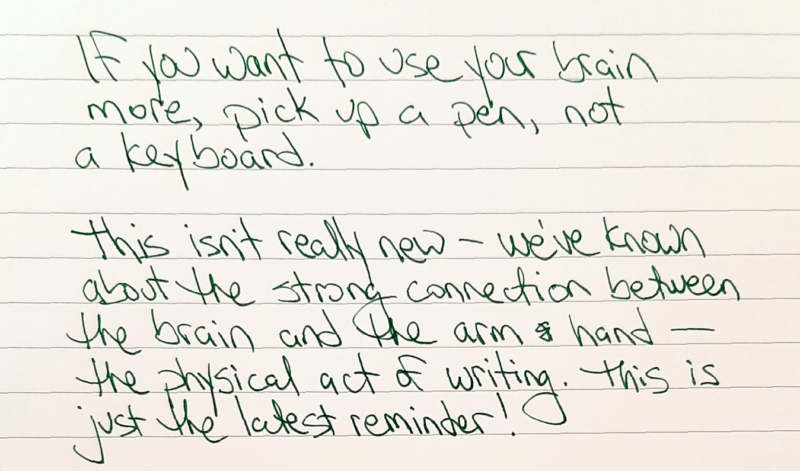
Georgia is among several states with a vaccine reporting error, according to the CDC. Apparently, some shots given in the state at pharmacies were credited to the pharmacy chain’s home state (e.g., Rhode Island for CVS) rather than the state it was given in. Remember, as vaccine delivery is apparently a competition, this could hurt Georgia’s score. In Georgia, at least 250,000 doses were administered through the federal pharmacy vaccination program but not counted in vaccine tracking data. The uncounted doses would represent about 9% of the state’s 2.74 million reported shots, as of March 16. The AstraZeneca vaccine saga continues. The latest: After getting through the whole “Does it cause blood clots?” kerfuffle, the AZ folks showed that their vaccine was 79 percent effective. Great! But wait! Now it seems that the company’s numbers “may have been based on ‘an incomplete view of the efficacy data’ from a clinical trial and relied on ‘outdated information’.” Asked why NIAID released its unusual statement, Fauci said, “We just felt we could not remain silent. Because if we did remain silent, we could be understandably accused of covering something up. And we definitely didn’t want to be in that position. In my mind, it’s an unforced error by the company.” It’s expected to start clinical trials this year. In a best-case scenario, that means it won’t be available for at least a year, but that could make it available if we all need regular boosters to deal with variants. There’s been lots of talk about the new, expanded role pharmacists are (finally!) playing, thanks to the pandemic. But most of the talk has been about how the government sees them. Today’s Long Read: How marketers are adjusting to pharmacists’ expanded roles. The resulting shift has prompted marketers to experiment with new channels as they try to cut through the noise. As they do so, questions have emerged as to whether pharmacists’ expanded scope of care, and subsequent increase in contact with patients, will outlast the current crisis. Either way, many consumers are unlikely to ever again view their local chain pharmacy as a mere convenient destination for M&M’s and paper towels. Post-Covid symptoms can include psychosis — “It was really single-handedly the most terrifying thing I’ve ever experienced in my life,” said one patient. What’s particularly scary: This was after a mild case of the disease. And no one knows what the cause is — immune response? Inflammation? Much about the condition remains mysterious. Some patients feel urges to harm others or themselves. Others […] have no violent impulses but become almost obsessively paranoid. Some need weeks of hospitalization with doctors trying different medications, while others improve faster. Some patients relapse. That’s just the tip of the iceberg. “A new study illuminates the complex array of neurological issues experienced by people months after their coronavirus infections.” A study of Japanese university students and recent graduates has revealed that writing on physical paper can lead to more brain activity when remembering the information an hour later. Researchers say that the unique, complex, spatial and tactile information associated with writing by hand on physical paper is likely what leads to improved memory. Health officials were shouting from the rooftops not to relax too much just because vaccines were rolling out. Did we listen? Of course not. And now — for the first time since January — Covid-19 cases rose in the U.S. week to week. And it’s spreading: Thirty out of 50 states reported more new infections in the week ended March 21 compared with the previous seven days, up from 19 states in the prior week, according to the Reuters analysis. Shout-out to GPhA member (and Georgia Pharmacy Foundation scholarship winner) Rebecca Bruning, featured as one of UGA’s “Amazing Students” in the latest UGA Today! Her goals: Specializing in infectious disease or critical care … and hopefully sharing an afternoon with Anthony Fauci. “People gave up on flu pandemic measures a century ago when they tired of them – and paid a price” By law, hospitals are now required to make their prices available online. But they’ve decided to skirt the law by deliberately making that information un-searchable and in many cases almost impossible to find. “It’s technically there, but good luck finding it,” said Chirag Shah, an associate professor at the University of Washington who studies human interactions with computers. “It’s one thing not to optimize your site for searchability, it’s another thing to tag it so it can’t be searched. It’s a clear indication of intentionality.”Scary after effects, Covid cases tick up again, the pen is mighty, and more
Miscounted vaccinations
“An unforced error”
A Covid vaccine pill?
Marketers are noticing pharmacists
It’s just something you don’t want to get
Old school, better school

Can’t say we didn’t warn you
Amazing!
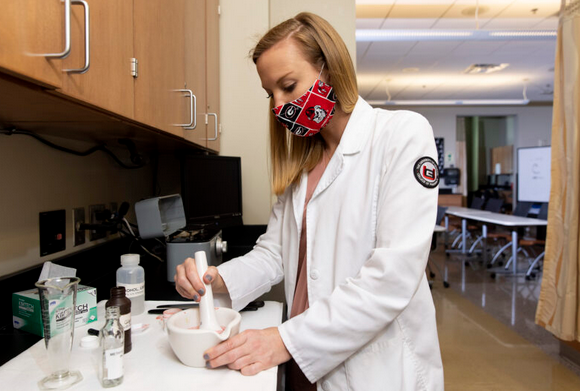
All this has happened before, all this will happen again
Hospitals are hiding pricing data
March 23, 2021 ✒ Andrew Kantor
Have you heard the one about the diabetic who would inject an orange with her insulin, then eat it? Her doctor had used an fruit to teach her how to inject herself, and … well, “instructions unclear.” We haven’t reached the point where diabetics and asthmatics can carry around a pharmacist to be sure they’re self-administering correctly, so mistakes are common. To the rescue are engineers at MIT: They’ve developed a way to monitor how patients use injectors and asthma inhalers, then alert them if they do something wrong. A mix of sensors on the devices, a bit of machine intelligence, and Bluetooth (which makes everything better) means patients have an tiny electronic pharmacist at their disposal — like Jiminy Cricket in a white coat. Proof of concept at this point, but the tech isn’t radically new, so don’t be surprised if you see in on the shelf soon. AstraZeneca’s Covid-19 vaccine is 79 percent effective. If you’ve got mice who aren’t practicing safe sex, you might have mice with drug-resistant gonorrhea. It happens to the best of us. But now Emory and Penn State biochemists have developed a new antibiotic they say clears that gonorrhea in a single oral dose. The trick is to mess with a different molecular pathway* — one that bacteria have but humans don’t. Their one-dose med is a proof of concept that this new type of drug can treat heretofore untreatable bugs. The American Academy of Dermatology is warning people not to use ‘do-it-yourself’ needles to inject cosmetics they buy from some random Internet store. “While it may be tempting to use a needle-free ‘do-it-yourself’ device to inject hyaluronic acid filler purchased online…” No, no it’s not tempting at all. Men and women feel pain differently. (If you want to make jokes, knock yourself out. We’re not foolish enough to open that can of worms.) In fact, medical researchers at UNC found that — at least in mice — male and female neurons actually process dopamine differently for regulating pain. Researchers knew neurons released dopamine to relieve pain. But get this: All the previous tests had only been done on male mice. When the UNC folks brought females into the mix, they found that dopamine had a different effect on the dorsal raphe — a brain region involved in behavioral adaptation. In particular, these experiments seem to indicate that dopamine helps males simply not feel as much pain, while in females, dopamine helps the mice focus attention elsewhere while in the presence of pain. What does it mean? It means there could be “better pain management strategies, particularly for women, who are disproportionately affected by pain throughout their lifespans.” UCLA researchers found that many people, if not specifically informed by their physicians, assume their new meds have no side effects. They are often unpleasantly surprised. [P]otential reasons for this finding included failure of physicians to mention or to use the term “side effects” during visits, the prescription of multiple medications during the visit, and lack of patient engagement in the conversation. A new investigational drug, with the memorable name of “BIF” (basal insulin Fc), is a weekly insulin injection that works as well as daily shot for patients with type 2 diabetes. The obvious takeaway: “The reduced number of injections with weekly insulin may improve adherence to insulin therapy,” and also make people more willing to start insulin therapy. For the first time, the UK variant of Covid-19 (B.1.1.7) has been found in pets. They don’t seem to get sick from it (“Infected pets appear to have symptoms ranging from mild to nonexistent“), but they may or may not help transmit the virus. How many dogs and cats have it? No one knows, because no one is testing. BUT… vets in Buckinghamshire, UK, have noticed an uptick in cats and dogs with myocarditis since the second wave — the B.1.1.7 wave — of the pandemic. Coincidence? “We don’t want to spread panic unnecessarily.” (Apparently they only want to spread panic when it’s necessary.)Side-effect surprises, a warning we all need, pets with variants, and more
Pharmacist in your pocket
ICYMI
One dose STD treatment
* The trans-translation pathway, in case you want to Google
The medical equivalent of gas-station sushi
Pain, men, and women
Did anyone explain the side effects?
Once a week insulin
Pet news
Do you want to send your members the daily Buzz email newsletter (customized for your state and organization, perhaps)? Let’s talk — just drop me a note at andrew@gphabuzz.com!

- As Lung Disease Threatens Workers, Lawmakers Seek Protections for Countertop Manufacturers
- Republicans Fret Over RFK Jr.’s Anti-Vaccine Policies While MAHA Moms Stew
- Primary Care Is in Trouble. So Doctors Band Together To Boost Their Market Power.
- Cosmetic Surgery Investigation Prompts Warnings for Patients, and a Push for Tighter Safety Standards
- Listen to the Latest ‘KFF Health News Minute’
- Banks Are Becoming Bulwarks Against Scams for Vulnerable Seniors
- January 2025
- December 2024
- November 2024
- October 2024
- September 2024
- August 2024
- July 2024
- June 2024
- May 2024
- April 2024
- March 2024
- February 2024
- January 2024
- December 2023
- November 2023
- October 2023
- September 2023
- August 2023
- July 2023
- June 2023
- May 2023
- April 2023
- March 2023
- February 2023
- January 2023
- December 2022
- November 2022
- October 2022
- September 2022
- August 2022
- July 2022
- June 2022
- May 2022
- April 2022
- March 2022
- February 2022
- January 2022
- December 2021
- November 2021
- October 2021
- September 2021
- August 2021
- July 2021
- June 2021
- May 2021
- April 2021
- March 2021
- February 2021
- January 2021
- December 2020
- November 2020
- October 2020
- August 2020
- July 2020
- March 2020
- February 2020
- January 2020
- December 2019
- November 2019
- October 2019
- September 2019
- August 2019
- July 2019
- June 2019
- May 2019
- April 2019
- March 2019
- February 2019
- January 2019
- December 2018
- November 2018
- October 2018
- April 2017
