
January 23, 2021 ✒ Andrew Kantor
Demand is up, as more people say they’re comfortable with the vaccine and more people are eligible. Availability is one big issue, as there just aren’t enough vaccines (in many places). The other is the lack of centralized coordination, with individual states managing the process. President Biden is invoking the Defense Production Act “to speed up the manufacturing of testing and vaccine supplies and other items needed to fight Covid-19.” And the new CDC director, Rochelle Walensky, says the agency is on the case. She’s got help. Amazon, which obviously has a handle on distributing stuff, has written to President Biden saying it’s “prepared to leverage our operations, information technology, and communications capabilities and expertise to assist your administration’s vaccination efforts.” The “vast majority” of pharmacists are confident in the vaccine. If you do, our friends at NCPA have info for you. NCPA has developed a new tool for pharmacies to report issues they may encounter with either medical benefit or prescription benefit claims. These reports will be monitored and aggregated to identify systematic issues being faced by pharmacies across the country as they serve their patients and communities. Click here to access the reporting tool. Lilly’s bamlanivimab antibody drug didn’t do much to help severely ill Covid-19 patients, but when it was combined with another antibody drug — etesevimab — bam! “There was a significant reduction compared with those who got a placebo.” Bamlanivimab is currently being used in mild Covid cases, and Lilly is hoping for and emergency use authorization for the combo. The combination may be an option in the event that coronavirus mutations render bamlanivimab ineffective. […] The drug has been able to halt variants like the highly transmissible B.1.1.7 strain that emerged in the U.K., he said. A trial of a CRISPR-based therapy for sickle cell disease seems to show that … well, that it cures the disease by deleting one gene (BCL11A) in stem cells. A paper published in the New England Journal of Medicine showed that, in human trials… By doing so, stem cells start producing fetal hemoglobin so that patients with congenital hemoglobin defects (beta thalassemia or sickle cell disease) make enough fetal hemoglobin to overcome the effect of the defective hemoglobin that causes their disease. HIV and AIDS are becoming less and less of an issue. The latest: The FDA has approved a monthly injectable HIV treatment that can (and will) compete with daily pills. Although several medicines exist for treating HIV, ViiV Healthcare is banking on the improved convenience of getting a monthly shot, even if it must be administered by a health care provider. Great news for older mice! First, USC researchers found that injecting the hormone MOTS-c (which humans express when they work out and literally can “mimic the effects of exercise”) did wonders for the mice, especially the older ones. [T]reating the oldest mice nearing the end of their lives with MOTS-c resulted in marked physical improvements. This late-life treatment improved grip strength, gait (measured by stride length) and physical performance, which was assessed with a walking test (running was not possible at this age). Meanwhile, Stanford researchers found a way to repair older immune cells in mice — allowing the cells to “decrease inflammation and restore cognitive function” in mice with Alzheimer’s. They were able to delete the EP2 receptor in mouse macrophages, preventing the cells from altering their metabolism (and triggering inflammation) when exposed to the PGE2 lipid — as you probably guessed. Don’t take my word for it. Check out the story in the Scientist. For people with hypertension, it seems that stretching might be better than walking to lower that blood pressure, at least according to Canadian researchers. “Everyone thinks that stretching is just about stretching your muscles. But when you stretch your muscles, you’re also stretching all the blood vessels that feed into the muscle, including all the arteries.” And the next unexpected ‘epidemic’ arising from Covid-19 is … children getting chemical burns from hand sanitizer. In 2019, hand sanitizer accounted for just 1.3% of all chemical eye exposure incidents in the pediatric database. By the end of 2020, that number was up to 9.9%. It was popular in Southeast Asia, and now it’s popular here — the kratom plant, whose leaves can be chewed, made into tea, or powered into capsules. It’s legal in the U.S. (although the DEA calls it a drug of concern). In fact, the DEA was about to effectively make it illegal, but after public outcry decided maybe it should, you know, actually study it first. While that’s going on, check out what one chemistry professor and pharmacist has to say about his research.Stretch your way to health, plus good vaccine news, chemical burn ‘epidemic,’ and more
51 seconds on the Covid vaccine
Got vaccine billing issues?
Better together
Sickle cell cured?
Monthly HIV treatment
The golden age for mice
Stretching: the truth
You’ll put your eyes out, kids
The Long(ish) Read: Let’s talk kratom
January 22, 2021 ✒ Andrew Kantor
After a few hiccups at the start, Georgia’s vaccine effort has roared ahead, more than doubling the number of vaccinations two weeks in a row. More than 423,000 people had received the vaccine as of Monday, according to state health officials. That’s roughly just under 4 percent of the state’s population and 46 percent of the two vaccines that it has received. President Biden has named CDER’s Janet Woodcock as acting FDA commissioner, and may give her the job permanently. That is all. While the Pfizer vaccine seems to work against the U.K. variant of Covid-19, there are at least two worrisome issues about the various emerging strains. People who had survived mild infections with the coronavirus may still be vulnerable to infection with a new variant; and more worryingly, the vaccines may be less effective against the variants. The good news seems to be that, even if the vaccine doesn’t prevent infection, it will at least make the sickness more mild. Fine. How about “Scientists Discover that Nicotine Promotes Spread of Lung Cancer to the Brain”? Yep, researchers at Wake Forest School of Medicine found … …that nicotine enhanced brain metastasis by crossing the blood-brain barrier to change the microglia – a type of immune cell in the brain – from being protective to supporting tumor growth. But they didn’t stop there. They went and found a drug that might reverse it: feverfew, the herb. (Technically parthenolide, the active ingredient). Yep, it seems that feverfew can block that nicotine-induced brain metastasis — something that’s up next for research. A Japanese biologist was wondering why cats go nuts over catnip, so — as one does — he spent five years researching it. Result: He and his team found two interesting pieces of information. Most scientists and pet owners assumed the only reason that cats roll around in catnip was for the euphoric experience. “Our findings suggest instead that rolling is rather a functional behavior.” What if prioritizing the vaccination of high-risk individuals wasn’t the best strategy? Conventional wisdom says it’s pretty obvious, but when NYU engineers ran simulations, they found that is wasn’t who you vaccinate first that made a difference, it was how many people. To obtain significant improvements, a very large fraction of the town population should, in fact, be vaccinated. And what works best to keep deaths down during the rollout? “[T]he restrictive measures in place during the first wave [“social distancing, masks, and mobility restrictions”] greatly surpass those from any of these selective vaccination scenarios.” They set up “gladiator matches” between praying mantises. Two bugs enter, one bug leaves Should we vaccinate the oldest? Plus mantis fights, catnip answers, and more
Georgia gets into gear
There’s a new commish in town
Of course there’s some bad Covid news
You need another reason not to smoke?

Catnip serves a purpose after all
What if
When biologists get bored

January 21, 2021 ✒ Andrew Kantor
What’s to expect in the next 100 days, health-wise? As President Biden’s coronavirus coordinator Jeff Zients put it, “This is clearly a national emergency, and we will treat it as such.” The biggest items: Marijuana laws around the world have eased, and that means more research being done to see exactly what all those cannabis compounds can do. (Nothing against anecdotes, of course. They’re fun at parties.) Here’s one: Aussie researchers — between dodging spiders, jellyfish, and evil plants — have found that everyone’s favorite cure-all, CBD, “has been shown for the first time to kill the bacteria responsible for gonorrhoea, meningitis, and legionnaires disease.” Gram-negative bacteria are tough thanks to an extra outer membrane. Bad news for them, though: Cannabidiol is particularly good at breaking down that membrane. And not only does CBD itself work, so do chemical analogs, meaning we could be looking at a whole new class of antibiotic treatments. “This is particularly exciting because there have been no new molecular classes of antibiotics for Gram-negative infections discovered and approved since the 1960s, and we can now consider designing new analogs of CBD within improved properties.” They thought it would work, but now Pfizer is sure — its vaccine will prevent the U.K. variant of Covid-19. Next up for testing: the California and Brazilian variants. British researchers have figured out that “Talking is worse than coughing for spreading COVID-19 indoors” (at least when the space is poorly ventilated). That’s because when we speak, we generate small droplets that can hang in the air, spread and accumulate in an area without adequate ventilation. On the other hand, a cough produces more large droplets, which quickly fall to the floor and settle on surfaces. One of the interesting effects of all this mask wearing is what it’s doing to our ability to communicate, and how it’s affecting babies who are just learning to understand language — verbal and body. Without facial cues, it’s easy to be confused about emotions. [P]eople readily confused expressions when the lower part of the face was blocked by a surgical mask. Happiness and sadness seemed like neutral poker faces. Signs of anger were especially hard to perceive. Wide-eyed fear, though, came through clearly. The official advice is for people to go through their healthcare providers, but a University of Michigan study found that “45% of adults over 65 lack online medical accounts that could help them sign up for COVID-19 vaccinations.” If you aren’t giving vaccinations, remind your patients that they can find and sign up with a vaccination site through the Georgia DPH (https://dph.georgia.gov/locations/covid-vaccination-site). While the vaccine rollout continues, don’t forget another prong of our attack on Covid-19: treatment. To that end, researchers at Chicago’s Rush University have developed a nasal drug that they say “proved effective in reducing fever, protecting the lungs, improving heart function, and reversing [the] cytokine storm.” It’s a hexapeptide, and its trick is preventing the SARS-CoV-2 virus from attaching to the ACE2 enzyme. A good sign: “The peptide inhibits cytokines that only are produced by the SARS-CoV-2 spike protein, not other inflammatory stimuli, indicating that this peptide would not cause immunosuppression.” Of course, it only works in mice at the moment, but they’re hoping to start human trials soon. Let’s say you have a rat with a broken leg that won’t heal. Happens to all of us. But now Swedish and German researchers have found a way to fix that, delivering a drug cocktail that includes a bone substitute as a carrier (a “calcium sulfate/hydroxyapatite biomaterial”) along with “bone-active molecules*” that work together to heal even major fractures. FDA: We have oversight of genetically modified animals. HHS: Nah, we’re giving that to USDA. That’s what the industry wants. FDA: We protect public health, so this clearly belongs with us. HHS: We’re going to have a memorandum of understanding giving oversight to USDA, where there’s less regulation. FDA: We’re not signing it. HHS: Here’s the MOU, signed by the U.S. Secretary of Agriculture. We put your name on it. FDA: That’s nice. We’re going to ignore it. FDA does not support the Memorandum of Understanding that @HHSGov signed with @USDA announced today. FDA has no intention of abdicating our public health mandate. We’ll continue to stay focused on executing our vital public health mission entrusted to us by the American people. (Stephen Hahn, via Twitter)Masks can’t hide fear, don’t say a word, FDA vs HHS, and more
Annnnnd we’re back
CBD vs gonorrhea
Pfizer vaccine works against the British Covid-19 variant
Shaddup, you
They’ll sense your fear
Make sure your older patients are signed up for a vaccination
Another Covid treatment on the horizon?
Drug combo heals unhealing broken bones
* Osteoinductive rhBMP-2 and zoledronic acid, obviously
HHS/FDA cage match
January 20, 2021 ✒ Andrew Kantor
German researchers have cured spinal cord injuries in mice — we’re talking allowing them to walk again after having their spinal cords severed. If your reaction is “Wait, what?” you read that correctly. “[G]ene therapy treatment of only a few nerve cells stimulated the axonal regeneration of various nerve cells in the brain and several motor tracts in the spinal cord simultaneously. Ultimately, this enabled the previously paralyzed animals that received this treatment to start walking after two to three weeks. They used virus to deliver a blueprint for a “designer cytokine” — a protein that doesn’t occur in nature — to nerve cells. Those cells produced the protein (called “hyper-interleukin-6”) to other nerve cells, where it “stimulated the axonal regeneration.” “I learned there were places in my nose I never knew existed,” said my Dutch friend of her Covid test. But it doesn’t have to be that way. Two studies out of Canada’s McGill University show that saliva testing works just as well as those nasal swabs. (Not that either is perfect.) Saliva tests are quicker, cheaper, and don’t require training, so it opens home testing as a possibility. Previous studies were inconclusive, so the McGill folks hope this puts an end to the question. After sinus surgery, placebos are just as good (“noninferior”) as routine antibiotics. That is all. With water playing an important part of their culture (e.g., ice hockey), Canadiens are keen on keeping it clean. One class of chemical they’re worried about are chemotherapy drugs like methotrexate. It’s not absorbed by the body, so it ends up (via obvious means) in sewage, and eventually waterways, because conventional water treatment doesn’t clean it out. So University of British Columbia engineers went ahead and solved the problem, creating an adsorbent nanomaterial that can “remove the anti-cancer drug from aqueous solutions quickly.” And that’s that. “Biden’s CDC Director: I’ll Make Sure Voices Of Science Are Heard Again” Some Covid patients in hospital can leave after a few days. Others “go on to develop severe disease, including complications that require the insertion of a breathing tube, kidney dialysis or other intensive care.” When they first arrive it’s hard to know which will be which. But now Washington University researchers say they’ve found a way — a quick blood test that measures mitochondrial DNA. Yes, measures. If a lot of mitochondrial DNA is present in the blood, it means those mitochondria are being shredded, and that’s a sign of a bad time coming. It’s not perfect, and it’s still in testing, but that kind of quick triage could help free up some badly needed hospital beds. Using data from over a decade, and more than 750,000 patients, Chinese researchers publishing in the BMJ journal Heart found that “Fried food intake linked to heightened serious heart disease and stroke risk.” Meanwhile, NYU researchers have concluded that people suffering from anxiety and depression are drinking more during the pandemic. This Fox Business story shows yet another reason to avoid products from Gwyneth Paltrow’s pseudo-health site, Goop. There are now at least three mutations* of SARS-CoV-19, starting in three regions of the world, and all similar. They all affect the spike protein, and they all seem to make the virus more transmissible but not more deadly. At least not to individuals. And the existing vaccines seem to work on all of them So what’s to know? Stat News has a detailed overview of what the mutations mean and what’s being done about them. And there’s a shorter story in Live Science.Canadians clean the water, Germans repair nerves, scientists study strains, and more
Germans repair broken spinal cords
Final say: Saliva Covid tests
Just say no
Canadian ingenuity
There’s gonna be a new sheriff in town
Who will get sickest?
Researchers discover shocking truthes
ICYMI
The Long Reads: Covid-19 variants
* British mutation, California mutation, Brazilian mutation
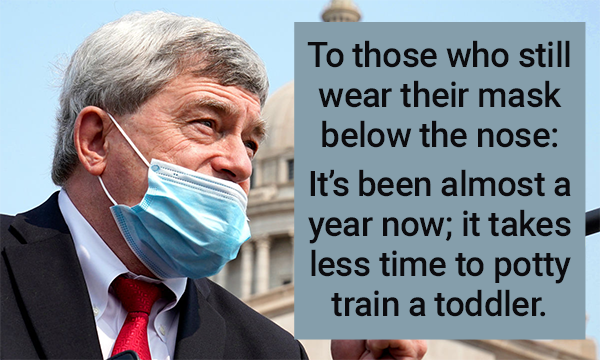
And we’ll leave you with this thought today:
January 19, 2021 ✒ Andrew Kantor
The National Community Pharmacists Association has had enough: It’s suing HHS over DIR fees. Specifically, it’s suing over the exception in Medicare regulations — the loophole, really — that allows PBMs to continue to charge clawbacks to pharmacies filling Medicare Part D prescriptions. “HHS initially said the exception would address a very narrow set of circumstances,” NCPA wrote, “but instead has opened a ‘Pandora’s box’ for Part D plans and their PBMs.” Pointing out that DIR fees rose a whopping 45,000 percent between 2010 and 2017, and that calls for reform have been rejected, “a lawsuit challenging the validity of pharmacy DIR fees is necessary to protect the downstream consumers.” The suit claims that the rule “violates the plain language and intent of Congress when [it] passed legislation creating the Medicare Part D program,” that the rule is arbitrary and capricious, and that it “was not adopted through proper notice-and-comment rulemaking.” You can read the details of the suit here (PDF). The long version, from the amazing Amber Schmidtke (how does she do this?): https://amberschmidtkephd.substack.com/p/the-week-in-review-11-17jan2021 The bullet points: Itching is a common side effect of eczema, but (like the headline says) antihistamines don’t always stop it. Now some Washington University researchers think they know why. It seems that, while itching and pain are usually carried along the same pathway to the brain, that’s not the case here. “These new findings show there’s another pathway entirely that’s causing these episodes of acute itching in eczema patients.” The typical pathway for itching in eczema patients involves cells in the skin that are activated and then release histamine, which can be inhibited with antihistamine drugs. But with this acute itching, a different type of cell in the bloodstream transmits itch signals to the nerves. Those cells produce too much of another non-histamine substance that triggers itch; therefore, antihistamines don’t work in response to such signals. Yep, the 2021 Georgia Legislative Session is starting, and GPhA’s lobbyist, attorney, and VP of public policy, Greg Reybold, is there. From Covid testing stations (“several legislators did test positive”), mandatory masks, and tight security — and, of course, discussions about pharmacists and vaccinations — you can read the details of week 1 right here. To cut to the chase: Diabetics who are taking metformin have a much lower risk of dying from Covid-19. To be clear: They have to be taking it before the diagnosis. So found University of Alabama researchers, although exactly why is still unclear. The UAB findings suggest that the mechanisms may go beyond any expected improvement in glycemic control or obesity, since neither body mass index, blood glucose, nor hemoglobin A1C were lower in the metformin users who survived as compared to those who died. The feds say you can give the Covid-19 vaccines (under the supervision of a pharmacist). So get yourself as ready as possible with GPhA’s Immunization Delivery Training for Pharmacy Technicians — a 5-½ hour CE program consisting of both home-study and live training. The home study you can do any time. GPhA is offering the live training twice on Sunday, February 7, 2021. Space is limited due to social distancing guidelines, so don’t wait — click here for all of the details and to register now! At some point he’s gonna go deaf from all these shout-outs, but we can’t high-five him until the pandemic’s done. That said … GPhA past president Jonathan Marquess was quoted in an ABC News national report on the wait for vaccines: “Vaccine push gains steam but many still face wait”. Alcohol is bad for you. No, a little is good. Nope, it’s always bad. Well, a little red wine is good. Actually, a little alcohol is probably fine. And the latest, courtesy of the European Society of Cardiology: “One small alcoholic drink a day is linked to an increased risk of atrial fibrillation.” You’re not alone! A legit scientific study looked at auditory hallucinations in both “spiritualist mediums” and regular folk, and found that hearing the dead isn’t all that rare. It doesn’t necessarily have to do with whether people believe in the supernatural or not — engaging in “immersive mental activities” and other personality traits seem to play a role. Pro tip: Hearing dead people is probably okay, but doing what they tell you to do … yeah, skip that part. “A Man Injected Magic Mushroom ‘Tea’ Into His Veins, And Fungus Grew Inside Him”. No, he’s not OK, but he’s alive. “Billionaire Mark Cuban Wants To Lower Drug Prices With Generics Startup”Hearing the dead, NCPA’s big lawsuit, why metformin is important, and more
NCPA sues HHS over DIR fees
Last week in Georgia
Why don’t antihistamines always work for eczema?
It’s legislative update time
Metformin, diabetes, and Covid-19
Technicians, listen up!
Shout out to Jonathan Marquess
Alcohol and the heart: At some point they’ll make up their minds
Do you hear dead people?
ICYMI: Don’t Do This edition
ICYMI: Generics Bandwagon edition
January 16, 2021 ✒ Andrew Kantor
Georgia pharmacists stepped up when it came to providing the Covid vaccine. So why is the state lagging with getting needles into arms? As Fox Atlanta explains, “With 1,575 GA vaccine providers signed up, finding vaccine is the hard part”. So remember when it was big news that HHS was releasing its reserve of Covid-19 vaccines so more people could get it? Turns out there was no reserve. As the Washington Post reported, “The Trump administration had already begun shipping out what was available beginning at the end of December, taking second doses directly off the manufacturing line.” Now, health officials across the country who had anticipated their extremely limited vaccine supply as much as doubling beginning next week are confronting the reality that their allocations will not immediately increase, dashing hopes of dramatically expanding access for millions of elderly people and those with high-risk medical conditions. Jonathan and Pam Marquess’s Woodstock Pharmacy was featured on Atlanta’s WSB-TV as pharmacists there provided Covid-19 vaccines to a long line of patients. Woodstock Pharmacy, reporter Tom Regan said, is “one of hundreds of independent pharmacies across Georgia now playing a critical role in the vaccine rollout.” Here’s GPhA CEO Bob Coleman getting his shot from Jonathan Marquess. We all thought he was 46. For all the talk about how clumsy the Covid-19 vaccine rollout has been, we need a little perspective. Sure, it could have been better, but keep this in mind: All that said… West Virginia is waaaaay out in front of other states in getting people vaccinated. What’s the secret — the crossroads at midnight? Nope, there’s a bit more, and the Conversation explains it all. Walgreens is getting into the credit card business. Go figure. Pfizer gets the attention, but it was Germany’s BioNTech that actually developed the Covid-19 vaccine. And before the centrifuges have stopped spinning, the company is taking that same mRNA technology and developing a vaccine against multiple sclerosis. [BioNTech CEO Ugur] Sahin’s team showed that an mRNA vaccine encoding a disease-related autoantigen successfully improved MS symptoms in sick animals and prevented disease progression in rodents showing early signs of MS. […] Clinical trials on mice revealed the jab not only stopped the disease from progressing but restored some motor skills which had been lost. Chinese researchers have found yet another unexpected side effect of the pandemic: In 2020 “the prevalence of myopia in children aged six was three times more than in those of any previous year.” It’s not the virus. It’s the lockdowns and the lack of being outside, where their eyes are exercising more, looking at both close and distant objects. While we can only speculate over the cause of the widespread change, staring intently at books and screens for long periods while isolated indoors will do the trick just nicely. When we look at life-expectancy graphs in the future, expect a dip for 2020. A new study published in the Proceedings of the National Academy of Sciences projects that Covid-19 will reduce US life expectancy in 2020 by 1.13 years. An international group of scientists is infecting mosquitoes with malaria so they can test 400 chemical compounds. The goal: to see which are best at both reducing the infection in the mosquitoes as well killing the parasites that actually transmit the disease. They hope to determine the best compounds to be used in mass drug administration in a mosquito-infested area. (Today I learned that “mozzie” is slang for “mosquito.”)Walgreens goes banking, your eyes want out, non-existent vaccines, and more
Finding the vaccine
There aren’t any reserves
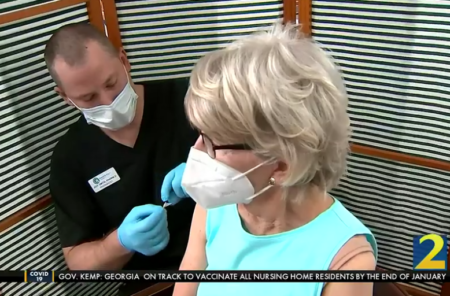
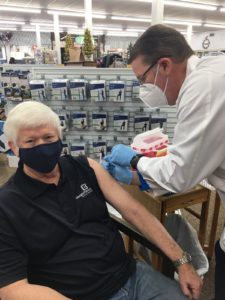
Woodstock Pharmacy doin’ its part
But let’s take a step back
Mission creep?
BioNTech’s next move
I can’t see clearly now
Another asterisk for 2020
Revenge!
January 15, 2021 ✒ Andrew Kantor
A European study found some interesting results of shortening the work week from five days to a streamlined four: And yep, there’s a logic to both. For the first time in years, pharmacists have slipped in Gallup’s annual ‘who do you think is honest and ethical’ survey. Nurses, as always, are in the top spot, but this year engineers are in second place, medical doctors in third, and pharmacists are at #4. Lowest in the rankings are, as usual, used-car dealers and members of Congress. Looks like a good year for pharmacists: “Pharmacy job postings were up 9.7% in December compared with December 2019 levels, according to data from the jobs site Indeed.” The kind of salmonella bacteria that causes gastroenteritis has a funky method of swimming — it runs and it tumbles. “Whoopdie-doo,” you say. But get this: When it wants to infect a cell, the bacteria has to straighten out first — what’s called “controlled smooth swimming.” And to do that they need a particular protein. So NIH scientists think that by targeting that protein (“Methyl-accepting chemotaxis protein C”) they might be able to keep the bacteria tumbling and unable to straighten out to penetrate cells. Even better: That same “controlled smooth swimming” might be common across bacteria, meaning it could be useful for a whole new type of antibiotic. If you’ve got asthmatic mice and are tired of dealing with those tiny inhalers — good news. Bronchodilators and steroids can treat asthma’s inflammation, but they don’t stop the mucus production that goes along with it. But now University of Colorado scientists have figured out which molecules cause that overproduction (polymeric mucin glycoproteins, if you must know). They targeted those molecules with a drug called TCEP* — and it both stopped the overproduction and “quickly reversed the disease.” Even better, “It also worked on human mucus taken as samples from asthma patients.” Now they think it could be added to asthma drugs, but might also improve COPD, cystic fibrosis, and other lung-condition drugs. With everyone and his little brother experimenting on mice and rats, you might wonder just how many there actually are in labs. The answer is … no one knows. But that hasn’t stopped them from guessing, er, “extrapolating.” A new study says 111 million, but “many in the biomedical community” say it’s not even close — that the reality is between 10 and 25 million. Another estimate says about 23 million. Another says 14.8 million. And yet another says 80 to 100 million. And then there’s the question of whether they should be covered by the federal Animal Welfare Act, which everyone agrees about. (Just kidding. Not even close.) If you’re interested in that healthy, “glowing” skin, dermatologists have an unexpected suggestion. The U.S. healthcare marketplace isn’t a traditional marketplace (where people can compare prices, make decisions freely, and do all those things economists like to assume we do). But maybe (says Forbes) GoodRx is giving us an idea of how it might be. If nothing else, the piece is an excellent look at exactly how GoodRx works. Counting mice, less trust in pharmacists, tumbling salmonella, and more
Four vs five (work days, that is)
Trust issues
Good jobs news
Swimming in circles
It’s not your typical asthma treatment
* (tris(2-carboxyethyl)phosphine), since you asked
Nobody knows the rodents I’ve seen
That healthy glow
The Long Read: GoodRx edition
January 14, 2021 ✒ Andrew Kantor
The state had on Tuesday the highest one-day death total since the pandemic began: at least 145 Georgians died from Covid. More than 9,000 new infections were also reported Tuesday, along with 435 new hospitalizations. The overall number of COVID hospitalizations currently has hit 5,700, continuing its steady, record-breaking climb. With the vaccine rollout still experiencing hiccups, some appointment servers have crashed from the load. Meanwhile, Wellstar Health System said it’s scheduled 10,000 appointments (!) for patients 65 and older. Across the country, states and counties* are struggling to get the vaccine out. The issues: Lack of funds, lack of direction, and “and the dovetailing public health crises of surging hospitalizations and case numbers.” But lots of people have ideas on how to fix it: A sizeable number of Americans are still hesitant about getting a Covid-19 vaccine. What (asked an Oklahoma State University political scientist) would it take to get them to vaccinate? And, of course, cost nothing, leave their breath fresh, and make their feet smell like roses. The feds say you can give the Covid-19 vaccines (under the supervision of a pharmacist). So get yourself as ready as possible with GPhA’s Immunization Delivery Training for Pharmacy Technicians — a 5-½ hour CE program consisting of both home-study and live training. The home study you can do any time. GPhA is offering the live training twice on Sunday, February 7, 2021. Space is limited due to social distancing guidelines, so don’t wait — click here for all of the details and to register now! Further evidence that your cat is trying to kill you: A parasite in their poop seems to be linked with a greater risk of brain cancer. Normally exposure to Toxoplasma gondii isn’t a big deal; most people fight off any infection. (Although there’s evidence that it can make you more willing to take risks.) But now researchers at Tampa’s Moffitt Cancer Center say exposure to T. gondii might raise your risk of glioma. To be fair, they’ve only shown a correlation between T. gondii exposure and brain cancer, not necessarily a cause-and-effect. But still, they say, it’s worth a follow-up. It’s not quite the Holy Grail of cholesterol treatment, but it’s certainly “beacon on the distant hill*” territory: a pill form of the currently injection-only PCSK9 antibody treatment for LDL cholesterol. The current treatments work, sure, but they’re expensive ($14K a year) and require that needle twice a month. And other companies have tried to make pills, but without success. So here’s to Esperion, which is spending a nice chunk of change to try its hand. Lay off the marijuana. Maybe. A small study by National Institutes of Health researchers found “using marijuana while trying to conceive was linked with a 40% reduced chance of getting pregnant.” But… why? Maybe this: “[M]arijuana users had differences in levels of certain reproductive hormones, which could potentially affect their pregnancy chances.” Let’s say you do get pregnant. “Pregnancy sickness” is common, and now British researchers have made a couple of interesting discoveries. That means, they said, that they can “concentrate their efforts on that particular stage of development to find the cause of the condition, both anatomically and biochemically.” Italian researchers say it appears that “Higher intake of vitamins C and E was associated with a reduced risk for Parkinson’s disease,” but it has to be both vitamins, not just one. You know the drill: “More research is needed to confirm these findings.” We’re learning all the ways gut bacteria affect health (the latest: it seems to influence bone strength). But it’s hard to research more without having a catalog of which bacteria are in whose gut. Enter those shifty Danes, who are combining poop samples and artificial intelligence to create a ‘map’ of intestinal bacteria. ’One gram of faeces contains around a billion bacteria of 500-1000 different kinds. If we are able to reconstruct their DNA, it will give us an idea of the types of bacteria we are dealing with, what they are capable of and what they actually do. It is not the complete picture, but it is a huge step forward. Litterbox danger, the power of C and E, impossible vaccine, and more
Georgia Covid-19 updates

And no, it’s not a Georgia thing
* Quit looking so smug, West Virginia
…and does the dishes
Technicians, listen up!
Beware the litterbox
Can Esperion block PCSK9 with a pill?
* Clear photo of Bigfoot? Coin from Atlantis? DB Cooper autograph?
So you want to get pregnant?
Pregnancy sickness breakthrough
Latest supplement news
Gut bacteria: end results
January 13, 2021 ✒ Andrew Kantor
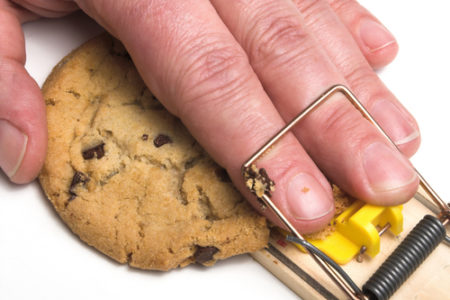
As Georgia Health News reports, slow reporting and confusing reporting requirements are part of the reason Georgia may be undercounting the number of doses administered in the state. (Pro-tip: You’re required to enter Covid vaccinations into GRITS within 24 hours — not 30 days.) Another reason may be the lack of vaccine available: While some centers are getting their second shipment of vaccines, there are others — especially in rural South Georgia — [that] “have not received their first order.” And, of course, there’s “sky-high demand,” especially as now anyone over 65 can get it. “We know everyone wants the vaccine, but we plead with you for your patience,” Eric Nickens, spokesperson for the DeKalb County of Public Health said. “There’s only so much vaccine to go around right now. It’s still in limited supply, and we’re only going to open up more appointments once we determine we have more vaccine in place to be able to give shots.” Reminder: DPH has a vaccine locator service to help find a vaccination site. For more on the rollout delays, see “The Long Read” below. Almost a third of America’s rural counties don’t have a pharmacy that’s participating in the Covid-19 vaccine distribution plan. Not forgetting that the opioid crisis is still a crisis (although one taking a back seat at the moment), Duke researchers have developed a non-opioid pain patch that can deliver meds directly to a wound for several days before, like old soldiers, just fading away. “If you can get four or five days of pain control out of the patch and not have to take those other pain drugs, not only do you avoid some of the side effects and risks of addiction, you’re concentrating therapy where you need it.” One way to lose weight: Hire someone to follow you around and slap that extra portion of mac and cheese out of your hand. Most people can’t afford that. But how about a little electronic device that sort of does the same thing? Texas A&M researchers have created an wireless implantable device that stimulates the endings of the vagus nerve, telling the brain “That’s enough.” (Normally the stretching of the stomach is supposed to do that.) Eventually, they hope this could lead to a pacemaker-like system that would suppress appetite. (If nothing else, you might be able to give a remote control to someone else, who could push the button whenever they thought you’d had enough.) This would also work Hey, guys, want to avoid prostate cancer? If my math is right, you just have to drink 100 cups of coffee a day. “Higher coffee intake may be linked to lower prostate cancer risk,” according to research published in BMJ Open. “Each additional daily cup associated with reduction in risk of nearly 1%.” Further refining the analysis to localised and advanced prostate cancer, showed that compared with the lowest intake, the highest intake was associated with a 7% lower risk of localised prostate cancer, and a 12%-16% lower risk for advanced and fatal prostate cancer, respectively. Cancer’s got some nasty tricks up its sleeve. Here’s a new one: The cells can apparently hibernate when attacked my chemotherapy. “The cancer cells are able to hijack this evolutionarily conserved survival strategy, even as it seems to be lost to humans,” [lead researcher Catherine O’Brien] says, adding that all of the cancer cells enter this state in a co-ordinated manner, in order to survive. But there’s good news: This is a potential target for treatment, because the cells need to enter the autophagy state to hibernate, and we know how to inhibit autophagy. Dr. O’Brien tested a small molecule that inhibits autophagy, and found that the cancer cells did not survive. The chemotherapy killed the cancer cells without this protective mechanism. The American Cancer Society reports that death rates from cancers in the U.S. “have experienced a record drop for the second year in a row.” W00t! If you have a mouse with lupus, here’s some interesting news: Ginger (specifically the 6-gingerol component) seems to reduce the symptoms. At least, that’s what researchers at Michigan Medicine found. The basic idea: Through several mechanisms, the 6-gingerol appeared to reduce both inflammation and the formation of blood clots. The detailed idea with lots of medical and science terms: Read the article. Next up … you know the mantra: “More studies.” Mice suffering from Alzheimer’s have a potential new treatment option: hydrogen sulfide. Although “poisonous, corrosive and smelling of rotten eggs,” Johns Hopkins researchers found that it also creates some biochemical reactions that can reduce the effects of the disease. Perhaps to spare themselves the odor, they injected the mice with NaGYY, a compound that carries the hydrogen sulfide into the bloodstream. Behavioral tests on the mice showed that hydrogen sulfide improved cognitive and motor function by 50% compared with mice that did not receive the injections of NaGYY. Treated mice were able to better remember the locations of platform exits and appeared more physically active than their untreated counterparts with simulated Alzheimer’s disease. Johns Hopkins: “COVID-19 vaccines have been the subject of speculation and anticipation for months—so why hasn’t the U.S. made more progress on vaccination?” (Spoiler: If the answer was simple, it would be a Long Read.)Another coffee miracle, vanishing pain patch, cancer deaths down, and more
The slow rollout (that’s starting to speed up)
Speaking of the vaccine rollout…
Disappearing pain patch
Zapping your way to weight loss
Coffee cuts cancer
Cancer’s hibernation trick
While we’re on the subject…
Ginger vs lupus
Fighting dementia with stinky gas
The Long Read: Vaccine delays
January 12, 2021 ✒ Andrew Kantor
If you’re providing Covid-19 vaccines, the good folks at NCPA have important information: You’ll need two NPI numbers — one for ordering it (Type 1) and one for getting paid (Type 2). Read the details and get a link to apply for a Type 1 number here. ALSO: DPH has a registration site for healthcare providers that are NOT enrolled as a vaccine provider to get a vaccine .) First came the medical marijuana — now come the studies about the medical marijuana. And one of the latest finds that… More than half of people who use medical marijuana products to ease pain also experience clusters of multiple withdrawal symptoms when they’re between uses. And that’s led to a small fraction (10 percent) finding that the in-between symptoms are pretty awful. The study, out of the University of Michigan, was published in the journal Addiction, so you know what the concern is. When someone experiences more than a few such symptoms, it’s called cannabis withdrawal syndrome — and it can mean a higher risk of developing even more serious issues such as a cannabis use disorder. The FDA wants to crack down on bad ads — i.e., “potentially false or misleading prescription drug promotion.” And it’s got a free one-hour online CE course to help you spot (and report) them. Our goal is to educate as many [healthcare providers] as possible about the Bad Ad Program to help ensure that prescription drug promotion is truthful and not misleading. Any effort you make will help! Don’t want to take the course? You might want to at least check out the “Real-life Case Studies” or the Bad Ad website itself.) When distilleries stepped up and began making hand sanitizer to help with shortages, they certainly didn’t expect to have to shell out $14 grand for the privilege. And yet that’s what happened — the FDA considered them monograph drug manufacturers, and that meant paying a manufacturer facility fee: $14,060. Cue the outrage. No worries, though. HHS has stepped in, calling those facility fees “arbitrary,” and telling the FDA to back off. And now it’s official, according to an announcement in the Federal Register. Twist: In the announcement, HHS says any OTC monograph user fees will now require public notice and opportunity for comment. And those fees are applied every year…. Vitamins A through E get all the love, but if you have a soft spot for vitamin K, the Conversation has you covered with a piece by one of the world’s few researchers of vitamin K nutrition. Fun fact: The “K” comes from “koagulation,” because of the vitamin’s anti-hemorrhagic properties. (That’s how it was spelled by the shifty Dane who discovered it.) When the pandemic is over, get ready for the aftermath. More evidence is emerging about some of the nasty effects SARS-CoV-19 has on the body. The latest: A National Institutes of Health study “consistently spotted hallmarks of damage caused by thinning and leaky brain blood vessels in tissue samples from patients who died shortly after contracting the disease.” They knew that the virus caused microvascular blood vessel damage, even in the brain, but they didn’t expect it to be quite so bad — and to be caused by inflammation. “We were completely surprised. Originally, we expected to see damage that is caused by a lack of oxygen. Instead, we saw multifocal areas of damage that is usually associated with strokes and neuroinflammatory diseases.” There isn’t just prediabetes, say German researchers after a 25-year study. There are in fact six kinds of prediabetes, and they’re divided into three clusters depending on “glucose levels, liver fat, body fat distribution, blood lipid levels and genetic risk.” There isn’t just Alzheimer’s, say Mount Sinai researchers after a study of 364 human brains. There are in fact three kinds of Alzheimer’s, depending on several biomarkers — only one of which is examined in mouse studies. Of note: Alzheimer’s trademark plaques and tau proteins tangles may “the end effects of neurodegeneration and inflammation” rather than the cause. A smaller startup (Eligo Bioscience) is working with a healthcare giant (GlaxoSmithKline) to use CRISPR gene editing to treat acne. It’s simple (well, simple in a 21st century way): “The company is using CRISPR to genetically disable the inflammation-inducing gene in otherwise healthy skin bacteria.” And because it’s CRISPR, it can seek out only the specific bacteria in the skin microbiome that contain that gene.CRISPRd acne, fighting bad ads, love for special K, and more
Giving Covid-19 vaccinations requires two NPI numbers
Cannabis withdrawal is no fun
Bad ad! No cookie!
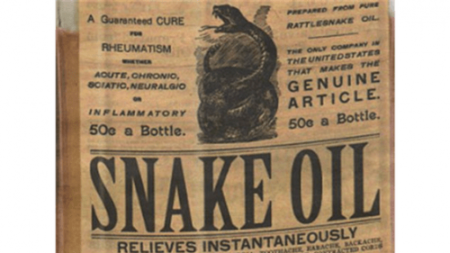
ICYMI … with backsies
Oh, K
After the ball is over
AmerisourceBergen buys Walgreens’s wholesaling business for $6.5 billion
All prediabetes is not alike

All Alzheimer’s is not alike, either
Out out, damned spot
Do you want to send your members the daily Buzz email newsletter (customized for your state and organization, perhaps)? Let’s talk — just drop me a note at andrew@gphabuzz.com!


- As Lung Disease Threatens Workers, Lawmakers Seek Protections for Countertop Manufacturers
- Republicans Fret Over RFK Jr.’s Anti-Vaccine Policies While MAHA Moms Stew
- Primary Care Is in Trouble. So Doctors Band Together To Boost Their Market Power.
- Cosmetic Surgery Investigation Prompts Warnings for Patients, and a Push for Tighter Safety Standards
- Listen to the Latest ‘KFF Health News Minute’
- Banks Are Becoming Bulwarks Against Scams for Vulnerable Seniors
- January 2025
- December 2024
- November 2024
- October 2024
- September 2024
- August 2024
- July 2024
- June 2024
- May 2024
- April 2024
- March 2024
- February 2024
- January 2024
- December 2023
- November 2023
- October 2023
- September 2023
- August 2023
- July 2023
- June 2023
- May 2023
- April 2023
- March 2023
- February 2023
- January 2023
- December 2022
- November 2022
- October 2022
- September 2022
- August 2022
- July 2022
- June 2022
- May 2022
- April 2022
- March 2022
- February 2022
- January 2022
- December 2021
- November 2021
- October 2021
- September 2021
- August 2021
- July 2021
- June 2021
- May 2021
- April 2021
- March 2021
- February 2021
- January 2021
- December 2020
- November 2020
- October 2020
- August 2020
- July 2020
- March 2020
- February 2020
- January 2020
- December 2019
- November 2019
- October 2019
- September 2019
- August 2019
- July 2019
- June 2019
- May 2019
- April 2019
- March 2019
- February 2019
- January 2019
- December 2018
- November 2018
- October 2018
- April 2017
