
December 19, 2020 ✒ Andrew Kantor
If for some reason you’re planning travel for the Christmas holiday, the Covid Tracking Project can tell you which five states not to visit because the virus is running wild: Tennessee, Rhode Island, Arizona, Indiana, and California. (They’re the five riskiest because they’ve got the most new cases per 100,000 people and/or highest percentage of positive tests.) What, you want the list of 10 riskiest states? Add Pennsylvania, Utah, Delaware, Oklahoma, and Nevada to that list. In case you’re wondering, yes, employers can require employees to get the Covid-19 vaccine in order to work. And 57 percent of Americans say yeah, the folks I work with ought to have to get it. (The latest polls show that about 71 percent say they’re willing to get it — and that number has been rising.) “Research strongly suggests COVID-19 virus enters the brain” If you have diabetic patients with severe diabetic retinopathy, something you (and they) should know: Aflibercept appears to work just as well as surgery to treat it. At first, the surgery seems to be better, but after about six months the two treatments are equal … but only one involves, you know, cutting into the eye. There’s a shortage of organs for transplant, so University of Maryland researchers, perhaps worried about waking up in an ice-filled bathtub with a new scar, are working to solve it. They’ve shown the proof of concept that they can take pig stem cells, inject them into an embryo, and affect just the organ they want to. In other words, the stem cells can be targeted. This leads to two ideas. First, a human who needs a transplant might instead be able to have an existing organ repaired using targeted stem cells. Second, it raises the possibility of using the same technique to grow human organs inside pigs — again, using these targeted stem cells to grow a specific organ for transplant. You drink a lot of sugary drinks, you get fat. Common sense, right? It’s all about the calories. But if that was true, you wouldn’t be reading it here. It seems, say USC researchers, that those sugary drinks may do more. They seem to also mess with the hormones that regulate appetite — a double whammy. “When young adults consumed drinks containing sucrose, they produced lower levels of appetite-regulating hormones than when they consumed drinks containing glucose.” The vaccine is here. The end is in sight. Pharmacists, are you ready to vaccinate and help end this pandemic? APhA has pharmacist-specific resources for giving and billing. Click, read, and be ready and FDA has a fact sheet (https://www.fda.gov/media/144413/download)! Air pollution’s bad for your heart and lungs, but now Chinese researchers think it’s probably bad for your kidneys, too. Each increase of fine particulate matter of 10 micrograms per cubic meter of air was associated with 1.3 times higher odds of having the disease. Another reason to appreciate those bikeways and green spaces, huh? Every now and then, soccer players take a break from faking injuries. And when that break includes having children, here’s a wild fact: The male players who train harder are more likely to have female children. Or, more science-y, “The results reveal a significant bias in the sex ratio toward females as a result of higher-load volume and/or intensity of training.” Go figure.10 states to avoid, how to have a baby girl, a step to growing organs, and more
Don’t go there
What about your co-workers?
Yay
I’ll take the pills, please
A step to easier organ replacement
Sucrose isn’t glucose — it’s much worse
APhA’s got pharmacist vaccine resources
Air pollution and your kidneys
Today’s head-scratcher
December 18, 2020 ✒ Andrew Kantor
Pharmacists are smart people. Smart enough to realize that the vials of Covid-19 vaccines from Pfizer often contained extra vaccine. How much? Enough to potentially increase the supply by 40 percent. Pfizer didn’t have guidelines. The federal government didn’t have guidelines. So it was up to individual institutions to decide if the extra doses were kosher. (The feds have since given the thumbs-up. Said, Obama administration acting CMS chief Andy Slavitt, “I think this is more clever pharmacists than something missed by Pfizer.” Speaking of Pfizer… Pfizer would like someone to tell it where to ship millions of doses of its Covid-19 vaccine that are sitting in a warehouse, “because the company has not received shipping instructions from the federal government.” It also said that no, despite what you may have heard, it’s not experiencing any “manufacturing challenges” or “hiccups.” If you want to make an injection hurt less there are two things you can do. (If you read the headline, you probably have an idea.) One is to smile sincerely*. The other is, oddly, to grimace. Both expressions create crow’s feet around the eyes, lift the cheeks, and bare the teeth, and “can also significantly blunt the stressful, needle-related physiological response by lowering the heart rate.” Wrong Grimace To be clear, the person getting the injection has to do this, not the person giving it. Another day, another record number of Covid-10 cases in the U.S. And yes, we’ve now had more deaths from Covid than from the entire Second World War. Record hospitalizations in Georgia. “The total reached 3,221 — surpassing the previous peak, 3,200, set in July — according to state Department of Public Health figures released Wednesday.” The more UV light that day, the less the virus seems to spread. It’s not a huge difference, but it’s noticeable … well, to Harvard scientists. What does it mean? “These findings suggest that the incidence of COVID-19 may have a seasonal pattern, spreading faster in the winter when it’s darker than in the summer.” If you woke up today and thought, “I need to know more about the monoclonal antibody treatments being used in long-term care and nursing facilities, you’re in luck. The American Society for Clinical Pathology is working with HHS to deploy Regeneron’s antibody products. It’s offering a free webinar on the treatment this Thursday at 10:00am EST and again at 3:00pm Eastern. Free yes, but you need to register for the webcast Packaging and preparation of casirivimab and imdevimab Want to know more about the packaging and preparation of casirivimab and imdevimab? Click right here. So you know N95 masks, right? They’ve got that official NIOSH “N95” rating. But the masks we’re seeing for Covid protection, well… you don’t know what you’re gonna get. Not for long. (Probably.) NIOSH and ASTM International are in the process of writing guidelines for masks beyond N95 (and its oft-counterfitted Chinese counterpart, KN95). Hopefully that will mean you can choose your fashionable mask for Covid-21 with a bit more confidence. Masks are the new power ties So mesenchymal stem cells (MSCs) are good at finding tumors. But if you try to get them to carry drugs, like asking a teenager to take out the trash, they get cranky and confused. Japanese researchers were not taking that sitting down. They found a way to get “liposomes-cellular lipid bags” to attach to the stem cells, bypassing the cells’ crankiness and allowing them to deliver doxorubicin to cancer cells in mice. “We have succeeded in developing a new targeted cancer therapy. Mesenchymal stem cells can migrate to brain tumors and minute cancer lesions that are otherwise inaccessible to conventional drug delivery systems.” “What the Pandemic Christmas of 1918 Looked Like” New mask ratings, pharmacists find more vaccine, Georgia’s hospitals fill, and more
ICYMI: Clever pharmacists
…we got to move these Covid vaccines
Make ’em smile (or grimace)

* Did you know a real smile is called a Duchenne smile? Me either.
Records
Today’s odd little Covid tidbit
Free Education and Resources on Monoclonal Antibody Treatments for COVID-19
How safe was that masked man?

Special delivery (to tumors)
The long read: The more things change
December 17, 2020 ✒ Andrew Kantor
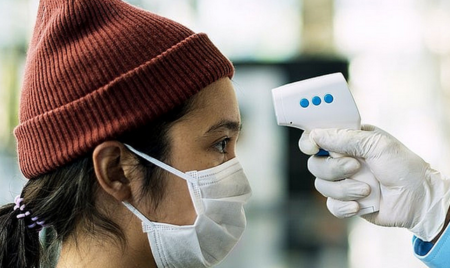
The FDA has given a Breakthrough Device designation to a whole-body vibrator — one that’s supposed to “stop the progression of bone loss and prevent the onset of osteoporosis.” An initial study showed that one 30-minute treatment with the vibration belt reduced bone loss activity among all study participants, providing an average decrease of 14%, a reduction on par with bisphosphonate drugs. The mouth microbiome has already been associated with a bunch of cancers, and now it seems that it can affect lung cancer development as well. The more Bacteroidetes and Spirochaetes in the mouth, the lower the risk of lung cancer. But if you have a lot of Firmicutes? Your risk goes up. The authors caution that “This is an observational study, and therefore can’t establish cause,” but it’s certainly worth a raised eyebrow … and further study. Well here’s good news: Despite some anecdotal evidence, it seems that Covid-19 does not damage the auditory system. More likely (Israeli researchers say), it was simply “a temporary symptom caused by fluids clogging the middle ear.” Pfizer is having trouble keeping up with demand for its vaccine. What’s to be done? How about a little pressure from Uncle Sam to free up supplies of the raw materials the company needs? If you’re not sure, get thee to GPhA’s Vaccine Protocol Update, TONIGHT, December 17, from 7:00-8:00 pm and presented by the always-terrific Dr. Johnathan Hamrick, PharmD. It’s a webinar, so you don’t even need to dress up. A mere $20 for GPhA members, it’s worth every cent (and an hour of CPE). Click here for info and to register! Bell’s palsy. “[I]t’s not necessarily a side effect but worth watching out for after a handful of trial participants got the condition.” Allergic reactions. “The middle-aged worker had no history of allergies, but had an anaphylactic reaction that began 10 minutes after receiving the vaccine.” Simply put: Non-contact infrared thermometers aren’t accurate enough for Covid-19 screening. So say researchers at Johns Hopkins and the University of Maryland. It’s not that the thermometers are bad. It’s that, while a fever is still rising, blood vessels near the skin’s surface constrict, giving a lower reading than the actual core temperature. “So, basing a fever detection on [non-contact thermomenter] measurements that measure heat radiating from the forehead may be totally off the mark.” Lies! No one wants to go to the doctor’s office these days, so obviously they turn to the tiny physicians living in their phones. But how good are “symptom spotting” apps? Some are better than others. Ada was also rated as the most accurate for accuracy, suggesting the right condition in its top three suggestions 71% of the time while the average across all the other apps was just 38%, indicating that they didn’t identify the correct condition in the majority of cases. Once again, GPs were top with 82% accuracy. Every day, every minute, microglia cells in your brain expand and contract, surveying the cells around it. Why-for? Not, as neurologists thought, to check for infections. (That would be a huge waste of energy.) Instead, it’s to stop overly-active neurons from triggering seizures. “Microglia seem to sense which neuron is about to become overly active, and keep it in check by making contact with it, which prevents that neuron’s activity from escalating.” Freeze the microglia in a mouse’s brain, and it has a seizure. So yes, your brain is constantly try to keep itself from seizing. Try not to think about it too much. A study funded by the Hass Avocado Board* (from the University of Illinois) found that eating an avocado a day “had a greater abundance of gut microbes that break down fiber and produce metabolites that support gut health.”Whole-body vibrator, thermometer problems, your seizing brain, and more
Shake it till you make it
What’s in your mouth?
…ringing in your perfect ears
More vaccines could be coming
Do you know Georgia’s vaccine protocol rules?
Things to worry about with the Covid-19 vaccine
Gotta touch this
How good is that medical app?
Your brain wants to seize up
You don’t say
* It literally says it “exists to help make avocados America’s most popular fruit.”
December 16, 2020 ✒ Andrew Kantor
Now that’s just lazy writing. You’d think the writers would come up with something better than “and then the virus mutates!” But that’s what we’ve got: The Brits report a new, more virulent coronavirus strain circulating in the south of England. “[S]cientists are urging calm until more is known about the coronavirus variant.” On the other hand, it could come from the woods. First those shifty Danes had all sorts of issues with their minks, and now it’s come to the U.S. of A. The Department of Agriculture reports the first wild animal to be infected with SARS-CoV-2: a “free-ranging, wild mink” in Utah. The vaccine, of course — enough for 2,425 people, for starters. Lack of facilities to store the vaccine, and of places to dispense it, mean folks in rural counties might have a lot more trouble getting it. “Some Georgia counties have no hospitals, and in others patients might have to drive 30 minutes or more to get to a pharmacy or see a doctor, complicating distribution.” You can help! Let the DPH know that you’re interested in providing the vaccine. It’s a short form — click here to fill it out. If you meet the criteria… DPH will place your facility in one of the vaccine distribution phases: limited doses available; large number of doses available; continued vaccination and shift to routine strategy. Your assignment will be determined using the following criteria: provider/facility type, capacity to vaccinate members of priority populations, and vaccine storage capacity. This week, Pfizer will be hosting a series of training sessions to review information and answer questions about their Covid-19 vaccine. Clinicians and Covid-19 vaccine providers are invited to attend. Save these links and sign in to the sessions you want: The FDA looks poised to issue an emergency use authorization for Moderna’s Covid-19 vaccine after its data confirmed the vaccine to be safe and effective. That will fill a lot of the gap left by the Pfizer vaccine we didn’t buy. And yes, this time the U.S. government is saying “Yes” to more vaccine — doubling its initial order to 200 million doses (i.e., enough for 100 million more people). If you’re having surgery and someone says “Happy birthday!” to the surgeon — get out. Patients undergoing surgery on the surgeon’s birthday have higher mortality compared with those undergoing surgery on other days. Sure, while humans are worried about when they’ll get a Covid-19 vaccine, lawyers have something more pressing on their minds: what to name them. The process of christening a new medicine typically involves about two years of semiotic labor. But in 2020, just as drug companies collapsed their standard development timelines to fight a global pandemic, the naming process has been condensed into a six-month sprint. Looking at data for more than 300 million (!) U.S. ambulatory care office visits, UPenn researchers found that while initial scripts for muscle relaxants stayed about the same from 2005-2016, repeat prescriptions became a heck of a lot more common. And by “a lot more” we mean almost tripling, especially among older patients. “Given that there are minimal data on long-term safety and effectiveness, and these drugs are not indicated for use beyond a couple of weeks of therapy, it starts to raise [a] red flag.” Figuratively, that is. Thanks to Covid-19, home health testing is seeing a big boom. Sure, Covid tests are big, but the whole I-don’t-need-to-see-the-physician movement is gaining steam. Be ready to help those patients as much as you can — sign up for the half-day, GPhA-hosted NACDS Community Pharmacy-based Point-of-Care Testing Certificate Program, February 21 at GPhA HQ in Sandy Springs. You can score 20 hours of CE (including the home study), and a lovely certificate suitable for framing. Click here for the details, the presenters, and to register! The FDA has approved a genetically modified pig — one that doesn’t produce a particular sugar (alpha-gal) on its cells, making its organs less likely to be rejected if transplanted into humans. They could be a source of heparin, or of tendons and valves, but most importantly they’re also approved as a tasty, tasty food product. University of Nebraska researchers have found evidence of hospice care more than 1,000 years ago — a man in what’s today Texas died of Chagas disease, but was apparently cared for by others in his last months. His last horrible, horrible months.Infected mink, bad days for surgery, GMO pig parts, and more
Teasers for season 2
Georgia is getting a little sumthin’-sumthin’
Well, maybe not rural Georgia
Pfizer’s vaccine training
Date & Time
Password
December 14, 2020 10:00 AM ET
jQxkNAZ5h97
December 14, 2020 5:00 PM ET
yyJM8HMbV23
December 15, 2020 10:00 AM ET
yyXXMHkY623
December 15, 2020 5:00 PM ET
cXQqYzTM352
December 16, 2020 10:00 AM ET
yDxuqt6Pg52
December 16, 2020 5:00 PM ET
auKMUdmJ687
December 17, 2020 10:00 AM ET
TMr7GvMc2P2
December 17, 2020 5:00 PM ET
PPxyyuGP249
December 18, 2020 10:00 AM ET
GawpMXB2X95
December 18, 2020 5:00 PM ET
w3kBrP9ReU3
Once more, with feeling
Send a card and wait a week
A vaccine by any other name … would invite trademark infringement
Frankie (the ER doc) say relax — and that’s not good
Home testing explosion
Pro tip
This little piggie went to the chop shop
The downside of eating grasshoppers
December 15, 2020 ✒ Andrew Kantor
Sandra Lindsay, a critical care nurse in Queens, NY, became the first American to get the Covid-19 vaccine, as the initial distribution begins. Once again, people who know better are shouting from the rooftops “Don’t gather for the holidays!” Georgia — and the country — continue to set records for infections and deaths from Covid-19. More than 10,000 Georgians have been killed by this virus. With the vaccine only months away, wouldn’t it be embarrassing to be infected now? Low virulence, Covid-19 restrictions, vaccinations — whichever combination it was, it looks like this year’s flu season is shaping up to be a mild one. The dreaded “twindemic” hasn’t happened. Let’s hope it stays that way. Some twins you just want to avoid Add a new trick to the repertoire of gut microbes: mood regulation. French researchers found “that an imbalance in the gut bacterial community can cause a reduction in some metabolites, resulting in depressive-like behaviors.” Interesting note: They figured out which bacteria were missing and… … then demonstrated that an oral treatment with the same bacteria restored normal levels of lipid derivatives, thereby alleviating the depressive-like behaviors. These bacteria could therefore serve as an antidepressant. Can you reduce opioid use after surgery with … music? Apparently so, at least according to German researchers. Even with the brain shut down, it’s possible that auditory pathways stay open. So they tested surgery patients: One group heard no sound, while the “intervention” group heard soft voices saying positive and confidence-boosting things with quiet background music. The researchers found that patients in the intervention group needed significantly lower opioid doses within 1 day of surgery [and] also had fewer participants who required opioids after surgery, with just 63% of participants in the group needing opioids compared with 80% of those in the control group. I didn’t know this: calcific aortic valve disease is the third most common kind of heart disease, and there’s no drug to treat it. Until now (maybe). Scientists at Gladstone Institutes say they have “now discovered a potential drug candidate for heart valve disease that works in both human cells and animals and is ready to move toward a clinical trial.” Like everyone these days, they used machine learning — first to determine which genes went bad, then to see which molecules turned them from bad to good. Then they treated mice (successfully) and now they’re ready for human trials. Russians are being told not to drink alcohol for two months after getting the Covid-19 vaccine. While Russians weigh the pros and cons, American experts say, “Nah, you’re good.” Three cheers for America! Researchers at Mount Sinai have developed a vaccine that “induces immune responses to a wide spectrum of influenza virus strains and subtypes” and shows “strong and durable results.” This is a notable step toward a universal flu vaccine because these results came from a phase 1 human trial. Calling it a “major advance over conventional vaccines,” this “chimeric hemagglutinin (HA)-based vaccine” targets a different part of the hemagglutinin protein that lets the flu bind to cells. The flu’s H’s and N’s might change, but this target protein is the same. “Increased Social Media Use Linked to Developing Depression, Research Finds” Compared with participants who used [fewer] than 120 minutes per day of social media […] young adults who used more than 300 minutes per day were 2.8 times as likely to become depressed within six months. Wondering what exactly is in Pfizer’s Covid-19 vaccine? Wonder no longer. “Robots encourage risk-taking behaviour in humans” according to University of Southampton researchers.Sober Russians, missing twins, affirmation surgery, and more
You know this, but we’d be remiss if we didn’t mention it
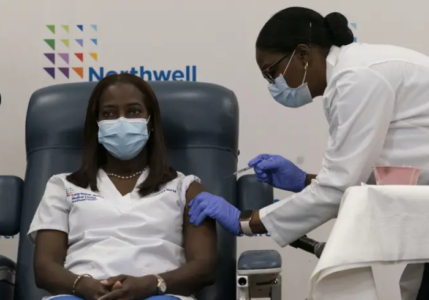
Maybe this time they’ll listen
At least it’s not twins

Sadness from the gut
Whispering sweet nothings
A drug for heart calcification
Russia vs sobriety

Universal flu vaccine takes another step
Can’t really say this is surprising
The long read: Covid vaccine recipe
Non-pharma science news: “Push the big red button, human”
December 12, 2020 ✒ Andrew Kantor
Emory researchers have found the laziness center of the brain. No, they won’t call it that — they call it ‘the part of the brain that weighs the costs versus the benefits of making a physical effort.’ It’s the ventral striatum, and we’ve known for a while that it’s involved in decision making (“whether to pay more for ‘next-day’ delivery or choose ‘free, one-week’ delivery”), but now they’ve shown how it’s also involved in deciding whether to make the effort to get off your caboose: One region weighs the effort vs reward, while another decides if it’s worth “effortful movement.” It’s more complex than that, of course. Read the article if you want the deets. Using fecal microbiota transplants works to treat various conditions — C. difficile infections, Crohn’s disease, colitis, and more … but not always. So researchers at the University of British Columbia are trying to develop a way to better match donors and recipients, taking into account not only their genetic profiles, but the specific bacteria each has in their gut. “Take, for example, blood transplants where we have a strong understanding of the four main blood groups or types, and how they interact with one another. With fecal transplants the research up to this point has not been as clear in what constitutes a good match or compatibility.” What they’ve found is that there’s enough difference that using a random transplant becomes more of a crap shoot. They hope to develop a formula or system of tests that can be used to increase the likelihood of success. “The data illustrates that the unique microorganisms in everyone’s bodies respond differently over time, and this has profound implications on whether these transplants work well or not.” These are, in fact, the actual researchers. Forget opioids — if you want to deal with the chronic pain of rheumatoid arthritis, just stick these earbuds in your ears*. A company called Nēsos (who I now hate for its hard-to-type name) developed an earbud that, instead of the dulcet sounds of Frank Sinatra or BTS, sends an electrical current through the inner ear. Rather surprising for someone borrows them without asking. An electrical current travels through the auricular branch of the vagus nerve and ultimately targets a pathway in the brain that controls inflammation. It doesn’t work as well as existing drugs, but it also doesn’t have as many side effects. If you thought “Everyone who wants a vaccine can get one,” think again. Between not buying enough from Pfizer, to production delays, to a shortage of people to actually give the vaccine … don’t count on this being over anytime soon. That said, you can help: GPhA is offering “APhA’s Pharmacy-Based Immunization Delivery: A Certificate Program for Pharmacists” FOUR times in 2021: January 24 (almost full), March 7, September 19, and December 5 at GPhA headquarters in Sandy Springs. APhA’s Pharmacy-Based Immunization Delivery certificate training program prepares pharmacists with comprehensive knowledge, skills, and resources necessary to provide immunization services to patients across the lifespan. CLICK HERE for all the details and to register now! Like wine? Like cheese? How about lamb? If not, think about developing a taste. Iowa State neuroscientists believe that a diet that includes cheese, wine, and lamb can help prevent cognitive decline. Cheese is the big cheese (ha! ha?) — it “was shown to be the most protective food against age-related cognitive problems, even late into life.” But a bit of red wine and lamb (instead of other red meat) also helps. Unless, of course, it’s just that richer (aka healthier) people are more likely to eat wine, cheese, and lamb…. Shari Lewis stayed sharp to the end Know any old, weak mice that need a boost? The problem might be a protein called 15-PGDH. Blocking it (say Stanford biologists) “restores mass and strength to the animals’ withered muscles and helps them run longer on a treadmill.” And if you give young mice some 15-PGDH, their muscles atrophy and weaken. Cool thing: No one has implicated 15-PGDH in aging before. Next up: “studying more about what controls the levels and activity of 15-PGDH during normal aging, and how it might affect the function of other tissues in the body.” More people died of Covid-19 in the U.S. in one day than died on 9/11, Pearl Harbor, or D-Day. More Americans have been killed by Covid-19 this year than were killed in World War I, the Korean War, Vietnam War, Gulf War, Iraq War, and War in Afghanistan — combined. Next time someone says “I built a treehouse for my kids!” you tell them, “Researchers at the Francis Crick Institute and University College London built a human thymus.” [T]he scientists rebuilt thymi using stem cells taken from patients who had to have the organ removed during surgery. When transplanted into mice, the bioengineered thymi were able to support the development of mature and functional human T lymphocytes. Ticks are evil little buggers, and you know what’s worse? While they can give us Lyme disease, we can’t smack back because — as UC San Francisco researchers found out — they produce and enzyme that protects them from the bacteria found on human skin. [T]icks are exquisitely constructed blood-sucking machines, with immune systems specially tailored for this unique lifestyle. Their defense strategies are carried out both inside and outside their bodies, she said, killing even our resident microbes as they feed. The good news? It’s a single gene (“dae2”) that produces the enzyme. Without it, “ticks are vulnerable to infection with Staphylococcus, one of the most common types of commensal bacteria that essentially cover our skin surface.” Besides humans, ferrets, cats, civets, and dogs are most susceptible to the SARS-CoV-19 virus. What’s safe? Ducks, rats, mice, pigs, and chickens.Earbud pain killers, lamb chop for dinner, your civets aren’t safe, and more
The laziness organ
Our number two story: Simplifying transplants
Earbuds vs arthritis
* Where else would you stick earbuds?
Just you wait, just you wait
Your patients want immunizations… you need to be ready
Mary had a little lamb

Old mice, new tricks
And there are still people who think it’s fake
* 283,555 from Covid-19 vs 215,875 for all those wars.
Thymi to the moon
Ticks don’t get sick … yet
In case you were wondering
December 11, 2020 ✒ Andrew Kantor
In a major victory for independent pharmacies, the U.S. Supreme Court ruled 8-0 (!) in favor of the state of Arkansas — and against PBMs — in the landmark Rutledge v. Pharmaceutical Care Mgmt Assoc. You can read the full ruling (PDF) here. Out of the loupe? The case was about whether states could regulate PBMs, or — as the PBMs claimed — state laws were pre-empted by the federal ERISA law. The 8th Circuit Court of Appeals sided with PBMs, and the case went to the Supreme Court … which overturned it. States can regulate PBMs. SCOTUS has spoken. “The Court holds that the Act [the Arkansas law] has neither an impermissible connection with nor reference to ERISA and is therefore not pre-empted.” Pharmacy groups are very, very happy: “Pharmacy Groups React to Landmark Supreme Court Hearing“. GPhA had supported our friends at the Arkansas Pharmacists Association, asking that it overturn that lower court decision … which SCOTUS just did. You can read background on the case here, at GPhA.org. Our thoughts and prayers are with the PBMs at this difficult time. Make all As this semester … with GPhA’s CPEasy series: Asthma, Arthritis, and ADHD. It’s on demand and the easy way to get educated from the comfort of home. Asthma Guideline Update: A breath of fresh air. An overall review of asthma treatment, including non-pharmacologic and new updates in medication therapy use. Snap, Crackle, Pop!: Solutions for Quieting Creaky Joints: signs, symptoms, and treatments for osteoarthritis. FOCUS! An Evidence-Based Approach to ADHD Management: Learn to navigate the updated guidelines and treatment options. Those ‘A’ classes and a lot more are waiting for you at GPhA.org/cpeasy! Ask your parents Got pregnant patients? It seems that they need to be careful with asthma meds. Taking them during pregnancy and then stopping could lead to and increased risk of preterm birth and lower birth weight. Best: Stop taking them before getting pregnant. Second best: Keep taking them while pregnant, and pay attention. Worst: Stop taking them while pregnant. The FDA has some new guidance for naming drugs to avoid mixups — 42 pages of it, in fact, and that’s just for prescription drugs. (OTC products get a mere 17 pages.) It wants drug makers to make sure their new products don’t confuse patients with similar names. To help, the agency is using its Phonetic and Orthographic Computer Analysis (POCA) software to “determine the orthographic and phonetic similarity between two drug names.” (It’s actually interesting reading. The guidelines go into things you may not have thought of, like not to use “Letters and Numbers That Are Unpronounceable as a Word” or “incorporate any reference to an inert or inactive ingredient.”) Two women in Chicago are responsible for just about every generic drug name? While marketing departments come up with “Humira” or “Trulicity,” they’re the ones who name “adalimumab” and “dulaglutide”. And they get their guidance from a list of “United States Adopted Names approved stems.” You get hurt, you get tired. But why? German and French researchers, eager to find out (or just to torture worms), looked into it. It turns out that, when wounded, genes in C. elegans worms increase cells’ production of antimicrobial peptides — natural antibiotics. Nothing huge there. But they found that those same AMPs also “act as a messenger and activate receptors in the brain” that tells neurons it’s time to sleep. In other words, those peptides do double duty — fighting infection and telling the body to sleep. And that finding was worth a paper in Current Biology If you know some depressed rats, and you think ibogaine would be a good treatment — but you’re worried about them having hallucinations and heart attacks — we’ve got good news! UC Davis researchers have rejiggered ibogaine into an analog they call “tabernanthalog*.” It fights depression, appears safe (at least in cell cultures and zebrafish) and “sharply reduced both alcohol- and heroin-seeking behavior in mice and rats.” And because it doesn’t trigger the brain’s reward center, it’s (probably) not addicting. [T]he results are noteworthy in part because they show TBG binds to a subset of receptors for the neurotransmitter serotonin—receptors also targeted by LSD and psilocybin. That suggests TBG might use a similar mechanism, providing the beneficial effects of psychoactive drugs without hallucinations. Bonus: Includes the phrase “game changer”! Got patients with cluster headaches? Prednisone is your huckleberry. The multicenter, randomized, double-blind, placebo-controlled trial at 10 headache centers in Germany included patients with episodic cluster headaches aged 18 to 65 years who were within a current pain episode for no more than 30 days. Result: “Oral prednisone led to a greater decrease in the number of episodic cluster headaches within the first week of treatment.” Oregon has just decriminalized all drugs. “Possessing heroin, cocaine, methamphetamine, and other drugs for personal use is no longer a criminal offense in Oregon.” Why? Prohibition has never worked, the money spend policing is better used elsewhere, and the ‘war’ on drugs has been discriminatory since day one. Keep in mind, “decriminalized” just means first and small offenses don’t incur a criminal record or prison time — much like a traffic ticket.SCOTUS’s big ruling, asthma drug dangers, sleepy injured worms, and more
ICYMI: Huge SCOTUS ruling
Recall alert: sildenafil and trazodone
Aaaaaaaayyyy

Asthma meds can mean smaller babies
What’s in a name?
DID YOU KNOW…
Why wounded worms west … er, rest
Breakthrough for depressed rats
* An anagram of “Oh, Blatant Anger”
Prednisone vs cluster headaches
Elsewhere: Beaver State edition
December 10, 2020 ✒ Andrew Kantor
If you have severe allergies, Britain’s National Health Service warns: Don’t get the Pfizer/BioNTech Covid-19 vaccine. “Two people with a history of significant allergic reactions responded adversely yesterday,” when the vaccine was first given in the UK. “Your pitiful face shields are no match for our sneeze vortex rings.” “The vortex rings generated by the sneeze capture the microscopic droplets within the sneeze and transport them to the top and bottom edges of the face shield.” […] droplets travel to the face shield wearer quickly — within 0.5 to 1 second after the start of the sneeze. Scientists at the UK’s John Innes Centre have created a genetically modified tomato that produces the Parkinson’s drug L-DOPA. The research team inserted a gene encoding a tyrosinase, an enzyme that uses tyrosine to build molecules such as L-DOPA . This elevated the level of L-DOPA specifically in the fruit part of the plant and led to higher yields than those associated with L-DOPA production in the whole plant. This is cool for several reasons. First — it’s just cool. Second, the L-DOPA produced in the tomatoes doesn’t give people any adverse reactions, the way the chemically synthesized version can. Third, it could mean an affordable way to get the meds to developing nations. At least you don’t have to eat them If you have a mouse that’s survived Covid-19, UCLA researchers have the details of why you should worry about it. [T]he scientists discovered that the SARS-CoV-2 virus can shut down energy production in cells of the heart, kidneys, spleen and other organs. […] the study also revealed that some changes were long-lasting throughout the organs in mice with COVID-19. In addition to temporarily altering which genes were turned on and off in some cells, the virus made epigenetic changes — chemical alterations to the structure of DNA that cause more lasting effects. Making drugs requires a bunch of precursor molecules (“Duh,” you say.) Alkenes* are one of the more important kind, but making them hasn’t changed much since the early 20th century. It requires some pretty harsh chemicals. But wait! Rice University researchers found that a bacteria living near oceanic vents produces an enzyme called carH — and carH makes an alkene using vitamin B12, cobalt, and light. “Instead of needing heat and strong bases, it only needs light energy.” Taking that cue… The Rice team used B12 and the cobalt it contains with sodium bicarbonate (aka baking soda) as a mild base to make the olefins under blue light at room temperature. Not only could this make drug manufacture easier, it could also allow for new olefin-based plastics. How do you handle the legacy of a medication that was tested unethically? When it comes to Retin-A (tretinoin), it’s still a touchy issue. “[Albert] Kligman was indisputably a giant in dermatology. Underneath those achievements lies a troubling history of human experimentation and direct harm to vulnerable and marginalized people.” An easy way to do a home Covid-19 test: See if you can smell the roses. Or the coffee. Or the unwashed teen. “[S]mell checks can catch COVID-19 cases in people with no other symptoms,” Penn State scientists say. The university is even using a “Stop. Smell. Be well.” campaign on campus. Surely you’re joking No, camel urine doesn’t help. Neither do black pepper, garlic, ginger and lemon, nicotine patches, or pneumonia vaccines. And yet that’s what people were trying, according to a pharmacy professor at Massachusetts College of Pharmacy and Health Sciences . They also included herbal remedies like CBD and turmeric; nonmedicinal chemicals like chlorine bleach (inhaled), ethanol (drank), nasal saline rinses, baby shampoo and toothpaste; and procedures such as heat and sunlight exposure, cold exposure and hot baths. Not quite ready for their close-up: “Plastic surgeons say business is up, partly because clients don’t like how they look on Zoom“. Camel urine, vortex rings, gardening for L-DOPA, and more
Vaccine allergy warning
Shields up!
Garden-variety L-DOPA
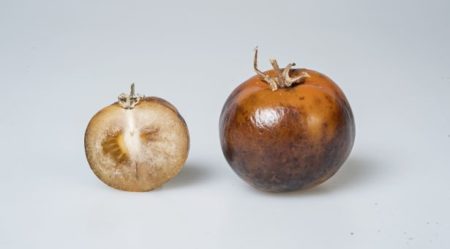
Permanent damage
Ace of bases: Making alkenes safer
* Also called olefins to keep footnote writers busy
Today’s debate topic
Well this seems awfully obvious

Camel urine vs Covid?
Today’s amusing medical-not-pharma story
December 09, 2020 ✒ Andrew Kantor
The latest figures show that about five percent of Georgians have been infected with Covid-19, with the state ranking #6 of U.S. states. As of Sunday, it ranks #10 in total number of deaths, with at least 9,806 (8,971 confirmed, 835 “probable”). Georgia is one of six states with the most counties hitting 90 percent of hospital capacity. (For the first time, HHS has released hospital-level data on the pandemic.) Note: That story is mostly about the release of the report, but you can download the nationwide HHS data here (from HHS; 44.3MB) or the Georgia-only data here (from GPhA Buzz; 1.1MB). These are .csv spreadsheets with detailed breakdowns of beds. Add sparrows to the growing list of animals that self-medicate. Apparently, say Aussie researchers, they “use medicinal herbs to defend against parasites and improve the condition of their offspring” — notably wormwood leaves. (If you, like me, thought this was a rare thing, think again. Zoopharmacognosy is a thing for dogs, cats, apes, other birds, and even ants and caterpillars.) “So our results indicate that russet sparrows, like humans, use wormwood as a preventative herbal medicine to protect their offspring against ill health. One has to wonder who is mimicking who?” The folks at the University of Pennsylvania would like to remind everyone don’t spread the myth that suicide increases during the holidays. It doesn’t. In fact, CDC data says the opposite — that “For decades, the holiday season has had some of the lowest suicide rates.” Talking to babies is great, because they can’t talk back and they trust you completely. But it seems that conversation also affects their brain circuitry, and in a different way than the other sounds in their environment. They found that babies who engaged in more conversations with adults in their everyday lives had less synchronized activation in a network of regions that processes language stimulation. Wait … less synchronized? Is that good? “It is not clear at this point whether the correlation between more conversational turns and lower functional connectivity in the posterior temporal cortex means that lower connectivity is a ‘good’ or a ‘bad’ thing,” [lead author Lucy] King said. “Although we can’t know for sure, we speculate that lower connectivity reflects more efficient brain organization.” Did someone say, “posterior temporal cortex”? Too many people are infected now: “No vaccine can eliminate a pandemic immediately, just as no fire hose can put out a forest fire. While the vaccine is being distributed, the virus continues to do damage.” Because so many Americans are infected now (about 200,000 per day), even 95-percent vaccines “would still leave a terrible toll in the six months after it was introduced.” Estimate: 10 million infections and 160,000 deaths by June. We may not have enough. Pfizer said it won’t be able to provide more than the initial 100 million doses until June or July. The U.S. government declined an offer to secure more, so other countries bought it instead. Last summer, Pfizer officials had urged Operation Warp Speed to purchase 200 million doses, or enough of the two-shot regimen for 100 million people […] But the Warp Speed officials declined, opting instead for 100 million doses. =BUT= Moderna’s vaccine is also nearing approval, which could help close some of that gap. =AND= Pfizer’s vaccine provides good protection even after a single dose. =ALSO= AstraZeneca and Oxford University’s vaccine — which goes by the memorable name “ChAdOx1 nCoV-19” — tests at about 70 percent effectiveness at two doses. (Mysteriously, a lower first dose resulted in 90 percent effectiveness, but they don’t yet know why that is.) Washington University researchers have identified a protein — microtubule binding region tau — that can be measured in a person’s cerebrospinal fluid to determine what stage of Alzheimer’s they’re in. Why is this good news? For one, it can make it easier to tell if a particular treatment is working. For two, it may be able to identify people in the early stages of the disease, before symptoms show. “If we can translate this into the clinic, we’d have a way of knowing whether a person’s symptoms are due to tau pathology in Alzheimer’s disease and where they are in the disease course, without needing to do a brain scan. As a physician, this information is invaluable in informing patient care, and in the future, to guide treatment decisions.” If you have money on “lungs” as the next microbiome to be important for health — well, congrats, you win! Swiss researchers have found that a strain of Lactobacillus (Lactobacillus murinus) in the lungs fights off pneumonia bacteria … in mice, at least. “This suggests that resident commensals in the lung could be applied as probiotics to counteract lung colonisation by pathogenic bacteria.” You know the mantra: Further studies are needed.Sparrow healers, vaccines delayed, holiday suicide myth, and more
1 in 20 Georgians
Parts of state nearing hospital capacity
Sparrow, RPh
Suicide myth
Baby talk

Vaccine reality checks
Alzheimer’s: no cure, but more info
The next microbiome
December 08, 2020 ✒ Andrew Kantor
Those shifty Danes weren’t satisfied with smart insulin pumps that regulate the dosage. No, they’ve gone ahead and developed an insulin molecule that self-regulates. Yes, you read that right. The researchers behind the study developed a type of insulin with a built-in molecular-binding that can sense how much blood sugar is in the body. As blood sugar rises, the molecule becomes more active and releases more insulin. As blood sugar drops, less is released. It’s been tested successfully on rats, after some tweaking they hope to begin human testing. The pandemic’s end may be in sight, but let’s not forget that for many people, Covid-19 is going to leave long-term health issues. At the moment they’re called “long-haulers,” and we’re going to need to deal with their heart, lung, and possibly even brain damage. While the number of people affected is still unknown […] if long-term symptoms afflict even a small proportion of the millions of people infected with the coronavirus, it is “going to represent a significant public health issue.” Jeffrey Rochon has been named president and CEO of Pace Alliance, effective January 1, 2021 — he leaves his post as CEO of the Washington State Pharmacy Association to take the position. He’s served on the Pace board of directors for the past 11 years (including three years as chair). He’s replacing Curtis Woods, who will be retiring. President-elect Joe Biden has chosen Xavier Becerra, currently attorney general of California, as his nominee for HHS secretary. He has chosen Dr. Rochelle Walensky, currently chief of infectious diseases at Mass General Hospital and a professor of medicine at Harvard Medical School, to lead the CDC. That is all. Not a fancy chess strategy — it’s a way of looking at protecting yourself from an airborne virus. (Can you think of one off hand?) An Aussie virologist came up with a nifty graphic that shows how small ‘slices’ of protection, none perfect, add up to solid protection: You gotta click to view the large version on the Times’s site Remember that plan to tie what Medicare Part B would pay for drugs to the (lower) prices paid by other countries? The promise was that it would lower out-of-pocket costs for people on Medicare. But the reality, an analysis found, is that it will make little difference to patients for a very simple reason: [T]he vast majority of Medicare fee-for-service beneficiaries won’t see any reduction to their out-of-pocket costs from the rule because they already get supplemental coverage. Yep, fewer than one percent of Medicare beneficiaries will see their payments decrease because they’re already paying very little. BUT … the study does not say whether the rule will save taxpayers money. Nor does it reflect how Part B insurers might pass the cost savings down to consumers. People with sepsis have a new, never-before-seen particle in their blood — so report La Jolla Institute for Immunology researchers, who have named the particles “elongated neutrophil-derived structures” or ENDS. They apparently start as pieces broken off immune cells, but then take on a (short) life of their own. ENDS don’t live long, but they do seem to help cause inflammation. (They’re new, so there are lots of unanswered questions.) At the moment they only seem to serve as a biomarker for sepsis, but the LJI team is hoping they might lead to a target to fighting septic shock. Georgia State researchers have found a drug — molnupiravir — that apparently “completely suppresses virus transmission” of SARS-CoV-2 … in ferrets. Still, it’s potentially big news. While molnupiravir doesn’t treat Covid-19, it seems to act like a chemical mask to prevent it from being transmitted. “We noted early on that [molnupiravir] has broad-spectrum activity against respiratory RNA viruses and that treating infected animals by mouth with the drug lowers the amount of shed viral particles by several orders of magnitude, dramatically reducing transmission.” Bonus: Yes, someone used the phrase “game-changer.” “[E]very week of lockdown increases binge drinking” — courtesy of the University of Texas. “Pharma Looks to Outer Space to Boost Drug R&D” [P]harma research of the future may take advantage of independent initiatives developed by a growing community of companies working to make conducting experiments in sustained microgravity cheaper, faster, and more accessible for life scientists.Smart insulin, holey cheese defense, mask in a pill, and more
How smart is your insulin?
Time to start thinking about survivors
Rochon takes over at Pace

ICYMI
Swiss cheese defense

Good plan, limited results
Sepsis creates a whole new blood particle
It’s OK, I’m on the pill — no, not that pill
Today’s research shocker
The Long Read: Pharmacy … in Spaaaaaaaaace
Do you want to send your members the daily Buzz email newsletter (customized for your state and organization, perhaps)? Let’s talk — just drop me a note at andrew@gphabuzz.com!

- As Lung Disease Threatens Workers, Lawmakers Seek Protections for Countertop Manufacturers
- Republicans Fret Over RFK Jr.’s Anti-Vaccine Policies While MAHA Moms Stew
- Primary Care Is in Trouble. So Doctors Band Together To Boost Their Market Power.
- Cosmetic Surgery Investigation Prompts Warnings for Patients, and a Push for Tighter Safety Standards
- Listen to the Latest ‘KFF Health News Minute’
- Banks Are Becoming Bulwarks Against Scams for Vulnerable Seniors
- January 2025
- December 2024
- November 2024
- October 2024
- September 2024
- August 2024
- July 2024
- June 2024
- May 2024
- April 2024
- March 2024
- February 2024
- January 2024
- December 2023
- November 2023
- October 2023
- September 2023
- August 2023
- July 2023
- June 2023
- May 2023
- April 2023
- March 2023
- February 2023
- January 2023
- December 2022
- November 2022
- October 2022
- September 2022
- August 2022
- July 2022
- June 2022
- May 2022
- April 2022
- March 2022
- February 2022
- January 2022
- December 2021
- November 2021
- October 2021
- September 2021
- August 2021
- July 2021
- June 2021
- May 2021
- April 2021
- March 2021
- February 2021
- January 2021
- December 2020
- November 2020
- October 2020
- August 2020
- July 2020
- March 2020
- February 2020
- January 2020
- December 2019
- November 2019
- October 2019
- September 2019
- August 2019
- July 2019
- June 2019
- May 2019
- April 2019
- March 2019
- February 2019
- January 2019
- December 2018
- November 2018
- October 2018
- April 2017
