
December 05, 2020 ✒ Andrew Kantor
Eat some blackcurrants after a meal to balance your body’s glucose response — so say Finnish scientists, and when it comes to blackcurrants, who knows more than the Finns? They found that — probably because of the berries’ polyphenolic compounds — eating just 75g (about 2 ½ oz in Freedom Units) does a nice job of evening out the post-meal sugar hit. Or, to be science-y, people who ate them had… …attenuated postprandial glycaemic response, which was seen in reduced maximum glucose and insulin, delayed fall of glucose, and delayed rise of free fatty acids because of hypoglycaemia. When am I gonna be able to get a Covid-19 vaccine? The answer: Who knows? (Or, rather, it depends.) Could be before Christmas … but probably not. Now quit asking or I swear I will turn this car around. Oh, and Pfizer’s got a problem: Supply-chain issues mean the company won’t be able to deliver quite as much quite as quickly. The submission deadline is February 1, 2021! Do you know a Georgia pharmacist who deserves recognition for his or her work? Perhaps an amazing young pharmacist, an outstanding innovator, or someone who has worked hard to fight drug abuse? Or maybe it’s someone who has spent a lifetime in service of others and the profession of pharmacy. It’s that time of year — time to start choosing the best of the best in Georgia pharmacy, and that means we need your nominations for the 2021 awards. They’ll be presented at the 2021 Georgia Pharmacy Convention in Amelia Island, Florida. Who are we looking for? Check out the details on that awards page, including criteria and a link to nominate. These are GPhA awards, but the nominations come from you — and that’s what gives them meaning! Remember: The deadline for submissions is February 1, 2021. If you’ve got a Christmas tree, it’s not complete without a proper 2020 ornament. Fear not — Giant Microbes has you covered. There have been some issues with sunscreens in the past few years, including the banning of some of their ingredients because of damage to marine life. But another issue was the particles in spray-on sunscreen. Would the aerosol get into lungs and wreak havok? That’s what grad students are for! Penn State researchers sprayed ’em with aerosol sunscreen: “We simulated what we considered to be a worst-case scenario for someone being exposed to aerosolized nanoparticles while applying sunscreen, and that scenario is a person applying it to their arms because the spray is so close to their face.” Result: No worries! “People can continue using mineral-based aerosol sunscreens without fear of exposure to dangerous levels of nanoparticles or other respirable particulates,” they said. The U.S. House of Representatives voted to decriminalize marijuana — taking it off the list of controls and allowing to be regulated and taxed. It doesn’t matter: The legislation is going nowhere and everyone knows it. It matters: It’s the first time either federal chamber voted to decriminalize pot. Artificial intelligence — sorry, machine learning — is getting pretty darned useful. A new trick: reading the text of patient safety reports in a hospital and knowing, from just that free-text, if a patient is having an allergic reaction to a med or food. The nifty thing is that it’s not just looking for keywords like “redness” or “freakishly swollen.” It’s able to analyze the whole of the text. It not only caught almost all the reactions, it “reduced the number of cases for manual review by 63.8 percent.” I say “may be” because it’s based on self-reporting by teenagers. So here: …have a grain of salt. That said, Stanford researchers found that “Vaping among teens and young adults has decreased dramatically during the COVID-19 pandemic, with two-thirds of e-cigarette users reporting that they’ve either cut back or quit.” And no, it wasn’t just that they were home more and afraid of getting caught. “One in 4 respondents who cut back or quit said they were motivated by concern that vaping could weaken their lungs.” If you thought viruses just added some DNA to cells to help replicate, Virginia Tech researchers found something much worse: “[T]hey found giant virus genomes embedded—some in their entirety—in the genomes of their hosts.” Yep, the viruses copied their entire genomes — that’s like slipping a recipe for chocolate chip cookies into a recipe for Texas chili. Or something like that. They just looked at phytoplankton, but there’s no reason this couldn’t apply to other organisms…. A rare photo of the process Sure it’s most important to protect us humans from Covid-19, but researcher working with great apes have to worry about their charges as well. Here’s how they do it. Giant viruses, the blackcurrant solution, 2020 ornament, and more
Smoothing that glucose curve … with blackcurrants
Is it here yet?
Nominate Someone for a 2021 GPhA Award
Is your tree a 2020 tree?

Sunscreens mists are safe
Decriminalizing marijuana?
The allergy-catching computer
Vaping may be dropping

Giant viruses squeeze in

The Long Read: Ape Safety edition
December 04, 2020 ✒ Andrew Kantor
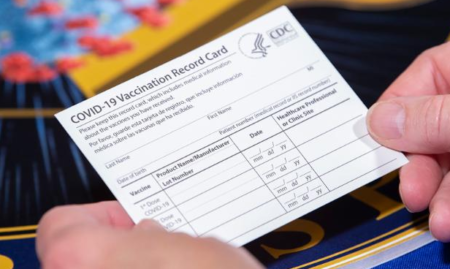
Take a moment to think about the healthcare workers who are ‘down inside,’ running the millions of Covid-19 tests being sent every day. “Across the nation, testing teams are grappling with burnout, repetitive-stress injuries and an overwhelming sense of doom.” Sure, because of the pandemic HHS is allowing pharmacists to deliver more vaccines. But it would like to take that idea further — to get pharmacists into the federal Vaccines for Children program, which provides vaccines for needy kids. Why aren’t pharmacists on board? The big reason is red tape and cost: Enrollees must adhere to strict storage and handling requirements that involve expensive thermometers and refrigerators used only for products delivered under the government program. And if there isn’t enough demand, said vaccine experts, the investment may not be worth it. And even though Georgia is one state where Medicaid will reimburse pharmacies for the vaccinations, that payment may still fall short of the actual cost. The feds are planning to give everyone a Covid-19 vaccination card to help them record when they’ve received their first shot — and remind them to get the second. Vaccination clinics will also be reporting to their state immunization registries what vaccine was given, so that, for example, an entity could run a query if it didn’t know where a patient got a first dose. Side note: Former presidents Obama, Bush and Clinton have volunteered to get the coronavirus vaccine publicly to prove it’s safe. With Fauci’s signature, these would be worth a mint An experimental drug called ISRIB has reversed the mental aging process in forgetful, mentally challenged mice. In fact, it also appears to “reverse cognitive impairments in Down Syndrome, prevent noise-related hearing loss, fight certain types of prostate cancer, and even enhance cognition in healthy animals.” No, this isn’t something being pushed by Gwyneth Paltrow or Dr. Oz. This is the real deal … well, it certainly comes from a legit biochemist at UC San Francisco. Just one day after giving the mice a single dose of ISRIB… They found that common signatures of neuronal aging disappeared literally overnight: neurons’ electrical activity became more sprightly and responsive to stimulation, and cells showed more robust connectivity with cells around them while also showing an ability to form stable connections with one another usually only seen in younger mice. Exactly how ISRIB works is still under investigation — it seems to reset the body’s normal integrated stress response, which can get “stuck in the on position” and impede the function of brain and immune cells. Harvard scientists may have finally cracked the age-old problem of blind mice. They were able to “[turn] back the clock on aged eye cells in the retina to recapture youthful gene function.” The trick: Sending three genes into the retinas — genes that normally only express during the mice’s embryonic stage. In a sense, they literally made the old retinas new again. To be clear, this isn’t stopping vision loss from glaucoma, it’s reversing it. If you’ve ever had to battle any kind of magical creature, you know that cold iron and silver are good choices for weapons. The real world might not be that much different. We know that brass kills germs*, and now it seems that oak surfaces might inhibit the growth of bacteria as well. Researchers at France’s Higher School of Wood (“Ecole Supérieur du Bois”) have found that — contrary to what you would expect — oak surfaces, unlike aluminum, polycarbonate, or stainless steel. The potential reasons: Oak deprives bacteria of moisture, or oak’s natural bacterial defenses. (And yes, that could be why wooden cutting boards are less likely to foster bacteria than plastic ones.) If you have an insomniac fruit fly on your hands, try rocking it to sleep with a vibrating lullaby. Researchers at Thomas Jefferson University found that “Fruit flies that are lulled by gentle vibrations while they fall asleep snooze for longer, a finding that could explain why babies like to be rocked or why people nod off in the car.” Artist’s conception “Vaccines Without Vaccinations Won’t End the Pandemic” From Georgia Health News and ProPublica: How different policies in different school systems — Emanuel and Marietta — led to different, but not terribly surprising, outcomes. “School mask policies: A study in contrasts.”Insomniac fruit flies, collectable Covid cards, mouse blindness cure, and more
Unsung heroes
Pharmacists could connect poor kids with their vaccines
In a few decades, these will be collector’s items
Miracle drug
Three, er, two blind mice
A shield of brass and oak
* Fun fact: Older New York City elementary schools have brass doorknobs for this very reason.
Rock-a-bye fruit fly…
Seven words from Captain Obvious
The long read: Georgia Schools edition
December 03, 2020 ✒ Andrew Kantor
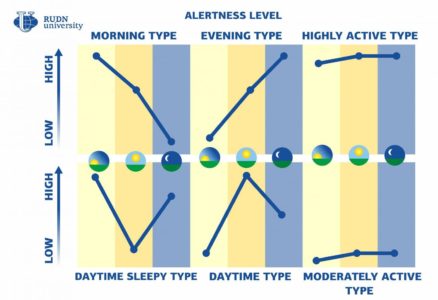
The trick? After giving instructions, tell your patients, “Repeat what you heard.” It’s called “teach-back.” At the one-year follow-up, patients whose care providers used teach-back with them were 20% less likely to have diabetes-related health complications, including heart disease and kidney or eye problems. They were also less likely to be hospitalized with diabetes-related complications. The UK has approved Pfizer’s Covid-19 vaccine. (US approval is expected within weeks.) The CDC’s ACIP panel voted 13-1* to recommend that the first people to get the Covid-19 vaccines should be residents and employees of nursing homes, and front-line healthcare workers. By the time you read this, the CDC should have decided whether to accept that recommendation. After that is likely to be adults with medical conditions that put them at high risk of infection (e.g., those with diabetes or obesity) and anyone over 65. States are not required to follow the panel’s recommendations, but they usually do. The final decision will rest with governors, who are consulting with their top health officials as they complete distribution plans. There’s mounting evidence that the SARS-CoV-2 virus can cross the blood-brain barrier via the nose, entering the central nervous system. Despite our best efforts, 2020 isn’t over yet — so now’s a good time to take a break and grab a bit of timely CE credit, courtesy of CPEasy. Each of these two hot classes is available on demand, and a mere $20 for GPhA pharmacist members. Presented by Greg Reybold, GPhA general counsel and VP of public policy Join Greg for an exclusive rundown on what’s going on with PBM and Medicaid managed care reform, what’s next for Georgia pharmacists, and what new responsibilities you need to be aware of. You won’t get information about pharmacy-related law that’s this in depth, this up-to-the-minute anywhere but here. Presented by Ashish Advani, PharmD Ashish will walk you through the drugs released within the past year, comparing them to older agents — learn any advantages with in pharmacology, pharmacokinetics, efficacy, safety, or cost. Special bonus: a look a drugs in the pipeline! You can find them and all our home-study courses at GPhA.org/cpeasy! To prepare them for adulthood, kids need to learn about pain — chronic, existential, and unrelenting. Unfortunately (say British researchers), television doesn’t do a very good job … despite showing “8.66 incidents of pain per hour.” TV’s version of pain is more violent, more frequent, and less likely to get empathy from others — not what you want your child to learn, presumably. “Our assessment is that these programmes could do much more to help children understand pain by modelling it in different ways and crucially by showing more empathy when characters experience pain. And you thought they were role models Children born with HIV infection now have a more flavorful alternative to the awful-tasting dolutegravir: a quick-dissolving strawberry-flavored version. The headline: “‘Anti-antibiotic’ allows for use of antibiotics without driving resistance“. The reality: If you add cholestyramine to daptomycin, you might prevent one particular bacteria (E. faecium) from developing antibiotic resistance to the daptomycin. So one drug, one bacteria. Yes, this is a great proof of concept, but it’s not an all-encompassing way to prevent resistance from developing. An electrical/computer engineer (!) at Binghamton University has developed a way to determine if an infection is killable by an chosen antibiotic — without waiting days for a result. Rather than needing several days of testing to see if a particular bacteria is killed by an antibiotic, Sean Choi’s device monitors the electron-transfer rate among the bacterial cells. Low transfer rate means the bacteria is dying and the drug is effective. The device could provide results about antibiotic resistance in just five hours, which would serve as an important point-of-care diagnostic tool, especially in areas with limited resources. Q: Are Financial Payments From the Pharmaceutical Industry Associated With Physician Prescribing? A: Yes. First they told me there were nine planets (there are eight). Then they said there were five senses (there are dozens). And I won’t even get into the whole gender thing. Now I learn that there aren’t just morning people and night owls, but six different “chronotypes” — and the other four don’t even have cool names, just “highly active,” “daytime sleepy” and the like. If you mix and match, you can form all the pre-Nordic runes! A medicinal chemist offers a perspective on “Drug Development: The Big Problems“Teaching kids pain (the right way), money buys scripts, lies my teacher told me, and more
Clickbait that’s real: “This simple trick can improve diabetes care” (it really can)
ICYMI: Covid-19 Vaccine
* The one dissenter was concerned that the vaccines had not been tested enough on older people.
Do hurry, won’t you?
Are you updated?
2020 Annual Law Update
2020 New Drug Update
Kids learn the wrong kind of pain

Strawberry AIDS drug for children
Resistance is a little more futile
Speaking of resistance …
You get what you pay for — more prescriptions
Everything I learned in school was a lie
The Not-So-Long Read: Drug development
December 02, 2020 ✒ Andrew Kantor
A woman who had Covid-19 while pregnant (but not when she gave birth) had a baby born with antibodies against the virus, even though she no longer does. How long will they last in little Aldrin*? What does it mean for getting the vaccine during pregnancy? You know the mantra: Further study is needed. Scientists at Temple University have used the CRISPR gene-editing technique to — get this — edit out the SIV from infected monkey cells. SIV is the simian version of HIV, so this technique could be a precursor to using CRISPR as a treatment, or even a cure, for AIDS. The Trump administration is leaving it up to governors to decide who gets the vaccine and when. It’s an ultimate test of federalism and of each state’s executive’s ability to act decisively at warp speed as the deaths pile up and struggling businesses face desperate circumstances. What if it’s not cholesterol but triglycerides — or, rather, the remnants of triglycerides — that are the major factor for heart disease? Spanish researchers think that might be the case. So-called “remnant cholesterol” is left over when triglyceride-rich lipoproteins pass through arterial walls. The proteins are degraded, but the remnants in the arteries “may play a causal role in atherosclerosis development.” In fact… In a new study, levels of triglycerides and remnant cholesterol — but not LDL or HDL — were associated with major CVD outcomes, independent of lifestyle and other risk factors. Certain foods, it seems, have chemicals that can block one of the enzymes the SARS-CoV-2 virus uses to infect the body. At least, that’s what plant biologists at North Carolina State University think. Specifically, “chemical compounds from green tea, two varieties of muscadine grapes, cacao powder and dark chocolate” were able to bind to the virus’s “main protease” or Mpro. “Mpro has a portion that is like a ‘pocket’ that was ‘filled’ by the chemical compounds. When this pocket was filled, the protease lost its important function.” In case you’re going shopping, keep in mind that green tea and grapes (the skin and seeds) had the biggest effect. If you want to detect an infection, sending a sample to a lab is sooooo 2020. German researchers have a better way, combining buzzwords as only the Germans can. Their new technique can detect pathogens using fluorescent nanosensors build with carbon nanotubes. “Explain like I’m five,” you say. Sure thing: Germans made tiny particles that glow when they find certain bacteria. One cool use: Implants that glow if they become infected. The first blood test to help detect Alzheimer’s is now available, even if it’s still awaiting FDA approval. At the moment it’s intended for older people who are being evaluated for Alzheimer’s. But here’s the scary thought: If it becomes available to everyone, would you take it, knowing there’s no cure for Alzheimer’s? The thing about organic veggies is that organic fertilizer can make you sick. In fact, it keeps making people sick. The [CDC] currently has three open investigations on Escherichia coli outbreaks—two directly linked to leafy greens and the other involving a bacterial strain that caused an outbreak in 2018 linked to romaine lettuce. Meanwhile, the Food and Drug Administration had issued four separate safety alerts for recalled salad fixings this month. Two facts that seem contradictory: Researchers at UC San Diego think they have the answers. Why does having enough vitamin D keep you healthy? It seems to increase the diversity of the gut microbiome, especially bacteria that produce butyrate, “a beneficial fatty acid that helps maintain gut lining health.” But why do supplements (and even sunlight) fail? Because it doesn’t matter how much vitamin D you take in, it matters how well the body can metabolize it. So “maybe that’s what clinical trials need to measure in order to get a more accurate picture of the vitamin’s role in health.” “Sun-Like Star Identified As the Potential Source of the Wow! Signal“. (An amateur astronomer thinks he’s discovered the source of a mysterious signal detected in space in 1977. ) “Scientists Confirm Entirely New Species of Gelatinous Blob From The Deep, Dark Sea“.Glowing infections, a different cholesterol, new gelatinous blob, and more
Passing on protection
* If he doesn’t go by “Buzz” he’s really missing an opportunity.
CRISPR vs AIDS
Who gets the vaccine first?
A different cholesterol danger
Green tea, grapes, and chocolate vs Covid
Glow-in-the-dark infection detector
A silver lining … with a cloud
It’s not easy being green
Vitamin D gets more complicated
It looks like the writers are teasing the next season
December 01, 2020 ✒ Andrew Kantor
Here’s something to give you pause: Apparently there are a large number of reviews on the Yankee Candle website complaining that the scented candles don’t have any odor. That got a researcher at Bryn Mawr College to create some charts of Amazon reviews of scented candles. Indeed, the reviews take a noticeable dip in 2020. Click to see her full charts. Following in the footsteps of Pfizer, Moderna has applied for an emergency use authorization for its Covid-19 vaccine, and says it will have 20 million doses (i.e., enough for 10 million people) ready by the end of 2020. And by the way, it’s 100% effective. Unfortunately, Federal officials can’t agree when the vaccine will start rolling out (days? weeks?), nor on who should get it first (seniors? healthcare workers?). “‘It’s going to be messy,’ said a senior government official, who spoke on condition of anonymity.” President-elect Joe Biden is expected to leave that decision to the CDC’s Advisory Committee for Immunization Practices (ACIP). Airlines, for their part, have been running test flights in preparation for distribution to be sure their thermal controls are working. Like moody teens, glial cells in the central nervous system aren’t completely understood, but Japanese researchers say that some of them (astrocytes) clearly have a role in causing pain. Interestingly, they’re activated by noradrenaline — which could unveil a target for pain treatment. Suppress that noradrenaline signal, suppress the pain. How might you do that? Duloxetine, which may act as a noradrenaline reuptake inhibitor. Nifty. Thank you to everyone who donated to the Georgia Pharmacy Foundation’s annual giving campaign this year! Our donors make wellness initiatives for Georgia pharmacists, pharmacy techs, student pharmacists, and patients possible. If you missed the campaign this year, it’s never too late to give. Be the solution and donate now at GPhA.org/foundation2020! Laughing isn’t just fun to do, it’s good for you! No, really. Laughing (for real, not the kind you do for Uncle Harry’s penguin jokes) involves a bunch of areas of the brain. And as Bryn Mawr cognitive psychologist Janet Gibson explains: [L]aughing may help control brain levels of the neurotransmitter serotonin, similar to what antidepressants do. By minimizing your brain’s responses to threats, it limits the release of neurotransmitters and hormones like cortisol that can wear down your cardiovascular, metabolic and immune systems over time. On the other hand, she offers this dubious bit of advice: “You can practice laughing even when alone.” Just make sure you really are alone. Japanese neuroscientists have found two areas of the brain that, when hit with some serotonin, make mice more patient: the orbitofrontal cortex and the medial prefrontal cortex. But each processes the situation differently. “This confirmed the idea that these two brain areas are calculating the probability of a reward independently from each other, and that these independent calculations are then combined to ultimately determine how long the mice will wait.” If you can get past the world’s worst lede* — “Antibiotic treatment was noninferior to appendectomy for appendicitis, according to the results of a pragmatic, nonblinded, noninferiority, randomized trial” — the story is interesting. Looking at 1,552 people with appendicitis, University of Washington researchers gave half antibiotics, and half had an appendectomy. 225 of the antibiotic recipients needed an appendectomy after all, but the remainder reported outcomes as good as those who had their appendix removed. “Great,” you think, “Then antibiotics should be the first treatment.” There’s one caveat: “[C]omplications were more common among patients given antibiotics than those who had an appendectomy.” Next time someone asks you what you’re looking for in a partner, the answer is “flexibility.” It seems (say U. of Rochester researchers) that “those who are psychologically flexible have better romantic and family relationships.” Relationship gold In July, the administration said it was taking Covid-19 tracking responsibility away from CDC and giving it to HHS’s private contractors. There was an outcry — CDC wasn’t perfect, but the system worked, and it was crazy to switch in the middle of a pandemic. Now it seems they were right to worry. The new system, HHS Protect, is providing “questionable” data to the people who need it. A Science examination of HHS Protect and confidential federal documents found the HHS data for three important values in Wisconsin hospitals—beds filled, intensive care unit (ICU) beds filled, and inpatients with COVID-19—often diverge dramatically from those collected by the other federal source, from state-supplied data, and from the apparent reality on the ground. First those shifty Danes decided to slaughter the country’s entire population of caged minks because the animals carried a mutated form of SARS-CoV-2 — one that had already jumped to a dozen humans. Then the Danish government said no, we actually can’t order farmers to do that. THEN “Culled mink rise from graves in Denmark after botched mass burial,” presumably to seek vengeance. (Seriously.) NOW it seems that some of the infected minks have escaped their cages and into the wild where they might spread their mutated virus to other animals. Stay tuned.Yankee Candle facepalm, flexibility where it counts, what’s worse than zombie minks, and more
Does this smell like Covid to you?

Vaccine updates
New pain signal, new pain treatment?

HAHAHAHAHAHAHA
All you need is just a little patience (or some serotonin)
Good news for appendicitis, headache for readers
* Journalist-speak for “the first graf† of a story”
† Journalist-speak for “paragraph”Flexibility

Well, they did warn us
Mink saga continues
November 28, 2020 ✒ Andrew Kantor
Losing teeth might be yet another long-term effect of Covid-19. The good news: Right now it’s anecdotal — and may just be that existing problems get worse. A lot of Americans are still wary of the upcoming Covid vaccines having been rushed; only a little more than half of people say they’ll line up for their shots (although people over 50 are more likely to go for it). But now America’s Covid Doctor — Anthony Fauci — has weighed in, saying that while the development time has been “breathtaking,” the process hasn’t been politically influenced, and he’s convinced it’s safe. “There are so many levels of independence and transparency there that people should feel confident — I do — that the vaccine is determined to be safe and effective,” he said. Are you sure? Just in case, you might want to sign up for GPhA’s Vaccine Protocol Update CE webinar on Thursday, December 17, 2020, from 7:00-8:00 pm, presented by the terrific Johnathan Hamrick, PharmD. Check out the deets and sign up now at GPhA.org/vaccine-protocol-update-2020. Hypertension seems to be “linked to more extensive brain damage in the elderly,” according to British researchers. Making it extra scary: The brain damage is linked to high diastolic blood pressure before the age of 50, even when it’s within a seemingly healthy range, and “especially when people were taking medication to treat high blood pressure.” Many people may think of hypertension and stroke as diseases of older people, but our results suggest that if we would like to keep a healthy brain well into our 60s and 70s, we may have to make sure our blood pressure, including the diastolic blood pressure, stays within a healthy range when we are in our 40s and 50s. Obviously irritable bowel syndrome begins in the gut (or, arguably, YouTube comments section), but now it seems there’s a specific culprit: Brachyspira, a single type of bacteria that Swedish researchers have found linked to IBS. “Unlike most other gut bacteria, Brachyspira is in direct contact with the cells [of the intestines] and covers their surface. I was immensely surprised when we kept finding Brachyspira in more and more IBS patients, but not in healthy individuals.” Next up is … well, you know the drill. More studies. Cooking with wood, while it might seem all natural and back-to-basics, is actually not good for you long term. How bad? How about “suffering considerable damage to their lungs from breathing in dangerous concentrations of pollutants and bacterial toxins” bad? That’s what UC San Diego researchers found after using CT scans to check out the lungs of people who cooked with “biomass” fuel versus those who used that lovely, clean, natural gas. If you’ve got a high schooler with migraines, there’s an easy way to help cut them down: Start school later. Subjects whose school day started prior to 8:30a.m. reported more migraines days — averaging 7.7 per month — than those who began later, who had nearly three fewer headache days. Why? That’s also simple: A later start is more in tune with teens’ circadian rhythms.Nasty gut bug, losing your teeth to Covid, why gas cooking is better, and more
The virus that keeps on giving
Fauci gives vaccines the thumbs up
Are YOU up to date on vaccinating?
Another reason to help your patients with high blood pressure
Bug in the gut
Naturally bad for you
Early to rise means more migraines
November 26, 2020 ✒ Andrew Kantor
We all get those long thank-you notes from the companies we do business with. So I’ll keep this short (so you have time to read the others): Thank you for reading this. Really. It goes from my desk into the ether, and rarely do I hear how it’s received. (Except complaints. I do get those.) So thank you to everyone who opens their Buzz and — I like to think — enjoys the read enough to open it again, putting up with obscure references, strange wordplay, and the occasional double entendre that slips past the editor. I appreciate you all! —Andrew (Psst: If you want to give back to Buzz, all you have to do is open it every day. That’s all — a high open rate makes us happy!) Remember Zika? From 2015? It caused neurological problems for thousands of people, and it’s still out there. But good news: National Institutes of Health researchers think they’ve found a potential treatment: tetracycline. Yep, that old stuff. Zika needs a protease called NS2B-NS3 to reproduce, and “tetracycline-based antibiotic drugs, like methacycline, may be effective at blocking the protease.” So far it’s just tested in mice, but in case the writers decide to bring Zika back in an upcoming season, we might be better prepared. GPhA has packaged some of our most popular CPE courses into short CE series — at a discount! A three-part webinar series on caring for your diabetes patients presented by Jonathan G. Marquess, PharmD, CDE, FAPhA. This popular series was offered live earlier this year and covers diabetes guidelines and medications, diet and exercise for diabetes, and optimizing diabetes control in your practice. This series offers 3 CE hours for pharmacists and pharmacy technicians. This popular series was offered first at the Georgia Pharmacy Convention this past September. Join Erin Dalton, Ashley Hannings, and Olivia Steltenpohl — PharmDs all — as you learn how to transition from a boring “traditional pharmacy” to a more “clinically focused pharmacy” by implementing incremental changes. You’ll get great tips on transforming workflow processes and integrating more patient care services into your daily practice. This series offers 3 CE hours for pharmacists and for pharmacy technicians. CLICK HERE to learn more and to register! It’s called lipocalin-2 (LCN2) and it “acts as a signal for satiety after a meal” — in other words, it tells your body to put down that second scoop of Rocky Road. Obese people seem to produce less of it after eating. So what if you took it as a supplement? Studies in mice have shown that giving LCN2 to the animals long term reduces their food intake and prevents weight gain, without leading to a slow-down in their metabolism. Next up: as usual, more testing. Stem cells have the potential to treat all sorts of conditions, but there’s always the issue of getting them to the right spot. But now researchers at Sanford Burnham Prebys Medical Discovery Institute have found a way to guide the stem cells to where they’re needed. The trick: Stem cells are usually drawn to inflammation, so the scientists modified a molecule (CXCL12, if you’re interested) that attracts the stem cells the same way. Put into a drug, it acts as a siren song “and can be injected anywhere to lure stem cells to a specific location without causing inflammation.” From the Conversation: “How mRNA vaccines from Pfizer and Moderna work, why they’re a breakthrough and why they need to be kept so cold“. File under “That makes total sense now that I think about it”: Since 1995, the New York City Department of Environmental Protection has been tracking sales of Pepto-Bismol and Imodium to alert it to possible water contamination.Stem cell GPS, Zika treatment in the works, how Covid vaccines work, and more
Thank you!
Getting ready for Zika
Take it easy – CPEasy!
Healthy Patients = Healthy Business
Practice Transformation
A hormone to stop you from eating
GPS for stem cells
Curious about those vaccines?
Drug sales and drinking water
November 25, 2020 ✒ Andrew Kantor
Or “They really need to sort out their priorities.” Stay safe, everyone. One in three parents say the benefits of gathering with family for the holidays are worth the risk of spreading or getting the virus, according to the C.S. Mott Children’s Hospital National Poll on Children’s Health at Michigan Medicine. The last time we mixed a pandemic with holiday gatherings, it didn’t go so well. In hindsight, it seems obvious that the third wave of the Spanish flu pandemic would follow a season of intimate gatherings and public celebration. Tens of thousands of new cases were reported between December 1918 and April 1919, many of which arose in metropolitan hotspots. Purdue Pharma plead guilty to three felony charges involving its marketing Oxycontin during the opioid crisis*. It admitted to lying to the DEA about having an anti-diversion program, to paying physicians to write more Oxycontin prescriptions, and to paying an EMR company to market painkillers to prescribers. It technically won’t pay a cent in fines, though, because the $8.3 billion in penalties and forfeitures will be added to the company’s bankruptcy proceedings. Face masks can stop the spread of SARS-CoV-19; we know that. But they seem to be a lot more effective in the lab than in reality, according to folks at University, Bond University in Australia. What’s the deal? Spoilers: No one quite knows why we sleep, but we do know that during sleep the brain does some cleanup work. It seems that cleanup includes those nasty beta-amyloid and tau proteins — you know, the ones associated with Alzheimer’s. Or, as the headline says, “Deep Sleep Protects Against Alzheimer’s, Growing Evidence Shows.” Woot-Woot! We met our goal! We have the best donors ever! (By “we” we mean the Georgia Pharmacy Foundation, of course). If you haven’t had a chance to donate … now’s the time! Be the solution right here. There are too many cases of Covid-19 to trace, says the CDC, which now advises overwhelmed health departments to cut back on who they contact. Given increased demand on contact tracers, CDC advised against contacting infected people who are more than two weeks out from their positive test, except in rare circumstances, since it is likely too late to prevent them from spreading the virus to others. The country is adding a million cases a week now, with more Americans killed by Covid-19 (in 10 months) than in all of World War 2. And the holidays aren’t even here yet…. Vegans and vegetarians have a noticeably higher risk of breaking their bones, especially their hips. That’s what British researchers found when analyzing records of 55,000 people over 18 years. People who took calcium supplements were better off, but still saw more risk. “[Hip fracture] risk in vegans was 2.3 times higher than in people who ate meat, equivalent to 15 more cases per 1,000 people over 10 years,” she said. “In addition, vegans also had a higher risk of fractures anywhere in the body, as well as fractures of the legs and vertebrae when compared to the meat eaters.” One possible reason: Vegetarians tend to be thinner, so there’s less to cushion them when they fall. If you’re looking for a new line of work, the Georgia Access to Medical Cannabis Commission is now officially looking for businesses to grow marijuana and make cannabis oil for the thousands of Georgians who have a license to possess low-THC cannabis oil, but no legal way to buy it. Veggie bone-breakers, risky holiday plans, Christmas 1918, and more
Take care of grandma this Thanksgiving
All this has happened before, all this will happen again
ICYMI: Purdue pleads guilty
* Don’t worry, we’ll pick up that storyline next season.

Lab vs reality
Cleanup in frontal lobe
Oh, yes! Yes yes yes!

CDC throws up its hands
They snap like celery stalks
Job opportunity
November 24, 2020 ✒ Andrew Kantor
You know the Food, Drug, & Cosmetic Act, right? You don’t near much about the cosmetic part, though. That’s because the FDA doesn’t actually regulate beauty products* (only 11 ingredients are regulated, compared to more than 1,600 in the EU). But now California is going to change all that. The state — with buy-in from industry — has banned 24 chemicals “including mercury, formaldehyde and several types of per- and polyfluoroalkyl substances, known as PFAS.” And if California is banning them … “This type of landmark legislation has the effect essentially of setting a national standard.” AstraZeneca is the third company to report that its Covid-19 vaccine is mucho effective — at least 90 percent effective in preliminary results. The big deal: Unlike the Pfizer and Moderna vaccines, AZ’s doesn’t need to be stored at freezing temperatures; a refrigerator will do the trick. “Santa Claus Has ‘Innate Immunity’ from COVID-19” Some counties in Kansas mandate mask wearing in public. Some don’t. What a great way chance for a scientific experiment! The CDC looked at the numbers on both sets of counties and concluded, “Covid-19 incidence decreased in 24 counties with mask mandates but continued to increase in 81 counties without mask mandates.” As much as we’d like to joke about “fish odor syndrome,” aka trimethylaminuria, it’s actually a nasty, debilitating, and incurable condition. We know what causes it (trimethylamine isn’t broken down by the liver), and even the enzyme responsible (CntA/B), but no one’s been able to stabilize that enzyme to study it. Until now. British researchers have figured out not only how to stabilize (sorry, stabilise) CntA/B, but also how to inhibit its production. Next step: developing drugs to target it. With the nationwide return of McRib only a week away, here’s some good news: “Infection with SARS-CoV-2 via pork meat unlikely according to current state of knowledge” — so say researchers at the Bundesinstitut für Risikobewertung (the German Federal Institute for Risk Assessment). Individuals interested in gaining immersive and hands-on experiences in association management and contributing to APhA’s mission are encouraged to apply by December 31, 2020. More details are available at www.pharmacist.com/postgraduate-training. Scientists at Tel Aviv University have found a way to use the CRISPR/Cas9 gene editing system to attack cancer cells at the genetic level. “It must be emphasized that this is not chemotherapy. There are no side effects, and a cancer cell treated in this way will never become active again. The molecular scissors of Cas9 cut the cancer cell’s DNA, thereby neutralizing it and permanently preventing replication.” In Saturday’s Buzz we told you about the effective — but rather authoritarian — way “China crushed coronavirus“. Now here’s a bit more insight: The biggest reason China got the virus under control (argues this professor of international and global studies) was that it had learned its lesson from the SARS epidemic of 2002-2003. The Chinese government learned from SARS the important role public health plays in protecting the nation. Following SARS, the government improved training of public health professionals and developed one of the most sophisticated disease surveillance systems in the world.McRib reprieve, how Santa is safe, a mask experiment in Kansas, and more
Makeup is getting safer
* “The FDA couldn’t even intervene when asbestos was found in cosmetics sold at the youth-oriented Claire’s and Justice stores.”
And now there are three
Fauci said it, I believe it, and that settles it
CDC channels Captain Obvious
Fish odor breakthrough
Fear not the McRib

CRISPR vs cancer
The Long Read: China followup
November 21, 2020 ✒ Andrew Kantor
Loss of the sense of smell — anosmia — is a common Covid-19 symptom. The good news is that it probably isn’t because the virus is attacking olfactory neurons, which would be Very Bad because that could mean brain damage. (But the neurons don’t have ACE2 receptors for the virus to latch onto.) The latest theory: SARS-CoV-2 attacks the nasal epithelium — the lining of the nose. It blocks the receptors themselves, not (hopefully) the neurons that transmit. These cells maintain the delicate balance of salt ions in the mucus that neurons depend on to send signals to the brain. If that balance is disrupted, it could lead to a shutdown of neuronal signaling—and therefore of smell. If you’re like most people, you occasionally lay awake wondering how, exactly, saliva is made. You can sleep soundly, now — the University at Buffalo has you covered. What makes someone more likely to be a superspreader of a virus? Two factors that make that more likely: If they’ve got a stuffy nose, and if they have all their teeth. No, really — that’s what University of Central Florida researchers figured out, with science and everything. A clear nose: Some of the sneeze goes down, not out. All your teeth: Sneeze droplets come out faster. Bonus: “The researchers also simulated three types of saliva: thin, medium and thick.” Take that, liberal arts majors! Can you picture that? Congrats to RJ LaCoursiere — the ER pharmacist at Augusta University Medical Center was recognized as Opioid Safety Champion y the Georgia Pharmacy Foundation. LaCoursiere is one of a small but growing group of pharmacists in Georgia to complete the series of educational programs aimed at reducing opioid-related overdoses. “My team and I are frequently involved with managing analgesia, opioid withdrawal, and opioid overdoses,” he said, and the Opioid Safety Champion program can “help increase awareness, decrease stigma, and better equip our colleagues with the tools they need to care for patients struggling with opioid-related health issues.” The Georgia Pharmacy Foundation is helping pharmacists across the state fight the opioid crisis. Interested? Become a Champion of Opioid Safety today! This program is one way the Georgia Pharmacy Foundation makes a difference in the lives of pharmacists, pharmacy techs, and patients today. Be the solution — help the foundation continue to fight the opioid crisis in Georgia with a donation today: GPhA.org/foundation2020 It’s so simple, you probably wish you had thought of it: Take an object (say, a pill), spray it with a magnetic coating (“M-spray”), then steer it from the outside of the body to exactly where it needs to go. The team tested this by successfully manoeuvring and disintegrating an M-spray-coated drug to a target area in an unconscious rabbit’s stomach. “A monumental effort by ordinary people and a policy of ‘infected until proven healthy’ have kept new Covid-19 cases at exceptionally low levels since March.” China’s virus control effort was single-minded – the goal was always total elimination. Officials were fired for perceived dereliction of duty, or promoted for successfully controlling the virus. But no, it’s not necessarily something you want to emulate: Quarantine is mandatory – at home or in a hotel – and the quarantined are not allowed to venture outside. Those who choose home will find a device mounted on their front door. Whenever they open it, the doctor and the Party committee member’s phones receive an alert, and a call will come in to ask why they have opened the door. Once again, the U.S. has the highest maternal mortality rate among developed nations. And once again, Georgia has one of the country’s highest rate of pre-term births and infant mortality.Lips together, teeth apart; remote control pill; saliva solved, and more
Scent of a … nothing
Spit take
Superspreaders

Georgia has another opioid champ
Now it’s your turn
A steerable pill
The Long Read: “How China crushed coronavirus”
Ugh
Do you want to send your members the daily Buzz email newsletter (customized for your state and organization, perhaps)? Let’s talk — just drop me a note at andrew@gphabuzz.com!


- Doctors Warn of a Deadly Complication From Measles Outbreaks
- Medicare Advantage ‘Dark Money’ Group Attempts To Win Higher Payments for Insurance Companies
- Families Scramble To Pay Five-Figure Bills as Clock Ticks on Promised Preauthorization Reforms
- As Lung Disease Threatens Workers, Lawmakers Seek Protections for Countertop Manufacturers
- Republicans Fret Over RFK Jr.’s Anti-Vaccine Policies While MAHA Moms Stew
- Primary Care Is in Trouble. So Doctors Band Together To Boost Their Market Power.
- January 2025
- December 2024
- November 2024
- October 2024
- September 2024
- August 2024
- July 2024
- June 2024
- May 2024
- April 2024
- March 2024
- February 2024
- January 2024
- December 2023
- November 2023
- October 2023
- September 2023
- August 2023
- July 2023
- June 2023
- May 2023
- April 2023
- March 2023
- February 2023
- January 2023
- December 2022
- November 2022
- October 2022
- September 2022
- August 2022
- July 2022
- June 2022
- May 2022
- April 2022
- March 2022
- February 2022
- January 2022
- December 2021
- November 2021
- October 2021
- September 2021
- August 2021
- July 2021
- June 2021
- May 2021
- April 2021
- March 2021
- February 2021
- January 2021
- December 2020
- November 2020
- October 2020
- August 2020
- July 2020
- March 2020
- February 2020
- January 2020
- December 2019
- November 2019
- October 2019
- September 2019
- August 2019
- July 2019
- June 2019
- May 2019
- April 2019
- March 2019
- February 2019
- January 2019
- December 2018
- November 2018
- October 2018
- April 2017
