
March 20, 2020 ✒ Andrew Kantor
Failed: a combination of lopinavir and ritonavir — “No benefit was observed.” Succeeded? Favipiravir (aka Avigan) “has a high degree of safety and is clearly effective in treatment.” What everyone is looking at: Chloroquine. Studies of the anti-malarial in China seem to show it could work against CoviD-19 because it worked on SARS. It’s also old and cheap*, but it still needs trials before the FDA will approve it even for off-label use. Good guys: Rising Pharmaceuticals, which makes chloroquine phosphate, had doubled its price in January, but the company said, in the wake of the pandemic, it’s reversing the price hike. 287 confirmed cases of CoviD-19. 10 deaths as of Thursday afternoon, per the DPH. That’s 3.48%. Almost half were people aged 18 to 59. No new cases for the first time since this started. We look forward to hearing the same from Italy, which seems to be about 10 days ahead of the U.S. For obvious reasons, the AIP Spring Meeting (scheduled for April 19) has been canceled. And, due to the suspension of the Georgia Assembly, Region Presidents’ Briefings (aka “region meetings”) have been postponed. Keep an eye on GPhA Buzz and your e-mail for further information. To answer your questions about selling your own compounded hand sanitizer: The Georgia Board of Pharmacy… …takes the position that compounding of hand sanitizer gel is permitted given that the components are all over-the-counter products. Please be advised labels will need to comply with FDA requirements. Once again, those FDA requirements are here. The specific recipe is here. It’s not, as you might think, by causing obesity or diabetes. What’s deadly, apparently, is the uric acid byproduct. (How can you mitigate it? Water. Lots of water.) “[W]e found that dietary sugar intake in humans was associated with worse kidney function and higher purine levels in the blood.” Headlines like this are a reminder that Georgia is also a country: “Georgia Pharmacy Association sends anti-COVID19 shipment to Iran.” Patients who suffer a heart attack might well be served by listening to at least a half hour of music a day. Researchers at the University of Belgrade gave heart attack survivors identical medical treatment, but one group listened to 30 minutes of their favorite music. After seven years… The patients with music therapy, on average […] had significantly lower rates of certain heart conditions, including an 18% reduction in the rate of heart failure; 23% lower rate of subsequent heart attack; 20% lower rate of needing coronary artery bypass graft surgery; and 16% lower rate of cardiac death. Why yes, yes it could. Not in the sense of germs, but because by hanging around overweight people, “Higher obesity rates may normalize unhealthy weight in teens.” In other words, while fat-shaming is bad, so is letting yourself think being overweight is good. “There is both comfort and discomfort in the idea that seeing a lot of obesity among those all around you effectively ‘normalizes’ the appearance of overweight for young people.” Italy has supplied Tennessee with half a million coronavirus test kits. At 8:00 pm on Wednesday, across a locked-down Europe, thousands of people came to their balconies simply to applaud the healthcare workers fighting the coronavirus, like Italian nurse Elena Pagliarini, the photo of whom has gone viral: “Why Is 70% IPA a better disinfectant than other concentrations?” There are several answers, and the site goes into the details. The short version: Because 70% works more slowly than higher concentrations, it kills the bacterial cells rather than triggering a defense mechanism that essentially puts them in stasis. 100% isopropyl alcohol coagulates the protein instantly creating a protein layer that protects the remaining protein from further coagulation. Due to this [the] organism is not killed but remains in a dormant stage. Treatments emerge, music makes the heart go on, why 70% alcohol is good stuff, and more
Let’s talk treatments
* Like my dad, and like insulin. Take what you will from these facts.
Georgia numbers
Wuhan numbers
Canceled: AIP Spring Meeting
Postponed: Spring Regional Presidents’ Briefings
Yes, the Georgia BoP is OK with DIY hand sanitizer
Why sugar kills
Double-take
Your heart can go on
Could obesity be contagious?
Elsewhere: “Grazie!” edition
Elsewhere: “A Continental Thank You” edition

The science read: The 70% solution
March 19, 2020 ✒ Andrew Kantor
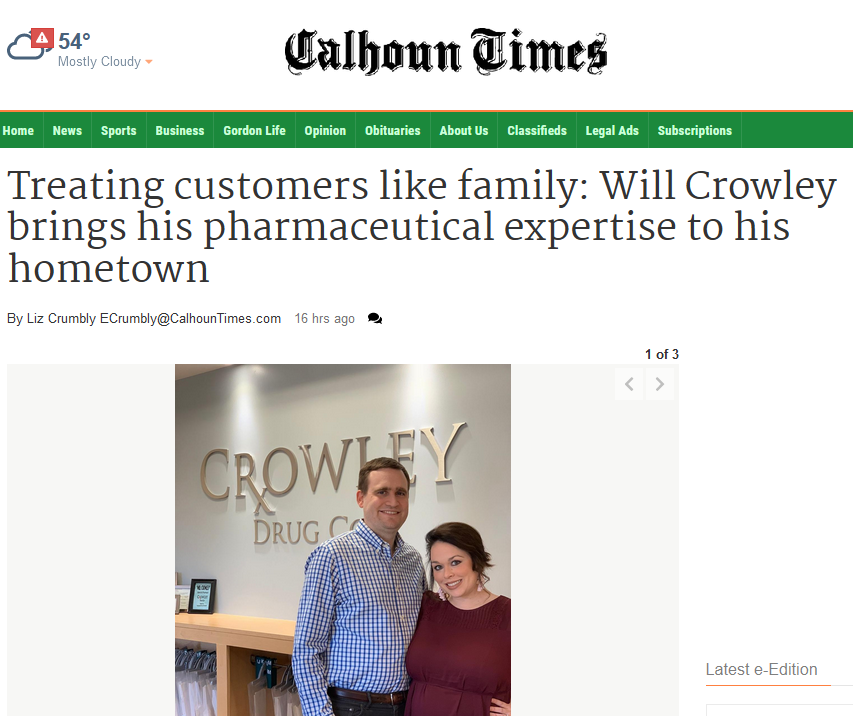
We mentioned this on Tuesday but it bears reiterating: Yes, you can make (i.e., compound) your own hand sanitizer for your patients and customers. The FDA has relaxed the rules. There is a specific recipe the agency wants you to use; see below or click here. There are other requirements/recommendations as well, including labeling — check that page. The WHO has published guidelines for protecting your mental health these days. We love #3: “Minimize watching, reading or listening to news that causes you to feel anxious or distressed.” A trial involving 10,000 COPD patients over a year found that an inhaler with a combination of fluticasone furoate (FF), umeclidinium, and vilanterol “reduced all-cause mortality by 42 percent.” The French minister of health tweeted that people with CoviD-19 should not take ibuprofen. That has led to lots of confusion and misinformation. Reality: Bottom line (as of this moment): If you have symptoms, sure, take acetaminophen instead of an NSAID if that makes you feel more comfortable. But there is no evidence that you need to avoid ibuprofen. GPhA member and owner of Crowley Drug Company in Calhoun got a great write-up in the Calhoun Times as he’s about to celebrate his fifth year as an independent pharmacist. Congrats, Will! Yes, you can reuse N95 masks. But be careful — it’s certainly not optimal. Here are the CDC recommendations. (Spoiler: use disposable gloves before putting it on or removing it. When removed, assume the outside is infected and don’t touch it; store it carefully.) South Georgia Medical Center is offering drive-through CoviD-19 screenings. The operative word is “screening,” not testing. You sit in your car and are assessed — e.g., answer questions, get your temperature, pulse, and blood-ox taken. If you fit the criteria, a physician will test for other viruses like the flu. If those come back negative, then they’ll be sent to an offsite lab for testing for CoviD-19, where the results can take several days. The company’s COO said “Tobacco will not be part of the [Rite Aid] store of the future” in a call with analysts. The company is also planning a $700 million, two-year revamp of its stores. And pharmacies? “Our plan is to double down on the business of pharmacy,” [CEO Heyward Donigan] said. Rite Aid plans to hire more technicians and train them to do some of the responsibilities that are now performed by its pharmacists but don’t have to be so that the pharmacists can be now front and center and engage more with customers offering them more consultative support. How long does SARS-CoV-2 last on surfaces? The latest info: Anthem — which provides medical benefits to GPhA members who get their coverage through AIP (through J. Smith Lanier & Co.) — is offering some new benefits. AIP store owners: For more information on the medical plan, contact Bryan Turner at bturner@jsmthlanier.com or (678) 656-2093. “The Infuriating Story of How the Government Stalled Coronavirus Testing“: How one young doctor at a Seattle lab tried to get out in front of the coronavirus crisis by inventing his own test. And why the absurdity of his struggle should make us all afraid.DIY Purell, what to know about ibuprofen, Rite Aid goes tobacco free, and more …
DIY hand sanitizer: The FDA speaks
or Isopropyl Alcohol (75%, v/v) in an aqueous solution.Good luck with that
Significant COPD combo treatment
Reality Check: ibuprofen and cortisone
Shout-out to Will Crowley
Reusing masks
Screening, yes. Testing, eventually
Rite-Aid to quit tobacco, expand techs’ role
Surface action
GPhA members: Anthem announces extra CoviD-19 support
The Long Read: “Mistakes Were Made” editionn
March 18, 2020 ✒ Andrew Kantor
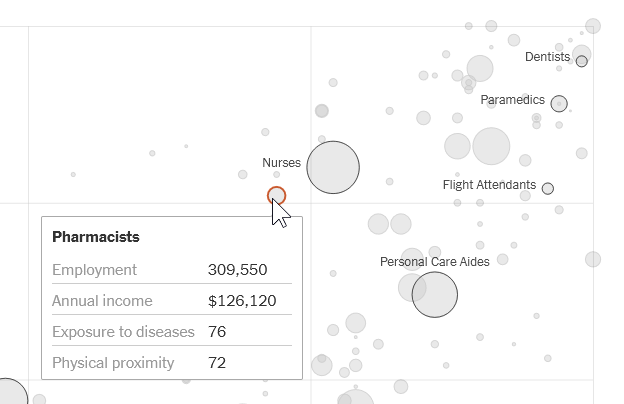
GPhA has developed a set of guidelines for pharmacies and pharmacists in the wake of the coronavirus pandemic — a set of best practices for you and your patients, as well as information from the Board of Pharmacy. Click here to view and download the PDF. For the 10-20% of people with a C. diff. infection who don’t respond to antibiotics — especially if it’s recurring — a new study out of the University of Birmingham found that a fecal microbiota transplant (FMT) has a 78% success rate for curing it. Scientific studies have demonstrated that FMT treatment is better than treatment with special expensive antibiotics for C.diff infections, particularly when the patient’s infection has come back again. It’s a state of emergency in Georgia, and the Board of Pharmacy has an explanation of what that means. The part likely to have the most effect involves providing emergency refills for patients, but there is more. The policy specifically addresses emergency refill dispensing of prescription drugs (excluding controlled substances), temporary recognition of non-resident licensure, and temporary pharmacy facilities. Check out the page, especially the last link, “Covid-19 Statement of Interpretation.pdf.” You’ll also find forms for temporary licensure for pharmacists, techs, and interns. P4 student pharmacists face a dilemma: With everything closing down, “Many of them have been unable to maintain their placement in rotation sites across the state as institutions scramble to take care of their patients,” as UGA College of Pharmacy Dean Kelly Smith explained. If you can help those students, click that link for contact info — they could really use a hand. Patients who had a tooth pulled found they were in more pain after taking opioids. That means that not only were they unnecessary in the first place, but… …roughly half of the opioids prescribed remained unused in both surgical and nonsurgical extractions. This could put patients or their loved ones at risk of future misuse of opioids if leftover pills are not disposed of properly. The FDA has issued its final rule requiring new warnings on cigarette packages, including “photo-realistic color images” that ought to give some folks pause before lighting up. “Andrew,” I hear you say, “Won’t you share some of those images with us even though they will undoubtedly be disturbing to some of your readers?” How about this — here’s a thumbnail you can click to enlarge if you feel the urge … but don’t say we didn’t warn you: If you think these are bad, they’re nothing compared to what the Aussies use on their packages. Rutgers researchers have found that having enough vitamin D increases the chance that someone recovering from a broken hip will be able to walk again. In other words: Take the supplements now just in case. About 41% of Americans are at high risk because of their age or underlying health condition. The optimist says: Only 1.4% mortality. Whew! The pessimist says: That’s 1,400% higher than the flu, which is terrifying. Thanks to a high likelihood of exposure, plus “physical proximity to others,” pharmacists rank pretty high on the Coronavirus risk table compiled by the New York Times. So do pharmacy techs. Could be worse. You could be an oral/maxillofacial surgeon or respiratory therapy tech — they have the highest risk (as do dental hygienists). Want to feel safe? Consider a career as a logger, fine artist, or writer*.Disturbing cigarette warnings, guidance for pharmacies, you should have been a logger, and more
GPhA offers guidelines for pharmacists
Our number two story: C. diff treatment
Emergency refills and more — Georgia BoP issues guidelines
Student pharmacists in limbo
Meanwhile in Opposite World
New cigarette warnings

D is for dbeing able to walk again*
* Worst. Headline. Ever.
Coronavirus updates
Some numbers
States
Risky businesses
* Woo-hoo!
March 17, 2020 ✒ Andrew Kantor
Andrew Kantor, the guy who writes what you’re reading now, will be leaving GPhA — and thus GPhA Buzz — at the end of the month to take on a different set of challenges*. The astounding Liddy Cronan, a P3 student pharmacist at Mercer, will begin to take the reins over the next two weeks before having the yoke placed firmly around her neck**. As he is writing this himself, it would seem oddly self-serving to wish Andrew the best, so we’ll — that is, I’ll — leave it at this: It’s been a pleasure, a privilege, and a heck of a lot of fun to put GPhA Buzz together the last five years. I hope you’ve enjoyed it — bad puns, obscure references, and all. And with that … goodbye, farewell, and amen! On Monday, GPhA sent a letter to Georgia Insurance Commissioner John King, listing the “prudent steps that can be taken to empower pharmacists to continue to provide care to their patients during this healthcare emergency and to be a resource to help Georgians through this difficult time.” Click here to read the letter (PDF). GPhA has also been working with representatives at the Department of Public Health to develop guidelines for pharmacies related to the CoviD-19 virus. We expect to be sending those out to the membership very shortly. Diabetes in kids under 7 is a different animal — well, a different endotype — than what kids over 13 get. (In between it could go either way.) What’s the big difference? The younger kids’ bodies destroy insulin-making cells, while the older kids produce the insulin but don’t process it correctly. That, of course, means they need different treatments. “It might also lead to new treatments, if we can find ways to reactivate dormant insulin-producing cells in the older age group. This would be a significant step towards the holy grail to find a cure for some people.” It’s probably better for your health. Kneeling or squatting — rather than sitting — keeps your muscles active even when you’re moving. “Being a couch potato — or even sitting in an office chair — requires less muscle activity than squatting or kneeling. “Since light levels of muscle activity require fuel, which generally means burning fats, then squatting and kneeling postures may not be as harmful as sitting in chairs.” There’s still time to register for tomorrow’s (Wednesday, March 18, 7:00 to 8:00 pm) webinar: The Pharmacists’ Role in Reducing Prescription Drug Misuse with John Bringuel. If you’re social distancing, it’s a great way to get an hour of CPE while getting the latest info on how you can help … well, like the title says, how you can help reduce drug misuse. Even better, it’s free for GPhA members! Click here to go to GPhA.org/pharmacistsrole for the deets and to register. Overall cancer rates in the U.S. continue to decline — about 1.5% a year (slightly more for men than women). Breast cancer rates for women, though, have been rising since the 1930s, and new research suggests it does not have to do with changing reproductive habits, nor increased screening. (So what is the cause? No clue.) “Switching to keto diet may cause flu-like symptoms.” It’s been known for a while that intermittent fasting seems to have good health effects (even if the details are debated). But why? University of Sydney researchers think they have a piece of the puzzle: It affects the liver’s metabolism of fatty acids. “[W]e showed that HNF4-(alpha) [protein] is inhibited during intermittent fasting. This has downstream consequences, such as lowering the abundance of blood proteins in inflammation or affecting bile synthesis. This helps explain some of the previously known facts about intermittent fasting.” Overweight people with attention issues can be helped by a daily serving of avocado … according to a study funded in part by the Hass Avocado Board (which exists “to help make avocados America’s most popular fruit“.) The state has 99 confirmed cases as of Monday; Live Science has a good overview of everything happening here. (There are eight cases just at Phoebe Putney Memorial Hospital in Albany.) The DPH keep the latest state info here: dph.georgia.gov/covid-19-daily-status-report. (Scary fact: 47% of cases in the state are people 60 and older.) A quarantine facility is being prepared in Forsyth for people who can’t stay at home. Pharmacists: The FDA won’t come after you if you make your own hand sanitizer. It even has a recipe to use. Info: are worried about getting accurate information about what to do. (Whatever you do, listen to health experts, not politicians.) Recovery: People who recover … don’t always fully recover. Many have “reduced lung function.” But their blood could provide a treatment. Tests: More testing kids will start to roll out soon. Thermo Fisher, for example, got an emergency clearance from the FDA and will start producing millions of tests in the next few weeks. Other companies will hopefully follow suit. No, there’s no big Google testing site coming out. Its sister company, Verily, launched a limited pilot site for the San Francisco Bay area. That’s all. It’s essentially a questionnaire that may directed people to get a test. “Verily is developing a tool to help triage individuals for COVID-19 testing. We are in the early stages of development, and planning to roll testing out in the Bay Area, with the hope of expanding more broadly over time.” Microsoft has a tracking site. Purell’s maker, Gojo, is not only running at peak capacity, but had a plan in place for just such an event. Imagine that.Bad time for keto, quarantine in Forsyth, a fond farewell, and more
Bittersweet symphony
* He got a new job.
** Not the best metaphor, I admit.GPhA letter to insurance commish
Two kinds of type 1 diabetes
Kneel before Zod!
Opioid webinar tomorrow night
Interesting cancer notes
Now may not be the best time to try the keto diet
Why does intermittent fasting work?
Holy guacamole
Requisite coronavirus updates
In Georgia
In General
March 14, 2020 ✒ Andrew Kantor
You only have until the ides of March (that’s the 15th) to get the low, early-bird registration rate for the 2020 Georgia Pharmacy Convention. Don’t wait: Go to GPhAconvention.com to register now and grab your hotel room at the Omni Grove Park Inn! This year’s convention features great sessions, top-notch speakers (Miss America!), a gorgeous resort, plenty of family entertainment, and the best networking since… well, since the 2019 convention! Don’t be late and don’t pay more — go to GPhAconvention.com to learn more and register today! Instead of administering chemotherapy drugs separately, researchers have found a way to combine them — cisplatin, phenylbutyrate, and a photodynamic therapy drug — so they can all attack a tumor at once. The idea was that the three drugs in conjunction could travel the bloodstream intact and enter their target tumor cells, which would reduce side effects and the need to adjust the dosages. Good news for mice with Lyme disease: After six years of testing, Stanford researchers have found that azlocillin kills the bacteria that causes it … full stop. “This compound is just amazing. It clears the infection without a lot of side effects. We are hoping to repurpose it as an oral treatment for Lyme disease.” “Georgia doctors say supplies of protective gear are tight” — from Georgia Health News. Still in the lab are glucose-responsive insulins (GRIs) — they circulate in the body until needed, like an internal continuous glucose monitoring system, but way more sci-fi. Problem: So far, the ‘bodies’ they circulate in have only been animals; none have been effective in humans*. MIT’s solution: Ask the computer. Researchers there have developed a mathematical model that they think can predict which molecule(s) will actually work best. The model is essentially a set of equations that describes how glucose and insulin behave in different compartments of the human body, such as blood vessels, muscle, and fatty tissue. This model can predict how a given GRI will affect blood sugar in different parts of the body, based on chemical features such as how tightly it binds to glucose and how rapidly the insulin is activated. Bottom line, up top: If you or a patient are showing symptoms or think they might have been exposed, 1) self-quarantine and 2) call the local ER or urgent care center to see if any CoviD-19 tests are available before venturing out. The reality is that CoviD-19 tests are simply not available for most people in the U.S. There are not millions of tests available. People are being turned away if they don’t meet strict criteria. Fewer than 10,000 Americans have been tested* for the virus. In contrast, South Korea is testing 20,000 people per day. “The idea of anybody getting [testing] easily, the way people in other countries are doing it — we’re not set up for that. I think it should be, but we’re not.” —Dr Anthony Fauci, National Institute of Allergy and Infectious Diseases. The CDC refuses to release state-level figures for the coronavirus. To the rescue: The Atlantic is compiling data from state health departments at covidtracking.com (although not every state is sharing information). “Gut microbiome studies reveal new bacterial links with diabetes” What role does gut bacteria play in diabetes? More than you might imagine, and researchers are just beginning to understand it.Big Lyme treatment (for mice), Georgia legislature suspended, why you probably can’t get a coronavirus test, and more
Coronavirus quickies
Convention early-bird ends Sunday!
Three-pronged approach to attacking cancer
Fully effective treatment for Lyme
You can’t say you’re surprised
Insulin, math, and tomorrow’s diabetes treatment

* Yes, I know humans are animals. Don’t be pedantic.
Reality check: coronavirus testing
No, you probably can’t get tested
* Each person typically gives two samples, so 100 tests may mean only 50 people.
Real virus numbers
The Long Read: “Bacteria and Diabetes” edition
March 13, 2020 ✒ Andrew Kantor
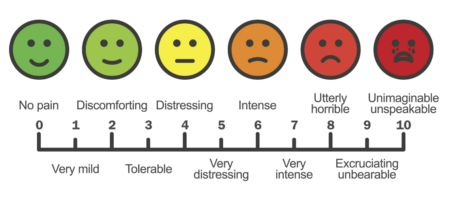
The GPhA Board of Directors has voted Covington pharmacist Mahlon Davidson as the next president-elect of the Georgia Pharmacy Association. Davidson will be sworn in as president-elect in June 2020 and will take the reins as president in June, 2021. “For 34 years, I have had the pleasure of being a member of America’s strongest state pharmacy association,” said Davidson, who lives in Oxford. “This is now my opportunity to give back to the profession and to my fellow pharmacists by serving as an advocate, and an energetic representative of our rapidly changing professional environments.” Said GPhA CEO Bob Coleman, “Mahlon is a perfect choice to continue the line of GPhA volunteer leaders — he’s demonstrated time and again a strong commitment to his community and his patients. I look forward to working with him to improve healthcare choices and quality of life for patients in Georgia.” Click here for the official press release. Adding prochlorperazine to cancer treatments has a cool effect, say Aussie researchers: It alters the surface of the tumor cells to make it ‘stickier’ so anti-cancer drugs (avelumab, cetuximab, trastuzumab) are more effective. “The result is that cancer cells become sitting targets that can no longer escape the immune system. It is almost as if the killer cells become zipped to the tumour cells.” Wait, it gets better: Not only did this combo treatment eliminate all the head and neck tumors in mice, when they re-introduced the same cancer four weeks later, “Amazingly, their cancer was rapidly eliminated — as if the new combination, in addition to being more effective, was also able to teach the immune system how to better recognise cancer cells.” Well, sort of: Apparently not being a nice person seems to offer some protection from dementia — so found Swiss scientists looking for ways “to limit the damage by acting on non-biological factors.” The results are surprising: people who are unpleasant, who are not afraid of conflicts and who show a certain anti-conformity have better protected brains. No longer will “My face hurts” be good enough. And forget about that cute little pain index you’ve probably seen: Nope, at least when it comes to mouth, jaw, and face pain, researchers have come up with a ‘common language‘ to describe it. It’s 93 pages long, from “Pulpal pain attributed to hypersensitivity” to “Constant unilateral facial pain with additional attacks (CUFPA).” Low-dose aspirin might be effective in preventing, or at least reducing, liver cancer. So say a team of researchers from Massachusetts and Sweden. 4.0% of patients who took low-dose aspirin (less than 163mg/day) and 8.3% of nonusers of aspirin developed liver cancer. Aspirin users had a 31% lower relative risk of developing liver cancer. “Everyone over 60 should become a hermit for a month.” — Former FDA commish Scott Gottlieb. “We are deeply concerned both by the alarming levels of spread and severity and by the alarming levels of inaction.” WHO Director General Tedros Adhanom Ghebreyesus. “We are flying blind.” —Illinois Rep. Mike Quigley on the lack of answers about coronavirus testing. Clearly having never read any science-fiction, researchers have now unearthed an entirely new strain of chlamydia bacteria from the depths of the Arctic ocean. And brought it up. And tried to grow more in the lab. They have so far failed because “In the absence of a host organism, the team suspects they might ‘require compounds from other microbes living in the marine sediments’.” In Act II, we assume they’ll go looking for that host organism. Why grandpa should be mean, a new scale for pain, GPhA’s president-elect, and more
Davidson to be 2021-22 GPhA president

Quick facts:
Sticking it to tumors
Nice guys get Alzheimer’s?
Tell us where it hurts
Don’t give up that daily aspirin
Coronavirus quotes…
…and quick notes
Who goes there?
March 12, 2020 ✒ Andrew Kantor
Finally having had enough of anti-vaxxers (and their death threats and fake reviews, and intimidations), physicians are fighting back. [D]octors and other health care providers are beginning to link arms virtually in an organized effort to defend not only each other, but also vaccines themselves, which they see as essential to their mission. Pharmacy technicians of Georgia: Don’t miss out on the big event this May just for you! It’s he first annual TechU conference, networking, education, and golf event. It’s a full day designed by Georgia’s pharmacy techs for Georgia’s pharmacy techs. It’s a great way to get some CE credits, meet your peers, talk about the job, and chill, all for $30 thanks to our amazing sponsors. (It’s $50 for non-members, though.) Check out GPhA.org/techu for all the details and sign up now! Just when you thought it couldn’t get worse for America’s coronavirus response, here comes this doozy: There’s a shortage of the chemicals needed to test for the virus. The growing scarcity of these “RNA extraction” kits is the latest trouble for U.S. labs, which have struggled to implement widespread coronavirus testing in the seven weeks since the country diagnosed its first case. Epidemiologists and public health officials say that the delayed rollout, caused in part by a botched CDC test, has masked the scope of the U.S. outbreak and hobbled efforts to limit it. And yes, we’re way behind the rest of the world and hospitals are starting to be concerned. A potential universal flu vaccine, Flu-v, has passed another trial (its fourth). But not any trial — a “randomized, double-blind, placebo-controlled, single-center phase 2b clinical trial.” It seems to be effective in a general sense — i.e., it ‘promoted antibody responses and immune system changes.’ Next up: Testing to see whether it will actually protects against the various flus. Boston University researchers: “Healthy lifestyle reduces risk of disease, death“. No, there really isn’t much more to the story.Docs fight anti-vaxxers, closer to a universal flu vaccine, the usual CoviD-19 updates, and more
Science on their side
Techs: Don’t miss TechU
CoviD-19 tests in the U.S.: Another speed bump
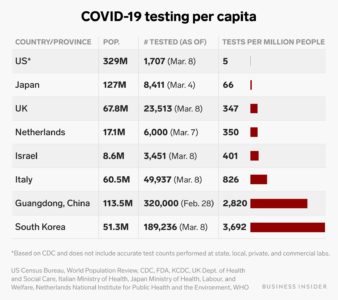
More CoviD-19 notes
Quick and interesting medical news
Big step for flu vaccine
Medical shocker out of Boston
March 11, 2020 ✒ Andrew Kantor
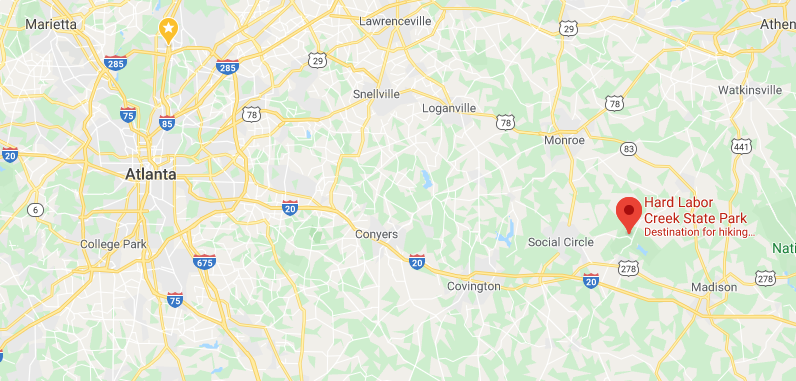
At least 11 people in the state have tested positive for exposure to CoviD-19, and the state is preparing a site at Hard Labor Creek State Park “for the possible isolation and monitoring of patients.” Researchers at the University of Michigan have found a surprising way they say can reduce lung cancer deaths: 1) Screen heavy smokers for cancer; 2) Help them stop smoking. This is your last chance to nominate yourself or someone else to serve on the 2020-21 GPhA Board of Directors. The deadline for applications is 11:59 p.m. EST on March 13, 2020. Visit GPhA.org/2020board for all the details and an application. The idea: Use drugs* to attack neutrophils — a kind of immune cell that makes clogged arteries even worse, and can do all sorts of other collateral damage. There are a lot of them (70% of white blood cells), but while they’re critical to infection control, neutrophils can also cause problems because they don’t really know what “proportionate response” means. The cells in effect “drop atomic bombs” in the body […] Neutrophil elastase and other chemicals they discharge may drive inflammation and damage to the airways in cystic fibrosis and intractable cases of asthma. The trick is to limit the neutrophils without getting rid of them entirely. GenXers and Boomers will remember televangelists Jim and Tammy Faye Bakker*. Four years in prison hasn’t cured Jim of his fraudulent ways — at least according to the FDA, which sent his show a warning for trying to cash in on the coronavirus with a fake “Silver Solution” treatment. British researchers have found a potential way to repair DNA that has accumulated damaging proteins. The breakthrough could lead to cancer treatments and could slow down aging. [T]he research shows that a protein called TEX264, together with other enzymes, is able to recognise and ‘eat’ toxic proteins that can stick to DNA and cause it to become damaged. An accumulation of broken, damaged DNA can cause cellular ageing, cancer, and neurological diseases such as MND. People recovering from alcohol-abuse disorder can be well-served with a dose of gabapentin. So finds a new study out of the Medical University of South Carolina. It seems to be “efficacious in promoting abstinence and reducing drinking in individuals with alcohol use disorder and especially so in those with more alcohol withdrawal symptoms.” So there you go. Caffeine may be a wonder drug, but apparently it has its limits. Despite its reputation, a new study finds that while caffeine does help improve mood and problem-solving ability, it doesn’t do anything for creative thinking. But don’t stop taking it, say the researchers. “200mg [of caffeine] enhanced problem solving significantly, but had no effect on creative thinking. It also didn’t make it worse, so keep drinking your coffee; it won’t interfere with these abilities.” More than 9,000 Americans are likely infected — not just a few hundred. Containment no longer working; “mitigation” is next: Limit travel and contact to slow the spread and buy time for vaccine and treatment development. Still no cure; treatment is oxygen and alleviating symptoms. People are likely contagious early, but not after about 10 days. It will probably last at least into 2021, and most people will get it … and most will have mild symptoms. As always, avoid Twitter and Facebook for accurate information — stick with the experts.Hard Labor for Georgians with CoviD-19, plus Jim Bakker gets scolded, alcohol-abuse treatment, and more
Georgians with coronavirus could go to Hard Labor
A shocking new way to cut lung-cancer deaths
Final call for board nominations
An ‘audacious” treatment for blocked arteries
* Specifically alvelestat
Preying

* He of the federal fraud conviction; she of the staggering amount of makeup
DNA repair toolkit?
Do you have any idea how hard it is to find pharma/medical news that isn’t about the coronavirus?
Better than the dog hair
It’s still wonderful
CoviD-19 update in 32 seconds
More info:
March 10, 2020 ✒ Andrew Kantor
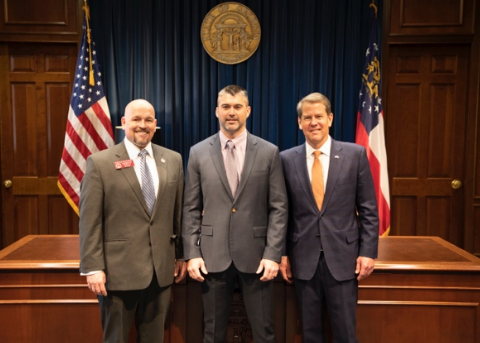
Congrats to the GPhA member and CEO of PharmD on Demand, who was named by Governor Kemp as one of the eight members of the Georgia Board of Pharmacy. Extra: Michael also serves on the board of the Georgia Pharmacy Foundation! Eating less (sorry, “reduced caloric intake) is one way to stay healthier. How can you get kids to do that? Let them bring their technology to the dinner table. So found a nutrition scientist at the University of Illinois. When 119 young adults consumed a meal while playing a simple computer game for 15 minutes, they ate significantly less than when they ate the same meal without distractions. Another target in the War on Superbugs™: Stop them from evolving. Bacteria can become resistant by collecting genetic material that’s shed by existing resistant cells: But bacteria aren’t able to catch wayward bits of DNA without the right equipment; the “bugs” must first enter a state called “competence” to build the machinery required to scoop genetic material from their surroundings. So the new trick: Prevent the bacteria from entering this “competent” stage, thus preventing resistance from spreading. The DEA has launched Operation Prevention — a website chock full of guides for preventing opioid abuse at the workplace. You can, it says, “Become a leader who inspires personal progress and productivity with versatile learning resources that stress the importance of prevention.” …but now I see (more colors). Using a contact lens that uses color-correcting films — just like the existing eyeglasses, but in a contact lens form. What, not science-y enough? How about this, from the inventor: “Our contact lenses use metasurfaces based on nano-metric size gold ellipses to create a customised, compact and durable way to address these deficiencies.” Hospitals in central Texas found a way to reduce the number of opioid prescriptions: a “multipronged program” that consisted of educating surgeons about the opioid epidemic, encouraging them to keep prescriptions to five days, and then cutting the pay of those who didn’t listen after monitoring their opioid prescribing practices. Bonus: Includes the shocking revelation, “Opioid prescriptions have been a known driver of the opioid epidemic.” Virginia has passed a law capping the out-of-pocket price of insulin at $50 a month. (Colorado and Illinois enacted $100 price caps; Washington state is considering a similar bill.) It’s not stopping and not contained: The pandemic continues to spread, and quickly. It’s currently in at least 34 states, and at least 565 people have tested positive (including five in Georgia); 22 Americans have died so far. Eventually “Coronavirus may infect up to 70% of world’s population.” Testing shortage: Despite what you may have heard, no, not everyone who wants a CoviD-19 can get one. There’s a shortage of test kits, some don’t work, and some hospitals are refusing to give them. Insurance issues: Again, despite what you may have heard, no, not every insurance plan does not have to cover coronavirus testing. ACA-compliant individual plans (i.e., those bought through the Obamacare marketplaces) must, but most employer plans aren’t required to. Good news: Most major insurers have said they will cover CoviD-19 testing with no co-pay. Netflix and chill: It’s time to consider “social distancing,” and if you don’t need to travel by air, bus, or cruise ship, just don’t. The good news: The elderly are by far the most at risk (10% to 15% mortality); young and healthy people “have done extremely well in terms of recovery so far.” And in case you’re curious…. The U.S. is lagging the rest of the world in its coronavirus response. Here’s “What went wrong with the coronavirus tests in the U.S.” Punishing surgeons, phones at the dinner table, bringing Darwin to the superbug fight, and more
Shout-out to Michael Azzolin!
Rude, but effective
Stopping the resistance
New opioid resource for work
I once was (color) blind…
Train and punish
Elsewhere: “Old Dominion” edition
Coronavirus update
The Long Read: “Let’s learn from this history” edition
March 07, 2020 ✒ Andrew Kantor
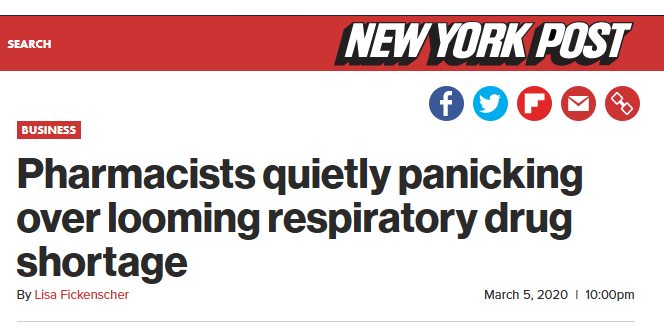
Patients with type 1 diabetes? Chinese researchers found that adding metformin to the treatment not only reduces the amount of insulin they need, but can also reduce weight gain. Although India has stopped exporting 26 pharmaceutical ingredients — it wants to take care of its own needs first — the country’s minister of state for chemicals and fertilizer* said the policy hopefully won’t be in place for the long haul … and also that India realizes it needs to reduce its dependence on ingredients from China. The nightmare is over: No longer will people have to take two pills and keep two bottles. The FDA has approved the first OTC combination of ibuprofen and acetaminophen. “For decades, many consumers have been using ibuprofen and acetaminophen to get the benefits of both active ingredients […] [This] will offer U.S. consumers the first-ever alternative option – a single, fixed-dose combination pain reliever.” It’s cheap, easy to make, “preserves live viruses, bacteria, antibodies, and enzymes,” and doesn’t require refrigeration. And it’s already been tested (a proof of concept, but still). It’s a lightweight film that goes in a patient’s mouth, developed at the University of Texas. If it proves workable, it could be a game-changer for healthcare in poorer areas and those without a stable healthcare infrastructure. The FDA is requiring that montelukast, aka Singulair, now carry a black-box warning — the agency’s strongest. The potential psychiatric effects are dangerous enough that the agency also warned prescribers to “avoid prescribing montelukast for patients with mild symptoms, particularly those with allergic rhinitis.” We can remember it for you wholesale: Tel Aviv University researchers have found a technique to study how memories are processed during sleep — one that may allow for treatment of brain injuries. It involves using a “memory-evoking scent” in one nostril (i.e., affecting only one side of the brain). With this “one-sided” odor delivery, the researchers were able to reactivate and boost specific memories that were stored in a specific brain hemisphere. Just keep sleeping: A five-year study of 2,000 people found that those with “erratic sleep patterns” (it varied two hours or more a night) “were twice as likely to have heart events as those whose sleep varied by fewer than 60 minutes.” Good news for overweight rodents: Aussie researchers have found that a chemical in oranges — nobiletin — not only can help them lose weight, but can also treat the effects, including high cholesterol and atherosclerosis. Fun fact: They don’t know why it works. Their top theory, that it affects the AMP-activated protein kinase pathway, turned out to be a dead end. Chinese scientists studying British patients found that “Habitual Use of Fish Oil Prevents CVD.” Doesn’t this conflict with an earlier study that says fish oil doesn’t help? Yes, sort of. The bottom line is that it seems that fish oils may reduce cardiovascular ‘events,’ but it’s not clear by how much. And… Although eggs are “an oval shaped missile of dietary cholesterol that perpetuate the high cardiovascular disease risk,” a study published in the British Medical Journal found that moderate egg consumption is probably not bad, it’s the entire Western diet that’s the problem. So says the ever-entertaining New York Post*, which reports that “pharmacists are quietly fretting over a looming shortage of vital prescription medications“. (Sure, in the story you’re “fretting,” but in the headline you’re “panicking”.) The OTC med a decade in the making, plus vaccines on plastic, why pharmacists are panicking, and more
A spoonful of metformin helps the insulin go down
India: We’ll eventually ship ingredients again
* Winner, March 2020 “Title of the Month”
You got your Tylenol in my Advil!
You got your Advil in my Tylenol!Nifty new vaccine delivery system
Stronger warning for Singulair
Let’s talk about sleep for a minute
Treatment for fat mice
Heart health: Fish oil maybe, occasional eggs OK
Are you panicking? Apparently you’re panicking
* Known for the greatest headline of all time: “Headless Body in Topless Bar”
Do you want to send your members the daily Buzz email newsletter (customized for your state and organization, perhaps)? Let’s talk — just drop me a note at andrew@gphabuzz.com!

- Doctors Warn of a Deadly Complication From Measles Outbreaks
- Medicare Advantage ‘Dark Money’ Group Attempts To Win Higher Payments for Insurance Companies
- Families Scramble To Pay Five-Figure Bills as Clock Ticks on Promised Preauthorization Reforms
- As Lung Disease Threatens Workers, Lawmakers Seek Protections for Countertop Manufacturers
- Republicans Fret Over RFK Jr.’s Anti-Vaccine Policies While MAHA Moms Stew
- Primary Care Is in Trouble. So Doctors Band Together To Boost Their Market Power.
- January 2025
- December 2024
- November 2024
- October 2024
- September 2024
- August 2024
- July 2024
- June 2024
- May 2024
- April 2024
- March 2024
- February 2024
- January 2024
- December 2023
- November 2023
- October 2023
- September 2023
- August 2023
- July 2023
- June 2023
- May 2023
- April 2023
- March 2023
- February 2023
- January 2023
- December 2022
- November 2022
- October 2022
- September 2022
- August 2022
- July 2022
- June 2022
- May 2022
- April 2022
- March 2022
- February 2022
- January 2022
- December 2021
- November 2021
- October 2021
- September 2021
- August 2021
- July 2021
- June 2021
- May 2021
- April 2021
- March 2021
- February 2021
- January 2021
- December 2020
- November 2020
- October 2020
- August 2020
- July 2020
- March 2020
- February 2020
- January 2020
- December 2019
- November 2019
- October 2019
- September 2019
- August 2019
- July 2019
- June 2019
- May 2019
- April 2019
- March 2019
- February 2019
- January 2019
- December 2018
- November 2018
- October 2018
- April 2017
