
March 06, 2020 ✒ Andrew Kantor
Another one of our priority bills has passed — this time it was SB 313, which would “provide extensive revisions regarding pharmacy benefits managers,” aka reining them in. The PBMs pushed back hard, but thanks in part to everyone who called, e-mailed, faxed, and otherwise reached out to their senators — we’ve had another step on the road to victory! Campbell’s Soup said it’s increasing its soup production in anticipation of the coronavirus’s spread. “[W]e’re using a little bit the analogy of weather or natural disasters. Where do we see demand coming in a greater rate? And we’ve upped that level of production to be able to maximize our inventory to be prepared for whatever unfolds here.” Yep, it’s that time of year — time for GPhA’s 12 spring Region Presidents’ Briefings. What are region meetings? They’re where pharmacy pros and students from each of the states 12 regions meet for an evening of good food at a local eatery*, networking, making friends, and an hour of CPE — all for a mere $10 thanks to our sponsors. Check out the details and sign up for yours at GPhA.org/regions today! The spice is life, and the spice is … curcumin? Apparently if you deliver it via nanoparticles, it can treat both Alzheimer’s and genital herpes. Cold sores vs brain tumors: An engineered herpes virus (combined with gamma secretase inhibitors) can apparently deliver a “one-two punch” that can eliminate brain tumors in mice. The Little Five Points pharmacist became the first of the Georgia Pharmacy Foundation’s Champions for Opioid Safety. He received the designation by completing a series of educational programming aimed at reducing opioid-related overdoses, then demonstrating that he’s applied that knowledge to his pharmacy. “The bottom line is that many people within greater Atlanta know that they can count on Little 5 Points Pharmacy for education about opioid safety as well as how to administer Narcan which we provide at no charge,” Katz said. He estimates he has dispensed more than 1,000 units of naloxone to the local community to help with the crisis. German scientists have made an interesting discovery about how and whether opioids work: The acidity of the area in pain makes a difference. By fine tuning the particular opioid molecule, they can strike a better balance between pain relief and the possibility of addiction. “The more closely the pKa value of the binding molecule matches the acidity level of the inflamed or injured tissue, the more selective is the activation of the opioid receptors at the source of pain and the lower the risk of addiction or side effects.” Have you thought about partnering with a physician to offer your expertise and expand your practice? You should! Our friends at NCPA have a great program coming up. It’s called Enhanced Services Boot Camp and it’s one intensive day: April 16 in Concord, N.C. Learn about reimbursement, smart documentation, strategies for expanding your services, tutorials incorporating care planning, “and much, much more!” Click here to learn and sign up! Ethylenediaminetetraacetic acid. It’s not just a line from the hit song in “Mary Poppins 3: Dark Territory.” When combined with acidified nitrite (into a compound called AB569), it might be a new kind of antibiotic — one that can kill superbugs without harming human cells. The top three priority pathogens include highly drug-resistant Acinetobacter baumannii, Pseudomonas aeruginosa, and Enterobacteriaceae. The AB569 compound has been shown to kill these bacteria, plus a wide variety of others, including the notoriously difficult to treat Methicillin-resistant Staphylococcus aureus or MRSA. Want someone to stop vaping? Don’t say, “You can get sick.” Be specific: “You can get necrotizing pneumonia.” Gum inflammation is linked to diabetes. So why not have dentists — when they’re not busy sharpening those pointy things they use — screen patients for type 2 diabetes? British researchers did just that. And what d’ya know: They “found that using risk assessment tools, questionnaires with patients, and blood testing at the dental surgery could improve health outcomes for people at risk of type 2 diabetes.” For your front-of counter: “Bioré encourages self-love“.Necrotizing pneumonia, curcumin to the rescue, Campbell’s soup, and more
SB313 passes Georgia Senate
Grandma may need to up her game
Region meetings are a-comin’!
* That’s hipster for “restaurant”
Hard-to-believe treatments
Shout-out to Ira Katz!
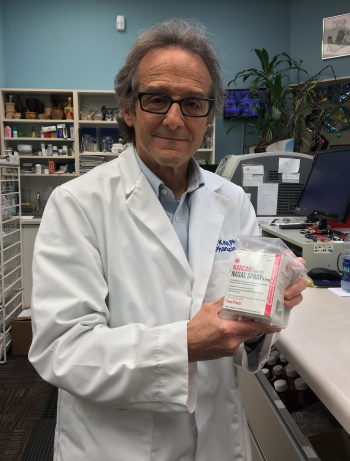
Acid test for opioids
NCPA wants to help you expand
You’ll always sound precocious
All in the name
You’ll find a way to make your natural tendencies pay
I don’t get to use these headlines
March 05, 2020 ✒ Andrew Kantor
Despite last-minute attempts by the opposition to derail them this morning, HB 918, HB 946, and HB 947 all passed the Georgia House — HB 947 and HB 918 unanimously, and HB 946 only one vote shy of unanimous! Thank you to everyone who called, e-mailed, faxed, and otherwise reached out to your representatives. (And hey — when you have a chance, please follow up with your representatives and thank them for their votes.) The deadline for applications is 11:59 p.m. EST on March 13, 2020. Visit GPhA.org/2020board for all the details and an application. Face masks — even the ones that won’t do much good — and hand sanitizer are selling out at Georgia pharmacies as residents freak out over the coronavirus: So reports the Gainesville Times, which interviewed GPhA member and pharmacy owner Scottie Barton. Pro tip: If people have questions you can’t answer, sent them to the WHO site: who.int, which has a detailed and up-to-date section on CoviD-19, including answers, advice, and training info for health professionals. India has stopped exporting 26 pharmaceutical ingredients to ensure the country has enough of them for its own drug needs. It’s the 16th fattest city in the country. (Don’t look too smug, Atlanta — you’re also in the top 100.) Fight that muscle memory! During flu season — and with CoviD-19 on its way — you really need to keep your hands away from your face. Yes, it’s difficult enough that the Washington Post even has a column about it: “Stop touching my face? Why the easiest way to prevent coronavirus is so hard.” A 2015 study found that we touch our face an average of two dozen times an hour, and 44 percent of that touching involves contact with eyes, nose or mouth. If you or someone you know uses a personal electroshock device to “reduce or stop self-injurious or aggressive behavior,” the FDA wants you to stop. It has banned the devices because it says they “present unreasonable and substantial risk of illness or injury.” Could phenelzine (ye olde antidepressant) fight prostate cancer? We wouldn’t ask unless someone thought so. In this case it’s researchers at the USC School of Pharmacy. In this study, 11 of 20 participants had a measurable decline in their PSA levels after 12 weeks of twice-a-day treatment, with the greatest decline in PSA being a 74% drop. Want to stave off dementia? One way might be learning a second language. Researchers in Spain found that bilingual people showed less cognitive impairment overall than monolinguals. [I]n the case of bilinguals, brain atrophy was greater than in the case of monolinguals. […] The researchers have followed the evolution of the [100] patients for seven months, in which they have been able to observe that the group of bilinguals has had a lower loss of brain volume and has better maintained their cognitive abilities. Of special note: China is now recommending the arthritis drug Actemra to treat serious coronavirus patients with lung damage. Don’t touch that, Georgians rush to pharmacies, India closes its pipeline, and more
Critical bills pass the Georgia House
Reminder: GPhA Board nominations are open
Georgians panic (and a member shout-out)
The pipeline slows
Big news for Augusta
The Divinyls are gonna be in trouble
No shock here
Old dog, new trick
Denne overskrift er på dansk
Obligatory CoviD-19 updates
March 03, 2020 ✒ Andrew Kantor
Yes, in case you missed it, CoviD-19 has been confirmed in Fulton County. Now’s a good time to brush up on “Surfaces? Sneezes? Sex? How the Coronavirus Can and Cannot Spread.” And if you wonder how much to worry, Stat News has a breakdown: “Who is getting sick, and how sick?” “Can You Drink Hand Sanitizer or Get Drunk on It?” (Spoiler: Yes, you can drink it*. No, you really don’t want to.) The Stat News column is “Pharmacists, patients are stuck in the middle of a profit-before-all-else pharmacy racket.” The gist is this: Intense financial pressure combined with the volume-based reimbursement that drive the constant push for more pills are compromising patient care and pharmacist well-being. Sure, there are comments to be made about late-stage capitalism, the pendulum eventually swinging, and so on. But we’d like to hear from you. Tell us your concerns — or tell us how you think this is an exaggeration. You’re on the front lines, after all. Click here to go to the GPhA page with more details, plus an anonymous form you can use. Or you can send an e-mail to membership@gpha.org. (We will never share your name.) Let us know! As legalization spreads, so too will more information emerge about the effects of marijuana. Here’s one case study that appears in what may be the most prominent peer-reviewed publication: the Journal of Cannabis Research. This case report examines the first known case of cannabis-associated priapism in a patient where all other known causes of priapism have been excluded. While cannabis use has already been noted in educational sources and textbooks as a potential cause of priapism, an electronic literature review was only able to identify four distinct cases of cannabis use coinciding with priapism, none of which were convincingly able to prove cannabis was the sole cause. It feels like you just got finished upgrading to chip-card readers — now guess what: You’ll probably have to get new barcode scanners in the next couple of years, as 2-D barcodes replace the venerable UPC. Kids (i.e., teens and young adults) are waiting longer before they start using drugs. Not a lot longer, but it’s definitely noticeable. [T]he study showed that the average age at which young people first consumed alcohol or smoked cigarettes rose from 16 in 2004 to 17 in 2017. Those who reported using heroin or cocaine for the first time had an average age of just over 17 in 2004, which had risen to about 18 for heroin and close to 19 for cocaine by 2017. No, antioxidants don’t improve male fertility: NIH study. Drug Channels has released its annual “Economic Report on U.S. Pharmacies and Pharmacy Benefit Managers,” including the list of the largest pharmacies in the country. Topping the list are the usual suspects: CVS Health, Walgreens, Cigna, UnitedHealth, Walmart, Kroger, and Rite Aid. Of note: “Why public health officials sound more worried about the coronavirus than the seasonal flu” CoviD-19 in Fulton, don’t drink the Purell, keeping up with marijuana research, and more
The virus went down to Georgia
You know someone had to ask
* As the saying goes, “All mushrooms are edible, but some are only edible once.”

Financial pressure is pushing pharmacists
Marijuana side effects
From Lineland to Flatland

Delayed gratification
The more you know
Largest pharmacies: no surprises
The Long Read: “Why the hubbub” edition
March 02, 2020 ✒ Andrew Kantor
Using extended-release versions of drugs — as opposed to taking a pill two or three times a day — costs Medicaid and Medicare billions. In 2017, Medicare Part D spent $2.2 billion and Medicaid spent $952 million on extended-release versions of those drugs. The researchers estimate that swapping twice-daily versions for all extended-release formulations that year would have saved Medicare and Medicaid a total of $2.6 billion. Two big caveats: 1) There are some short-acting drugs like metformin that can cause stomach upset, and 2) The study doesn’t consider the added cost for treating patients who miss dosages because of the scheduling. The Partnership for Safe Medicines, which represents drug manufacturers, U.S. pharmacies, and healthcare organizations, wants your help to stop the FDA’s plan to allow drugs to be imported from Canada. It’s working with APhA, the National Alliance of State Pharmacy Associations, and PhRMA, to help spread the word. The FDA comment period ends in a week — on March 9. Now is the time to make your voice heard about imported medication. How sick you say you are isn’t just about your illness — it might also be about your culture. So say University of Texas researchers. Specifically, study participants who (1) earned less than the U.S. median household income, (2) claimed to be stoics with a high tolerance for pain or (3) had symptoms of depression were more likely to express being sick. In men with stronger family bonds, feeling sick was also more likely to be reported. But it’s not just fodder for jokes. It can also impact whether someone is more willing to go to work sick, or to allow the illness to get much worse before seeking medical attention. We all know that something labeled “artisanal” — food, coffee, daily newsletters — must be better. But in a shocking twist, researchers at Children’s National Hospital found that pharmaceutical-grade CBD works better than artisanal CBD for treating seizures. The Georgia Access to Medical Cannabis Commission has met again, this time in Austell. The commission’s job is to award up to six licenses to grow marijuana and produce low-THC oil in the state. The major topic of the latest meeting: How to avoid lawsuits once those licenses are awarded. Georgia’s 15,000+ medical cannabis oil patients are allowed to possess the low-THC oil, but there is no legal way for them to acquire it. A law signed last year by Governor Kemp established the commission to find a way to produce the oil in state. Why design proteins and other molecules in the lab when you can just do it on a computer? That’s what Dartmouth researchers wondered, so they created a new 3-D modeling technique for designing and testing new drug molecules. What makes this different than other models is that, rather than try to work on the atomic level, the team found “a small number of structural patterns frequently recurred in proteins” — so they used those as their building blocks. This basic discovery led the team to hypothesize that rather than modeling proteins as complex networks of interacting atoms, they can instead represent them much more simply as groupings of a limited set of structural building blocks. Georgia remains one of the states with high flu activity, but the number of reported cases has been going down. State and local health officials have been hamstrung in their ability to test widely for the coronavirus. Until very recently, the C.D.C. had insisted that only its test could be used, and only on patients who met specific criteria — those who had traveled to China within 14 days of developing symptoms or had contact with a known coronavirus case. Avoiding “artisanal” CBD, flu down, CoviD-19 up, and more
The price of convenience
Drug importation: One week left to comment to the FDA
The man cold: It’s cultural
But the packaging is prettier
Another small step toward cannabis oil in Georgia
Lego proteins
Flu season begins to end
CoviD-19 update
February 29, 2020 ✒ Andrew Kantor
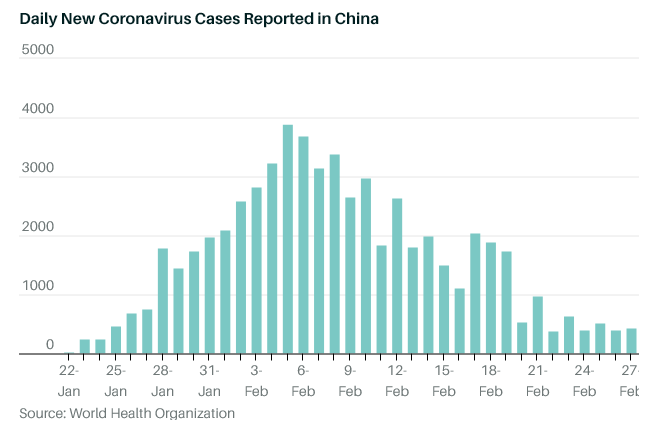
Correction: In yesterday’s Buzz, we erroneously referred to Pepsi’s color-free product as “Pepsi Clear.” It was in fact “Crystal Pepsi.” The joke still stands, but we regret the error. The 2020 spring allergy season is gonna be a doozy. “Brutal” is the word for the eastern part of the country. AccuWeather meteorologists say Americans who live in the eastern United States may want to stock up on tissues. It’s going to be a long and severe season this spring as predicted above-normal rainfall and near-average temperatures mean much of the region will be ripe for tree, weed and grass pollen production. A story in the New York Times, and a recent study by two GPhA members, found that pharmacist burnout and stress is putting patients at risk. The GPhA Board of Directors asked for your perspective, and wants to hear from you on this important issue. Click here to read the details, and to use an anonymous form to tell us your perspective. The FDA has approved Vyepti — the first migraine preventative drug. It’s an IV med that needs to be taken monthly, and human trials found it worked immediately and can last up to three months. Did you wake up this morning and think, “Gosh, I wonder what are the most prescribed meds for type 2 diabetes”? Empagliflozin and dulaglutide. You’re welcome. Wonder why? Medscape’s got you covered. Each year, APhA challenges student pharmacists to get involved in advocacy through the Back the PAC Campaign. APhA-ASP chapters are challenged to fundraise money for the APhA PAC. Mercer, PCOM, and UGA have been working hard to fundraise for this campaign. At the APhA Annual Meeting, the school that fundraises the most overall will be awarded a $500 gift card for their APhA chapter, while schools in each division that fundraise the most for their division will be awarded a $100 gift card. If you’re an APhA member interested in helping these schools reach their goals by contributing to the APhA PAC, you can click here to make a donation. Be sure to credit a school with your donation so it gets credit and is added to their total for the Back the PAC Campaign! If you said, “By using nanoparticles containing gliadin,” you might be on the right track. It’s actually gliadin — part of the gluten found in wheat — that celiac patients can’t tolerate. Researchers at the University of Helsinki injected celiac mice with nanoparticles that contained gliadin, and found that their bodies didn’t reject it the way they would gluten from food. These findings support the concept that it may be possible to “reprogram” the immune system in celiac patients, and to instruct T lymphocytes to tolerate gluten again. Sprouts. Clover sprouts from Jimmy John’s. The virus continues to spread, and often with infectious people not showing symptoms. The CDC lost weeks it could have been tracking the virus because it wanted to make its own test, rather than use the WHO’s. And when the CDC’s test came out, it didn’t work properly. U.S. officials are giving mixed and confusing messages about the severity of the virus and the likelihood of spread. Sometimes they’re simply withholding information: The FDA reported the first drug shortage … but won’t say what the drug is. The mortality rate of the virus is still low — and those numbers include deaths from before Chinese health officials were even sure what they were dealing with. Protection is simple: handwashing and Purell. Reported cases in China have dropped — and continue to do so. The sleeping giant could wake: The U.S. might invoke the Defense Production Act “to rapidly expand domestic manufacturing of protective masks and clothing to combat the coronavirus in the United States.” Perspective: The flu has infected as many as 45 million Americans and killed up to 46,000 this season — and does that every year.Brutal allergy season coming, another E.coli outbreak, we’re probably not all doomed, and more
Spring is coming
Reminder: The GPhA Board is listening and wants to hear from you
Migraines: 100mg of prevention
Hot diabetes treatments
Back the PAC — and be true to your school
How would you cure celiac disease?
The latest E.coli outbreak
CoviD-19: Bad news, good news
Bad news
Good news
February 28, 2020 ✒ Andrew Kantor
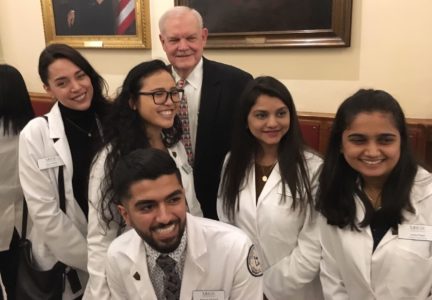
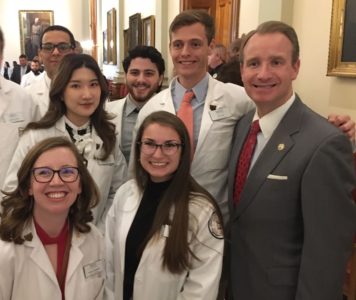
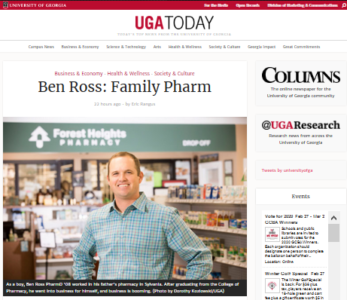
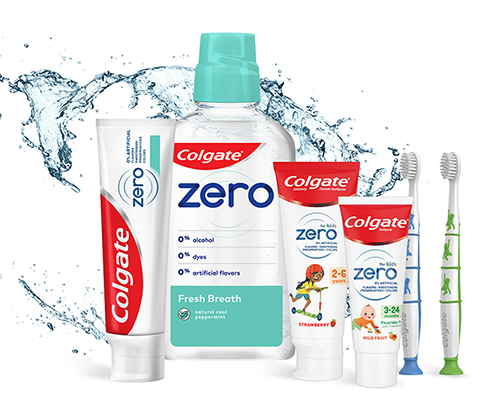
Check out these pics of student pharmacists from Mercer and South universities on their lobbying visit to the state capitol. More than 200 students from the two schools got a behind-the-scenes look from GPhA’s advocacy team before setting out to meet with legislators about the critical bills coming up in this year’s session. Big kudos to GPhA member and pharmacy owner Ben Ross, whose story was featured in the latest UGA Today. At Ben Ross’s pharmacies, management remains local, and he is dedicated to his adopted hometown. The roots he planted in Statesboro back in 2008 have grown pretty deep, and he understands the needs of the community. “When you own an independent pharmacy, it’s so much more than a business,” he says. “Your customers are your family. You want to make sure they are taken care of.” Two similar bills have been introduced in the Georgia legislature that would cap the cost of insulin. One is from Sen. Burt Jones (R-Jackson) would cap the price of a vial of insulin at $150 and require financial reports from drug makers. The other, introduced by Sen. Jen Jordan (D-Atlanta), would cap insulin prices at $100 per vial and wouldn’t have the reporting requirements. Tired of news about the CoviD-19 outbreak? Here’s something else to think about: “Hepatitis A cases continue to spread in north Georgia.” Good news for mice with eczema: Washington University researchers have found a way to use drugs to kick-start the immune system (specifically “natural killer” cells) to fight it. Worrying about talcum powder is bad enough — now it seems that printer toner might cause genetic changes and a risk to health. [A] single day of toner-particle exposure was enough to disturb the activity of genes associated with metabolism, immune response and other essential biological processes in the rat models. Overall–taking into account all 21 days of exposure and testing–the researchers observed genomic changes linked to cardiovascular, neurological and metabolic disorders. First community case: The U.S. likely has its first case of community-spread coronavirus — i.e., in someone who didn’t travel overseas. CDC is working to confirm it. Georgia health authorities say they’re prepared for when the virus comes here. The DPH explains what it’s doing … and what you can do. There are issues. Georgia Health News reports, “State challenges in tackling COVID-19 include testing, funding“. Containment worked for a while, but… now it’s time to think ahead. Yes, it’s coming. Listen to health authorities, not politicians or Facebook: The CDC says it’s likely to spready throughout the country happen: “[I]t’s important to note that current global circumstances suggest it is likely that this virus will cause a pandemic.” Silent but sickening: “Even asymptomatic people who are infected may be able to spread the virus.” A vaccine for the virus will likely take a year or more to be available, although a small biotech company in Cambridge, Mass., Moderna Therapeutics, says it will begin testing its vaccine candidate in April. A treatment for CoviD-19, remdesivir, is also being tested. “People with Parkinson’s who participated in a pingpong exercise program once a week for six months showed improvement in their Parkinson’s symptoms, according to a preliminary study.” Colgate has introduced “Colgate Zero” toothpaste, which it says has no artificial ingredients. We look forward to the company merging that with its existing line to create “Colgate Absolute Zero.”Is toner dangerous? Plus pingpong and Parkinson’s, Georgia preps for CoviD-19, and more
Mercer and South at the Gold Dome


Member shout-out

Georgia considers insulin price caps
Hep A spreads
An eczema breakthrough
Et tu, toner?

CoviD-19 news
Pingpong positive for Parkinson’s patients
Anyone remember “Pepsi Clear”?
February 27, 2020 ✒ Andrew Kantor
Washington University School of Medicine researchers have cured diabetes in mice — for at least nine months. They converted human stem cells into insulin-producing cells and injected them into the mice. “These mice had very severe diabetes with blood sugar readings of more than 500 milligrams per deciliter of blood — levels that could be fatal for a person — and when we gave the mice the insulin-secreting cells, within two weeks their blood glucose levels had returned to normal and stayed that way for many months.” Next step: Testing the treatment on other animals over longer periods of time. Concerned about the supply of drug components from China, Sanofi said it’s going to launch a new company, based in France, to manufacture and supply ingredients to drug makers. Much of this “new” company will include existing Sanofi-owned ingredient makers. While inventing and developing new drugs is a lucrative, high-margin business, manufacturing the chemical components of those medicines can be a commodities market, where prices can swing and shortages can occur. Speaking of drug shortages, the FDA says it has identified 20 drugs in danger of shortage — their ingredients come only from China. It hasn’t released what those drugs are, but rest assured, citizen, the agency is working with manufacturers and everything is under control. (By the way, sources inside the FDA said the list is actually 150 drugs.) Generic-drug maker Mallinckrodt Pharmaceuticals has agreed (tentatively) to file for bankruptcy and pay $1.6 billion for its role in the opioid epidemic. Some other companies in the Big Opioid Lawsuit — Purdue Pharma, Johnson & Johnson, and McKesson — have made settlement offers but those “have yet to be accepted by an overwhelming majority of plaintiffs.” It doesn’t all come from the liver. Some important bile acids, it’s just been discovered, “are not produced by our enzymes; they’re made by microbes in our gut.” Yep, that gut microbiome at it again. [Researchers] showed that microbes in the gut, members of the microbiome, produce unique bile acids by conjugating the cholesterol backbone with myriad other amino acids. When it comes to medication, if you give a drug a different name and say it’s for a different condition, you can charge 800% more for it. Supprelin LA was approved by the Food and Drug Administration in 2007 for central precocious puberty and has a list price of $37,300. Vantas was approved by the FDA in 2004 for late-stage prostate cancer and has a list price of $4,400. Both of these implants contain 50 milligrams of histrelin acetate, and both are made by the same company. Georgia is among 39 states that have announced they are jointly investigating the company. (That’s Attorney General Chris Carr’s release. The news story is here.) The 39-state coalition is investigating JUUL’s marketing and sales practices, including targeting of youth, claims regarding nicotine content and statements regarding risks, safety and effectiveness as a smoking cessation device. Juul is reportedly going to ask the FDA for approval of a “locked” vaping pen that would only allow people 21 or over to use it*. The CDC just released the latest number of U.S. cases of EVALI — the lung disease caused by vaping: 2,807 hospitalized and 68 deaths, including six in Georgia. (Georgia, in fact, leads the nation in vaping-disease deaths.) Could pulmonary arterial hypertension be caused by … gut bacteria? Maybe so. If you have PAH, there’s an 83 percent chance you’ll have a particular combination of bacteria in your gut. Given that PAH affects the lungs, this is a finding that’s gonna need a bit more research. The gut has a microbiome. The skin has a microbiome. And so, apparently, does the reproductive system. And from bedbugs to ants to birds to primates, that reproductive biome seems to have a significant effect on courtship, mating, and even protecting infants. The results suggested that bacteria, reproduction, and mate selection may be working hand-in-hand. In humans, a similar relationship appears to play out, too — E. Coli bacteria, which can be harmful to human health, has been shown to damage sperm’s mobility and quality. Mouse diabetes cured, drug-shortage worries, bad times for Juul, and more
Interesting diabetes breakthrough
Fine, we’ll do it ourselves
Drug shortages on the mind
Another opioid settlement
Forget what you know about bile
What’s in a name? (A lot)
Juul news
* Estimated time before a workaround is spread on Reddit: 32.4 seconds
Gut bacteria, lung damage
The Long Read: “Yet Another Microbiome” edition
February 26, 2020 ✒ Andrew Kantor
Apparently 40 percent (!) of people who’ve been diagnosed with type-2 diabetes simply refuse to take insulin when directed to by their physicians. Why? The study authors aren’t sure, but it’s likely a combination of the cost, a perceived stigma of taking it, or an unfounded fear of making the condition worse. You can now reserve your room at the Omni Grove Park in for the 2020 Georgia Pharmacy Convention! Convention registration opens March 1, but we’ve opened the room block early. Grab yours now before it fills — and before room block reservations end! And don’t forget to submit your nominations for the 2020-21 GPhA Board of Directors! Reported cases seem to be slowing down, meaning the season could have peaked. But the CDC is still concerned about the more dangerous A strain that seems to be spreading now. Researchers at the University of Pennsylvania are growing a bone-healing protein … in lettuce plants. The big potential market: diabetes patients. “The current drug for diabetic patients with a fracture requires repetitive injections and hospital visits and as a result patient compliance is low. Here we gave an oral drug once a day and saw healing to be greatly accelerated.” The protein, in case you were wondering, is insulin-like growth factor-1 (IGF-1). Yale researchers found that people who try mindfulness once, even briefly, feel less pain. The effect of mindfulness was so pronounced, they found, that even when participants were subjected to high heat on their forearm, their brain responded as if it was experiencing normal temperature. It seems that having one complete series of the tetanus and diphtheria vaccines is all you need — booster shots as adults are unnecessary. Oregon Health & Science University apparently confirmed what the World Health Organization has been saying. A woman in Britain had yeast in her bladder, causing her to literally urinate alcohol — it’s called “urinary auto-brewery syndrome” and is related to a similar condition involving yeast in the gut. The downside: It delayed her getting a liver transplant because doctors thought she was drinking. Don’t model it in isolation, because most diseases don’t spread alone. Instead, realize that chaos theory takes effect, and “microscopic changes in the transmission rate trigger macroscopic jumps in the expected epidemic size.” A better model: Look at the way memes and slang spread — aka “contagious social behaviors.” Like multiple friends reinforcing a social behavior, the presence of multiple diseases makes an infection more contagious than it would be on its own. Biological diseases can reinforce each other through symptoms, as in the case of a sneezing virus that helps to spread a second infection like pneumonia. Or, one disease can weaken the host’s immune system, making the population more susceptible to a second, third, or additional contagion. What’s likely to happen in the long run with the Wuhan coronavirus? Two mostly likely outcomes: The CDC just said that “the spread of coronavirus in the United States appears inevitable.”Bone healing from lettuce, thinking away pain, the meme of diseases, and more
Diabetics refusing treatment
Convention room block open!
Flu update in 37 words
Growing proteins
Pain: Let it be
With tetanus vaccine, once is enough
There are plenty of jokes to be made, but this is a pretty cool medical story
A better way to track the spread of a disease
The Long Read: “CoviD-19 Endgame” edition
February 25, 2020 ✒ Andrew Kantor
It’s official: The US Supreme Court oral arguments for Rutledge (Arkansas) vs PCMA (PBMs) will be heard before the U.S. Supreme Court on Monday, April 27, at 11:00 a.m. In case you missed our e-mails, Buzz messages, and fundraising and wonder why this case is so important, check out “The battle over state laws and ERISA” on GPhA.org. (In short, the question before the court is whether the federal retirement-plan law, ERISA, preempts state laws regulating PBMs. The PBMs say it does, but many states, including Georgia, maintain that the states have the right to their own regulations as well.) The decision will have huge, far-reaching implications across every pharmacy practice, so we are watching it intently. Georgia has one of the country’s highest rates of STDs in seniors (and we mean senior citizens, not high school seniors). In fact, it’s ranked 6th highest among the 50 states plus D.C. Georgian Ashley Hannings of Athens is running for the position of APhA immunizing pharmacists SIG coordinator — one of the APhA–APPM special interest groups up for election this year. Dr. Hannings serves as the coordinator for the [UGA College of Pharmacy’s] immunization program, which includes APhA’s Pharmacy Based Immunization Delivery Certificate Program, two immunization patient simulations, and the mobile flu vaccine clinic program. Read her full bio and details of the other positions up for election at pharmacist.com. Why are men more susceptible to CoviD-19 than women? A British study found that macrolides taken in the first trimester of pregnancy significantly increased the risk of … …major malformations such as heart and genital defects, as well as four neurodevelopmental disorders (cerebral palsy, epilepsy, ADHD, and autism spectrum disorder) in children. When it comes to circadian rhythms, we know that the timing and amount of light is important. But now University of Washington researchers have figured out that the color is important, too. What color? Turns out the receptor involved “respond[s] strongly to long wavelength oranges and yellows and contrasting light – the colors at sunrise and sunset.” This could be big news for people with seasonal affective disorder — instead of using ultra-bright “daylight” bulbs, the trick could be as simple as having the right shade. In the U.S. this season, per the CDC (as of February 15): 29 million illnesses, 280,000 hospitalizations, and 14,000 deaths. When humans made the switch from hunting and gathering to farming, it meant that towns and cities could arise … and so could diseases, what with everyone so close to one another. Now, looking at thousands of sets of ancient (6,500-year-old) human remains, researchers have proven that salmonella, at least, is a result of the switch to farming and animal domestication; that “enabled more constant and recurrent exposure to pathogens and thus the emergence of new diseases.” A compound in rattlesnake venom, the neurotoxin crotoxin, has been shown to have both anti-inflammatory and analgesic properties. Now, for the first time, researchers think they have a way to mitigate the danger of crotoxin while still administering it for pain: Mix it with silica. Light color matters, seniors with STDs, Arkansas case gets a SCOTUS date, and more
SCOTUS schedules Arkansas PBM case
Maybe they need a little reminding

UGA’s Hannings running for APhA post

Saved you a click
Pregnant? Macrolides bad, penicillin good
Beyond just daylight
Latest flu numbers
Blame the farmers
Whatever doesn’t kill you…
February 22, 2020 ✒ Andrew Kantor
Maybe. A bill in the legislature would “levy a 7% excise tax on sales in Georgia of vaping products like e-cigarettes, refillable cartridges, vape pens, and electronic hookahs.” It’s got wide support from health advocates. Shout-out to Amy Miller, GPhA board member and owner of Lula Pharmacy in Lula, who visited with UGA College of Pharmacy students during ASP’s Org Hour. She spoke about GPhA and on being an independent pharmacy owner. Click to embiggenificate: (l to r) Lee Snelling, UGA senior director of development & alumni relations; Blake Terrell, APhA-ASP; Amy Miller;, Laird Miller, executive director of CPESN Ga; Kristine Nguyen, APhA-ASP; Kim Hamby, UGA director of alumni affairs. Americans with Alzheimer’s, Parkinson’s, and other neurological diseases often skip their medication because of the cost — even those with private insurance. “Even changes as small as $50 a month can make a difference,” said coauthor Dr. Brian Callaghan, a staff physician at the Michigan Veterans Affairs Healthcare System. And as out-of-pocket costs increase, fewer and fewer people stick with their prescribed treatments, he added. In fact, a $50 monthly out-of-pocket increase translated to a 12% lower rate of prescriptions being filled for Alzheimer’s drugs. This year’s vaccine seems to be about 45% effective, according to the CDC. That’s about on par with other years. Male rats who use marijuana are likely to have babies with “distinct abnormalities in areas of the brain that help govern learning, memory, reward, and mood.” That’s right — it seems that “changes in the father’s sperm impact how the offspring’s brains develop in the womb,” and marijuana exposure means some neurological pathways don’t form properly. [T]he brain anomalies of the offspring closely resembled changes that evident in human babies exposed to known neurotoxins such as pesticides and tobacco smoke as fetuses. A combination of two drugs — a CXCR4 antagonist and a beta-3 adrenergic agonist — seems to help the body heal bone damage more quickly by causing the marrow to release more stem cells. It might even be useful for healing spinal fractures. “[W]hen the damage is severe, there are limits to what the body can do of its own accord. We hope that by using these existing medications to mobilise stem cells […] we could potentially call up extra numbers of these stem cells, in order to boost our bodies own ability to mend itself and accelerate the repair process.” Standard disclaimer: It’s an early-stage study. On rats. Why do the grunt work of sifting through thousands of chemicals for a new drug molecule when you can have a computer do it for you? That’s what MIT researchers did. Step one: Show the computer what molecules and drugs kill E. coli. Step two: Give it a library of 6,000 compounds to sift through. Step three: Publish the fact that you discovered an entirely new type of antibiotic. Step four: Profit. German researchers have found a way to make long-term dosing of meds more accurate: a mixture of oil droplets and hydrogel. The problem it solves: Even time-release meds aren’t that precise, especially over the long term. “We found that the droplets continuously release the drug while they get smaller and smaller. The consequence is that over the entire release period, the drug release rate remains constant.” The Mediterranean diet might help you live longer, but it’s not the resveratrol in the red wine — it’s the olive oil. But (and it’s a biggie), you need to eat less and exercise more for the fats in the olive oil to work their magic.Possible vaping tax; why dad shouldn’t smoke; red wine, schmed wine; and more
Could Georgia tax vaping?
Amy at UGA

Even Americans with insurance skip meds over cost
Flu fact
Dad’s doobie does damage
Step on a crack, mom might need these two drugs
AI finds a new antibiotic
A better time release
It was the olive oil all along
Do you want to send your members the daily Buzz email newsletter (customized for your state and organization, perhaps)? Let’s talk — just drop me a note at andrew@gphabuzz.com!


- Doctors Warn of a Deadly Complication From Measles Outbreaks
- Medicare Advantage ‘Dark Money’ Group Attempts To Win Higher Payments for Insurance Companies
- Families Scramble To Pay Five-Figure Bills as Clock Ticks on Promised Preauthorization Reforms
- As Lung Disease Threatens Workers, Lawmakers Seek Protections for Countertop Manufacturers
- Republicans Fret Over RFK Jr.’s Anti-Vaccine Policies While MAHA Moms Stew
- Primary Care Is in Trouble. So Doctors Band Together To Boost Their Market Power.
- January 2025
- December 2024
- November 2024
- October 2024
- September 2024
- August 2024
- July 2024
- June 2024
- May 2024
- April 2024
- March 2024
- February 2024
- January 2024
- December 2023
- November 2023
- October 2023
- September 2023
- August 2023
- July 2023
- June 2023
- May 2023
- April 2023
- March 2023
- February 2023
- January 2023
- December 2022
- November 2022
- October 2022
- September 2022
- August 2022
- July 2022
- June 2022
- May 2022
- April 2022
- March 2022
- February 2022
- January 2022
- December 2021
- November 2021
- October 2021
- September 2021
- August 2021
- July 2021
- June 2021
- May 2021
- April 2021
- March 2021
- February 2021
- January 2021
- December 2020
- November 2020
- October 2020
- August 2020
- July 2020
- March 2020
- February 2020
- January 2020
- December 2019
- November 2019
- October 2019
- September 2019
- August 2019
- July 2019
- June 2019
- May 2019
- April 2019
- March 2019
- February 2019
- January 2019
- December 2018
- November 2018
- October 2018
- April 2017
