
July 25, 2019 ✒ Andrew Kantor
A team from the UGA College of Pharmacy is one of three finalists in NCPA’s business-plan competition*! The team’s proposal was for a new kind of independent pharmacy that would offer patients diabetes education classes, nutrition consulting, and fitness classes — in addition to the typical pharmacy services. So give a cheer for the UGA team: Lauren Brewer, Garrett Faucette, Courtney Gibson, and Makayla Winters (all starting their third year this fall). They’ll be presenting their plan in front of a panel of judges (and a live audience!) at the NCPA Annual Convention in October in San Diego. Not only is their health at risk, but a new Scottish study of 766,047 kids finds that “Children with type 1 diabetes fare worse than their peers in respect of education and health outcomes.” There’s a problem with PCSK9 inhibitors: Insurers often reject paying for them, and patients can’t afford them. Even with insurance, high co-pays often put them out of financial reach. And, because those drugs are often prescribed for people with highest LDL cholesterol, not taking them puts those patients at substantial risk — so concludes a study in the journal Circulation: Cardiovascular Quality and Outcomes. Wearable devices that track heartbeat do that with light — visible green light (as opposed to the infrared light used in hospital devices). Problem: “Skin with more melanin blocks green light, making it harder to get an accurate reading. The darker your skin is, the harder it gets.” We know that multiple sclerosis is caused by wayward immune cells causing brain damage*. But it’s hard to target those rogue cells with medication. Now there’s a potential breakthrough. In between skiing, sharpshooting, and making really cool knives**, researchers at the University of Zurich’s Institute of Experimental Immunology appear to have found a “fingerprint” of the particular immune cells that cause MS. These dysregulated T helper cells produce a neuroinflammatory cytokine called GM-CSF and high levels of the chemokine receptor CXCR4 and the membrane protein VLA4. Translation: These cells secret a version of cytokine that causes inflammation, and the surface of those cells have particular molecules gives them access to the central nervous system. So now, knowing what to look for could lead to better targeted treatment. HHS is offering a free webinar, “Syringe Service Programs — A Critical Public Health Intervention,” on Tuesday, July 30, from 2:00 to 3:00 p.m. This webinar will allow you to engage with HHS leadership around syringe services programs (SSPs), which are an important community-based prevention program that can save lives, combat the nation’s opioid crisis, reduce the transmission of HIV and Hepatitis C and support individuals in accessing SUD/OUD treatment services. Click the link above for more info and to register. Sorry, no CPE credits, but it’s still an interesting and important topic.Bright lights and dark skin, PharmDawgs in the finals, diabetes and education, and more
Go PharmaDAWGS!
* Officially the “Good Neighbor Pharmacy NCPA Pruitt-Schutte Student Business Plan Competition”
Another reason to help diabetic kids
Pay a high price if you can’t pay a high price
Light and dark
Science + big data = MS breakthrough
* Yes, this is incredibly oversimplified.
** And chocolateHHS webinar on syringe service programs
July 24, 2019 ✒ Andrew Kantor
The American College of Physicians finds that people — a lot of people — save their antibiotics (or get them from friends and family) and end up taking them without a prescription. They’re calling it a “prevalent public health problem.” (More on the story from Reuters, if you like.) DNA-testing service 23andMe reports that the IRS will allow the company’s health-related information to be paid for through a flexible-spending or health savings account. These are now “qualified medical care expenses.” (Note that this kind of report is separate from the company’s ancestry reports.) And also note yesterday’s story about British physicians warning about relying too much on those tests…. As promised, senators Chuck Grassley and Ron Wyden unveiled a bipartisan plan for lowering Medicare costs — a plan that includes some big changes for Part D, including removing the “doughnut hole” and setting co-pays at 25 percent of drug costs, with an out-of-pocket cap of about $3,100 in the first year (then indexed to inflation). Here’s a biggie from the bill that appears to index to inflation what Medicare will pay for drugs: This provision would require prescription drug and biological manufacturers to pay a rebate to Medicare for the amount that their Medicare Part B drugs or biologicals increased above the inflation rate, as measured by the Consumer Price Index for All Urban Consumers (CPI-U). It’s estimated the changes will save Medicare $85 billion over the 10 years, and save Medicaid about $15 billion. The patent ran out and the FDA has approved nine copies of Pfizer’s blockbuster. If you have a patient who doesn’t have heart disease, the risks of daily low-dose aspirin outweigh any benefit. In fact, both the American Heart Association and the American College of Cardiology say ‘Don’t do it unless your physician tells you to.’ Why the reminder? A new study finds that “one quarter of adults 40 and older who don’t have heart disease are taking aspirin regularly.” “Turning 26 Is A Potential Death Sentence For People With Type 1 Diabetes In America” Skyrocketing out-of-pocket insulin prices, crippling student loans, unaffordable health insurance, rising deductibles: “Turning 26 — there’s a looming fear that you’ll be spending $500 a month, $5,000 to $6,000 a year, to stay alive. This isn’t an option. Type 1 diabetes is a fatal disease if you don’t have insulin.”Lyrica goes generic, Chuck and Ron have a plan, hoarding antibiotics, and more
Saving for a rainy day
Deductible gene tests
Chuck and Ron’s Big Adventure
Lyrica goes generic
Aspirin reminder
The long read: Death from diabetes… at home
July 23, 2019 ✒ Andrew Kantor
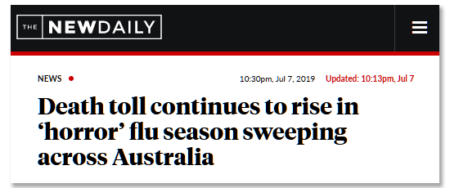
The upcoming flu season looks like it’s gonna be a doozy — Australia (which gets it first) is calling it “particularly unusual,” “off the charts,” and a “horror season.” Now is when you need your APhA immunization certificate. It means you’re giving your patients the best possible advice and treatment, and it helps you differentiate yourself. GPhA is offering “APhA’s Pharmacy-Based Immunization Delivery: A Certificate Program for Pharmacists” on Sunday, August 4, from 8:00 a.m. – 5:00 p.m. in the GPhA classroom (6065 Barfield Road, Sandy Springs [map]). This is always one of our hottest courses, so you’ll want to register quickly! “It’s like people are addicted to these things or something. Oh, wait, people are. . .” Hoo, boy. That quote is a snippet from one e-mail disclosed at the massive opioid trial about to begin in Ohio. (It happens to come from an exchange between a Mallinckrodt manager and a KeySource Medical exec.) The measles outbreak continues, now spreading to Ohio and Alaska. There had been hope that marijuana might be able to take the place of opioids, especially for people with chronic pain. Unfortunately, a new study finds that legalization hasn’t affected the opioid epidemic one way or the other. So say physicians groups in Britain, worried that people are getting incorrect information about the genes and mutations they carry. One patient was scheduled for preventive breast-removal surgery after a consumer genetic test suggested she had a BRCA mutation. The surgery was called off at the last moment when an [National Health Service] laboratory revealed the result to be a false positive. “Health Insurers Make It Easy for Scammers to Steal Millions“: how personal trainer David Williams was able to fraudulently bill insurance companies for millions, even after they caught him. One would think obtaining an NPI, with its stamp of legitimacy, would entail at least some basic vetting. But Williams discovered and exploited an astonishing loophole: Medicare doesn’t check NPI applications for accuracy — a process that should take mere minutes or, if automated, a millisecond. It’s actually funny in a way, and chock full of facepalm moments. The mammoth health insurers reacted with sloth-like urgency to the It’s worth reading the whole story just so you can say, “You’re kidding” over and over.Opioid trial revelations, gene test warnings, scammer scammings, and more
Flu season is coming: Be ready to immunize!
Opioid trial filings are full of jaw-dropping messages
Forgotten but not gone
Marijuana doesn’t replace painkillers
Elsewhere: Beware that gene test
The long read: A scammer’s tale
warnings. Their correspondence shows an almost palpable disinterest in
taking decisive action — even while acknowledging Williams was
fraudulently billing them.
July 20, 2019 ✒ Andrew Kantor
The latest GoodRx report on the retail cash prices for prescription drugs (i.e., for people not using insurance or discounts) found that Atlanta’s prices were the lowest of any major city — about 21% cheaper than the average. Other fun facts: Congrats to clinical pharmacist Trac Nguyen of AdventHealth Gordon Hospital, who received the hospitals Extra Mile award for going “above and beyond the call of duty on a regular basis.” “Trac has been influential in helping improve clinical outcomes through antibiotic stewardship. He always has a smiling face, and his wealth of knowledge has created a solid resource for the ICU nurses and physicians as well. The physicians and nurses have learned to lean on his expertise for guidance in many areas.” The number of Georgians trying to quit smoking has decreased, according to the latest CDC data (which only goes to 2017). At least Rochester Drug Cooperative won’t be alone in it’s (metaphorical) cell: The feds have charged a second drug distributor — Miami-Luken — with conspiring to deliberately flood markets in Kentucky, Ohio, and West Virginia with opioids. CVS has begun trials of its HemoCare Hemodialysis home dialysis system. There’s one way to get people to quit smoking: Pay them. The researchers found that after six months or more, people who received financial rewards were about 50 percent more likely to have quit smoking than those in the control groups. A new New Hampshire law requires pharmacists to put a big ol’ orange sticker on all opioid prescription bottles (“OPIOID”) and a warning label (“Risk of addiction and overdose”) and pass out a flyer explaining “the risks of opioid use and how to mitigate them.” Cheap drugs in Atlanta, getting paid not too smoke, quitters are quitting quitting, and more

Atlanta’s got the cheapest drugs*
* Doo-dah, doo-dah
Shout-out for the extra mile
Don’t stop thinking about tomorrow
Another distributor charged
Taking it to the home
Money for quitting (and your lungs feel free)
Elsewhere: Live Free or Die edition
July 19, 2019 ✒ Andrew Kantor
Great news: States are doing well battling the opioid crisis. Oh, wait: The money to fund the programs might not be coming back. For the first time in almost 20 years, the number of overdose deaths in the U.S. has dropped. About 68,500 Americans died of a drug overdose in 2018, compared with about 72,000 the year prior, a 5% decrease, according to the CDC’s provisional data. For perspective, about 58,000 U.S. servicemen and -women died during the entire Vietnam War (1955 to 1975). For all the talk about buying drugs from Canada, it seems like no one, you know, asked the Canadians about that. And folks in the Great White North™ are not exactly thrilled. Many promising treatments for dementia work in lab animals but not humans. It might be because of CHRFAM7A, a gene that two out of three people carry an active version of. Because three of four Alzheimer’s drugs stimulate acetylcholine receptors, those drugs will not work well for people with the active gene. Specifically anticholinergic meds, which, in seniors, can present as dementia. Seniors are more susceptible to adverse effects from these medications for several reasons: Their brains process acetylcholine less efficiently. The medications are more likely to cross the blood-brain barrier. And their bodies take longer to break down these drugs. “Women now seen as equally as or more competent than men” Women have come a long way in the United States over the last 70 years, to the point where they are now seen as being as competent as men, if not more so, according to research published by the American Psychological Association. Once again the FDA has to warn people about an over-the-counter “enhancement” product that contains undisclosed prescription meds. (Sildenafil, as usual.) Ohio is poised to rein in PBMs in its own way. A new state budget would remove managed care plans entirely and have the state’s Department of Medicaid contract directly with a single PBM. That PBM would be required to report regularly to the state how much it pays for drugs, how much it pays pharmacies to dispense medications, and other financial details. It would also set aside $100 million for “supplemental dispensing fees for pharmacies” over the next two years. Per our friends at the Ohio Pharmacists Association: “The fees shall be distributed in a weighted fashion with higher fees going to pharmacies with a high percentage of Medicaid claims and pharmacies in low-access parts of the state.”The side-eye from Canada, women’s equality, another FDA warning, and more
Good news, bad news
Just good news
What’s that, neighbor?
Why Alzheimer’s drugs fail
That’s not dementia — it’s drugs
This is actually a story — and that’s both satisfying and depressing
There is no headline we can type with a straight face
Elsewhere: Buckeye State edition
July 18, 2019 ✒ Andrew Kantor
After pressure from the Washington Post and the Charleston (W.Va.) Gazette-Mail, a federal judge in Ohio ordered the DEA to release it’s database “that tracks the path of every single pain pill sold in the United States It is a treasure trove of information, and it makes clear exactly where these drugs were coming from and where they were going. And because it’s hard data from the companies themselves as reported to the DEA, there’s no way to dispute the figures. And they are huge. The numbers of pills the companies sold during the seven-year time frame are staggering, far exceeding what has been previously disclosed in limited court filings and news stories. In just six years, the two largest manufacturers produced more than 55 billion pills. In total, more than 76 billion were produced. In 2012 — that was seven years ago! — more than 12.6 billion were distributed; Haralson County, Georgia, received an average of 112 pills per person every year. (Click here to check out all the data.) And with more Americans dying from opioid overdoses every year than were killed in the entire Vietnam War… well, you can bet this isn’t the last we’ll be hearing about it. GPhA member Jonathan Hamrick needs your help with a research study on pharmacist workload. Can you give the guy a hand? Calling pharmacists in Georgia. I am conducting a research study about pharmacist workload and its correlation with patient outcomes. If you would be interested in taking this survey, please click here. If you have any questions about the study, contact Johnathan — he’s the principal investigator — at (678) 547-6245, or by e-mail to hamrick_jw@mercer.edu. Specifically from CVS Caremark to RxAdvance as the claims processor and pharmacy contractor. If you thought, “Oh, I should note that,” you might want to click here for some more info — a PDF with the deets. They’re an alternative to tampons or pads, they’re less expensive, and, as a new study in The Lancet just concluded, they’re safe and effective — more effective than disposable products, in fact. Oh, and they can last 10 years. (That link was to the news article. Prefer the study? Click here.) Although marijuana isn’t typically addictive, some people can show signs of dependence. Now a new study reported in JAMA Internal Medicine finds that a new medicine — itself a cannabinoid — can reduce the cravings for marijuana. “The principles are very similar to nicotine replacement; you are providing patients with a medicine, which is safer than the drug they’re already using, and linking this with medical and counseling support to help people address their illicit cannabis use.” Feeling stressed? Hug a cat. Or a dog. Washington State University scientists have proven that just 10 minutes of cuddle time with a dog or can cut down the stress. “Students in our study that interacted with cats and dogs had a significant reduction in cortisol, a major stress hormone.” In Australia — where bees are (we assume) the size of minivans with stingers that would take down Moby Dick — they’ve successfully completed a human trial on a vaccine against bee-sting reactions. It essentially helps the body fight off the toxin fast enough to preclude a deadly reaction.Bee sting vaccine, scary opioid stats, hug a cat today, and more
Opioids: DEA releases new, scary stats
— from manufacturers and distributors to pharmacies in every town and city.”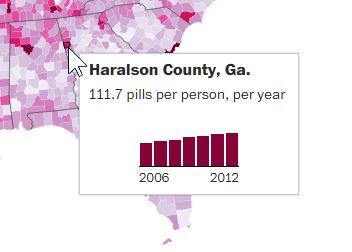
How’s your workload?
Peach State Health Plan is transitioning
Menstrual cups make a comeback
Hair of the dog
Fur of the cat

Elsewhere: Down Under
July 17, 2019 ✒ Andrew Kantor
Congratulations to GPhA past president Dean Stone of Metter, who was just named to the Georgia Board of Pharmacy by Governor Kemp! Everyone seems to want to tackle the issue of U.S. drug prices, or at least look like they are, and there have been plenty of proposals. We* pay the highest prices in the world, after all. At least three ideas out of the White House have been cancelled (and two others are still out there), but there are plenty of others. Becker’s Hospital Review has the rundown. If I have this right, this is where we stand on drug pricing proposals: Eliminating rebates ❌ — Ben Ippolito (@ben_ippolito) July 11, 2019 Stat News wondered that very thing, and found some not-so-shocking answers. Check out “How pharma, under attack from all sides, keeps winning in Washington.” Even though Washington has stepped up its rhetorical attacks on the industry, and focused its policymaking efforts on reining in high drug prices, the pharmaceutical industry’s time-honored lobbying and advocacy strategies have kept both lawmakers and the Trump administration from landing any of their prescription-drug punches. A bipartisan bill aimed at lowering prices might be coming out of the Senate shortly. [Senate Finance Committee Chair Chuck] Grassley has been in negotiations for months with Sen. Ron Wyden (Ore.), the panel’s top Democrat, and the pair are close to a deal, though there are still questions as to whether objections from other Republican senators on the committee could derail it. One way it would work is by requiring drug companies to pay back Medicare Part D if their prices rise faster than inflation — a provision similar to how Medicaid works. Physician burnout is getting a lot of press lately, and you know who might be able to help ease their pain? If you said “rutabaga farmers*,” try again. It’s pharmacists. A study out of the University of Minnesota found that, “Primary Care Providers Believe That Comprehensive Medication Management Improves Their Work-Life.” When speaking of the pharmacist, PCPs spoke of them contributing a unique and complementary knowledge and skillset, as well as being a collaborative partner in caring for patients. Some health systems have already gotten the message. It seems that “Pharmacists [are] Providing More Care in Health Systems.” No, Medicare doesn’t cover acupuncture … not yet. But HHS is proposing that it cover the procedure “for people involved in research on whether the treatment is effective for chronic low back pain.” (Note that the WaPo headline is misleading. So far this is only a proposal.) If it turns out that acupuncture really does work, HHS would consider having Medicare cover it more broadly, hopefully as a way to reduce dependence on painkillers. Using the immune system to fight cancer is a great idea… until the same antibodies start attacking the brain. His immune system was destroying nerve cells that emit a specific protein — the very same protein that had been emitted by the testicular cancer cells years earlier. There’s a link of some sort between inflammation and mental health, and the hygiene hypothesis might tie in as well. If there are bacteria we need to be exposed to in order to avoid an autoimmune response, could there be a vaccine — “The Vaccine That Could Prevent Stress, Anxiety, and Depression“?Why pharmacists are better then rutabega farmers, acupuncture and Medicare, when immune systems attack, and more
Stone named to Board of Pharmacy
So what’s up with all the plans to reduce drug prices?
International Pricing Index ❓
List prices in advertisements ❌
Reform protected classes in part D ❌
Restricting prices in part D 🆕* “We” mostly consisting of taxpayers (Medicare/Medicaid) and whoever pays for health insurance — employers or individuals.
So why are proposals failing?
On the other hand…
Dousing the flames
* No matter the situation, the word “rutabega” will always be funny.
Medicare and acupuncture
Friendly fire
The long read:
July 16, 2019 ✒ Andrew Kantor
If you provide immunizations in Georgia, you must provide your A consortium including Merck and AT&T is testing the feasibility of using drones to deliver vaccines to remote locations. The consortium said the project could represent an important step forward in the supply chain for biopharmaceuticals requiring constant storage at cold temperatures to preserve their efficacy. “Erectile Dysfunction Presents Large Global Health Burden,” reads the headline. It does? Then we read the details. According to a study in the British Journal of Urology, men with ED have an increased risk of all‐cause mortality and cardiovascular mortality, and they are 1.7 times more likely to develop dementia. While Johnson & Johnson fights off lawsuits claiming its baby powder caused cancer, there is also a federal criminal complaint filed, charging company officials with lying about the dangers of the powder. Kroger is partnering with Myriad Genetics to offer genetic tests that will, in theory, help determine which antidepressants are more likely to work for a patient. The test will… … analyze 12 genes known to affect the clinical performance of 56 common medications used to treat depression. The results of the GeneSight test report can help clinicians understand how a patient’s unique genomic makeup may impact certain psychiatric drugs and make drug treatment choices for that patient. Germany’s Institute of Quality and Efficiency in Healthcare (essentially the German FDA) looked at all 216 “benefit assessments” it conducted on drugs from 2011 to 2017. It found “there is no evidence of added benefit for more than half of the drugs,” and “research covering drug approvals since the 1970s suggests only a limited number of new drugs provide real advances over existing drugs.” Across the 216 assessments, [it] found no added benefit for 115 drugs, considerable added benefit for 55 drugs, minor added benefit for 33 drugs, non-quantifiable benefit for 12 drugs. [It] did not find any of the drugs to have less benefit than the standard of care, but only found a single drug to provide major added benefit. Treatment is no longer routine, as more and more strains become resistant to antibiotics. The drug ampicillin, once a mainstay for treating the infections, has been abandoned as a gold standard because multiple strains of U.T.I.s are resistant to it. Some urinary tract infections now require treatment with heavy-duty intravenous antibiotics. Atlanta attorney Reggie Snyder looks at “Medical Cannabis in Georgia: Federal Policy Effects on State Industries.” For example: Depending on how the DEA elects to reclassify cannabis, low-THC oil products manufactured and sold in Georgia could become subject to the U.S. Food and Drug Administration’s (FDA) costly, complicated and time-consuming drug approval process.Drone delivery, the ED crisis, UTIs get scary, and more
IMPORTANT: New immunization document
patients with a document from the DPH “on the
importance of having and periodically seeing a primary care physician.” That very document was just updated — get the new version at GPhA.org/immunizationtemplate.Vaccines from the sky
Actually, it’s not a laughing matter
Insult to injury?
Finding the right drug may be in the genes
Newer doesn’t mean better
The scary read: UTIs
The long read: Cannabis in Georgia
July 12, 2019 ✒ Andrew Kantor
Last week we told you that the FDA warned about Medtronic’s MiniMed insulin pumps being hackable. Now there’s been a full-blown recall of the 600-series MiniMed pumps… but for a completely different reason. Apparently the buttons can get stuck while flying because of changes in air pressure. The recalls apply to MiniMed 670G, 640G, 630G, and 620G If you want to hone your practical pharmacy skills — some folks call them “wet-lab skills” — there’s no better way than with GPhA’s Practical Skills Refresher Course. It’s coming up on July 27 in Suwanee. What is it? It’s a four-hour refresher on terminology, measurements, and procedures you’ll need for the Georgia pharmacy practical exam — and in the Translation: If you’re going to be taking the exam, or you simply want to be at the top of your game, the Practical Skills Refresher Course is for you. It’s a mere $159 for GPhA members pay just $159 ($289 for non-members, which includes a GPhA membership). Click one of the links above (or right here) for more info and to register! The U.S. currently offers dialysis for all, regardless of age. But it’s usually done expensively in clinics, costing Medicare a lot more. That may change now, though, with what the Washington Post calls a “bucket of initiatives” — initiatives that are… …designed to move dialysis patients away from commercial centers and into homes, improve early screening for kidney disease and double the number of kidney transplants performed in the United States. A sprained ankle can hurt, but so can a lot of things. The difference: A lot of docs are prescribing opioids for those sprains. Guess what? “8.4 percent of these individuals were still filling a prescription for an opioid three months after the original diagnosis.” Three months? That’s one heck of a sprain. Even worse, opioids aren’t recommended for ankle sprains in the first place. Remember the big plan the Trump administration had to eliminate PBM rebates? An HHS rule banned them for Medicare and Medicaid. Well… scratch that. The administration changed its mind and has rescinded that rule. “Rebates’ days are numbered,” HHS secretary Alex Azar said. It’s just a matter of figuring a way to cut them without raising Medicare premiums. How do you get parents to give their kids the flu shot? How about a handout that shows them what having the flu is like? (Spoiler: Yes, it works. It’s not a huge difference, but when you’re trying to establish herd immunity, every percent helps.) How can you prepare health professionals for the expanding crisis in rural America*? Send them deep into the Amazon rainforest where medical facilities are a bit more primitive. Sugary drinks may be linked to cancer, according to a new French study. Is it a direct correlation, or is because obesity raises cancer risk? That’s not answered yet. The results showed that a 100 millilitre (ml) a day increase in consumption of sugary drinks was linked to an 18% increased risk of overall cancer and a 22% increased risk of breast cancer. Medtronic recall, ankle injury opioids, what’s up with PBM rebates, and more
Medtronic pump recall
models, which have physical keypad buttons that can temporarily become
“unresponsive” when atmospheric pressure goes up or down quickly around
the pump, typically during takeoff and landing.Coming soon: Practical skills workshop
day-to-day practice of pharmacy in your community.A “bucket” of kidney initiatives
Ankles and opioids
Rebate ban plan scrapped
Then again…
Johnny, tell them what it’s like
Welcome to the jungle
* It gets worse here every day
ICYMI
July 11, 2019 ✒ Andrew Kantor
Pharmacists for Healthier Lives (of which GPhA is a proud sponsor) released a statement urging widespread vaccination: Even with the availability of vaccinations in the U.S., we are seeing an unfortunate rise in the number of people refusing to immunize themselves and their children due to misinformation about the safety of vaccinations. Approved vaccines undergo rigorous testing and are proven safe for public use. There is no scientific evidence supporting claims that immunization can lead to disorders, disease or life-threatening side effects. So you know all those plans and promises about lower drug prices? Got some bad news for ya. Companies have raised medicine costs by 27% on average last month, with a subsidiary of Teva Pharmaceutical Industries Ltd hiking the price for a generic anti-diuretic by 909%. Closely held Epic Pharma LLC came second on the list of top increases, jacking up prices on two versions of its drug by 399%. The key to lowering costs at hospices, at least, because when it comes to paying for “heads, meds, and beds,” its the second one that’s easiest to control. FDA approvals are down a bit this year, but fear not says the agency — it’s going to be speeding up the process. It does have some concerns, including a lack of staff to handle the applications, and a lack of skill on the part of smaller companies when it comes to filing for approval. If you want to avoid diabetic rats, avoid exposing them to blue light. After exposing male lab rats to LED blue light for only an hour, the researchers gave the animals the option of consuming healthy rodent food, water, lard or sugar water. The rats drank more sugar water on nights they were exposed to blue light. The researchers say this exposure to blue light could interrupt the ability to process sugar, suggesting it may lead to diabetes. This year’s Miss Virginia* — a future pharmacist — won in part with her talent portion: performing a science demo of catalytic decomposition. Now she’s off to the Miss America* competition. “I am more than Miss Virginia. I am Miss Biochemist, Miss Systems Biologist, Miss Future PharmD looking toward a pharmaceutical industry career.” UMass researchers have found a way to use eggshells to help stimulate bone growth — they use the crushed shells as a frame on which bone cells (taken from a patient’s body) can grow before being implanted. The goal is that the procedure will speed the healing process. Britain’s National Health Service is working with Amazon to have Alexa answer some basic health questions, hopefully reducing the number of patients who head straight to their GPs. The U.S. company’s algorithm uses information from the NHS website to provide answers to voice questions such as “Alexa, how do I treat a migraine?” or “Alexa, what are the symptoms of chickenpox?”Miss Virginia’s statement, blue-light special rats, pharmacists urge vaccinations, and more
Because healthy patients matter
Promises, promises
Pharmacists are the key
FDA won’t slow down
Pro tip of the day
ICYMI
These are still a thing? Really? In 2019?
Bones about it
Elsewhere: Oi! Alexa! edition
Do you want to send your members the daily Buzz email newsletter (customized for your state and organization, perhaps)? Let’s talk — just drop me a note at andrew@gphabuzz.com!

- Doctors Warn of a Deadly Complication From Measles Outbreaks
- Medicare Advantage ‘Dark Money’ Group Attempts To Win Higher Payments for Insurance Companies
- Families Scramble To Pay Five-Figure Bills as Clock Ticks on Promised Preauthorization Reforms
- As Lung Disease Threatens Workers, Lawmakers Seek Protections for Countertop Manufacturers
- Republicans Fret Over RFK Jr.’s Anti-Vaccine Policies While MAHA Moms Stew
- Primary Care Is in Trouble. So Doctors Band Together To Boost Their Market Power.
- January 2025
- December 2024
- November 2024
- October 2024
- September 2024
- August 2024
- July 2024
- June 2024
- May 2024
- April 2024
- March 2024
- February 2024
- January 2024
- December 2023
- November 2023
- October 2023
- September 2023
- August 2023
- July 2023
- June 2023
- May 2023
- April 2023
- March 2023
- February 2023
- January 2023
- December 2022
- November 2022
- October 2022
- September 2022
- August 2022
- July 2022
- June 2022
- May 2022
- April 2022
- March 2022
- February 2022
- January 2022
- December 2021
- November 2021
- October 2021
- September 2021
- August 2021
- July 2021
- June 2021
- May 2021
- April 2021
- March 2021
- February 2021
- January 2021
- December 2020
- November 2020
- October 2020
- August 2020
- July 2020
- March 2020
- February 2020
- January 2020
- December 2019
- November 2019
- October 2019
- September 2019
- August 2019
- July 2019
- June 2019
- May 2019
- April 2019
- March 2019
- February 2019
- January 2019
- December 2018
- November 2018
- October 2018
- April 2017
