
January 03, 2023 ✒ Andrew Kantor
Remember the Aduhelm brouhaha* — the FDA’s advisory committee voted against Biogen’s Alzheimer’s drug approval, but the FDA gave a thumbs-up anyway, despite serious questions about Aduhelm’s effectiveness? Now the House Oversight and Reform Committee has an explanation: [[H]igh-level engagement between Biogen and the FDA in the months preceding the approval, including at least 115 meetings and “substantive” email exchanges, that exceeded the interaction normally seen between sponsor and regulator. Or, as one member put it, they collaborated; the phrase to google is “regulatory capture.” If you test positive*, treatment is easy — and smart. Paxlovid. It’s the simplest, best way to keep out of the hospital or the sick bed. Pharmacists can even prescribe and dispense it. And yet, people aren’t taking it … only 11 percent, per a recent study. And prescribers (including pharmacists) aren’t prescribing it. The culprit: ‘confusion and unclear guidance.’ Not for the patients — “Thog postive! Thog want Paxlovid!” — but for prescribers. Officially, only people at high risk are eligible, but “high risk” is a pretty wide range. Physically inactive? Bingo. But there’s a long list of drugs that interact with it, and conditions like kidney disease that make Paxlovid contraindicated. Result: Reluctance by pharmacists, and physicians are often too busy to go through the checklist — and “a tremendous lost opportunity.” (Shout-out to GPhA’s Ira Katz, who’s featured in the article.) It’s a new year, and that means pharma companies have decided their existing products are worth more, so they’re raising their prices. (But only up to 10%, of course. More than that would be impolite.) They need to pay for For 2023, drugmakers have decided to increase prices on at least 350 drugs. Notable increases expected include 9% price hikes on Bristol Myers Squibb’s personalized CAR-T cell therapies Abecma and Breyanzi, both of which were already more than $400,000 for the blood cancer treatments. […] Increases for Pfizer include a 6% rise on the cost of Xeljanz, a treatment for autoimmune diseases including rheumatoid arthritis and ulcerative colitis, and 7.9% increases on cancer drugs Ibrance and Xalkori. […] AstraZeneca is set to raise prices in the 3% range on blood cancer treatment Calquence, non-small cell lung cancer drug Tagrisso, and asthma treatment Fasenra. Ketamine has shown a lot of promise for treating depression … except when it doesn’t. It seems to work for some people but less for others, and it’s not clear who is whom. But the folks at Baylor College of Medicine have found a trend among people with treatment-resistant major depression. Some respond quickly and robustly, some took a while to notice a difference, and some didn’t get much benefit at all. There was one common factor among those who had the best experience: People with severe depression who reported a history of childhood abuse and trauma were among the most likely to respond quickly and robustly to ketamine. (Why those people get such a benefit isn’t clear, but it might (they think) have to do with having become overly sensitive to certain stimuli.) Today’s “game-changer” is a drug that tackles HIV. Even better, it’s not in the lab — it was just FDA approved. Gilead’s Sunlenca, an antiretroviral, only needs to be taken twice a year. It’s designed for patients who don’t respond to other treatments, but it’s also an entirely new class of drugs called capsid inhibitors that attack HIV all along its lifecycle. Another benefit: It’s a subcutaneous injection, so home injections could become a thing. In a clinical trial, 83% of patients taking Sunlenca with a combination of other drugs achieved an undetectable viral load after about a year. The downside: Gilead charges $42,250 to start the therapy, and then $39,000 a year for maintenance shots. Whether non-Medicare/Medicaid patients can afford it is still up in the air. Nine major food allergens, that is, starting this past Sunday, when sesame was added to the FDA’s official list. [F]oods containing sesame will be subject to specific food allergen regulatory requirements, including labeling and manufacturing requirements. Existing products don’t need to be removed or relabeled or anything, but look for sesame warnings to start appearing. And as I’m sure you’re curious, the other eight are milk, eggs, fish, Crustacean shellfish, tree nuts, peanuts, wheat, and soybeans. Treatments for major conditions start with preclinical models — like the latest hopeful one for pancreatic cancer. Instead of targeting T cell or myeloid-suppressor cell checkpoints, the three-prong therapy out of the University of Texas targets both. In basic terms, they’ve discovered that, despite the conventional wisdom, pancreatic cancer is vulnerable to immunotherapy — it just has to hit multiple targets. In less basic terms, they targeted three proteins — 41BB, LAG3, and CXCR2 — that were found in exhausted T cells, and that had been produced by the tumor’s “immune microenvironment.” By limiting those proteins, the T cells were better able to attack the cancer. The immunotherapy agents they tested are currently being tried individually, meaning the first steps toward clinical trials are already underway. When it comes to faxes, Forbes is asking the wrong question. It’s not “Why are fax machines still in use?” The question is “Why are paper records and files still in use?” Sure, it’s fun to pick on the fax machine, but the reality is that they work, they work simply and easily, they’re secure, and they’re the fastest and easiest ways to move paper records. So why do we still have paper records? There are pluses and minuses, and that’s another discussion. But picking on fax machines is choosing the wrong target. The most important takeaway from the Covid-19 pandemic is to figure out what went wrong and blame the Other Side for it to score political points. But for the handful of people left who think it’s important to actually learn from the pandemic, Smithsonian magazine skips the blame part and looks at what we can (and need to) do better next time.Unprescribed Paxlovid, 2023 price hikes, who ketamine works for, and more
“Collaborated” is such a strong word…
* Kerfuffle to those born before 1970
They’re not taking Paxlovid
* We can still get away with saying “test positive” without specifying what for.
Here come the price hikes
stockholder dividends research and development, of course*.* Except when publicly funded universities do the work
When ketamine works
A new kind of HIV treatment
And then there were nine

A two-front war on pancreatic cancer
Your papers, please
The Long Read: What Have We Learned for Next Time? edition
December 30, 2022 ✒ Andrew Kantor
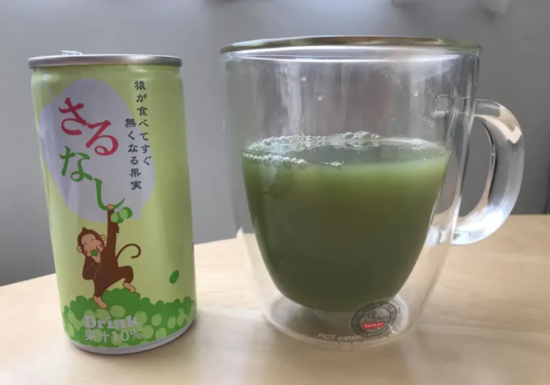
A new drug has a nifty effect: It makes lung cancer glow. You can imagine how that’s helpful for surgeons — much less chance of missing some bits of tumor. Pafolacianine (Cytalux at formal dinners) isn’t something that needs to be injected into the tumor, either. Patients get it directly, and the pafolacianine binds to folic acid — which tumors tend to have a lot more of. Shine a bit of infrared light, and bingo! No hiding any more. Lupin has recalled its hypertension drug quinapril “because of unacceptable levels of the nitrosamine impurity, N-nitroso-quinapril, a potential carcinogen.” Click here for affected lot numbers and NDCs. What, you thought all the opioid lawsuits were over? Oh you sweet, summer child. Not at all. The latest target is AmerisourceBergen, which the Department of Justice is taking to court for what it says is Amerisource Bergen’s role in the opioid crisis. The complaint said AmerisourceBergen […] repeatedly refused or negligently failed to flag suspicious orders by pharmacy customers when it had reason to know that opioids were being diverted to illegal channels. But it’s more than turning a blind eye that the company is accused of: The lawsuit said AmerisourceBergen prioritized profits over the well-being of Americans and intentionally altered how one of its units monitored orders, dramatically reducing the number of controlled-substance orders that underwent internal review. (Emphasis ours.) Twist: AmerisourceBergen board members were sued by investors over the company’s role in the opioid epidemic, but a judge ruled last week that the board’s actions to keep the addictive drugs out of the black market “were sufficient to avoid liability.” While the Chinese government continues to claim there are only a handful of Covid deaths in the country recently, British researchers figured that “Around 9,000 people in China are probably dying each day from Covid-19.” The research company, Airfinity, said it expects the current Chinese outbreak to end in mid-January, when the country will have about 584,000 cumulative deaths. (That sounds like a lot, until you realize that the US has had more than 1.1 million Covid deaths so far.) The latest plant that can treat cancer is [insert drumroll here] Sarunashi. Never heard of it? That’s because it’s grown in Japan, which happens to be where researchers uncovered its anti-mutagenesis, -inflammation, -skin tumorigenesis effects. They narrowed the effect down to a specific polyphenolic compound called isoQ that apparently reduces the mutagenic properties of carcinogens and accelerate DNA repair. Obviously more studies are needed. And if you’re able to get your hands on some Sarunashi juice, apparently it has an … interesting flavor. As one reviewer put it, “It smells a little bit like the green gummy bear of Haribo, but the taste is totally different […] It is a little bit like a thin green smoothie with sugar.” A nine-year-old girl needed Erwinaze. But it was in shortage, so she was going to die. Or not. McKesson told her that it didn’t have any Erwinaze in any of its warehouses anywhere in the world. But it offered something else: help moving the drug. If Bray could find the Erwinaze, company representatives said, they would get it to her daughter. If money is an issue for you, and you’re a fan of science, Business Insider has you covered with “10 ways to make money by selling your body to science.” (Even better: You don’t (always) have to be dead!)McKesson saves a child, opioid suits continue, cash for your bod, and more
Glow-in-the-light cancer
Another quinapril recall
The next opioid lawsuit
China-Covid watch continues
Today’s anti-cancer plant
The Long Read: McKesson Shout-Out edition
Warm body, cold cash
December 29, 2022 ✒ Andrew Kantor
“The #1 Risk Factor For Alzheimer’s Disease May Not Be What You Think” — unless you think it’s obesity. Then it is what you think. What’s interesting, though, is that the top risk has changed over the past decade. It used to be “physical inactivity, followed by depression and smoking,” but obesity has taken over the top spot and shifted the others down as people change their habits, e.g., smoking less, exercising more … but still eating unhealthily. (There are other factors, too, including hearing loss, “low educational attainment,” and of course a family history.) After a poll showed a solid interest in a GPhA Buzz podcast, we debuted one a couple of weeks ago as a test. And after 11 episodes (and a bit of promotion here and in social media) we had zero interest. Literally — one person listened and no one subscribed. Ah, well. That’s what experiments are for; nothing was lost beyond some time and the (small) cost of a better microphone stand. We get the message: Stick with text! While the cost of healthcare is a huge problem for people without insurance, you might think that those with employer-sponsored healthcare are doing better. They’re certainly doing better, but they aren’t always doing well. A new study out of NYU found that “In recent years, employer-sponsored health insurance has become less adequate in providing financial protection for all kinds of health care services.” It’s especially true for women — “5.2% of women and 2.7% of men said prescription medications were unaffordable” — possibly due to a combination of lower wages and greater healthcare needs. So keep this in mind when someone pulls out the GoodRx app, or asks for help with copay coupons or finding a cheaper med. “People with health insurance coverage provided by employers generally think they are protected, but our findings show that health-related benefits have been eroding over time.” The CDC is warning about signs of an uptick in cases of pediatric invasive group A streptococcal infections (iGAS). Group A Streptococcus bacteria causes a range of infections, including acute pharyngitis (strep throat), scarlet fever, and other, more serious and life-threatening invasive infections. Typically it appears in winter and early spring, but this year — for obvious reasons — the CDC would like to keep yet another respiratory infection at bay. The state is up to 82 infected children — including 32 in hospital — none of them fully vaccinated. Oh, and 23 of the infected kids are under 1 year old, meaning they couldn’t yet get the vaccine. That means they were exposed to someone who was sick and not vaccinated. Anti-vaxxers, it seems, aren’t concerned if they infect others. As Forbes put it, “[D]deciding whether to get vaccinated is not simply a ‘personal choice’ as some adults may insist, but instead is an are-you-going-to-put-others-around-you-at-higher-risk? choice.” So far, thankfully, no one has died. But, like Covid, there’s a risk of long-term effects of getting sick. Covid-19, it seems, doesn’t like being over and done. Not only does it cause long Covid for a lot of folks, now there’s evidence that the virus also reactivates other, dormant viruses in patients leading to conditions like chronic fatigue syndrome. Especially chronic fatigue syndrome. The idea is that, after Covid is gone, the body is left fighting off these newly-risen viruses — hence the fatigue part of chronic fatigue. Keep in mind that there’s no clear definition of long Covid, and the wide variety of symptoms would make sense if “long Covid” was actually “old viruses come back to life.” Until later stages, Alzheimer’s is a know-it-when-you-see-it condition until either an MRI or CT scan (or a lumbar puncture) can confirm the diagnosis. But now University of Pittsburgh researchers say they have a reliable blood test that can diagnose Alzheimer’s earlier. They tested it in 600 patients at various stages of Alzheimer’s and found that levels of the protein correlated well with levels of tau in the [cerebrospinal fluid], and could reliably distinguish Alzheimer’s from other neurodegenerative diseases. This is important not only for patient treatment, it make other kinds of clinical trials more reliable simply by knowing who has Alzheimer’s. First things first, though: Testing the test in more and varied patients. There’s no cure for the flu, and the FDA wants to remind people of that. Translation: Products that promise to cure the flu are, well, lying. The best we have is Tamiflu, which can reduce the duration, but that’s it — herbs, homeopathic products (i.e., water), nasal sprays, chakra aligners, sacrificial rites … no, they don’t work. Fraudulent products also include some herbal teas, certain air filters and light therapies that claim to prevent or cure the flu, or treat symptoms, such as fever, muscle aches, and congestion. That’s not to say these products are inherently bad, just that claims of treating the flu gives you an idea of how much you can trust them. Fake flu cures, CDC’s strep worries, quick Alzheimer’s test, and more
Alzheimer’s risk shift
Our podcast experiment was a smashing success
Even the insured have troubles
Watch out for iGAS
Elsewhere: Checking in with Ohio
When long Covid isn’t long Covid
A blood test for Alzheimer’s
FDA warns about flu “cures”
December 28, 2022 ✒ Andrew Kantor
Could the FDA be ready to regulate CBD? Well, it’s not that simple, but it seems the agency will start the process soon, with at least recommendations on how to regulate the huge and wildly confusing market of legal cannabis products. For example… The agency wants to know if CBD can be safely eaten every day for a long period or during pregnancy amid concerns about future fertility, Patrick Cournoyer, who heads the FDA office developing the agency’s cannabis strategy, [said]. If you know someone who’s a bit extraordinary — at least in the field of pharmacy — it’s your sacred duty to nominate her, him, it, or them for a 2023 GPhA award. The deadline is less than a month away: February 1. So it’s time to start choosing the best of the best in Georgia pharmacy, with awards presented in style at the 2023 Georgia Pharmacy Convention in (on?) Amelia Island, Fla. What awards, you ask? The details are at GPhA.org/awards, but here’s the list: Yes, these are GPhA awards, but nominations come from you, the members. That’s what gives them meaning. And it starts now. Visit our awards page at GPhA.org/awards for more information on award criteria, and to make your nominations. The deadline for submissions is February 1, 2023. You know how you have to explain deductibles to some folks? That’s the tip of the iceberg when it comes to being confused or overwhelmed by the healthcare system. As one patient advocate argues in Pharmacy Times, pharmacies and pharmacists would do well (and so would their patients) to make that help a bit more formal — “establishing an official patient navigation program within the pharmacy.” [A] staggering 84% of pharmacists and pharmacy staff help with benefits information within a given week. This goes well beyond simply running insurance and includes helping patients navigate co-pay accumulators, understand out-of-pocket resources, and find assistance. The latest long-Covid study finds that — based on a survey of more than 3,000 people in the US — “7.3% of the participants reported having long COVID symptoms, which translates to close to 19 million US adults.” Women and the unvaccinated had it more often; seniors and Black, Hispanic, and people of Asian/Pacific Islanders ancestry had it less often. The scary part, though, is that it’s lasted more than six months for more than half of people, and more than a year for almost 30%. Yikes. When it comes to Alzheimer’s, the beta-amyloid proteins — the plaques, actually — are what get the attention. But University of Washington researchers say that we need to start paying more attention to tau proteins. Why? Because, as one gerontologist put it, “The amyloid plaques start the disease cascade, so it makes sense to try to eliminate them, but it’s tau that kills the cells.” In effect, it’s fighting the disease a little further down the progression chain — which makes sense, considering how little progress has been made trying to attack the beta-amyloid plaques. “If we were to target any one thing in Alzheimer’s disease, we probably should be targeting tau. It’s the most closely tied to the decline in cognitive dysfunction. You want to get rid of amyloid but what you really want is preservation of cognition. That requires targeting tau.” CBD regs are coming, why to navigate for patients, long Covid is long, and more
FDA looks to regulate CBD
Don’t forget to nominate someone!
What patients need
The latest long-Covid numbers
A different Alzheimer’s target
December 27, 2022 ✒ Andrew Kantor
The FDA has changed the required label on boxes of Plan B (levonorgestrel) to make it clear that it works before fertilization, i.e., it doesn’t cause an abortion, and is therefor safe for those who believe life begins at conception. The package insert also says the pill “will not work if you’re already pregnant, and will not affect an existing pregnancy.” Stroke. Rather, the huge increase in stroke risk if you get shingles. We’re talking a crazy 80 percent higher risk than non-shingled people. Why is there such a high risk? No one knows. Ha! Kidding! University of Colorado neurologists think they figured it out. It seems when shingles strikes, the varicella zoster virus activates exosomes, which the body needs for clotting. Problem: Shingles doesn’t make you bleed, so those exosomes just end up clogging up the works, clumping with platelets, and forming clots that eventually can cause a stroke. Good thing there’s a vaccine, huh? In one fell swoop you can impress your patients and your boss, boost your résumé, and improve yourself and your practice. Register to earn a certificate with GPhA! GPhA’s got awesome certificate programs in 2023, and you can register now. BAM — one resolution checked off! (GPhA members get a price break, but non-members are welcome too!) Get the details on all of them — and sign up! — at GPhA.org/certificates (or just click here). China’s Christmas miracle continues, with the country experiencing zero Covid-19 deaths despite having more than a million cases in one province alone. To make matters difficult for people who care about things like, you know, health, the government stopped counting asymptomatic positive tests, and (as we reported the other day) only counts people without any underlying conditions as Covid deaths. Taking molnupiravir if you have Covid can help … to a point. A big British study found that it can speed recovery in vaccinated patients, but it doesn’t cut the risk of hospitalization or death. So at least you might spend less time in hospital — an average of about 9 days compared to more than 2 weeks for people who didn’t get it. Assuming you’re vaccinated. The latest up-and-coming, anti-finger-prick technology is being tested up in Canada, where biomed engineers are “perfecting a wearable patch that uses hundreds of tiny microneedles to sense glucose levels.” “But wait,” you say, “Glucose-monitoring patches already exist.” Ah, but this is different. It’s much less expensive, can be put on by patients themselves, is tiny and unobtrusive, and will (they hope) be available over the counter. And they’re working to add a tiny Bluetooth radio to allow monitoring from a smartphone. Oh, and it’s done with a hydrogel, which is apparently an impressive thing for engineers. The short answer: Yes, but be careful to keep doses low and try not to rely on it long term. The longer answer: Probably, but there’s not a lot of long-term data for kids. “[S]ome kids may experience daytime sleepiness or even develop nighttime bed-wetting,” and there’s speculation that it might affect the onset of puberty. For the short term there’s less to worry about, but it’s best used to get kids back onto a normal sleep schedule, rather than as a solution to sleeplessness. (Consulting a pediatrician isn’t a bad idea.) This shouldn’t come as much of a surprise: Anti-vaxxers and people who believe in a flat Earth, QAnon, child-eating celebrities, accurate information on Facebook, or lizard people are also more likely to believe that “everything causes cancer” rather than, you know, actual risk factors.China’s miracle continues, Plan B’s new label, conspiracy dopiness, and more
FDA clarifies Plan B
Another good reason to get the shingles vaccine
Make and fulfill a New Year’s resolution right now
The certificate programs:
APhA’s Delivering Medication Therapy Management (MTM) Services Certificate Training Program
APhA’s Pharmacy-Based Immunization Delivery Certificate Training Program
NASPA’s Pharmacy-based Point-of-Care Test & Treat Certificate Program
GPhA’s Immunization Delivery Training for Pharmacy Technicians
And their cases grew three sizes that day
Limits to molnupiravir
Tiny patch for glucose monitoring
Is melatonin safe and effective for kids?
Bigfoot causes cancer

December 23, 2022 ✒ Andrew Kantor
As we’ll be recovering from Festivus, GPhA Buzz will not publish on Saturday, December 24. We’ll be back on Tuesday the 27th. Happy Hanukkah, Merry Christmas, Joyous Kwanzaa, and an awesome Junkanoo to all! We mentioned that generic versions of Tamiflu were in short supply, but we missed the fact that there’s the Strategic National Stockpile which includes Tamiflu — and HHS is tapping into it to relieve the shortages. It’s stored in 12 secret and guarded locations around the country and contains (among other things) “push packs” that include broad-spectrum antibiotics, emergency medicines, IV fluids and kits, airway equipment, bandages, vaccines, antitoxins, and ventilators, “including 300 million smallpox treatment courses and enough anthrax vaccines to handle a three-city incident” as well as “nerve agent antidotes to help in the event of a nerve agent attack or industrial accident.” A big shout-out to owner (and GPhA member) Steven Purvis all the folks at Blue Ridge Pharmacy in, obviously, Blue Ridge, with just celebrated its 120th anniversary! The pharmacy has a long history, starting as Earnest Crawford’s Central Drug Store back in 1902* before moving a couple of times and changing its name to Rexall Pharmacy under owners Clarence Fergason and his son, Bill. Fergason sold it to employee N.L. Prather and Prather’s friend W.A. Walden, Sr., who in 1945 built the pharmacy at its current location. Eventually their sons — Bill and Bill (seriously, what’s with all the Bills?) — took over, running the pharmacy until 2009. Blue Ridge Pharmacy, neé Rexall Drugs, in 1950; inset: N.L. Prather and Bill Walden, Sr. Today Blue Ridge Pharmacy is still called “Rexall” by some of the old-time residents, and it’s owned by Steven Purvis, but it isn’t much different than it was in the ’40s … except for the lack of a soda fountain, and, you know, modern meds. Oh, and Bill Prather is still active as a member of the Georgia Board of Pharmacy — and of course GPhA. The history comes from Kathy Thompson’s book Blue Ridge, but any errors in summarizing are mine. Despite Covid re-raging throughout the country, it reported zero — none, nil, zilch — Covid deaths on Wednesday. How is that possible? By moving the goalposts, i.e., changing what’s considered a Covid death! In the rest of the world, if you die from Covid or a complication of Covid, that’s a Covid death. But China’s policy is not: Never blame Covid when you can blame some other underlying condition. In China, you only die of Covid if you die from respiratory failure and have no other medical issues. Psst: Omicron affects the lungs much less than previous variants. Some patients who suffer a C. difficile infection end up with recurrent infections, but it wasn’t clear what separates the repeaters from the once-and-done-ers. Now we may know, thanks to UVa researchers. And you guessed it from the headline: It’s in the gut biome — specifically, Enterococci bacteria. Antibiotics allow resistant strains of enterococci to flourish, and those produce a couple of amino acids (leucine and ornithine if you must know) that beef up C. diff. and make it harder to kill. They don’t have a treatment, but in this case knowing the enemy ( 350,000 Americans a year get C. diff. infections) is kind of a big step. After a quarterly loss of more than $67 million (due to “a reduction in COVID vaccine and testing revenue”), Rite Aid is considering closing more of its remaining 2,324 stores in the coming year; it closed 145 of them in 2022. Japanese researchers have found a new way to kill cancer cells, taking advantage of the fact that some cancers overproduce microRNA molecules. They created artificial strands of DNA* that connect to and unravel that excess miRNA, create long DNA strands, and trigger the immune system to attack. So far it’s been effective — in the lab — against cervical, triple-negative breast, and malignant melanoma cancers. “Next, we will aim for drug discovery based on the results of this research.” Diabetics who take metformin are much less likely to ever need a joint replacement. So discovered a team of Chinese, Taiwanese, and Australian researchers after analyzing data from almost 70,000 patients. “We found that metformin use in patients with type 2 diabetes mellitus was associated with a significantly reduced risk of joint replacement, suggesting a potential therapeutic effect of metformin in patients with osteoarthritis. The obvious next step: testing metformin in non-diabetics — perhaps patients at higher risk of osteoarthritis. If you have a disease model you’re worried about getting hand osteoarthritis, good news out of Oxford University. Researchers there found that talarozole — once a potential acne drug — can prevent those models from getting hand osteoarthritis. Apparently people who get severe versions of the condition have a variant of a gene that means they have low levels of retinoic acid. And what d’ya know — talarozole increases retinoic acid. Of course, just because it works in models doesn’t mean it’ll work for humans, but luckily talarozole’s previous life meant it’s got a solid safety profile, so human trials are already underway. Our Friends the Police would never use Covid-tracking and -surveillance tools or rules for anything other than what they were meant for, would they? Of course they would. [Around the world], authorities used these technologies and data to halt travel for activists and ordinary people, harass marginalized communities and link people’s health information to other surveillance and law enforcement tools.Chinese Covid shenanigans, metformin for bones, DNA cancer killer, and more
Sorry we missed this yesterday
In case you’re wondering about The Strategic National Stockpile…
You should live to be 120

* Perspective: Teddy Roosevelt was president; a land speed record of 74 mph was set that year; people had yet to reach the South Pole
Great news from China
When the gut biome turns traitor
Rite Aid looking at more closures
A new kind of cancer killer
* Not scary at all
Good news for (some) diabetics
Speaking of osteoarthritis…
The Long Read: Long Arm of the Law edition
December 22, 2022 ✒ Andrew Kantor
Remember when you couldn’t take two steps without getting screened for Covid? How the turns have tided. The Society for Healthcare Epidemiology of America now says that healthcare facilities shouldn’t bother testing asymptomatic people. Wait, what? Yep. At this point, they say, “there was still little data to suggest the routine screening prevents transmission, and substantial data to suggest it comes at a cost.” The cost being that waiting for results bottlenecks the pipeline — eventually we’re talking hours of extra waiting — and “can prevent patients from getting screened and sent to specialized care.” The average cost of health in Georgia will increase more than any other state in 2023 — up more than 20 percent from this year, according to CMS data. Contrast Virginia, where prices are going down by 17 percent. A silver plan will average $371, $474, and $1007 for people aged 21, 40, and 60, respectively — but that’s not including subsidies, which are available for a lot of folks. (Aetna’s Silver 2 plan is the least expensive, if you were wondering.) Thanks, Congress. If the Big Year-End Spending Bill passes, it includes an end to the Covid-19 public health emergency — and that means millions of people who have been on Medicaid will lose their coverage, especially in the remaining non-expansion states. Some will get insurance through employers, others will use Obamacare exchanges, and the rest, well, they’ll have to be sure not to get sick. Georgia will be able to stop Medicaid coverage starting April 1, but, per the bill, it will need to find a way to notify them first — and that isn’t always simple. Generic versions of Tamiflu are the latest meds to be in shortage, as five of the eight manufacturers are having trouble meeting demand. That is all. Sure, a doctor might follow the official recommendations when writing a prescription for a patient, but when it comes to herself or her family … “Research shows doctors and their families are less likely to follow guidelines about medicine.” A big (~6 million people) study out of MIT and Stanford found that doctors, because they know more about why guidelines are in place, are more likely to ignore them. For example, they’ll use broad-spectrum antibiotics for themselves, but start patients on a more targeted drug. [W]hat is good for the public in the long run — trying more targeted drugs first — may not work well for an individual patient. For this reason, doctors could be more likely to prescribe broader-spectrum antibiotics for themselves and their families. There are other examples, but the overall question is whether patients aren’t being given all the relevant information about why drugs are chosen — or if guidelines need to be adjusted to reflect what’s actually being used on the front lines. Actually, both celecoxib and indomethacin “may be associated with dental enamel defects, currently seen in about 20% of children worldwide.” Both NSAIDs inhibit cyclooxygenase and prostaglandin, but those are also needed to build dental enamel. Result: Brazilian researchers found that kids who take those drugs can end up with fragile teeth to the point that crowns can’t adhere well; they have dental problems their entire lives. ICER has no power to set prices, but private insurers use its recommendations when negotiating with drug companies. (Medicare, of course, can’t negotiate, so Pfizer will just have to make up the profit by setting its price higher.) Aieeee! A third of Generation Z — those born after 1997 — turns to TikTok influencers for medical advice before talking to a physician. And 44% use YouTube. (The numbers are a bit lower for the general population.) 🤦♂️ Aieeee! “[O]ne in five Americans [it’s actually 17%] said they trust health influencers more than medical professionals in their community.” 🤦♂️ Oh, OK: “The top reasons include accessibility (37%), affordability (33%), and approachability (23%). 👍 Oh, OK: Nearly one in five (17%) said they turn to influencers to avoid judgment from medical professionals or because they don’t have access to a medical professional. 👍 Aieeee! One nurse who wasn’t helped by doctors turned to TikTok suggestions. “I decided that as I come across more of these videos I would just do whatever they said helped cure them or mitigate their symptoms to the best of my ability and see if it helps me.” 🤦♂️ Oh, OK: While the vast amount of medical advice from “influencers” is probably wrong, there’s good news: “[C]elebrities were rated as the least trusted for advice on medications.” 👍 Drinking three or four cups of coffee a day is great for your health in a lot ways. Unless you have severe hypertension*. Then it can kill you. “Drinking two or more cups of coffee a day was associated with twice the risk of death from cardiovascular disease among people with severe hypertension.” Some of you may remember in the Long Long Ago when there was a kerfuffle about red dye #2 — people were scared enough of it that red M&Ms were pulled from the market even though they used a different red dye. Red dye rears its ugly head again with FD&C Red 40, aka Allura Red. According to researchers in the Great White North, “[C]ontinual exposure to Allura Red AC harms gut health and promotes inflammation,” and can lead to colitis, and inflammatory bowel diseases including Crohn’s disease. Oh, and they also think it might also affect “certain allergies, immune disorders, and behavioural problems in children, such as attention deficit hyperactivity disorder.” Allura Red is used in candies, soft drinks, dairy products, and some cereals — looking at you, Trix. Why docs ignore advice, NSAIDs ruin teeth, new red-dye danger, and more
You can stop screening everyone
Georgia insurance news
Prices going up up up
Lots of people are about to lose coverage
Oseltamivir shortage
Doctors know best?
Celebrex can rot kids’ teeth
Paxlovid’s recommended price slashed
 Pfizer was planning to charge $4.2 gadzillion for Paxlovid once the feds stop paying for it, but now there’s a bit of a snag: The US Institute for Clinical and Economic Review (ICER) has set its recommended price for Paxlovid at $563 to $906 per treatment course. That’s a big drop from its previous recommendation of $3,600 to $5,800 per course, thanks to Omicron being less deadly.
Good news/bad news when it comes to social media
When coffee can kill
* 160/100 mmHg or higher
Red dye and the gut

December 21, 2022 ✒ Andrew Kantor
CVS, Kroger, and Walgreens are limiting sales of some kids’ meds due to shortages. You know that kid who always seems to be breaking a bone? Maybe people should be paying more attention, because — as Kiwi researchers found — “[P]eople who broke a bone more than once in their childhood had more than double the odds of breaking a bone as an adult.” One broken bone isn’t a problem, but multiple fractures during childhood seems to be a warning sign about future osteoporosis. (In women, in particular, multiple childhood fractures is connected to lower hip-bone density in their 40s.) Why is this? They don’t know. It’s not about demographics, risky behavior (“Hold my juice box!”) or even playing sports. • • • A flu vaccine patch just passed its phase 1 trial with flying colors, as Massachusetts-based Vaxess said it’s microneedle patch was 90 percent effective against the flu. Patients wear the patch for about five minutes, after which the microneedles remain in the skin and dissolve slowly, releasing their “payloads.” And because the needles are so small, no only did the volunteers not feel pain, Bill Gates’s microchips can’t be delivered with the technology. Subjects will be monitored for six months to be sure they don’t turn into mindless zombies, after which the company expects to start further trials. Following their groundbreaking meta-analysis proving the earth is round, Duke and Vanderbuilt medical researchers are excited to report that no, ivermectin provides no benefit for Covid symptoms. “[T]here does not appear to be any role for ivermectin in treating mild-to-moderate COVID-19, especially considering other available options with proven reduction in hospitalizations and death.” • • • If there’s a condition with an unknown cause, you can probably get away with saying, “It’s probably inflammation.” (Or, possibly, gut bacteria.) The latest: Why do antidepressants like Prozac increase the risk of preterm birth? According to Yale/UMass pediatrics researchers, it’s inflammation — specifically, inflammation of the human fetal membrane. That causes water to break early and thus a preemie. You want the science? Sure thing: Prozac increases the activity of inflammation regulator p38-MAPK. The extra activity increases interleukin 6, leading to the ol’ cytokine storm* … and inflammation. So, could anti-interleukin 6 drugs be the answer? You know the drill: More research is needed. High doses of statins increase osteoporosis risk — and now it’s been proven. The connection was sort-of known after a 2019 Austrian study, but now those same researchers say they’ve effectively proven that it’s real. Between the previous analysis (which showed the statin-osteoporosis relationship) and now this current study of mice (which showed the cause and effect), they’re confident in saying that “people taking high dose statins were four to six times more likely to develop osteoporosis.” Recommendation: Prescribers should consider alternatives, like PCSK-9 inhibitors, in patients taking high statin doses. The good thing about science is that it’s always updating and correcting itself. The bad thing is that it can be really embarrassing when you find you got something completely backwards. In this case, the something is the protein interleukin 37. Wikipedia describes it as “an anti-inflammatory cytokine important for the downregulation of pro-inflammatory cytokine production.” But now Irish geneticists say that description may be completely backwards. Interleukin 37, they say, isn’t anti-inflammatory. It’s pro-inflammatory. “Interleukin-37 has an unexpected function as an immune-activating molecule” — unexpected because “previous studies suggested that this interleukin instead served as an “off switch” for the immune system.” (That discovery is actually a side note to their research, which is studying an interleukin receptor in the skin that responds to To keep its title of “World’s Most Depressing Magazine,” the Atlantic sometimes has to dig deep for a new angle on a story. Case in point: The new thing to worry about is [insert drumroll here] armadillo Covid. No joke. “[E]ven when there are so many other pandemic concerns, animal COVID can’t be ignored.” It’s that time of year again — time for everyone and his mother to release a list of holiday deathtraps for kids and pets. If you feel the need, Rutgers has you covered — and the first item is a sign of the times: “Give guests a safe space (locked up is best) to keep potentially dangerous items, including marijuana edibles, medicines, vaping/nicotine products and hand sanitizers.” Why Prozac means preemies, big chains start rationing, armadillo worries, and more
Big chains limit peds drugs
Reading dem bones

Flu patch aces trial
Are we still talking about this?

Prozac and preemies
* Small storm — category 2
Statins and osteoporosis
Interleukin plot twist
three four different “alarm” molecules.)I never did trust armadillos
Holidays of doom
December 20, 2022 ✒ Andrew Kantor
You almost have to give these folks credit for creativity. The hot new scam hitting pharmacies: fax and email notifications about a (non-existent) recall of oxycodone — they even include the brand and NDC number! If you get one of these, save everything, call your distributor to be sure, and then notify the Pharmaceutical Cargo Security Coalition with an email to cforsaith@hda.org or a call to (401) 623-1344 ASAP. The only things burning this holiday should be Chanukah candles and yule logs. Fight gonorrhea and chlamydia with GPhA’s webinar: Expedited protection for the holidays and learn how help the partners of at-risk patients avoid any unwanted gifts. “Expedited protection for the holidays” is tonight — December 20 — from 7:30–8:30 pm. It’s just $20 for GPhA members and gives an hour of CE credit. Click here for info and to register! The headlines: “Researchers develop antimicrobial lipstick using cranberry extract” and “A deep red, cranberry-tinted lipstick that’s also antimicrobial”. The reality: Spanish chemists created a lip balm using cranberry extract, which has antimicrobial properties. As cool as it sounds, while it kills viruses quickly, it takes hours to kill bacteria and fungi. And even then it’s only the lips that are protected. If you’re close enough to catch viruses from someone’s lips, you’re probably exposed to other bits, too. Still, good news for germophobes. It seems some doctors are doing just that. Some patients, they say, are emailing them questions “so complex that they require the level of medical expertise normally dispensed during an office visit.” The solution: Charge the patients for answering. Although they probably won’t charge for a quick query, they can. “[D]octors are permitted to bill Medicare for as little as 5 minutes of time spent on an online message.” And some messages clearly cross the line into a serious consultation. But what about the middle ground? It’s up to patients to watch their bills … and their questions. The charges vary for each patient and hospital system, with messages costing as little as $3 for Medicare patients to as much $160 for the uninsured. In some cases, the final bill depends on how much time the doctor spends responding. Yale psychiatric researchers think they may have a treatment for long-Covid brain fog. That treatment: a combination of ADHD drug guanfacine and N-acetylcysteine (NAC), an anti-oxidant used for the treatment of traumatic brain injury. Because both are FDA-approved, the researchers were able to test them on a small group of volunteers, and “The combined therapy […] was successful in relieving brain fog for their small cohort of patients.” Their guess is that brain fog is caused by a combination stress and the inflammation of neurons, both of which guanfacine and NAC help treat. But you know the mantra: More studies are needed. Or maybe not. As one of the researchers put it, if you’re suffering from brain fog, “You don’t need to wait to be part of a research trial. You can ask your physician — these drugs are affordable and widely available.” Eli Lilly’s Trulicity (dulaglutide) and Mounjaro are both on the edge of shortage, according to the FDA. While shipments are ongoing for both drugs, the FDA has warned of “intermittent periods of backorder” because of high demand. This isn’t a surprise — the company had warned that Novo Nordisk’s shortages meant higher demand for those drugs, which are super popular for off-label weight loss. For a solid overview of the drug-shortage issue — the whats, whys, hows, and whos — Axios has a not-too-long, even-handed look at the issue(s). It’ll give you a solid overview for use at the water cooler, with plenty of links if you want to do a deep dive. Check it out. Americans spent $4.3 trillion-with-a-T on healthcare in 2021 — almost $13,000 per person. That’s a jump of 2.7% over the year before … but 2.7% is nuthin’: Despite all that, spending only increased a little. (Medicare only accounted for about 21% of that, by the way.) Interesting side note: For people who pay cash for their healthcare, October and November 2022 saw a drop in prices for the fifth straight month. What does that mean? No one knows! Virus-free kissing, scammers target pharmacies, docs charge for email, and more
Scam alert
Oh, oh, oh I’m on fire….
Disinfecting your lips
Have you considered charging people who email you?
Real quick: what to know about the flu this year
Clearing brain fog
More drug shortages
Shortages and the supply chain
In case you’re curious: healthcare spending in 2021
December 17, 2022 ✒ Andrew Kantor
The California Walnut Commission would like you to know that a study it funded found that eating walnuts is good for students under stress: “[D]aily consumption of walnuts […] had a protective effect against the negative impacts of academic stress on mental health.” Our favorite line: “The authors declare no conflict of interest.” If someone’s at risk for an STD, so are their partners. That’s why there’s expedited partner therapy — paying the protection forward. And that’s why “Expedited protection for the holidays” is part of GPhA’s December CE webinar series on “Unwanted Gifts.” Grab an hour of live CPE this coming Tuesday, December 20 — in the evening, too, so you can relax with a cuppa whatever you like. It’s from 7:30–8:30pm from your favorite Internet connection, and only $20 for GPhA members. Pharmacists and technicians can both learn about EPT for treatment and prevention of gonorrhea and chlamydia infections — and they should! Click here for info and to register! And the “building” is two big industry lobbying groups. The company announced that it’s leaving both the Pharmaceutical Research and Manufacturers of America (PhRMA) and the Biotechnology Innovation Organization. And while it’s at it, it’s also quitting the Business Roundtable of big-company CEOs. Why? The company won’t say, but why don’t we speculate? It comes right after PhRMA lost big when the Inflation Reduction Act was passed. (Soon Medicare will be able to negotiate prices for a handful of drugs, which could force pharma CEOs to wait another few months before buying their next yacht.) Said a PhRMA spokesman, “This does not change our focus on fighting for the solutions patients and our health care system need.” Please note: An earlier version of this story omitted the word “for” in the PhRMA spokesman’s quote. We regret the error. A new survey found that more than a third of parents oppose being required to have their children vaccinated for measles, mumps, and rubella, even if it means putting other kids at risk. They want to take advantage of public schools, but don’t want to share in the responsibility for public health. Meanwhile, at least 26 unvaccinated children are in the hospital in Ohio with measles. This is a photo I took in the cemetery where my parents are buried. These are graves of children killed by measles in the early 1900s. Imma just leave that here. The entire psychiatric community (since the 1960s): Depression is usually caused by disruptions in the brain’s serotonin system. A paper published this past July: There’s actually no solid evidence that’s true. Psychiatrists: Wait, what? Truth is lies! Red is blue! Wet is dry! Panic in the streets! British researchers (with help from some shifty Danes): Yo, chill. Our new study “provides direct evidence of disrupted serotonin release in the brains of individuals with depression.” “This study used a new and more direct method to measure serotonin in the living human brain, and the results suggest reduced serotonin (release) functioning in depression. Psychiatrists: We knew that. The American Diabetes Association has updated its Standards of Care in Diabetes guidelines for 2023, with — among a bunch of changes — a greater emphasis on weight loss and healthy eating. The new guidelines call for broader use of digital health, telehealth, and telemedicine; A1C screening at point of care; regular monitoring of glucose levels (and statin treatment if called for); and a lot more. Click here to read the official Summary of Revisions from the ADA or click here to read News Medical’s summary. A new report from the Commonwealth Fund looked at the effect of the US’s Covid-19 vaccination program from December 2020 through November 2022. What it found: Naloxone, as you know, can reverse an opioid overdose. And now University of Maryland biochemists say they’ve got a similar chemical that can work against other deadly drugs, including methamphetamine and PCP. The compound, called Pillar[6]MaxQ (or P6AS to its friends) “successfully sequestered fentanyl and methamphetamine […] and mitigated their potentially deadly biological effects.” It also works against PCP, ecstasy, and mephedrone. P6AS works as a molecular container, which means that it binds and sequesters other compounds in its central cavity. “When we put molecules into our containers, we can turn off their biological properties and thereby reverse any effects that they might have.” …from government computers. (Except universities.) Governor Kemp joined 13 other governors in banning the use of TikTok and WeChat ‘from all computer devices controlled by their state governments.’ TikTok (and WeChat) are owned by the Chinese company Tencent, and the concern is that the information it collects — names, interests, dance moves — could be used by the Chinese Communist Party. To be clear, the concern isn’t that the TikTok software can infiltrate phones, just that the company collects users’ data (the same way it’s done by Facebook, Twitter, LinkedIn, Windows, iOS, Kroger, PetSmart … you get the picture), and Tencent is controlled by the CCP. An exception was made for universities, and law enforcement is also expected to get an exemption, apparently because they have nothing to hide. “Fathers Who Drink Heavily Report Less Positive Involvement with Their Children” = and = “Medical terminology can be confusing for patients” — which also finds that “specialty names and seniority titles* are also sources of misunderstanding.” Big Walnut speaks, Georgia’s TikTok ban, serotonin reprieve, and more
Message from Big Walnut
Don’t let them get an unwanted gift

AbbVie has left the building

‘Freedom’ without responsibility

The serotonin hypothesis strikes back
Diabetes guidelines updated
Those are some big numbers
Broader overdose stopper
Georgia bans TikTok
Captain Obvious does double duty
* As someone who has been scolded for referring to an *associate* professor as an *assistant* professor, I sympathize.
Do you want to send your members the daily Buzz email newsletter (customized for your state and organization, perhaps)? Let’s talk — just drop me a note at andrew@gphabuzz.com!


- Newsom Picks a Dogfight With Trump and RFK Jr. on Public Health
- Florida Hasn’t Expanded Medicaid. Lawmakers Want To Add Work Requirements Anyway.
- Journalists Explain a Spat Over Sugary Coffee and How Measles Fools Doctors
- This Doctor-Senator Who Backed RFK Jr. Now Faces a Fight for His Job — And His Legacy
- The People — And Research — Lost in the NIH Exodus
- Six Federal Scientists Run Out by Trump Talk About the Work Left Undone
- January 2025
- December 2024
- November 2024
- October 2024
- September 2024
- August 2024
- July 2024
- June 2024
- May 2024
- April 2024
- March 2024
- February 2024
- January 2024
- December 2023
- November 2023
- October 2023
- September 2023
- August 2023
- July 2023
- June 2023
- May 2023
- April 2023
- March 2023
- February 2023
- January 2023
- December 2022
- November 2022
- October 2022
- September 2022
- August 2022
- July 2022
- June 2022
- May 2022
- April 2022
- March 2022
- February 2022
- January 2022
- December 2021
- November 2021
- October 2021
- September 2021
- August 2021
- July 2021
- June 2021
- May 2021
- April 2021
- March 2021
- February 2021
- January 2021
- December 2020
- November 2020
- October 2020
- August 2020
- July 2020
- March 2020
- February 2020
- January 2020
- December 2019
- November 2019
- October 2019
- September 2019
- August 2019
- July 2019
- June 2019
- May 2019
- April 2019
- March 2019
- February 2019
- January 2019
- December 2018
- November 2018
- October 2018
- April 2017
